Nonallergic Rhinitis: Causes, Symptoms, and Treatment Options
If you feel like you have allergies year-round—but tests are negative—you might be dealing with nonallergic rhinitis. It often looks like hay fever but isn’t driven by the typical IgE allergy pathway. Persistent nasal symptoms are usually manageable, often guided by your dominant symptom (congestion vs dripping) and trigger pattern. Source: StatPearls, 2023
Below, you’ll learn what nonallergic rhinitis is, how it differs from allergies (and mixed rhinitis), common triggers and subtypes, how diagnosis works, and common treatment options.
What Is Nonallergic Rhinitis (NAR)?
Simple definition: ongoing nasal symptoms—congestion, runny nose, postnasal drip—without allergic sensitization on standard testing. Sources: StatPearls, 2023; ACAAI, 2024
A helpful frame: allergic rhinitis is typically an immune reaction to a trigger; nonallergic rhinitis is an overreactive nasal lining responding to irritants, environmental shifts, or body changes.
How common: a large global review reported a median adult prevalence around 12%. Source: Savouré et al., 2022
That’s roughly 1 in 8 adults—often mislabeled as “just allergies” or “a sensitive nose.”
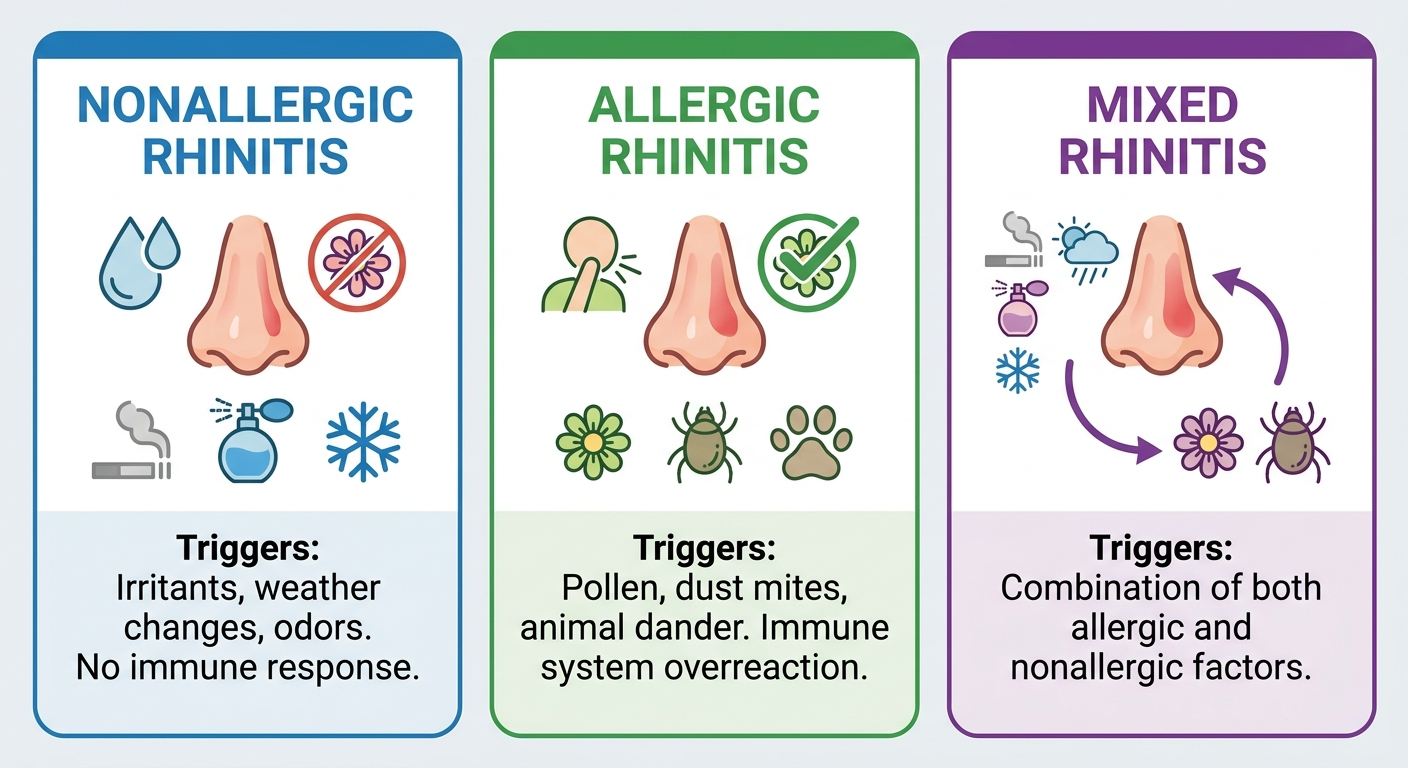
Nonallergic vs Allergic vs Mixed Rhinitis
- Allergic rhinitis: itching (eyes/nose), watery eyes, and clearer seasonal/exposure patterns (pollens, pets, dust mites).
- Nonallergic rhinitis: more linked to irritants, weather changes, strong smells, eating, medications, hormonal shifts, aging.
- Mixed rhinitis: both allergic and nonallergic components—very common—so history plus testing matter. Sources: ACAAI, 2024; StatPearls, 2023
Common story: “Spring pollen makes me sneeze and itch—but strong perfume or cold air makes me instantly congested.”
For broader context on chronic rhinitis: https://sleepandsinuscenters.com/treating-chronic-rhinitis
*Takeaway: Similar symptoms to allergies can occur without allergic sensitization, and history often tells the story.*
Symptoms of Nonallergic Rhinitis
Common symptoms: nasal congestion/stuffiness, watery runny nose, postnasal drip and throat clearing, sneezing (often without prominent itch), sometimes facial pressure or headache. Sources: StatPearls, 2023; Mayo Clinic, 2023
People often describe an “always-stuffy” nose or a “dripping faucet,” especially with temperature changes or certain exposures.
Less typical of NAR (clues for allergy): prominent itching (eyes/nose), eczema flares, or strong seasonal pollen patterns. Source: ACAAI, 2024
Impact: chronic blockage and drainage can worsen sleep quality, cause mouth breathing, fatigue, and daytime discomfort.
*If itching dominates or symptoms are strongly seasonal, allergy may still be part of the picture.*
Common Causes and Triggers (Why It Happens)
NAR is a group of conditions with similar symptoms but different triggers.
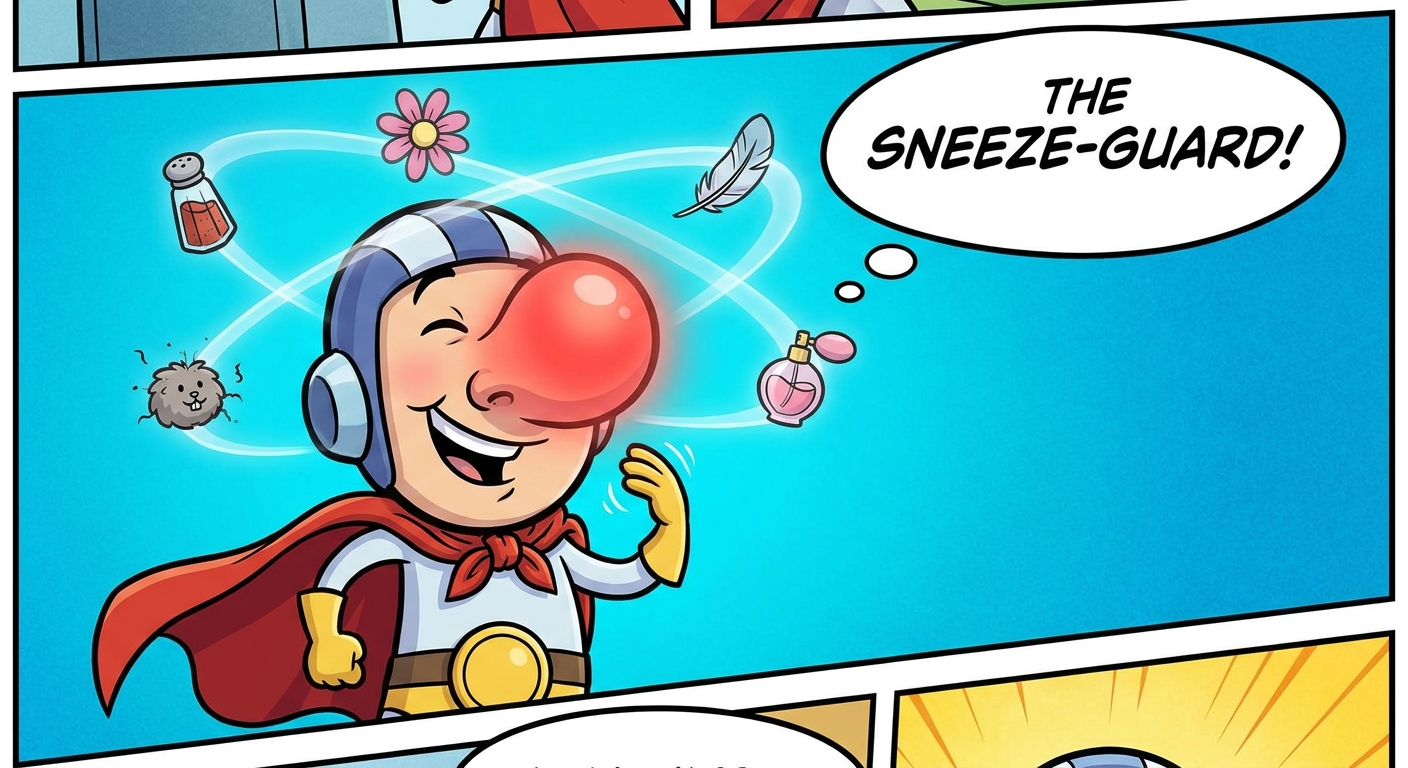
Irritants and air quality: smoke (including secondhand), strong odors/fragrances, cleaning chemicals, pollution/smog. Sources: StatPearls, 2023; Mayo Clinic, 2023
Real-life examples: flares after cleaning, scented candles, smoky patios, or high-pollution commutes.
Weather and temperature changes: cold air, rapid temperature or humidity swings can provoke congestion or watery drainage.
Food-related (gustatory rhinitis): clear watery runny nose during meals—especially hot/spicy foods. Source: StatPearls, 2023
Medication-related: overuse of topical decongestant sprays can cause rebound congestion (rhinitis medicamentosa); other meds can contribute. Source: StatPearls, 2023. More info: https://sleepandsinuscenters.com/blog/afrin-rebound-how-long-does-nasal-congestion-last-after-use
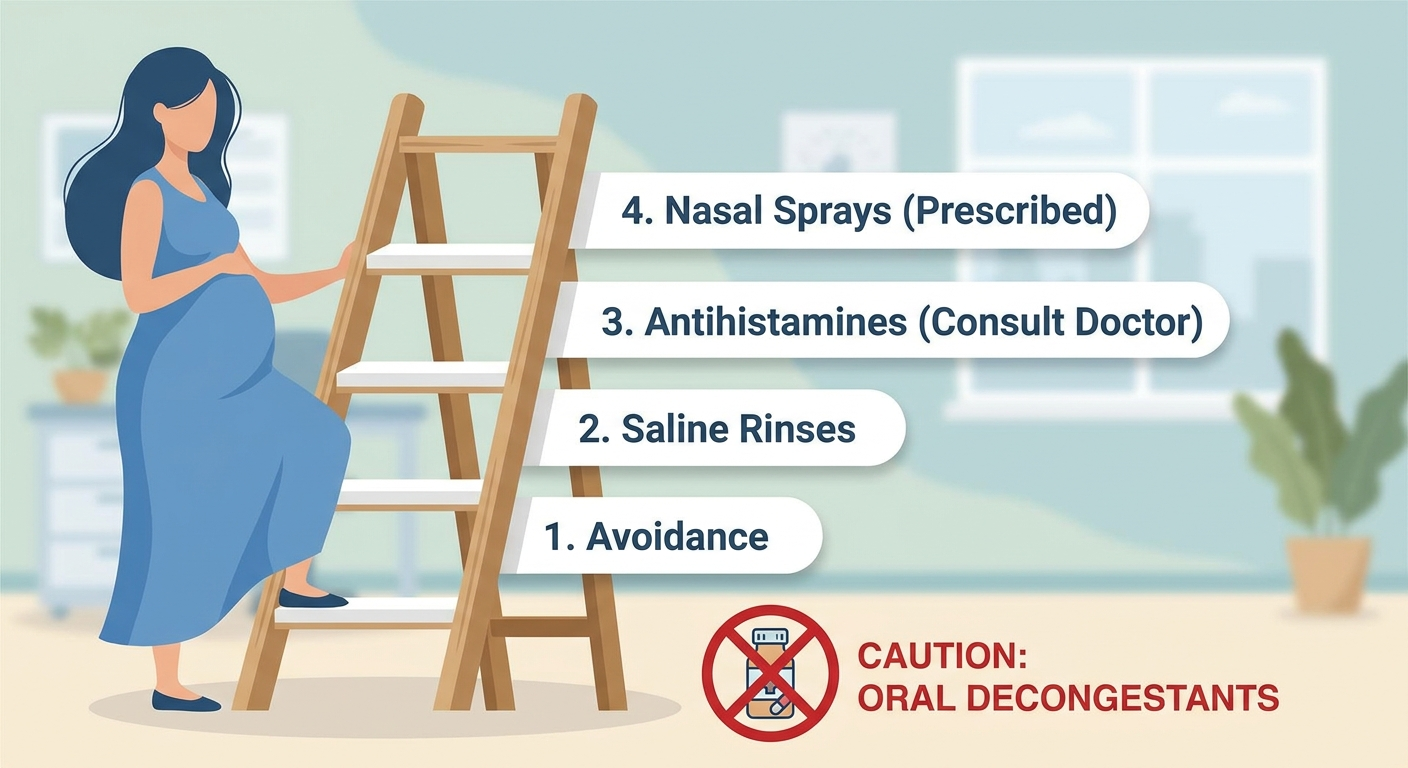
Hormonal factors: pregnancy and other shifts can increase nasal swelling and mucus. Source: StatPearls, 2023
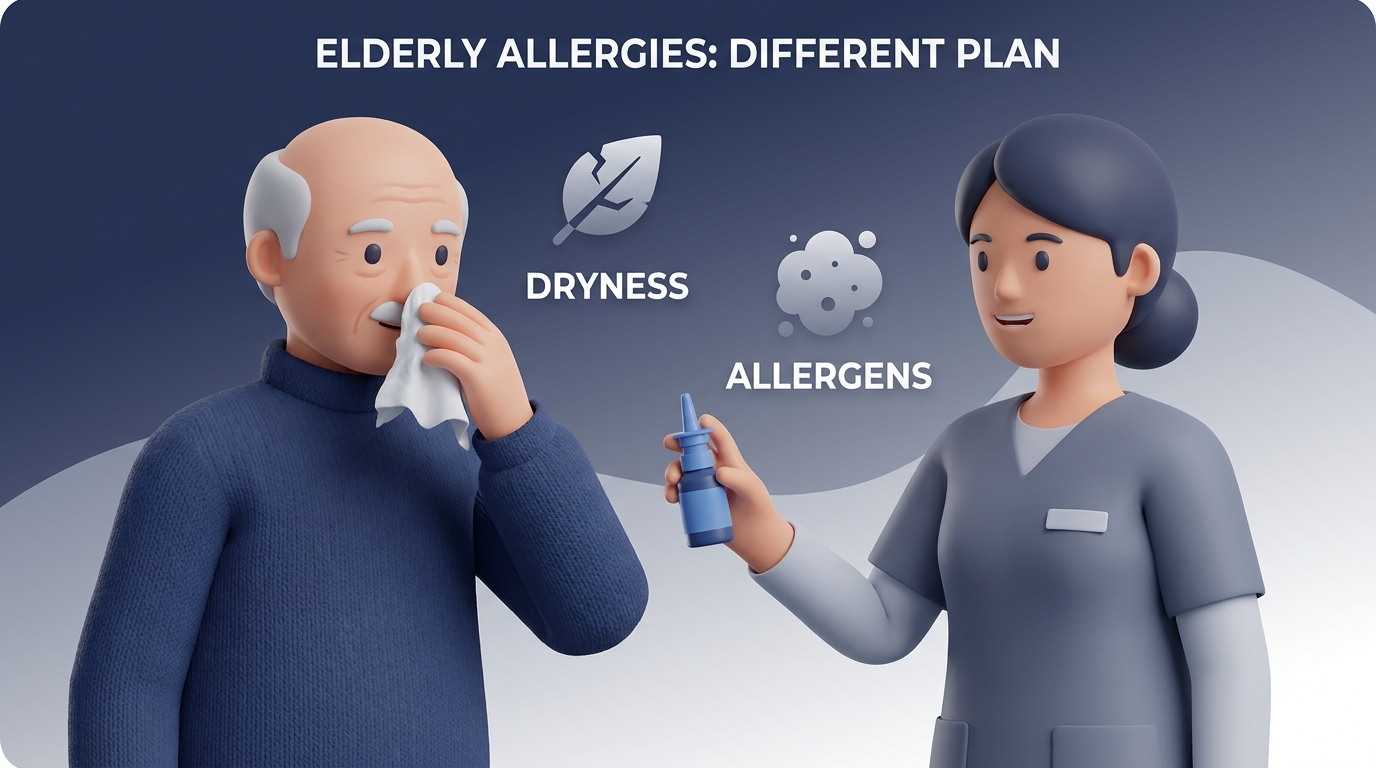
Aging-related rhinitis: often features more watery drainage over time. Source: StatPearls, 2023
Deeper dive on avoidance: https://sleepandsinuscenters.com/blog/top-nonallergic-rhinitis-triggers-causes-and-how-to-avoid-them
*Noticing when symptoms flare is the first step toward a targeted plan with your clinician.*

Types (Subtypes) of Nonallergic Rhinitis
Idiopathic/vasomotor rhinitis: symptoms without infection or allergy, often triggered by odors, temperature shifts, or environmental changes. Source: StatPearls, 2023
NARES (nonallergic rhinitis with eosinophilia): an inflammatory, allergy-like pattern despite negative allergy testing; may respond to intranasal steroids. Source: StatPearls, 2023
Atrophic rhinitis: more dryness and crusting; often benefits from specialist evaluation. Source: StatPearls, 2023
“Red flag” subtype: persistent clear watery drainage from one side, worse when leaning forward and sometimes salty/metallic—possible CSF leak; needs urgent evaluation. Source: StatPearls, 2023
*Different subtypes can look alike; naming the pattern helps match treatments to symptoms.*
How Nonallergic Rhinitis Is Diagnosed
Diagnosis is based on history and exam: symptom timing/trigger patterns, medication/spray use, nasal exam (sometimes endoscopy), and signs suggesting infection, structural blockage, or other conditions. Source: StatPearls, 2023
History clue: if symptoms reliably show up with fragrances, weather shifts, or meals, that pattern can be as informative as a lab result.
Allergy testing still matters: it clarifies allergic vs mixed rhinitis and guides care. What to expect: https://sleepandsinuscenters.com/allergy-testing
Note: negative standard tests lower the odds of systemic allergic rhinitis but don’t exclude local allergic rhinitis; diagnosis is ultimately clinical. Source: StatPearls, 2023
Clinicians may also rule out sinus infection, nasal polyps, deviated septum, turbinate enlargement, chronic sinusitis, or medication side effects (including spray rebound).
*A careful history and exam—often with allergy testing—help clarify whether nonallergic, allergic, or mixed rhinitis is present.*
Treatment Options (Symptom-Directed Relief)
Management is tailored to the dominant symptom (congestion vs watery drainage); combination therapy is common. Sources: StatPearls, 2023; Mayo Clinic, 2023
Step 1 — Identify and reduce triggers: reduce fragrance exposure, improve ventilation during cleaning, and minimize smoke/irritant contact. Trial small changes (e.g., fragrance-free laundry, mask during cleaning) and note response.
Step 2 — Saline irrigation/nasal rinses: helpful for mild symptoms, irritant exposure, thick mucus, or postnasal drip; use distilled/sterile (or previously boiled/cooled) water and keep devices clean. Source: Mayo Clinic, 2023
Step 3 — Nasal sprays/medications:
- Intranasal antihistamines: can help even when not allergy-driven, especially for congestion/runny nose. Source: StatPearls, 2023
- Intranasal corticosteroids: useful when inflammation/congestion are prominent; consistent use is key. Sources: Mayo Clinic, 2023; StatPearls, 2023
- Ipratropium nasal spray: often for persistent watery “dripping.” Sources: StatPearls, 2023; Mayo Clinic, 2023
- Decongestants—use with caution: topical sprays can cause rebound if overused; oral products aren’t ideal for everyone. Source: StatPearls, 2023
Step 4 — If symptoms persist: consider ENT evaluation for structural contributors, sinus overlap, or procedure-based options.
*Therapy is typically symptom-directed and often combines trigger management with nasal medications.*

Lifestyle Tips for Living With Nonallergic Rhinitis
Build a trigger diary: log weather shifts, meals/spice level, fragrance exposure, cleaning activities, workplace irritants, medications, and symptom severity.
Create a sinus-friendly home: fragrance-free products, good ventilation, and avoid overly dry air; optimize humidity without over-humidifying.
Sleep-friendly strategies: gentle pre-bed routine (often including saline) and slight head elevation; dry mouth on waking may signal nasal obstruction and mouth breathing.
*Small environmental changes can add up; ask a clinician what’s right for you.*
When to See a Doctor (and Red Flags)
Seek evaluation if symptoms last beyond 2–4 weeks, recur frequently, interfere with sleep, or if over-the-counter steps aren’t effective; also if you suspect rebound congestion from frequent decongestant spray use.
Get urgent care for red flags: continuous one-sided clear watery drainage (possible CSF leak), severe headache, fever, vision changes, facial swelling, frequent nosebleeds, or unexplained weight loss. Source: StatPearls, 2023
*When in doubt—especially with red flags—seek care promptly.*

FAQs
Q: Can you have rhinitis if allergy tests are negative? A: Yes—this is essentially nonallergic rhinitis; mixed rhinitis is also possible, and negative standard tests don’t exclude local allergic rhinitis. Source: StatPearls, 2023
Q: Why does my nose run when I eat? A: That common pattern is gustatory rhinitis, a subtype of NAR. Source: StatPearls, 2023
Q: What helps constant watery runny nose? A: There’s no one best option, but ipratropium nasal spray is often considered when watery rhinorrhea dominates, sometimes alongside other therapies. Sources: Mayo Clinic, 2023; StatPearls, 2023
Q: Do nasal steroids help nonallergic rhinitis? A: They may when congestion/inflammation is prominent; response varies and should be clinician-guided. Source: StatPearls, 2023
Q: Can NAR lead to sinus problems? A: Chronic congestion can impair sinus drainage and is associated with sinus symptoms/infections in some people; new or persistent facial pain/pressure, fever, or worsening symptoms warrant evaluation.
Conclusion: A Clear Next Step for Persistent “Allergy-Like” Symptoms
Nonallergic rhinitis is common and can look like allergies, but triggers and treatments often differ. Because many people have overlapping causes, a structured history, exam, and sometimes testing are helpful. If symptoms persist, track triggers and consider basic nasal hygiene (like saline). For clarity on allergies or mixed disease, learn about testing: https://sleepandsinuscenters.com/allergy-testing and review treatment options: https://sleepandsinuscenters.com/treating-chronic-rhinitis or book a consultation: https://www.sleepandsinuscenters.com/
Sources
[1] StatPearls. Nonallergic Rhinitis (Vasomotor Rhinitis). 2023. https://www.ncbi.nlm.nih.gov/books/NBK547704/
[2] Savouré et al. Worldwide prevalence of rhinitis in adults: A review of definitions and temporal evolution. 2022. https://pmc.ncbi.nlm.nih.gov/articles/PMC8967272/
[3] Mayo Clinic. Nonallergic rhinitis—Diagnosis & treatment. 2023. https://www.mayoclinic.org/diseases-conditions/nonallergic-rhinitis/diagnosis-treatment/drc-20351235
[4] ACAAI. How does nonallergic rhinitis differ from allergic rhinitis? 2024. https://acaai.org/resource/how-does-nonallergic-rhinitis-differ-from-allergic-rhinitis/
This article is for educational purposes only and is not medical advice. Please consult a qualified healthcare provider for diagnosis and treatment.
Talk with a Georgia ENT
If sprays and lifestyle changes aren’t enough, ask about in-office options like RhinAer for ongoing rhinitis symptoms. Learn more about RhinAer for chronic rhinitis, or request an appointment.
Don’t let allergies slow you down. Schedule a comprehensive ENT and allergy evaluation at Sleep and Sinus Centers of Georgia. We’re here to find your triggers and guide you toward lasting relief.