Elderly Allergies: Why Dosing and Treatment Often Need to Change
That allergy pill that felt “no big deal” at 40 can be a very different story at 75. With age, nasal symptoms can start to look less like classic seasonal allergies and more like dryness, chronic irritation, medication side effects, or other types of rhinitis. At the same time, the body processes medications differently—so dosing and side-effect risks change, too.
The good news: there are safer, effective options for elderly allergies, especially when treatment is matched to the real cause of symptoms and the realities of aging. Because many older adults take multiple medications, it is important to review any allergy treatment (including over-the-counter products) with a clinician or pharmacist to reduce interaction and side-effect risks. Research also emphasizes that rhinitis in later life is complex and that treatment requires extra caution in older adults [1][2].
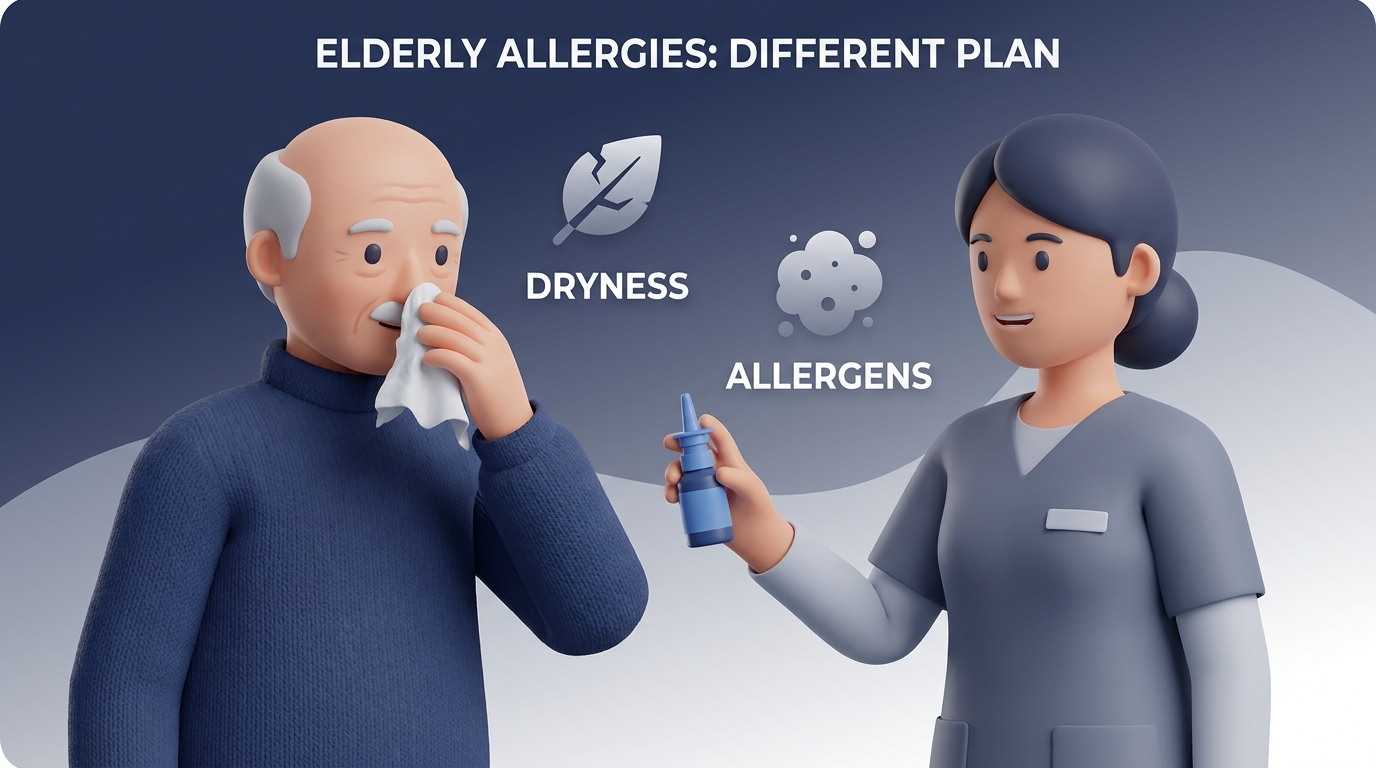
“In older adults, we’re often treating two problems at once: the nose’s natural dryness plus true allergy inflammation. The plan works best when we identify which is driving symptoms.” — clinician perspective (for education)
Medical disclaimer: This article is for general education and is not a substitute for personalized medical advice, diagnosis, or treatment. Always follow guidance from your clinician, especially if you have heart disease, glaucoma, urinary symptoms, kidney disease, or a complex medication list.
Are These “Allergies”—or Something Else?
Why nasal symptoms change as we age
Nasal symptoms in later life are not always driven by the immune system. Aging can change nasal structure and airflow, reduce mucosal moisture, thicken mucus, slow mucociliary clearance, shift cholinergic activity toward “runny nose” patterns, and diminish sense of smell.
A simple analogy: if the nose is like a self-cleaning air filter, aging can reduce the fan power and make the filter drier—so you may feel blocked or drippy even without strong allergy triggers. Practical takeaway: in older adults, congestion and drainage may reflect nonallergic or structural causes, not allergy alone [1][2].
Takeaway: Identifying whether symptoms are allergic, nonallergic, or both often unlocks better results with fewer side effects.
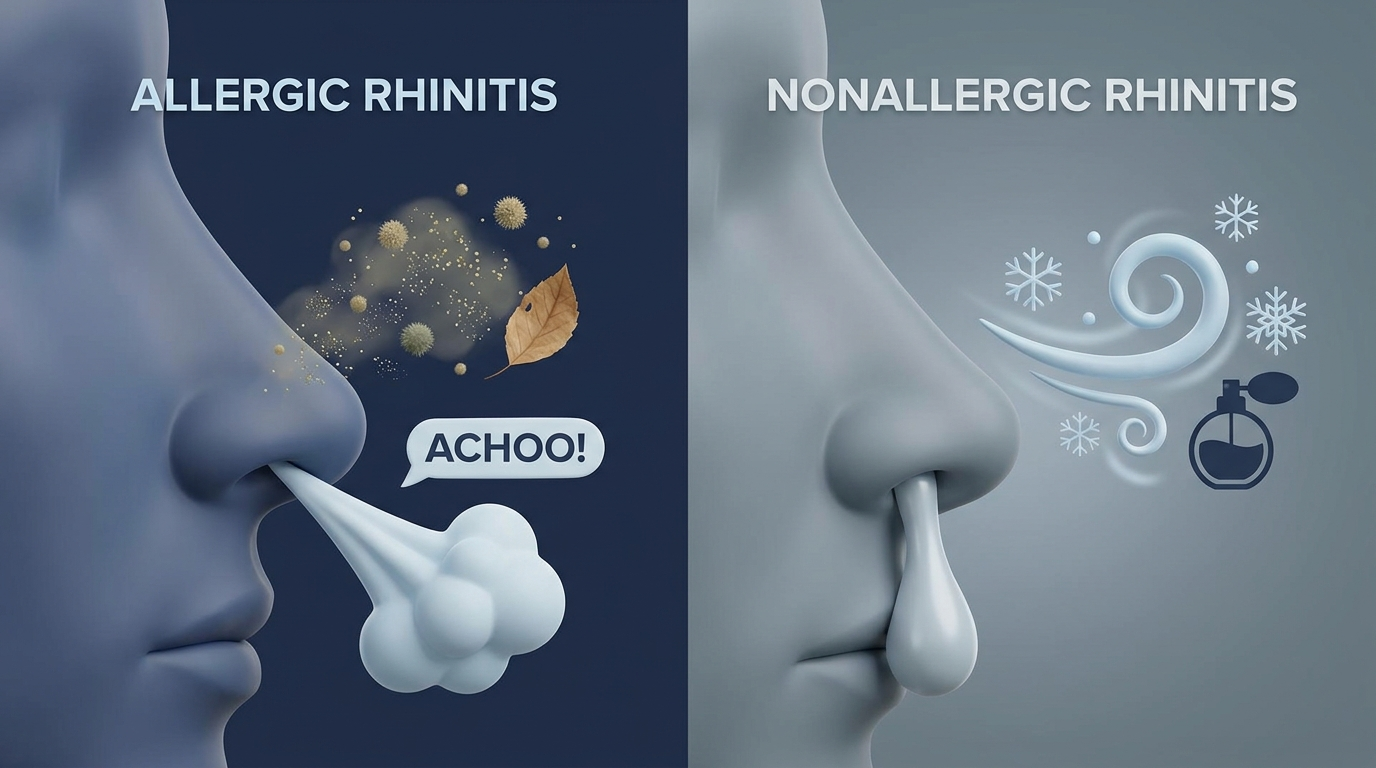
Allergic rhinitis vs nonallergic rhinitis in older adults
Rhinitis means nasal inflammation or irritation, and it can be allergic or nonallergic, with overlap common. Allergic rhinitis is usually triggered by pollen, dust mites, or pets and often includes itching, sneezing, watery eyes, and congestion. Nonallergic rhinitis can be triggered by weather changes, strong odors, smoke, spicy foods, and some medications, and it often causes runny nose and congestion without much itching.
Example: someone who used to sneeze and itch every spring may later notice constant dripping in cold air, when cooking, or when smelling perfume—patterns that point away from classic allergy. Because symptoms can overlap, diagnosis depends on a focused history and sometimes testing. Deeper breakdown: https://sleepandsinuscenters.com/treating-chronic-rhinitis
Takeaway: If symptoms do not fit the “itchy and sneezy” picture, consider nonallergic rhinitis as part of the cause.
Common Allergy Symptoms in Seniors (and Red Flags)
Typical symptoms (what patients notice)
Common complaints include nasal congestion and mouth breathing, post-nasal drip and throat clearing, runny nose, less-dramatic sneezing, itchy or watery eyes, cough or throat irritation, and sleep disruption from congestion or dripping.
Even mild nighttime congestion can fragment sleep, and poor sleep can amplify fatigue, balance issues, and daytime fogginess. Takeaway: Better symptom control often improves sleep quality and daytime function.
“Red flag” symptoms that deserve medical evaluation
Seek evaluation for one-sided nasal blockage, recurrent nosebleeds, facial swelling, severe headache, fever, new wheeze or shortness of breath, sudden or significant loss of smell, or symptoms that do not improve with appropriate therapy (possible sinus disease, medication effects, or nonallergic rhinitis) [1].
Takeaway: Red flags call for a clinician’s evaluation rather than self-treatment.
Why Allergy Medication Dosing Often Needs to Change With Age
The big reasons: metabolism, comorbidities, and polypharmacy
With age, drug metabolism and clearance often slow, kidney and liver function may decline, chronic conditions accumulate, and medication lists grow. Side effects can appear at lower doses, and some drugs need adjustment, especially when kidney function is reduced [1][2]. A practical mantra is start low and go slow, aiming for the lowest effective dose that controls symptoms without trading congestion for dizziness or confusion.
Takeaway: The safest plan is usually the simplest effective plan, tailored to health conditions and current medicines.
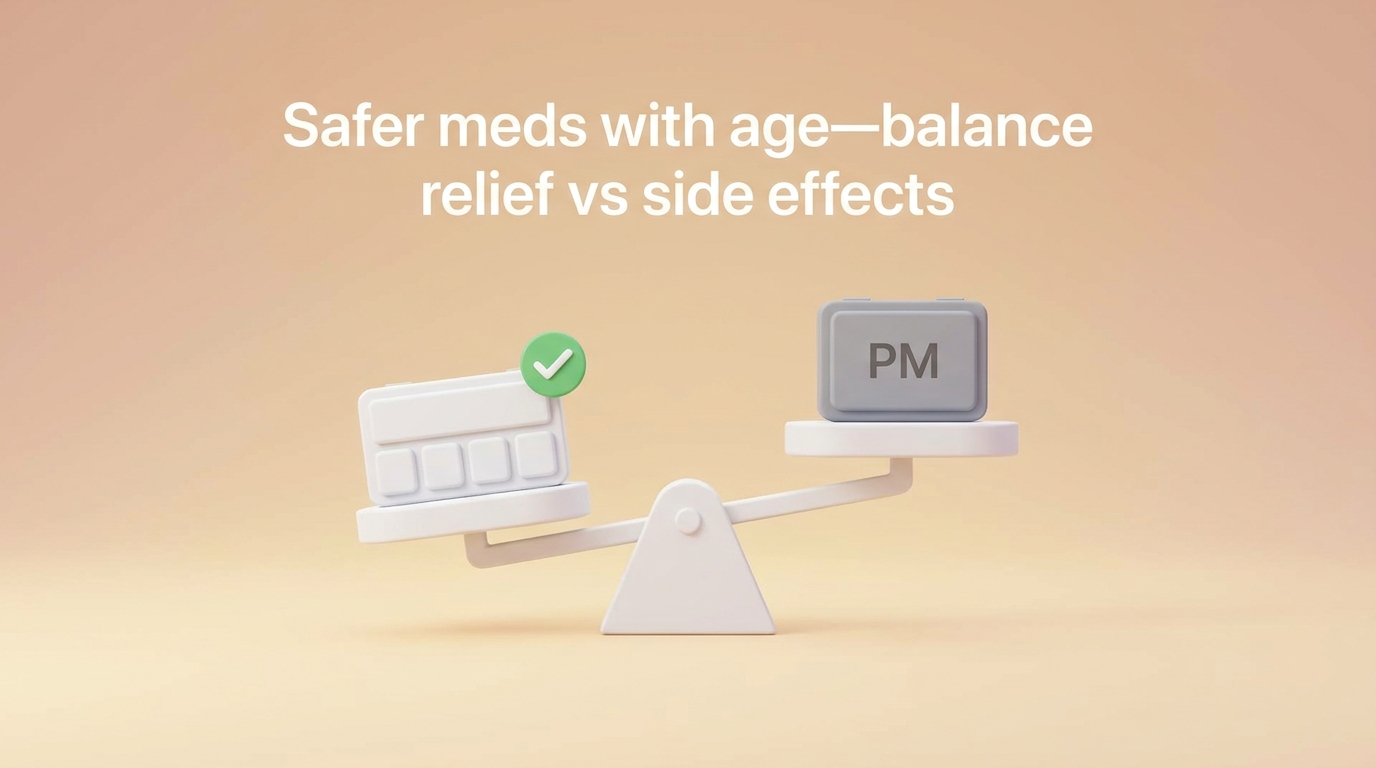
The “side effects matter more” principle in seniors
In older adults, even mild sedation or dizziness can increase risks of falls, confusion, and reduced independence. Treatment therefore emphasizes safer medication choices and simpler regimens, particularly when someone already takes medicines for sleep, pain, anxiety, blood pressure, or prostate symptoms.
Takeaway: Minimize sedation and anticholinergic burden whenever possible.
Antihistamines in the Elderly—What Changes (and What to Avoid)
Why first-generation antihistamines are usually a poor choice
Common first-generation options include diphenhydramine and chlorpheniramine. In older adults, they often cause sedation and anticholinergic effects: drowsiness, dizziness, cognitive impairment or delirium, constipation, urinary retention, and blurred vision. These concerns are highlighted in AGS Beers Criteria [3][4]. Avoiding first-generation antihistamines is a major safety upgrade, especially for day-to-day control.
Takeaway: If a label says “nighttime” or “PM,” assume it may be sedating and review with a clinician or pharmacist.
Second-generation antihistamines are usually preferred (with dose awareness)
Generally better-tolerated options include cetirizine, levocetirizine, loratadine, and fexofenadine. Some people still feel sleepy with certain non-drowsy products, and dose adjustments may be needed when kidney function is reduced [2][4]. Reassess if a medicine that felt fine at 55 feels too strong at 78.
Takeaway: Preferred does not mean risk-free—watch for drowsiness and consider kidney function in dosing.
Patient checklist before taking an antihistamine (example)
Screen for glaucoma, urinary retention, or prostate symptoms; prior falls or balance problems; memory problems or episodes of confusion; and potential interactions with sleep medications, anxiety medications, pain medications, and muscle relaxants. These steps help reduce avoidable side effects tied to anticholinergic burden and sedation [2][4].
Takeaway: A short medication and condition review can prevent big problems later.
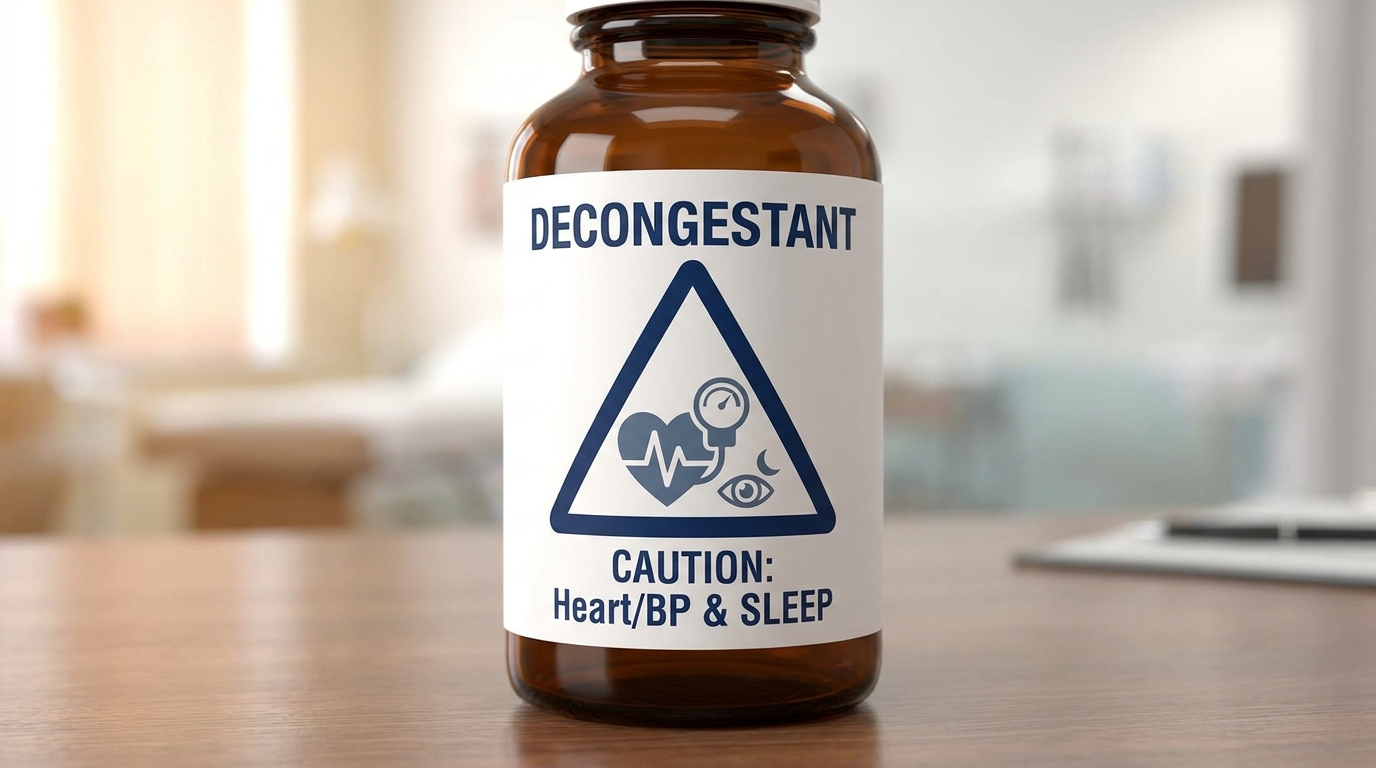
Decongestants: Why Seniors Need Extra Caution
Oral decongestants (pseudoephedrine, phenylephrine)—what can go wrong
Oral decongestants may worsen high blood pressure, heart rhythm issues, insomnia and jitteriness, anxiety, and urinary retention. Oral phenylephrine also provides limited benefit for nasal congestion, further tipping the risk-benefit balance [2]. If you are prone to palpitations or poor sleep, even a small dose can feel like too much.
Takeaway: If considering oral decongestants, talk to a clinician—especially with blood pressure, heart, sleep, or urinary issues.
Topical decongestant sprays—short term only
Nasal decongestant sprays can work quickly, but prolonged use can cause rebound congestion (rhinitis medicamentosa) [2]. More detail: https://sleepandsinuscenters.com/blog/afrin-rebound-how-long-does-nasal-congestion-last-after-use
A practical guardrail: if a decongestant spray is needed beyond a very short window, step back to confirm the cause of blockage and switch to safer long-term strategies.
Takeaway: Quick sprays can be a bridge, not a plan—if you need them often, reassess the diagnosis.
Intranasal Corticosteroids: Often a Preferred First-Line Option
Why steroid nasal sprays are commonly recommended
For moderate or persistent symptoms, guidelines support intranasal corticosteroids as foundation therapy. They improve congestion, runny nose, sneezing, and itch, and are generally well tolerated in older adults [2]. They offer a favorable risk-benefit profile for steady control.

How to use them correctly (so they work and reduce side effects)
Aim the nozzle slightly outward away from the septum, use consistently (often daily), and consider saline first if the nose feels blocked. Possible side effects include dryness or irritation and occasional nosebleeds, often improved with technique and moisture strategies [2]. If a spray burns, the lining may be dry and benefit from saline and careful aiming.
Takeaway: Good technique and daily use often make the biggest difference with nasal steroids.
When Immunotherapy (Allergy Shots or Drops) Makes Sense After 60
Can allergy shots still work in seniors?
Yes. In selected older adults, allergen immunotherapy can reduce symptoms and medication needs, with benefits that may persist [6].
Safety screening matters more with age
Because older adults are more likely to have heart disease, asthma, or complex medication lists, clinicians screen carefully for factors affecting safety—especially medications that can complicate emergency treatment of severe reactions (notably beta-blockers, and sometimes ACE inhibitors with injection therapy) [2][6]. This does not automatically rule immunotherapy out; it makes the risk-benefit discussion more individualized.
What patients should expect
Typical elements include a build-up phase followed by maintenance, brief observation after injections, and discussion of sublingual options (drops or tablets, depending on allergen and availability). Comparison guide: https://sleepandsinuscenters.com/allergy-drops-vs-allergy-shots
Takeaway: The right patient, allergen, and safety plan can make immunotherapy reasonable even later in life.
Lifestyle and Home Tips That Reduce Medication Needs
Reduce indoor triggers (especially for year-round symptoms)
Prioritize dust mite strategies (bedding covers, hot-water washing when appropriate, humidity control), pet dander reduction (limit bedroom exposure, high-filtration vacuuming, ventilation), and mold control (fix leaks, improve airflow, manage humidity without over-humidifying). Reducing trigger load can allow lower medication doses, a key advantage in older adults.
Takeaway: Less exposure often equals less medicine.
Simple nasal care that is senior-friendly
Use saline sprays or rinses to reduce irritants and dryness; follow safe water practices per product labeling; balance humidification to help dryness without encouraging mold. For frequent crusting or a stuffy-but-dry feeling, saline plus careful humidity control may address the true problem.
Takeaway: Gentle daily nasal care can ease symptoms without adding side effects.
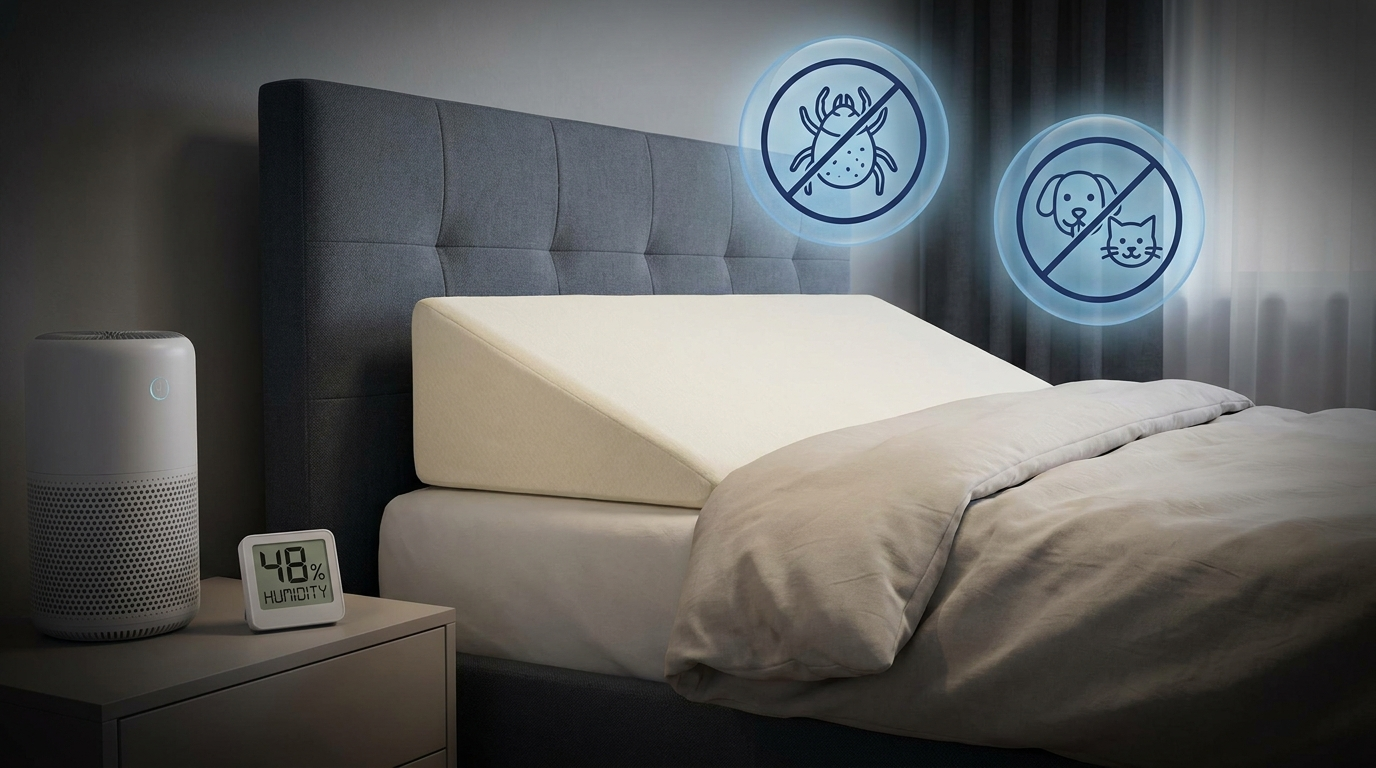
Sleep and allergy symptom control
Elevate the head to reduce nighttime drip discomfort and optimize the bedroom environment to improve breathing and sleep while reducing reliance on medications.
Takeaway: Better bedrooms often mean better sleep and fewer meds.
A Step-by-Step Treatment Plan (Illustrative Example Only)
Mild intermittent symptoms (illustrative, not instructions)
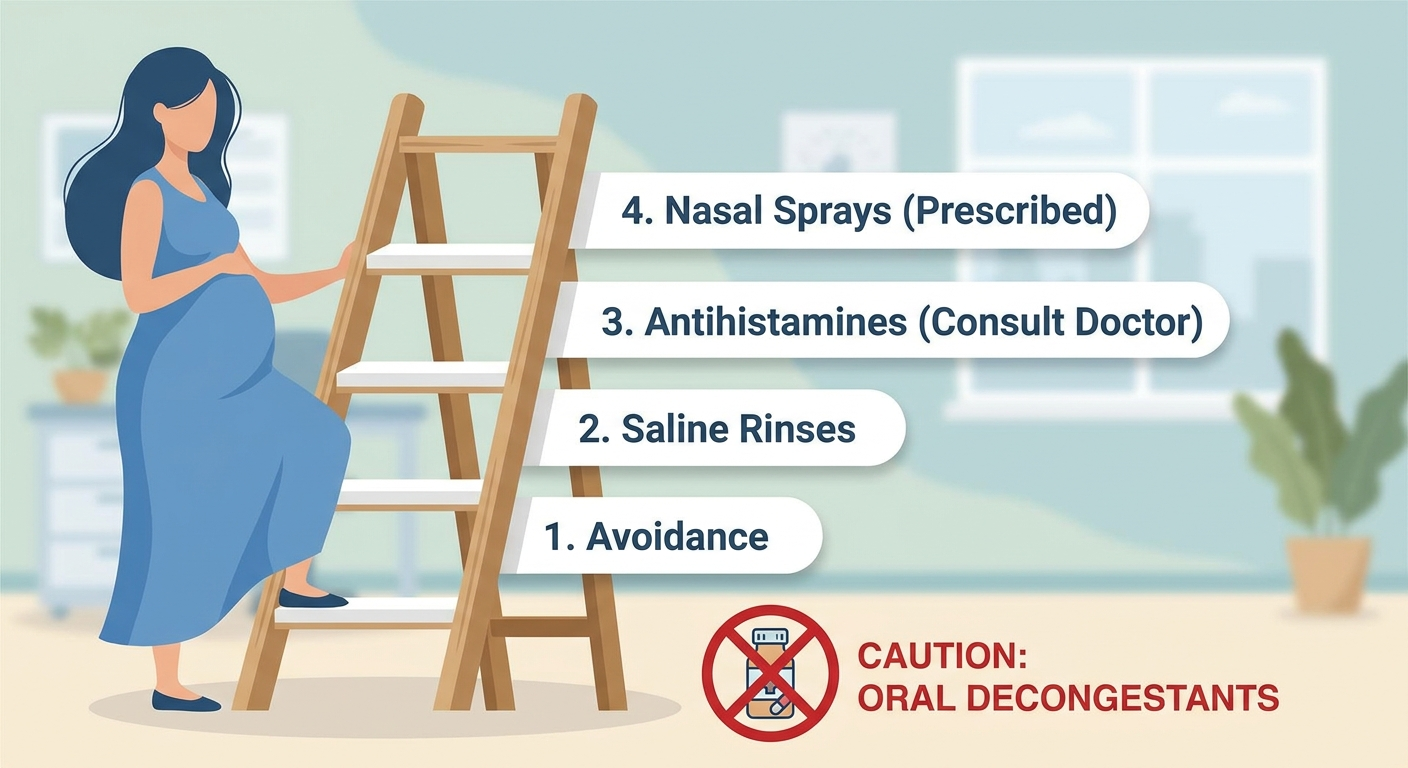
Use trigger reduction and saline; consider a second-generation antihistamine at the lowest effective dose when appropriate [2][4].
Moderate or persistent symptoms (illustrative, not instructions)
Use intranasal corticosteroids as foundation therapy, sometimes adding a second-generation antihistamine if needed [2].
When symptoms persist despite good treatment (illustrative, not instructions)
Re-check the diagnosis: nonallergic rhinitis, structural nasal issues, chronic sinusitis, or medication side effects. Testing can clarify triggers and guide therapy. More on allergy testing: https://sleepandsinuscenters.com/allergy-testing
Takeaway: Treat the right problem, keep doses low, and revisit the plan if results fall short.
FAQs (SEO-Friendly)
Q: What is the safest antihistamine for elderly patients? A: Second-generation options are generally preferred over first-generation products because they are less sedating and less anticholinergic; the best choice and dose may depend on kidney function and sensitivity to sleepiness [2][4].
Q: Why does Benadryl cause confusion in older adults? A: Diphenhydramine is sedating and strongly anticholinergic, which increases the risk of delirium and cognitive impairment in older adults [4].
Q: Can I take decongestants if I have high blood pressure? A: Decongestants can raise blood pressure and cause other cardiovascular effects, so they require caution and individualized review; oral phenylephrine may also offer limited congestion benefit [2].
Q: Are steroid nasal sprays safe long-term for seniors? A: They are generally well tolerated when used correctly, with dryness and occasional nosebleeds among the more common side effects; technique and monitoring help [2].
Q: Do allergy shots work after 60? A: They can help selected patients and may reduce symptoms and medication needs; careful screening for comorbidities and interacting medications is important [6].
When to See an ENT or Allergy Specialist
Signs you need a specialist evaluation
Consider referral for symptoms lasting more than 4 to 6 weeks despite appropriate therapy, frequent sinus infections or persistent post-nasal drip, medication side effects such as falls or confusion or urinary symptoms, or interest in immunotherapy or diagnostic clarification [1][2].
What a specialist may do
Expect targeted testing, a careful medication review, nasal endoscopy when indicated, and an individualized plan that balances symptom control with safety—especially important in allergies in older adults.
Takeaway: A tailored plan can improve comfort while minimizing risks.
Ready for a personalized plan?
If you are dealing with persistent congestion, post-nasal drip, or medication side effects, book an appointment with Sleep and Sinus Centers of Georgia: https://www.sleepandsinuscenters.com/
References
[1] Rhinitis in the Elderly (2016). https://pmc.ncbi.nlm.nih.gov/articles/PMC4834138/
[2] Pharmacological Management of Allergic Rhinitis in the Elderly (2016). https://pmc.ncbi.nlm.nih.gov/articles/PMC5222894/
[3] American Geriatrics Society 2023 Updated AGS Beers Criteria.
[4] Antihistamines, StatPearls (2025). https://www.ncbi.nlm.nih.gov/books/NBK538188/
[6] Clinical Outcomes of Allergen Immunotherapy in the Elderly Population (2023). https://pmc.ncbi.nlm.nih.gov/articles/PMC10749673/
This article is for educational purposes only and is not medical advice. Please consult a qualified healthcare provider for diagnosis and treatment.
Don’t let allergies slow you down. Schedule a comprehensive ENT and allergy evaluation at Sleep and Sinus Centers of Georgia. We’re here to find your triggers and guide you toward lasting relief.