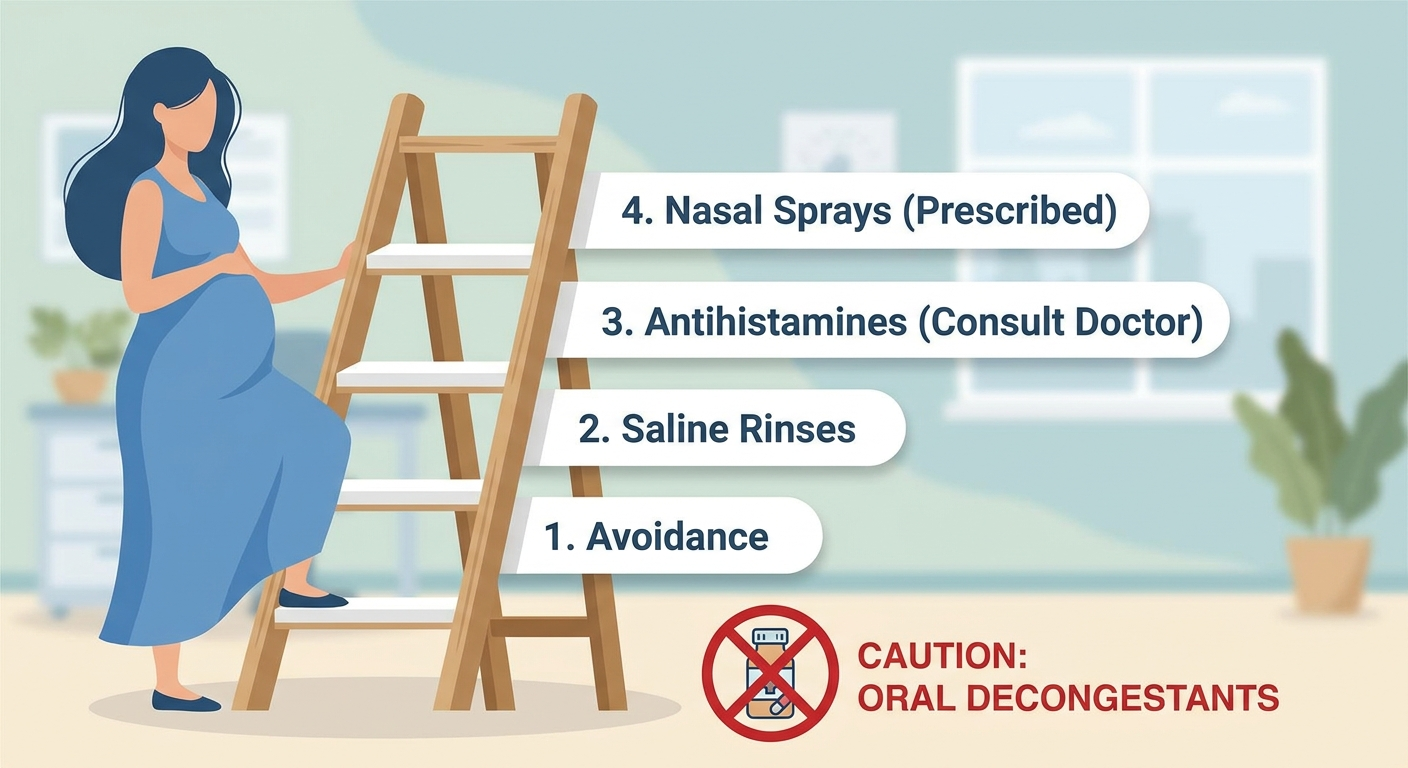
Dupilumab for Nasal Polyps and Allergies: Benefits, Side Effects, and Who It’s Right For
If you’re dealing with ongoing sinus symptoms—especially severe congestion and a reduced sense of smell—you may have heard about biologic medications like dupilumab (brand name Dupixent). For many people with chronic rhinosinusitis with nasal polyps (CRSwNP), dupilumab for nasal polyps can be a meaningful next-step option when standard therapies haven’t been enough.
At the same time, dupilumab is often misunderstood as a general “allergy medicine.” That mix-up matters, because the best treatment depends on what’s truly driving your symptoms: nasal polyps and chronic sinus inflammation, seasonal allergies, or a combination.
Below is a patient-friendly overview of what dupilumab does, how it fits into CRSwNP care, what studies show, and what to discuss with a specialist at Sleep and Sinus Centers of Georgia.
Educational note: This article is for general information only and not a substitute for care from your own clinician.
Quick Take: What Dupilumab Does (and Doesn’t) Do
What it’s FDA‑approved for in nasal disease: As of the latest U.S. prescribing information, dupilumab is approved as an add-on maintenance treatment for adults with inadequately controlled chronic rhinosinusitis with nasal polyps (CRSwNP). It is intended to be used with intranasal corticosteroids, not as a replacement for them. Always check the most current prescribing information or ask your clinician for the latest guidance.
A practical way to think about this: the nasal steroid spray is still the “daily foundation,” and dupilumab is an additional tool for people whose disease remains active despite that foundation.
“For allergies” depends on the diagnosis: Dupilumab targets “type 2” inflammatory pathways and has established indications in several specific conditions (such as certain types of asthma and atopic dermatitis). However, it is not considered a general-purpose treatment for ordinary seasonal allergies (allergic rhinitis/hay fever) as a stand‑alone indication in the U.S. label. If your main issue is seasonal sneezing, itchy eyes, and clear runny nose, other options are typically considered first.
Italics summary: Dupilumab is an add‑on therapy for adult CRSwNP—not a catch‑all allergy medication.

Understanding Nasal Polyps and CRSwNP
What are nasal polyps? Nasal polyps are soft, noncancerous growths that form in the lining of the nose and sinuses, typically related to chronic inflammation. Many patients describe them as feeling like “my nose is permanently clogged.” For a primer, see our overview on nasal polyps: https://sleepandsinuscenters.com/blog/what-are-nasal-polyps
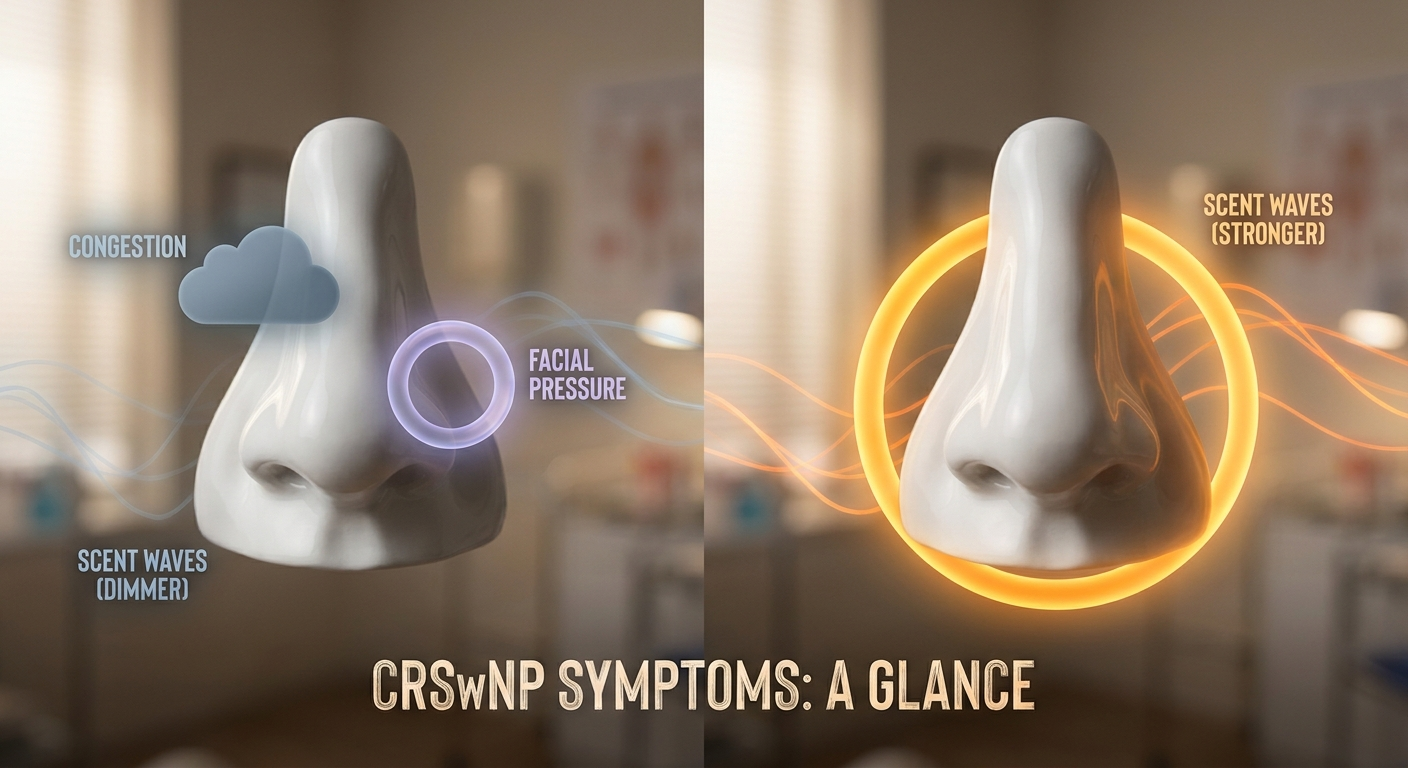
Common symptoms of CRSwNP:
- Persistent nasal congestion/stuffy nose
- Facial pressure/fullness
- Post-nasal drip
- Runny nose
- Reduced or lost sense of smell (often one of the biggest quality-of-life issues)
If smell loss has become your “new normal,” ENT specialists often look beyond simple allergies and evaluate for nasal polyps. CRSwNP is also part of the broader chronic sinusitis spectrum. For background on the condition and common treatment approaches, read more about chronic sinusitis: https://sleepandsinuscenters.com/chronic-sinusitis
Why polyps come back (the “type 2 inflammation” connection): Many people with CRSwNP have ongoing inflammatory signaling—often called type 2 inflammation—that can continue even after standard medications or sinus surgery. This helps explain why symptoms and polyps may recur and why a targeted biologic can be considered in select cases. You can think of it like this: surgery may “clear the blockage,” but type 2 inflammation is the “recurring spark.”
Italics summary: Polyps reflect ongoing inflammation; treating the inflammation helps reduce the chance of the “clog” returning.
Causes and Risk Factors: Who Tends to Get CRSwNP?
Chronic inflammation patterns: In many patients, CRSwNP is associated with type 2 inflammatory features (often involving eosinophils and IgE-related pathways). That doesn’t mean you did anything wrong—CRSwNP is often driven by immune patterns that are hard to control with “as‑needed” meds alone.
Common overlapping conditions:
- Asthma, which may influence treatment decisions and overall airway management
- A history of repeated systemic steroid courses and/or sinus surgery, which often suggests more severe or difficult-to-control disease
Italics summary: If your nose and lungs “flare together,” coordinated ENT and allergy/asthma care often leads to better results.

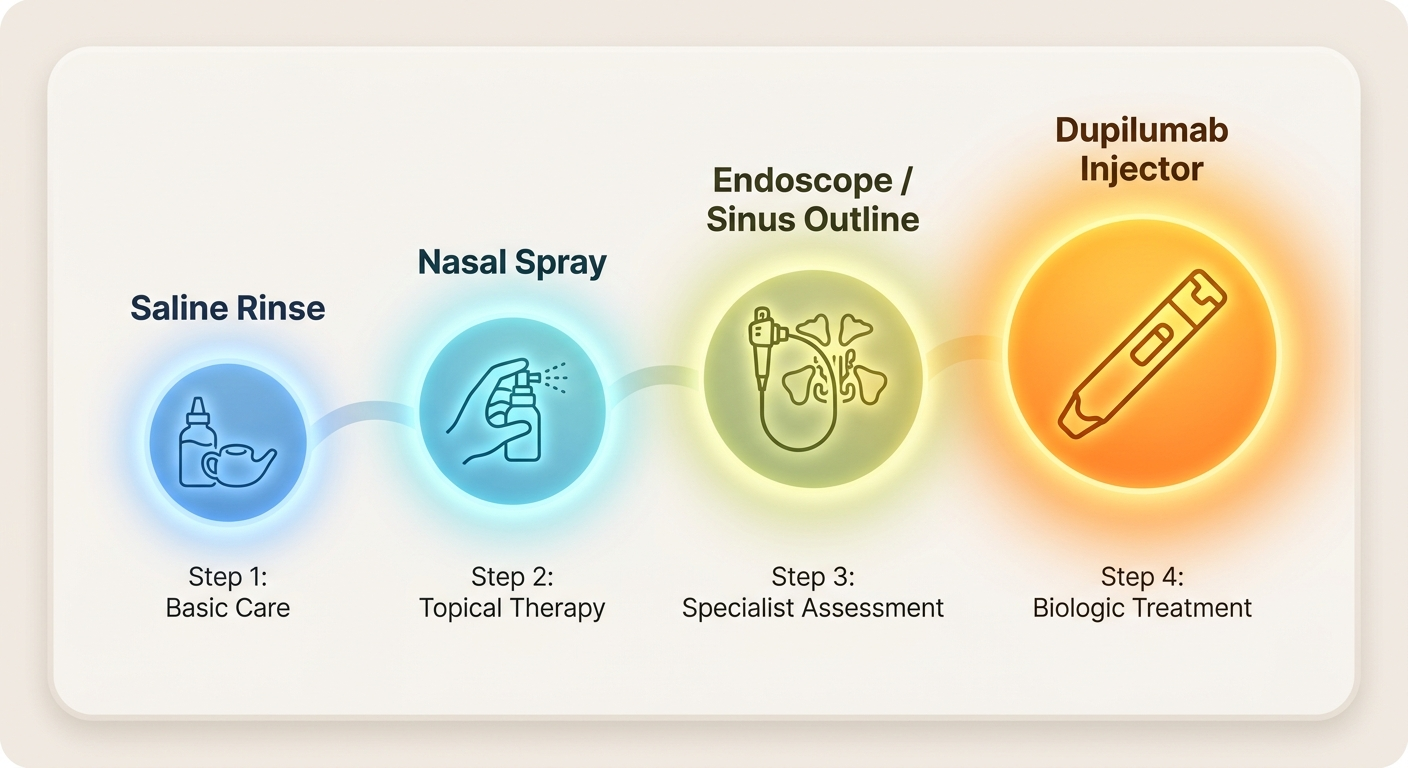
Where Dupilumab Fits in Treatment (Step‑by‑Step Care Path)
First‑line basics (often tried before biologics):
- Daily intranasal steroid sprays
- Saline irrigation/rinses
- Trigger evaluation and management (allergy, asthma, irritants)
Consistency matters: a spray used correctly every day can control inflammation better than one used sporadically. For practical context on “start here” therapies, see our guide to topical treatments for nasal polyps: https://sleepandsinuscenters.com/blog/topical-treatments-for-nasal-polyps
When ENT doctors consider procedures or surgery: When symptoms persist despite appropriate medical therapy, an ENT specialist may recommend procedures such as endoscopic sinus surgery to improve sinus drainage and medication delivery.
When dupilumab is considered: Dupilumab for nasal polyps is generally considered when CRSwNP is inadequately controlled despite ongoing nasal steroids and a history of other treatments—often including systemic steroids and/or prior sinus surgery (similar to patients enrolled in key clinical trials).
Dupilumab is an add‑on—not a replacement: In CRSwNP, dupilumab is intended as add‑on maintenance therapy; patients typically continue intranasal corticosteroids and other routine sinus-care steps unless their clinician recommends changes.
Italics summary: Think “layers” of care—topicals first, procedures if needed, and dupilumab as an add‑on for persistent, type 2–driven disease.
Benefits of Dupilumab for Nasal Polyps (What Studies Show)
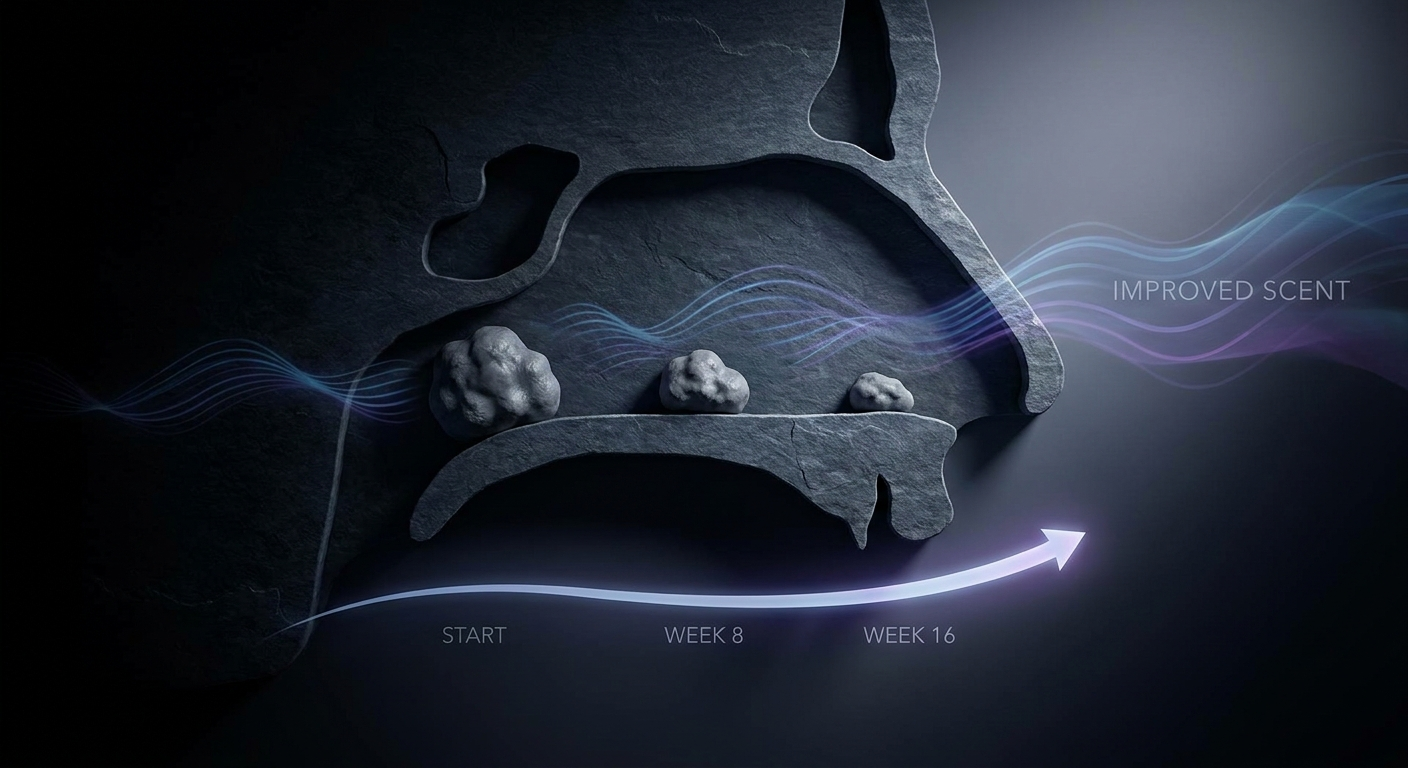
Smaller polyps and less congestion: In the pivotal SINUS‑24 and SINUS‑52 trials, adults with severe bilateral CRSwNP who received dupilumab had significant improvements versus placebo in polyp size, nasal congestion, and sinus CT findings.
Smell improvement and quality of life: Many patients reported meaningful improvement in smell and day‑to‑day functioning. Individual results vary.
How quickly does it work—and does it last? An analysis from SINUS‑52 found that a majority of treated patients achieved clinically meaningful improvement by about week 16, and most of those responders maintained improvement through one year.
Italics summary: Trials show meaningful improvements in congestion, polyp size, and smell—often by four months, with benefits that can be maintained over time.
Dupilumab for Allergies: Clarifying What It Treats (and What It Doesn’t)
Conditions often mistaken for “just allergies”: Congestion, drainage, and sneezing can occur in both CRSwNP and allergic rhinitis. But they’re not identical, and the best treatment depends on the driver. For a comparison point, see our overview of allergic rhinitis (hay fever): https://sleepandsinuscenters.com/blog/what-is-allergic-rhinitis-hay-fever
When dupilumab may help “allergy‑related” problems: Dupilumab may help when symptoms are driven by type 2 inflammatory disease, such as asthma with nasal polyps.
When it’s not the right tool: For typical seasonal/environmental allergic rhinitis alone, many lower‑burden options exist (like antihistamines, nasal sprays, and allergen immunotherapy), and dupilumab is not positioned as a general-purpose hay fever medication.
Italics summary: If allergies are the main issue, start with allergy‑focused therapies; consider dupilumab when type 2 inflammation with polyps is the real driver.
How Dupilumab Is Taken (Practical Treatment Expectations)
Dosing schedule: In CRSwNP, dupilumab is given as a subcutaneous injection on a regular schedule (commonly every two weeks). Your care team will train you on how and when to inject.
Add‑on maintenance therapy: Because it’s an add‑on therapy, most treatment plans continue background CRSwNP care (including intranasal steroids and sinus hygiene) unless your clinician directs otherwise.
Monitoring and follow‑ups often focus on:
- Nasal blockage and drainage
- Sense of smell
- Endoscopy/polyp scoring
- Asthma control (if present)
- Side effects or new symptoms
Many patients keep simple weekly notes (for example, “smell: 2/10 → 6/10”) to track progress.
Italics summary: Plan for a steady routine—regular injections plus the same daily sinus care that supports long‑term control.
Side Effects and Safety: What Patients Should Watch For
Common side effects seen in CRSwNP:
- Injection‑site reactions
- Eosinophilia
- Insomnia
- Toothache
- Gastritis
- Joint pain
- Conjunctivitis (eye irritation)
Less common but serious risks (seek care promptly):
- Serious hypersensitivity reactions
- Persistent or worsening eye problems
- Eosinophilic complications
Steroid safety reminder: If you’ve been using oral corticosteroids, do not stop abruptly; tapering is typically done under medical supervision.
Italics summary: Most side effects are manageable, but eye symptoms or signs of allergy deserve prompt attention.
Who Dupilumab Is Right For (and Who Might Consider Other Options First)
You may be a good candidate if dupilumab for nasal polyps is often discussed when:
- CRSwNP has been clearly diagnosed, and
- Symptoms persist despite consistent intranasal steroids, and
- There’s a history suggesting more severe disease (such as systemic steroid use and/or sinus surgery), and
- Quality of life is significantly affected (blocked nose, smell loss, sleep disruption)
A quick self‑check some patients use (not a diagnostic tool): “If I rate my nose symptoms on most days, am I living at a 7–9 out of 10?”
Dupilumab may be especially helpful if you also have:
- Coexisting asthma or another type 2 inflammatory condition that may benefit from the same biologic approach
Reasons your specialist might not recommend it right now include:
- Symptoms better explained by uncomplicated allergic rhinitis alone
- Concerns about injection schedule/adherence
- Side effect risk concerns (particularly eye issues), based on your history
Italics summary: Dupilumab is usually considered for clearly diagnosed, harder‑to‑control CRSwNP—especially when asthma overlaps.
Lifestyle & At‑Home Tips That Still Matter (Even on Biologics)
Keep up with daily sinus hygiene:
- Saline rinses/irrigation as directed
- Correct nasal spray technique and consistency
Reduce triggers that can worsen inflammation: Common irritants include smoke exposure, strong fragrances, and uncontrolled indoor allergens.
Support better sleep and breathing: Nighttime congestion can affect sleep quality. Bedroom allergen reduction and other environment adjustments may help—especially for people who also snore or suspect sleep‑disordered breathing.
Italics summary: Good daily habits—rinses, sprays, and trigger control—remain essential even if you start a biologic.
What to Ask Your ENT/Allergist Before Starting Dupilumab
Diagnosis and treatment history
- “Are my symptoms truly CRSwNP, allergic rhinitis, allergic fungal rhinosinusitis, or something else?”
Expected benefits
- “What changes should I expect by around week 16? By 6–12 months?”
Practical planning
- Injection training and schedule
- Which therapies continue (nasal steroids, rinses)
- Follow‑up timing and what symptoms should trigger a call
If allergy is part of the picture, Sleep and Sinus Centers of Georgia also offers allergy testing to help clarify triggers and guide a targeted plan: https://sleepandsinuscenters.com/allergy-testing
Italics summary: Clear diagnosis and a practical plan for injections, follow‑up, and ongoing therapies set you up for success.
FAQs
Is dupilumab a cure for nasal polyps? No. It’s a maintenance therapy that can reduce polyp burden and symptoms, but most people still need ongoing background care.
Can dupilumab help me get my sense of smell back? Many patients experienced meaningful smell improvement in trials, though individual results vary.
If I have allergies, will dupilumab replace antihistamines or allergy shots? Usually no. Dupilumab is not positioned as a general-purpose seasonal allergy medication; the right approach depends on your diagnosis and triggers.
Do I still need nasal steroid sprays while on dupilumab? Typically yes. Dupilumab for nasal polyps is used as an add‑on therapy with intranasal corticosteroids for CRSwNP.
What side effects should prompt urgent attention? Signs of a severe allergic reaction, persistent or worsening eye symptoms, or concerning new breathing/systemic symptoms should be evaluated promptly.
How do doctors decide between more surgery vs starting a biologic? This decision often weighs diagnosis, severity, prior surgery response, steroid needs, coexisting asthma/type 2 disease, and long‑term control goals.
Conclusion + Next Step
For people with inadequately controlled CRSwNP, dupilumab for nasal polyps can be a high‑impact option—especially when congestion and smell loss persist despite consistent standard therapy. At the same time, it’s not a catch‑all “allergy shot,” and the benefits are most predictable when the underlying diagnosis is clear. A helpful next step is an evaluation with an ENT/allergy specialist at Sleep and Sinus Centers of Georgia to confirm what’s driving symptoms and to review the full range of options, from topical therapies to procedures to biologics. To get started, you can book an appointment through https://www.sleepandsinuscenters.com/
Italics summary: The right diagnosis plus the right layers of care—sometimes including dupilumab—can make breathing, sleeping, and smelling feel like “you” again.
Sources
- DUPIXENT (dupilumab) Prescribing Information. Regeneron Pharmaceuticals, Inc. and Sanofi. Accessed 2024. https://www.dupixent.com/
- Bachert C, et al. Dupilumab in patients with severe chronic rhinosinusitis with nasal polyps (LIBERTY NP SINUS‑24 and SINUS‑52). N Engl J Med. 2019. https://pubmed.ncbi.nlm.nih.gov/31543428/
- AAAAI/JACI Research Summary (2024). Durable CRSwNP response analysis from SINUS‑52. https://www.aaaai.org/tools-for-the-public/latest-research-summaries/the-journal-of-allergy-and-clinical-immunology/2024/chronic
- NCBI Bookshelf. Dupilumab for Treating Chronic Rhinosinusitis with Nasal Polyps (Evidence Review). Accessed 2024. https://www.ncbi.nlm.nih.gov/books/NBK621300/
This article is for educational purposes only and is not medical advice. Please consult a qualified healthcare provider for diagnosis and treatment.
Don’t let allergies slow you down. Schedule a comprehensive ENT and allergy evaluation at Sleep and Sinus Centers of Georgia. We’re here to find your triggers and guide you toward lasting relief.