
Exercise-Induced Rhinitis: Causes, Symptoms, and Treatment Options
You lace up for a run, dive into the pool, or start a tough interval workout—and suddenly your nose won’t stop dripping. If you’ve ever dealt with a runny nose during exercise, you may have wondered: Is this allergies? Am I getting sick? Why does this happen every time I work out?
A common explanation is exercise-induced rhinitis (EIR)—short-term nasal symptoms triggered by physical activity, often during exercise or right after. While it’s usually not serious, it can still impair training, competition focus, sleep, and recovery. Research suggests rhinitis is common in athletes, with wide-ranging prevalence estimates depending on the sport and how studies define “rhinitis.” (Surda et al., 2017; Khalid et al., 2024)
Medical disclaimer: This article is educational and not medical advice. A clinician can help diagnose the cause of symptoms and tailor treatment options to your situation.
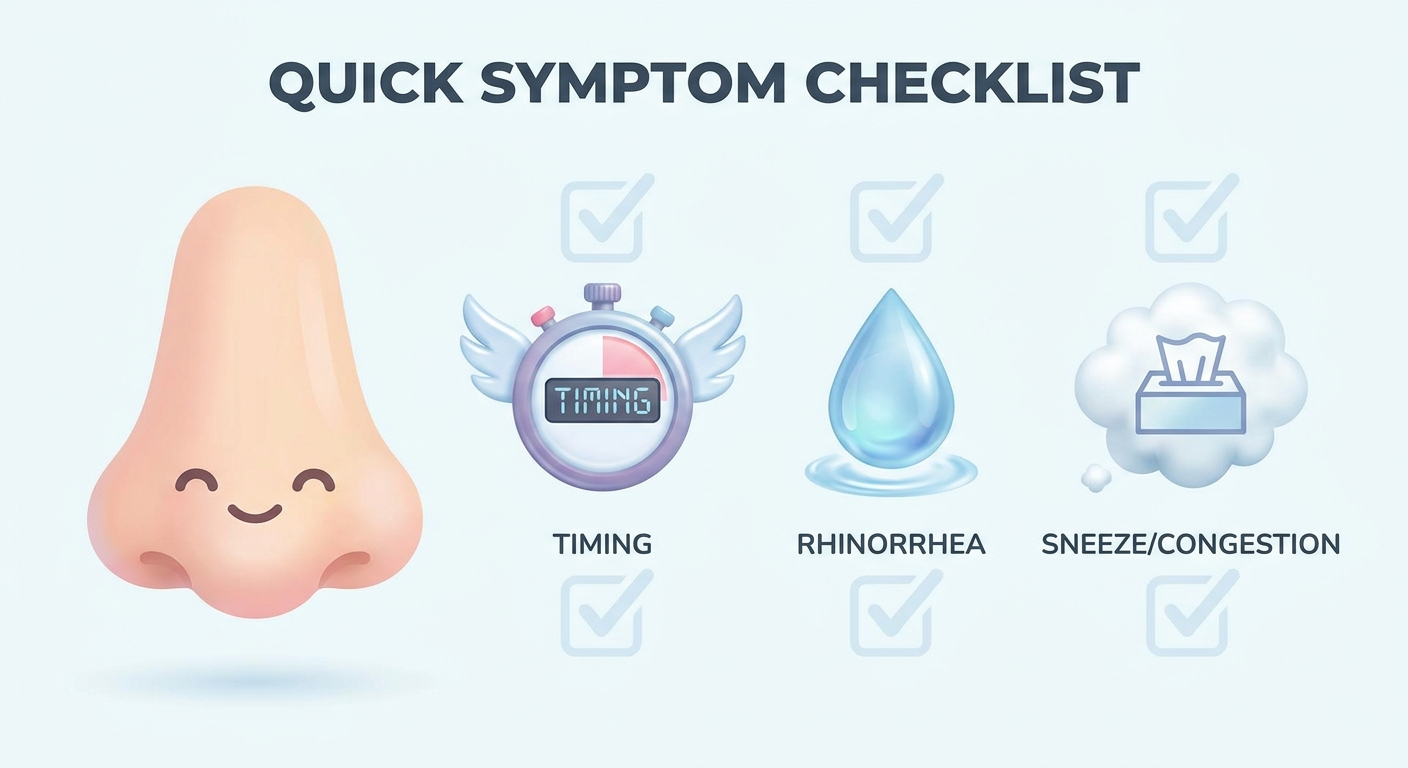
Quick symptom checklist
You may be experiencing EIR if symptoms:
- Start during exercise or immediately after
- Include watery rhinorrhea (clear, dripping nose)
- Include nasal congestion during workouts, sneezing, or mild nasal itching
- Improve as your body settles down after activity (often within minutes to a short period)
This checklist is educational and not a diagnosis. If symptoms are severe, persistent, or come with red flags—see “When to see a specialist” below.
What Is Exercise-Induced Rhinitis (EIR)?
EIR vs. a “normal” runny nose
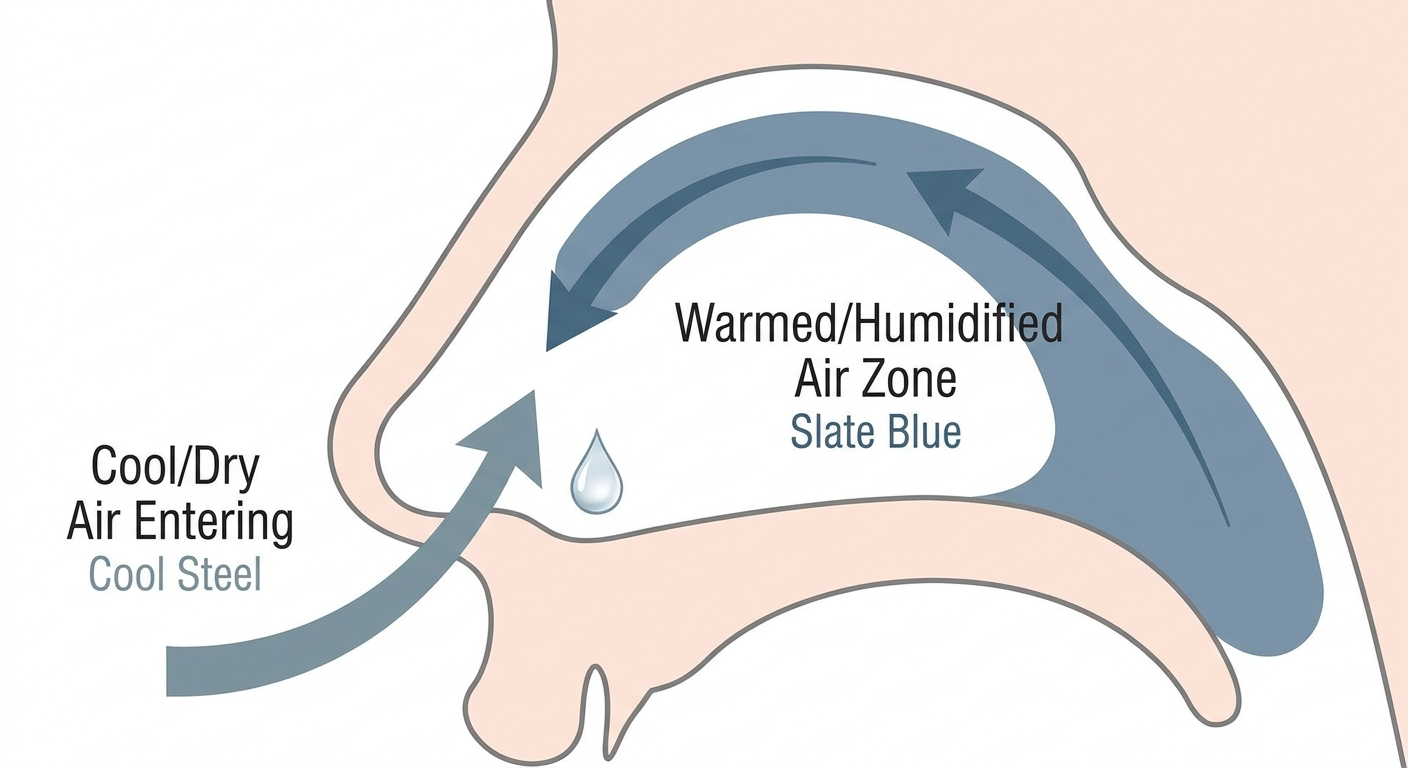
With exercise, you breathe faster and pull more air through your nose. That increased airflow can cool and dry the nasal lining, and it can also trigger reflexes in the nasal nerves and blood vessels. The result: congestion, sneezing, or a sudden watery drip—even if you don’t have an infection.
A simple analogy: the nose is like a “smart humidifier and filter.” When airflow suddenly spikes (sprints, hill repeats, hard laps), the system sometimes overreacts—either by swelling (congestion) or by producing extra watery secretions (drip).
Typical timing:
- During exertion
- Right after finishing
- Sometimes lingering briefly during cool-down
Is exercise-induced rhinitis an allergy?
Not always. Exercise-induced rhinitis (EIR) is often considered a type of nonallergic rhinitis, meaning symptoms happen without a classic allergy trigger. That said, EIR can coexist with allergic rhinitis—so some people have a “mixed” picture. Mislabeling everything as allergies can lead to the wrong strategy (and a lot of avoidable frustration). Only a clinician can separate allergic, nonallergic, and mixed disease. (Khalid et al., 2024)
In short, EIR describes nasal symptoms tied closely to exertion, with or without underlying allergy triggers.
How Common Is Exercise-Induced Rhinitis in Athletes?
What the research shows (and why estimates vary)
Rhinitis in athletes is common, but reported rates vary widely across studies—partly because researchers use different definitions, populations, and sports. A systematic review found overall athlete rhinitis prevalence reported in a broad range (roughly 27%–74% in different studies). (Surda et al., 2017)
In athlete-focused clinical reviews, estimates for related categories also vary: allergic rhinitis has been reported around 21%–56.5%, and EIR has been discussed as occurring up to ~50% in some athlete groups depending on definitions and setting. (Surda et al., 2017; Khalid et al., 2024; EMJ Review, 2019)
Who’s at higher risk?
- Swimmers (pool chemicals/irritants) → often called swimmer’s rhinitis
- Winter/cold-environment athletes (cold, dry air) → sometimes discussed as cold-induced rhinitis
- Outdoor runners/cyclists (air pollution + particulates + seasonal aeroallergens)
(Surda et al., 2017; Khalid et al., 2024; EMJ Review, 2019)
Conclusion: Prevalence is high across many sports, but the exact rate depends on how rhinitis is defined and the environments athletes train in.
Symptoms of Exercise-Induced Rhinitis
Common symptoms during or after exercise
EIR symptoms can look a lot like allergies, but the pattern is often tied tightly to exertion:
- Watery runny nose (rhinorrhea)
- Nasal congestion/stuffiness
- Sneezing
- Sometimes mild nasal itching
(Khalid et al., 2024)
Symptoms that may signal another condition
- Wheezing, chest tightness, persistent cough with exercise (possible overlap with lower-airway issues)
- Thick/discolored mucus, fever, facial pain/pressure (more suggestive of infection)
- One-sided blockage, frequent nosebleeds, or bleeding from one nostril (structural or other causes)
How EIR can affect performance and daily life
Even “just a runny nose” can matter in sport:
- More mouth-breathing → throat dryness and irritation
- Distraction (wiping/blowing nose repeatedly during a race)
- Perceived breathing limitation, pacing disruption, and comfort issues
- Post-workout annoyance that can affect recovery routines and sleep
A common athlete comment clinicians hear is: “I feel fine—my nose just won’t cooperate once I’m working hard.” That mismatch (good fitness, annoying nose) is one reason EIR is easy to overlook. (Khalid et al., 2024)
Conclusion: If symptoms predictably start with exertion and settle afterward, EIR may be part of the picture.
EIR vs. Allergies: How They Differ
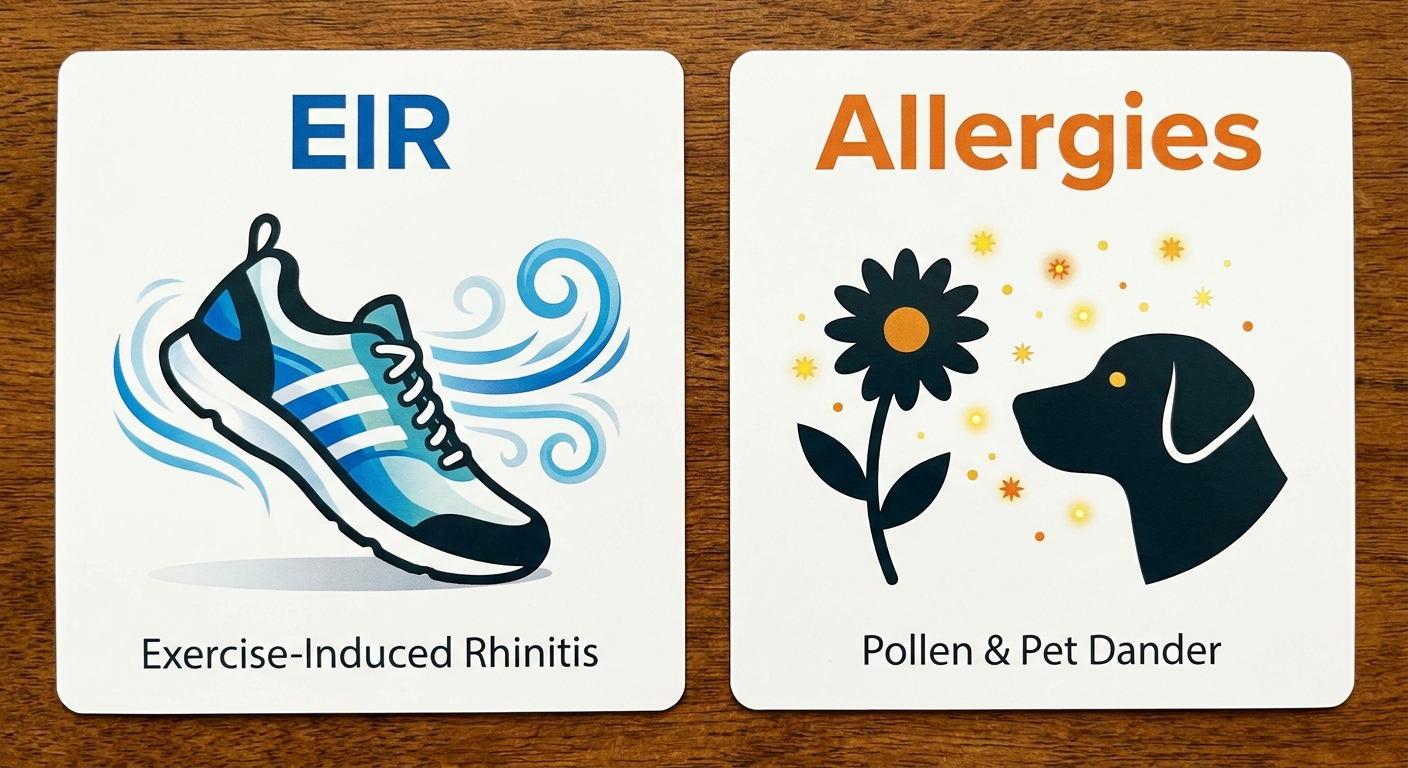
Main triggers
- EIR: Exertion, airflow changes, cold/dry air, irritants
- Allergic rhinitis: Pollen, pets, dust mites, molds
Timing
- EIR: During/after workouts; often short-lived
- Allergic rhinitis: Seasonal or year-round; often daily exposure-driven
Common symptoms overlap
- Both: Sneezing and congestion possible
- Allergic features more likely: Itch and watery eyes
Response to antihistamines
- EIR: Variable
- Allergic rhinitis: Often improves clearly
Can both occur together?
- Yes—mixed patterns are common
(Khalid et al., 2024)
Conclusion: Because symptoms overlap, a clinician’s assessment is the best way to confirm what’s driving your nasal issues.
Causes and Triggers of Exercise-Induced Rhinitis (What’s Really Happening)
Physiologic triggers (not “allergy”)
EIR is thought to involve multiple nonallergic mechanisms:
- Increased inspiratory airflow during exertion
- Cooling and drying of the nasal lining
- Autonomic nervous system reflexes that influence blood vessels and gland secretions in the nose
In practical terms, this can mean: the harder you breathe, the more the nasal lining has to warm and humidify incoming air—and the more likely it is to respond with swelling or watery secretions. (Khalid et al., 2024)
Environmental triggers
Your sport environment can amplify symptoms:
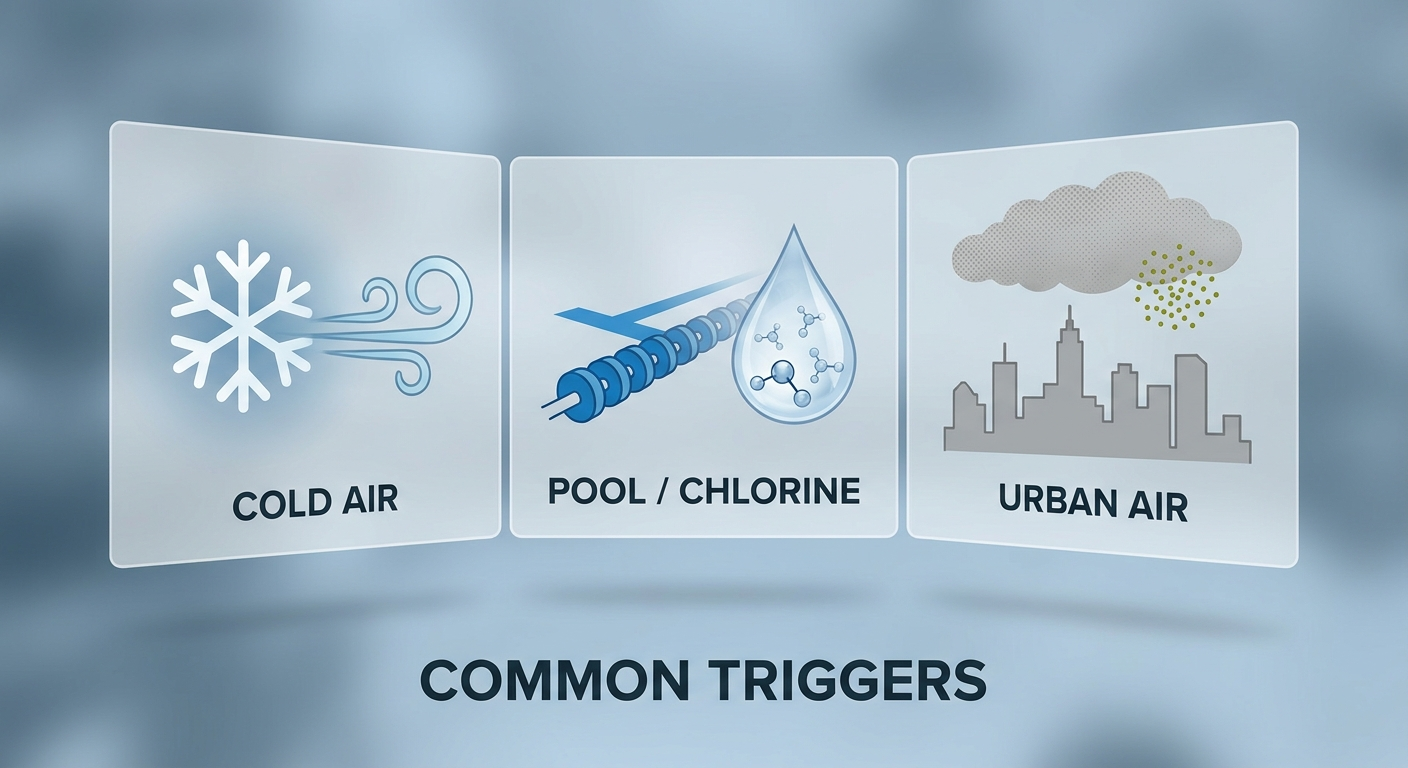
- Cold/dry air (common in winter training) → often discussed as cold-induced rhinitis
- Chlorine/pool chemicals → swimmer’s rhinitis is a common term
- Air pollution/particulates (traffic, wildfire smoke, smog)
- Aeroallergens (even if EIR itself isn’t primarily allergic, pollen exposure can still worsen symptoms)
For more on irritants, see our related resource on air quality and sinus health: https://sleepandsinuscenters.com/blog/air-quality-sinus-health
Anatomy may matter more than people think
Not everyone’s nasal airflow is the same. Emerging research using computational modeling suggests nasal vestibule anatomy and airflow patterns may contribute to susceptibility in some individuals—helping explain why two athletes can train side by side and only one gets symptoms. (Russel et al., 2024)
(Khalid et al., 2024; Russel et al., 2024)
Conclusion: Triggers often combine—airflow changes from exercise, environment, and individual anatomy can all play a role.
Diagnosis: How to Tell EIR from Allergies, a Cold, or Sinus Disease
What your clinician will ask (trigger-focused history)
Because EIR is trigger-driven, history is key:
- Do symptoms start during exercise or after?
- How long do they last?
- Does it happen only in specific settings (pool, cold air, indoor gym, outdoors)?
- Is there a seasonal pattern?
- What has (or hasn’t) helped in the past?
If symptoms reliably “flip on” with exertion and settle afterward, that pattern can be a major clue—especially when fever, body aches, and thick mucus aren’t part of the story. (Khalid et al., 2024)
Physical exam (and when testing helps)
Evaluation may include checking for:
- Nasal inflammation, turbinate swelling, polyps
- Septal deviation or other structural contributors
When allergy symptoms are prominent (itchy eyes, seasonal flares, strong family history), allergy testing may be useful. Learn more about allergy testing: https://sleepandsinuscenters.com/allergy-testing
If you’re curious about structural contributors, our overview of a deviated septum explains common signs and next steps: https://sleepandsinuscenters.com/blog/what-is-a-deviated-septum-causes-symptoms-and-when-to-see-a-doctor
Why EIR diagnosis can be tricky
EIR overlaps with:
- Allergic rhinitis
- Other nonallergic rhinitis subtypes
- Exercise-related lower-airway symptoms in some athletes
Also, EIR-specific treatment guidance and ideal medication timing are still areas where research is limited. (Khalid et al., 2024)
Conclusion: A clinician can connect the dots between triggers, exam findings, and testing to confirm the cause of symptoms.
Treatment Options for Exercise-Induced Rhinitis (Patient-Friendly, Stepwise)
Evidence specific to exercise-induced rhinitis (EIR) is limited, and treatment is individualized based on symptom pattern, sport environment, and whether allergy or inflammation is also present. (Khalid et al., 2024)
Medication choices and timing should be determined with a qualified healthcare provider. Do not start, stop, or change prescription or OTC regimens based on this article alone.
1) Trigger reduction (first-line for many athletes)
Practical adjustments can make a meaningful difference:
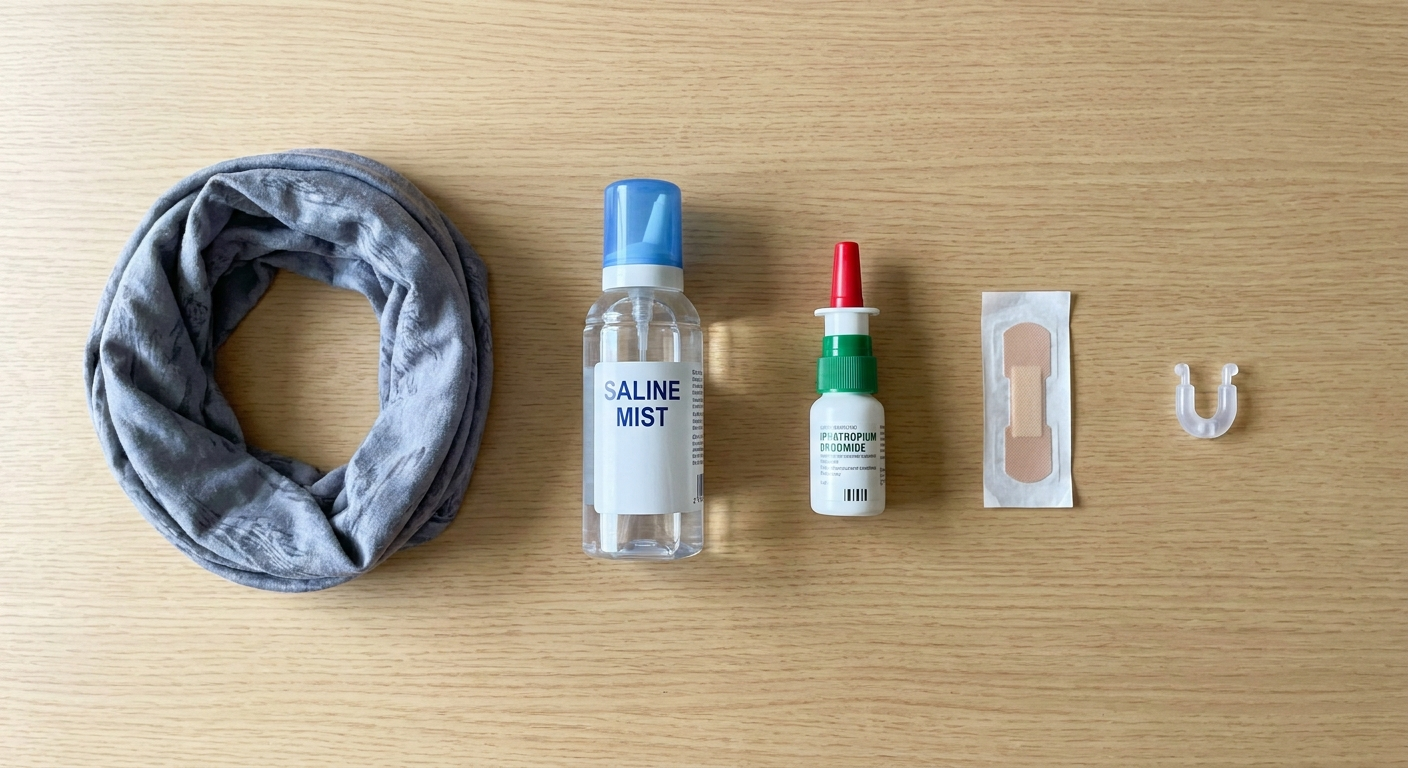
- Cold air: use a face covering/buff to warm and humidify inhaled air
- Swimmers: note whether certain pools trigger symptoms more (ventilation and chemical levels can vary)
- Pollution: consider route/timing changes on poor air quality days
Small, repeatable changes often work best. For example: choosing a track or park loop instead of a roadside route during rush hour, or doing easy days indoors when smoke or smog is high.
2) Saline and barrier strategies
Many athletes use:
- Saline spray or rinse after training to clear irritants
- Moisture-support strategies in dry environments (especially winter training)
These options are simple, low-risk, and often pair well with other treatments—especially when irritants (chlorine, dust, pollution) are part of the trigger picture.
3) Medications (based on your symptom pattern)
- Watery rhinorrhea dominates: Intranasal ipratropium nasal spray is often discussed when the primary issue is a clear, watery drip. Evidence includes research in cold-trigger settings (e.g., skiers). Use should be clinician-directed, including advice on who should not use it, proper technique, and timing. (Bonadonna et al., 2001)
- Allergy or inflammation is also present: Intranasal corticosteroids and/or antihistamines may be considered when symptoms suggest allergic/inflammatory rhinitis (itching, seasonal pattern, eye symptoms). (Khalid et al., 2024)
- Congestion dominates: If blockage is the main issue, evaluation for contributing factors (chronic rhinitis patterns, anatomy) can matter. Also, be cautious with frequent topical decongestant use due to rebound congestion from nasal sprays: https://sleepandsinuscenters.com/blog/do-nasal-sprays-cause-rebound-congestion
4) Mechanical/nasal airflow support (when anatomy plays a role)
Some athletes find breathing feels easier with external or internal nasal supports. If you’re comparing options, see nasal strips vs. internal nasal dilators: https://sleepandsinuscenters.com/blog/nasal-strips-vs-internal-dilators-which-is-best-for-better-breathing
For ongoing obstruction that affects training, an ENT evaluation can clarify whether anatomy is contributing. (Russel et al., 2024; Khalid et al., 2024)
5) When procedures might be considered
For chronic, life-limiting rhinitis not controlled with conservative strategies, ENT options may be discussed based on the underlying pattern (and after an exam). (Khalid et al., 2024)
Conclusion: Most athletes do well with a mix of trigger management and clinician-guided therapies matched to their symptom pattern.
Lifestyle Tips for Athletes With EIR (Practical “Do This Next Workout” Ideas)
Warm-up and environment hacks
- A longer warm-up may help some athletes avoid abrupt nasal reflex responses
- If you’re a cyclist training near traffic, consider lower-exposure routes when possible
If your symptoms are predictable, it can help to keep a quick “trigger log” for 1–2 weeks (weather, location, pool, intensity). Patterns often show up faster than people expect.
For cold-weather athletes
- Cover nose and mouth to warm/humidify air
- Pay attention to hydration and nasal moisture in very dry conditions
For swimmers
- Track symptoms by facility (ventilation and pool maintenance vary)
- Rinse/cleanse after exposure and note whether symptoms cluster around specific pools
Conclusion: Small, consistent tweaks to environment and routine can noticeably reduce symptoms over time.
When to See an ENT or Allergy Specialist
Red flags and “don’t ignore” symptoms
Consider evaluation if you have:
- Symptoms that persist even when you’re not exercising
- Severe blockage, frequent nosebleeds, or one-sided symptoms
- Recurrent sinus infections or reduced sense of smell
- Chest symptoms with exercise (wheeze, tightness)
What a specialist can offer
At Sleep and Sinus Centers of Georgia, specialist evaluation may include:
- A detailed nasal exam (sometimes including endoscopic assessment)
- Allergy testing when appropriate
- A personalized plan based on whether symptoms fit allergic, nonallergic, or mixed rhinitis patterns
For a broader sports-focused ENT perspective, see Athletes and Sinus Health: What to Watch For: https://sleepandsinuscenters.com/blog/athletes-and-sinus-health-what-to-watch-for
CTA: If your workout-related nasal symptoms are affecting training or lingering outside exercise, you can book an appointment at Sleep and Sinus Centers of Georgia here: https://www.sleepandsinuscenters.com/
Conclusion: Timely evaluation helps confirm the cause and match the right treatment to your sport and symptoms.
FAQs About Exercise-Induced Rhinitis
“Why does my nose run when I exercise—even indoors?”
Airflow changes and nasal nerve reflexes can trigger watery secretions even without pollen or infection—one reason athlete rhinitis can show up in indoor gyms too. (Khalid et al., 2024)
“Is exercise-induced rhinitis the same as cold-induced rhinitis?”
There’s overlap. Cold air is a well-known trigger, but exercise-induced rhinitis (EIR) can happen in many environments—not only outdoors in winter. (Bonadonna et al., 2001; Khalid et al., 2024)
“What’s the best nasal spray for runny nose during workouts?”
It depends on the pattern. When watery drip is the main problem, ipratropium nasal spray is often discussed; if allergy/inflammation features are prominent, other approaches may be considered. A clinician can match therapy to your symptom pattern and sport environment. (Bonadonna et al., 2001; Khalid et al., 2024)
“Should I take allergy medicine before I work out?”
If allergy is part of the picture, timing may matter, but ideal timing specifically for EIR isn’t well standardized in the research. (Khalid et al., 2024)
“Can a deviated septum or nasal anatomy make EIR worse?”
Emerging evidence suggests nasal anatomy and airflow patterns may influence susceptibility for some people. (Russel et al., 2024)
Conclusion: Your best next step is a clinician-guided plan tailored to your triggers, sport, and symptom pattern.
Key Takeaways
- Exercise-induced rhinitis (EIR) is a common cause of watery drip and nasal congestion during workouts, often classified under nonallergic rhinitis.
- Triggers include cold/dry air, chlorine (swimmer’s rhinitis), pollution/irritants, and airflow/nerve reflex changes.
- Diagnosis is mostly about patterns and triggers—and ruling in/out allergy or structural contributors.
- Treatment is individualized and may include ipratropium for watery rhinorrhea and steroid sprays/antihistamines when allergy or inflammation is involved, under clinical guidance.
- Seek evaluation for persistent symptoms, one-sided blockage/bleeding, recurrent infections, loss of smell, or chest symptoms with exercise.
References
- Surda P, et al. Prevalence of Rhinitis in Athletes: A Systematic Review. 2017. https://pmc.ncbi.nlm.nih.gov/articles/PMC5568626/
- Khalid AN, et al. The Practical Management of Rhinitis in Athletes. 2024. https://pubmed.ncbi.nlm.nih.gov/39078428/
- European Medical Journal (EMJ). Exercise and Rhinitis in Athletes. 2019. https://www.emjreviews.com/respiratory/article/exercise-and-rhinitis-in-athletes/
- Russel E, et al. Insights into Exercise-Induced Rhinitis Based on Nasal Aerodynamics Induced by Airway Morphology. 2024. https://www.sciencedirect.com/science/article/abs/pii/S1569904823001593
- Bonadonna P, et al. Cold-Induced Rhinitis in Skiers… Treatment with Ipratropium Bromide Nasal Spray: A Randomized Controlled Trial. 2001. https://pubmed.ncbi.nlm.nih.gov/11732814/
This article is for educational purposes only and is not medical advice. Please consult a qualified healthcare provider for diagnosis and treatment.
Talk with a Georgia ENT
If symptoms keep interrupting your workouts, ask about in-office options like RhinAer for ongoing rhinitis symptoms. Learn more about RhinAer for chronic rhinitis, or request an appointment.
Don’t let allergies slow you down. Schedule a comprehensive ENT and allergy evaluation at Sleep and Sinus Centers of Georgia. We’re here to find your triggers and guide you toward lasting relief.