Allergic Asthma Treatment: How ENTs and Pulmonologists Work Together
Introduction — Why allergic asthma isn’t “just a lung problem”
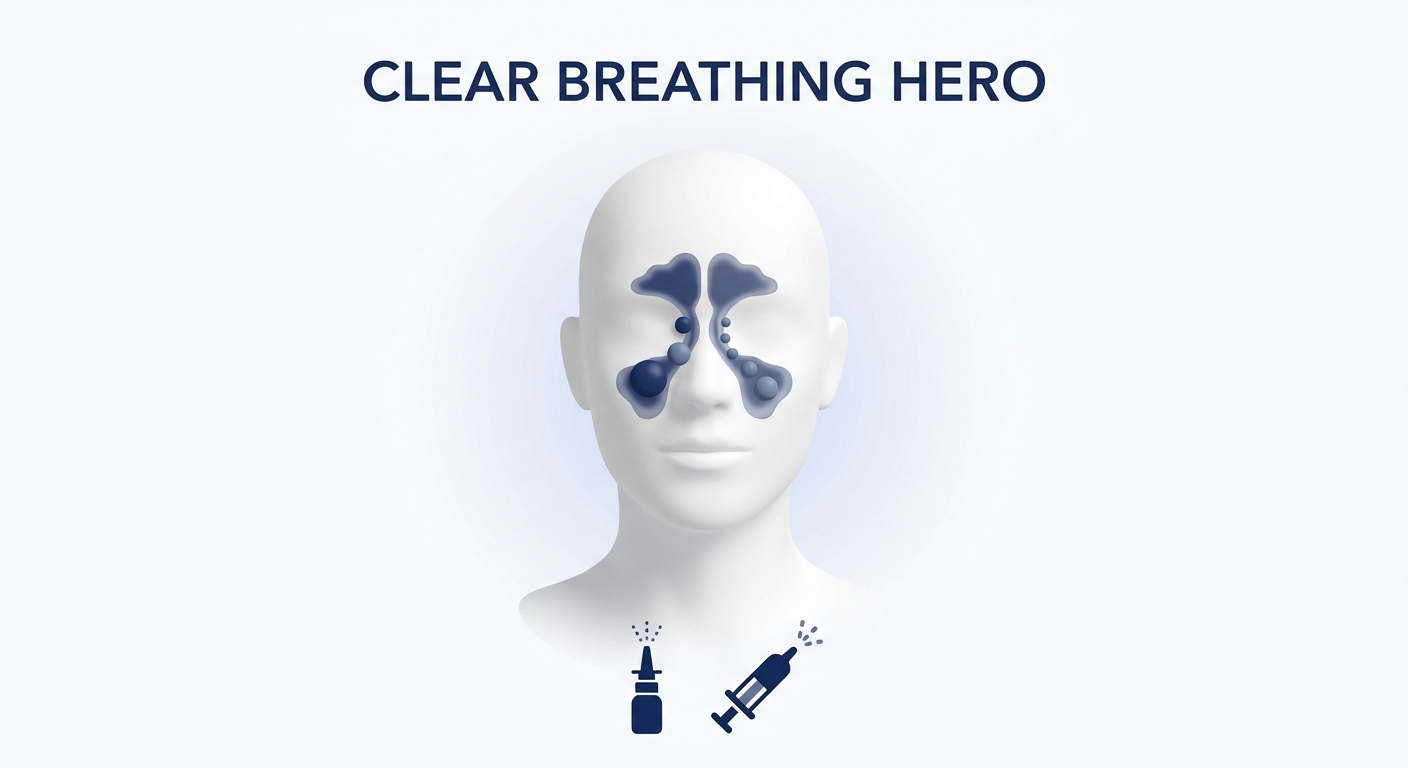
If you live with asthma symptoms, it’s natural to focus on the lungs. But for many people, nasal and sinus inflammation coexist with asthma and can worsen chest symptoms. This is the basis of the one-airway concept, which views the nose, sinuses, and lungs as a connected system. Guidelines support identifying and treating upper-airway disease when it is present, because it can worsen asthma control. (GINA 2025)
A helpful way to picture it: if the airway is a single “hallway,” inflammation at the entrance (nose) can affect traffic downstream (lungs). Treating only one end may leave the whole system irritated.
In this article, you’ll learn:
- What allergic asthma is and why allergies matter
- Upper- and lower-airway symptoms to watch for
- Common triggers and conditions that complicate asthma control
- How an ENT and pulmonologist can coordinate care—especially for asthma with nasal polyps (CRSwNP)
- How biologics for severe asthma may fit into a team-based plan
Bottom line: thinking “connected airway” helps you and your clinicians spot treatable problems above and below the collarbones.
Allergic asthma basics (and why allergies matter)
What allergic asthma is
Allergic asthma is asthma that’s triggered or worsened by allergens such as pollen, dust mites, pet dander, or mold. When a sensitive immune system reacts, it can set off inflammation in the airways. Over time, inflamed airways may become more “twitchy,” tightening more easily and producing extra mucus—so breathing feels harder than it should.
Because allergic triggers can affect both the nose and lungs, allergic asthma treatment often works best when clinicians look at the whole airway—not just wheezing or coughing.
One-airway connection: why rhinitis and asthma often travel together
Allergic rhinitis (often called hay fever) and asthma commonly occur together. Congestion, sneezing, and post-nasal drip can contribute to cough, sleep disruption, and a sense of chest tightness—even when someone is using inhalers correctly. Treating inflammation in the upper airway may support better lower-airway control, and vice versa. (GINA 2025; review of united-airway inflammation)
A common real-life pattern sounds like: “My inhaler helps the wheeze, but I still cough at night and wake up congested.” That’s often a clue the upper airway deserves equal attention.
If you want a clear overview of the nasal side of this connection, see our guide to allergic rhinitis (hay fever): https://sleepandsinuscenters.com/blog/what-is-allergic-rhinitis-hay-fever
Key idea: when allergies affect the nose, they can amplify asthma symptoms—so plan for both.
Symptoms to watch for (upper airway + lower airway)
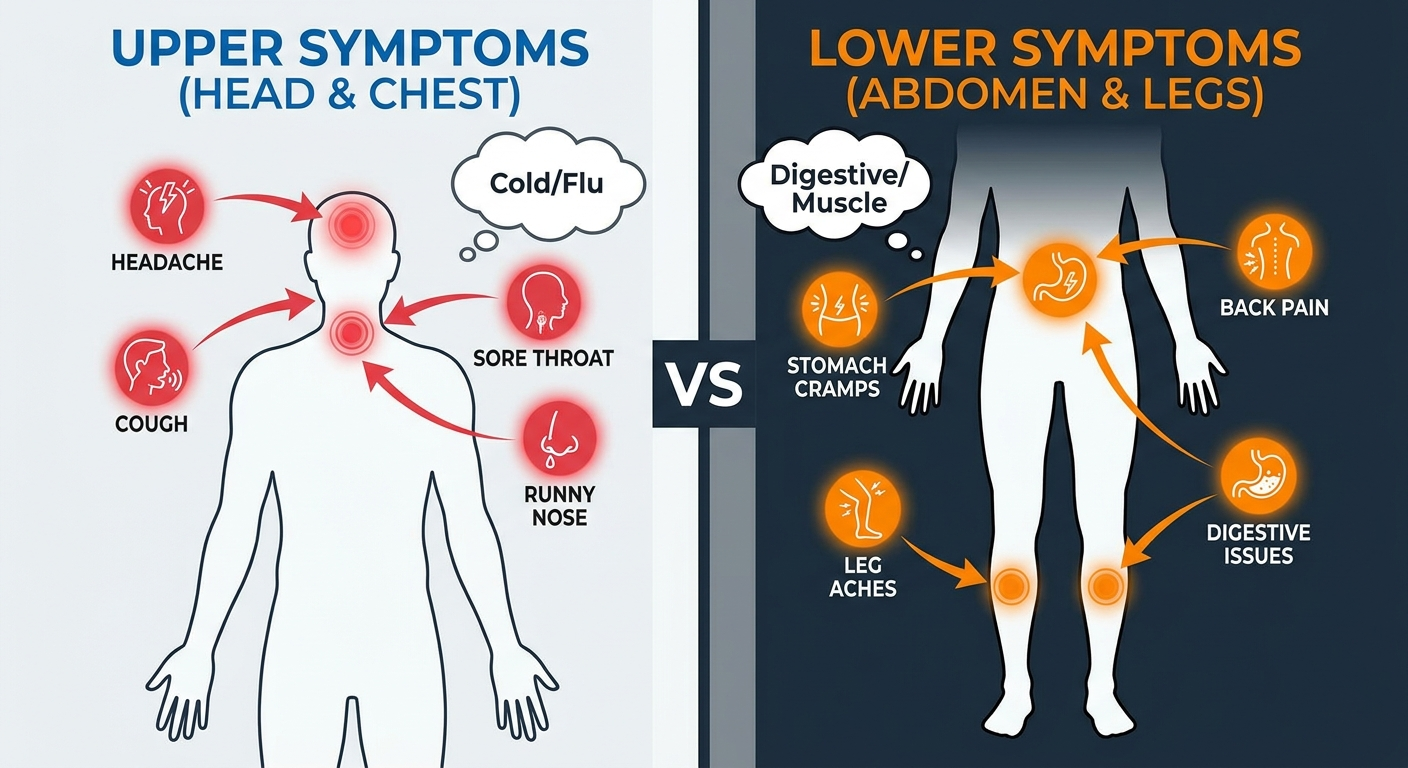
Lower-airway (asthma) symptoms
Asthma symptoms can range from mild and occasional to frequent and disruptive. Common signs include:
- Wheezing
- Shortness of breath
- Chest tightness
- Cough, especially at night or with exercise
- Flare-ups (exacerbations) that lead to urgent visits
- Frequent need for a rescue inhaler
Tracking patterns—like nighttime symptoms, activity limitation, or how often you reach for rescue medication—helps your care team gauge whether your current allergic asthma treatment plan is doing enough.
Upper-airway symptoms that can worsen asthma control
Upper-airway symptoms can be a major clue that the nose and sinuses are contributing to breathing trouble. These may include:
- Nasal congestion or blockage
- Runny nose, sneezing, itchy nose
- Post-nasal drip or frequent throat clearing
- Facial pressure, recurrent “sinus infections”
- Reduced or lost sense of smell
- Mouth breathing, snoring, and poor sleep
For persistent symptoms, learning about chronic rhinitis treatment options can be a helpful next step: https://sleepandsinuscenters.com/treating-chronic-rhinitis
Red flags—when to seek urgent care
Asthma can become serious quickly. Seek urgent evaluation if symptoms are rapidly worsening or if there is:
- Severe shortness of breath
- Trouble speaking in full sentences
- Blue/gray lips or face
- Significant chest retractions or extreme fatigue
If symptoms persist or escalate, prompt care can prevent a serious flare—don’t wait on red flags.

Common causes & triggers (what sets off allergic asthma)
Environmental allergens
Typical allergy triggers include:
- Seasonal pollens (trees, grasses, weeds)
- Dust mites
- Pets
- Mold
- Cockroach allergens
Reducing exposure is often part of allergic asthma treatment, but it usually works best as one piece of a broader plan—alongside consistent medication use and good technique.
Irritants and non-allergy triggers that still matter
Even when allergies are the main driver, irritants can still provoke symptoms:
- Smoke or vaping aerosols
- Strong fragrances and cleaning chemicals
- Air pollution
- Weather shifts and cold air
- Respiratory viruses
Underlying airway conditions that complicate treatment
Several common conditions can make asthma harder to control:
- Allergic rhinitis
- Chronic rhinosinusitis (CRS)
- Chronic rhinosinusitis with nasal polyps (CRSwNP)
CRSwNP is especially important because asthma and nasal polyps frequently coexist; in some specialty clinic series, a majority of patients have both. (Multidisciplinary Delphi consensus, 2025)
To learn more about polyps in plain language, read: https://sleepandsinuscenters.com/blog/what-are-nasal-polyps
Practical takeaway: triggers stack—address allergies, irritants, and coexisting nasal/sinus disease to lower your overall burden.

Why coordinated care improves outcomes
What happens when only one part of the airway is treated
When only the lungs are treated, upper-airway inflammation may continue to drive symptoms:
- Inhalers may reduce wheeze, but ongoing nasal blockage and post-nasal drip can keep cough and sleep issues going.
- Sinus inflammation may contribute to repeated flares even when inhaler technique and adherence are strong.
The “connected airway” approach aims to reduce inflammation across the entire system. (GINA 2025)
The care team and their roles (at a glance)
Coordinated care often involves:
- ENT (Ear, Nose & Throat): evaluates nasal and sinus inflammation, nasal polyps, and structural blockage; supports upper-airway treatment.
- Pulmonologist: confirms diagnosis, assesses asthma severity and control, monitors lung function, and adjusts respiratory medications.
- Allergist/Immunologist (when involved): performs allergy testing, reviews immune markers, and may guide immunotherapy or biologic selection.
Expert consensus supports multidisciplinary assessment and—when joint visits aren’t feasible—standardized referral pathways for patients with overlapping upper- and lower-airway disease. (Delphi consensus 2025; GINA 2025)
When asthma stays stubborn, a team approach helps cover the full airway and the full picture.
What an ENT evaluates in allergic asthma patients
Key ENT assessments
An ENT visit often focuses on symptoms that may be easy to dismiss but matter a lot for breathing:
- Chronic congestion, reduced smell, post-nasal drip
- Facial pressure, recurrent sinus symptoms
- Mouth breathing or sleep disruption
Depending on symptoms, evaluation may include a nasal exam, nasal endoscopy, and sometimes sinus imaging. The goal is to sort out chronic rhinitis vs CRS/CRSwNP vs structural issues (like a deviated septum or enlarged turbinates).
ENT treatment options that may help asthma symptoms indirectly
ENT-directed care is not “asthma medicine,” but reducing upper-airway inflammation and obstruction may support better breathing, sleep, and quality of life. Options may include:
- Saline rinses and daily nasal steroid sprays
- Antihistamine nasal sprays (when appropriate)
- Treatment strategies for CRS/CRSwNP, which can include topical therapy, limited oral steroid courses in selected cases, and long-term maintenance plans
- Procedural or surgical options for certain CRS/CRSwNP cases, such as endoscopic sinus surgery—paired with ongoing medical therapy afterward
If you’re exploring sinus-related causes of persistent symptoms, our page on chronic sinusitis offers a useful overview: https://sleepandsinuscenters.com/chronic-sinusitis
Treating the nose and sinuses doesn’t replace asthma care—but it can remove a major driver of symptoms.
What a pulmonologist evaluates (and optimizes) for asthma control
Confirming control and severity
A pulmonologist typically reviews:
- Symptom frequency (daytime and nighttime)
- Rescue inhaler use
- Activity limitation
- Flare-ups and oral steroid bursts
- Current medications and technique
This helps determine whether the current allergic asthma treatment plan is controlling inflammation and preventing exacerbations.
Lung testing and monitoring
Testing often includes spirometry (and sometimes peak flow monitoring) to assess airflow and response to treatment. Pulmonologists also consider other conditions that can mimic asthma symptoms, such as vocal cord dysfunction or chronic bronchitis.
Medication plan for allergic asthma
Many treatment plans include:
- Controller inhalers (often inhaled corticosteroid-based regimens)
- A rescue inhaler strategy and a written asthma action plan
- A step-up/step-down approach based on symptoms and risk, aligned with guideline-based care (GINA 2025)
Asthma control improves when therapy matches severity—and technique and consistency are dialed in.
When an allergist/immunologist becomes essential
Allergy testing and targeted avoidance
Allergy testing (skin testing or blood testing) can identify which allergens matter most—and, importantly, how to turn results into realistic home and workplace strategies.
For patients interested in formal testing, visit: https://sleepandsinuscenters.com/allergy-testing
Biomarkers and inflammation profiling (especially in severe disease)
In more persistent or complex disease, clinicians may evaluate biomarkers that help match treatment to inflammation type, such as:
- Blood eosinophils
- IgE
- FeNO (fractional exhaled nitric oxide), when used
Immunotherapy (shots or drops) as part of long-term strategy (selected patients)
For selected patients, immunotherapy can be a longer-term strategy to reduce allergic sensitivity over time. It’s not an instant fix, but it may help reduce the overall allergic burden that feeds symptoms. Learn more here: https://sleepandsinuscenters.com/blog/immunotherapy-for-allergies-is-it-worth-it
Adding allergy expertise can clarify triggers, personalize avoidance, and guide longer-term strategies like immunotherapy.
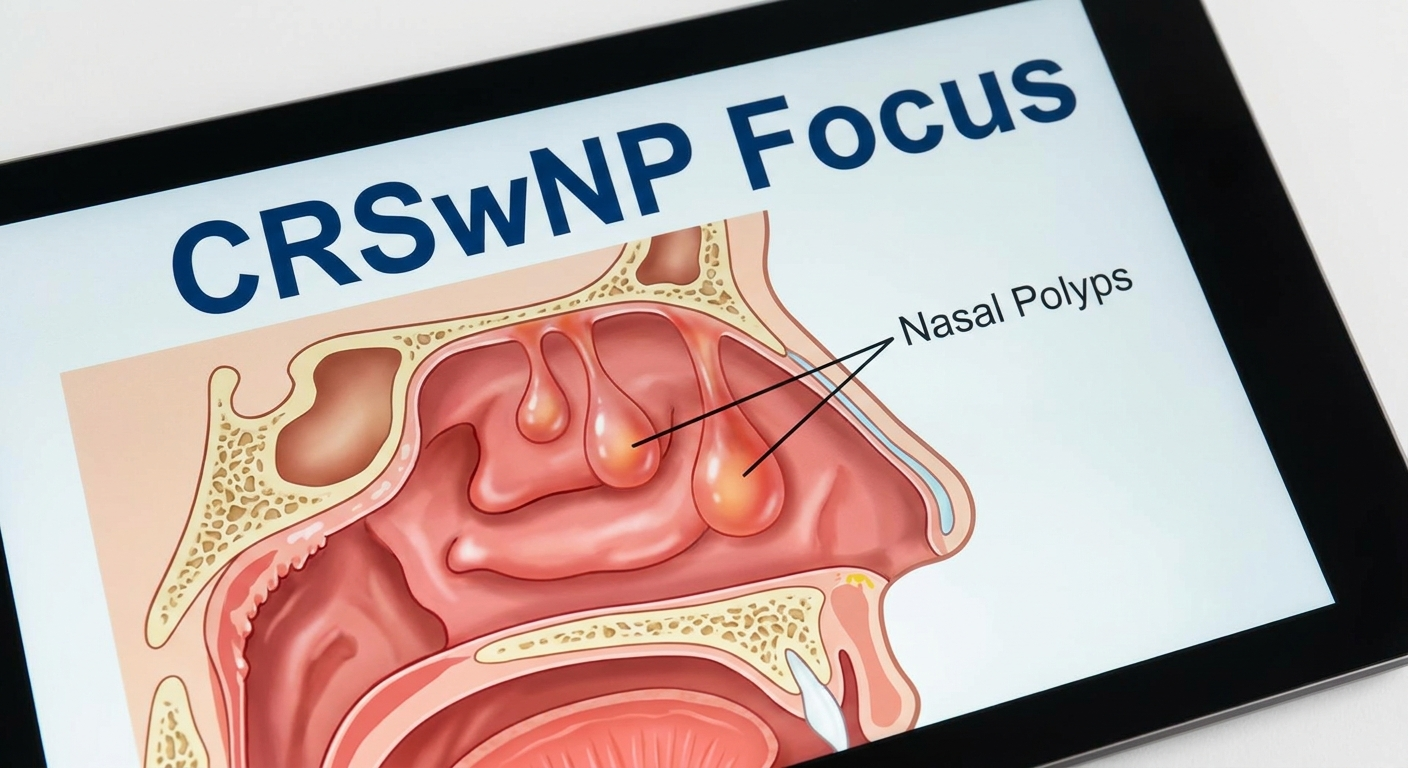
Special scenario — Asthma + nasal polyps (CRSwNP): why ENT–pulmonology coordination is critical
How CRSwNP can affect breathing and asthma control
CRSwNP can cause significant nasal obstruction and smell loss—and it reflects ongoing inflammatory activity. When nasal polyps and asthma coexist, patients often carry more symptom burden and may need more than a “lungs-only” plan.
In clinic, a common clue is a mismatch: the lungs sound improved, but the patient still can’t breathe comfortably through their nose, sleeps poorly, and feels chronically inflamed.
Multidisciplinary care from diagnosis through follow-up
Consensus guidance emphasizes coordinated care (or standardized referral pathways) from diagnosis through follow-up, with attention to:
- Symptom control (nose and lungs)
- Exacerbations and total steroid exposure
- Quality of life and sleep
- Treatment adjustments over time (Delphi consensus 2025; strong agreement on referral pathways)
For a deeper dive, see: https://sleepandsinuscenters.com/blog/asthma-nasal-polyps-and-chronic-sinusitis-why-they-20260206051307
When polyps are part of the story, pairing ENT and pulmonary care helps align treatment with what matters most to daily life.
Severe/difficult-to-treat allergic asthma: what “team-based” care looks like
Signs asthma may be severe or difficult to treat
A team approach becomes especially important when there are:
- Frequent exacerbations
- Repeated oral steroid bursts
- Persistent symptoms despite higher-level inhaler therapy
- Significant CRS/CRSwNP symptoms
Don’t miss rare but serious conditions
In rare, complex cases with severe asthma, nasal polyps, and very high eosinophils, specialists may consider uncommon diagnoses such as eosinophilic granulomatosis with polyangiitis (EGPA). This is not something patients can self-diagnose.
If control remains elusive, coordinated specialty input can uncover overlooked drivers and safer long-term options.
Biologic therapy: how ENTs and pulmonologists help choose (or switch) the right option
What biologics are (plain-language overview)
Biologics are targeted medications that act on specific immune pathways involved in inflammation. They may be considered for selected patients with severe asthma and/or CRSwNP, especially when symptoms remain uncontrolled or steroid exposure is high.
Factors your team weighs (shared decision-making)
Selection is individualized. Your team may consider:
- Exacerbation frequency and history
- Oral steroid dependence
- Lung function results
- Nasal polyp burden and smell/congestion impact
- Biomarkers (eosinophils, IgE, FeNO)
- Other health conditions
- Dosing schedule and practical access/coverage (CHEST guidance on biologics; Delphi consensus 2025)
How ENT input changes biologic planning (when polyps are part of the story)
ENT follow-up can add critical details, such as:
- Changes in smell
- Degree of congestion and obstruction
- Polyp recurrence risk over time
- Need for or response to sinus surgery and topical therapy
This shared perspective helps make allergic asthma treatment decisions more precise when the upper airway is a major driver.
Biologics are most effective when chosen around your full airway profile, not just your lungs.

A practical, patient-friendly “connected airway” treatment plan
Educationally, many patients find it helpful to think in five coordinated steps:
Step 1 — Reduce exposure to triggers (without trying to live in a bubble)
Focus on high-impact steps like bedroom allergen control, moisture/mold reduction, and realistic pet strategies. The goal isn’t perfection—it’s lowering your baseline exposure so your airway is less reactive.
Step 2 — Treat the nose/sinuses consistently
Regular saline rinses and correct nasal spray technique can help many people. Managing rhinitis/CRS proactively during allergy seasons may also reduce symptom “spillover” into the chest.
Step 3 — Optimize asthma meds and inhaler technique
Controller consistency and correct technique (including spacers when recommended) are common make-or-break factors for better control. If you’re not sure your technique is right, ask—clinicians expect that question.
Step 4 — Track outcomes that matter
Useful metrics include rescue inhaler frequency, nighttime symptoms, sleep quality, sense of smell, and missed work/school days. These “real life” markers often reveal control issues before a major flare occurs.
Step 5 — Know your action plan
Many patients benefit from clear instructions for what to do when symptoms worsen—including when to contact ENT vs pulmonology vs urgent care.
Small, steady steps across the whole airway usually beat big, late fixes focused on one end.
Lifestyle tips that support allergic asthma control (bonus section)
Home environment
HEPA filtration, keeping indoor humidity in a comfortable range, washing bedding in hot water when needed, and vacuuming strategies can reduce allergen load over time.
Seasonal planning
Starting nasal/allergy routines before peak pollen seasons and checking local pollen/mold counts can help reduce surprise flare-ups.
Exercise and asthma
Warm-ups, indoor workouts during high-pollen days, and any pre-exercise plan discussed with your clinician may help keep activity comfortable.
Your environment and routines can quietly add up to fewer bad days and better breathing.
FAQs (SEO-focused)
Should I see an ENT for asthma?
An ENT evaluation may be especially helpful when asthma is accompanied by chronic congestion, recurrent sinus symptoms, smell loss, snoring/mouth breathing, or suspected nasal polyps.
Can treating allergic rhinitis really help asthma?
Because of the one-airway concept, reducing upper-airway inflammation may support better lower-airway symptom control for some patients. (GINA 2025; united-airway review)
What is CRSwNP and why does it matter for asthma?
CRSwNP is chronic sinus inflammation with nasal polyps. It matters because it commonly overlaps with asthma and may change treatment strategy, including consideration of multidisciplinary care and—when appropriate—biologics. (Delphi consensus 2025)
What tests might be ordered when asthma and nasal polyps occur together?
Testing may include lung function tests, allergy testing, nasal endoscopy, sinus imaging, and blood eosinophils. In complex cases, clinicians may expand evaluation to rule out less common conditions. (Delphi consensus 2025)
How do doctors decide which biologic is best?
Decisions typically combine symptom pattern (lungs and sinuses), biomarker profile, exacerbation risk, comorbidities, dosing preferences, and access considerations. (CHEST; Delphi consensus 2025)
Conclusion — The takeaway for patients
The most effective allergic asthma treatment often starts by recognizing that the airway is connected: nose → sinuses → lungs. If you’re doing “everything right” for asthma but still feel congested, cough at night, or struggle with recurrent sinus symptoms, it may be time to bring the full picture to your visit and ask about coordinated evaluation.
Ready to connect the dots? You can learn more about our practice at https://www.sleepandsinuscenters.com/ and book an appointment here: https://sleepandsinuscenters.com/appointments
This article is for educational purposes only and is not medical advice. Please consult a qualified healthcare provider for diagnosis and treatment. If you think you may be having a medical emergency, call 911 or seek urgent care immediately.
References
- Global Initiative for Asthma (GINA). Global Strategy for Asthma Management and Prevention (2025). https://ginasthma.org
- Multidisciplinary Delphi consensus on optimizing care for chronic rhinosinusitis with nasal polyps (CRSwNP) and asthma (2025).
- American College of Chest Physicians (CHEST). Clinical guidance on biologic therapy in severe asthma (2026). https://www.chestnet.org
- Review of upper–lower airway inflammation and the united-airway concept (peer-reviewed, open-access).
Don’t let allergies slow you down. Schedule a comprehensive ENT and allergy evaluation at Sleep and Sinus Centers of Georgia. We’re here to find your triggers and guide you toward lasting relief.