Why Is One Side of My Nose Always Blocked? Causes, Symptoms, and Treatment
If you can only breathe through one nostril—especially at night—you’re not alone. Many people notice that one side feels plugged while the other feels clear.
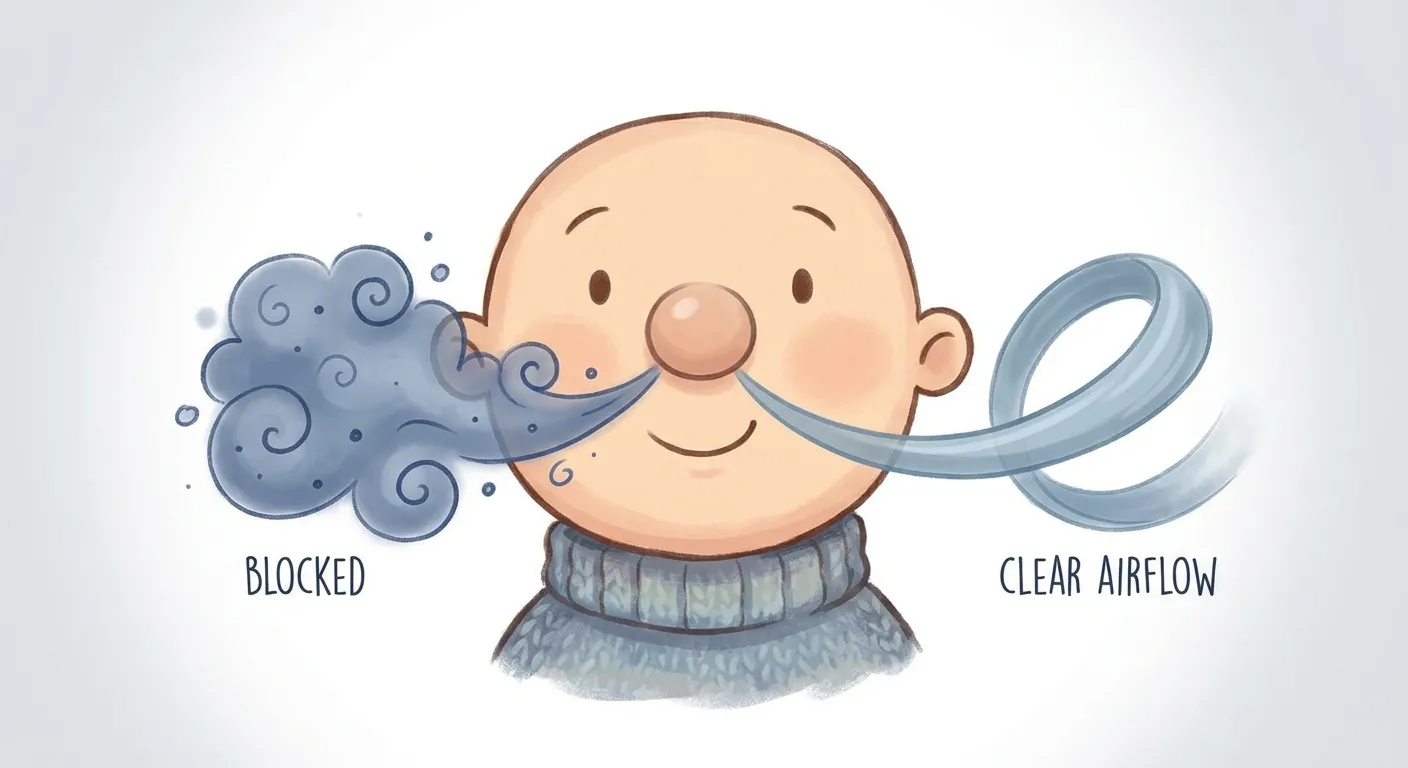
Sometimes this is completely normal due to the nasal cycle, a built-in rhythm where airflow alternates between sides. Think of it like a two-lane road that switches lanes to let one side recover. Learn more: Understanding the nasal cycle — https://sleepandsinuscenters.com/blog/understanding-the-nasal-cycle-key-effects-and-what-you-need-to-know
Quick Answer — Is One-Sided Nasal Congestion Normal?
The nasal cycle causes alternating congestion between sides. Inside one nostril, tissue swells a bit while the other decongests, then they switch.
- One nostril feels more open while the other feels more blocked
- It often changes every few hours
- It’s more noticeable when lying down, sick, or around irritants
The cycle supports filtering, humidifying, and conditioning air while shifting blood flow. Sources: https://sleepandsinuscenters.com/blog/understanding-the-nasal-cycle-key-effects-and-what-you-need-to-know • https://www.medicalnewstoday.com/articles/why-can-i-only-breathe-through-one-nostril • https://pmc.ncbi.nlm.nih.gov/articles/PMC6867212/

When It’s Not Likely the Nasal Cycle
The nasal cycle alternates. If one side stays blocked most of the time for weeks or longer, it’s less likely to be normal cycling and more likely due to a structural or medical issue.
- Structural narrowing (deviated septum)
- Ongoing inflammation (chronic rhinitis)
- Growths (polyps)
- Other conditions that need assessment
Seek evaluation sooner if symptoms worsen, are painful, or involve bleeding or unusual discharge. Source: https://www.verywellhealth.com/my-nose-is-always-blocked-on-one-side-7693658
In short: if congestion switches sides, it may be normal cycling; if it stays fixed, get it checked.

Common Causes of One-Sided Nasal Blockage
If you keep thinking, “Why is one side of my nose always blocked?”, here are common explanations—starting more benign and moving toward those needing closer attention.
1) Deviated Septum (Structural)
The septum is the wall separating the nasal passages. If it’s shifted to one side, one passage is narrower and may feel blocked most of the time.
- Blockage is usually the same side
- Worse during colds or allergy season
- Mouth breathing, snoring, or restless sleep may occur
Example: you feel fine most days, but a cold fully closes the already-narrow side. Explore: Deviated septum relief — https://sleepandsinuscenters.com/deviated-septum-relief. Source: https://www.verywellhealth.com/my-nose-is-always-blocked-on-one-side-7693658

2) Nasal Polyps (Soft Tissue Growths)
Polyps are soft, noncancerous growths linked to chronic inflammation. If one is larger or positioned just right, it can create one-sided blockage.
- Reduced sense of smell
- Ongoing congestion
- Recurring sinus symptoms
Persistent one-sided symptoms, especially with bleeding or foul discharge, should be evaluated. Related: What nasal polyps are — https://sleepandsinuscenters.com/blog/what-are-nasal-polyps. Source: https://www.medicalnewstoday.com/articles/why-can-i-only-breathe-through-one-nostril
3) Allergies (Sometimes One Side Feels Worse)
Allergies often affect both sides, but symptoms can feel uneven—especially when side-sleeping or with mild underlying asymmetry.
- Common triggers: pollen, dust mites, pet dander, mold
- Typical clues: sneezing, itchy nose/eyes, clear watery drainage
Example: fine at work but one-sided congestion at bedtime due to dust exposure plus side-sleeping. Allergy testing: https://sleepandsinuscenters.com/allergy-testing. Source: https://www.verywellhealth.com/my-nose-is-always-blocked-on-one-side-7693658
4) Turbinate Hypertrophy (Enlarged Turbinates)
Turbinates warm and humidify air. With allergies, irritants, or chronic rhinitis, they can stay enlarged—sometimes making one side feel constantly blocked, especially with a deviated septum.
More on ongoing inflammation: Treating chronic rhinitis — https://sleepandsinuscenters.com/treating-chronic-rhinitis. Source: https://www.verywellhealth.com/my-nose-is-always-blocked-on-one-side-7693658
5) Sinus Inflammation or Infection
Sinus inflammation can cause congestion, thicker drainage, facial pressure, and reduced smell, sometimes worse on one side.
- Facial pressure on one side
- Thick drainage and postnasal drip
- Reduced smell
Tell: pressure localizing to one cheek/eye with thicker drainage than usual allergies. More: Chronic sinusitis — https://sleepandsinuscenters.com/chronic-sinusitis. Source: https://www.medicalnewstoday.com/articles/why-can-i-only-breathe-through-one-nostril
6) Nasal Trauma (Old or New Injury)
Injury can cause swelling, fracture, or alignment changes, leading to persistent one-sided blockage.
- New blockage after injury
- Tenderness or shape change
- Symptoms don’t return to baseline after healing time
7) Post-Surgery Changes or Scar Tissue
After nasal or sinus procedures, adhesions or persistent swelling can affect airflow and cause one-sided blockage. Source: https://www.verywellhealth.com/my-nose-is-always-blocked-on-one-side-7693658
8) Less Common but Important Causes
- Foreign body (more common in children)
- Benign or malignant growths (rare, but important to rule out with concerning symptoms)
Unilateral blockage plus bleeding or foul discharge should be taken seriously. Sources: https://www.verywellhealth.com/my-nose-is-always-blocked-on-one-side-7693658 • https://pmc.ncbi.nlm.nih.gov/articles/PMC6867212/
Symptoms That Often Come With One-Sided Nasal Blockage
- Trouble breathing through one nostril
- Runny nose (clear or thick)
- Postnasal drip or throat clearing
- Reduced smell or taste
- Facial pressure or headache
- Snoring or poor sleep
Many people connect the dots when sleep is affected—dry mouth on waking, more snoring, or feeling like they can’t get a full breath through one side.
Red Flags — When to Seek Care ASAP
- Frequent nosebleeds on one side
- Foul-smelling discharge or crusting on one side
- Severe facial pain/swelling or fever not improving
- Vision changes, severe headache, stiff neck
- Unexplained weight loss or a visible mass
Source: https://www.verywellhealth.com/my-nose-is-always-blocked-on-one-side-7693658
How to Tell If It’s the Nasal Cycle vs. a Problem
A simple 24–72 hour pattern check:
- Does blockage switch sides? (more consistent with nasal cycle)
- Does it stay fixed on one side most of the time? (more consistent with structural or persistent inflammation)
Also track triggers: lying down or sleep position, allergens, exercise, colds.
Tip: jot quick phone notes like “left blocked at bedtime” and “right mid-morning.” The pattern often becomes obvious.
Why Nights Feel Worse (Position + Nasal Cycle)
Side-sleeping increases blood flow and swelling in the down-side nostril, amplifying the nasal cycle—especially if your anatomy is a bit uneven. Sources: https://www.medicalnewstoday.com/articles/why-can-i-only-breathe-through-one-nostril • https://sleepandsinuscenters.com/blog/understanding-the-nasal-cycle-key-effects-and-what-you-need-to-know

Diagnosis — What an ENT May Do
History: duration, switching vs fixed, allergies, infections, trauma, prior surgery.
Exam/endoscopy: look for deviated septum, turbinate swelling, polyps, drainage, or scar tissue.
Imaging (if needed): CT for suspected chronic sinusitis, polyps, or obstruction.
Treatment Options (What Actually Helps)
Treatment depends on the cause and pattern of symptoms.
Home Care & Lifestyle Tips (Mild/Intermittent Cases)
- Saline spray or rinse to clear mucus/allergens
- Humidifier if dry air worsens congestion
- Hydration and warm showers/steam
- Sleep with head elevated and switch sides
- Reduce triggers (dust control, pollen strategies, smoke avoidance)
If symptoms switch sides, these steps often make the nasal cycle less noticeable at night.
Over-the-Counter Medications (Use Correctly)
- Intranasal steroid sprays for allergic inflammation and some polyp-related symptoms
- Oral antihistamines for sneezing/itching/runny nose from allergies
- Decongestant sprays: caution—rebound congestion if used too often or beyond a few days (generally more than 3 consecutive days). More: Overusing decongestant sprays and rebound — https://sleepandsinuscenters.com/blog/do-nasal-sprays-cause-rebound-congestion. Source: https://www.verywellhealth.com/my-nose-is-always-blocked-on-one-side-7693658

Prescription Treatments (For Persistent Symptoms)
Clinicians may consider stronger anti-inflammatory therapy or targeted treatment for chronic rhinitis or sinus disease. Learn more: Treating chronic rhinitis — https://sleepandsinuscenters.com/treating-chronic-rhinitis • Chronic sinusitis — https://sleepandsinuscenters.com/chronic-sinusitis
Procedures/Surgery (When Structural Issues Are the Cause)
- Septoplasty for deviated septum: https://sleepandsinuscenters.com/deviated-septum-relief
- Polyp-directed treatments or removal: https://sleepandsinuscenters.com/blog/what-are-nasal-polyps
- Sinus procedures if chronic sinusitis contributes
Source: https://www.verywellhealth.com/my-nose-is-always-blocked-on-one-side-7693658
Prevention Tips — How to Keep One-Sided Congestion From Coming Back
Allergy Prevention Habits
- Check local pollen counts and limit exposure during peaks
- Shower after outdoor time to remove pollen
- Reduce bedroom allergens (wash bedding, manage dust, consider HEPA)
- Consider evaluation: Allergy testing — https://sleepandsinuscenters.com/allergy-testing
Nasal Health Basics
- Avoid smoke and strong fragrances
- Consider routine saline during allergy season or dry months
- Spray technique: aim slightly outward (toward the ear on the same side), not straight up or toward the septum
- Understand the normal nasal cycle: https://sleepandsinuscenters.com/blog/understanding-the-nasal-cycle-key-effects-and-what-you-need-to-know
FAQs
Q: Why is my right or left nostril always blocked?
A: If it switches sides, it may be the nasal cycle. If consistently the same side, possibilities include deviated septum, turbinate swelling, polyps, or chronic inflammation. Source: https://www.medicalnewstoday.com/articles/why-can-i-only-breathe-through-one-nostril
Q: Why does one nostril get blocked when I lie down?
A: Side-sleeping increases swelling in the down-side nostril, making normal cycling feel more dramatic. Source: https://pmc.ncbi.nlm.nih.gov/articles/PMC6867212/
Q: Can allergies cause only one side to clog?
A: Yes—symptoms can feel uneven, especially with side-sleeping or mild asymmetry. Persistent one-sided symptoms still deserve evaluation. Source: https://www.verywellhealth.com/my-nose-is-always-blocked-on-one-side-7693658
Q: When should I worry about one-sided nasal blockage?
A: If it’s persistent, worsening, or associated with bleeding, foul smell, severe pain/swelling, fever that doesn’t improve, or other red flags. Source: https://www.verywellhealth.com/my-nose-is-always-blocked-on-one-side-7693658
Q: How do doctors treat a deviated septum or nasal polyps?
A: Deviated septum may be treated with septoplasty; polyps are often managed with anti-inflammatory therapy and sometimes procedures. Source: https://www.verywellhealth.com/my-nose-is-always-blocked-on-one-side-7693658
When to See an ENT
- Persistent one-sided blockage lasting more than a few weeks
- Recurrent sinus infections, reduced smell, or ongoing postnasal drip
- Poor sleep or snoring linked to nasal obstruction
- New obstruction after trauma or a procedure
- Any red-flag symptoms (bleeding, foul discharge, severe pain/swelling, vision symptoms)
Need help sorting nasal cycle vs obstruction? Consider an ENT visit: https://www.sleepandsinuscenters.com/
Conclusion
Track the pattern: does it alternate (often normal nasal cycle) or stay fixed (more likely structural or persistent inflammation)? A 2–3 day check often clarifies the cause. Supportive care may help intermittent congestion, but persistent one-sided blockage—especially with red flags—deserves evaluation and targeted treatment.
This article is for educational purposes only and is not medical advice. Please consult a qualified healthcare provider for diagnosis and treatment.
Don’t let allergies slow you down. Schedule a comprehensive ENT and allergy evaluation at Sleep and Sinus Centers of Georgia. We’re here to find your triggers and guide you toward lasting relief.