Tongue Retaining Devices for Snoring: How They Work, Benefits, and Safer Ways to Choose
A tongue retaining device (TRD) can look almost too simple: a small mouthpiece that gently holds your tongue forward while you sleep. For some people, that’s enough to turn “freight-train” nights into quieter ones—especially when the tongue is a main driver of airway narrowing. For others, results are mixed, comfort is an issue, or snoring turns out to be a sign of something more serious.
This guide explains how TRDs work, who they may help, how they compare to other oral appliances, and how to choose options more safely—while keeping the focus on medical evaluation and follow-up when appropriate. (SleepApnea.org, 2026; AASM/AADSM, 2024)
Introduction: A Simple Mouthpiece That Can Quiet Snoring
Why snoring happens (and why the tongue is often the culprit): Snoring typically happens when airflow is partially blocked and soft tissues vibrate during sleep. The tongue can relax and drift backward, narrowing the space behind it—especially in deeper sleep or after alcohol/sedatives. Picture the airway like a soft garden hose: during sleep, the “walls” get floppier; when the tongue slides back, it can act like a thumb partially pinching that hose, increasing vibration and noise. Of course, real airway anatomy and collapsibility are more complex than a single cause. Deeper dive: https://sleepandsinuscenters.com/blog/tongue-snoring-causes-exercises-and-treatments
Who this guide is for: People who snore (especially if it’s worse on their back); people exploring non-CPAP options with clinician oversight; people advised that tongue position may be a factor.
Quick takeaway: A TRD can reduce snoring in some users, but outcomes vary, and side effects can limit long-term use. Loud snoring can also be a sign of obstructive sleep apnea (OSA), so evaluation matters before assuming it’s “just snoring.” (SleepApnea.org, 2026; AASM/AADSM, 2024) Learn more about evaluation options: https://sleepandsinuscenters.com/snoring-sleep-apnea-treatment Compare oral appliances and CPAP: https://sleepandsinuscenters.com/blog/oral-appliance-vs-cpap-which-is-right-for-you
Bottom line: TRDs can be useful for some snorers, but safe use starts with determining what’s actually causing the noise.
What Is a Tongue Retaining Device (TRD)?
TRD vs TSD (tongue-stabilizing device): different names, same concept. TRD = tongue retaining device; TSD = tongue stabilizing device. They generally describe the same basic design: a device that holds the tongue forward to reduce airway blockage. (SleepApnea.org, 2026)
What a TRD looks like: a soft bulb or tongue chamber where the tongue rests; an outer shield that sits outside the lips; a design that creates gentle suction to keep the tongue forward. Most users describe the feel as a light suction-cup hold—secure enough to keep the tongue from slipping back, but not tight or painful.
Is a TRD the same as a “snoring mouthguard”? Not exactly. Many “snoring mouthguards” are mandibular advancement devices (MADs) that reposition the lower jaw forward. A TRD mainly targets tongue position, not jaw position. (AASM/AADSM, 2024; SleepApnea.org, 2026) Key idea: TRDs stabilize the tongue; MADs advance the jaw—two different tools for different mechanisms.
How Tongue Retaining Devices Work (Mechanism of Action)
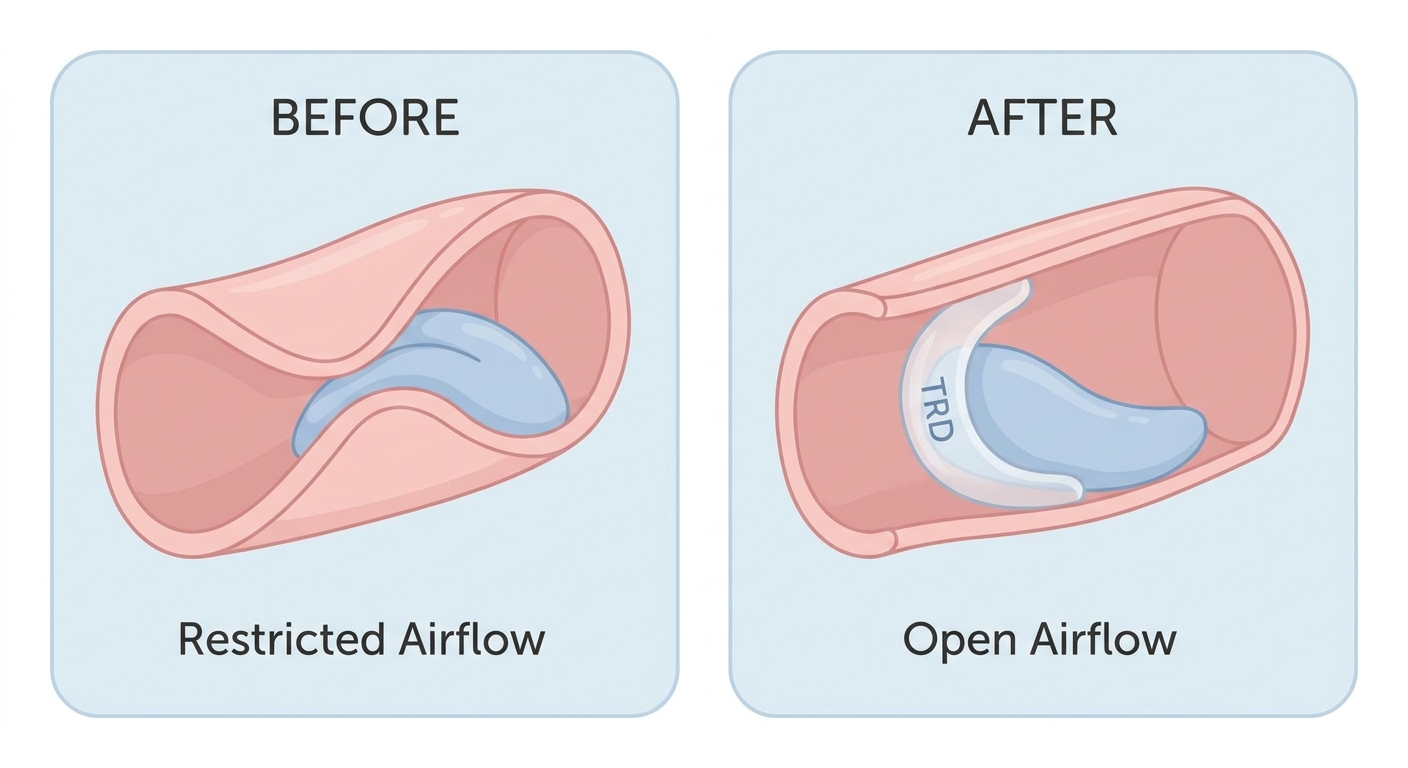
The suction principle: a TRD uses mild suction to stabilize the tongue in a slightly forward position. That can reduce the tendency for the tongue to fall backward during sleep. The goal is sealed and steady, not strong and stuck—too much suction can increase soreness and make adaptation harder. (SleepApnea.org, 2026)
How tongue position affects airway space: when the tongue shifts back, the airway behind it can narrow. By holding the tongue forward, TRDs may increase airway space and reduce vibration/snoring—and in some cases reduce breathing events in sleep apnea. (Lazard et al., 2009)
Why TRDs may be helpful if you can’t use a mandibular advancement device: may be considered when a MAD isn’t a great fit (limited teeth for anchoring, dentures, jaw discomfort or TMJ concerns). These are individual factors to review with a clinician familiar with oral appliance therapy. (SleepApnea.org, 2026)
What a TRD doesn’t do: it does not move the lower jaw forward. MADs often have stronger evidence and better long-term comfort for many people, but they aren’t appropriate for every mouth or jaw. (Lazard et al., 2009; SleepApnea.org, 2026) Mechanism matters: if jaw advancement isn’t an option, tongue stabilization may still be worth discussing with your clinician.
Symptoms and Signs That a TRD Might Help
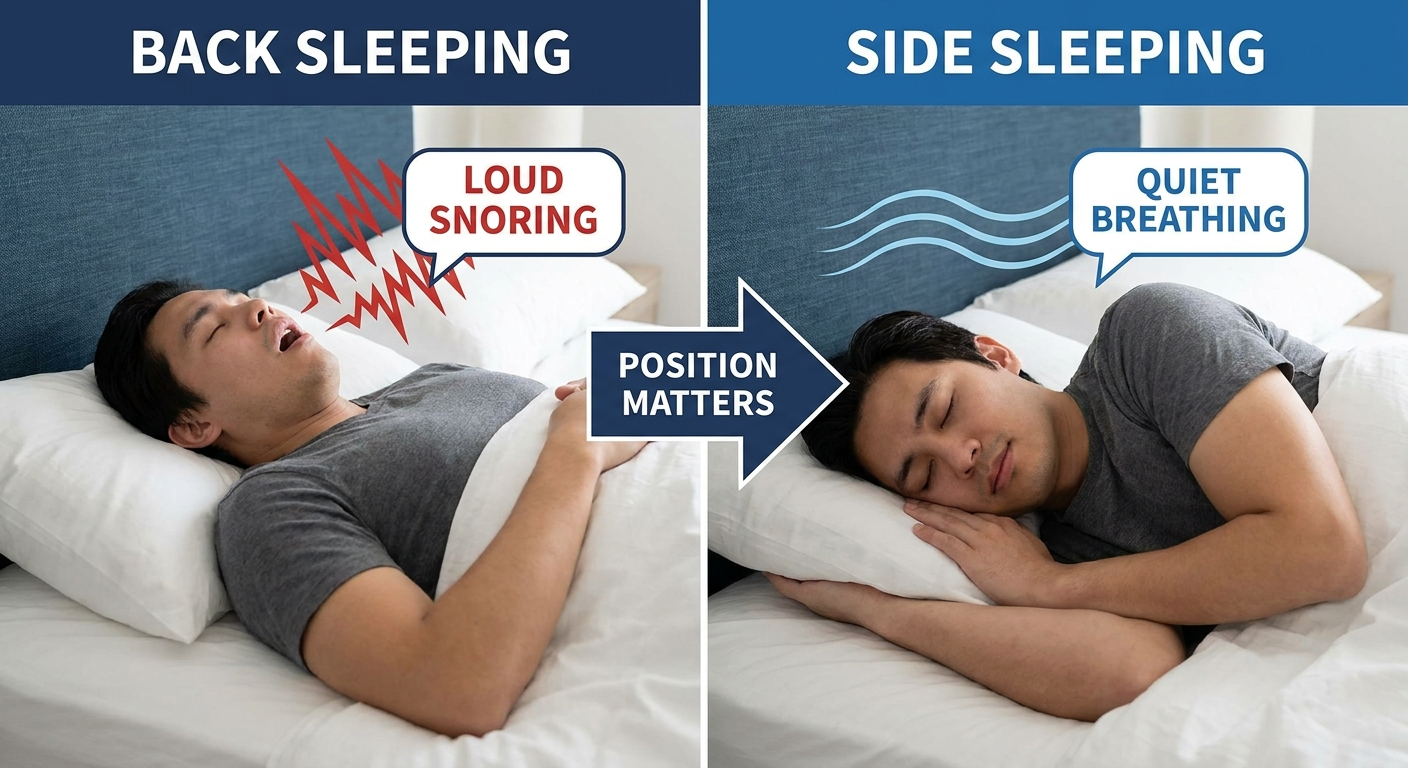
Clues that point to tongue-related narrowing: snoring that’s worse on your back (and better on your side); “quiet on the side, loud on the back” patterns; snoring bursts that come and go with quiet periods in between.
Mild sleep apnea symptoms you shouldn’t ignore: daytime sleepiness, morning headaches, witnessed breathing pauses. (AASM/AADSM, 2024; SleepApnea.org, 2026)
Red flags that require medical evaluation first: choking or gasping at night; high blood pressure or cardiovascular risk concerns; severe daytime sleepiness. (AASM/AADSM, 2024; SleepApnea.org, 2026)
If loud snoring is paired with sleepiness, gasping, or witnessed pauses, start with an evaluation rather than self-treating.
What Causes Snoring (and Where TRDs Fit In)
Tongue relaxation and airway narrowing during sleep is the scenario where TRDs are most relevant. Nasal obstruction and mouth breathing can reduce tolerance and effectiveness. Weight, alcohol, sedatives, and sleep position can increase airway collapsibility and tongue relaxation. Structural contributors (deviated septum, enlarged turbinates, tonsil tissue, soft palate anatomy) can also play a role. TRDs help most when tongue collapse is a major driver—not when the main problem is elsewhere. (SleepApnea.org, 2026; AASM/AADSM, 2024)
Match the tool to the cause: TRDs make the most sense when tongue collapse is a key factor and nasal breathing is comfortable.
Benefits of Tongue Retaining Devices for Snoring (What Research Shows)
Snoring improvement: in one cohort study, users reported a 68% reduction in subjective snoring intensity with a TRD. This reflects self-reported outcomes in a single study and is not a guaranteed result. (Lazard et al., 2009)
How often snoring is eliminated (TRD/TSD vs MAD): in one randomized controlled trial (RCT), snoring was reported eliminated in 27.3% of tongue-stabilizing device users and 40.9% of mandibular advancement device users. Study-specific findings; not personal predictions. (Deane et al., 2009)
Potential OSA improvement: in the same RCT, the TSD group showed an average reduction in AHI from approximately 27 events/hour to 13 events/hour; AHI improved in 77% of users in that arm. Not everyone improved; follow-up testing is important. (Deane et al., 2009)
Evidence suggests TRDs can reduce snoring and may lower AHI for some, but results vary and should be confirmed with testing when treating OSA.
Tongue Retaining Device vs Mandibular Advancement Device (MAD)
Snoring improvement: across studies, mandibular advancement tends to show stronger snoring outcomes than tongue stabilization alone. (Deane et al., 2009)
Comfort and adherence: in Deane et al. (2009), side effects were significant enough that nearly half of TSD users did not continue treatment. Effectiveness matters only if a device can be worn consistently.
When a TRD may still be the better choice: when jaw advancement is difficult—such as with certain dental situations, denture use, or jaw comfort concerns—under clinician guidance.
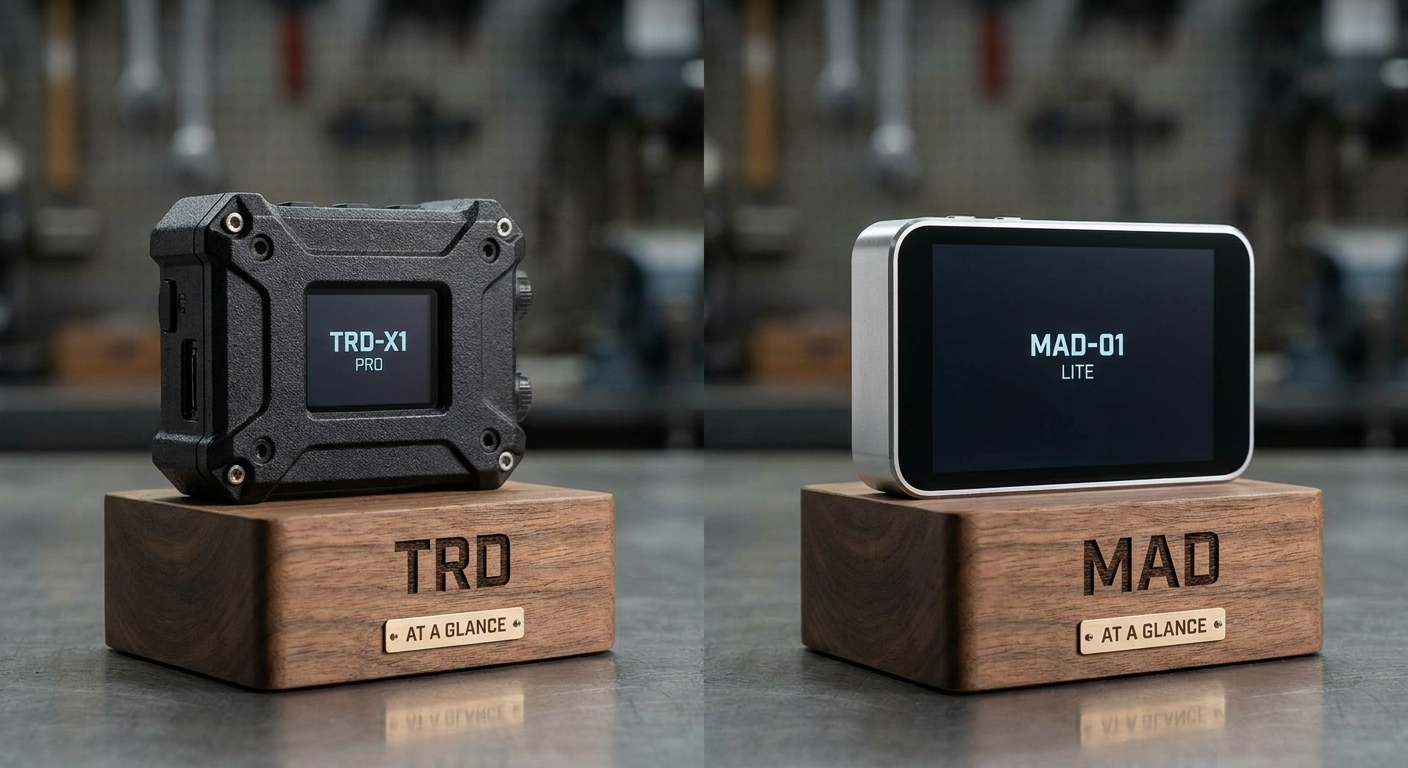
Quick comparison—How it works: TRD/TSD holds the tongue forward with gentle suction; MAD advances the lower jaw forward.
Best fit scenarios: TRD/TSD for tongue-related collapse and certain dental/TMJ limitations; MAD for many snoring/OSA cases where jaw advancement is tolerated.
Common side effects: TRD/TSD may cause drooling or dry mouth, tongue soreness, tissue irritation; MAD may cause tooth/jaw discomfort, bite changes, TMJ symptoms.
Typical outcomes: TRD/TSD results are variable; in one RCT, snoring elimination was lower and adherence often poorer than MAD. MADs often show higher snoring improvement and adherence in trials.
Oversight: both benefit from clinician guidance; dentist-directed therapy is standard for MADs and recommended for TRDs used to treat suspected or confirmed OSA.
In head-to-head research, MADs usually outperform TRDs for snoring; TRDs remain a useful option when jaw advancement isn’t feasible.
Side Effects, Risks, and Downsides (What to Expect)
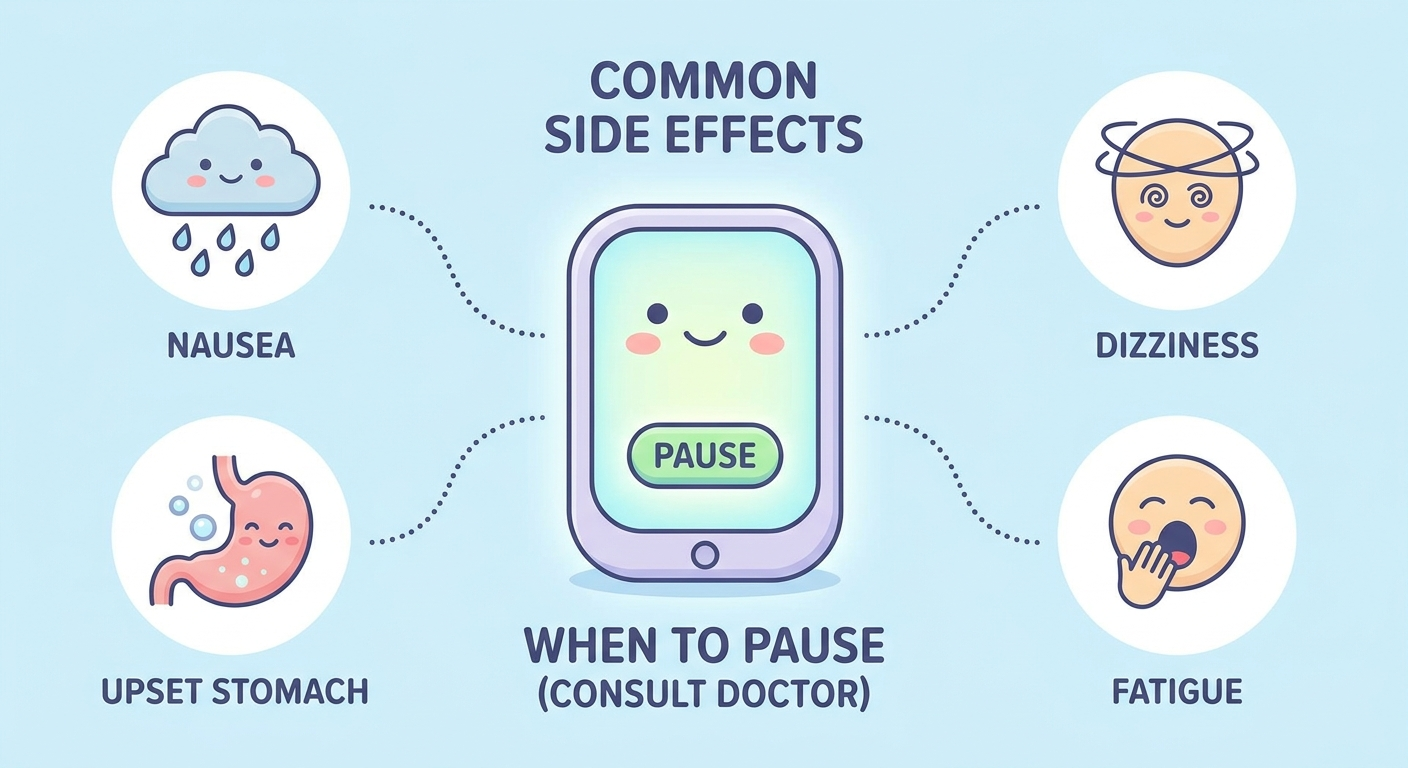
Common short-term issues: dry mouth or excess salivation; tongue soreness; soft tissue irritation or discomfort. Many people either adapt within days—or decide quickly it’s not tolerable. (Lazard et al., 2009; Deane et al., 2009)
Longer-term concerns: minor tooth movement has been reported in follow-up, which is why monitoring matters. Report bite or tooth changes promptly. (Lazard et al., 2009)
When to pause use and contact a clinician: persistent pain, visible tongue injury, bite/tooth changes, or worsening sleep symptoms.
Safety note: a TRD is not a substitute for diagnosing OSA, and wearing one does not prove breathing is normal during sleep. (AASM/AADSM, 2024; SleepApnea.org, 2026)
Expect some early drooling or tongue awareness; stop and check in with a clinician if pain, injury, or bite changes occur.
Who Should Not Use a TRD (Contraindications and Cautions)
Significant nasal obstruction; unstable dental or gum health; central sleep apnea; severe OSA without medical supervision; ongoing inability to tolerate suction or soft-tissue irritation. (AASM/AADSM, 2024; SleepApnea.org, 2026)
If you can’t breathe well through your nose or have significant dental/medical issues, a TRD may not be appropriate.
How to Use a Tongue Retaining Device Correctly
Important note before you start: if loud snoring, sleepiness, or witnessed pauses suggest possible OSA, get evaluated first. Choice and use of any oral appliance for suspected or confirmed OSA should be clinician-directed. https://sleepandsinuscenters.com/snoring-sleep-apnea-treatment
Fitting basics: place the tongue into the bulb and create gentle suction—secure but not painful. Sharp soreness or numbness often means suction is too strong.
First-week adjustment tips: gradually increase wear time over several nights. Early drooling or saliva changes are common and often improve. (Lazard et al., 2009; Deane et al., 2009)
Sleeping position tips: side sleeping and slight head elevation can reduce airway collapse in some snorers.
Cleaning and replacement: follow manufacturer instructions. Replace if material degrades, discolors, tears, or won’t hold suction reliably.
How to tell if it’s helping: partner feedback, snoring logs, and snoring apps can offer clues, but they do not diagnose or rule out OSA. Only sleep testing can confirm that. Follow-up testing is recommended when treating OSA. (AASM/AADSM, 2024)
Think “gentle and consistent,” not “tight and painful,” and confirm effectiveness with proper testing if you’re treating OSA.
Choosing a Tongue Retaining Device (Safer Ways to Decide)
A practical selection framework to discuss with your clinician: because comfort and fit drive success, “best” depends more on your mouth, airway goals, and tolerance than on brand names. For suspected or confirmed OSA, device selection should be clinician-directed.
What to look for: medical-grade, softer silicone with smooth edges; a tongue chamber size that feels secure without soreness; stable suction that doesn’t require excessive force; clear cleaning instructions and a reasonable replacement schedule/warranty.
If considering an over-the-counter option: verify material safety; check for multiple sizes and a return policy; seek evaluation first if you have loud snoring, daytime sleepiness, or any OSA red flags.
When custom dentist-directed therapy may be a better investment: when OSA is suspected or confirmed, custom oral appliance therapy—often a MAD—has strong guideline support and includes proper monitoring and follow-up testing. (AASM/AADSM, 2024; Deane et al., 2009)
The “best” device is the one you can comfortably wear, matched to your airway needs, and chosen with clinician guidance—especially when OSA is on the table.
Other Treatments for Snoring and Mild OSA (Alternatives and Add‑Ons)
Lifestyle changes: weight management, reducing alcohol near bedtime, and side sleeping can meaningfully help some people. Treat nasal congestion so nasal breathing is comfortable. Consider allergy management or evaluation for structural blockage if needed.
Mandibular advancement devices (often preferred): MADs typically outperform TRDs for snoring outcomes and are widely used in oral appliance therapy. (Deane et al., 2009; AASM/AADSM, 2024)
CPAP: remains the most effective option for many with moderate–severe OSA. (AASM/AADSM, 2024)
ENT evaluation or procedures: if anatomy is a major driver (nasal obstruction, soft palate/tonsil issues), additional evaluation may be part of a comprehensive plan. (AASM/AADSM, 2024)
Often, the most effective approach is a combination: improve nasal breathing and sleep habits, then match the device or therapy to your airway and diagnosis.
FAQs About Tongue Retaining Devices
Do tongue retaining devices work for everyone? No. Results vary widely, and the cause of snoring matters. (SleepApnea.org, 2026; Deane et al., 2009)
Can a TRD treat sleep apnea? It may reduce the apnea-hypopnea index (AHI) in some mild–moderate cases under clinical care, but it’s not a default OSA treatment and should be confirmed with follow-up testing. (Deane et al., 2009; AASM/AADSM, 2024)
How long does it take to get used to a TRD? Many people need several nights to a couple of weeks to adapt, especially to salivation changes and tongue sensation.
Is drooling normal with a TRD? Yes—excess salivation is commonly reported early. (Lazard et al., 2009; Deane et al., 2009)
Can TRDs change teeth position? Minor tooth movement has been reported; report any bite or tooth changes promptly and discuss monitoring. (Lazard et al., 2009)
What if I have nasal congestion? If nasal airflow is poor, a TRD may be harder to tolerate or less effective. (SleepApnea.org, 2026; AASM/AADSM, 2024)
Should I see a doctor before trying a TRD? Yes—because snoring can signal OSA. Guidelines emphasize appropriate evaluation and follow-up, especially if an oral appliance is used to treat OSA. (AASM/AADSM, 2024)
If you’re considering a TRD because of loud snoring or fatigue, a brief evaluation can make sure you’re treating the right problem.
When to See a Sleep Specialist (and What Follow-Up Looks Like)
Snoring plus daytime sleepiness: when snoring comes with fatigue, witnessed pauses, or morning headaches, sleep testing helps clarify whether OSA is present.
What good follow-up includes: professional guidance for oral appliances includes evaluation, dental monitoring, and follow-up sleep testing to verify effectiveness if you’re treating OSA. (AASM/AADSM, 2024)
What to bring to your appointment: snoring history, sleep schedule, partner observations, medication/alcohol timing, and any prior sleep study results. Learn more or request a visit: https://sleepandsinuscenters.com/snoring-sleep-apnea-treatment
Testing and follow-up transform guesswork into a targeted plan you can trust.
Conclusion: Are Tongue Retaining Devices Worth Trying?
Best candidates recap: a TRD may be worth considering when tongue collapse is likely, snoring is position-related, and a jaw-advancing device isn’t a good fit.
Pros and cons recap: Pros include simple design, targets tongue position, may reduce snoring and improve AHI in select users. Cons include comfort challenges, drooling/irritation, variable results, and generally lower snoring success and adherence than MADs in research. (Deane et al., 2009; Lazard et al., 2009)
Next step: if you snore loudly, feel excessively sleepy during the day, or suspect sleep apnea, schedule a snoring/OSA evaluation so you’re treating the right problem—not just the noise. Book an appointment with Sleep and Sinus Centers of Georgia: https://www.sleepandsinuscenters.com/
TRDs can help the right person—but the safest path is to confirm the cause, then match the treatment accordingly.
Sources
American Academy of Sleep Medicine & American Academy of Dental Sleep Medicine (AASM/AADSM). Oral Appliance Therapy Guideline (2024): https://aasm.org/aasm-and-aadsm-issue-new-joint-clinical-practice-guideline-for-oral-appliance-therapy/
Lazard et al. (2009). “The Tongue-Retaining Device: Efficacy and Side Effects in Obstructive Sleep Apnea Syndrome”: https://pmc.ncbi.nlm.nih.gov/articles/PMC2762714/
Deane et al. (2009). “Comparison of Mandibular Advancement Splint and Tongue Stabilizing Device… A Randomized Controlled Trial”: https://pmc.ncbi.nlm.nih.gov/articles/PMC2675900/
SleepApnea.org (2026). “Tongue-Retaining Device: What It Is and How It Works”: https://www.sleepapnea.org/treatment/tongue-retaining-devices/
This article is for educational purposes only and is not medical advice. Please consult a qualified healthcare provider for diagnosis and treatment.
Snoring can be a symptom of obstructive sleep apnea or other health conditions; a qualified clinician can help determine appropriate testing and treatment.
Don’t let allergies slow you down. Schedule a comprehensive ENT and allergy evaluation at Sleep and Sinus Centers of Georgia. We’re here to find your triggers and guide you toward lasting relief.