Do You Need a Hearing Aid? How ENTs Decide When to Recommend One
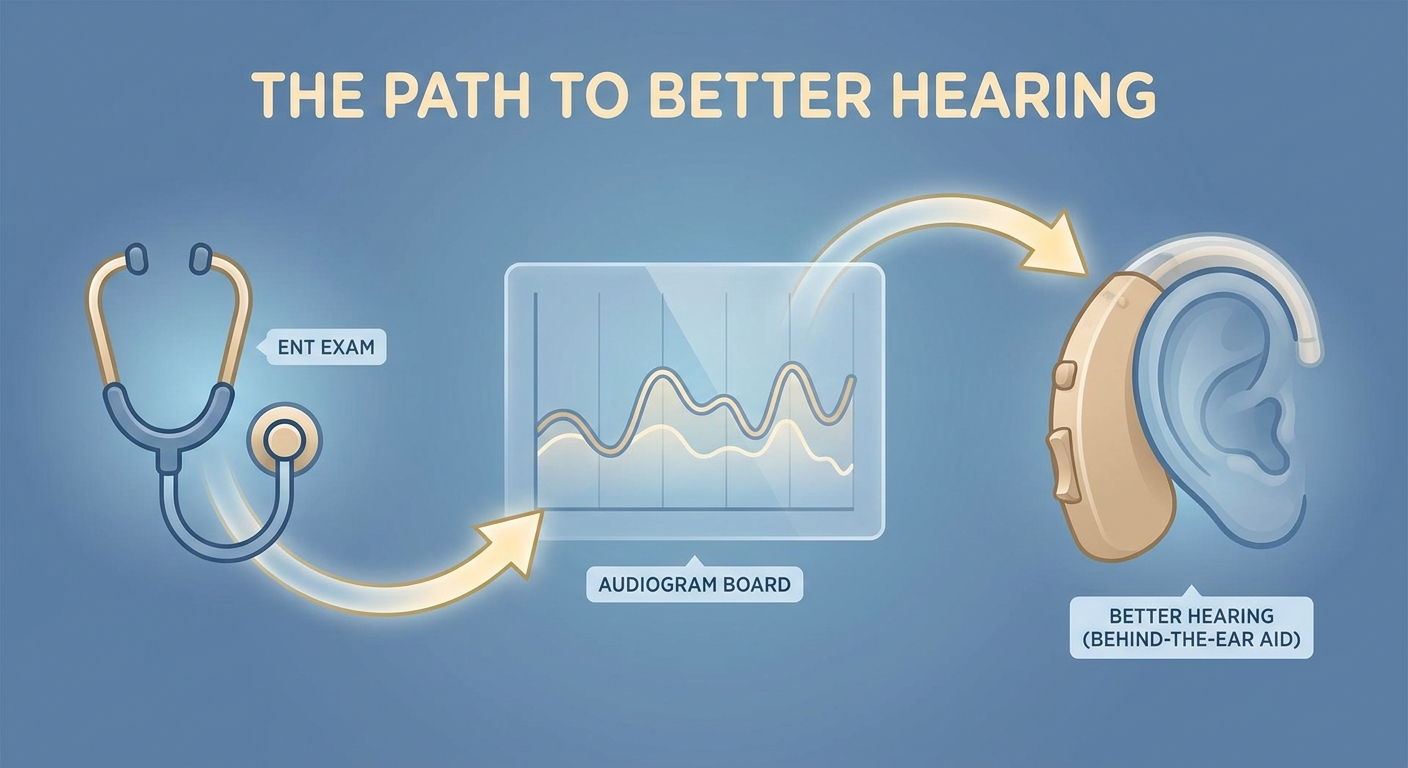
You keep asking people to repeat themselves. The TV volume creeps higher, conversations in restaurants feel exhausting, and family members notice you withdrawing from gatherings. These everyday moments often raise a simple question: when do you need a hearing aid? The answer is rarely a quick yes or no from a single test. An ENT hearing aid recommendation follows a careful, layered process. First comes a medical exam to rule out treatable problems. Next is detailed hearing testing. Then comes a personalized discussion that looks at your overall health, lifestyle, and goals—not just numbers on a chart.
Acting early matters. The 2024 AAO-HNS Clinical Practice Guideline on Age-Related Hearing Loss notes that untreated hearing loss is linked to higher risks of dementia, depression, and falls. Think of untreated hearing loss as a dimmer switch being turned down slowly—you adapt without noticing how much light (or conversation) you have lost. This article walks you through the signs, the evaluation steps, and how specialists decide on hearing aid candidacy evaluation so you can tell when professional care is the wiser choice than heading straight to over-the-counter options. If symptoms sound familiar, consider scheduling a visit at Sleep and Sinus Centers of Georgia: https://sleepandsinuscenters.com/appointments.
Common Signs You Might Need a Hearing Aid
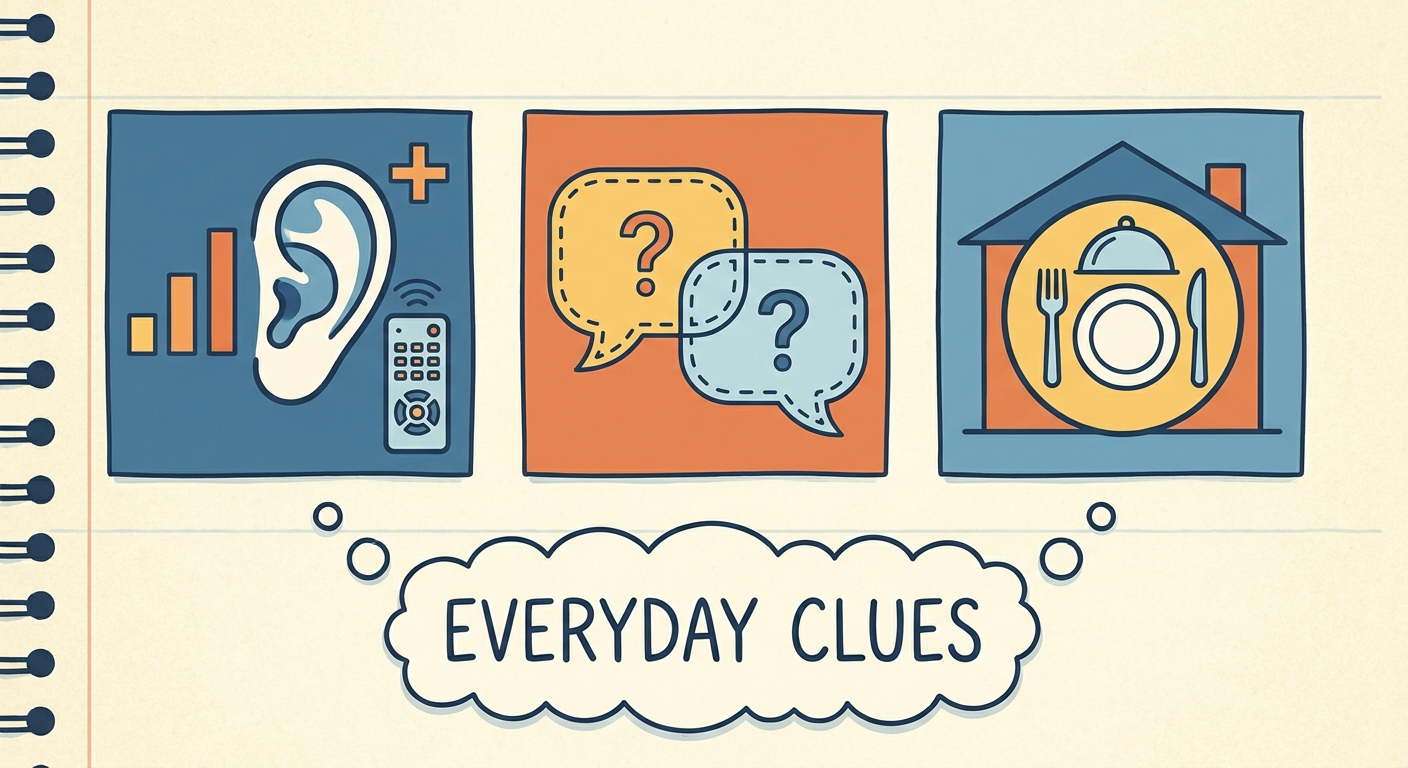
Hearing changes often appear gradually. Difficulty following talk in noisy restaurants, frequently asking “what?” or “can you say that again?”, ringing in the ears (tinnitus), turning up the television, or pulling back from social events are common clues that hearing loss is affecting daily life. You might also miss the punchline of a joke or find yourself nodding along when you have not fully heard the details.
Everyday Clues That Hearing Loss Is Affecting Your Life
Friends or family may comment on the TV volume. Phone conversations become harder because you cannot see the speaker’s lips. You might feel more tired after group discussions because you are straining to keep up—like running a mental marathon just to follow a simple chat. These patterns suggest it is time to explore whether hearing support could help restore energy and connection.
When Symptoms Point to Something Treatable (vs. Permanent Loss)
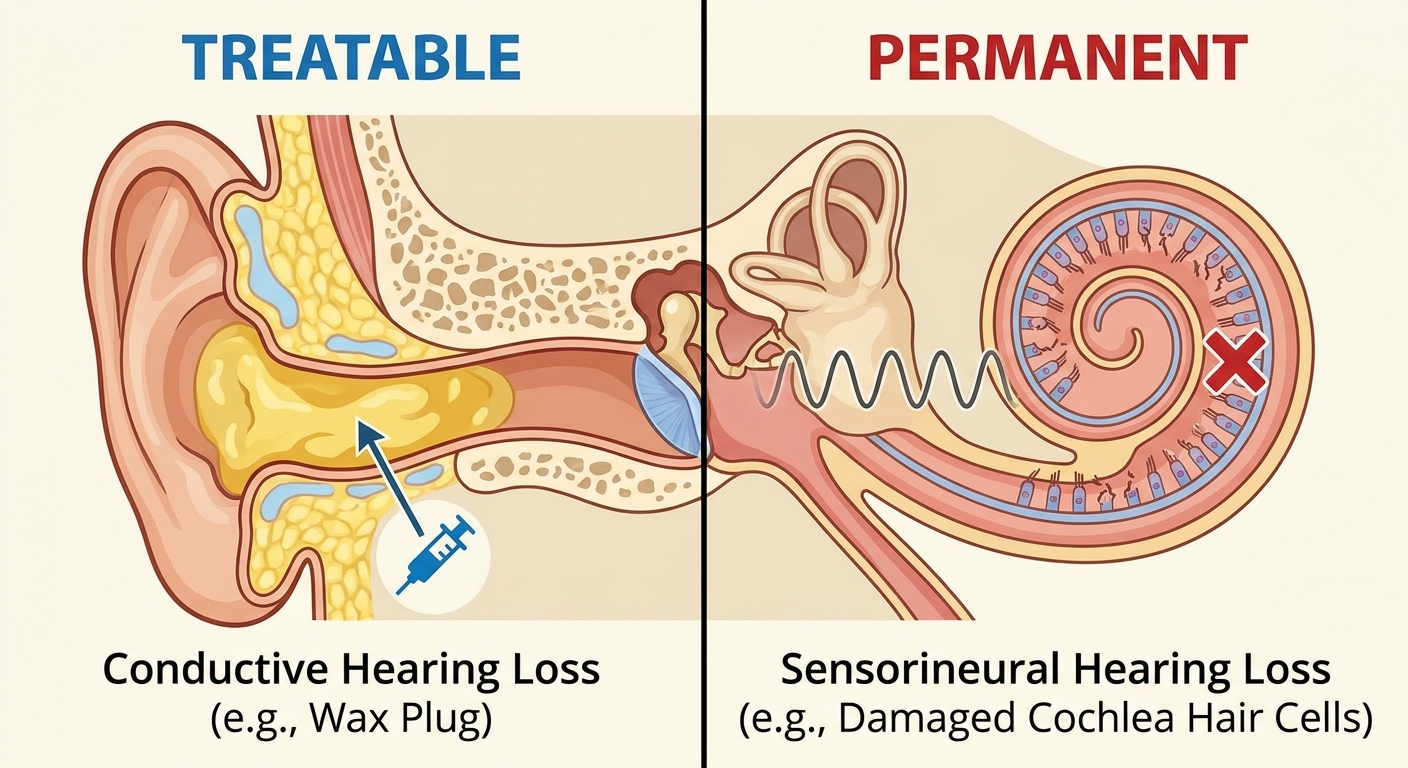
Not every change is permanent. Sudden hearing drops, pain, drainage, or a feeling of fullness can signal issues such as wax buildup, infection, or fluid that an ENT can often address without hearing aids. Persistent, gradual decline—especially with aging or noise exposure—more often points toward sensorineural loss that hearing aids can manage well. Distinguishing the two early prevents unnecessary worry and points you toward the right next step.
Spotting these patterns sooner rather than later can restore energy and keep you connected.
Why See an ENT Before Buying a Hearing Aid?
Should I see an ENT before hearing aids? Yes. An ENT evaluation comes first so treatable medical causes are identified and handled. This step helps patients avoid spending money on devices they may not need and catches conditions that require different care. As one clinician often explains, “We look under the hood before we add any extra equipment.”
What the ENT Checks During the Ear Exam
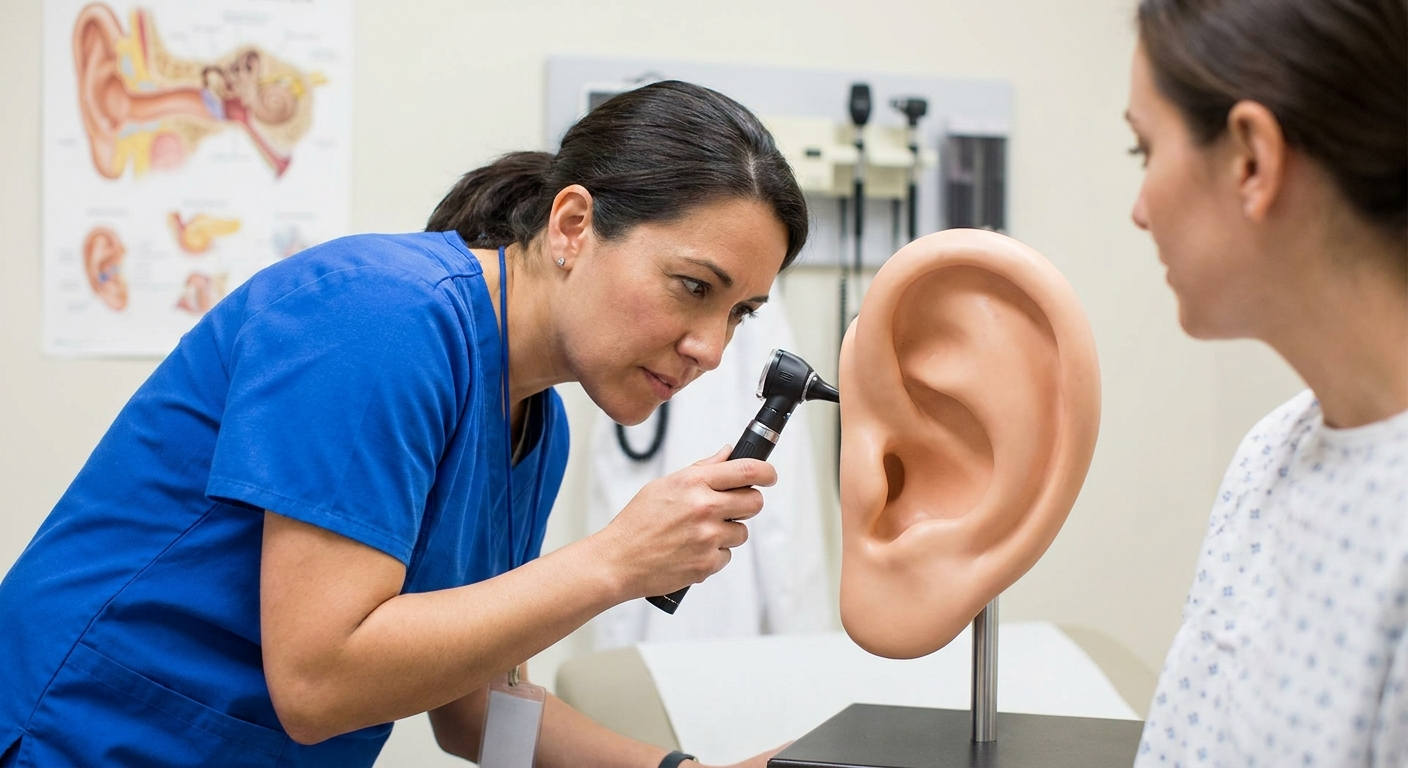
The visit typically includes a look inside the ear canal and at the eardrum. Common findings include earwax blockage (learn more at https://sleepandsinuscenters.com/blog/earwax-impaction-symptoms-and-effective-removal-tips), infections, eardrum issues, middle-ear fluid, or conditions such as otosclerosis. Some of these can be treated with simple in-office care or medication, restoring hearing without amplification. ENTs examine the ear specifically to exclude these medically treatable causes before any hearing aid discussion.
The Role of the Audiologist After the ENT Visit
Once the ears are medically cleared, an audiologist performs comprehensive testing. The results show the type and degree of loss and how well speech is understood. Together, the ENT and audiologist create a complete picture that guides next steps, much like a map plus a road-test combined.
A medical exam first protects you from unnecessary devices and uncovers simple fixes.
Understanding Your Hearing Test Results
Hearing tests reveal whether loss is conductive (often involving the outer or middle ear and sometimes reversible) or sensorineural (inner-ear or nerve-related and usually permanent). Mixed losses combine both. Knowing the type tells you whether a medical or surgical fix is possible or whether amplification will be the main tool.
Sensorineural vs. Conductive Hearing Loss
Conductive problems may improve with medical or surgical treatment. Sensorineural loss from aging or noise is typically managed with hearing aids as first-line care. An audiogram maps the pattern and severity; see a patient-friendly explanation at https://sleepandsinuscenters.com/blog/audiogram-basics-explained-a-patients-guide-to-hearing-tests. For permanent sensorineural loss, hearing aids remain the standard starting treatment.
How the Audiogram Guides the Decision
The graph shows which pitches are affected and how much—like a weather map that highlights the “stormy” frequencies. This information, combined with speech-understanding scores, helps determine whether amplification is likely to help and which features might be most useful.
Clear test results turn numbers into a practical plan tailored to you.

How ENTs Decide If You Are a Hearing Aid Candidate
Hearing aid candidacy evaluation is not driven by audiogram numbers alone. A 2015 Delphi consensus among hearing-care professionals (Sereda et al.) showed that clinicians also consider practical and personal factors.
Objective Factors (Degree of Loss and Audiogram Shape)
Mild, moderate, or greater loss plus the specific pattern of highs and lows all play a role. Even mild loss can justify hearing aids when it interferes with work, family, or safety—for example, missing a grandchild’s question or struggling to hear a warning in traffic.
Patient-Centered Factors ENTs Weigh
Ear health, finger dexterity (can small devices be handled?), tinnitus, sound sensitivity (hyperacusis), and realistic expectations all influence the recommendation. The goal is a solution the patient can actually use and benefit from, not just a device that looks good on paper.
Mild Hearing Loss — When Hearing Aids Still Make Sense
Many people with milder loss still struggle in noise or feel isolated. In those cases, an ENT hearing aid recommendation can improve communication and quality of life even if the numbers look “not that bad.” A typical patient remark: “I thought it was just age until I realized I was sitting out of conversations.”
Your lifestyle and goals matter as much as the audiogram when deciding on hearing aids.
Hearing Aids vs. Other Options
When Hearing Aids Are the First-Line Treatment
For most permanent sensorineural loss caused by aging or noise, well-fitted hearing aids are the proven first step. They amplify speech while reducing background noise, much like a pair of glasses that brings the world back into focus without changing the underlying vision.
When Cochlear Implants Enter the Conversation
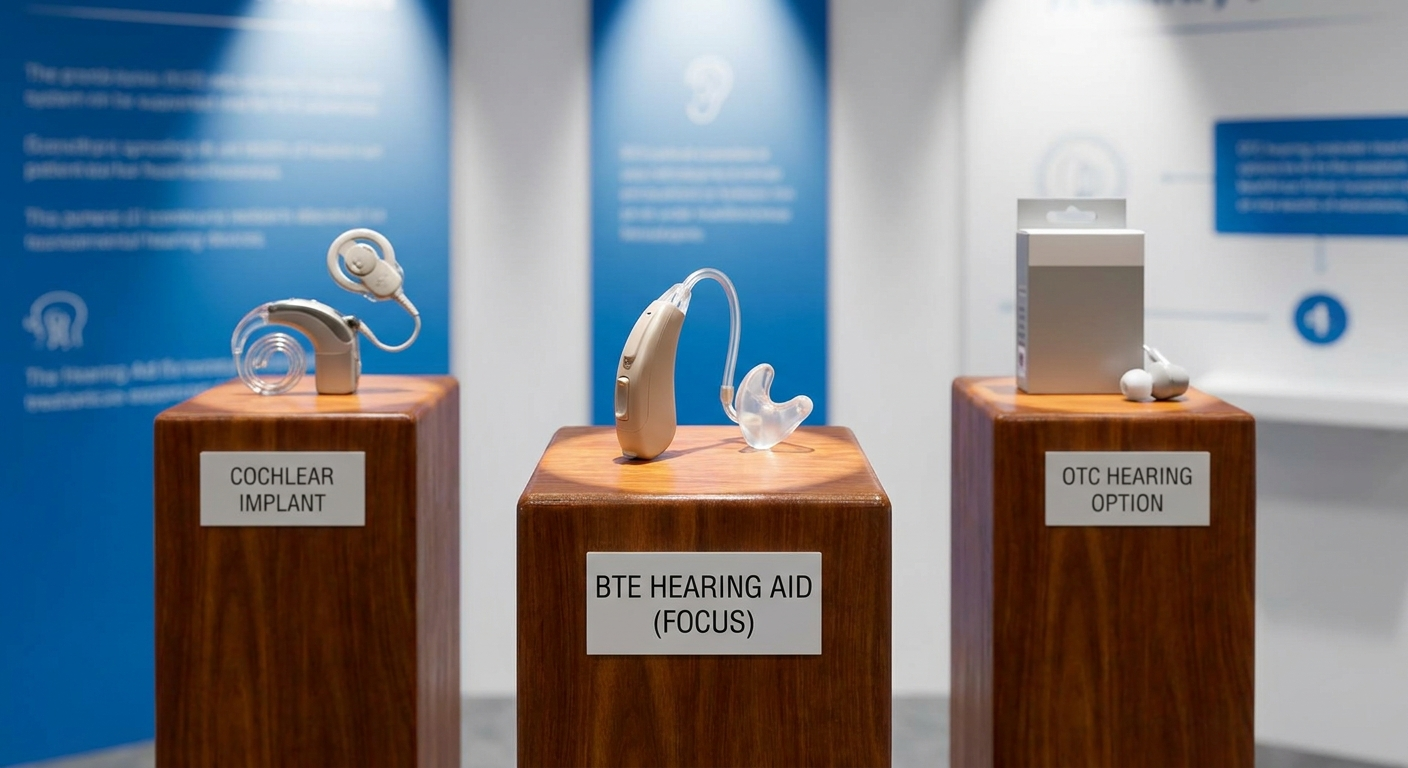
If hearing aids no longer provide enough benefit, referral for implants may be discussed. Criteria that often prompt discussion of referral include a pure-tone average of 60 dB HL or greater plus speech understanding of 60 percent or less. Actual candidacy is individualized—considering the full test battery, laterality, duration of deafness, insurance, and device labeling—and is determined by a cochlear-implant team after specialist evaluation.
Over-the-Counter (OTC) Hearing Aids — What the New Rules Mean
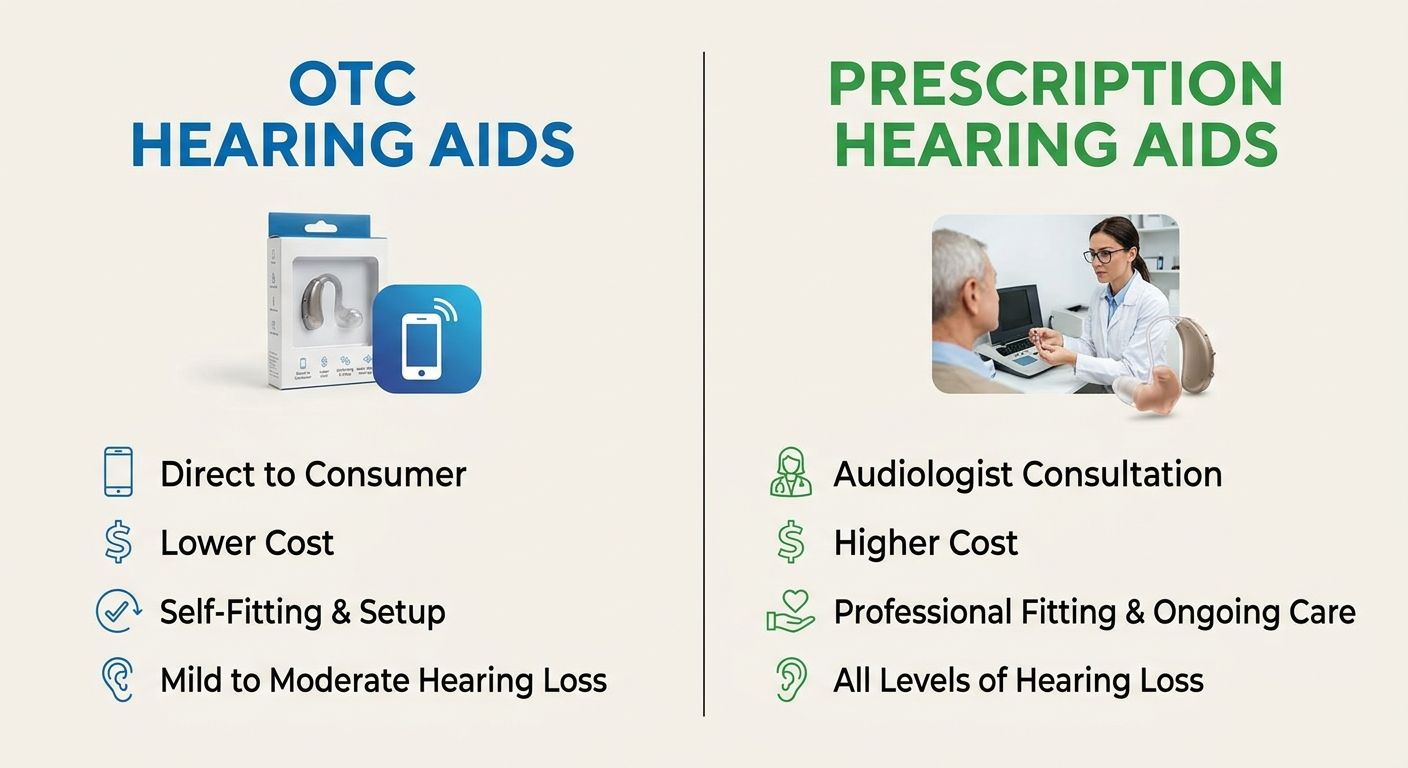
The FDA now allows adults 18 and older with perceived mild-to-moderate loss to purchase OTC devices without a prescription (FDA 2022; JAMA Health Forum 2022). These can be convenient, yet they do not replace a medical exam that might uncover treatable problems.
Hearing aids remain the starting point for most people, with other options considered only after careful review.
Why Professional Evaluation Still Matters Even with OTC Options
OTC devices skip the medical screening that detects wax, infection, fluid, or other issues. The 2024 AAO-HNS guideline recommends routine hearing screening starting at age 50 precisely because early detection of treatable or progressive loss protects overall health. A professional visit remains the safest way to confirm that amplification is appropriate and to catch anything that needs different treatment.
Long-Term Benefits of Treating Hearing Loss
Addressing hearing loss supports better communication, reduced isolation, and lower associated risks of dementia, depression, and falls, according to the same 2024 AAO-HNS guideline. Age-related hearing loss is the most common reason hearing aids are recommended; more details are available at https://sleepandsinuscenters.com/blog/age-related-hearing-loss-causes-symptoms-and-treat-20260902041812.
Lifestyle Tips to Protect Remaining Hearing
Use hearing protection in loud environments, limit exposure to very loud sound, avoid known ototoxic substances when possible, and keep regular follow-up appointments so any further changes are caught early. Small daily habits add up, just as they do for protecting your eyes or joints.
Treating hearing loss today can protect both your hearing and your overall well-being for years ahead.
Frequently Asked Questions
Do I need a prescription for hearing aids? Traditional (prescription) hearing aids require a professional fitting; OTC models for mild-to-moderate perceived loss do not, yet an ENT exam is still wise.
Can I just buy OTC hearing aids without seeing a doctor? Adults 18+ with perceived mild-to-moderate loss may, but professional evaluation helps rule out treatable conditions first.
Will hearing aids restore my hearing to normal? They improve access to sound and speech; they do not recreate perfect natural hearing.
How soon should I get hearing aids after a diagnosis? Once medical causes are addressed and testing confirms benefit, earlier use generally leads to better adaptation and outcomes.
What if I have tinnitus plus hearing loss? Hearing aids often reduce tinnitus awareness for many people; this is one of the factors considered in candidacy.
Next Steps: When and How to See an ENT
Anyone noticing the signs above, or anyone 50 and older, benefits from screening. An ENT visit at Sleep and Sinus Centers of Georgia combines medical examination with coordinated audiology testing. Book an evaluation today at https://sleepandsinuscenters.com/appointments or learn about comprehensive otolaryngology care at https://sleepandsinuscenters.com/comprehensive-otolaryngology-care. Taking that first step is often simpler than people expect.
Conclusion
Deciding whether you need a hearing aid is individualized and evidence-based. An ENT first excludes treatable problems, then testing and a conversation about your life determine the right path—whether that is hearing aids, another option, or simply monitoring. Early evaluation often uncovers simple solutions and, when amplification is needed, leads to better long-term results. If you have been wondering when do you need a hearing aid or should I see an ENT before hearing aids, schedule a hearing evaluation today and take the next informed step. Visit https://www.sleepandsinuscenters.com/ to book your appointment.
This article is for educational purposes only and is not medical advice. Please consult a qualified healthcare provider for diagnosis and treatment.
Don’t let allergies slow you down. Schedule a comprehensive ENT and allergy evaluation at Sleep and Sinus Centers of Georgia. We’re here to find your triggers and guide you toward lasting relief.