Vestibular Migraine: Symptoms, Causes, and Treatment Options
Unexplained spinning, waves of dizziness, or a sudden sense of imbalance that comes and goes—sometimes with a headache, sometimes without—can leave you wondering what is happening and whether it will ever stop. These episodes may be vestibular migraine, a common neurologic disorder in which vertigo or dizziness occurs as part of the migraine spectrum. Vestibular migraine affects an estimated 2.7–3% of U.S. adults yet is frequently underdiagnosed; only about 10% of people who meet research criteria have been told that migraine is the source of their dizziness. Episodes typically last from 5 minutes to 72 hours and can overlap with inner-ear conditions, making clear information essential.
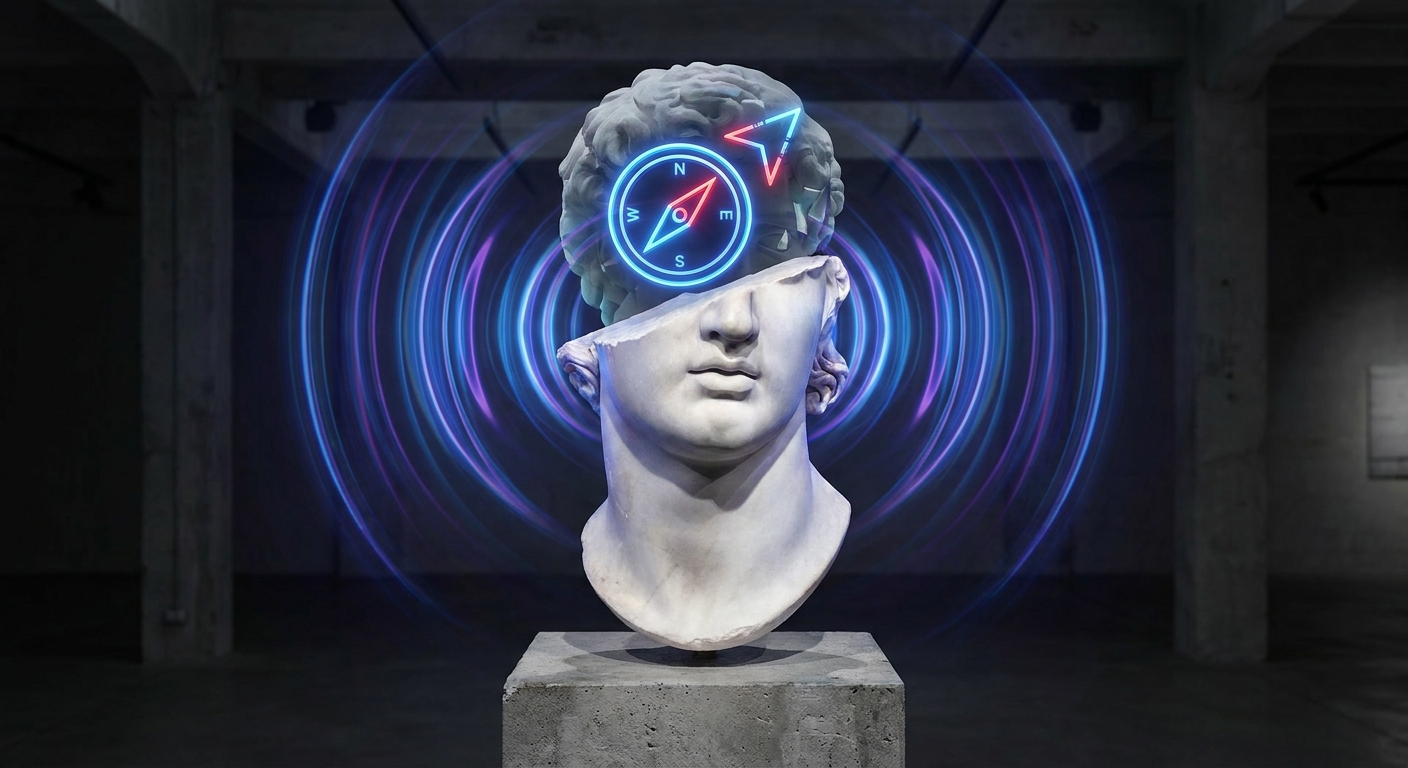
Think of the brain’s vestibular system as an internal GPS that constantly tracks motion and spatial orientation. In vestibular migraine that GPS glitches, producing spinning, unsteadiness, or a floating sensation even when you are standing still. This article explains vestibular migraine symptoms, how doctors diagnose it, current treatment approaches, and practical daily tips. If dizziness keeps returning, consider seeing an ENT or neurologist experienced in balance disorders.
Recognizing these patterns early can help distinguish vestibular migraine from other causes of dizziness.
What Is Vestibular Migraine?
Vestibular migraine is migraine that specifically affects the vestibular (balance) system. The brain’s processing of motion and spatial orientation becomes disrupted, producing spinning, unsteadiness, or a floating sensation. Importantly, a prominent headache is not required; vestibular symptoms can dominate. One clinician put it this way: “Patients often tell us they feel as if they are on a boat that never docks, yet their ears look completely normal.”
It is a diagnosis of exclusion. Other inner-ear, neurologic, or functional causes must be ruled out first. Official criteria come from the Bárány Society and International Headache Society (2022 update) and the International Classification of Headache Disorders (ICHD-3).
Vestibular Migraine vs. Typical Migraine
In typical migraine the headache is usually the main complaint. In vestibular migraine the headache may be mild or absent while dizziness takes center stage. Motion sensitivity, nausea, and sensitivity to light or sound remain common and help connect the episode to the migraine spectrum. Imagine a classic migraine as a thunderstorm that announces itself with pounding pain; vestibular migraine can be more like a fog that rolls in, leaving you off-balance without the thunder.
A proper diagnosis begins by excluding other conditions that can produce similar sensations.
Symptoms of Vestibular Migraine
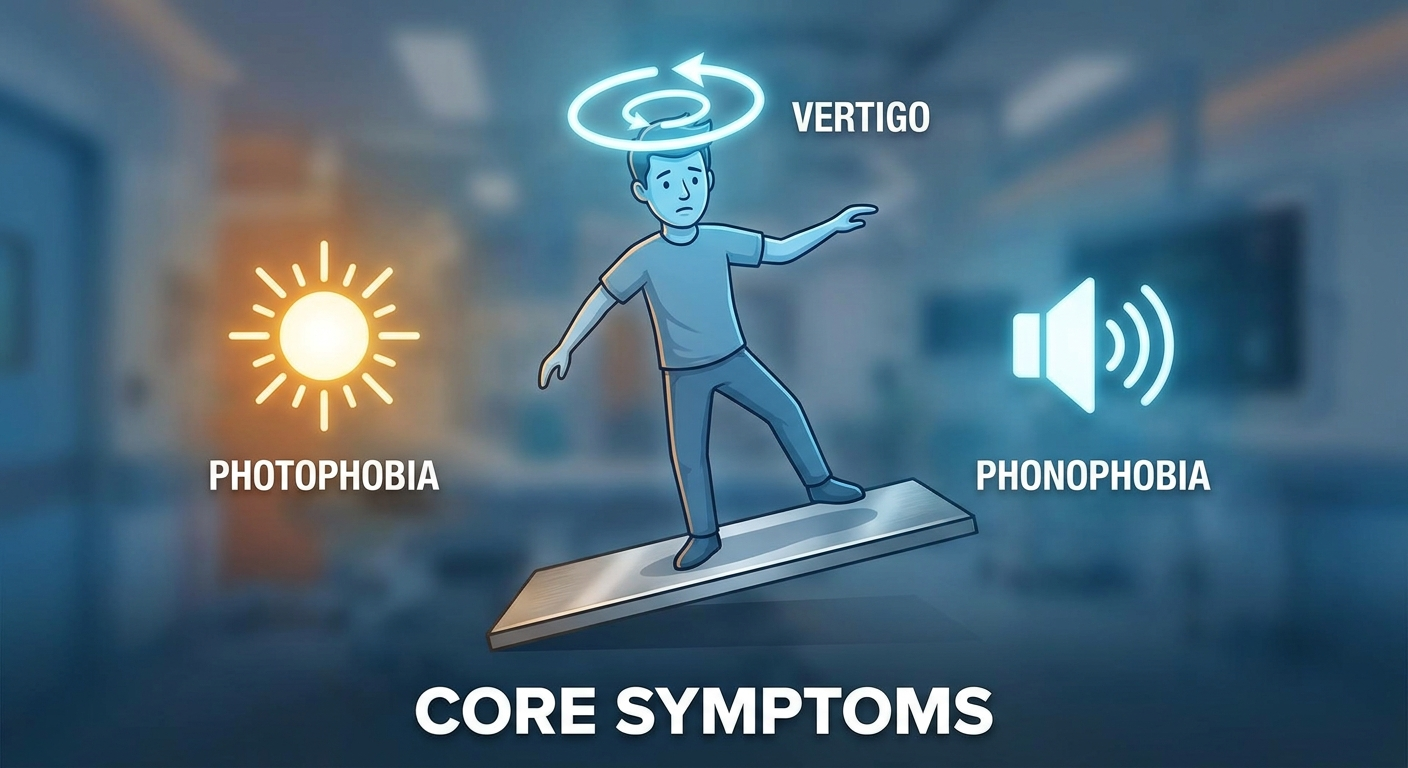
Core vestibular migraine symptoms include: spontaneous or positional vertigo (a spinning sensation); dizziness triggered by head movement; unsteadiness or a rocking/floating feeling.
Associated features often include nausea, photophobia (light sensitivity), phonophobia (sound sensitivity), migraine-type head pain, and, in some people, visual aura. Attacks last 5 minutes to 72 hours. Diagnosis requires at least five moderate-to-severe episodes that meet these timing and feature criteria.
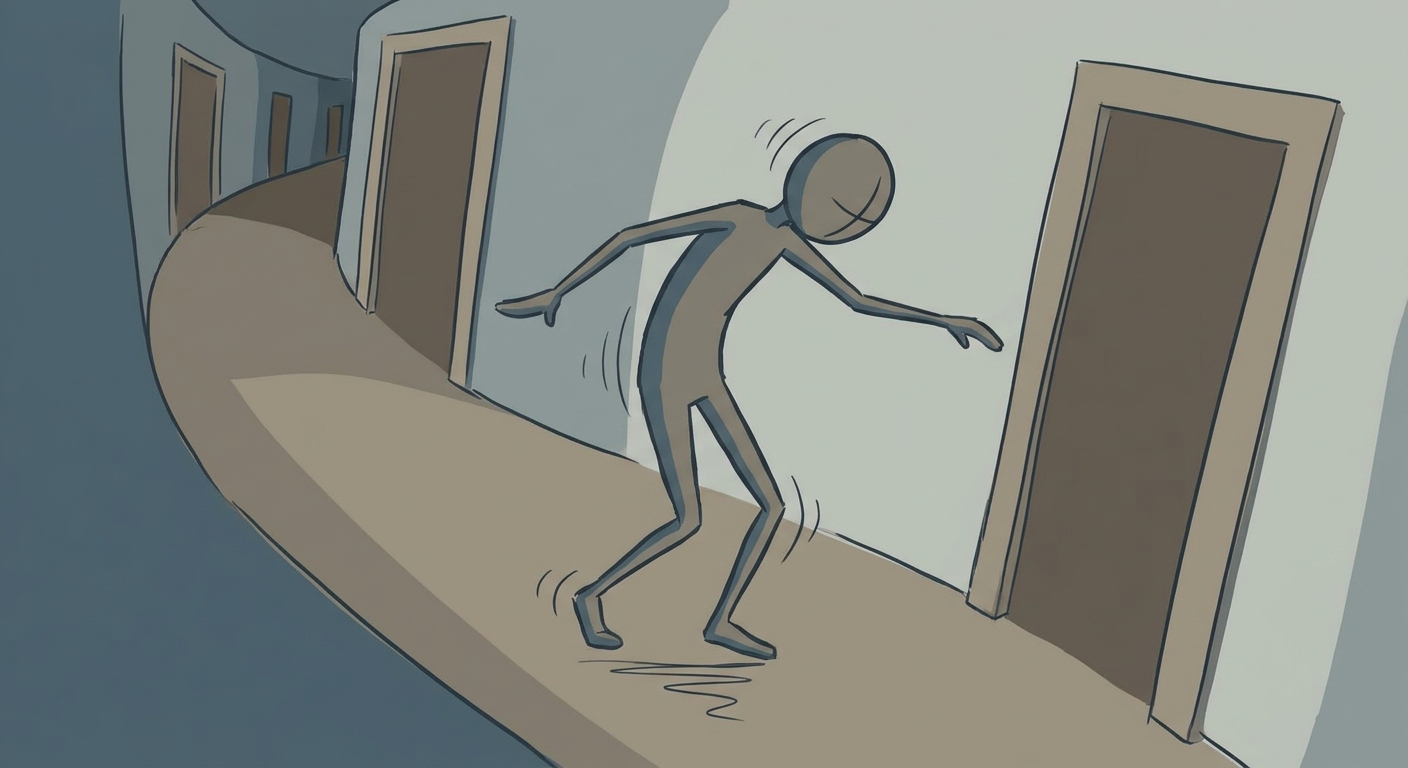
The impact can be significant: driving, working, or even walking across a room may feel unsafe during a flare. A patient might describe sitting at a desk yet feeling the floor tilt, or walking through a grocery store and suddenly needing to grab a cart because the aisles seem to sway. Understanding these patterns helps both patients and clinicians recognize vestibular migraine dizziness rather than assuming an inner-ear problem.
When Symptoms Overlap with Other Conditions
Symptoms can resemble Ménière’s disease (fluctuating hearing loss, tinnitus, ear fullness), benign paroxysmal positional vertigo or BPPV (brief spinning with position change), or persistent postural-perceptual dizziness (chronic unsteadiness). Distinguishing them matters because treatments differ. For a closer look at spinning versus other types of dizziness, see our article on BPPV Vertigo vs. True Dizziness.
Recognizing the distinct features of vestibular migraine helps avoid confusion with inner-ear disorders.
Causes and Triggers of Vestibular Migraine
The primary cause is a migraine disorder that alters how the brain processes balance signals; it is not a structural inner-ear lesion. Exact mechanisms are still being studied, so diagnosis rests on clinical criteria rather than one definitive test.
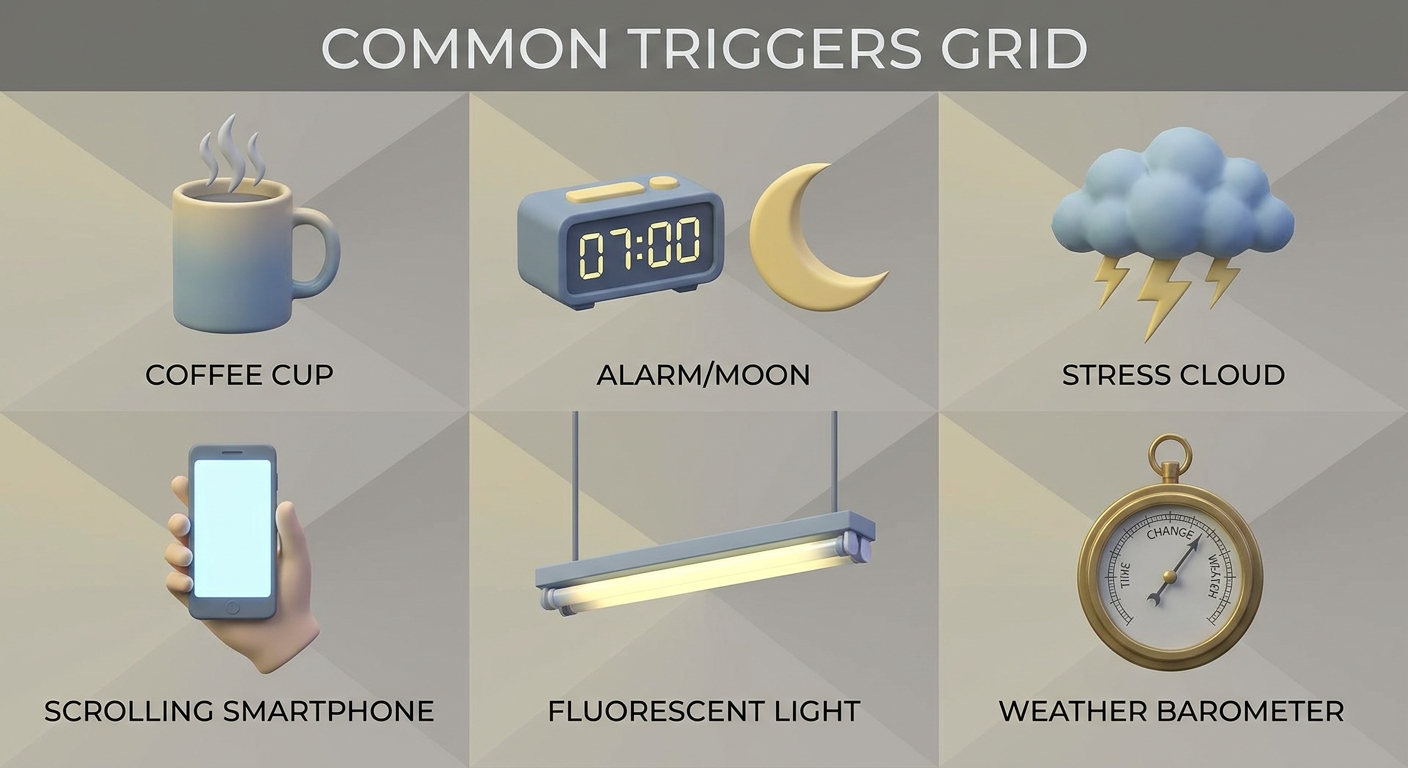
Common triggers include stress, irregular sleep, certain foods, hormonal shifts, motion, busy visual environments, and weather changes. Risk is higher in people with a personal or family history of migraine and in women. Skipping a meal, scrolling rapidly on a phone, or sitting in a flickering fluorescent-lit office can be enough to set off an episode in a susceptible person. Keeping a simple diary often reveals these personal patterns.
Tracking personal triggers with a diary frequently uncovers patterns that can be managed.
How Vestibular Migraine Is Diagnosed
Diagnosis is clinical and stepwise. A clinician takes a detailed history of dizziness, headache, and associated symptoms, then performs a neurologic and vestibular examination. Other disorders are excluded through history, exam, and sometimes tests.
Official criteria (Bárány Society/IHS 2022 and ICHD-3) require: 1) at least five episodes of moderate-to-severe vestibular symptoms lasting 5 minutes to 72 hours; 2) current or previous history of migraine; 3) migraine features (headache, photophobia, phonophobia, or visual aura) with at least 50% of the vestibular episodes; 4) no better alternative diagnosis.
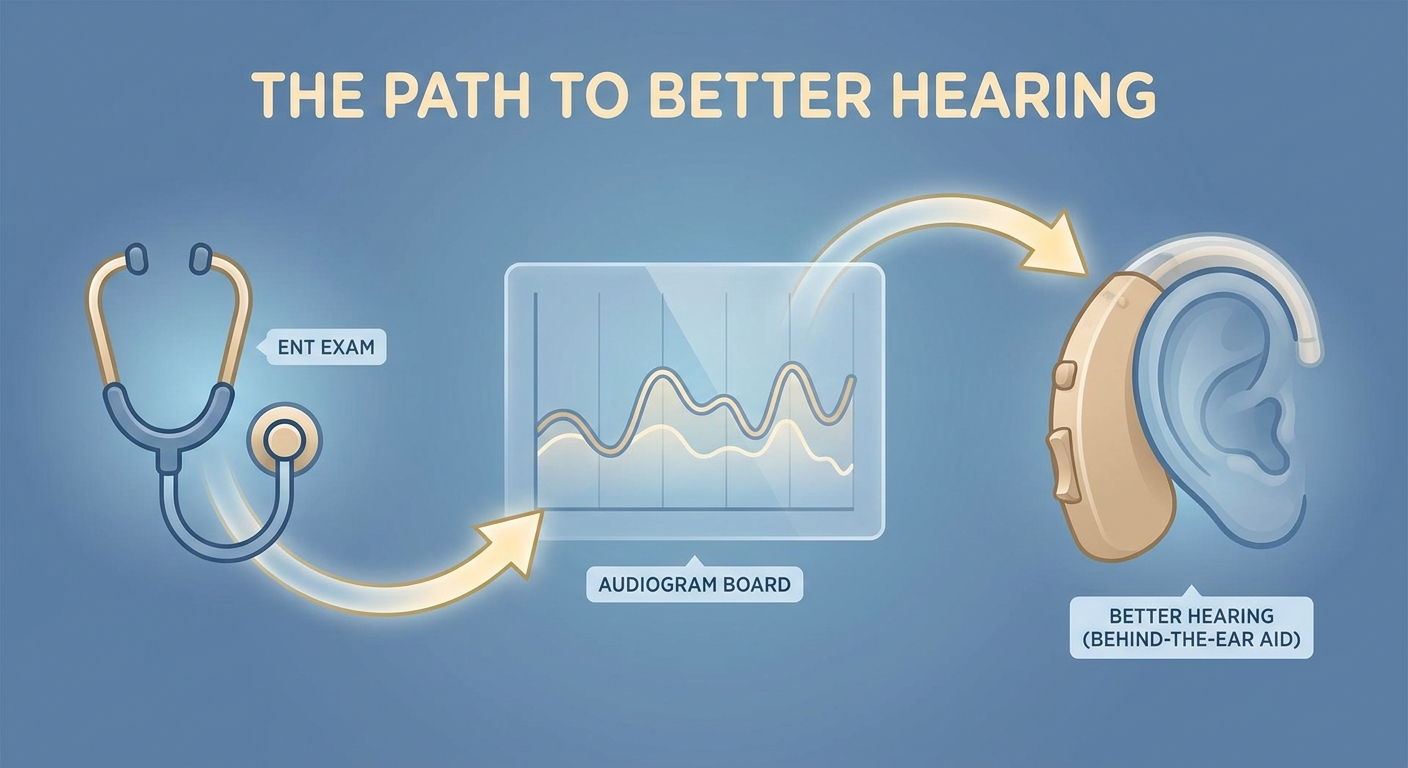
Audiometry, video nystagmography (VNG), or MRI may be used to rule out other causes, but no single test confirms vestibular migraine. An ENT or neurologist experienced in dizziness is often the most helpful specialist for vestibular migraine diagnosis. As one balance specialist notes, “We spend as much time listening to the story of the dizziness as we do looking at test results.”
Differential Diagnosis
Careful exclusion is essential because vestibular migraine overlaps with inner-ear and functional vestibular disorders. For more on related balance problems, read our guide to Inner Ear Balance Disorders.
Consulting a specialist in balance disorders remains the most reliable way to confirm the diagnosis.

Treatment Options for Vestibular Migraine
Management is multimodal: lifestyle measures, preventive strategies, vestibular rehabilitation, and, when appropriate, medication. Randomized trials focused specifically on vestibular migraine remain limited, so approaches often draw from broader migraine care. All treatment decisions require individual clinician assessment.

Lifestyle Changes and Trigger Management
Consistent sleep, regular meals, good hydration, and stress reduction form the foundation. Keeping a simple food and symptom diary can reveal personal triggers. Many people find it helpful to limit caffeine, alcohol, and highly processed foods if those items reliably provoke episodes. Even small, consistent changes—going to bed at the same time each night or eating breakfast within an hour of waking—can reduce the frequency of “GPS glitches.”
Preventive Medications
Standard migraine preventives are frequently used, including topiramate, certain beta-blockers, selected antidepressants, and valproate. Anti-CGRP monoclonal antibodies are an emerging option with promising early data, though vestibular-specific evidence is still accumulating. These medicines aim to quiet the brain’s over-reactive migraine pathways so that balance signals stay steadier. Any medication plan must be tailored and monitored by a healthcare provider.
Acute (Rescue) Treatments
During a severe episode, short-term vestibular suppressants or anti-nausea medicine may be considered, along with rest in a dark, quiet room. These are not daily treatments. The goal is simply to ride out the storm until the brain’s GPS resets.
Vestibular Rehabilitation
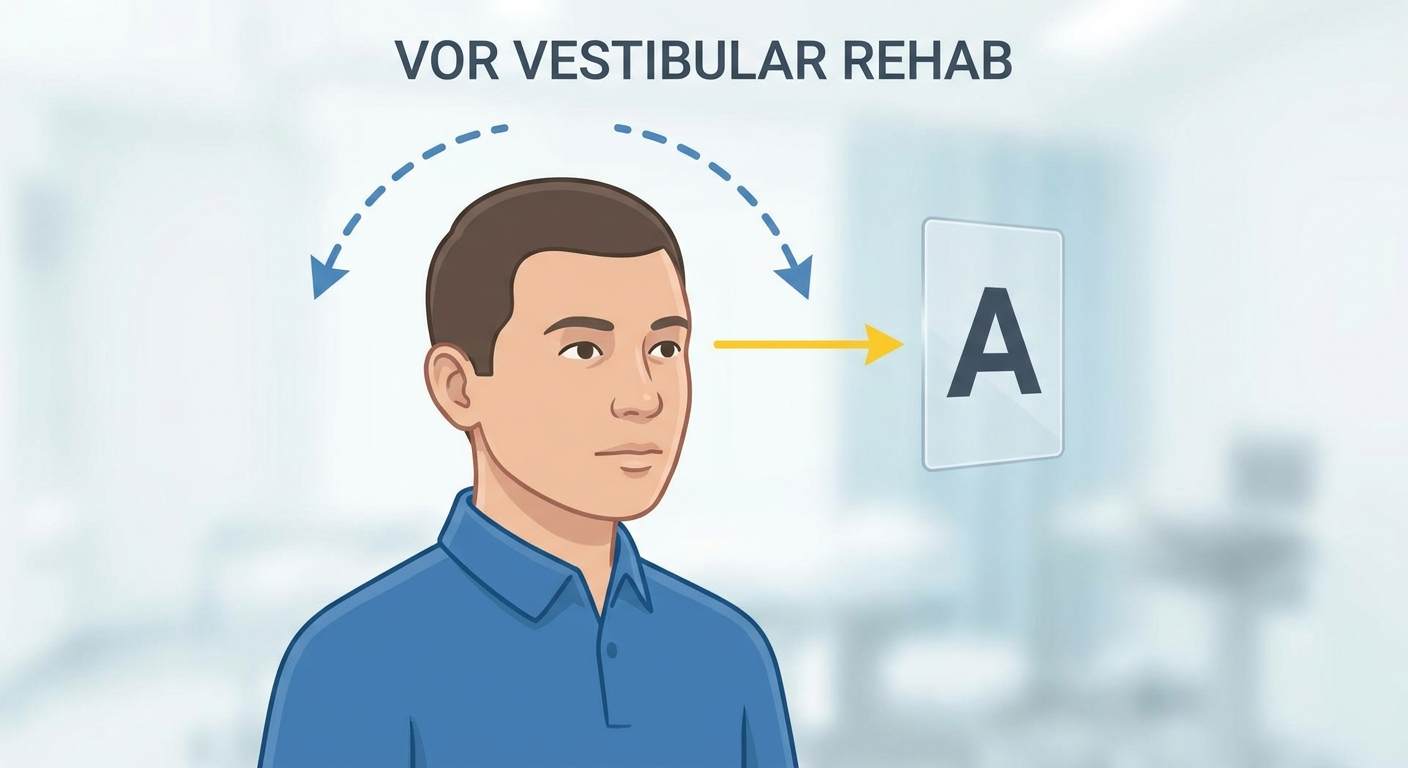
Physical therapy that uses balance and habituation exercises is consistently linked to better balance, lower disability scores, and reduced vertigo symptoms. It can be useful even in more stubborn cases and is often combined with other approaches. Simple, guided movements—such as slowly turning the head while focusing on a still object—help the brain relearn how to trust its internal map.
A personalized combination of lifestyle, therapy, and medication, always guided by a clinician, provides the strongest support.
Living with Vestibular Migraine – Practical Lifestyle Tips
Simple precautions can reduce day-to-day disruption: use motion-sickness strategies (fresh air, focusing on a distant point) when traveling; limit rapid scrolling or busy visual patterns during flares; avoid driving or operating machinery while symptomatic; track episodes (timing, triggers, associated features) to share with your clinician; connect with established migraine and vestibular-disorder educational resources.
These habits support overall management without replacing professional evaluation. One person living with the condition described keeping a small notebook in her purse so she could jot down “room spinning after grocery store lights” the moment it happened—information that later helped her clinician fine-tune treatment.
Everyday adjustments, when paired with medical care, can lessen the impact of vestibular migraine.
Frequently Asked Questions
Can vestibular migraine occur without headache?
Yes. Vestibular symptoms can be the main or only feature. Many people experience spinning or floating without ever developing the classic pounding pain.
How long do attacks last?
Typically 5 minutes to 72 hours. Some episodes are brief enough to be mistaken for positional vertigo; others linger for a full day or more.
Is it the same as Ménière’s disease?
No. Ménière’s disease usually includes fluctuating hearing loss, tinnitus, and ear fullness; vestibular migraine does not.
Will it go away?
Many people experience fewer or milder episodes with consistent lifestyle measures, prevention, and rehabilitation, though the course varies. Progress is often gradual rather than overnight.
When should I see a specialist?
Recurrent unexplained dizziness, especially with migraine features, warrants evaluation. The sooner the pattern is recognized, the sooner practical steps can begin.
When to Seek Medical Care and Next Steps
Recurrent, unexplained dizziness—particularly when it includes migraine-type features—should be discussed with a clinician. Sudden severe symptoms or new neurologic signs (weakness, speech change, vision loss) need prompt medical attention.
An ENT can help distinguish vestibular migraine from inner-ear conditions and coordinate care. Ready for answers? Book an appointment with our specialists today: schedule an appointment or learn more about comprehensive otolaryngology care.
Prompt evaluation by an experienced clinician can clarify the cause and open effective treatment options.
Conclusion
Vestibular migraine is common, often missed, and frequently treatable with a combination of migraine-prevention strategies, vestibular rehabilitation, and lifestyle adjustments. Recurrent dizziness deserves attention rather than being dismissed as “just vertigo.” A thoughtful evaluation by an ENT or neurologist can clarify the diagnosis and open practical treatment paths. You do not have to keep guessing why the world sometimes spins; help is available.
Sources: Bárány Society and International Headache Society, Vestibular migraine: Diagnostic criteria (Update), 2022; International Classification of Headache Disorders, ICHD-3; Kim et al., Vestibular Migraine: Challenges in Diagnosis and Management, 2025; Smyth et al., Vestibular migraine treatment: a comprehensive practical review, 2022; Almohammed et al., Prophylactic Management of Vestibular Migraine: A Systematic Review, 2025.
This article is for educational purposes only and is not medical advice. Please consult a qualified healthcare provider for diagnosis and treatment.
Don’t let allergies slow you down. Schedule a comprehensive ENT and allergy evaluation at Sleep and Sinus Centers of Georgia. We’re here to find your triggers and guide you toward lasting relief.