Chronic Dizziness That Won’t Go Away: Causes, Symptoms, and Treatment Options
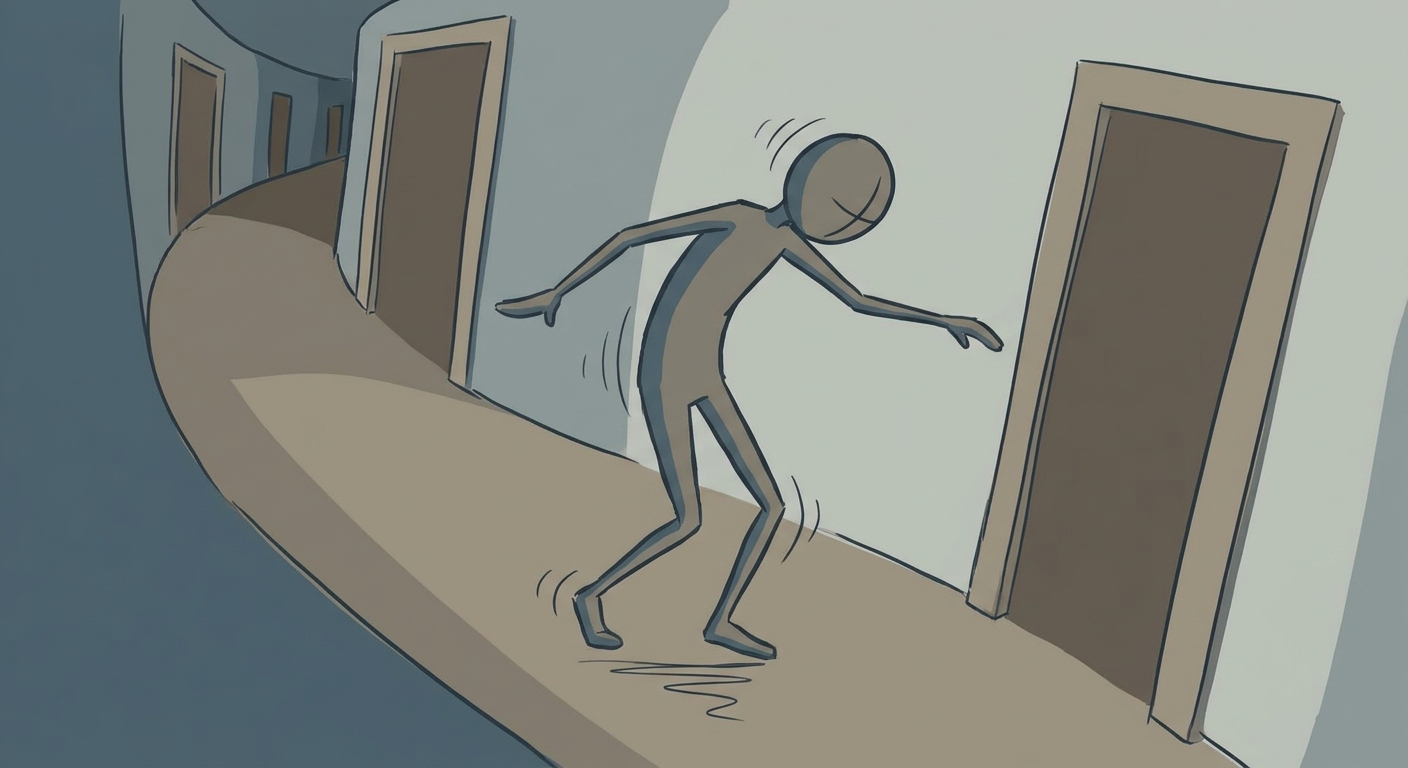
Feeling off-balance, unsteady, or “woozy” for weeks or months is more than annoying. It can make work, driving, and everyday tasks feel exhausting or unsafe—like trying to walk a straight hallway while the floor seems to rock gently under your feet. Chronic dizziness that won’t go away is a symptom with many possible sources rather than a single disease. It deserves a proper medical evaluation so the underlying pattern can be identified and addressed.
This post explains common patterns such as persistent postural-perceptual dizziness (PPPD), inner-ear problems, migraine-related dizziness, and other contributors. It also covers how doctors typically evaluate symptoms, treatment approaches that may include vestibular rehabilitation and behavioral strategies, and warning signs that need prompt attention. Persistent dizziness is common and often improves with a tailored plan. If symptoms last, consider seeing an ENT or vestibular specialist.
A tailored evaluation often leads to noticeable improvement.
What Counts as Chronic or Persistent Dizziness?
Chronic or persistent dizziness generally means symptoms that last weeks to months and occur on most days. Some patterns, such as PPPD, are defined as lasting at least three months. People describe spinning (vertigo), unsteadiness, lightheadedness, or a floating or rocking sensation. These sensations are not one diagnosis. Causes can include inner-ear conditions, vestibular migraine, medications, blood-pressure changes, neurological issues, or functional vestibular syndromes.
Think of it as a persistent background signal that never quite shuts off. One patient described it as “feeling slightly drunk even when I haven’t had a drop to drink.” Distinguishing how long it lasts and how often it appears helps clinicians map the next steps.
Understanding duration and frequency guides the diagnostic process.
Dizziness vs. Vertigo vs. Unsteadiness
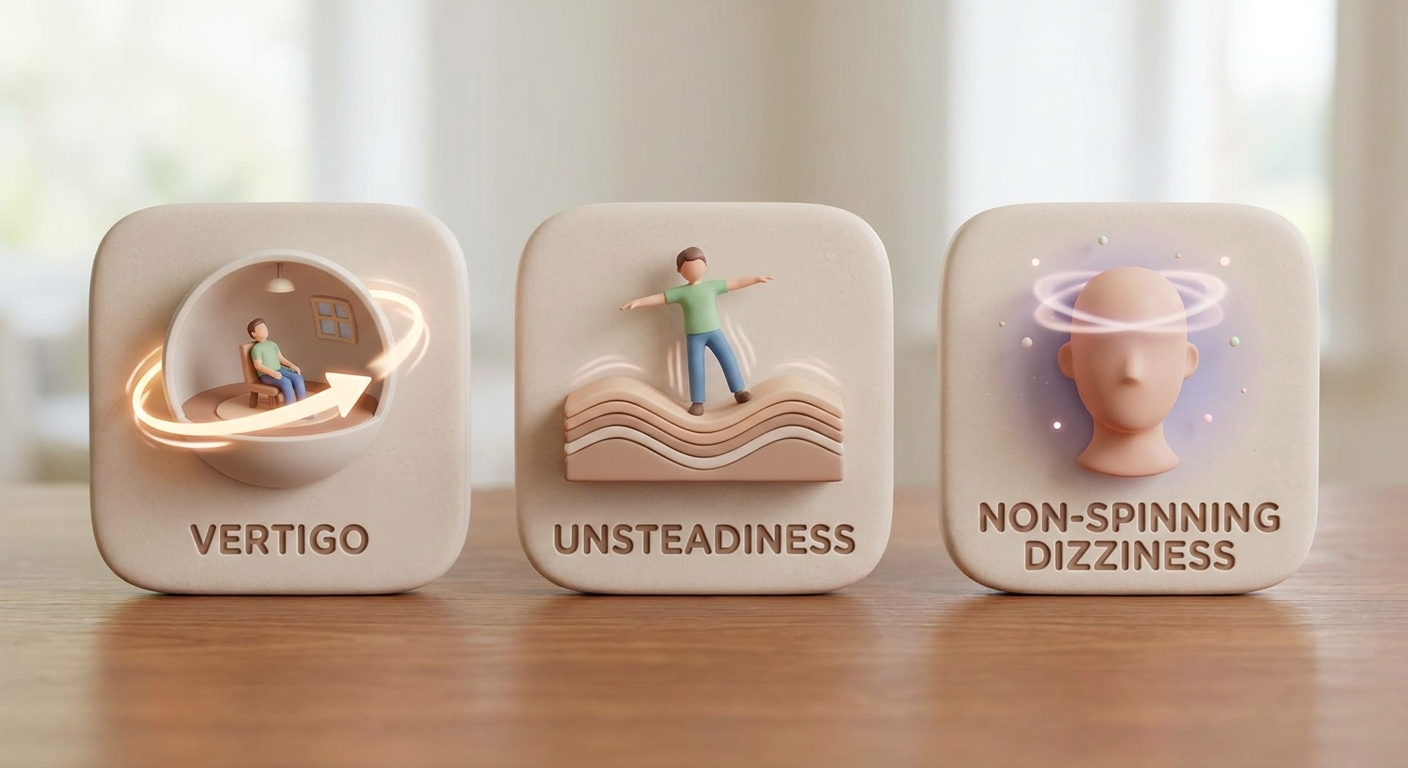
Vertigo is a false sense of spinning or the world moving around you. Unsteadiness is feeling wobbly or off-balance while standing or walking. Non-spinning dizziness or lightheadedness can feel like floating, rocking, or being slightly disconnected. Distinguishing these helps point toward the right evaluation. Brief spinning with position changes often differs from ongoing non-spinning dizziness.
A simple way to picture the difference: vertigo is the room spinning like a merry-go-round; unsteadiness is walking on a gently rolling boat; non-spinning dizziness is a subtle sense of being unmoored from the ground. Each description guides the exam.
Accurate symptom descriptions help pinpoint the right evaluation.
Why It Matters to Get Evaluated
Long-lasting dizziness can reduce quality of life, increase fall risk, and sometimes signal a treatable inner-ear, migraine, or other issue. A thorough history and exam can clarify next steps. Left unaddressed, the constant effort of staying upright can drain energy and confidence. Early evaluation often prevents the cycle of avoidance that can make symptoms feel even more entrenched.
Early assessment can halt symptom progression and restore confidence.
Symptoms of Dizziness That Lasts for Weeks or Months
The core feeling is often non-spinning dizziness, unsteadiness, or being off-balance on most days. Common aggravators include standing, walking, head or body movement, or visually busy places such as stores, patterned floors, or screens. These features are especially typical of PPPD.
Associated symptoms worth mentioning to a clinician include hearing changes, tinnitus, ear fullness, headaches or migraine features, nausea, fatigue, anxiety, or neurological signs such as weakness, numbness, or speech changes.
Everyday examples help: supermarket aisles with fluorescent lights and shifting shelves, scrolling rapidly on a phone, or looking up at a patterned ceiling can all amplify the sensation. Tracking when and where it flares gives the clinician a clearer map.
Noting aggravators and associated symptoms assists mapping the condition.

How PPPD Typically Feels
PPPD usually involves persistent non-spinning dizziness or unsteadiness that is worse when upright, moving, or in complex visual environments. There is no single confirmatory lab test, scan, or exam finding.
Many people say it feels like standing on a dock that never quite stops swaying. The sensation is present most days yet can intensify in visually crowded settings. Because it is a functional pattern rather than a structural injury, diagnosis rests on the story and the exam rather than a single number on a test.
PPPD diagnosis depends on clinical history rather than isolated tests.
When Symptoms Signal Something Else
Symptoms can overlap with inner-ear disorders, vestibular migraine, or cardiovascular issues, so a detailed history helps sort them out. A clinician will listen for timing clues—whether dizziness started after an inner-ear infection, clusters with headaches, or appears mainly on standing.
Timing clues help differentiate overlapping conditions.
Common Causes of Chronic Dizziness
A detailed history of timing, triggers, medications, and associated symptoms is the main diagnostic tool. Physical exam findings then guide whether further tests are needed. As one vestibular specialist put it, “The history is eighty percent of the work; the exam confirms or redirects us.”
History-taking remains the cornerstone of identifying the cause.
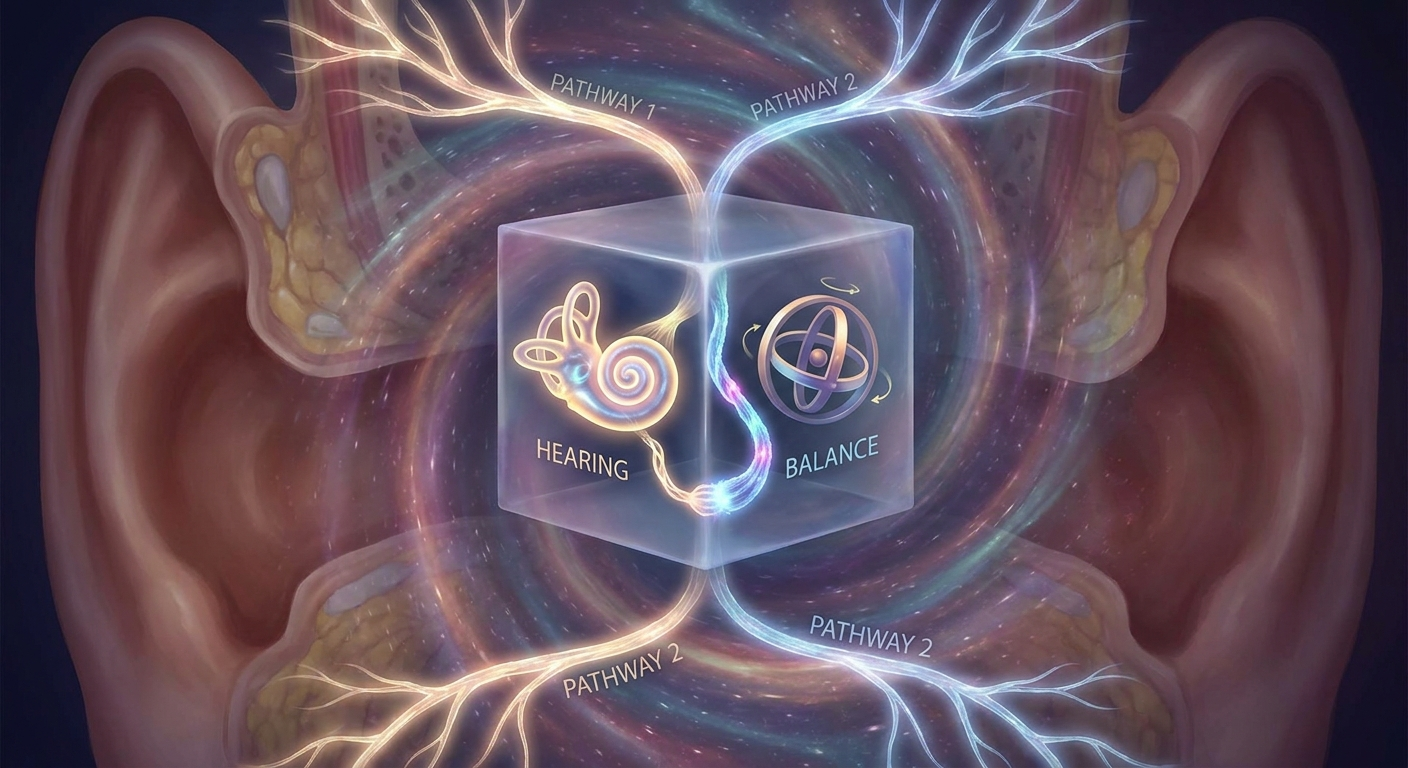
Inner-Ear and Vestibular Disorders
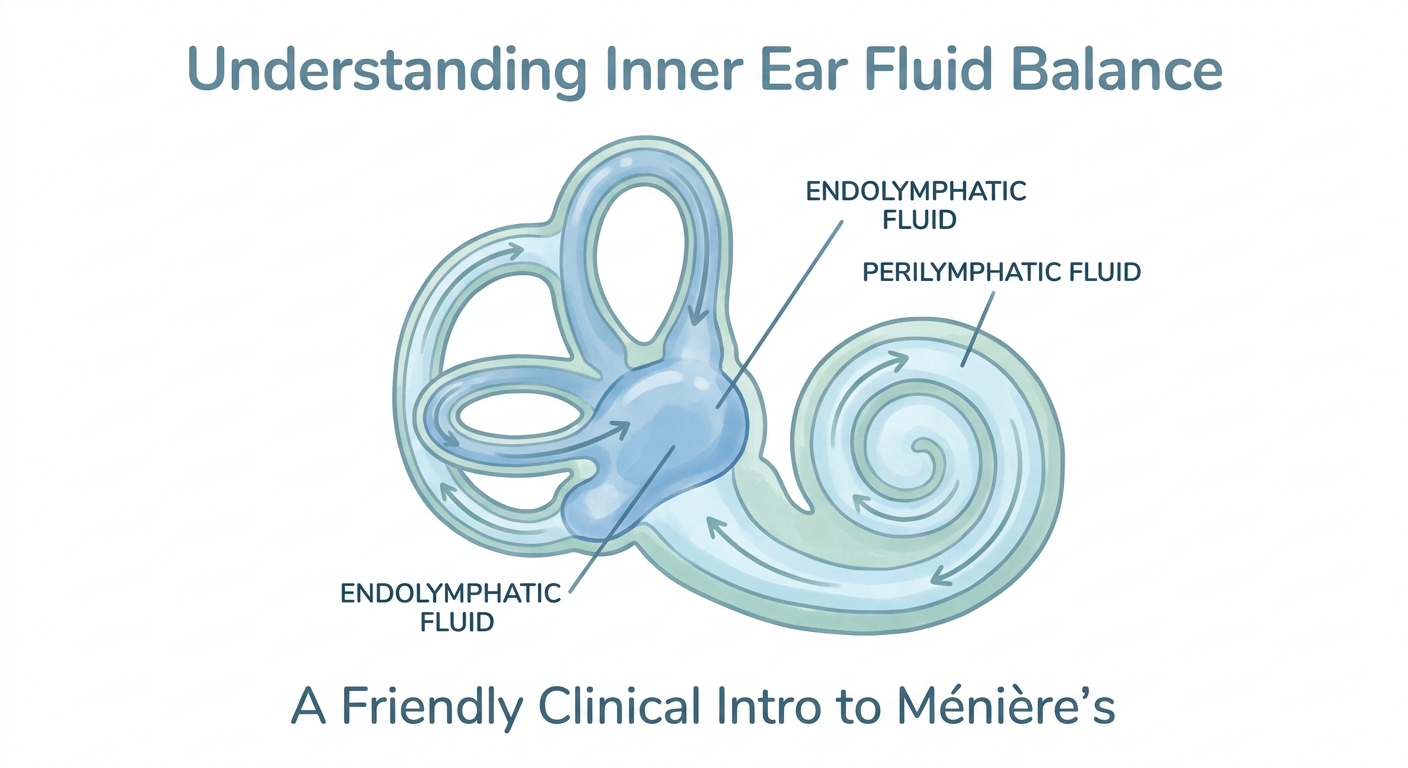
Brief spinning with certain head positions often points to BPPV. Lingering imbalance can follow vestibular neuritis. Other inner-ear conditions such as Ménière’s disease may also play a role. Learn more about BPPV versus other types of dizziness: https://sleepandsinuscenters.com/blog/bppv-vertigo-vs-true-dizziness-key-differences-explained and inner-ear balance disorders: https://sleepandsinuscenters.com/blog/inner-ear-balance-disorders-causes-symptoms-treatment-guide
After an acute inner-ear event, some people continue to feel off-balance even after the spinning stops; that lingering unsteadiness can set the stage for PPPD if not addressed.
Addressing lingering imbalance can help prevent chronic patterns from developing.
Vestibular Migraine
Dizziness may occur with or without headache and can be triggered by motion or busy visual scenes. The same person who once had classic migraine headaches may later experience episodes of rocking or unsteadiness instead.
Vestibular migraine can appear as dizziness without accompanying headache.
Persistent Postural-Perceptual Dizziness (PPPD)
This is a frequent chronic functional pattern: unsteadiness or non-spinning dizziness on most days for at least three months, typically worse with upright posture, movement, or complex visuals. No isolated test confirms it. It often follows an earlier vestibular insult or period of high stress, then takes on a life of its own.
PPPD frequently follows an initial vestibular event or period of stress.
Medications, Blood Pressure, and Cardiovascular Issues
Some medicines, orthostatic hypotension (a drop in blood pressure on standing), or heart-rhythm problems can contribute. Checking sitting and standing blood pressure is often useful. A simple stand-up test in the office can reveal a drop that explains the lightheaded feeling.
Office tests can reveal blood-pressure or medication-related factors.
Neurological, Metabolic, or Other Factors
Rarer neurological conditions, metabolic changes, stress, or sinus and allergy contributions can overlap. An acute inner-ear event can sometimes trigger PPPD. Stress does not “cause” the dizziness in isolation, yet it can amplify an already sensitive vestibular system.
Overlapping factors often require a comprehensive clinical assessment.
Red Flags — When to Seek Urgent Care for Dizziness
New or worsening neurological problems (weakness, numbness, facial droop, speech or swallowing difficulty), sudden severe headache, chest pain, palpitations, shortness of breath, loss of consciousness, sudden severe hearing loss, or rapidly worsening symptoms warrant emergency care. These are distinct from typical chronic patterns.
If any of these appear, treat them as a medical emergency rather than waiting for a routine appointment.
Recognizing red flags prompts timely emergency care when required.
How Chronic Dizziness Is Diagnosed
Evaluation is primarily clinical. A clinician reviews timing, triggers, hearing or neurological symptoms, and medications, then performs a focused exam that may include orthostatic blood-pressure checks, cardiac and neurological assessment, observation for nystagmus, and the Dix-Hallpike maneuver.
History and exam form the primary diagnostic foundation.

Tests That May Be Used
Hearing tests, vestibular function tests, imaging, or bloodwork are used only when indicated. None specifically diagnose PPPD. HINTS testing is reserved for selected acute vestibular cases, not routine chronic dizziness. Extra tests are ordered when they would actually change the treatment plan.
Additional tests are chosen only when they will alter management.
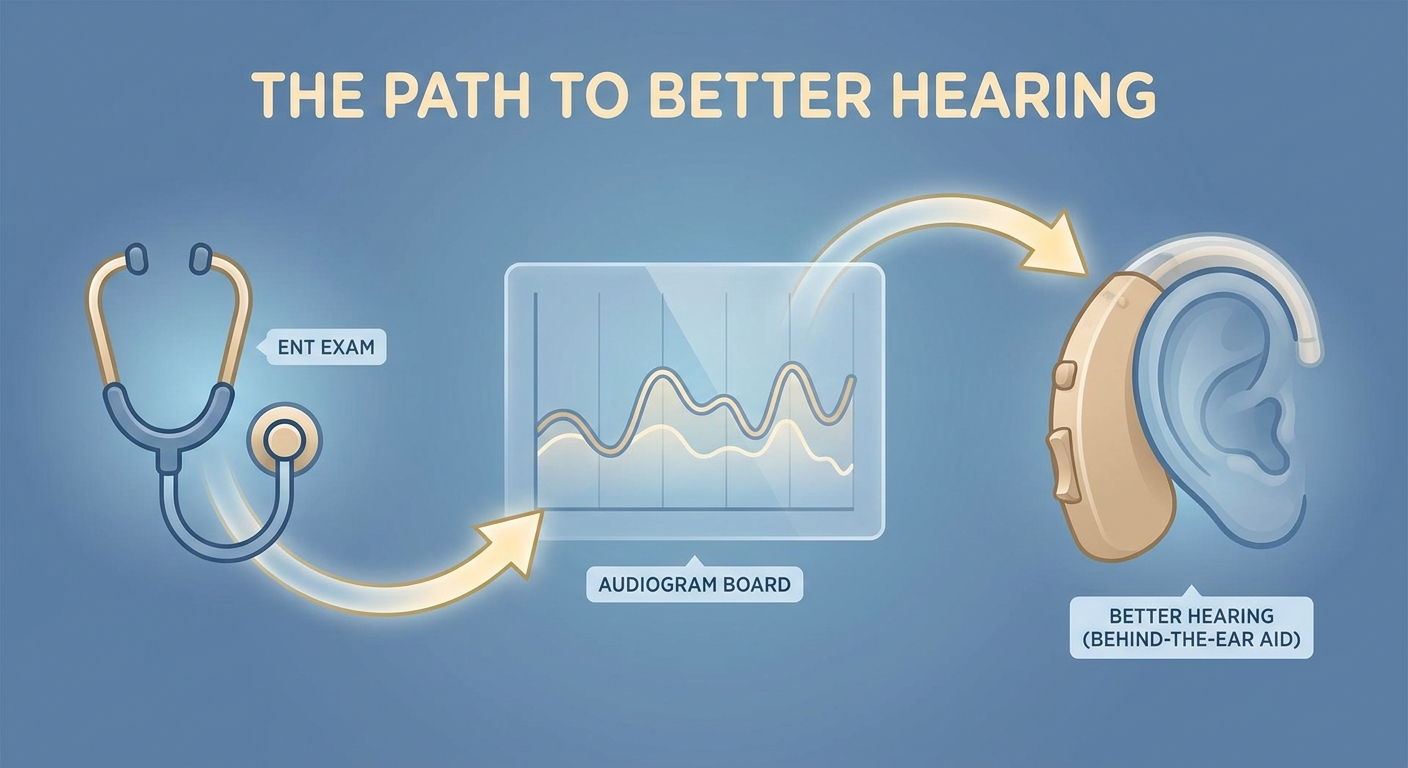
What to Expect at an ENT or Balance Specialist Visit
The visit centers on a detailed history and bedside exam, possibly including positional tests. You will be asked to describe a typical day, what makes symptoms better or worse, and any associated ear or headache features. The exam is usually gentle and office-based.
Visits emphasize detailed history and gentle bedside testing.
Treatment Options Tailored to the Cause
Care is individualized. There is no single approach that fits everyone. The goal is to match the strategy to the pattern that fits you best.
Matching treatment to the specific pattern produces the best outcomes.
Canalith-Repositioning Maneuvers
These are highly effective for BPPV. See Epley maneuver safety tips: https://sleepandsinuscenters.com/blog/epley-maneuver-safety-tips-for-effective-vertigo-relief for practical information. A few correctly performed movements can often stop the spinning within days.
Correctly performed maneuvers often resolve BPPV spinning quickly.
Vestibular Rehabilitation Therapy (VRT)
Customized exercises help retrain balance. Reviews indicate improvement for many people with PPPD when VRT is used. A therapist might start with simple gaze-stabilization drills and gradually add walking tasks in busier visual settings.
Customized VRT helps retrain balance for lasting gains.
Behavioral Approaches and CBT
Education, graded exposure to triggers, and cognitive-behavioral therapy are especially helpful for PPPD and are often combined with VRT. Learning that the sensation is uncomfortable but not dangerous can reduce the extra muscle tension that keeps the cycle going.
Behavioral approaches work well alongside physical rehabilitation.
Medications
Specialist-guided options may include short-term vestibular suppressants, migraine preventives, or certain antidepressants for PPPD. Current medicines are reviewed for possible contributions. Any medication decision is made together with the clinician after weighing benefits and side effects.
Medication decisions are made jointly after reviewing risks and benefits.
Treating Underlying Issues
Blood-pressure management, medication adjustments, migraine care, or inner-ear treatments address specific drivers. Correcting an orthostatic drop or adjusting a blood-pressure pill can sometimes produce a noticeable improvement.
Targeting specific drivers can produce noticeable symptom relief.
Multimodal Plan for PPPD
Education plus VRT plus CBT, sometimes with medication, is the usual combination. Many people see improvement, though larger studies continue. The plan is typically built in layers rather than relying on one tool alone.
A layered approach often delivers the most comprehensive benefit.

Lifestyle Tips and Daily Strategies to Feel More Steady
Stay hydrated and rise slowly from sitting or lying down. In busy visual environments, focus on a stable point or use grounding techniques. Limit alcohol or caffeine if they worsen symptoms. Gentle, regular movement as tolerated (often with therapist guidance) supports recovery. Prioritize sleep and stress management and reduce visual overstimulation when possible. Basic fall-prevention steps include good lighting, supportive footwear, and assistive devices if needed. Balance rest with gradual activity rather than complete avoidance.
A practical example: when entering a grocery store, pause at the entrance, pick a distant stable object, and walk toward it rather than scanning every shelf at once. Small, consistent habits often add up.
Small consistent habits and gradual activity support recovery.

Frequently Asked Questions About Chronic Dizziness
Will this dizziness ever go away?
Many people improve significantly with targeted treatment such as VRT, CBT, and cause-specific care. Progress is usually gradual rather than overnight, yet noticeable gains are common once the right combination is in place.
Is chronic dizziness “just anxiety”?
Anxiety can contribute to or result from dizziness, but PPPD and vestibular conditions are recognized medical patterns. Treating both the physical and the worry components together tends to work better than addressing either one alone.
Do I need an MRI or lots of tests?
Not always. History and exam often suffice; tests are ordered when they would change management. Extra imaging is reserved for cases where the story or exam raises a specific concern.
Can sinus problems or allergies cause lasting dizziness?
They can contribute or overlap with other causes; evaluation can explore this connection. Congestion or pressure changes sometimes add to an already sensitive balance system.
When should I see an ENT vs. a neurologist?
ENT or vestibular specialists are often a practical first step for inner-ear or PPPD-type patterns. Neurology may be added if the exam or history points toward a broader neurological question.
Most people see gradual yet meaningful improvement with the right combination of care.
Getting Help for Persistent Dizziness
Do not ignore dizziness that lasts weeks or months or that includes red-flag symptoms. A history-based evaluation plus tailored options—repositioning maneuvers, vestibular rehabilitation, behavioral therapy, and other targeted care—offers a realistic path forward for many people living with chronic dizziness that won’t go away.
Sleep & Sinus Centers of Georgia provides comprehensive otolaryngology and vestibular evaluation along with personalized plans. Schedule an appointment: https://sleepandsinuscenters.com/appointments
This article is for educational purposes only and is not medical advice. Please consult a qualified healthcare provider for diagnosis and treatment.
Don’t let allergies slow you down. Schedule a comprehensive ENT and allergy evaluation at Sleep and Sinus Centers of Georgia. We’re here to find your triggers and guide you toward lasting relief.