Labyrinthitis vs Vestibular Neuritis: Key Differences, Symptoms, and Treatment
Sudden, prolonged spinning vertigo can feel terrifying and disabling, as if the world—or you—has been placed on a carnival ride that will not stop. Many people first notice it after a cold or other viral illness. Two closely related inner-ear problems—labyrinthitis and vestibular neuritis—often cause this kind of acute vertigo, along with nausea and imbalance that can last days to weeks.
Understanding labyrinthitis vs vestibular neuritis matters because the two conditions affect different parts of the hearing-and-balance system. Hearing loss or tinnitus (ringing) points toward labyrinthitis. Vestibular neuritis usually leaves hearing intact. Stroke can also mimic these inner-ear conditions, so red-flag neurological symptoms always need urgent evaluation.
This guide explains the differences, shared symptoms, typical causes, how clinicians tell the conditions apart, treatment approaches, recovery, and when specialist care at Sleep and Sinus Centers of Georgia can help. It is educational only and not a substitute for a personal medical evaluation. (Johns Hopkins Medicine; NHS)
For broader context on related conditions, see our inner ear balance disorders guide: https://sleepandsinuscenters.com/blog/inner-ear-balance-disorders-causes-symptoms-treatment-guide. To discuss persistent symptoms, book an appointment: https://www.sleepandsinuscenters.com/
Quick Comparison: Labyrinthitis vs Vestibular Neuritis
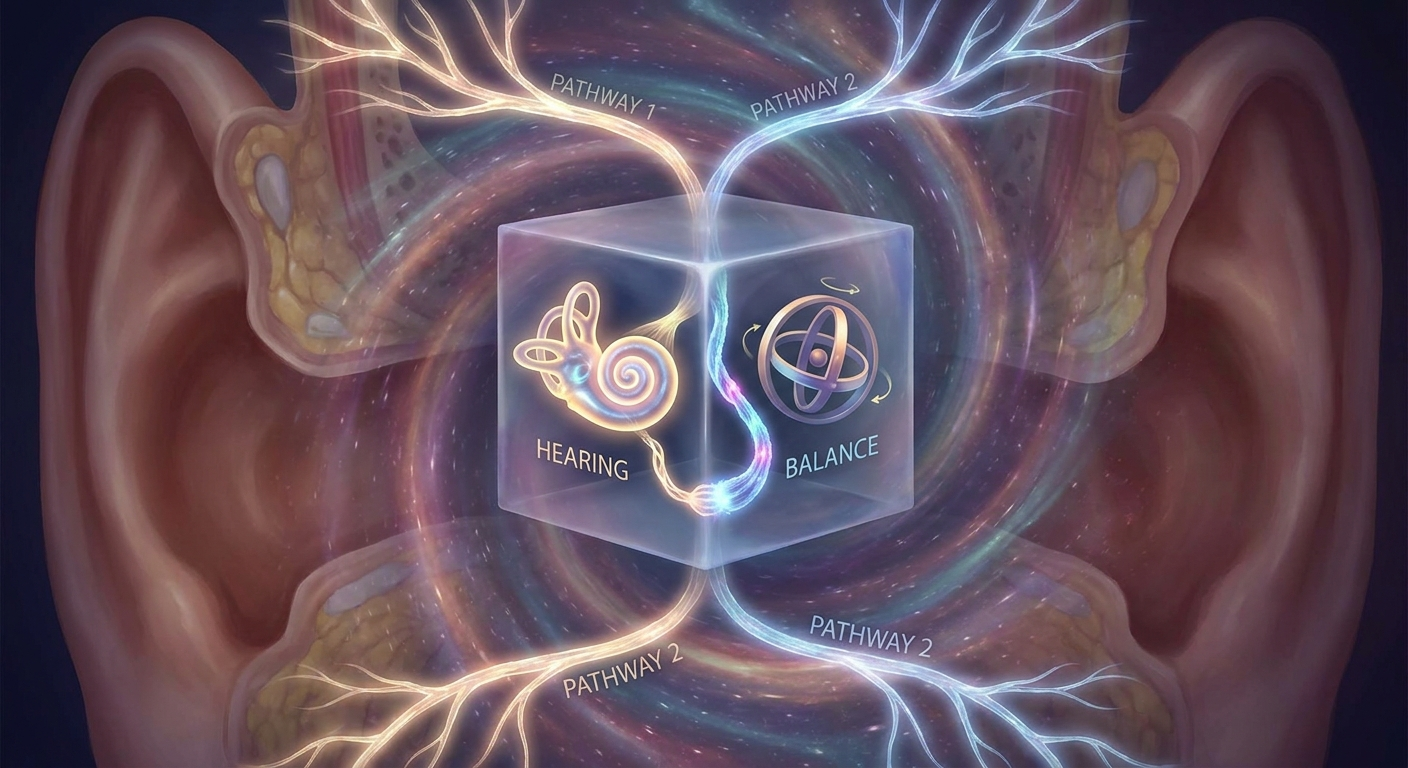
Both commonly follow a viral illness and can cause intense spinning vertigo. The key clinical distinction is whether hearing is involved. Think of the inner ear as a dual-purpose navigation hub: one pathway handles orientation, the other sound. Inflammation in different parts of that hub produces overlapping yet distinguishable pictures.
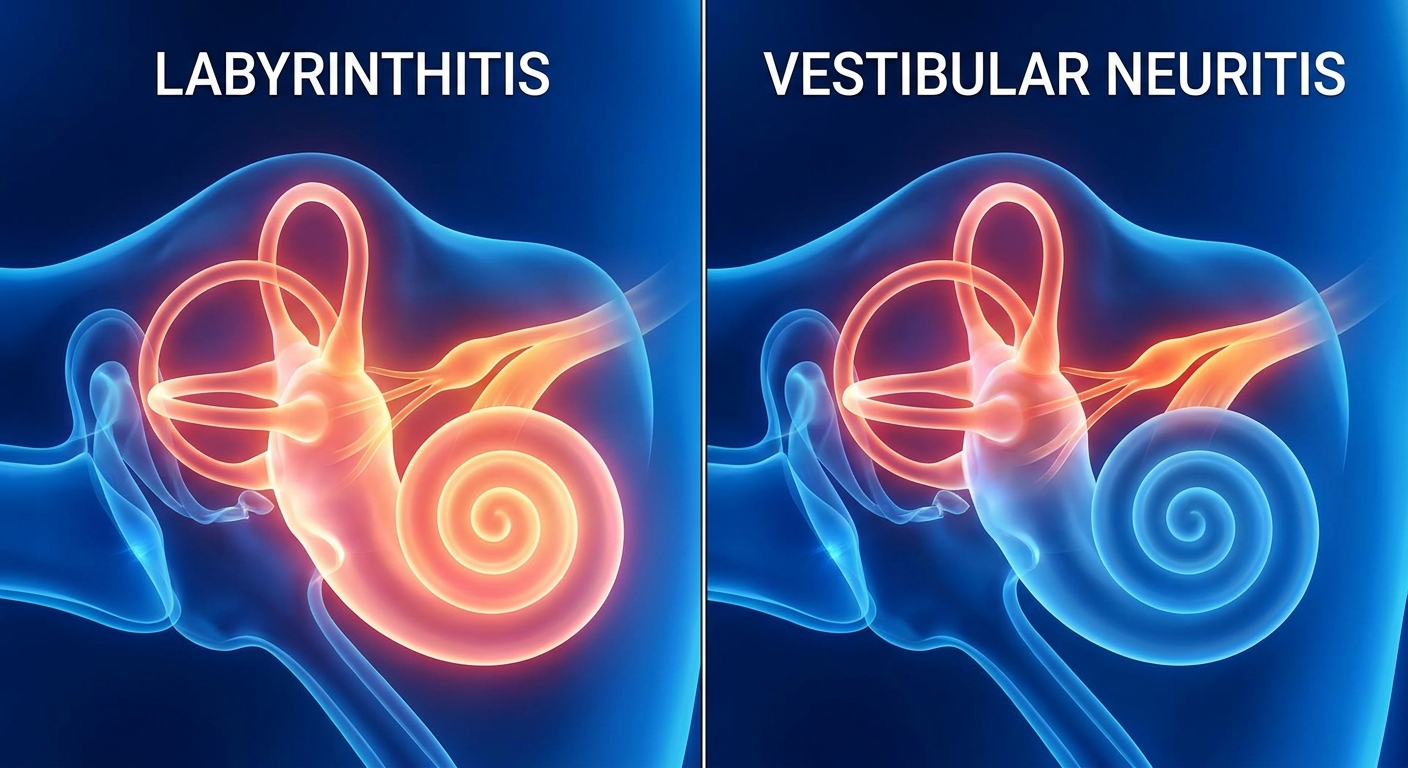
Labyrinthitis: Affects the inner-ear labyrinth (balance and hearing organs); vertigo, nausea, imbalance, nystagmus; hearing loss or tinnitus can occur; recovery typically days to weeks, hearing may or may not fully recover.
Vestibular neuritis: Affects the vestibular (balance) nerve; vertigo, nausea, imbalance, nystagmus; hearing is usually preserved; recovery typically days to weeks, lingering imbalance may need rehabilitation.
Hearing involvement remains the clearest way to distinguish these related inner-ear conditions.
What Is Vestibular Neuritis?
Vestibular neuritis is inflammation of the vestibular (balance) nerve, which carries balance signals from the inner ear to the brain. When those signals are disrupted, the brain receives mismatched information about motion and position—often causing sudden, severe spinning vertigo, nausea, and difficulty walking steadily.
Hearing is typically unaffected because the cochlear (hearing) nerve is not the primary site of inflammation. Many people report a recent viral illness before symptoms begin. (Bae et al., 2021; Johns Hopkins Medicine; Children’s Hospital of Philadelphia)
Vestibular neuritis typically spares hearing while disrupting balance signals.
What Is Labyrinthitis?
Labyrinthitis is inflammation of the labyrinth—the fluid-filled inner-ear structure that houses both the vestibular (balance) organs and the cochlea (hearing organ). Because both systems sit in the same structure, labyrinthitis can produce vertigo and hearing symptoms such as muffled hearing, hearing loss, or tinnitus.
Like vestibular neuritis, labyrinthitis often follows a viral illness. Bacterial infection of the inner ear is less common but important to recognize because treatment may then include antibiotics. (Johns Hopkins Medicine; NHS; Children’s Hospital of Philadelphia)
Labyrinthitis inflames both balance and hearing structures within the inner ear.

Shared and Distinguishing Symptoms
Common to both: sudden, prolonged spinning vertigo; nausea and vomiting; imbalance or unsteadiness (especially with walking or head turns); and abnormal, involuntary eye movements (nystagmus). Unlike brief positional spinning from BPPV, attacks here often last hours and the severe phase can persist for days.
Symptoms that point to labyrinthitis: hearing loss, a plugged or muffled ear, or tinnitus alongside vertigo.
Vestibular neuritis typically does not cause hearing changes. Only a clinician can confirm the diagnosis after examining eye movements, balance, and hearing. (Johns Hopkins Medicine; NHS)
Hearing changes alongside vertigo strongly suggest labyrinthitis rather than vestibular neuritis.

Causes and Who Is at Risk
Viral infection is the most common associated trigger. Symptoms frequently start during or shortly after a cold, flu-like illness, or other viral infection. The virus is thought to inflame the vestibular nerve or labyrinth.
Bacterial infection is less common. When bacteria are suspected (for example, with a middle-ear infection), antibiotics may be considered. Antibiotics are not useful for purely viral inflammation. (Johns Hopkins Medicine; NHS; Bae et al., 2021)
These conditions can occur in children and adults. They are not typically described as spreading from person to person in the same way a cold is, though the preceding viral illness itself may be contagious.
Diagnosis: How Doctors Tell Them Apart (and Rule Out Stroke)
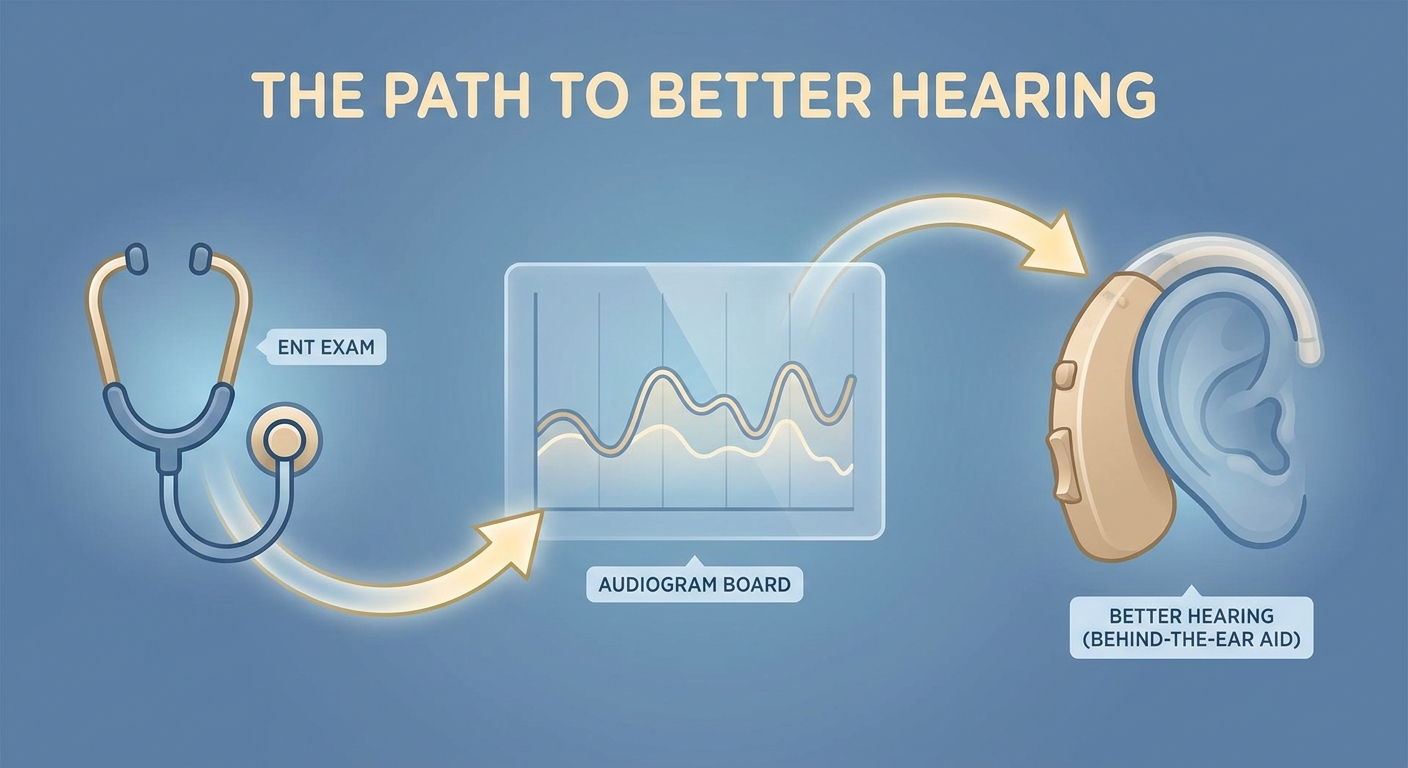
Clinicians combine history and examination: recent viral illness, whether hearing changed, duration and character of vertigo, and any neurological symptoms. The exam often includes observation of eye movements (nystagmus), balance testing, and a hearing check. An audiogram (hearing test) can help document hearing loss that supports labyrinthitis: https://sleepandsinuscenters.com/blog/audiogram-basics-explained-a-patients-guide-to-hearing-tests. Imaging is not always required but may be used when the picture is unclear or when stroke or another central cause must be excluded.
Important safety note: Sudden vertigo can resemble a stroke. Urgent assessment is warranted if dizziness occurs with facial weakness, numbness, trouble walking or falling, severe headache, speech or vision changes, or other neurological symptoms. Do not assume it is just an inner-ear problem. (Johns Hopkins Medicine; NHS stroke symptoms; Bae et al., 2021)
A comprehensive otolaryngology evaluation can clarify inner-ear versus other causes when symptoms persist or hearing is involved: https://sleepandsinuscenters.com/comprehensive-otolaryngology-care

Treatment Options
Care is usually supportive, and most viral cases improve over days to weeks.
Immediate symptom control: Short-term medications may reduce severe vertigo and nausea during the worst phase. Prolonged use of vestibular suppressants can slow the brain’s natural compensation, so they are typically limited.
Antibiotics: Considered only if a bacterial infection is suspected; not indicated for typical viral labyrinthitis or vestibular neuritis. (Johns Hopkins Medicine; NHS)
Steroids: Sometimes considered for vestibular neuritis. Evidence for lasting benefit is uncertain, so decisions are individualized. (Bae et al., 2021)
Vestibular rehabilitation: If imbalance, motion sensitivity, or unsteadiness linger, vestibular rehabilitation exercises help the brain compensate and restore more stable balance. (Johns Hopkins Medicine; NHS; Children’s Hospital of Philadelphia)
Supportive measures and vestibular rehabilitation guide most recoveries.

Recovery Timeline and What to Expect
The most intense spinning, nausea, and difficulty standing often last a few days, followed by gradual improvement over several weeks. Residual unsteadiness—especially with head motion or busy visual environments—is common and frequently improves with vestibular rehab.
When labyrinthitis has affected hearing, recovery of hearing is variable. Follow-up hearing testing and ENT care are important.
General home-care themes include rest during the worst hours, hydration, a gradual return to activity as symptoms allow, avoiding driving while severely dizzy, and reducing fall risk (good lighting, clear walkways, assistance when walking is unsafe). These are general observations, not personalized instructions.
When to Seek Urgent Medical Care (Stroke Red Flags)
Seek emergency care if sudden vertigo or dizziness occurs with facial droop or weakness, numbness, trouble walking or sudden falling, severe headache, speech difficulty, vision changes, or other new neurological symptoms. Stroke and inner-ear vertigo can look similar at first; rapid evaluation protects against missing a time-sensitive emergency. (NHS; Johns Hopkins Medicine)
Frequently Asked Questions
Can these conditions come back? Some people have a single episode. Recurrence is possible but not inevitable. New or different symptoms should be re-evaluated.
Is it contagious? The inner-ear inflammation itself is not typically described as contagious. A preceding viral illness might be.
Will I need surgery? Surgery is not the usual treatment. Care is typically medical and rehabilitative.
How is this different from BPPV? BPPV causes brief spinning triggered by head-position changes (rolling over, looking up). Labyrinthitis and vestibular neuritis more often cause continuous or prolonged vertigo lasting hours to days. Learn more: https://sleepandsinuscenters.com/blog/bppv-vertigo-vs-true-dizziness-key-differences-explained
When can I return to work or driving? That depends on severity and safety. A clinician can help time a return to activity.
Do I need an ENT or a neurologist? An ENT often evaluates inner-ear and hearing-related vertigo. Neurology input is important when stroke or other central causes are a concern.
When to See an ENT Specialist
Consider ENT evaluation for persistent vertigo or imbalance, any hearing change or tinnitus with dizziness, an unclear diagnosis, or symptoms that are not following the expected recovery course. Sleep and Sinus Centers of Georgia offers comprehensive otolaryngology care: https://sleepandsinuscenters.com/comprehensive-otolaryngology-care. Request an appointment: https://sleepandsinuscenters.com/appointments. Main site: https://www.sleepandsinuscenters.com/
Conclusion
The practical takeaway in labyrinthitis vs vestibular neuritis is hearing: involvement of hearing or tinnitus favors labyrinthitis, while vestibular neuritis usually spares hearing. Both often follow viral illness and commonly improve with time, short-term symptom control, and vestibular rehabilitation when imbalance persists. Antibiotics are reserved for suspected bacterial infection. Steroids may be discussed in some cases of vestibular neuritis, with uncertain long-term benefit. Never ignore stroke warning signs alongside dizziness. If symptoms linger or hearing is affected, the team at Sleep and Sinus Centers of Georgia can help through comprehensive ENT evaluation: https://sleepandsinuscenters.com/comprehensive-otolaryngology-care. Schedule a visit: https://www.sleepandsinuscenters.com/
Sources: Johns Hopkins Medicine, “Labyrinthitis and Vestibular Neuritis”; NHS, “Labyrinthitis and vestibular neuritis”; Bae et al., “Current diagnosis and treatment of vestibular neuritis: a narrative review,” 2021; Children’s Hospital of Philadelphia, “Vestibular Neuritis and Labyrinthitis”; NHS, “Symptoms of a stroke.” This article is for educational purposes only and is not medical advice. Please consult a qualified healthcare provider for diagnosis and treatment.
Don’t let allergies slow you down. Schedule a comprehensive ENT and allergy evaluation at Sleep and Sinus Centers of Georgia. We’re here to find your triggers and guide you toward lasting relief.