How Long Do Hearing Aids Last? Lifespan, Maintenance Tips, and Replacement Costs
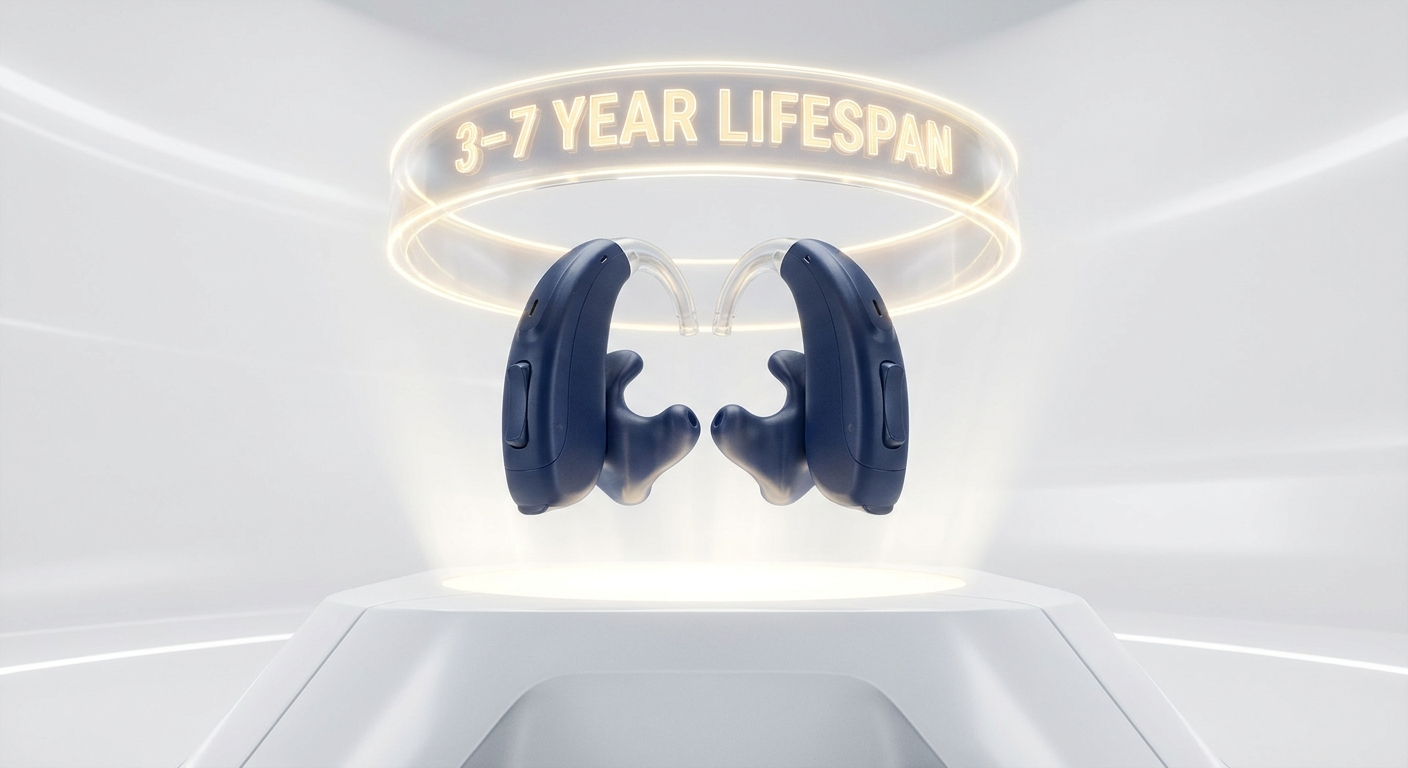
Hearing aids represent a meaningful investment in hearing health and everyday quality of life. They help people stay connected in conversations, enjoy favorite sounds, and feel more confident in social settings. Think of them as compact, wearable computers that process sound all day; like any electronics, they eventually wear out. With proper care, most devices deliver a typical service life of three to seven years, according to sources such as the National Institute on Deafness and Other Communication Disorders (NIDCD, 2022) and Audibel (2024). This post covers hearing aid lifespan by style, factors that can shorten it, practical maintenance habits, signs of wear, and replacement costs plus coverage options. Many people enjoy five or more years from behind-the-ear models simply by following a few consistent habits.
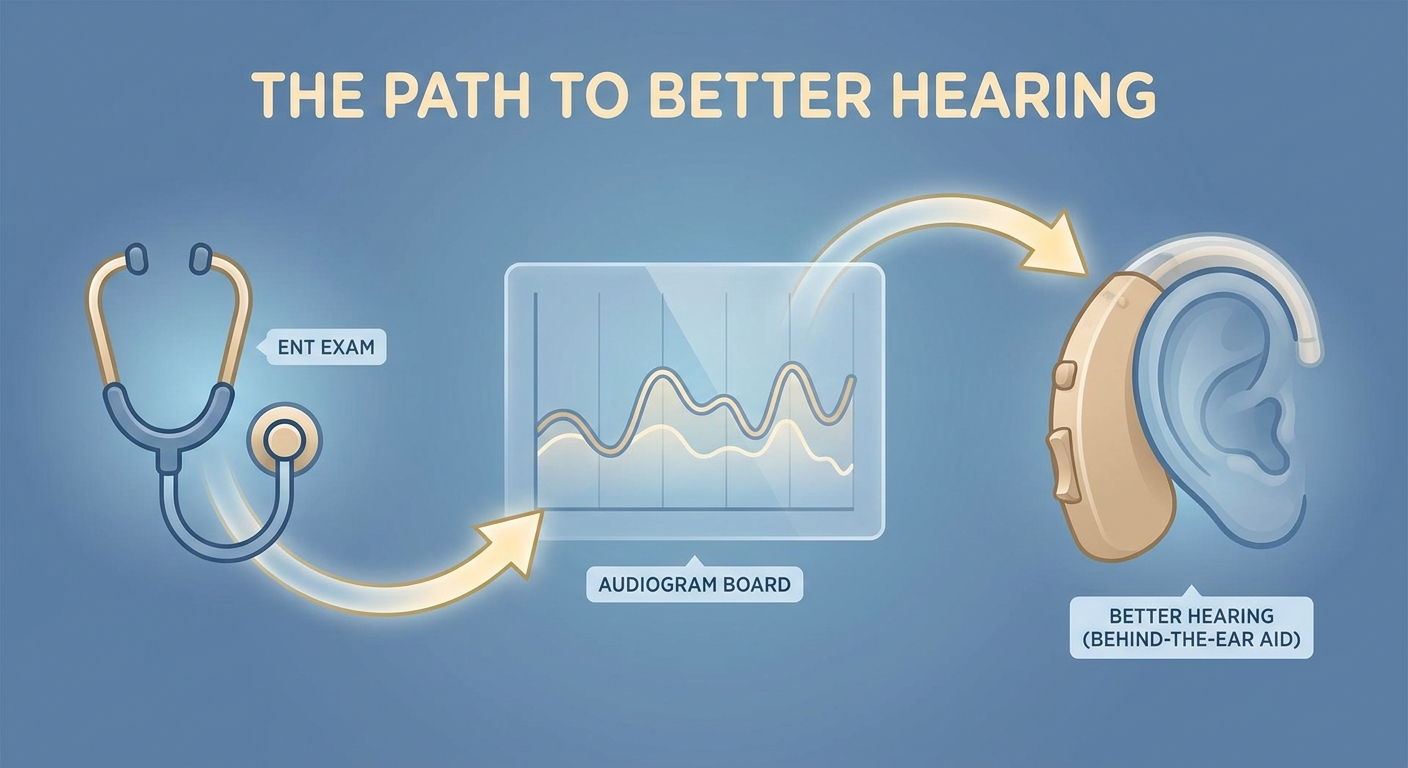
If you are exploring whether a device might help, a hearing evaluation can provide useful next-step information—learn more about how ENT specialists decide when hearing aids may be appropriate (https://sleepandsinuscenters.com/blog/do-you-need-a-hearing-aid-how-ents-decide-when-to-20260904041738) or review audiogram basics to better understand hearing tests (https://sleepandsinuscenters.com/blog/audiogram-basics-explained-a-patients-guide-to-hearing-tests).
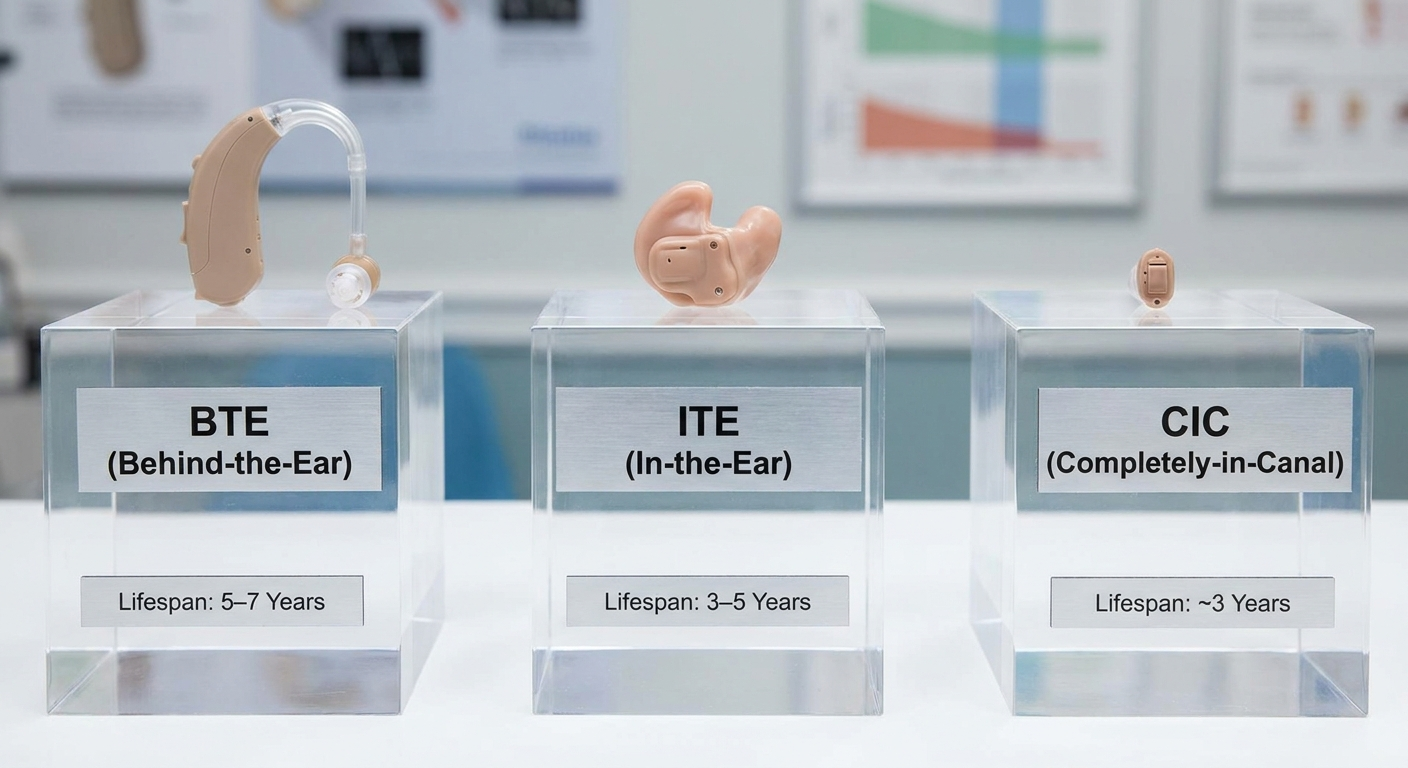
Average Hearing Aid Lifespan by Type
Most prescription hearing aids last about three to seven years overall. Individual results depend on daily use, environment, and how consistently they are cared for. Over-the-counter (OTC) devices often come with shorter expected service periods than custom-fitted prescription models. A sturdy behind-the-ear aid used in an air-conditioned office, for example, typically outlasts a tiny canal device worn during humid outdoor work.
Behind-the-ear (BTE) models: Commonly last five to seven years. Their external placement keeps the electronics farther from earwax, moisture, and body heat, which contributes to greater durability (Audibel, 2024).
In-the-ear (ITE) models: Typically average three to five years of reliable use. They sit closer to the ear canal and therefore encounter more natural debris and humidity.
In-the-canal (ITC) and completely-in-the-canal (CIC) models: Often last up to about three years. Sitting deeper in the ear exposes them more to earwax, moisture, and temperature changes.
Results always vary. People who wear their aids many hours a day in humid climates or dusty settings may see shorter service than those who follow a careful routine. Understanding typical hearing aid lifespan by type helps set realistic expectations when comparing options. Actual longevity varies significantly by usage, environment, and care.
What Causes Hearing Aids to Wear Out Faster?
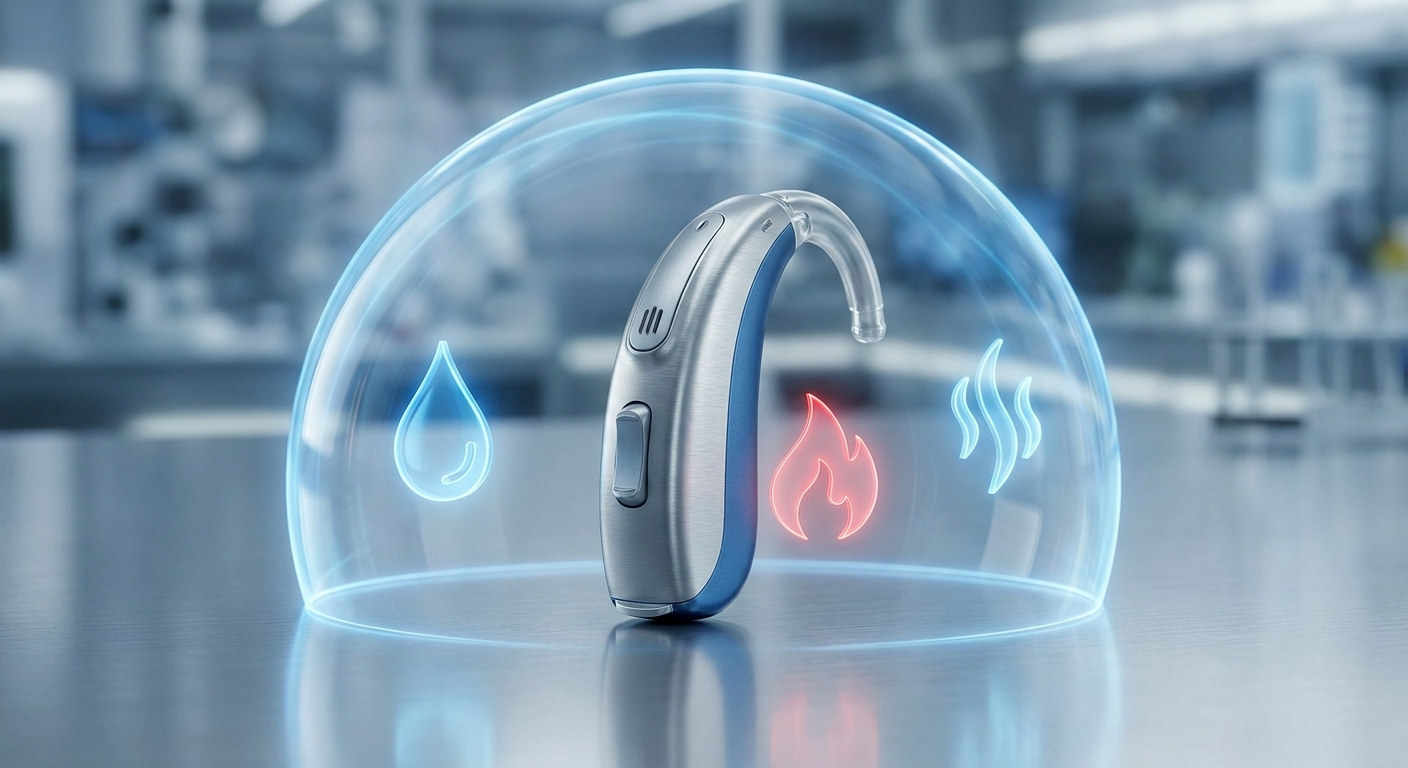
Several everyday factors can reduce performance and shorten how long hearing aids last. Addressing them early often preserves both sound quality and the device itself. Moisture and debris act like sand in a watch—small amounts accumulate until the mechanism slows or stops.
Moisture, heat, and sweat: Humidity, baths, vigorous exercise, and warm climates can damage delicate electronics. Sweat and steam are especially common culprits (Audibel, 2024). Leaving devices on a bathroom counter after a hot shower, for instance, can introduce enough vapor to corrode contacts over time.
Earwax, dust, hair products, and debris: Build-up easily clogs microphones, receivers, and tiny vents. Hair spray, perfume, and lotion residue add extra film that interferes with sound.
Physical impacts and improper handling: Drops onto hard surfaces, curious pets, or leaving devices in a hot car or damp bathroom can crack cases or loosen components. Unaddressed earwax or ear infections can make these problems worse. Professional cleaning of both the ears and the devices often restores function and protects longevity. Prompt care for moisture, debris, and handling issues helps preserve both function and lifespan.
Daily Maintenance Tips to Help Hearing Aids Last Longer
Simple, consistent habits can help users stay within the expected three-to-seven-year window and keep sound quality strong. Patients who last longest treat their aids like fine instruments—wipe, dry, store. Those few minutes each evening add years.
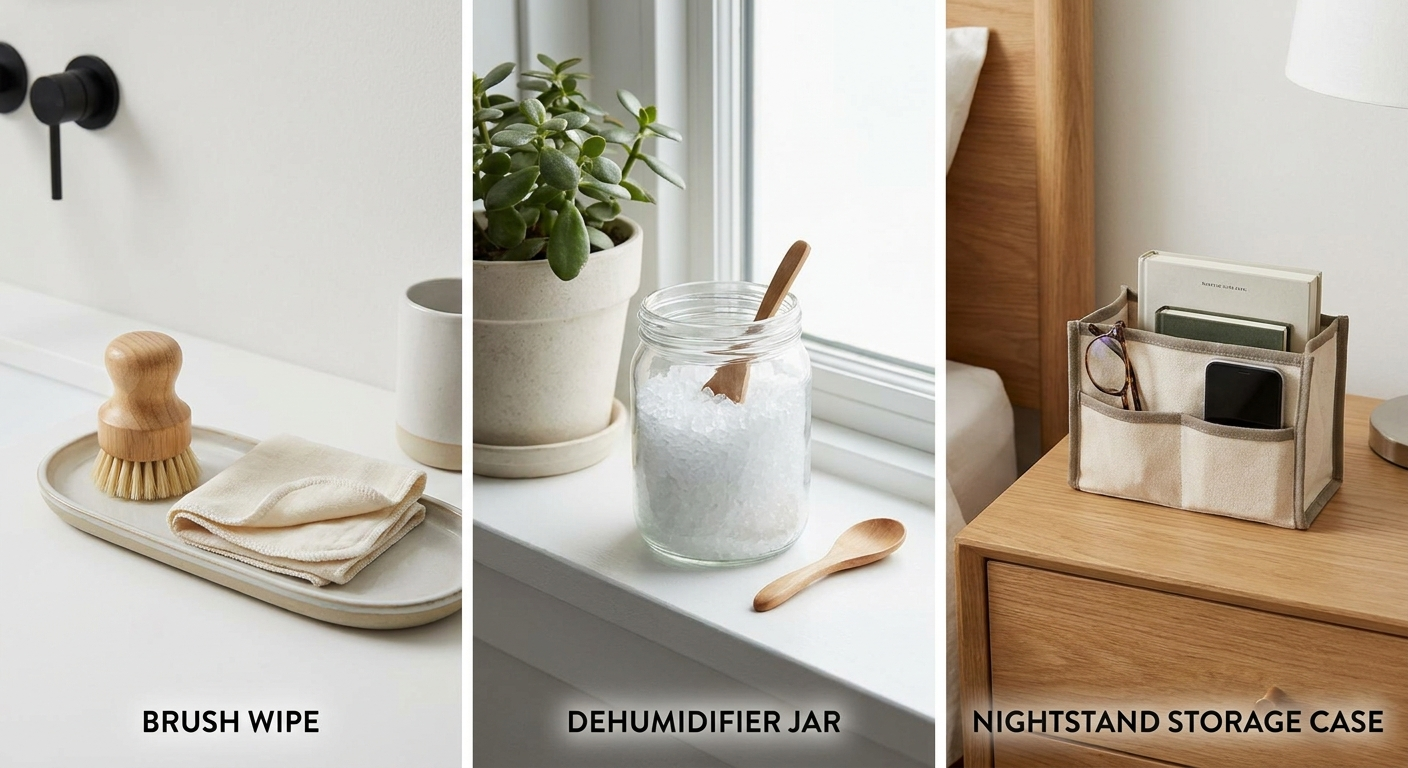
Daily cleaning routine: Wipe the devices each evening with the manufacturer-recommended brush or cloth. Avoid water, alcohol, or household cleaners unless the instructions specifically allow them. Replace wax guards or domes as soon as they look clogged. Waiting until after applying hair products keeps residue from coating the microphones.
Moisture protection and storage: Place hearing aids in a dehumidifier or drying kit overnight. Store them in a cool, dry spot away from windows, radiators, or bathrooms. Never leave them in a closed car on a hot day. A small drying jar is simple, inexpensive, and highly effective.
Professional servicing: Schedule cleaning and performance checks every three to six months (Audibel, 2024; Holland Hearing). Pair device care with regular hearing checks so fittings stay accurate as hearing needs change; understanding your hearing test can make those appointments more informative (https://sleepandsinuscenters.com/blog/audiogram-basics-explained-a-patients-guide-to-hearing-tests). Additional practical steps include keeping hair products away from the devices, handling them only with clean, dry hands, and opening battery doors (if applicable) when not in use to let moisture escape. These habits directly support longer hearing aid lifespan. Daily routines plus periodic professional care offer the strongest support for extended device life.
Signs It’s Time to Replace Your Hearing Aids (Symptoms of Wear)
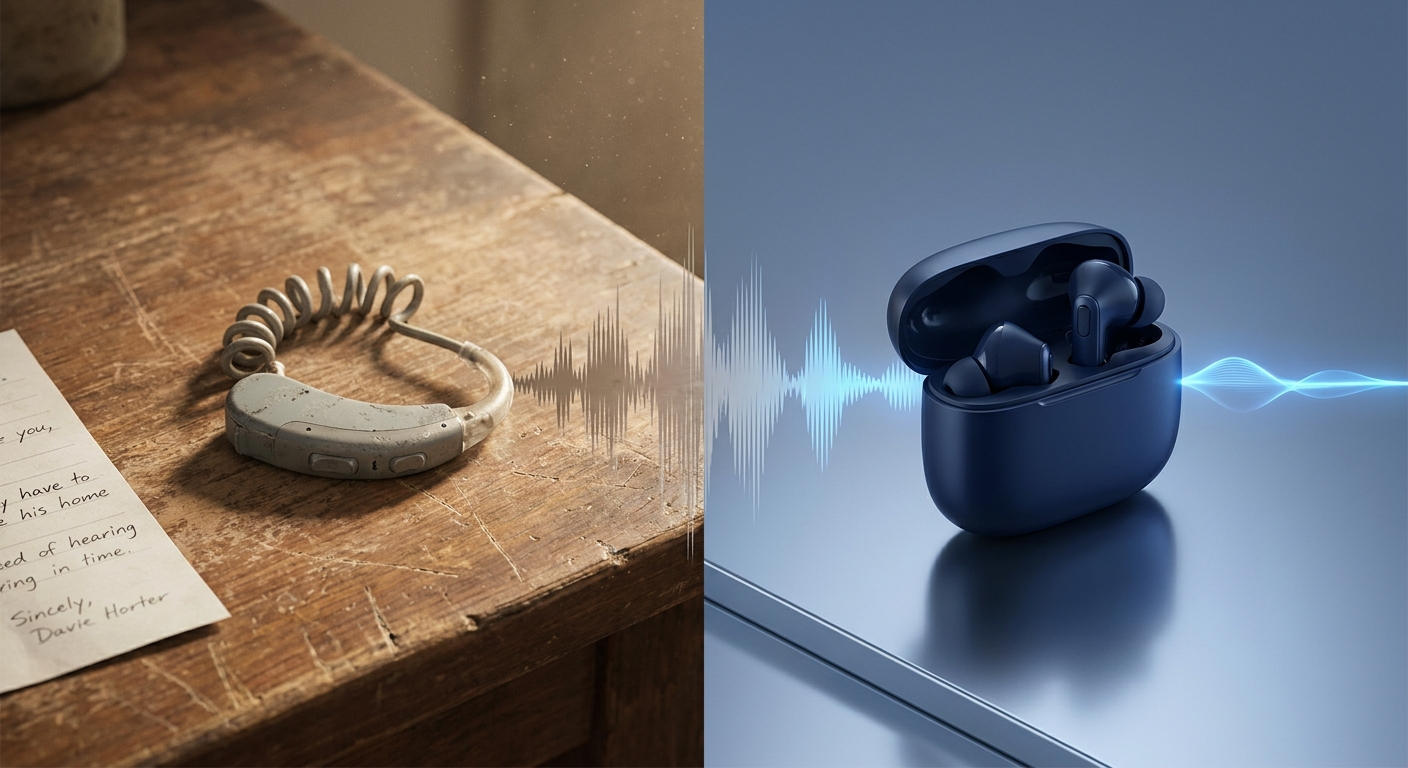
When repairs become frequent or the devices no longer meet daily needs, replacement may be more practical than continued patching. Newer technology often brings better noise reduction, rechargeability, and smartphone connectivity. A sudden need to raise the volume just to hear the television frequently signals internal wear.
Reduced sound quality or frequent feedback: Whistling, muffled speech, or a sudden drop in volume that cleaning does not fix can signal worn components.
Shorter battery life or intermittent function: Batteries that drain much faster than usual or devices that cut in and out often point to aging circuitry.
Physical damage, comfort issues, or outdated features: Cracked shells, poor fit after weight or ear-shape changes, or missing modern features (streaming, rechargeable batteries) are common reasons people consider an update.
If repairs keep stacking up, an audiologist or ENT can review whether continued investment makes sense versus exploring current models. Technology typically advances every few years, so even well-maintained older aids may feel limited compared with newer options. Age-related hearing changes can also influence when an upgrade becomes relevant; see related information on age-related hearing loss (https://sleepandsinuscenters.com/blog/age-related-hearing-loss-causes-symptoms-and-treat-20260902041812). An evaluation helps decide whether repair or replacement better meets current needs.
Hearing Aid Replacement Costs, Repairs, and Coverage
Costs vary widely depending on the type of device and any bundled services. Knowing typical ranges helps with planning. Think of it as budgeting for both the initial purchase and the modest upkeep that follows.
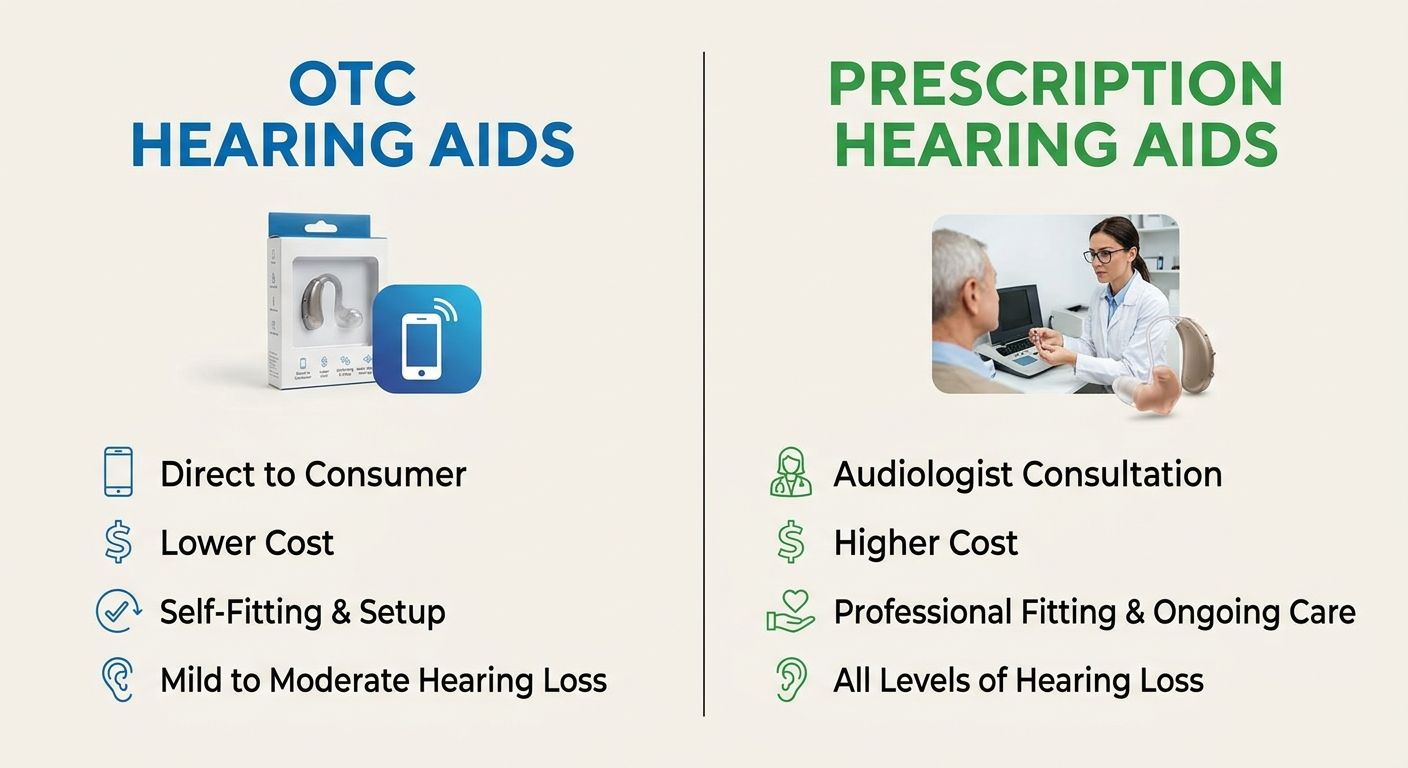
Over-the-counter (OTC) vs. prescription devices: Preset OTC hearing aids may cost around $100 per pair. Self-fitting OTC models generally start near $500 per pair. Prescription devices range from about $1,500 to more than $7,000 per pair; a Consumer Reports survey reported a median of $2,592 per pair after insurance (Consumer Reports, 2026). Hearing aid replacement cost is therefore highly dependent on the category chosen.
Typical repair costs: Repair prices depend on the specific problem and parts needed. One provider estimates a range of approximately $45–$150 (Holland Hearing). Frequent repairs on an older pair can quickly approach the price of a newer device.
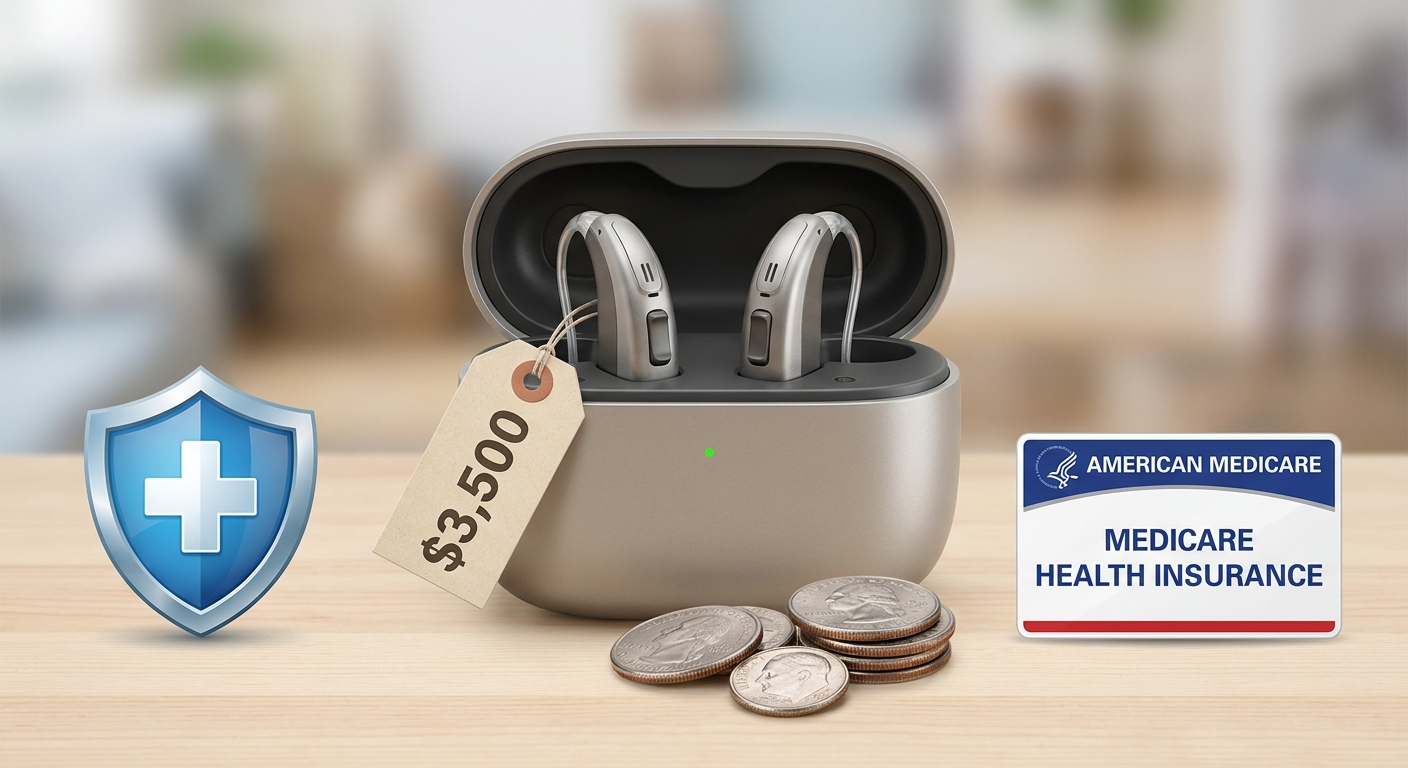
Insurance, Medicare, and payment options: Original Medicare does not cover hearing aids or the exams needed to fit them (Medicare.gov). Medicare Advantage plans, some private insurance policies, and HSA/FSA accounts may offer partial help. Comparing warranties and bundled follow-up visits is worthwhile before purchase. Checking coverage details in advance can ease the financial side of hearing aid replacement cost. Reviewing options and coverage in advance supports smoother planning for replacement.
Frequently Asked Questions About Hearing Aid Lifespan
Q: Can I make my hearing aids last longer than 7 years?
A: Some well-cared-for devices continue working beyond seven years, especially sturdy BTE models used in dry environments. Consistent daily cleaning, overnight drying, and professional servicing every three to six months give the best chance of exceeding typical lifespan. Eventual wear of tiny electronic parts is still expected.
Q: Do rechargeable hearing aids last as long as battery-powered ones?
A: Rechargeable models generally follow the same three-to-seven-year overall lifespan. The rechargeable battery itself may need replacement after a few years, similar to how disposable batteries are swapped. Moisture protection remains equally important for both styles.
Q: Should I repair or replace an older pair?
A: When repair bills become frequent or the devices no longer handle everyday listening well, replacement often proves more economical. An evaluation can compare remaining function against current technology features.
Q: How often should I get my hearing tested while wearing aids?
A: Many people benefit from hearing checks at regular intervals so the devices can be adjusted as needs change. Pairing those tests with device servicing keeps both hearing and equipment performing well. Review audiogram basics to better understand hearing tests (https://sleepandsinuscenters.com/blog/audiogram-basics-explained-a-patients-guide-to-hearing-tests) for more context. These answers are educational and not a substitute for individualized care.
Conclusion and Next Steps
Daily cleaning, moisture control, careful storage, and professional visits every three to six months help many people achieve the full expected hearing aid lifespan of three to seven years. Behind-the-ear styles frequently reach the longer end of that range when simple habits are followed. Maintenance and timely professional attention also reduce unexpected repair expenses.
If you notice changes in hearing, declining device performance, or have questions about costs and coverage, a personalized discussion can clarify options. Schedule a hearing evaluation or hearing aid check (https://sleepandsinuscenters.com/appointments) to take the next step toward clearer, more comfortable listening. You can also visit https://www.sleepandsinuscenters.com/ to book an appointment and speak with a specialist about your specific needs. Learn more about how ENT specialists decide when hearing aids may be appropriate (https://sleepandsinuscenters.com/blog/do-you-need-a-hearing-aid-how-ents-decide-when-to-20260904041738). This article is for educational purposes only and is not medical advice; consult a qualified healthcare provider for diagnosis and treatment.
Don’t let allergies slow you down. Schedule a comprehensive ENT and allergy evaluation at Sleep and Sinus Centers of Georgia. We’re here to find your triggers and guide you toward lasting relief.