Can Noise-Induced Hearing Loss Be Reversed? Treatment and Prevention Options
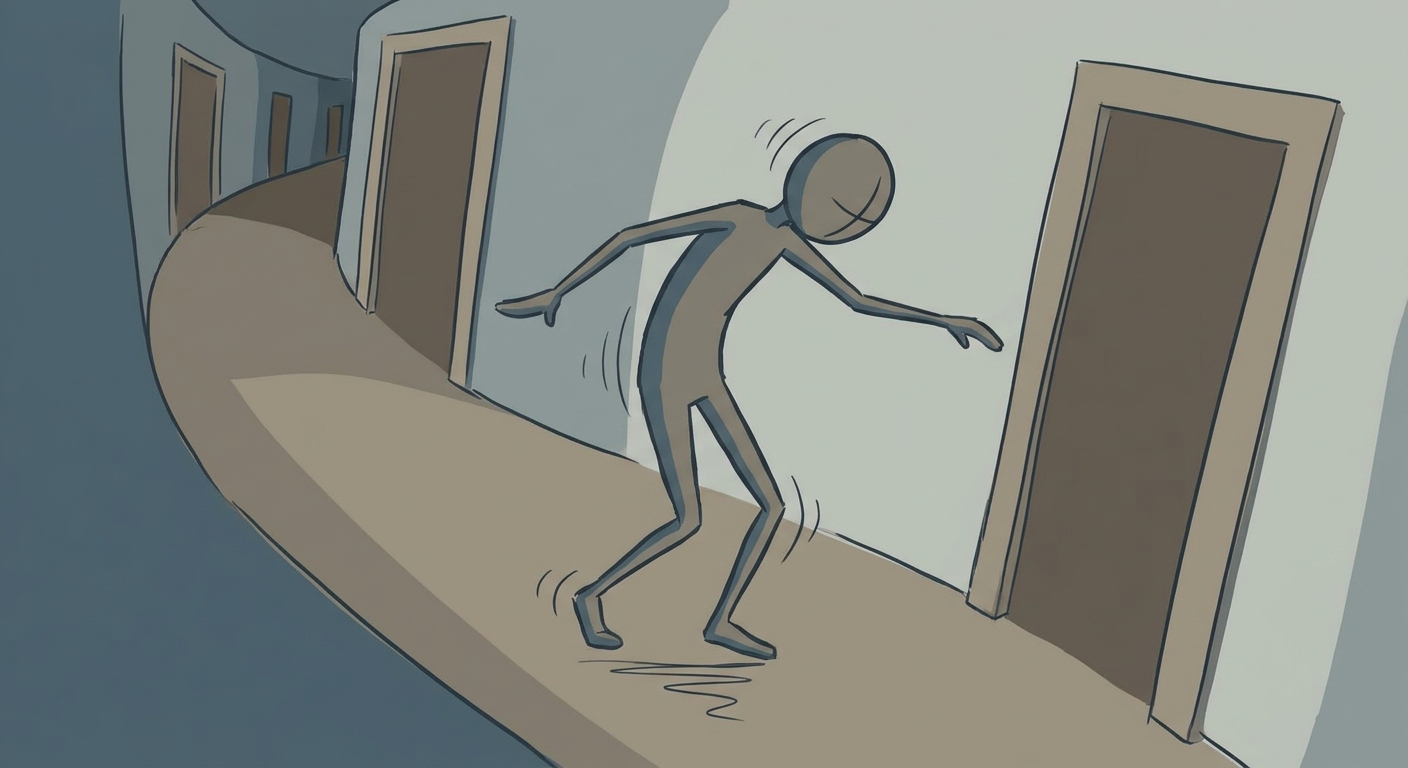
That ringing in your ears after a loud concert or a day of noisy work can feel alarming. Many people wonder if the muffled sounds or buzzing will last. Think of the tiny hair cells inside your inner ear as delicate sensors—like the bristles on a fine paintbrush. A single intense “storm” of sound or years of everyday “weathering” can bend or break them. Noise-induced hearing loss, or NIHL, happens when loud sounds damage the inner ear. Temporary cases often improve with rest, but permanent damage to those delicate hair cells in the cochlea cannot currently be reversed by restoring the cells biologically. Evidence-based steps focus on protecting remaining hearing, using devices to improve function, and preventing further harm. According to the National Institute on Deafness and Other Communication Disorders (NIDCD) and Cleveland Clinic (as of their 2025–2026 publications), understanding the difference between temporary and lasting changes helps people take timely action. For related ear injury details, see our article on acoustic trauma and its impact on ear health: https://sleepandsinuscenters.com/blog/acoustic-trauma-and-its-impact-on-ear-health-causes-and-prevention
Early recognition of noise effects supports better hearing outcomes over time.
What Is Noise-Induced Hearing Loss?
Loud sound overworks the tiny hair cells inside the cochlea, the snail-shaped part of the inner ear that converts vibrations into nerve signals the brain understands as sound. When those cells are stressed too much, they stop working properly—similar to speakers that distort after being cranked too high for too long.
One intense blast, such as an explosion or a nearby firework, can cause acoustic trauma. Repeated exposure to moderately loud noise, like daily machinery, lawn equipment, or headphones at high volume, can add up over months or years. Both paths lead to the same type of inner-ear damage. As one clinician often explains to patients, “It’s not just the volume—it’s how long and how often your ears are asked to handle it.”
Protecting cochlear hair cells from overwork remains essential for long-term hearing health.
Temporary vs. Permanent NIHL
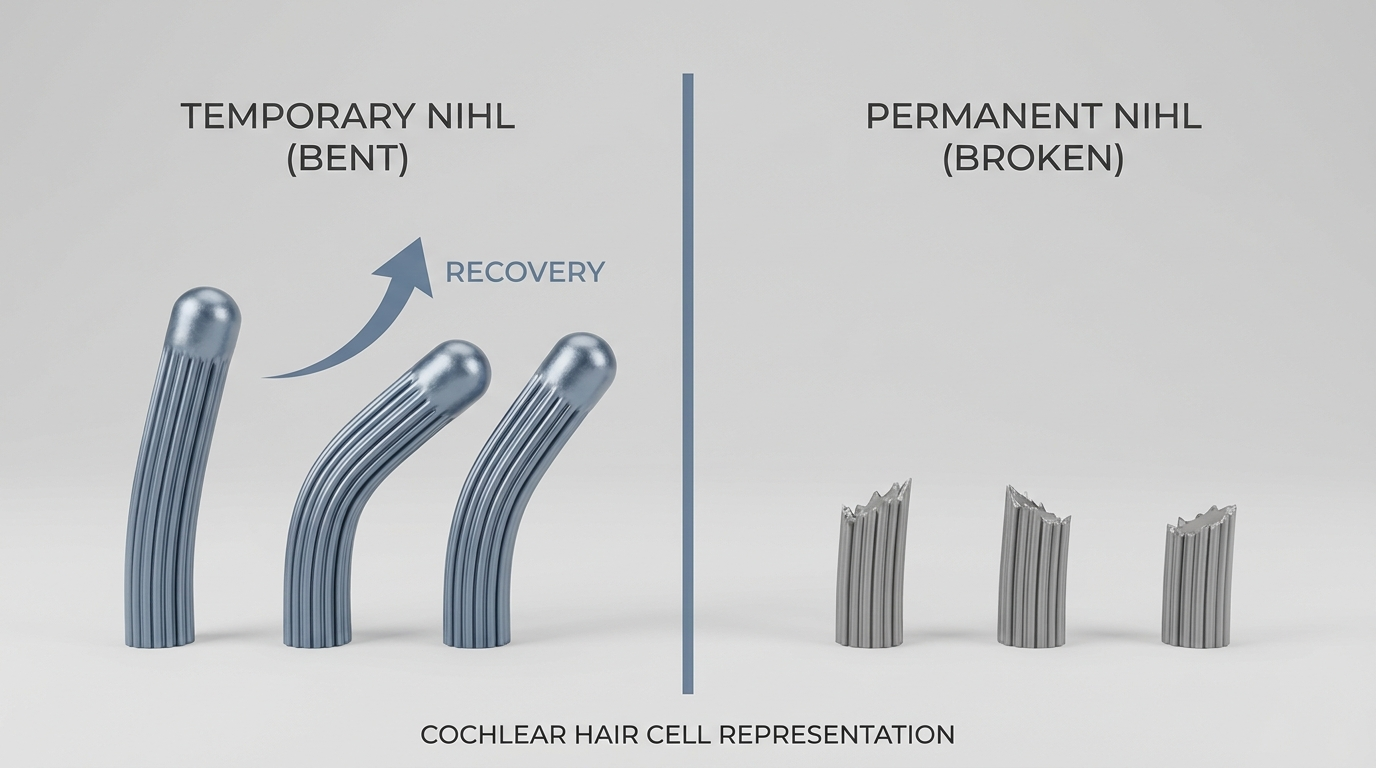
A temporary threshold shift often shows up as muffled hearing or tinnitus (ringing or buzzing) right after loud noise. These changes frequently settle within 16–48 hours, much like ears “popping” back to normal after a flight. Even so, some subtle cochlear injury may linger and raise later risk. Permanent NIHL develops when hair cells die. In humans they do not regenerate on their own, so the loss stays. NIDCD and Cleveland Clinic both note this biological limit based on available data.
Distinguishing temporary from permanent changes guides timely rest and protection.

How Loud Is Too Loud?
Sounds above 85 decibels can harm hearing with enough duration, following a time-intensity relationship (for example, 8 hours at 85 dB as a common occupational threshold, with louder sounds requiring far shorter exposure). Everyday examples include concerts (often 100–110 dB), power tools (90–110 dB), personal audio devices turned up high, and workplace equipment. Safe listening means keeping volume moderate and taking breaks. A useful rule of thumb: if you have to shout to be heard an arm’s length away, the environment is already too loud for unprotected ears.
Monitoring both volume and time of exposure helps keep listening within safer limits.
Symptoms of Noise-Induced Hearing Loss
Early signs are often mild, so people may not notice them at first. Recognizing them promptly supports better long-term outcomes.
Common Early Warning Signs
• Speech sounding muffled, especially in restaurants or crowds
• Trouble following conversations when background noise is present
• Tinnitus—ringing, buzzing, or hissing that may come and go
• A feeling of fullness in the ears
• Frequently asking others to repeat themselves
These symptoms can appear after a single loud event or build gradually. One patient recalled, “I thought I was just tired after the festival, but I kept missing punchlines at dinner the next week.”
When Symptoms Signal a Medical Emergency
A sudden drop in hearing after loud noise deserves same-day or next-day evaluation by an ear, nose, and throat specialist. Rapid assessment can identify whether additional care, such as steroids, may help.
Prompt attention to warning signs can limit further impact on communication.
Causes and Risk Factors
Personal exposure history is the biggest clue.
Occupational and Recreational Sources
Construction, manufacturing, live music, shooting sports, and personal audio devices used at high volume are common contributors. Repeated unprotected time in these settings raises risk. Weekend warriors using leaf blowers or attending multiple concerts without protection often accumulate damage faster than they realize.
Other Contributing Factors
Age-related changes, family genetics, certain medications that affect the ear, and combining several noise sources all increase vulnerability. Learning more about workplace or headphone-related patterns can help people map their own risk.
Awareness of combined exposures allows better mapping of individual risk.
Can Noise-Induced Hearing Loss Be Reversed?
Current evidence shows a clear distinction. Temporary shifts frequently improve; lasting hair-cell damage does not reverse biologically. Management still offers real functional gains.
Temporary Hearing Changes: Often Improve
Stepping away from noise and giving the ears time commonly restores hearing thresholds. Hidden microscopic damage, however, may remain and make future protection even more important. Rest is like letting a sprained ankle recover—function returns, but the tissue may be a bit more fragile next time.
Permanent NIHL: No Established Biological Cure
Once inner-ear hair cells die they do not heal or grow back in people. Hearing aids and cochlear implants improve communication but do not recreate natural hearing. NIDCD and Cleveland Clinic confirm there is no established biological reversal for typical noise-induced hearing loss.
Investigational Therapies (Not Yet Standard Care)
Researchers are studying hair-cell regeneration, gene therapy, and stem-cell methods. These remain experimental. One ongoing exploratory study, HEAR-RESTORE (ClinicalTrials.gov NCT07472023), is examining regenerative approaches. A gene therapy called Otarmeni is indicated only for certain genetically confirmed hearing losses, not ordinary NIHL. Promising laboratory work does not yet translate into routine clinic options for noise damage.
Focusing on available management tools provides the most reliable functional benefits today.
Treatment Options for NIHL
Care centers on stopping further injury, addressing sudden drops quickly, and using proven devices.
Urgent Care for Sudden Sensorineural Hearing Loss After Acoustic Trauma
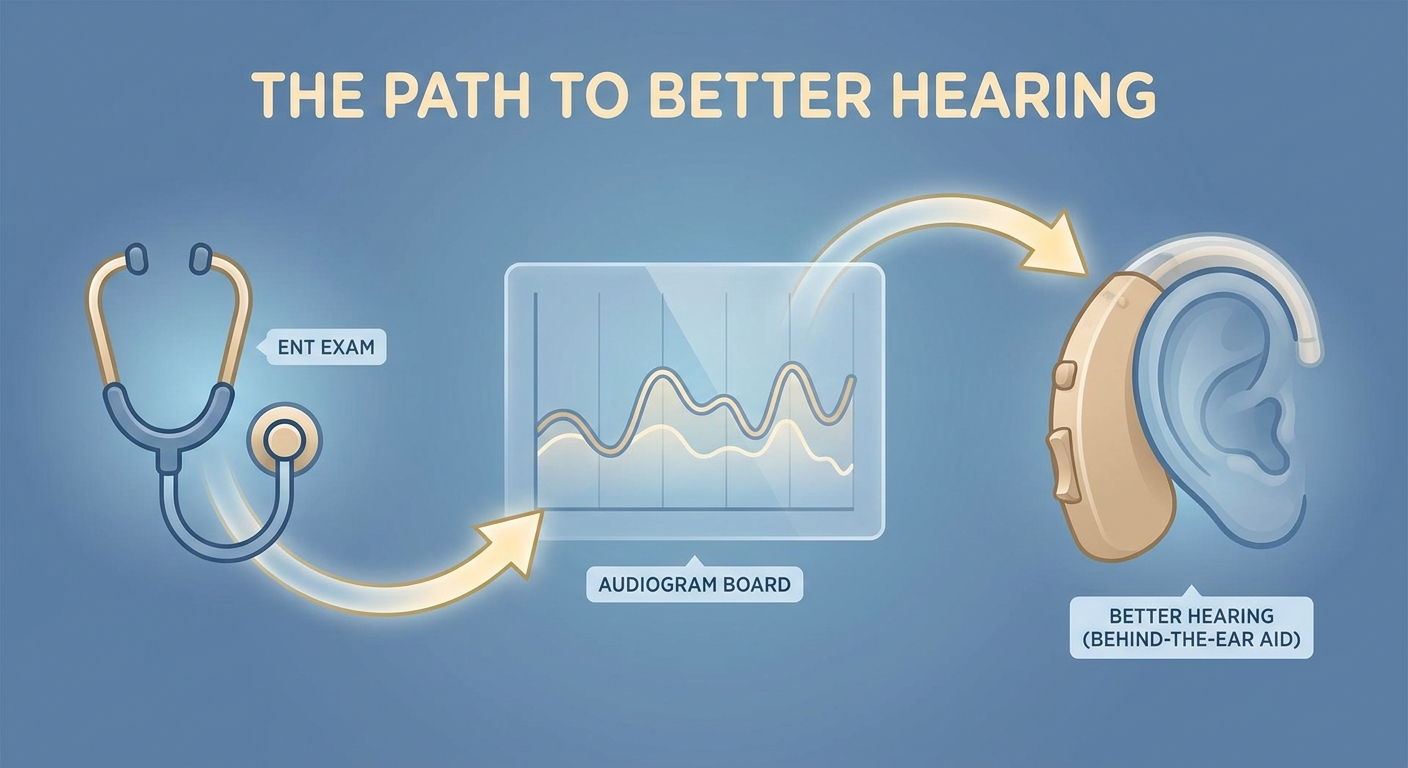
Prompt ENT evaluation is key. Clinical guidelines note that corticosteroids (taken by mouth or injected) may be considered within two weeks of onset. If recovery is incomplete, intratympanic steroid injections can be discussed two to six weeks later (Chandrasekhar et al., 2019 AAO-HNS guideline). Results vary; these medicines are not a guaranteed reversal for chronic NIHL.
Hearing Aids — The Mainstay for Permanent Loss
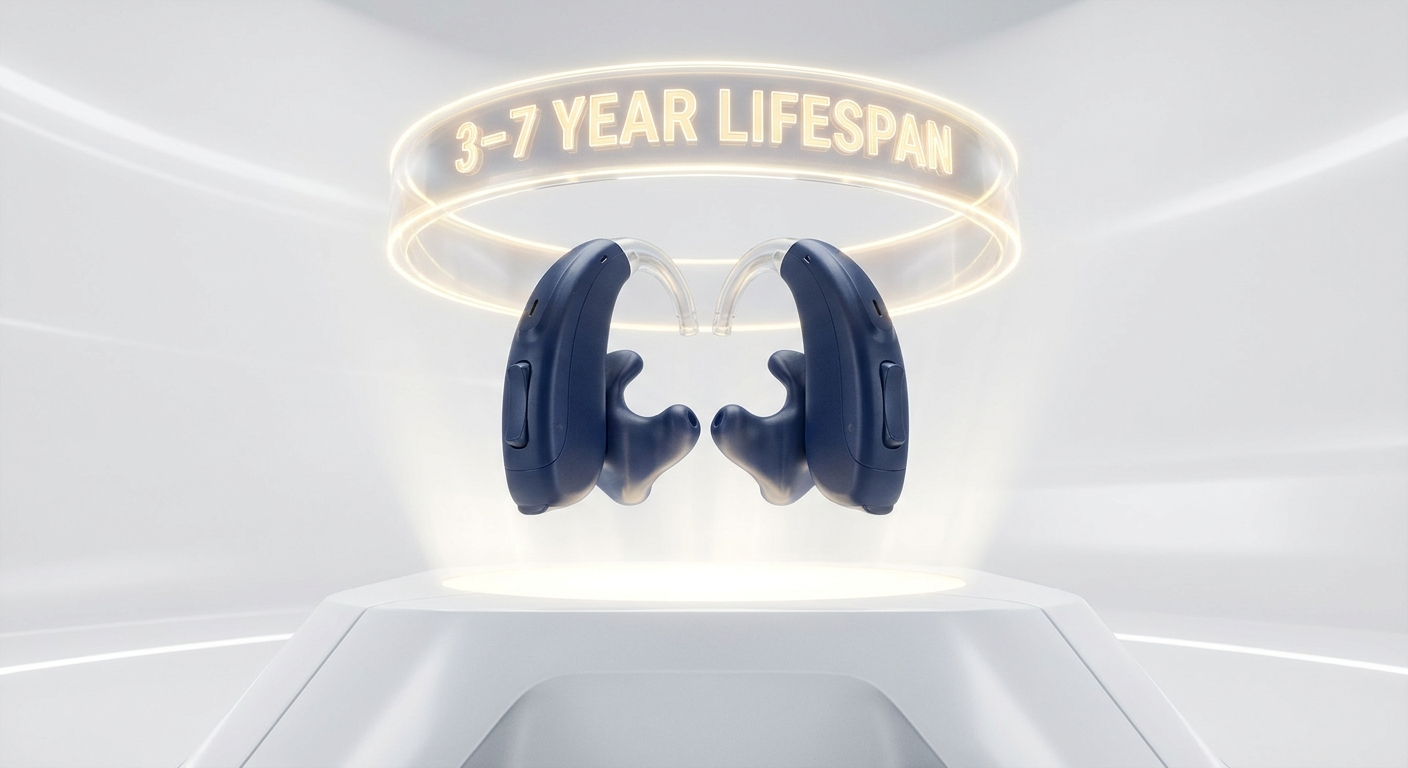
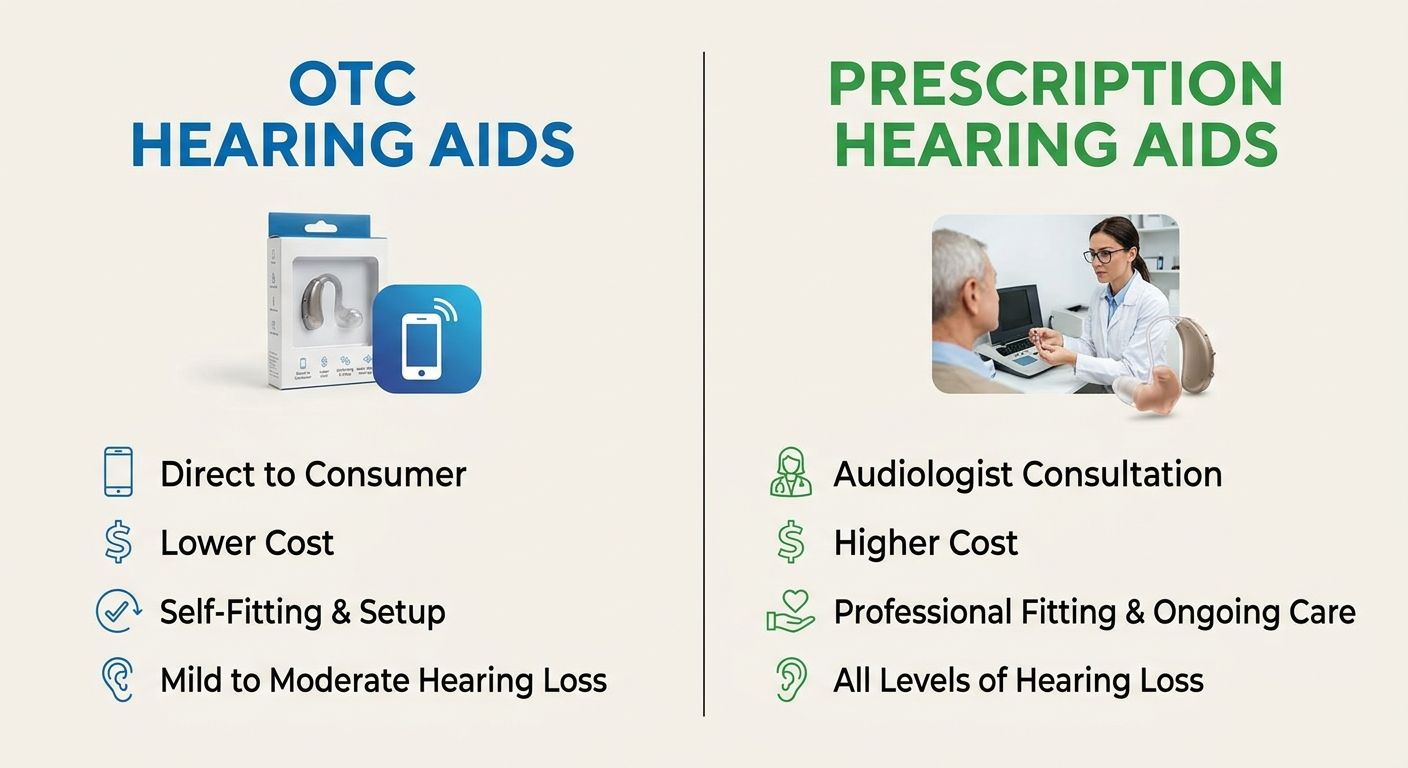
Hearing aids amplify sound and can be programmed for the specific pattern of noise-induced hearing loss, which often affects high frequencies first. Styles range from tiny in-the-canal devices to behind-the-ear models. They improve speech understanding and reduce listening effort but do not restore original hair-cell function. Many users describe the difference as “finally catching the words instead of just seeing mouths move.”

Cochlear Implants for Severe-to-Profound Cases
When hearing aids no longer provide enough benefit, implants may be an option for people who meet candidacy criteria. They convert sound into electrical signals that stimulate the hearing nerve. They do not recreate natural hearing.
Supportive Therapies
Tinnitus counseling, communication strategies such as facing speakers and reducing background noise, and auditory rehabilitation exercises help many people adapt. Simple habits—like choosing quieter restaurants or using captioning—compound the benefit of devices.
Combining devices with strategies maximizes remaining hearing function.
Prevention: The Most Effective “Treatment”
Because damaged hair cells do not grow back, avoiding extra exposure is the most reliable way to preserve remaining hearing.

Hearing Protection That Actually Works
Foam earplugs, custom-molded plugs, earmuffs, and musician’s filters all reduce sound energy reaching the inner ear. Proper fit matters—poorly inserted foam plugs offer far less protection than advertised. For live-show tips, see our guide to concert hearing protection: https://sleepandsinuscenters.com/blog/concert-hearing-protection-tips-how-to-safeguard-your-ears-at-live-shows. Comparing custom earplugs versus foam plugs can help people choose what they will actually wear: https://sleepandsinuscenters.com/blog/custom-earplugs-vs-foam-plugs-which-is-better-for-ear-protection.
Safe Listening Habits
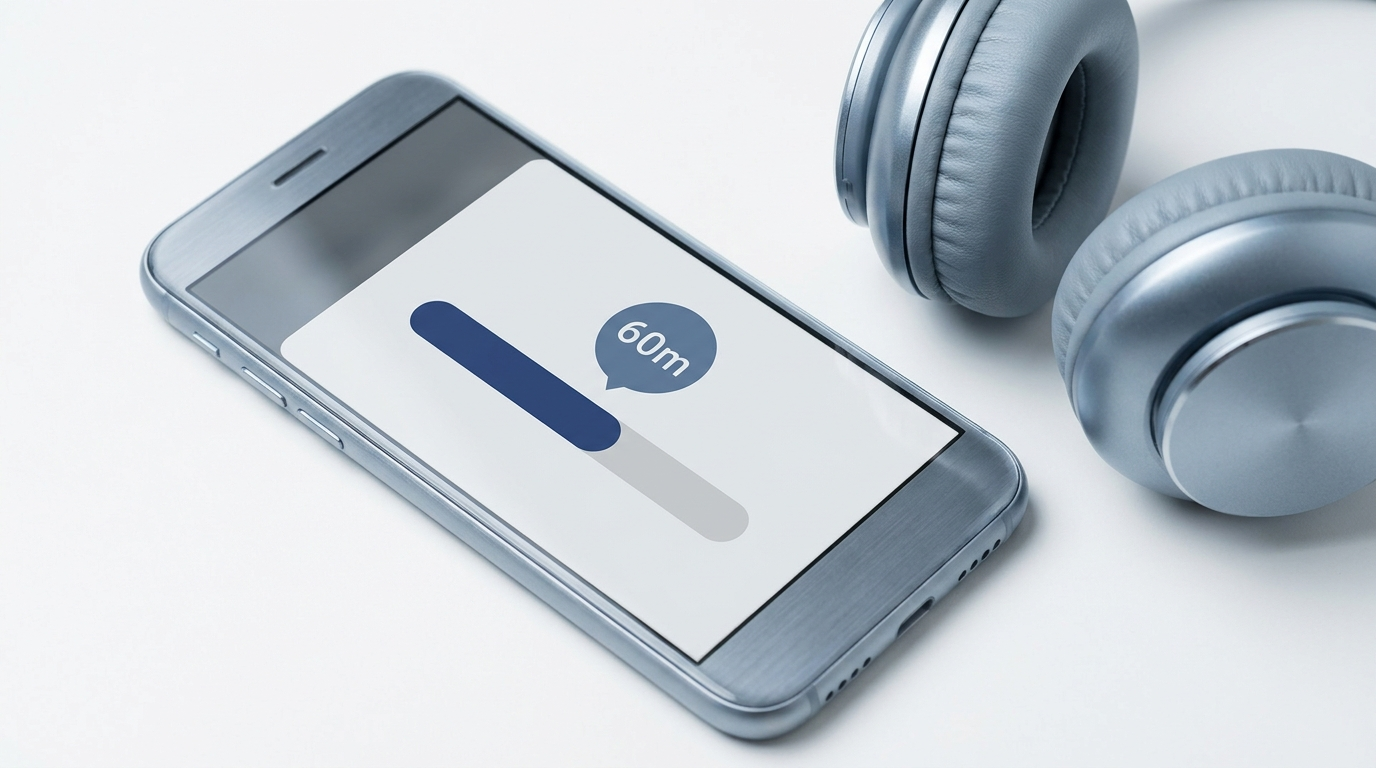
The 60/60 guideline—no more than 60 percent volume for 60 minutes at a time—plus volume-limit settings on devices and smartphone noise-monitoring apps give practical control. Taking a quiet break every hour is as important as the volume itself.
Workplace and Recreational Safety
Engineering controls, scheduled quiet periods, and regular hearing tests follow established occupational-health principles. Once any loss is identified, extra care to avoid further noise becomes essential.
Consistent use of protection and breaks offers the strongest defense against additional loss.
Lifestyle Tips for Living with NIHL
Good sleep, limiting additional medications known to affect the ear when possible, using speech-reading cues, and turning on captions all support remaining hearing and daily communication. These habits complement medical and device-based care and reduce the extra mental effort of listening.
Daily supportive habits ease communication strain alongside professional care.
When to See an ENT Specialist
Red flags include sudden hearing change after loud noise, persistent tinnitus, or increasing difficulty understanding speech. An evaluation at Sleep and Sinus Centers of Georgia can include hearing tests and discussion of next steps. Appointments: https://sleepandsinuscenters.com/appointments. Learn about comprehensive otolaryngology care: https://sleepandsinuscenters.com/comprehensive-otolaryngology-care. Book an appointment today: https://www.sleepandsinuscenters.com/.
Specialist evaluation after concerning symptoms helps map the safest next steps.
Frequently Asked Questions
Q: Does the ringing (tinnitus) ever go away?
A: Tinnitus after a loud event often fades as temporary threshold shifts resolve. When it persists, counseling and sound-therapy strategies can reduce its impact even if it does not disappear completely.
Q: Can hearing come back if I rest my ears?
A: Temporary changes frequently improve with rest. Permanent hair-cell loss does not reverse on its own.
Q: Are there any pills or supplements that reverse NIHL?
A: No established pills or supplements restore damaged hair cells. Investigational drugs are still in research.
Q: How soon after a loud concert should I get tested?
A: If hearing or tinnitus has not improved within a day or two, or if the drop was sudden and severe, same-day or next-day evaluation is reasonable.
Q: Will a cochlear implant restore perfect hearing?
A: Implants provide useful sound perception for eligible users but do not restore natural hearing.
Conclusion
Prevention and early action remain the most powerful tools against noise-induced hearing loss. Permanent inner-ear hair-cell damage cannot currently be reversed biologically, yet hearing aids, implants when indicated, and specialist care can restore communication and quality of life for many people. Scheduling a hearing evaluation is a practical next step. Learn more or book at Sleep and Sinus Centers of Georgia.
This information is educational and does not replace personalized medical advice. Consult a qualified ENT specialist for concerns about your hearing.
Sources
National Institute on Deafness and Other Communication Disorders (NIDCD). Noise-Induced Hearing Loss. 2025. https://www.nidcd.nih.gov/health/noise-induced-hearing-loss
Cleveland Clinic. Noise-Induced Hearing Loss: Symptoms & Treatment. 2026. https://my.clevelandclinic.org/health/diseases/21776-noise-induced-hearing-loss-nihl
Chandrasekhar SS, et al. Clinical Practice Guideline: Sudden Hearing Loss (Update). 2019. https://pubmed.ncbi.nlm.nih.gov/31369359/
ClinicalTrials.gov. HEAR-RESTORE regenerative-medicine study. NCT07472023. https://clinicaltrials.gov
U.S. Food and Drug Administration. Otarmeni gene-therapy approval. 2026. https://www.fda.gov/news-events/press-announcements/fda-approves-first-ever-gene-therapy-treatment-genetic-hearing-loss-under-national-priority-voucher
This article is for educational purposes only and is not medical advice. Please consult a qualified healthcare provider for diagnosis and treatment.
Don’t let allergies slow you down. Schedule a comprehensive ENT and allergy evaluation at Sleep and Sinus Centers of Georgia. We’re here to find your triggers and guide you toward lasting relief.