Ménière’s Disease Symptoms, Triggers, and ENT Treatment Options Explained
Ménière’s disease is a chronic inner-ear disorder that brings unpredictable episodes of vertigo together with fluctuating hearing loss, tinnitus, and aural fullness. There is no cure, yet many people manage it successfully with individualized ENT care that focuses on reducing attacks and protecting remaining function.
These vertigo spells typically last 20 minutes to 12 hours and can strike without warning, turning an ordinary day into a sudden need to lie still. Diagnosis is clinical: an audiogram documents the hearing pattern while other inner-ear and neurologic causes are ruled out. The 2020 AAO-HNS Clinical Practice Guideline stresses accurate diagnosis, shared decision-making, and a careful balance between vertigo control and hearing-related risks. Triggers such as stress, dietary salt, and fatigue differ from person to person; evidence for rigid diets remains limited. Understanding Ménière’s disease symptoms, personal triggers, and staged ENT treatment options can help people feel more in control. Sources include the NIDCD (updated 2024) and the AAO-HNS 2020 guideline. Anyone with matching symptoms should see an ENT for a full evaluation.
What Is Ménière’s Disease? (Inner-Ear Overview)
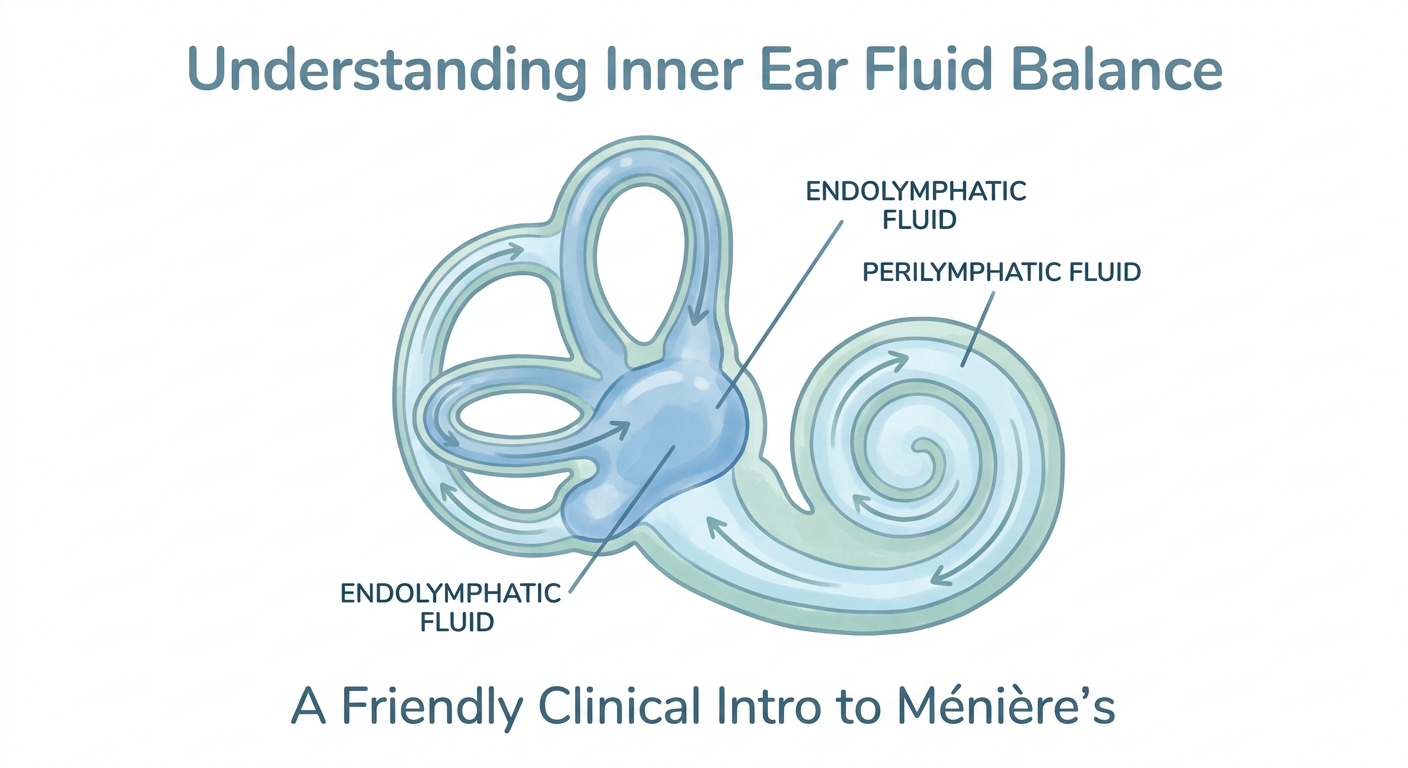
Ménière’s disease produces episodic spinning vertigo plus auditory symptoms that arise from an imbalance of fluid inside the inner ear. Think of the inner ear as a delicate system of fluid-filled canals; when pressure builds unevenly, both hearing and balance signals become scrambled. It is distinct from other common causes of dizziness, such as benign positional vertigo or migraine-related imbalance.
Because the condition involves both hearing and balance organs, ENT specialists who evaluate inner-ear balance disorders are uniquely positioned to confirm the diagnosis and guide long-term care. See our overview of inner-ear balance disorders for broader context.
ENT specialists are uniquely equipped to confirm the diagnosis and oversee long-term care.
Ménière’s Disease Symptoms: Vertigo, Hearing Changes, and More
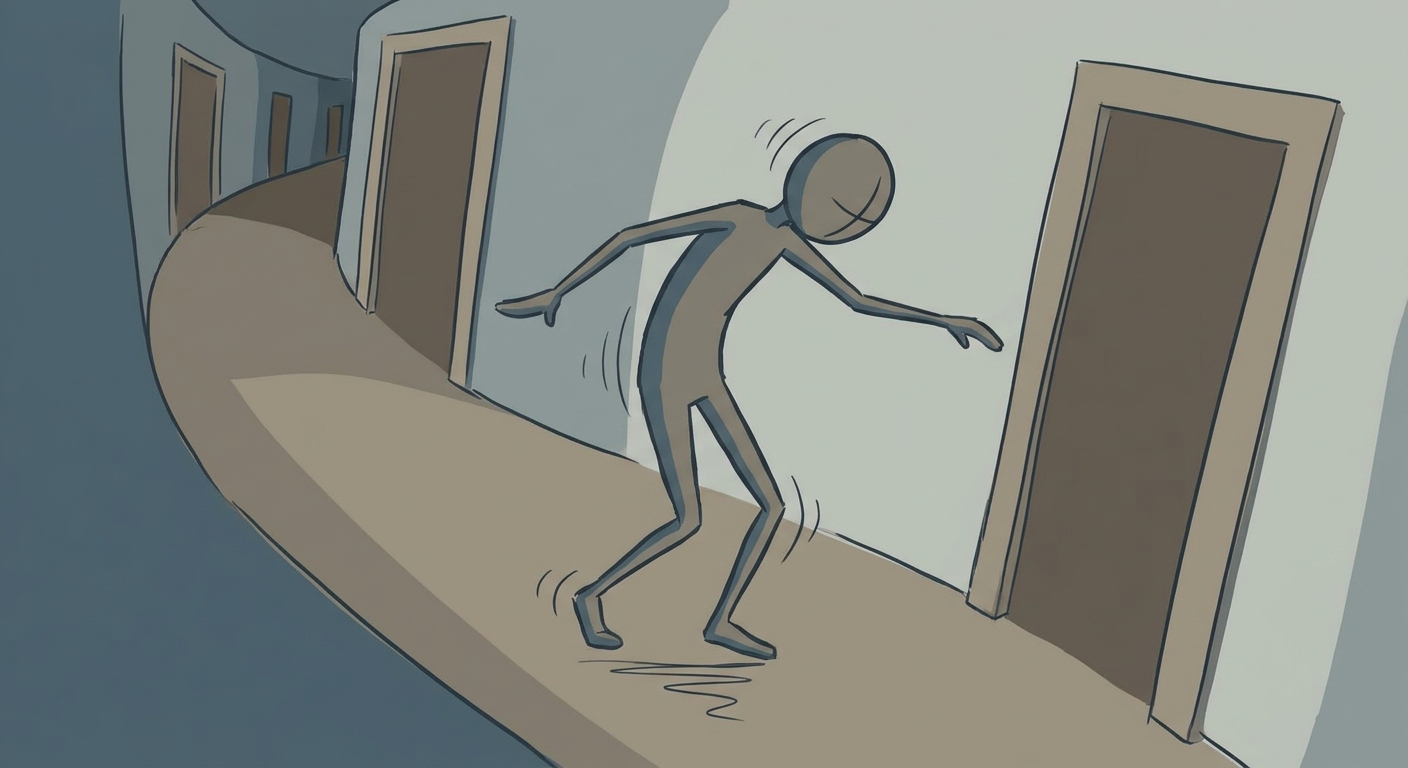
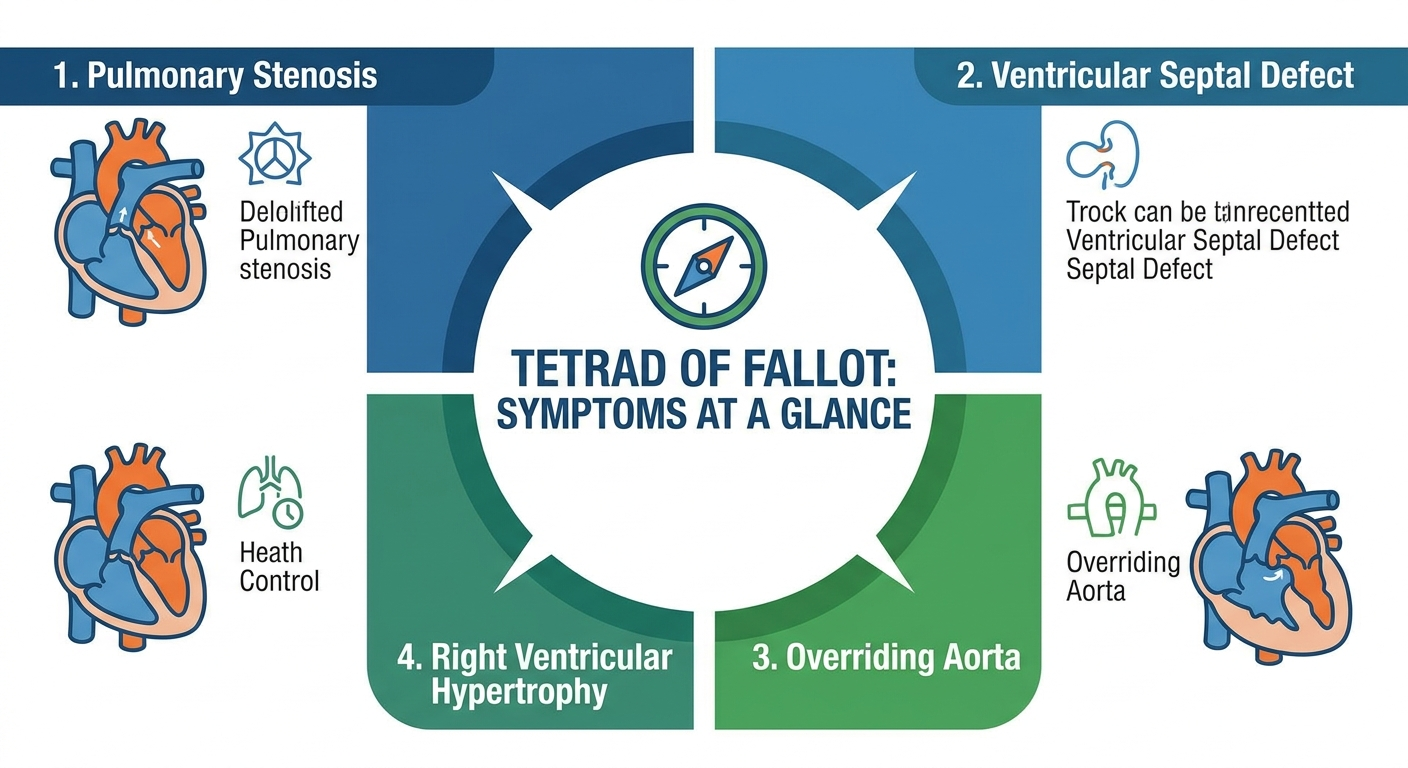
The classic picture, often called the tetrad, includes four features that tend to occur together during attacks. Episodes can cluster, and hearing may gradually worsen over years even as vertigo is controlled. The 2020 AAO-HNS criteria and NIDCD descriptions form the foundation for recognizing these patterns. Many patients describe an attack as feeling as if the room has suddenly started spinning like an out-of-control carousel that will not stop.
Vertigo Attacks (The Hallmark Symptom): Spontaneous spinning that lasts 20 minutes to 12 hours is the defining feature. Nausea, vomiting, and imbalance frequently accompany the sensation; some people cannot walk unaided and must lie down until it passes. Unlike the brief, position-triggered spins of BPPV, Ménière’s vertigo arises without warning and lasts far longer. For a clear comparison, read our guide on BPPV vertigo versus true dizziness.
Fluctuating Hearing Loss: Early on, the loss is typically low- to mid-frequency sensorineural hearing loss that comes and goes, making voices sound muffled one day and clearer the next. Over time the fluctuation may lessen and a more permanent drop can remain, much like a radio that slowly loses certain stations.
Tinnitus and Aural Fullness: Ringing, buzzing, or roaring in the affected ear plus a sense of pressure or fullness complete the picture. These sensations often intensify just before or during a vertigo attack, serving as an early warning for some people.
Recognizing the full tetrad of symptoms helps patients and clinicians act sooner.
Common Triggers of Ménière’s Attacks
Triggers vary widely; what precipitates an attack in one person may have no effect on another. The AAO-HNS guideline therefore supports personalized counseling rather than a one-size-fits-all list. Evidence for any single dietary restriction is not definitive, yet many patients still find it useful to track patterns.
Stress, Fatigue, and Emotional Distress: Overwork, illness, poor sleep, or high emotional stress are among the most frequently reported precipitants. A long work week or an unresolved family worry can tip the inner-ear fluid balance in susceptible individuals.
Dietary Factors (Salt and More): High salt intake is commonly discussed, as are caffeine, alcohol, and certain foods. Strict low-salt or elimination diets lack strong supporting trials, so any changes should be individualized. Some people notice a pattern after a salty restaurant meal or extra cups of coffee, while others see no link.
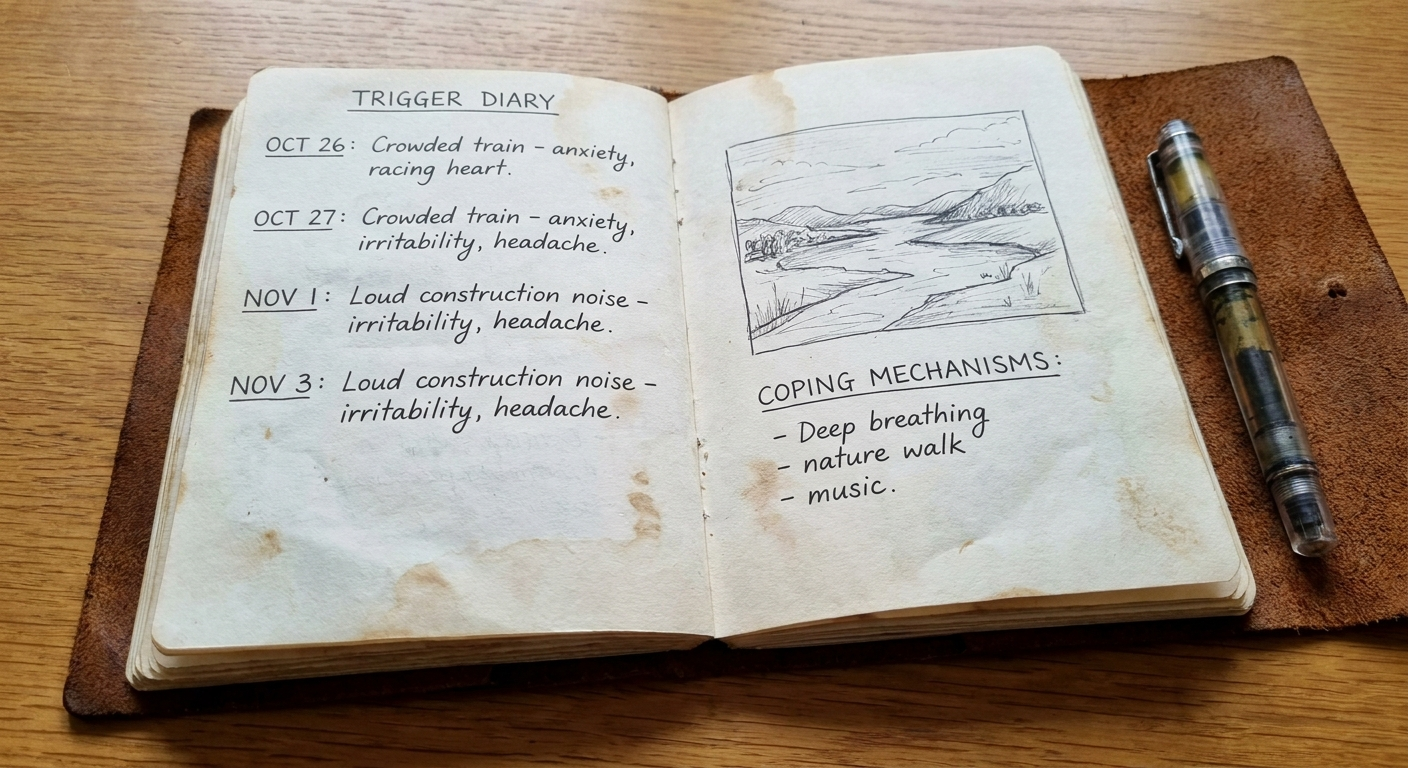
Environmental and Other Triggers: Barometric-pressure shifts, allergies, or concurrent illness can also play a role. Keeping a simple symptom-and-trigger diary helps both patient and clinician identify personal patterns, much like tracking weather and symptoms for migraine.
A simple diary often reveals each person’s unique trigger fingerprint.
How ENT Doctors Diagnose Ménière’s Disease
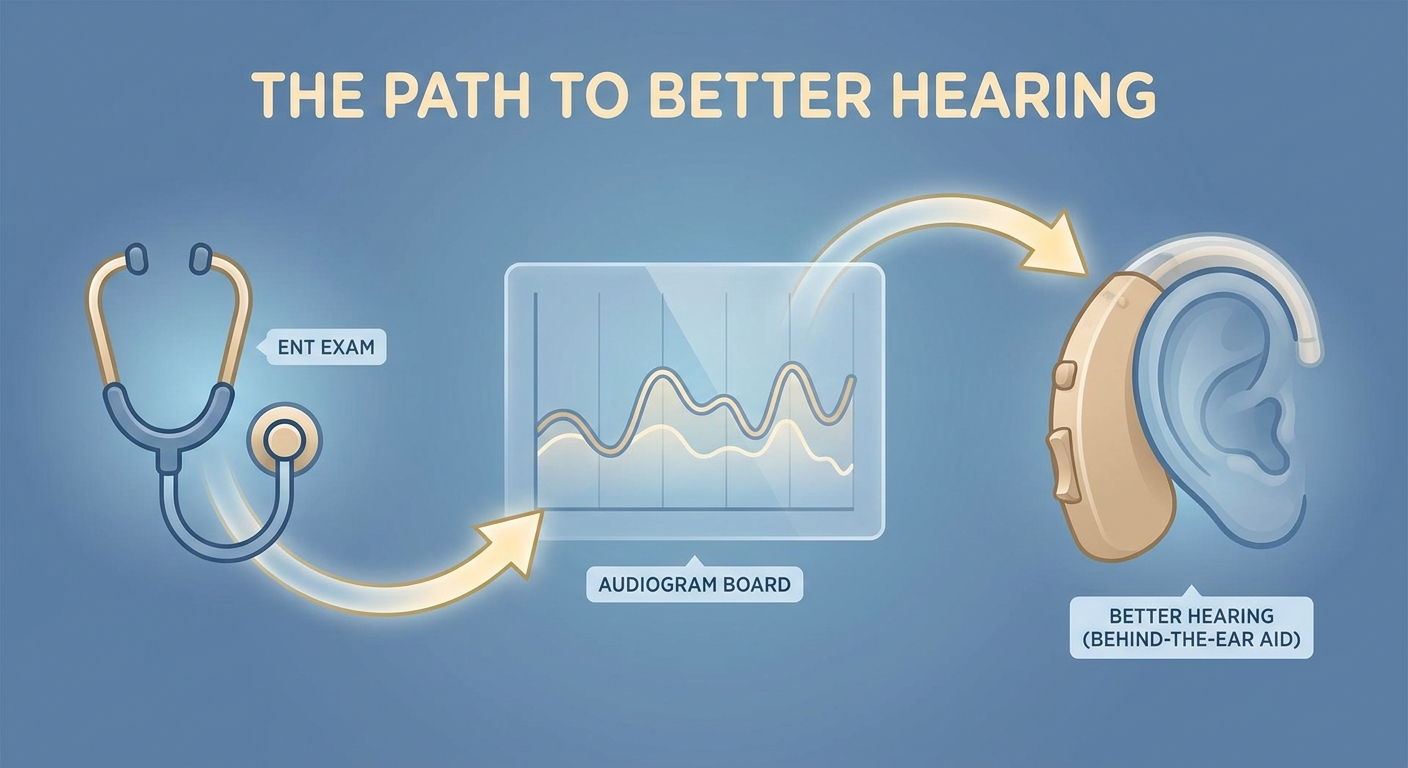
Diagnosis follows the 2020 AAO-HNS guideline: characteristic vertigo episodes plus documented hearing loss on audiometry, after other inner-ear and neurologic conditions have been excluded. An audiogram is essential because it captures the fluctuating low- to mid-frequency pattern that defines the disease. Shared decision-making begins at this visit. The Vestibular Disorders Association offers additional patient-friendly resources. Learn more about what an audiogram involves in our patient’s guide to hearing tests.
An audiogram plus exclusion of other causes remains the diagnostic cornerstone.

ENT Treatment Options: A Staged, Individualized Approach
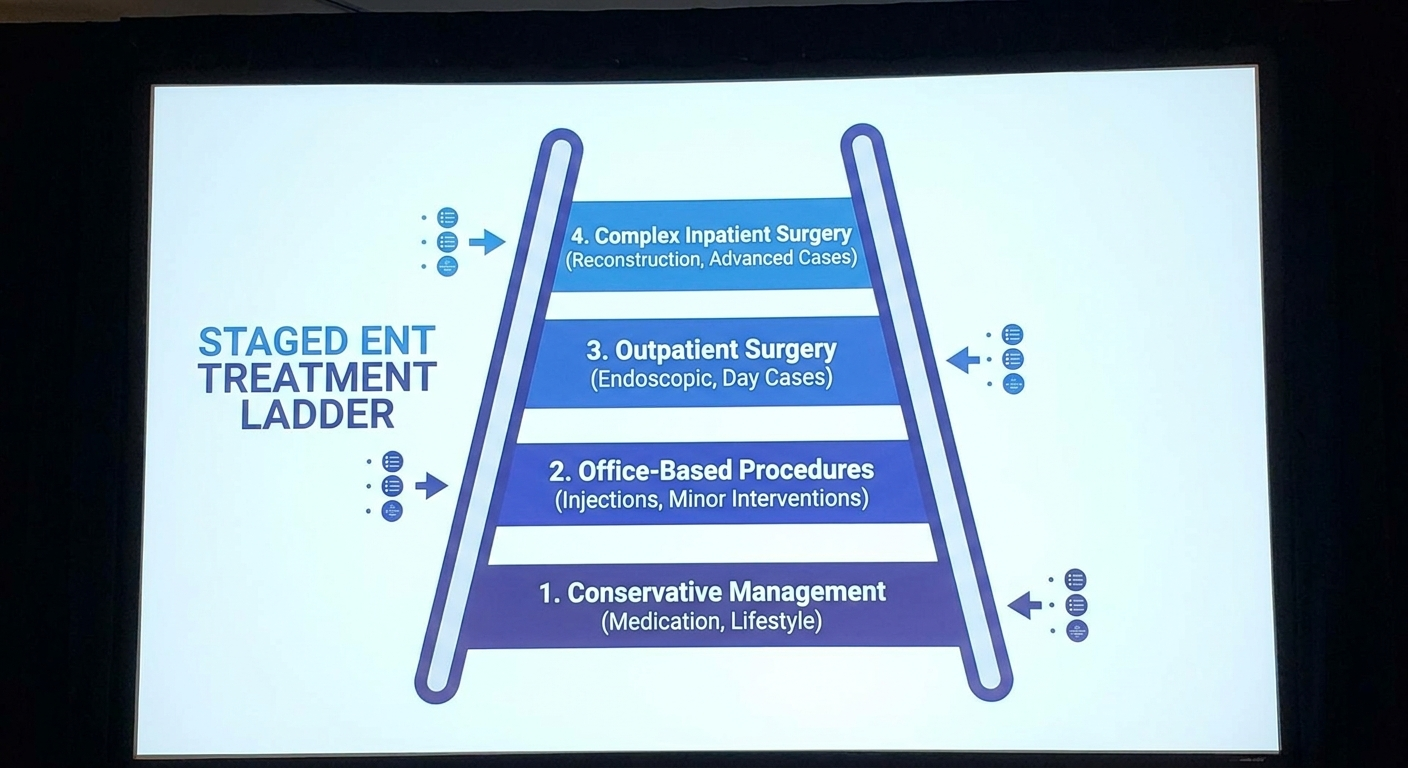
No treatment cures Ménière’s disease. Care therefore proceeds in stages, always weighing vertigo reduction against hearing risks—especially when considering gentamicin. The AAO-HNS 2020 guideline and NIDCD emphasize this stepwise, shared-decision model. One ENT described it as “climbing a ladder: we start at the bottom with the safest rungs and only move higher if needed.”
Acute Attack Management: Short-term vestibular suppressants can ease nausea and spinning; rest and hydration complete the immediate plan. These medicines are not intended for daily, long-term use because they can slow the brain’s natural compensation.
Lifestyle Measures and Maintenance Medications: Individualized counseling on diet, sleep, and stress is first-line. Some patients try diuretics or betahistine for maintenance. Vestibular rehabilitation helps lingering imbalance once the acute spinning has settled, but it is not used during attacks. Those with hearing loss receive counseling about hearing aids and assistive devices.
Intratympanic Injections: When conservative steps fail, steroids delivered through the eardrum are typically tried first. Gentamicin may follow for more stubborn vertigo; it is effective yet carries a meaningful risk of additional hearing loss, so the decision is never taken lightly.
Surgical Options (Last Resort): Procedures such as labyrinthectomy are reserved for persistent, active disease after less-invasive treatments have failed and hearing in the affected ear is already non-usable. Shared decision-making is essential at every step.
Treatment always balances vertigo control against the need to protect remaining hearing.
Lifestyle Tips for Managing Ménière’s Disease Day-to-Day
Identify personal triggers through a diary, practice consistent sleep and stress-reduction techniques, stay well hydrated, and consider moderate salt reduction if it appears helpful. Hearing protection in noisy settings and assistive listening devices can preserve remaining auditory function. Vestibular rehabilitation often improves chronic unsteadiness. Regular follow-up with an ENT allows treatment to be adjusted as the disease evolves. Small, consistent habits—such as a bedtime routine or a quiet evening walk—can make the difference between frequent flares and longer quiet periods.
Small daily habits often produce the longest stretches of quiet.

Frequently Asked Questions About Ménière’s Disease
Is there a cure? No, but staged treatments reduce attack frequency and help protect remaining hearing and balance.
How is it different from BPPV or other vertigo? Ménière’s attacks last hours, not seconds, and are accompanied by hearing changes, tinnitus, and fullness. BPPV is brief and strictly positional.
Will I lose my hearing completely? Not always. Hearing fluctuates and is closely monitored; many people retain usable hearing in at least one ear.
When should I see an ENT? Recurrent spinning vertigo plus hearing fluctuation, tinnitus, or aural fullness warrants prompt evaluation that includes an audiogram.
Can diet alone control it? Some individuals notice improvement with salt or other dietary changes, yet high-quality evidence is limited. Any plan should be personalized with an ENT.
Conclusion
Ménière’s disease is chronic, yet it is treatable with ENT-guided, staged care that aims to reduce vertigo while safeguarding hearing. The 2020 AAO-HNS guideline remains the current standard for diagnosis and management. If you recognize the combination of prolonged spinning attacks, fluctuating hearing, tinnitus, and ear fullness, schedule an evaluation that includes audiometry. Many people achieve meaningful control once an individualized plan is in place. To take the next step, visit our comprehensive otolaryngology care page or request an appointment. Book an appointment today at Sleep and Sinus Centers to begin your personalized evaluation.
This article is for educational purposes only and is not medical advice. Please consult a qualified healthcare provider for diagnosis and treatment.
Don’t let allergies slow you down. Schedule a comprehensive ENT and allergy evaluation at Sleep and Sinus Centers of Georgia. We’re here to find your triggers and guide you toward lasting relief.