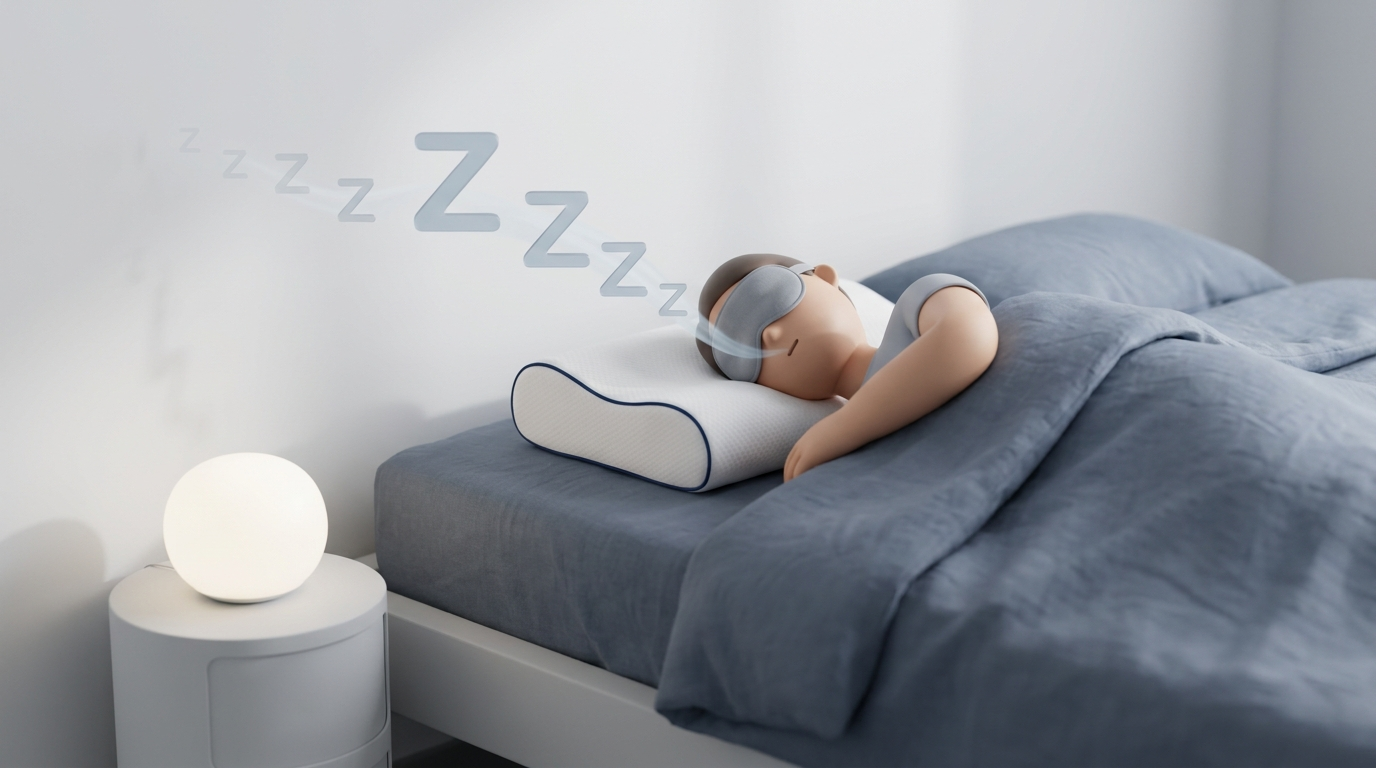
Do Anti-Snoring Pillows Work? Benefits, Effectiveness, and Best Options
Snoring can feel like a simple nuisance—until it disrupts sleep, strains relationships, or raises concerns about sleep apnea. It’s no surprise that many people search for quick fixes, and “anti-snoring pillows” are one of the most common. But do anti-snoring pillows work in real life, or are they mostly marketing?
The short answer is: sometimes. These pillows can be genuinely helpful when snoring is strongly tied to sleep position (especially back-sleeping), but they’re not a universal fix. Comfort, consistency, and the true cause of snoring all matter.
Below is a plain-language guide to how these pillows are designed to help, what research suggests so far, and how to choose a pillow type that matches your snoring pattern.
Quick Answer (TL;DR)
Anti-snoring pillows can help some people, especially when snoring is worse while sleeping on the back (positional snoring). They mainly work by encouraging side-sleeping, elevating the upper body, or improving head/neck alignment. The evidence is promising but limited; much of it examines positional therapy or small pilots rather than large head-to-head trials (see references 1–4 below).
If you’re also working on sleep position, this companion resource may help: https://sleepandsinuscenters.com/blog/best-sleeping-position-for-snoring-mild-apnea
In short, pillows can help when position is the problem—but they’re not a cure-all.
Why Snoring Happens (Patient-Friendly Explanation)
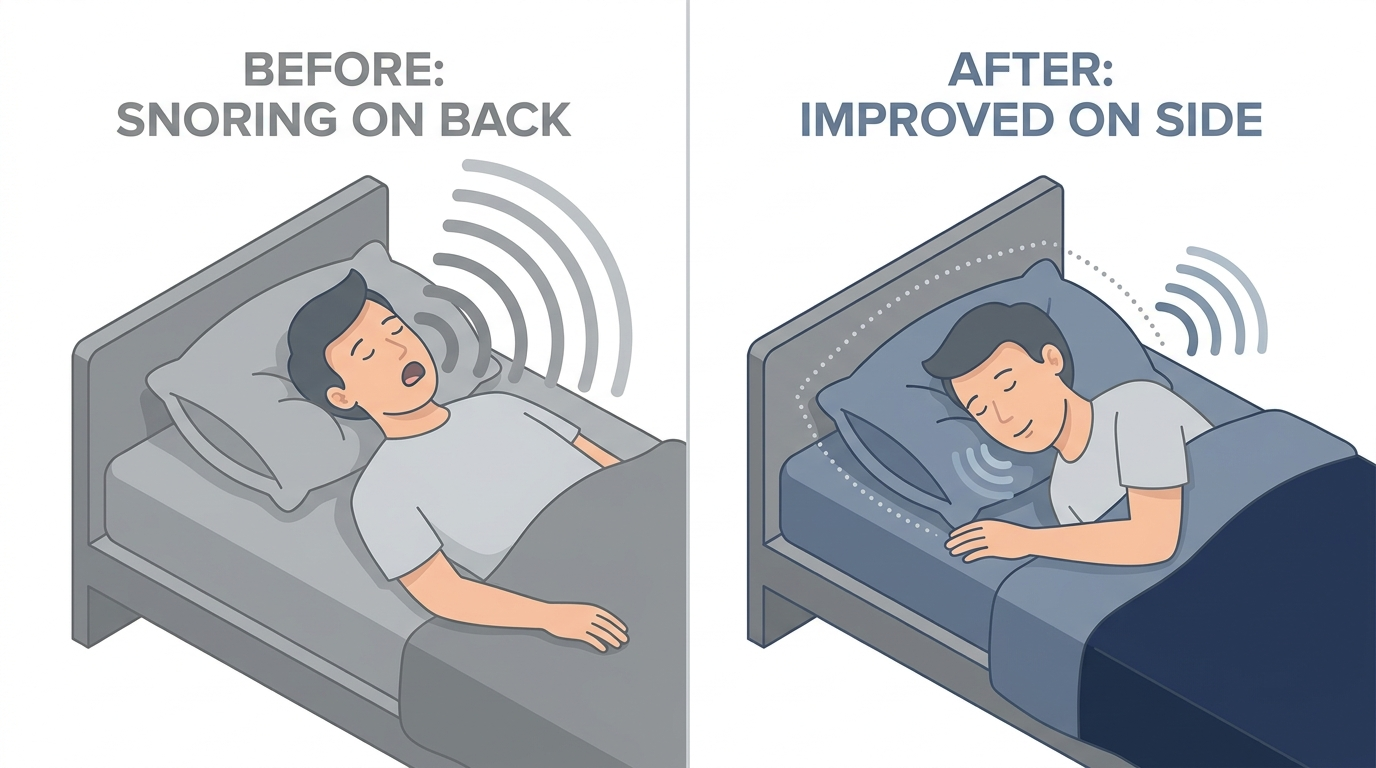
What snoring is (and why position matters): Snoring is the sound made when airflow becomes partially blocked and soft tissues in the throat vibrate. When the airway narrows, airflow becomes turbulent—more vibration, more noise. Back-sleeping can let the tongue and soft palate fall backward and narrow the airway, so many people snore more loudly—or only snore—on their back.
Common causes and contributors: Nasal congestion/allergies or a deviated septum; alcohol or sedatives near bedtime; weight gain or larger neck circumference; sleep position (back vs. side); anatomy (jaw/tongue size, tonsils) and age-related tissue relaxation. Because multiple factors drive snoring, pillow effectiveness varies: a positional pillow can help a “back-only snorer,” but it won’t fix heavy nasal congestion. In short, snoring has multiple causes—so any single tool may help some people but not others.
Symptoms: When Snoring Might Be More Than “Just Snoring”
Typical snoring-related symptoms: Loud or frequent snoring, dry mouth or sore throat on waking, and poor sleep quality—for the snorer and their partner. In everyday life, relationship strain is common; that’s why low-risk options like pillows can be worth a structured trial.
Red flags for obstructive sleep apnea (OSA): Breathing pauses, choking or gasping, morning headaches, significant daytime sleepiness or concentration problems, and high blood pressure or higher cardiovascular risk (see NHS overview, reference 5). If these are present, pillows may not be enough—seek medical evaluation.
In short, loud snoring plus breathing pauses or marked sleepiness deserves medical attention—not just a new pillow.
How Anti-Snoring Pillows Are Supposed to Work
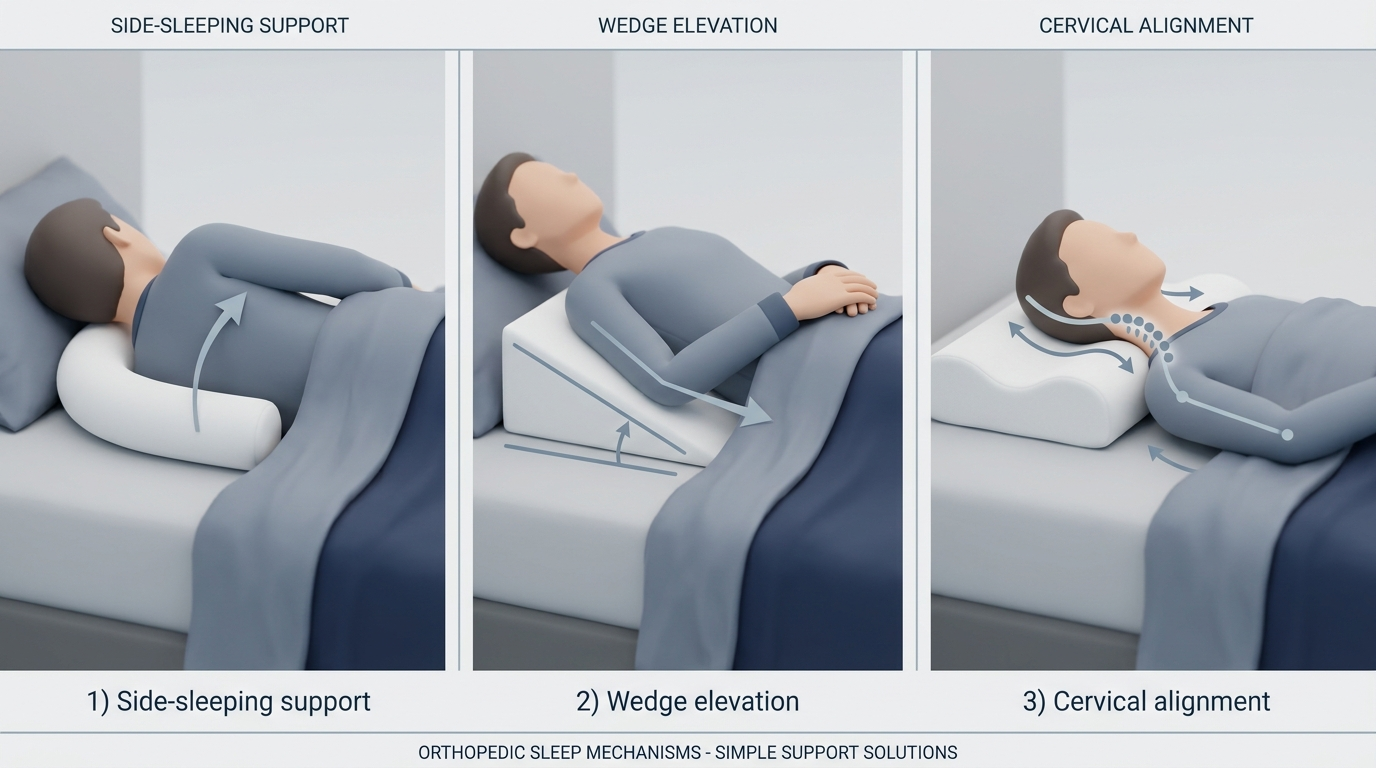
Mechanism 1 — Positional therapy (keeping you off your back): Designs use side bolsters or anti-roll contours to make back-sleeping less likely and side-sleeping more natural. Benefits tend to be strongest in positional snoring.
Mechanism 2 — Upper-body elevation (reducing airway collapse and reflux triggers): A wedge elevates the torso; sleeping less flat may reduce airway narrowing for some sleepers and can feel better if symptoms worsen when flat. (Note: a wedge is not a treatment for GERD or sleep apnea.)
Mechanism 3 — Head/neck alignment (supporting the cervical spine): “Cervical contour” pillows aim for neutral alignment—avoiding excessive chin-down or chin-up. A small pilot explored a specialty alignment-based design (reference 2). Aim for neutral neck position that feels natural for your shoulders and mattress.
In short, most pillows try to help by changing position, elevation, or alignment to keep the airway more open.
What the Research Actually Says About Effectiveness (Evidence Summary)
Positional therapy can reduce snoring for some: A 2015 Scientific Reports study of a head-positioning approach in mild to moderate positional OSA suggested meaningful improvement for some participants (e.g., ≥25% reduction in snoring index in a subset; reference 1). This supports position-focused tools, but results vary by person and method.
Results vary by pillow design—and studies are often small: A 2022 pilot found no snoring during a short 30-minute test using a specialty pillow versus snoring on a standard pillow, but it included only five participants (reference 2). Interesting, not definitive.
Wedges and other designs show mixed results: A literature review reported mixed outcomes, including a small randomized crossover study where foam wedges did not reduce snoring (reference 6).
Comfort and long-term use matter: A Cochrane review on positional interventions for OSA noted mixed outcomes and adherence problems—people often don’t tolerate devices long-term (reference 3). Harvard Health emphasizes trial-and-error and avoiding overblown claims (reference 4).
In short, evidence is limited and mixed: positional concepts can help some people, but comfort and consistency make or break results.
Who Is Most Likely to Benefit From an Anti-Snoring Pillow?
Best candidates: People whose snoring is clearly worse on the back; mild snoring without strong apnea red flags; and those open to a low-risk trial with tracking. Example: “Quiet on your side, loud on your back” suggests a positional pillow fits your pattern.
Less likely to benefit from a pillow alone: Moderate to severe OSA; major nasal blockage or significant structural contributors; or pain/discomfort from specialized shapes. A pillow can still support comfort, but it’s rarely the main solution here.
In short, clear back-only snorers are the best candidates; complex or severe cases usually need broader care.
Common Types and Features of Anti-Snoring Pillows (Options by Need)
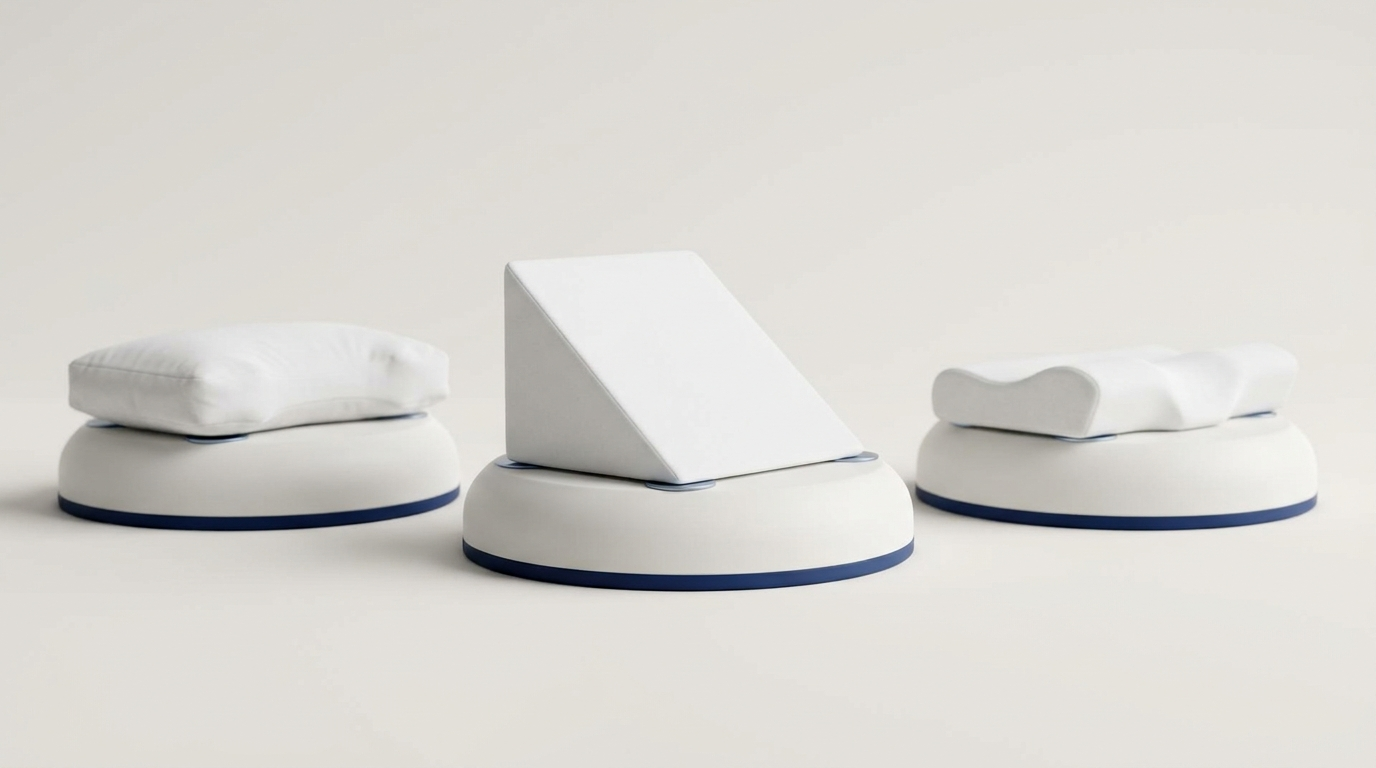
1) Side-sleeper support (anti-roll/bolster): Best for positional snoring. Look for stable side support, washable cover, and a height matched to shoulder width and mattress firmness.
2) Wedge pillows (upper-body elevation): Best if snoring worsens when flat. Seek a gentle incline, non-slip base, breathable cover; watch for sliding or angle discomfort.
3) Cervical contour (neck alignment): Best if neck support and alignment seem relevant. Choose a loft that supports the neck without pushing the chin toward the chest.
4) Combination approaches: Some prefer gentle side support plus modest elevation. The “best” pillow is the one you can use comfortably and consistently. More posture-matching tips: https://sleepandsinuscenters.com/blog/good-pillows-for-snoring-by-sleep-position
In short, match the design to your snoring pattern and body—not a one-size-fits-all label.
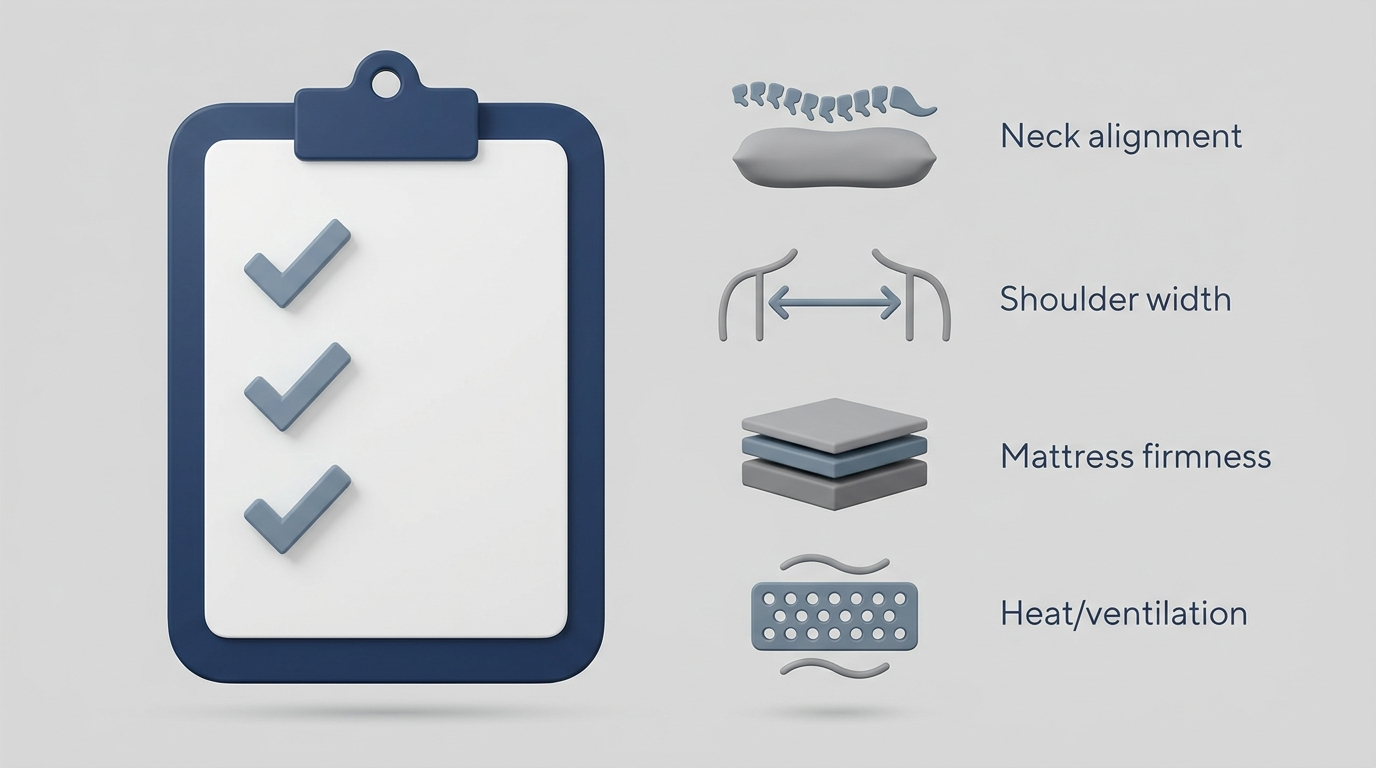
How to Choose the Right Anti-Snoring Pillow (Simple Checklist)
Match pillow type to your snoring pattern: Back-only snoring → prioritize side-sleeping support; snoring when flat or if elevation feels better → consider a wedge. If unsure, note whether snoring reports or app peaks track with back-sleeping.
Fit and comfort: Loft height for neutral neck alignment; shoulder width (critical for side sleepers); mattress firmness (changes how “tall” a pillow feels); heat/ventilation (memory foam can run warmer; latex and some fiberfills may feel cooler). Comfort is a performance factor, not a luxury.
Buying tips: Favor a solid return policy/trial period and consider starting with the least disruptive change (often side-sleep support). In short, match the pillow to your pattern and body, and make sure the return window lets you test it properly.
How to Use an Anti-Snoring Pillow for Best Results (Step-by-Step)
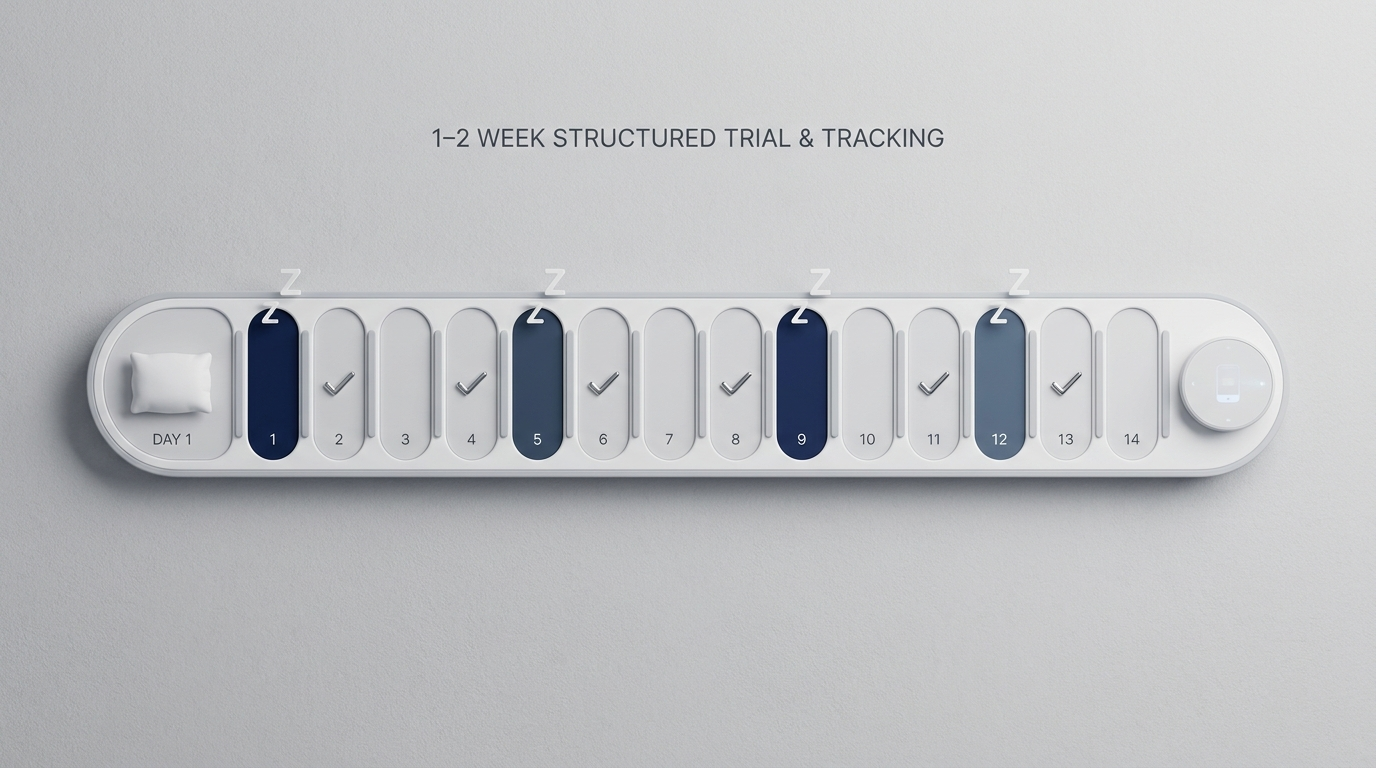
Structure a short trial: Assess results over 7–14 nights while keeping other variables steady (e.g., alcohol near bedtime) to isolate the pillow’s effect. Think of it like changing only one ingredient at a time.
Track whether it’s working: Use partner observations, snoring app trends (imperfect but useful for patterns), and morning refreshment/dry mouth. A simple “win” might be fewer elbow nudges, quieter back-sleep nights, or less throat dryness.
Troubleshooting: Neck pain suggests loft/contour mismatch; sliding on a wedge may improve with friction layers or positioning supports; persistent mouth-breathing may reflect nasal congestion/allergies that need attention. If the pillow is uncomfortable, don’t force it.
In short, give it a fair 1–2 week trial, track simple signals, and stop if discomfort outweighs benefits.
Treatments That Often Work Better (or Work With a Pillow)
Lifestyle: Weight management (when applicable); avoid alcohol/sedatives near bedtime; address nasal congestion/allergies with clinician guidance; add side-sleep training (e.g., body pillow). Many people do best by stacking small improvements—pillow + side-sleep support + better nasal breathing.
Medical and dental options (when appropriate): CPAP/APAP for OSA; oral appliances (mandibular advancement devices) for selected patients (related read: https://sleepandsinuscenters.com/blog/do-night-guards-help-with-snoring); ENT evaluation for structural contributors. Explore care options: https://sleepandsinuscenters.com/snoring-sleep-apnea-treatment/
In short, pillows can be part of a toolkit, but proven OSA therapies and targeted care are often needed for persistent or severe cases.
When to See a Doctor (Don’t “Pillow” Your Way Past Sleep Apnea)
Seek medical evaluation if you have breathing pauses, choking/gasping, marked daytime sleepiness, or high blood pressure/cardiovascular risk with loud snoring (see NHS, reference 5). Pillows are not a substitute for diagnosis.
What an evaluation may include: Symptom screening, home sleep test or lab study, and a plan that may include positional therapy, CPAP, oral appliances, and addressing nasal/airway factors. To explore care with Sleep and Sinus Centers of Georgia: https://www.sleepandsinuscenters.com/
FAQs
Q: Do anti-snoring pillows work for sleep apnea? A: They may help positional OSA in some cases, but they’re generally less effective than CPAP at reducing breathing interruptions (reference 3). Treat them as supportive tools, not replacements for evaluation and proven therapy.
Q: How long does it take to see results? A: Position-related changes may show within a few nights, but comfort and consistency usually take 1–2 weeks to judge fairly.
Q: What’s the best pillow height to stop snoring? A: There isn’t one. Aim for neutral neck alignment that keeps the airway as open as possible without forcing the chin downward.
Q: Are wedge pillows better than side-sleeper pillows? A: It depends on the driver. Wedges target “too flat” issues; side-sleeper designs target back-sleeping and positional snoring.
Q: Are “anti-snoring products” generally reliable? A: Claims vary widely. Evidence is mixed and product-specific; many products work best as a structured trial, not a guarantee (reference 4).
Conclusion + Clear Next Step
So, do anti-snoring pillows work? They can—especially for positional snoring—and they’re generally low risk to try. The biggest predictors of success are whether back-sleeping is the main trigger and whether the pillow is comfortable enough to use consistently.
If snoring is loud and persistent—or linked with breathing pauses, choking/gasping, or significant daytime sleepiness—consider scheduling an evaluation rather than trying to solve it with pillows alone. Learn about personalized options: https://www.sleepandsinuscenters.com/
Medical Disclaimer
This article is for educational purposes only and is not medical advice. It is not a substitute for professional medical advice, diagnosis, or treatment. Please consult a qualified healthcare provider for diagnosis and treatment. If you suspect sleep apnea or have concerning symptoms, seek evaluation from a qualified clinician.
References
1) Scientific Reports (2015). “Treatment of snoring with positional therapy…” https://www.nature.com/articles/srep18188
2) Ahn et al. (2022). “Development and Evaluation of a Pillow to Prevent Snoring…” https://pmc.ncbi.nlm.nih.gov/articles/PMC9402368/
3) Cochrane (2019). “Positional interventions for obstructive sleep apnoea.” https://www.cochrane.org/evidence/CD010990_are-interventions-keep-people-sleeping-their-side-best-way-treat-obstructive-sleep-apnoea
4) Harvard Health (2025). “Do products that claim to stop snoring actually work?” https://www.health.harvard.edu/healthy-aging-and-longevity/do-products-that-claim-to-stop-snoring-actually-work
5) NHS. “Sleep apnoea.” https://www.nhs.uk/conditions/sleep-apnoea/
6) Literature review (positional/support approaches; mixed outcomes including wedge data). https://pmc.ncbi.nlm.nih.gov/articles/PMC3575552/
Don’t let allergies slow you down. Schedule a comprehensive ENT and allergy evaluation at Sleep and Sinus Centers of Georgia. We’re here to find your triggers and guide you toward lasting relief.