Sleep Apnea in Children with Down Syndrome: Symptoms, Diagnosis, and Treatment
Introduction — Why sleep apnea is so common in Down syndrome
Obstructive sleep apnea (OSA) happens when a child’s breathing partly or fully blocks repeatedly during sleep. These brief blockages can fragment sleep and sometimes lower oxygen levels.
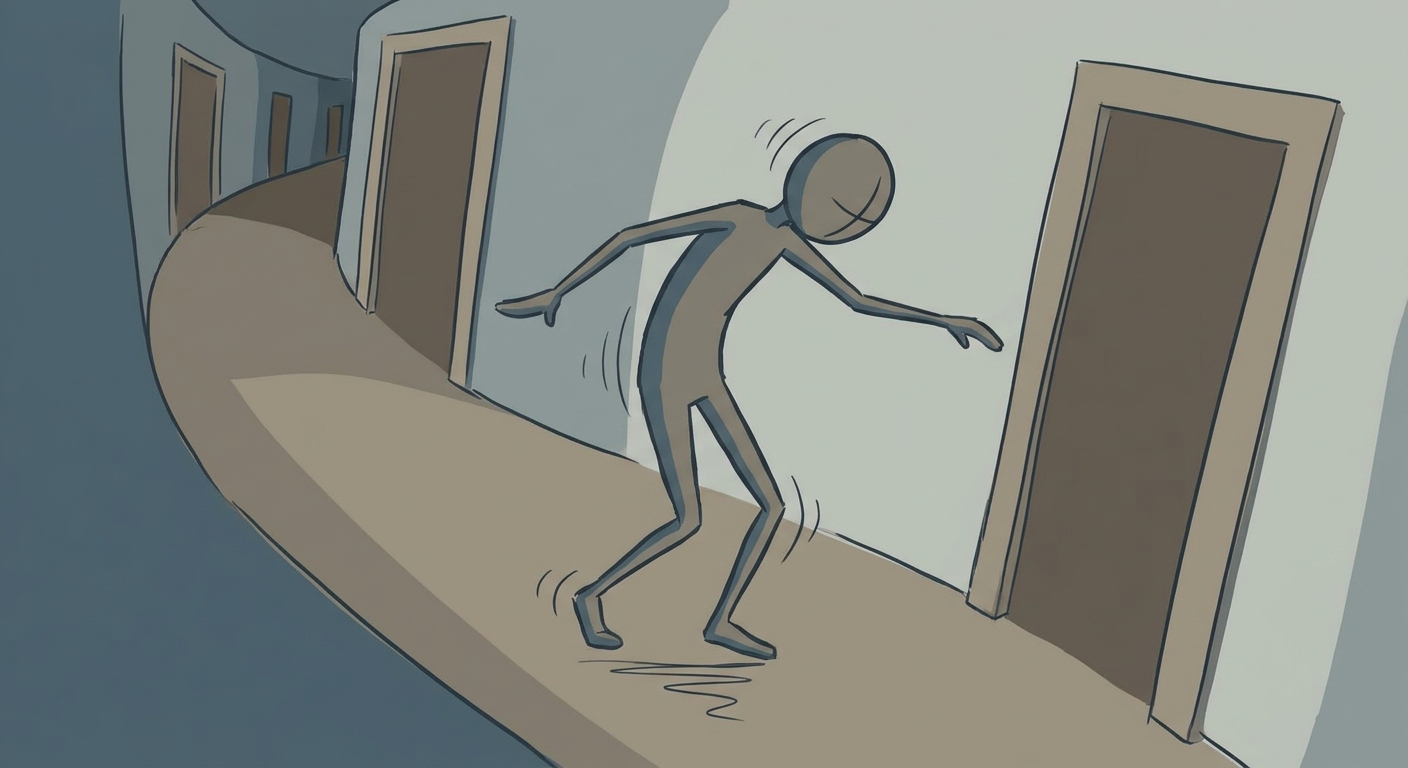
For families, one of the most important (and surprising) facts is this: sleep apnea in children with Down syndrome is common even when classic symptoms—like loud snoring—aren’t present. In other words, a child can look like a “quiet sleeper,” yet still experience significant breathing interruptions overnight.
Published estimates vary widely. Many studies report roughly 30%–60% of children with Down syndrome have OSA, and rates can be higher in polysomnography-based samples; one meta-analysis reported rates around 66%–76%. (Lee et al., 2018)
Source: https://pmc.ncbi.nlm.nih.gov/articles/PMC4763351/
Bottom line: OSA is common in Down syndrome—even without snoring—so proactive screening matters.
Key takeaways (for busy parents/caregivers)
- OSA is very common in children with Down syndrome.
- Symptoms alone aren’t reliable—some children have significant OSA without obvious snoring.
- Per AAP 2011 guidance, an overnight sleep study by age 4 is recommended for all children with Down syndrome, with or without symptoms; earlier evaluation is appropriate if concerns arise. (AAP, 2011)
- Adenotonsillectomy can help, but residual OSA after adenotonsillectomy is frequent, so follow-up testing matters. (Knollman et al., 2019; Senthilvel et al., 2024)
What is obstructive sleep apnea (OSA) in children?
Simple definition (no jargon)
Pediatric obstructive sleep apnea means a child’s airflow gets blocked during sleep, either partially or completely, over and over. The body may briefly “wake up” just enough to reopen the airway—often without the child fully waking.
A helpful way to picture it: imagine sleep as a smooth “charging cycle.” With OSA, the airway keeps pinching closed like a kink in a garden hose, forcing the body to keep restarting breathing. Even if your child doesn’t fully wake up, the brain is doing extra work all night.
Why it matters in daily life
Because sleep can become fragmented and less restorative, OSA may affect:
- Attention, learning, and school performance
- Mood and behavior
- Energy level and daytime functioning
- Growth and overall health
In children with Down syndrome, early identification is especially important because sleep quality can support day-to-day development and steadier school and family routines.
Bottom line: Better sleep supports learning, behavior, and overall health—making early identification worthwhile.
Why children with Down syndrome are at higher risk (causes + anatomy)
Airway and facial structure factors
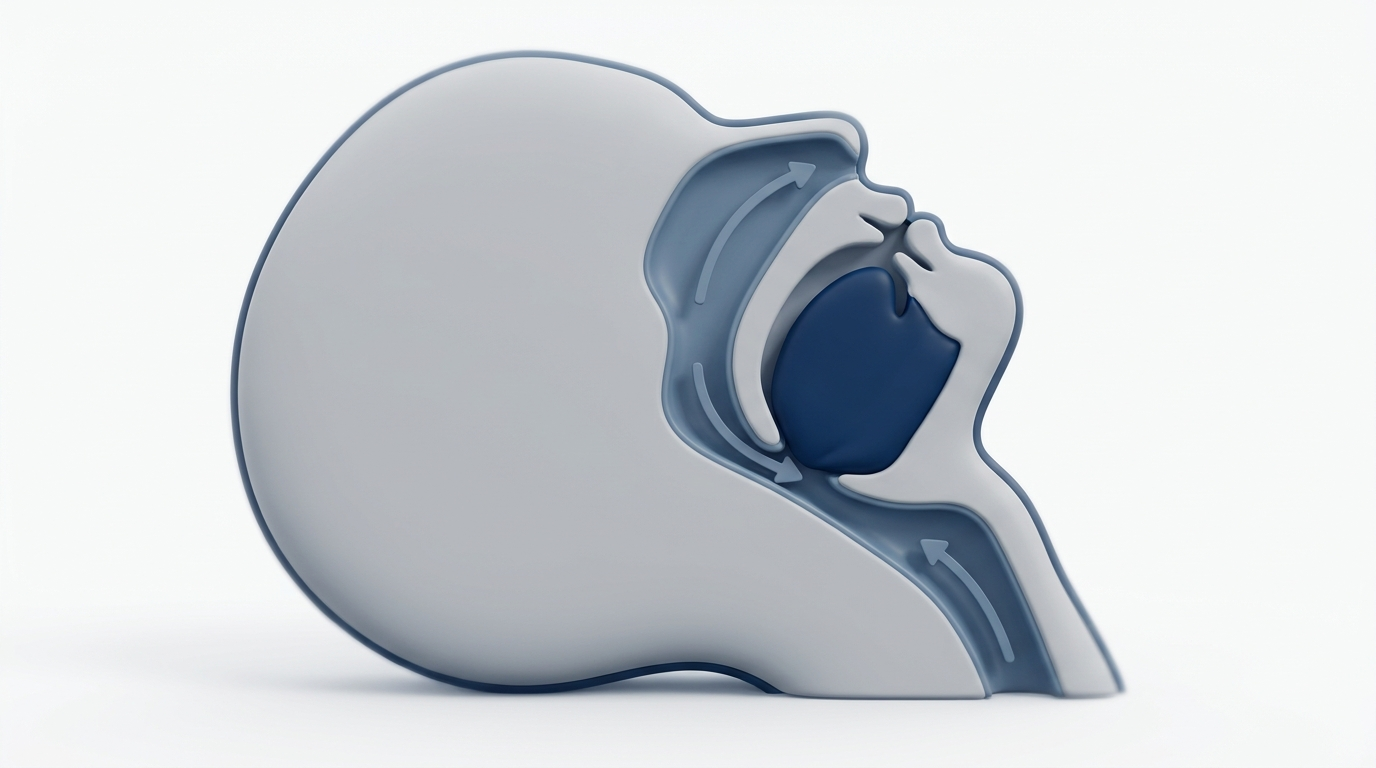
Several common features can narrow the airway or make obstruction more likely, including:
- Midface and mandibular hypoplasia (smaller midface/jaw)
- A relatively narrow airway
- Macroglossia (a tongue that is larger relative to the mouth space)
- Adenotonsillar enlargement (enlarged tonsils and/or adenoids)
These factors are widely discussed in Down syndrome OSA treatment considerations. (Gastelum et al., 2021)
Source: https://pmc.ncbi.nlm.nih.gov/articles/PMC8619133/
Muscle tone and breathing mechanics
Hypotonia (low muscle tone) is common in Down syndrome and can make the airway more likely to collapse during sleep—especially in deeper sleep stages. (Gastelum et al., 2021)
Source: https://pmc.ncbi.nlm.nih.gov/articles/PMC8619133/
A clinician might describe it this way: “During sleep, the muscles that help keep the airway open relax. If baseline tone is already low, the airway can be more vulnerable to collapse.” (This is a general explanation, not individual medical advice.)
Weight and inflammation contributors
Over time, excess weight can further narrow the airway and increase OSA risk. Some children also have nasal congestion or allergies, which can contribute to mouth breathing and make sleep breathing feel more difficult. (These vary by child and should be assessed individually.)
Bottom line: Anatomy, muscle tone, and congestion can add up—raising the chance of OSA in Down syndrome.
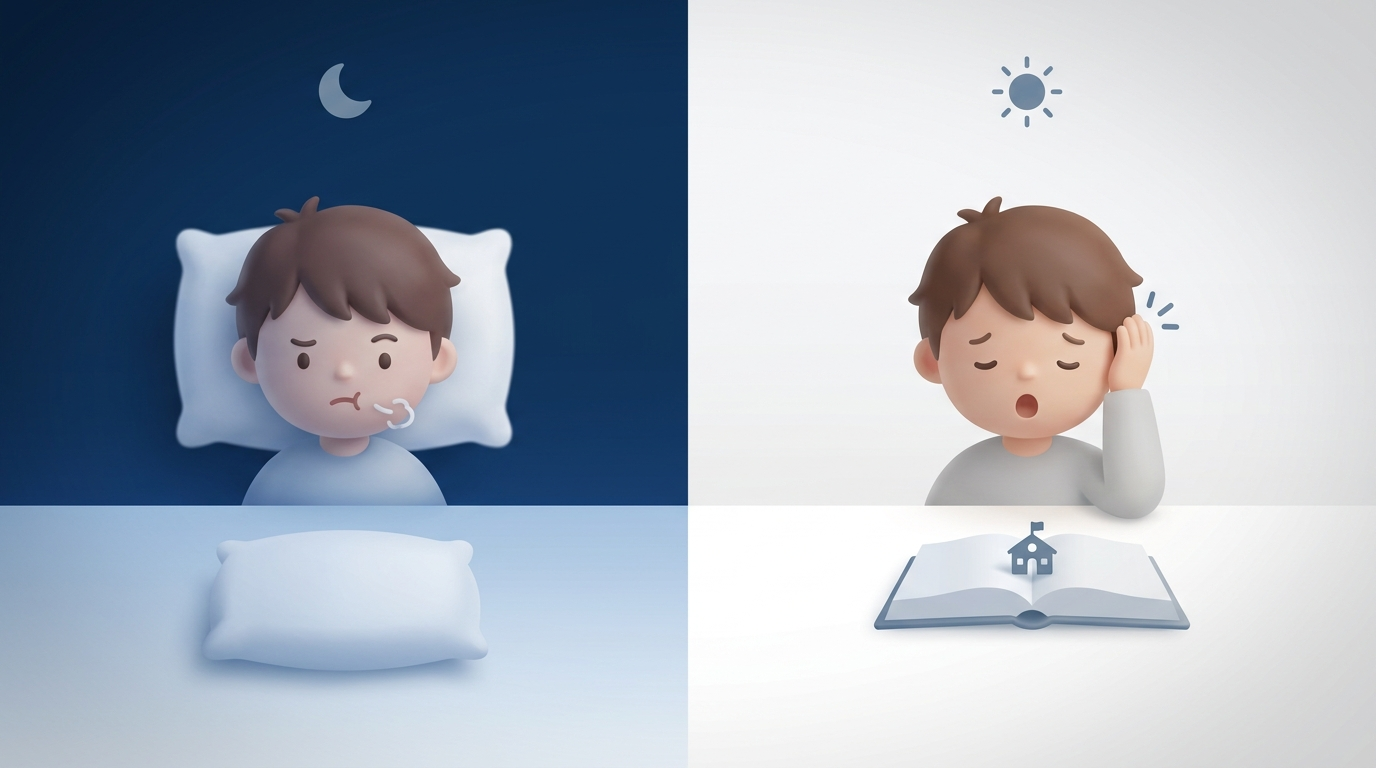
Symptoms of sleep apnea in children with Down syndrome (what parents may notice)
Symptoms can look different from the “stereotypical” snoring picture, which is why sleep apnea in children with Down syndrome can be overlooked.
Nighttime symptoms
- Snoring (sometimes mild—or absent)
- Mouth breathing
- Restless sleep or unusual sleep positions (for example, neck extended)
- Pauses in breathing, choking sounds, or gasping (not always witnessed)
- Night sweats
A concrete example: some families report a child who sleeps with the head tipped back or frequently changes positions—almost like they’re “searching” for a way to breathe more comfortably.
Daytime symptoms
- Morning headaches
- Irritability, hyperactivity, or noticeable behavior changes
- Excessive sleepiness or seeming “always tired”
- Difficulty focusing/learning or a sense of stalled progress/regression in skills
Because these daytime signs can overlap with many common childhood challenges, they’re easy to chalk up to temperament, busy schedules, or “just a rough phase”—which is one reason objective testing matters.
“Silent OSA” — when there are no obvious symptoms
A key finding from real-world screening research is that caregiver reports may miss many children with OSA. In one screening/adherence study focused on guideline-based polysomnography in Down syndrome, 53.8% of children with no reported OSA history were still diagnosed with OSA, and severe OSA occurred even in children described as asymptomatic. (Knollman et al., 2019)
Source: https://pmc.ncbi.nlm.nih.gov/articles/PMC10132213/
Bottom line: Lack of snoring or “quiet sleep” doesn’t rule out OSA—testing finds what symptoms can miss.
When to suspect OSA vs “normal sleep issues”
Signs that deserve a conversation with your pediatrician/ENT
Consider discussing a Down syndrome sleep study (or re-evaluation) if you’re noticing:
- Persistent mouth breathing
- Worsening behavior, attention, or emotional regulation
- Growth concerns
- Chronic nasal obstruction/congestion
- Frequent awakenings or very restless sleep
If you’re unsure what “counts,” a practical rule is: if sleep seems to be affecting daytime life (school, therapies, mood, or safety), it’s worth raising with the care team.
When to seek urgent evaluation (red flags)
Seek prompt medical evaluation if a child has:
- Repeated nighttime choking/gasping episodes
- Blue lips/skin or significant breathing difficulty
- Daytime sleepiness that affects safety (for example, falling asleep in risky situations)
If severe breathing difficulty or blue discoloration occurs, call emergency services or go to urgent care/emergency department. (This is educational information, not individualized medical advice.)
Bottom line: If sleep problems are spilling into daytime life—or breathing looks unsafe—talk to a clinician promptly.
Diagnosis — Why a sleep study is recommended even without snoring
The AAP guideline for Down syndrome (sleep study by age 4)
The American Academy of Pediatrics (AAP) 2011 health-supervision guideline recommends that children with Down syndrome have an overnight polysomnogram by age 4—whether or not symptoms are present. Earlier evaluation is appropriate if symptoms or concerns arise, and your child’s care team may follow updated local or specialty guidance. (AAP, 2011)
Source: https://publications.aap.org/pediatrics/article/128/2/393/30609/Health-Supervision-for-Children-With-Down-Syndrome
What is an overnight polysomnogram (PSG)?
A PSG is an overnight test that tracks things like:
- Breathing effort and airflow
- Oxygen levels (and sometimes carbon dioxide)
- Heart rate
- Brain waves/sleep stages
- Body position and movement
Because it measures breathing and sleep directly, PSG is considered the gold standard for diagnosing pediatric obstructive sleep apnea.
To learn more, see what to expect during a sleep study: https://sleepandsinuscenters.com/blog/sleep-study-test-what-to-expect-results-and-benefits
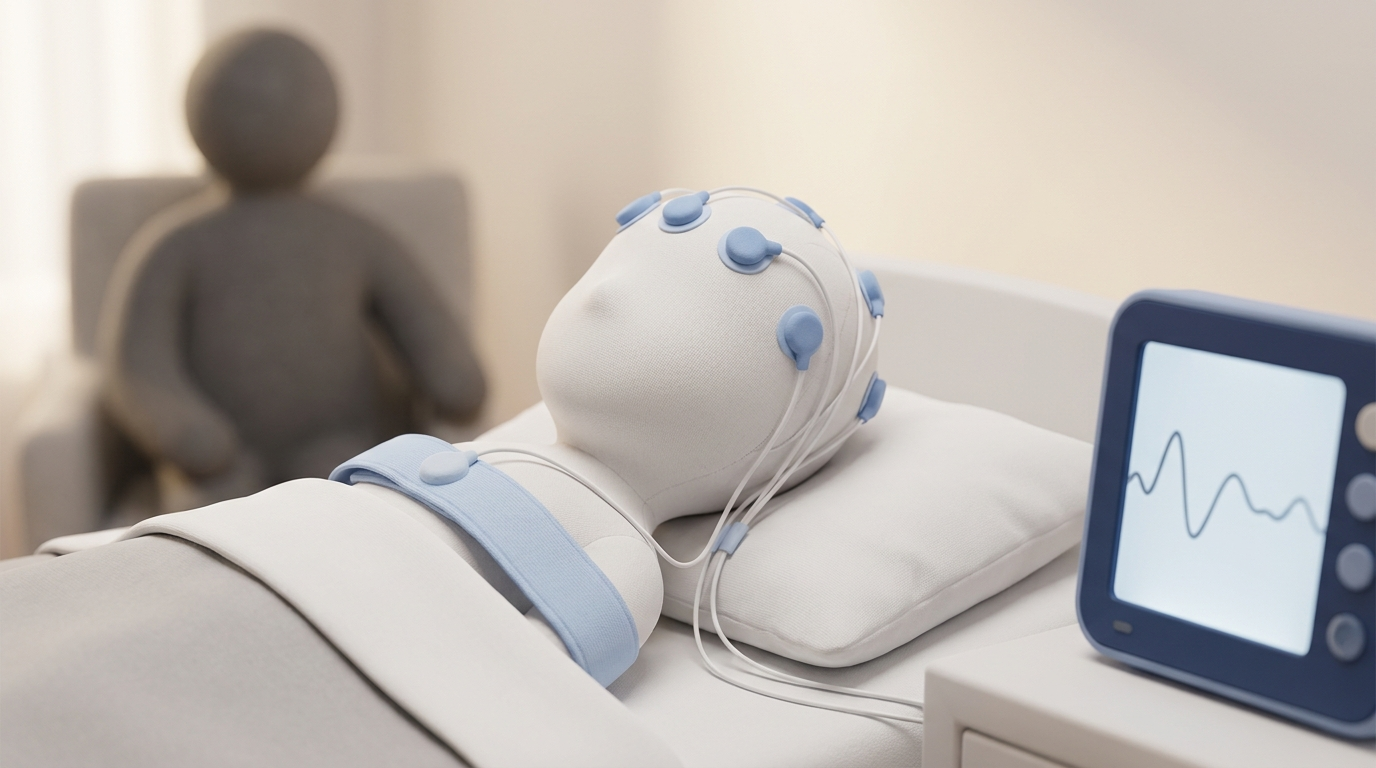
What to expect during the sleep study (caregiver-friendly walkthrough)
- Evening arrival and check-in
- Gentle placement of sensors (stickers and soft belts)
- A parent/caregiver typically stays overnight
- Morning wrap-up and removal of sensors
Many parents find it helps to tell their child the sensors are “sleep stickers” that help the team understand breathing—simple, reassuring language can reduce bedtime anxiety.
Understanding “severity” (AHI in kids—brief and simple)
Sleep study reports often include an AHI (apnea-hypopnea index), which reflects how often breathing events occur per hour of sleep. Pediatric cutoffs differ from adult cutoffs, so it’s useful to review results with a clinician who treats children.
Related reading: AHI score explained: https://sleepandsinuscenters.com/blog/ahi-score-explained-understanding-your-sleep-apnea-severity
Bottom line: A PSG provides clear answers about breathing during sleep—guiding the right next steps.
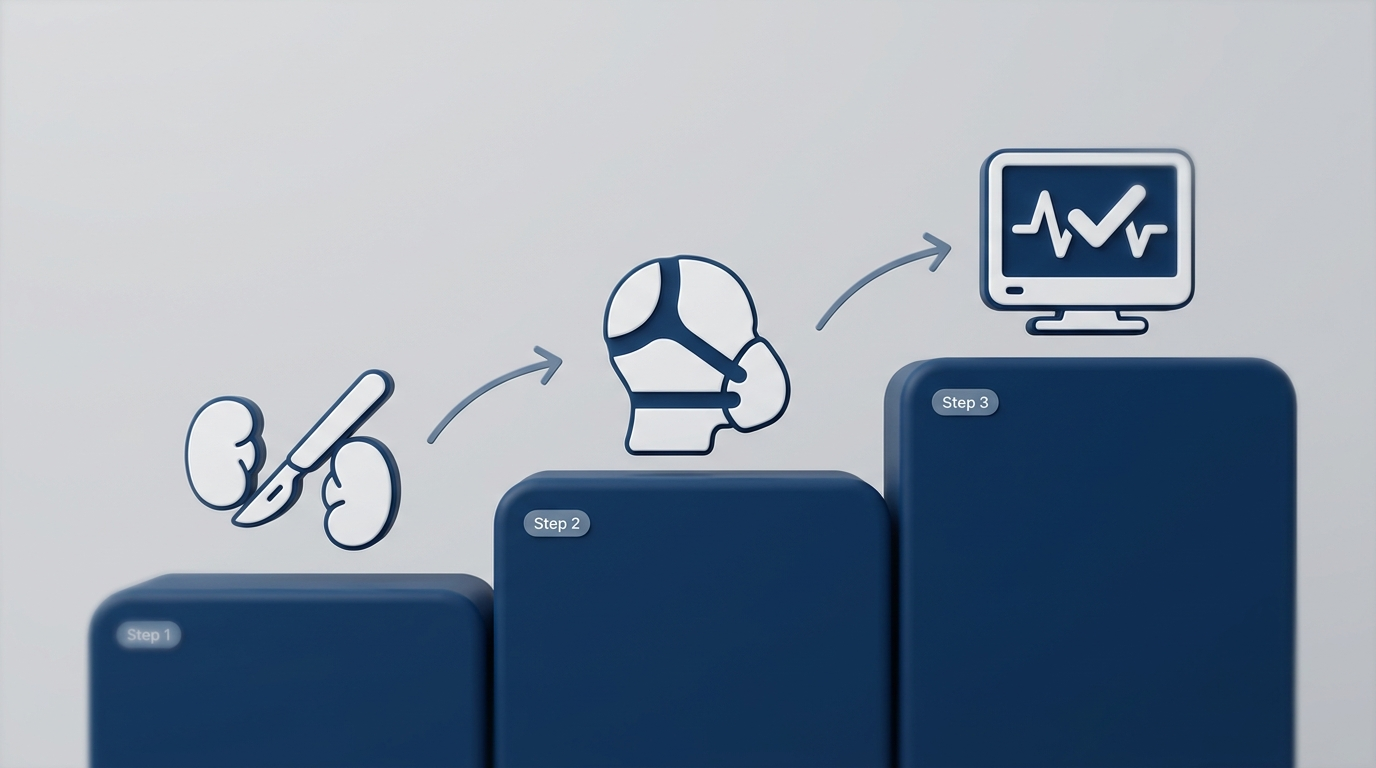
Treatment options for sleep apnea in children with Down syndrome
Only a qualified clinician can recommend what’s appropriate for your child. Treatment is individualized based on anatomy, sleep study results, and your child’s needs. Many families benefit from a team approach (often involving pediatric care, ENT evaluation, and sleep medicine). For an overview of pathways and sleep apnea treatment options, visit: https://sleepandsinuscenters.com/snoring-sleep-apnea-treatment
Step 1 for many children: Adenoidectomy/tonsillectomy (adenotonsillectomy)
If enlarged tonsils/adenoids are contributing to blockage, adenotonsillectomy is commonly considered a first-line option. When it helps, families may notice improvements like easier breathing, less restlessness, and a child who seems more refreshed in the morning.
Important: surgery often does not fully cure OSA in Down syndrome
Even when surgery improves airflow, residual OSA after adenotonsillectomy is common in Down syndrome. In a 2024 study, 54.2% of children still had moderate-to-severe OSA after adenotonsillectomy—illustrating why residual disease is common and follow-up testing matters. (Senthilvel et al., 2024)
Source: https://pubmed.ncbi.nlm.nih.gov/38896208/
CPAP (continuous positive airway pressure)
CPAP for children may be recommended when:
- OSA persists after surgery
- Surgery isn’t appropriate
- The sleep study shows ongoing moderate-to-severe OSA
Practical factors that often improve success include:
- Careful mask fitting
- Gradual desensitization (practicing with the mask while awake)
- Considering humidification if dryness is an issue
Down syndrome-specific treatment considerations are discussed in the literature. (Gastelum et al., 2021)
Source: https://pmc.ncbi.nlm.nih.gov/articles/PMC8619133/
Additional airway evaluation and treatments (when OSA persists)
When OSA continues, next steps may include a repeat ENT evaluation and a more targeted airway assessment to identify other areas of obstruction. Additional procedures may be considered in select cases, depending on what’s found.
Medical/supportive treatments that may help (adjuncts)
Some supportive steps can complement primary OSA treatment:
- Addressing nasal congestion/allergies when relevant
- Healthy weight support when appropriate and guided by the child’s care team
- Consistent sleep routines and sleep-friendly habits
For an overview of care pathways and treatment options, explore resources from Sleep and Sinus Centers of Georgia: https://sleepandsinuscenters.com/snoring-sleep-apnea-treatment
Bottom line: Treatment is stepwise and personalized—often starting with tonsils/adenoids and expanding to CPAP or other options as needed.
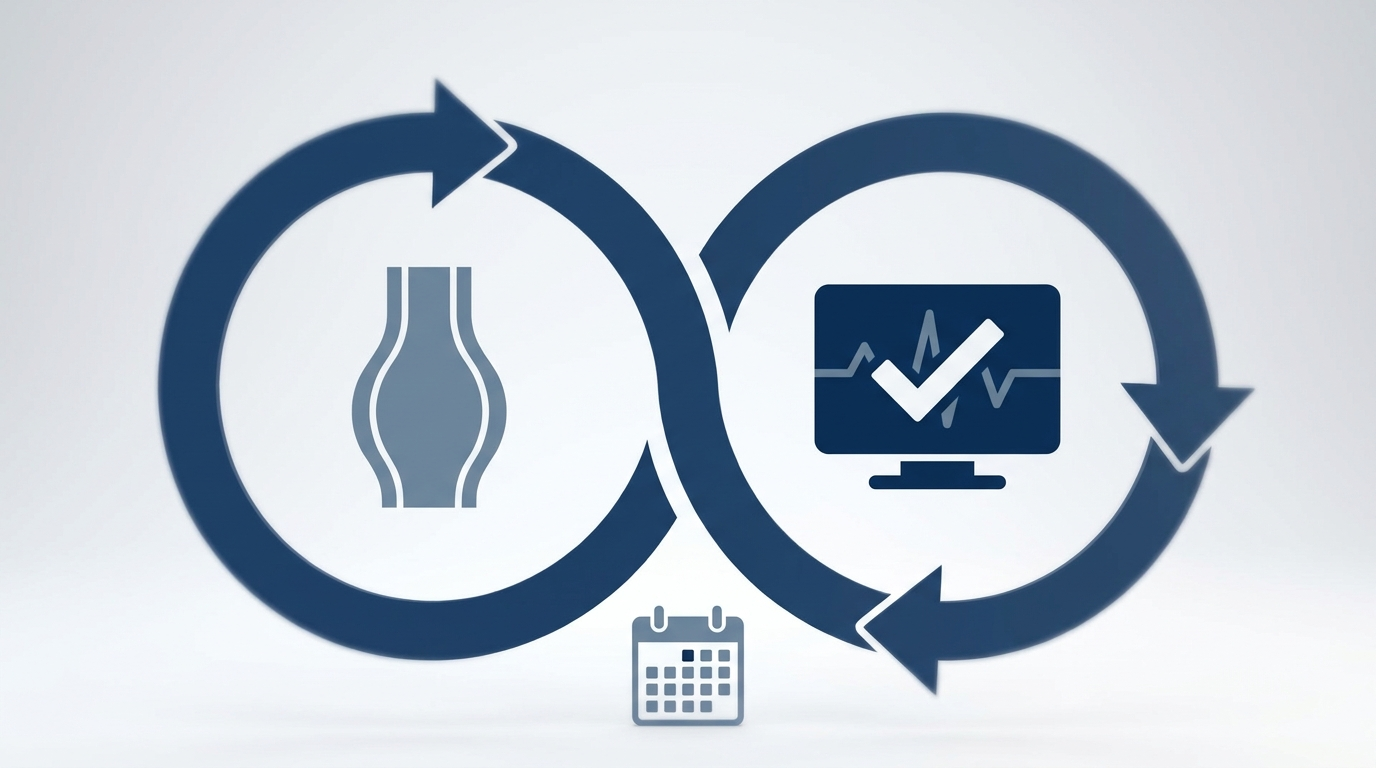
Follow-up care — “Treat, then test again”
Why repeat sleep testing is often necessary
After treatment, symptoms may improve even if OSA remains. Because residual disease is common and symptom reports can be unreliable, repeat testing is often needed to confirm that breathing has truly improved. (Knollman et al., 2019; Gastelum et al., 2021)
Knollman: https://pmc.ncbi.nlm.nih.gov/articles/PMC10132213/
Gastelum: https://pmc.ncbi.nlm.nih.gov/articles/PMC8619133/
More on timing: When to repeat a sleep study: https://sleepandsinuscenters.com/blog/when-to-repeat-a-sleep-study-key-signs-and-timing-explained
What families should track at home between visits
To support follow-up discussions, it can help to observe:
- Sleep quality (restlessness, mouth breathing, sweating)
- Daytime behavior, focus, and energy
- If using CPAP: comfort, tolerance, and any barriers to use
A simple note in your phone—“better/worse/same” each week—can help you spot patterns and communicate changes clearly at appointments.
Bottom line: Improvement is great—confirmation with a repeat study is how you know treatment worked.
Lifestyle tips to support better sleep (not a substitute for treatment)
Bedroom and routine basics
- Keep a consistent bedtime and wake time
- Reduce screens close to bedtime
- Use a calm wind-down routine (bath, story, dim lights)
Breathing comfort tips (ask your clinician first)
- Saline sprays/rinses if recommended
- Humidifier use during dry seasons
- Positioning guidance if advised (helpful for comfort, but not a cure)
These steps support comfort and routines but do not replace medical evaluation or treatment for OSA.
Bottom line: Good sleep habits help—medical care treats the airway problem.
FAQs
Does every child with Down syndrome need a sleep study?
Per AAP 2011 guidance, an overnight polysomnogram by age 4 is recommended for all children with Down syndrome, whether or not symptoms are present. Discuss timing with your child’s clinician, especially if symptoms appear before age 4. (AAP, 2011)
Source: https://publications.aap.org/pediatrics/article/128/2/393/30609/Health-Supervision-for-Children-With-Down-Syndrome
My child doesn’t snore. Could it still be sleep apnea?
Yes. Research shows symptoms and caregiver reports may miss OSA, and severe OSA can occur without obvious symptoms. (Knollman et al., 2019)
Source: https://pmc.ncbi.nlm.nih.gov/articles/PMC10132213/
Will removing tonsils and adenoids cure it?
It can help, but residual OSA is common in Down syndrome, so follow-up PSG is often important. (Senthilvel et al., 2024; Gastelum et al., 2021)
Senthilvel: https://pubmed.ncbi.nlm.nih.gov/38896208/
Gastelum: https://pmc.ncbi.nlm.nih.gov/articles/PMC8619133/
What if my child can’t tolerate CPAP?
Many families do better with mask refitting, gradual acclimation, and comfort adjustments like humidification. If CPAP remains difficult, it’s worth re-checking the treatment plan with the child’s sleep/ENT team to discuss alternatives and next steps.
What happens if OSA goes untreated?
Untreated pediatric obstructive sleep apnea can affect sleep quality and, in turn, daytime functioning (attention, mood, behavior) and overall health—one reason screening and follow-up are emphasized in guidelines and Down syndrome-focused care.
Conclusion + Call to action
Because sleep apnea in children with Down syndrome is so common—and can be present even without snoring—screening and follow-up testing are essential parts of care. The encouraging news is that effective treatments exist, often starting with evaluation of tonsils/adenoids and expanding to CPAP or other options when needed.
If your child has Down syndrome and hasn’t had a sleep study yet (or symptoms have changed since the last evaluation), start with a conversation with your pediatrician and consider a referral to a sleep/ENT specialist. To schedule an evaluation or learn more about testing and next steps, you can book an appointment with Sleep and Sinus Centers of Georgia here: https://www.sleepandsinuscenters.com/
Bottom line: Proactive screening and follow-up help children breathe—and thrive—during sleep.
References
- American Academy of Pediatrics. Health Supervision for Children With Down Syndrome (2011). https://publications.aap.org/pediatrics/article/128/2/393/30609/Health-Supervision-for-Children-With-Down-Syndrome
- Knollman et al. Adherence to Guidelines for Screening Polysomnography in Children with Down Syndrome (2019). https://pmc.ncbi.nlm.nih.gov/articles/PMC10132213/
- Lee et al. Prevalence of Obstructive Sleep Apnea in Children with Down Syndrome: A Meta-analysis (2018). https://pmc.ncbi.nlm.nih.gov/articles/PMC4763351/
- Gastelum et al. Treatment Considerations for Obstructive Sleep Apnea in Pediatric Down Syndrome (2021). https://pmc.ncbi.nlm.nih.gov/articles/PMC8619133/
- Senthilvel et al. Adenotonsillectomy Outcomes in Children with Down Syndrome and Obstructive Sleep Apnea (2024). https://pubmed.ncbi.nlm.nih.gov/38896208/
Disclaimer
This article is for educational purposes only and is not medical advice. Please consult a qualified healthcare provider for diagnosis and treatment.
Don’t let allergies slow you down. Schedule a comprehensive ENT and allergy evaluation at Sleep and Sinus Centers of Georgia. We’re here to find your triggers and guide you toward lasting relief.