Snoring Mouthguards: How They Work and What to Expect
Snoring can be a simple nuisance—or a sign that breathing is being disrupted during sleep. If you’re exploring snoring mouthguards, it helps to understand what they do, who may benefit, how they compare with CPAP for sleep apnea, and what the fitting and adjustment process typically looks like.
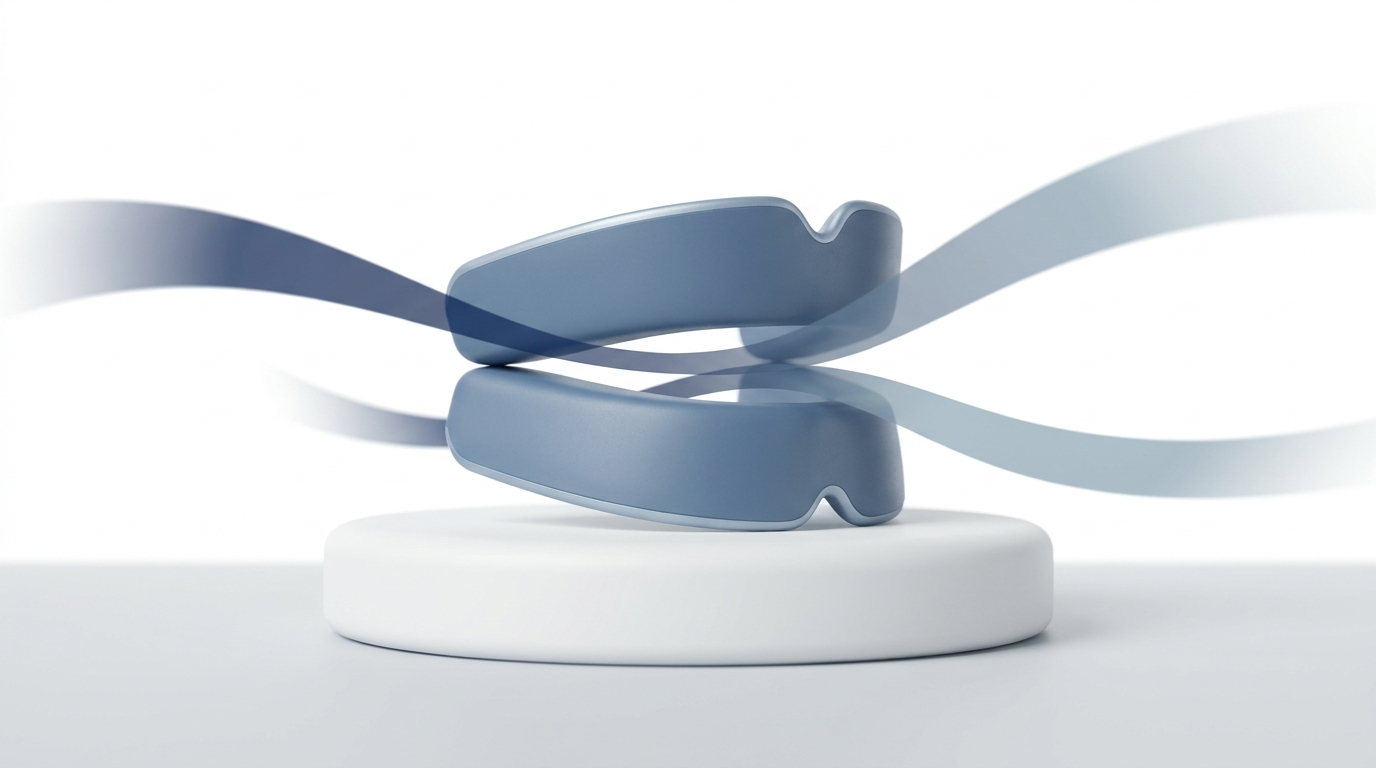
Think of a snoring mouthguard as a small, wearable “airway support” tool. It doesn’t force air in like CPAP. Instead, it gently changes jaw and soft-tissue positioning so airflow is less likely to narrow and vibrate. This is a simplified analogy; individual response varies, and suspected obstructive sleep apnea (OSA) should be confirmed and monitored clinically.
Below is a patient-friendly guide based on current clinical guidance and common “what happens next?” questions.
Quick Summary (Key Takeaways)
- Snoring mouthguards (also called oral appliances or mandibular advancement devices) work by gently bringing the lower jaw and soft tissues slightly forward, helping reduce airway narrowing and vibration/snoring. (AASM/AADSM, 2017; 2024)
- Because snoring can overlap with OSA, many people benefit from a sleep evaluation before choosing a device—especially if there’s gasping, witnessed pauses, or major daytime sleepiness. (Mayo Clinic; AASM/AADSM, 2024)
- Guideline-supported care for diagnosed OSA typically favors custom, titratable, dentist-supervised appliances over OTC guards. (AASM/AADSM, 2024)
- Expect an adjustment period, possible side effects (jaw discomfort, drooling, dry mouth), and the need for ongoing dental plus sleep-medicine follow-up. (AASM/AADSM, 2024)
- For diagnosed OSA, “quieter snoring” alone does not confirm control; effectiveness is usually verified with follow-up sleep testing. (AASM/AADSM, 2024)
- Over-the-counter devices are not a substitute for evaluation or treatment of suspected OSA.
Bottom line: oral appliances can help the right patient, but evaluation, proper fitting, and follow-up are key to safe, effective use.
What Is a Snoring Mouthguard?
Common names you may hear
- Snoring mouthguard
- Oral appliance
- Mandibular advancement device (MAD)
- Oral appliance therapy for snoring/OSA (AASM/AADSM, 2017; 2024)
What it’s designed to do (in plain language)
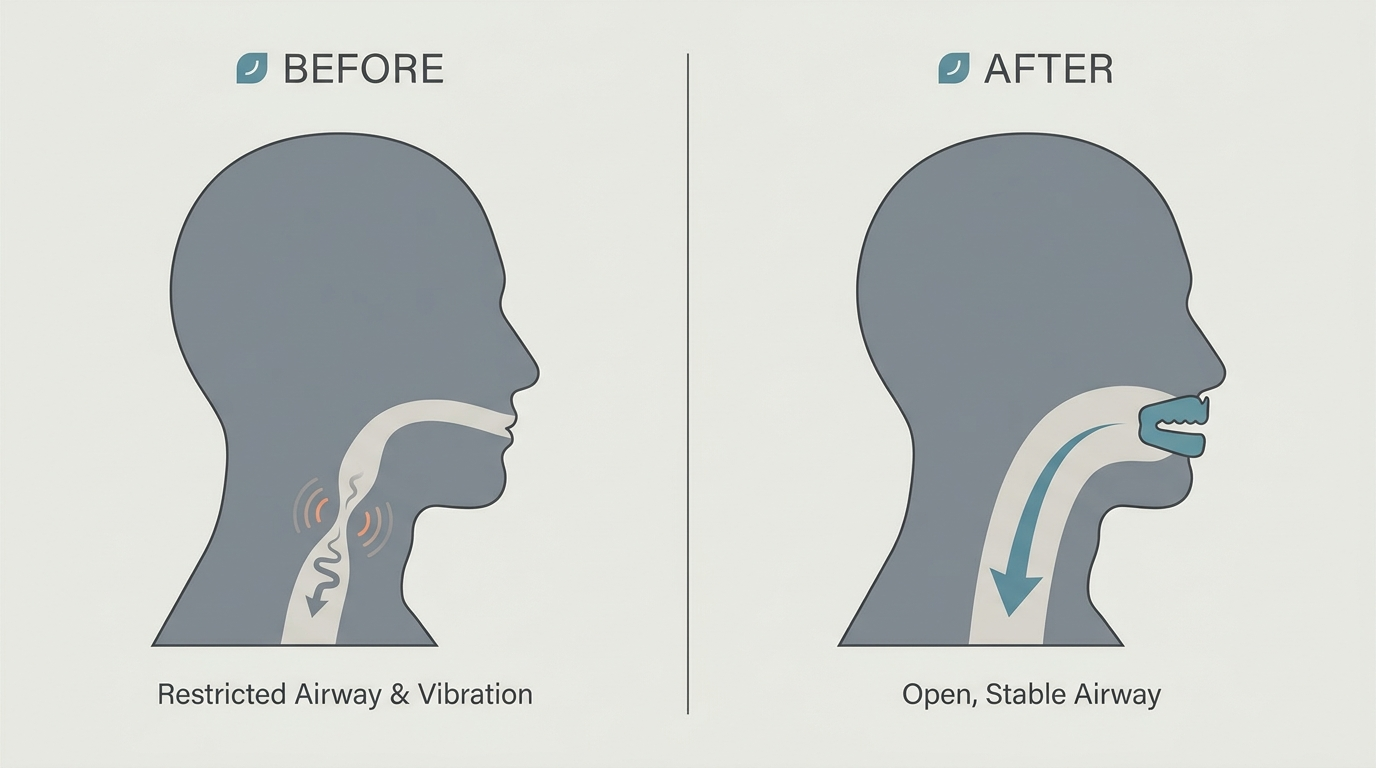
Most mouthguard-style devices for snoring aim to keep your airway from narrowing during sleep. They do this by positioning the jaw and tongue in a way that reduces soft-tissue “fluttering,” a major source of snoring sound. (AASM/AADSM, 2017)
A helpful analogy: if your airway is like a soft, flexible tube, snoring happens when the tube gets “floppy” and vibrates as air moves through. A mandibular advancement device is like gently bracing that tube open from the front so airflow is smoother and quieter. This analogy is simplified; effectiveness depends on your anatomy, diagnosis, fit, and adherence.
Think of an oral appliance as a positioning tool—not a one-size-fits-all fix.
Why Do People Snore? (Symptoms & Causes)
Common snoring symptoms (and partner “clues”)
- Loud or frequent snoring
- Snoring that’s worse when sleeping on the back or after alcohol
- Dry mouth or sore throat in the morning
- A bed partner notices breathing irregularity or gasping (a red flag)
Common causes and contributors
- Relaxed throat muscles during sleep
- Nasal congestion/allergies
- Sleeping position (especially back sleeping)
- Alcohol or sedatives close to bedtime
- Weight changes
- Anatomy (jaw position, tongue size, palate/soft tissue)
When snoring may be more than “just snoring”
Snoring combined with choking/gasping, witnessed pauses in breathing, morning headaches, high blood pressure, or significant daytime sleepiness may suggest OSA and is often a reason to consider a sleep evaluation. (Mayo Clinic)
Snoring is the sound; apnea is the blockage—testing helps you tell the difference.
How Snoring Mouthguards Work (Step-by-Step)
The basic mechanism: airway support through jaw positioning
A mandibular advancement-style device works by advancing the lower jaw (mandible) slightly forward. That forward positioning can also move the tongue and soft palate forward, helping reduce airway narrowing and tissue vibration. (AASM/AADSM, 2017; 2024)
In day-to-day terms: the device doesn’t “stop” you from relaxing in sleep—it just changes where everything rests so your airway is more likely to stay open enough to breathe quietly.
What “titration” means (and why it matters)
“Titration” means the device can be adjusted in small increments. Many effective appliances are titration-capable, allowing gradual changes to improve snoring/airflow while limiting side effects like jaw soreness. (AASM/AADSM, 2024) The goal is the minimum advancement that helps, not “as far forward as possible.”
What mouthguards don’t do
- They don’t address every snoring cause (for example, significant nasal obstruction may need nasal-focused care, too).
- For moderate-to-severe OSA, CPAP often improves breathing metrics more than oral appliances, even though oral appliances can still be appropriate for some people. (AASM/AADSM, 2024)
Effectiveness varies by anatomy, diagnosis, fit, and nightly use—especially if OSA is present.
Who Should (and Shouldn’t) Use a Snoring Mouthguard?
Best candidates
- Adults with primary snoring (snoring without OSA), especially if it’s position-related. (AASM/AADSM, 2017)
- Adults with mild to moderate OSA who prefer oral appliance therapy or can’t tolerate CPAP—when guided by proper sleep evaluation and follow-up. (AASM/AADSM, 2024)
Situations where you should get evaluated before buying anything
Because snoring can overlap with OSA symptoms, many people start with sleep testing when there are signs like gasping, witnessed pauses, or severe daytime sleepiness. (Mayo Clinic; AASM/AADSM, 2024) If you’re comparing testing options, this overview of home testing vs the lab can help: https://sleepandsinuscenters.com/blog/home-sleep-test-vs-lab-study-which-sleep-test-is-best-for-you
If you’re unsure, it can help to ask: “Am I treating sound—or treating breathing?” A sleep evaluation helps answer that safely.
Who may not be a good candidate (or needs special caution)
- Significant jaw/TMJ disorders or limited jaw movement
- Dental concerns (not enough healthy teeth for retention, severe gum disease)
- Snoring primarily driven by untreated nasal blockage (which may require additional evaluation)
If red flags for OSA are present, evaluate first; if candidacy is uncertain, a dental sleep medicine consult can clarify options.
Types of Snoring Mouthguards (Custom vs Over-the-Counter)
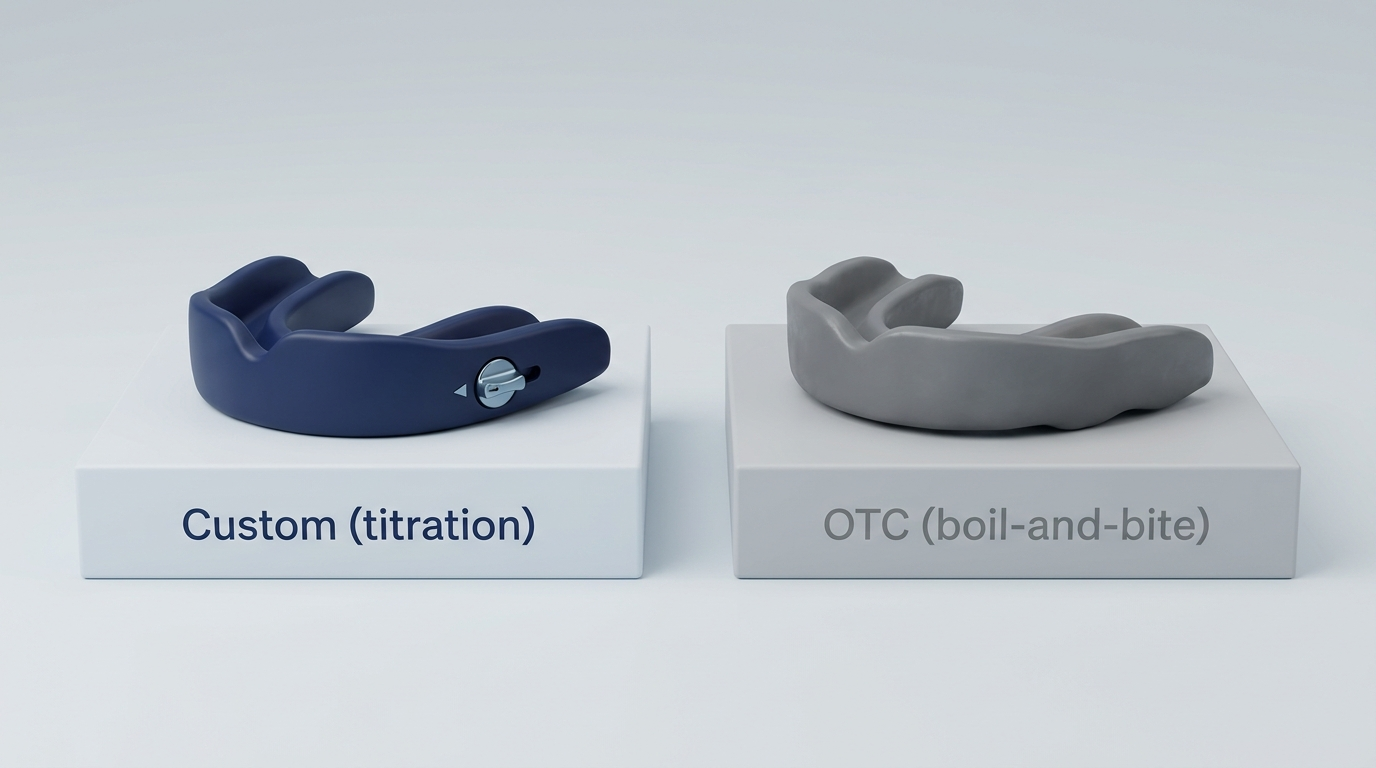
Custom, dentist-fitted oral appliances (recommended for OSA)
A custom, dentist-fitted, titratable mandibular advancement device is the option most aligned with guideline-based care for OSA. (AASM/AADSM, 2024)
Pros
- Better fit, comfort, and retention
- Adjustable/titratable for fine-tuning
- Professional monitoring for side effects and bite changes (AASM/AADSM, 2024)
Cons
- Higher upfront cost
- Requires appointments and follow-up
If cost is part of planning, see: https://sleepandsinuscenters.com/blog/mandibular-advancement-device-cost-what-to-expect
Over-the-counter (“boil-and-bite”) snoring mouthguards
Over-the-counter options—often marketed as a boil-and-bite snore guard—are molded at home.
Pros
- Lower cost and fast to try
Cons
- Fit and comfort can be inconsistent
- More likely to fall out or feel bulky
- Typically less adjustable; adherence may be lower than custom options (industry perspective: Glidewell, 2021)
Important cautions
- Improving snoring sound alone does not confirm that breathing disruptions are controlled.
- OTC devices are not a substitute for evaluation or treatment of suspected OSA.
Tongue-retaining devices vs mandibular advancement devices (brief comparison)
- MADs: Move the jaw forward (most commonly discussed in AASM/AADSM guidance). (AASM/AADSM, 2017; 2024)
- Tongue-retaining devices: Hold the tongue forward; sometimes used in select cases but may be less tolerated for some sleepers.
Guideline-supported care for OSA typically favors custom, titratable, dentist-supervised appliances over OTC guards.
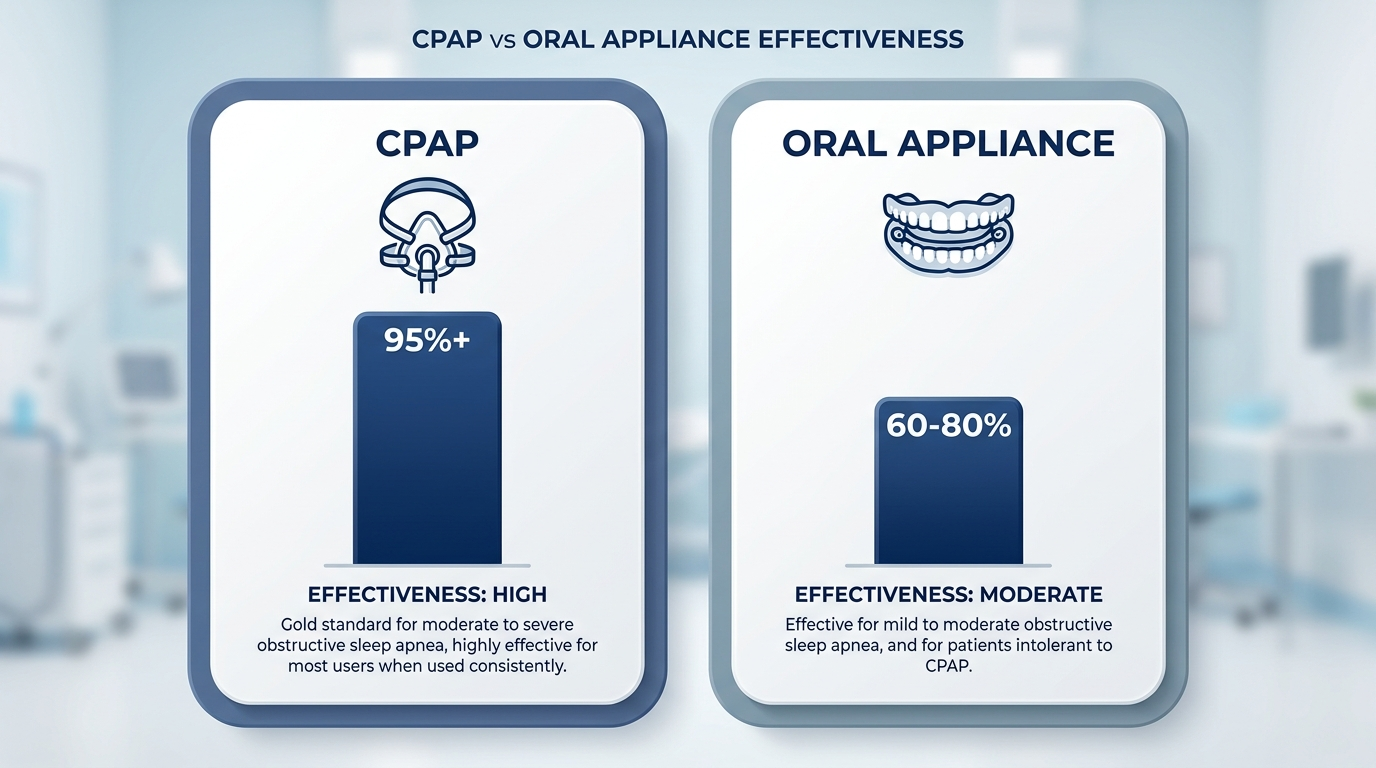
Snoring Mouthguards vs CPAP: What to Expect for Sleep Apnea
Effectiveness differences (snoring vs breathing interruptions)
For OSA, CPAP is often more effective at reducing breathing interruptions and improving oxygen saturation. (AASM/AADSM, 2024) That said, oral appliance therapy can be a reasonable alternative for people who can’t tolerate CPAP or strongly prefer an oral approach—when effectiveness is confirmed and monitored. (AASM/AADSM, 2024)
To compare experiences, see: https://sleepandsinuscenters.com/blog/oral-appliance-vs-cpap-which-is-right-for-you
“Success” can mean different things
- Reduced snoring volume (often a partner-noticed improvement)
- Better perceived sleep quality
- For OSA: improved AHI/oxygen levels confirmed by follow-up testing (AASM/AADSM, 2024)
For diagnosed OSA, subjective quiet is not enough—objective follow-up testing matters.
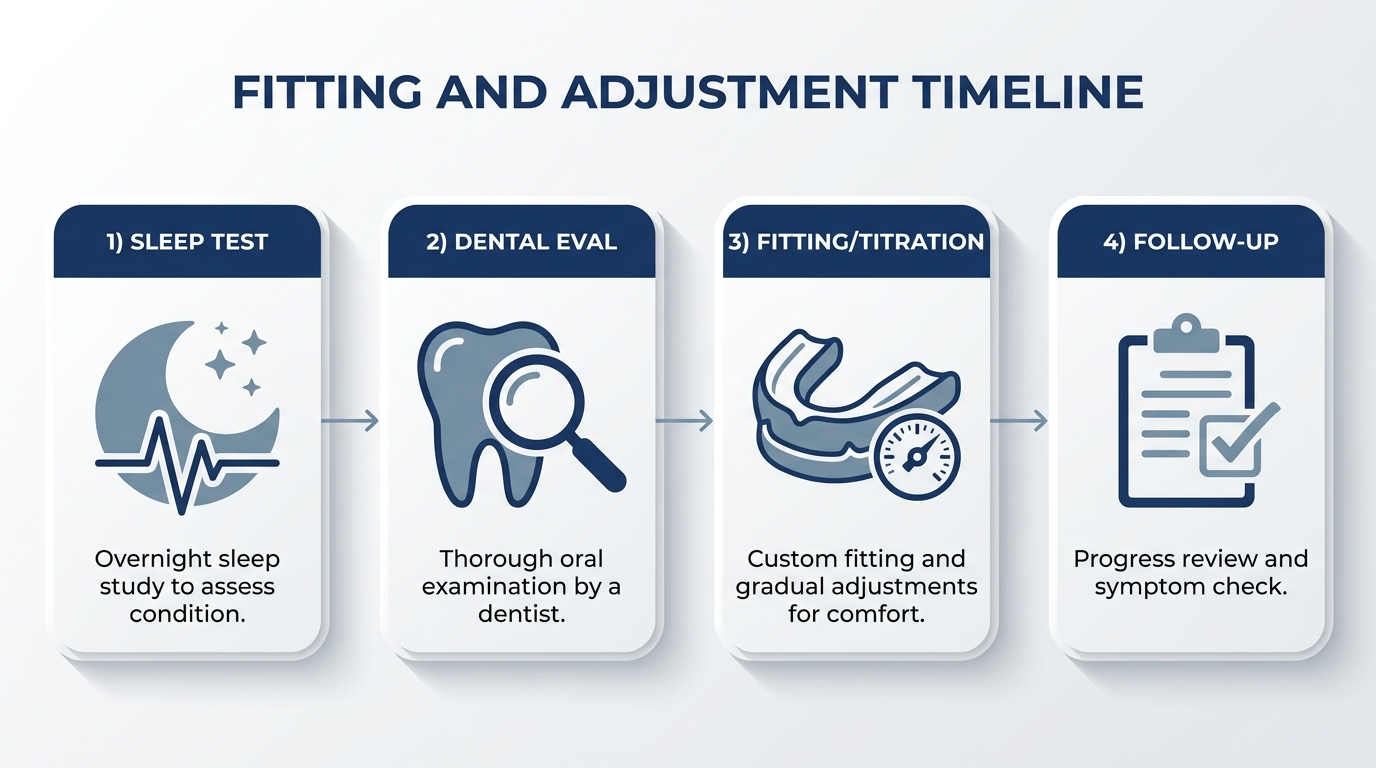
The Fitting and Adjustment Timeline (What the Process Looks Like)
Step 1 — Rule out or confirm sleep apnea
A typical pathway often starts with sleep history, an exam, and sleep testing when indicated. (Mayo Clinic; AASM/AADSM, 2024)
Step 2 — Dental evaluation for candidacy
A dentist trained in dental sleep medicine can assess teeth and gum health, jaw function, and bite—important factors for comfort and long-term safety. (AASM/AADSM, 2024)
Step 3 — Appliance fitting and gradual titration
After the device is made and delivered, adjustments are usually done gradually to balance symptom improvement with comfort. (AASM/AADSM, 2024) For a step-by-step view, see: https://sleepandsinuscenters.com/blog/oral-appliance-fitting-timeline-step-by-step-guide-for-best-results
Step 4 — Follow-up: dental + sleep medicine
- Fit and retention
- Oral health and bite stability
- For OSA: whether the appliance is effectively controlling breathing disruptions through follow-up testing (AASM/AADSM, 2024)
A careful start plus steady follow-up is the safest path to effective, comfortable therapy.
Side Effects and Risks (Patient-Friendly Expectations)
Common short-term side effects
It’s common to have an adjustment phase, which can include:
- Excess salivation or drooling
- Dry mouth
- Tooth or gum discomfort
- Jaw soreness or facial discomfort (AASM/AADSM, 2024)
These effects often lessen over days to weeks as your jaw and muscles adapt—especially with gradual titration.
Potential longer-term issues (why follow-up matters)
Because these appliances change jaw position during sleep, long-term monitoring is important for catching issues early, such as:
- Bite changes over time
- Persistent jaw pain/TMJ symptoms
- Tooth movement or dental wear concerns (AASM/AADSM, 2024)
For more, visit: https://sleepandsinuscenters.com/blog/oral-appliance-side-effects-what-to-expect-and-how-to-manage-them
Most side effects are manageable with careful titration and follow-up; contact your care team if symptoms persist or worsen.
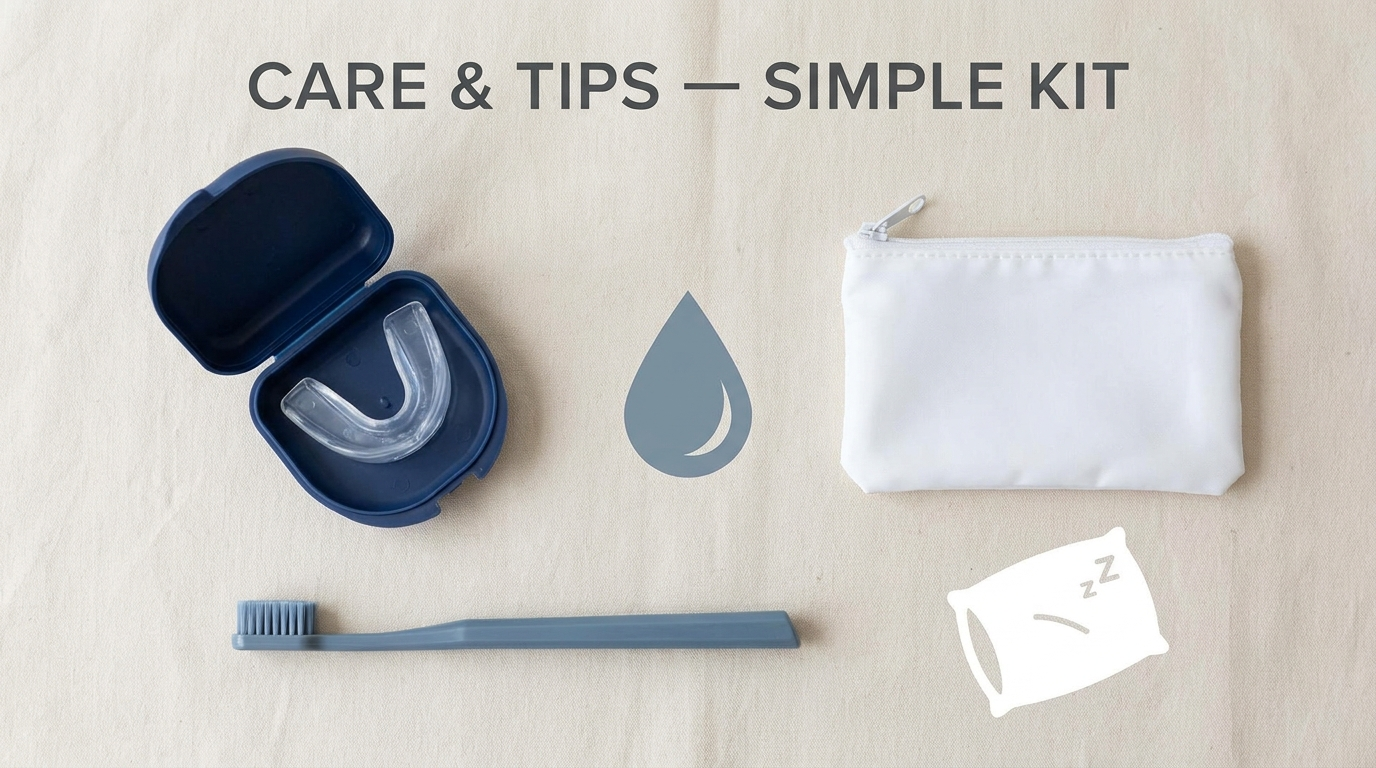
Tips to Get Better Results (Lifestyle + Practical Guidance)
Habits that often make snoring worse
- Alcohol within a few hours of bedtime
- Back sleeping
- Untreated nasal congestion
These general factors are often discussed with a clinician; they are not instructions to change prescribed treatment on your own.
Simple lifestyle changes that can boost results
- Side-sleeping strategies (positional therapy). Practical ideas: https://sleepandsinuscenters.com/blog/best-sleeping-position-for-snoring-mild-apnea
- Managing allergies/congestion when appropriate
- Weight management strategies when recommended by a clinician
- Keeping a consistent sleep schedule
How to use and care for your mouthguard
- Clean daily with a gentle brush and cleanser per product instructions
- Store it dry in its case (especially for travel)
- Replace if it cracks, warps, or stops fitting/retaining well
Supportive sleep habits and simple device care can make a good appliance work even better.
What Results Should You Expect—and How Soon?
First week expectations
Some people notice snoring reduction quickly, but comfort may lag behind. Mild jaw or tooth soreness is common early on. (AASM/AADSM, 2024)
The “adjustment period” (realistic timeframe)
Finding the best jaw position often takes days to weeks, especially if the device is titrated gradually. (AASM/AADSM, 2024)
How to tell if it’s working (especially for OSA)
- Less snoring (often reported by a bed partner)
- Better daytime energy or fewer morning symptoms
- For OSA: objective improvement confirmed with follow-up sleep testing (AASM/AADSM, 2024)
Expect gradual fine-tuning; for OSA, confirmation with testing is part of success.
FAQs About Snoring Mouthguards
Do snoring mouthguards work for everyone?
No. Results depend on the cause of snoring, the type of device, and whether it fits and can be adjusted appropriately. (AASM/AADSM, 2024)
Can I buy one online without a sleep study?
Many devices are available online. However, because snoring can be associated with OSA, many people consider evaluation first when red-flag symptoms are present. (Mayo Clinic; AASM/AADSM, 2024) OTC devices are not a substitute for evaluation or treatment of suspected OSA.
Are OTC boil-and-bite guards “good enough”?
They may help some people with straightforward snoring, but they’re often less comfortable and less retentive than custom devices, which can affect consistent use (industry perspective: Glidewell, 2021). Reducing snoring volume does not confirm that OSA is controlled.
Will a mouthguard stop snoring immediately?
Some people notice early change, but others need titration and time for comfort and optimal positioning. (AASM/AADSM, 2024)
Can a snoring mouthguard treat obstructive sleep apnea?
A sleep apnea mouthguard (oral appliance therapy) can be an effective treatment option for some patients, but follow-up testing is often used to confirm that OSA is controlled. (AASM/AADSM, 2024)
If you’re unsure whether snoring, OSA, or both are present, start with an evaluation.
When to See a Sleep Specialist or ENT (Red Flags)
Signs you shouldn’t ignore
- Loud snoring plus choking/gasping
- Witnessed pauses in breathing
- Excessive daytime sleepiness
- Morning headaches or uncontrolled blood pressure (Mayo Clinic)
What an evaluation may include
A workup may involve sleep testing, airway/nasal evaluation when obstruction is suspected, and a discussion of treatment options such as oral appliance therapy, CPAP, positional therapy, and nasal treatments. (AASM/AADSM, 2024)
Red flags warrant timely evaluation so you can match the treatment to the problem.
Next Steps
If you’re considering snoring mouthguards, a common, guideline-aligned path is: 1) Confirm whether sleep apnea is present (often with sleep testing), 2) Discuss whether oral appliance therapy is a match for your goals and anatomy, 3) Plan for proper fitting, titration, and follow-up to track comfort and effectiveness. (AASM/AADSM, 2024)
To explore care options through Sleep and Sinus Centers of Georgia, visit: https://sleepandsinuscenters.com/snoring-sleep-apnea-treatment. If you’re ready to take the next step, you can also book an appointment at https://www.sleepandsinuscenters.com/.
A brief evaluation today can clarify whether a mouthguard, CPAP, or another approach fits you best.
Sources
- American Academy of Sleep Medicine (AASM) & American Academy of Dental Sleep Medicine (AADSM). Clinical practice guidance for oral appliance therapy (2017; updated joint guidance 2024). https://aasm.org/oral-appliance-therapy-clinical-guideline-published-jointly-by-aasm-and-aadsm/ and https://aasm.org/aasm-and-aadsm-issue-new-joint-clinical-practice-guideline-for-oral-appliance-therapy/
- Mayo Clinic. Snoring—Diagnosis and treatment. https://www.mayoclinic.org/diseases-conditions/snoring/diagnosis-treatment/drc-20377701
- Glidewell (industry perspective). Over-the-Counter Snoring Mouthguards: Are They Useful? (2021) https://glidewelldental.com/company/blog/over-the-counter-snoring-mouthguards-are-they-useful
This article is for educational purposes only and is not medical advice. Please consult a qualified healthcare provider for diagnosis and treatment.
If you have symptoms that could suggest obstructive sleep apnea—such as choking/gasping during sleep, witnessed pauses in breathing, or severe daytime sleepiness—seek evaluation from a qualified clinician.
Don’t let allergies slow you down. Schedule a comprehensive ENT and allergy evaluation at Sleep and Sinus Centers of Georgia. We’re here to find your triggers and guide you toward lasting relief.