Sleep Apnea in Athletes: Why Fit People Still Get Sleep Apnea
Quick Take: Yes, Fit People Can Have Sleep Apnea
Even with a normal BMI and elite conditioning, sleep apnea in athletes can happen because airway anatomy, neck circumference, lean mass, and sleep position may matter as much as (or more than) body fat. Untreated obstructive sleep apnea (OSA) may affect recovery, performance, and long-term cardiovascular health.
OSA occurs when the upper airway repeatedly narrows or collapses during sleep, causing breathing pauses, oxygen drops, and brief awakenings that fragment sleep—even if you don’t remember waking up. Formal diagnostic testing is the standard way to confirm OSA.
If you’ve wondered about sleep apnea in fit people, you’re not alone. It’s common to assume, “I’m in great shape—this must just be hard training,” especially when fatigue is part of the job. You can also read more here: sleep apnea in thin people: https://sleepandsinuscenters.com/blog/can-a-thin-person-have-sleep-apnea
What Is Obstructive Sleep Apnea (OSA)?
How OSA happens (in plain language): During sleep, throat muscles naturally relax. In OSA, that relaxation may allow the soft tissues of the upper airway (including the tongue and soft palate) to narrow the breathing channel too much. Airflow decreases or stops briefly; the brain senses the problem and partially wakes you to reopen the airway—over and over across the night.
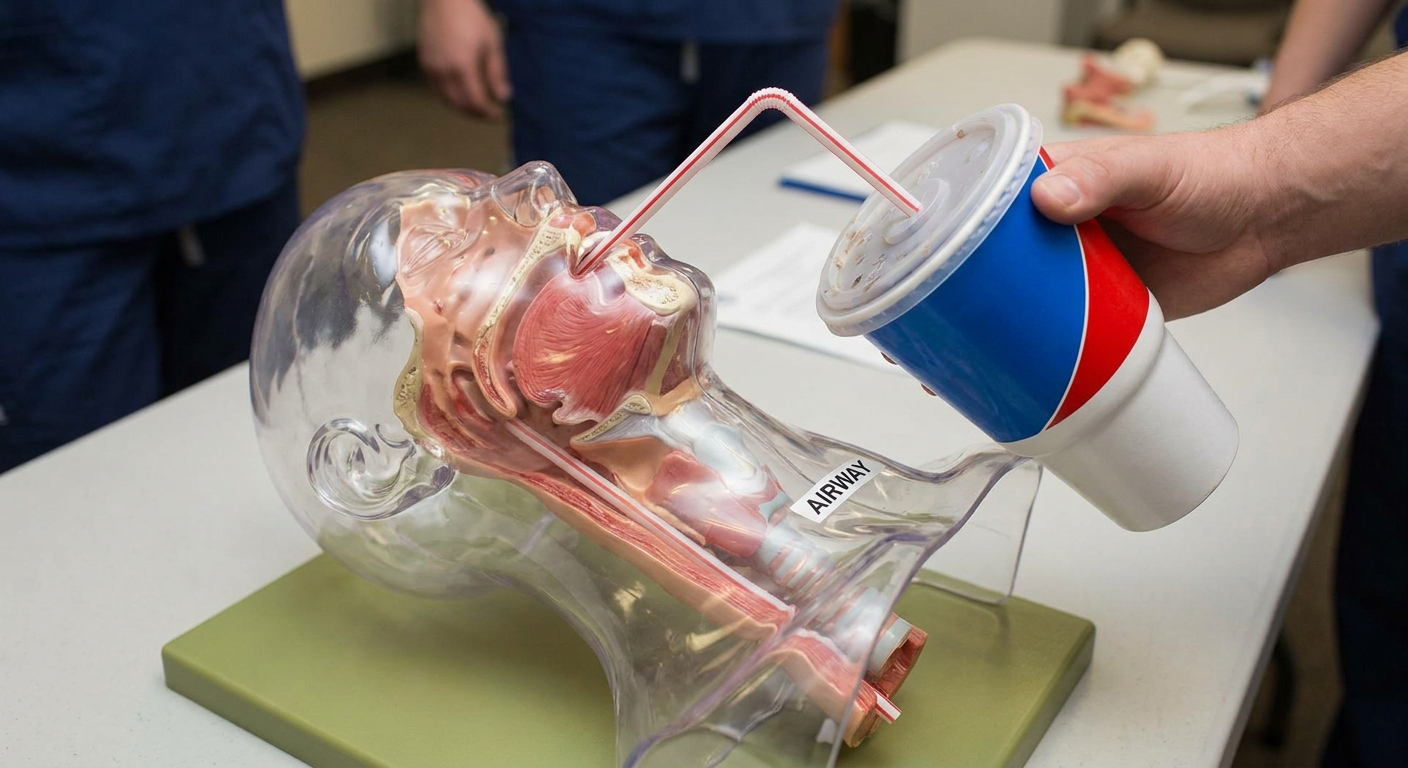
A helpful analogy: think of the airway like a flexible drinking straw. When the “walls” of that straw are stable, air flows easily. When the walls are softer or the space is tighter, normal suction during breathing can make the straw kink—especially when you’re asleep and muscle tone is lower.
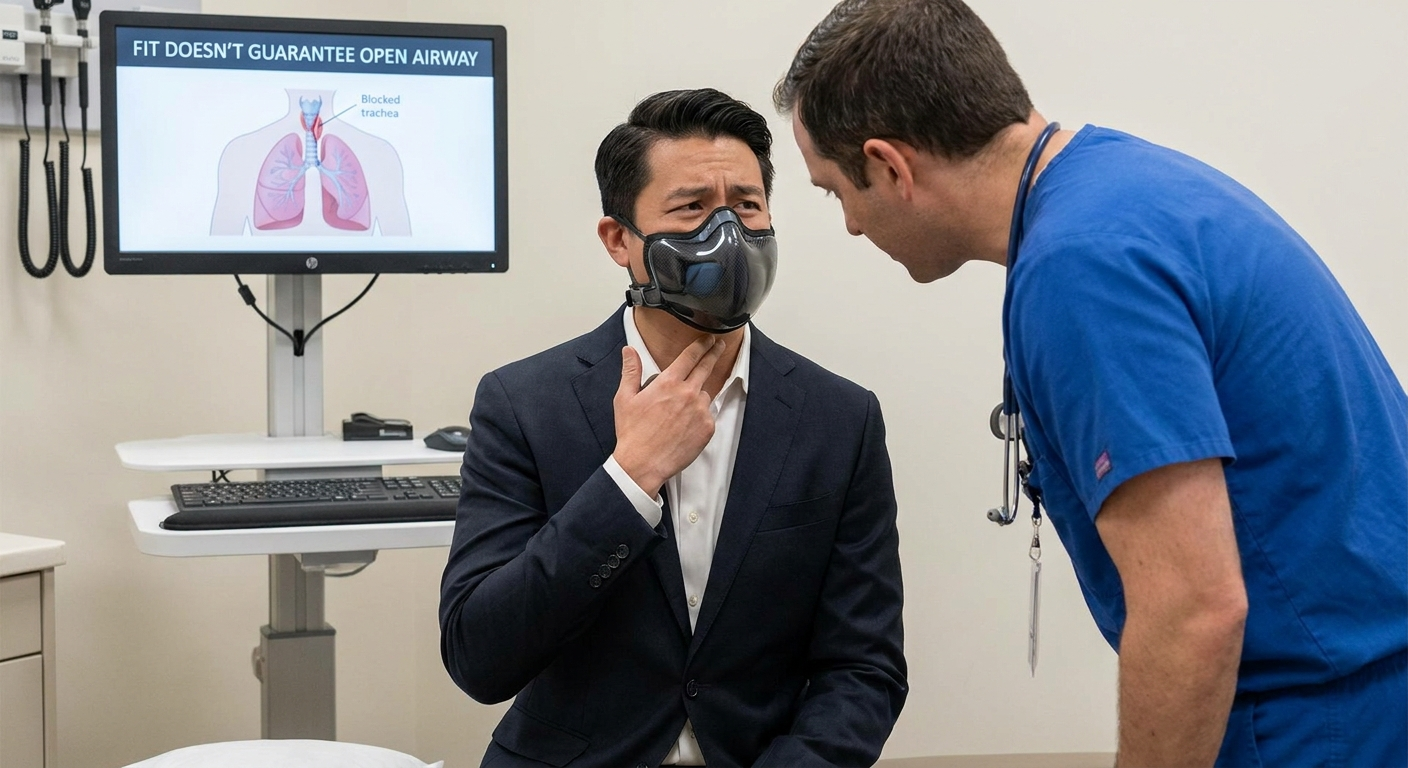
This can occur in highly conditioned bodies because airway size, shape, and stability aren’t determined by cardiovascular fitness alone. Being “in shape” doesn’t automatically mean the airway stays open during sleep.
Why athletes often miss it: Many OSA symptoms overlap with normal training realities—heavy fatigue blocks, soreness, travel schedules, early practices, late competitions, and stress. Because of that, obstructive sleep apnea in athletes can be easy to overlook—especially when someone assumes “I’m fit, so it can’t be sleep apnea.” Sleep clinicians often hear some version of: “I thought my tiredness was just training load.” That mindset is understandable—and it’s also why persistent symptoms deserve a closer look.
How Common Is Sleep Apnea in Athletes?
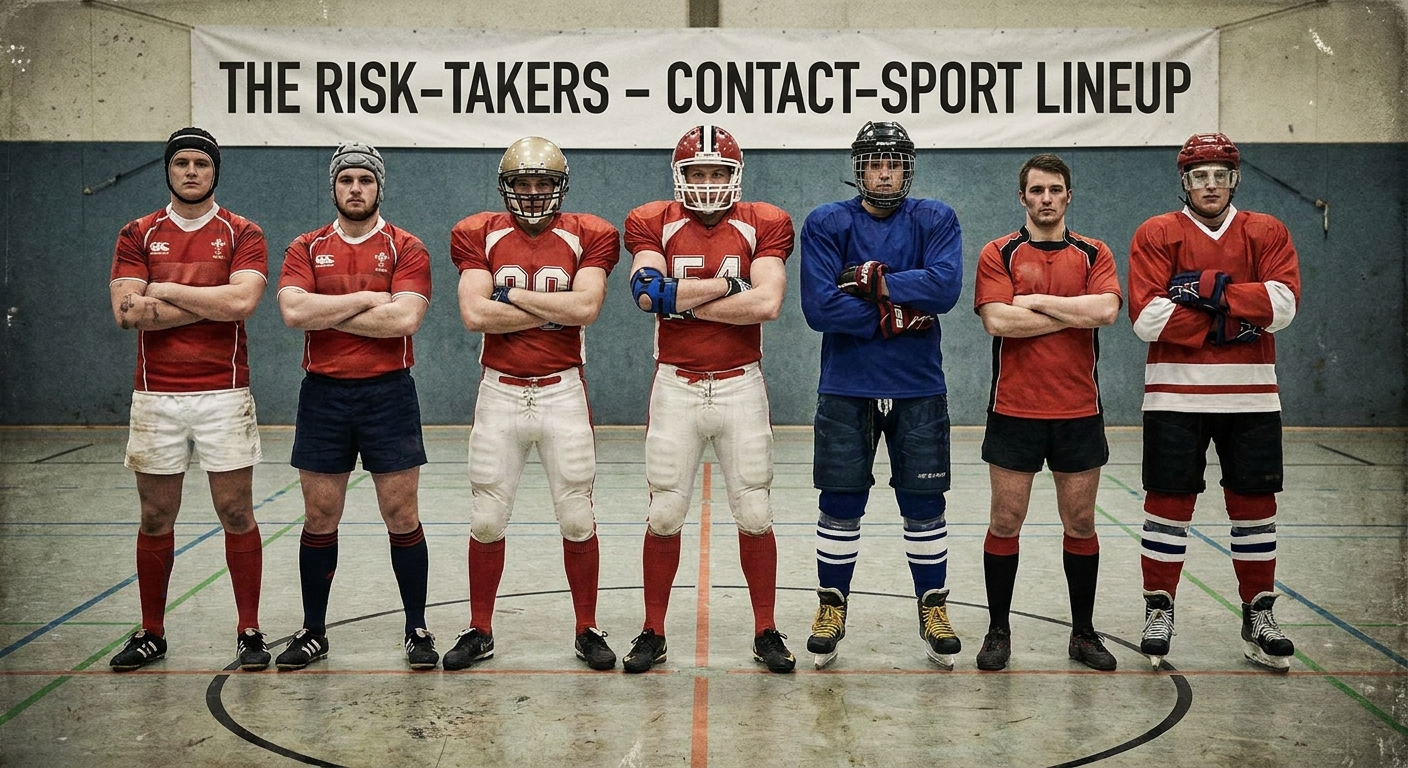
Contact/collision sports show higher rates: Research suggests OSA is particularly relevant in collision and contact sports. A systematic review and meta-analysis estimated an OSA prevalence of about 30% in contact-sport athletes in the populations studied (sports and definitions varied across studies). This doesn’t mean every contact athlete has OSA—only that the risk profile can be higher in sports where athletes intentionally develop size and power. In these environments, loud snoring can get normalized (“half the team snores on road trips”), which can make it harder to spot when snoring is actually a sign of disrupted breathing.
OSA can affect women athletes too: Sleep apnea in female athletes is real and likely under-recognized. Emerging research in collegiate samples suggests that even women with normal BMI and high fitness can meet criteria for at least mild OSA, and that sport-to-sport variation may exist. Some studies have also reported that lean mass was associated with sleep-disordered breathing independent of other factors. While more research is needed, the takeaway is clear: a “fit” appearance does not rule out OSA.
Why Athletes Get Sleep Apnea Even When They’re “In Shape”
Airway anatomy matters more than the scale: Weight can contribute to OSA risk for many people, but it’s not the only driver. Athletes may have OSA due to factors such as:
- Naturally smaller or more collapsible upper airway
- Jaw shape or tongue position that crowds the airway during sleep
- Nasal congestion or obstruction that increases airflow resistance
- Family history and craniofacial structure that influence airway size
This is one reason sleep apnea in fit people can be missed when BMI is treated like the whole story. Two people can have the same “fitness level” on paper and very different airway mechanics at night.
Neck circumference and “helpful” mass can increase risk: A bigger neck isn’t automatically a problem—many athletes build neck and upper-body strength on purpose. But in sleep medicine, larger neck circumference is often discussed as an OSA risk factor because additional tissue around the upper airway (muscle and/or other tissue) may reduce airway space or increase collapsibility during sleep. Risk is multifactorial, and muscle bulk alone does not “cause” OSA, but body profiles common in some strength, power, and collision sports can add to the risk picture.
Lean mass and sport-specific body type can raise OSA risk: BMI can be misleading in athletes because it doesn’t separate fat from muscle. Two athletes with the same BMI can have very different body compositions—and potentially different OSA risk. In some athlete samples, lean mass has been reported as independently associated with OSA measures, reinforcing the idea that sport-specific body type—not just “fitness”—can influence airway behavior at night.
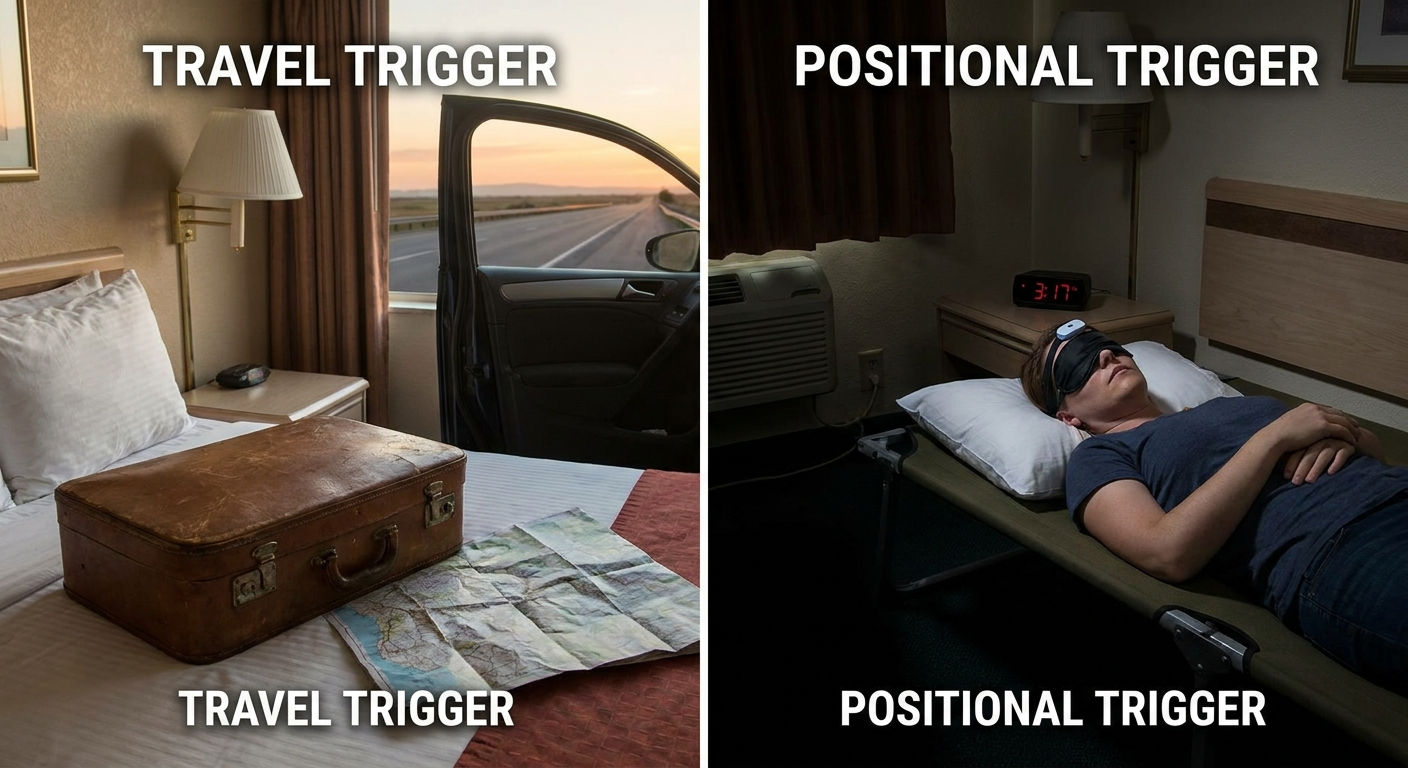
Sleep position and travel can worsen airway collapse: Some people have “positional” OSA, where breathing events are worse when sleeping on the back (supine). Add common athlete realities—travel, changing time zones, altitude, post-game alcohol, or seasonal congestion—and symptoms may spike even if training is going well. A typical pattern: someone sleeps “fine” at home, but after a late game, a couple of drinks, and a hotel bed that encourages back-sleeping, their snoring and choking awakenings become obvious. That doesn’t mean OSA appeared overnight—just that conditions made it easier to notice.
Symptoms & Warning Signs Athletes Shouldn’t Ignore
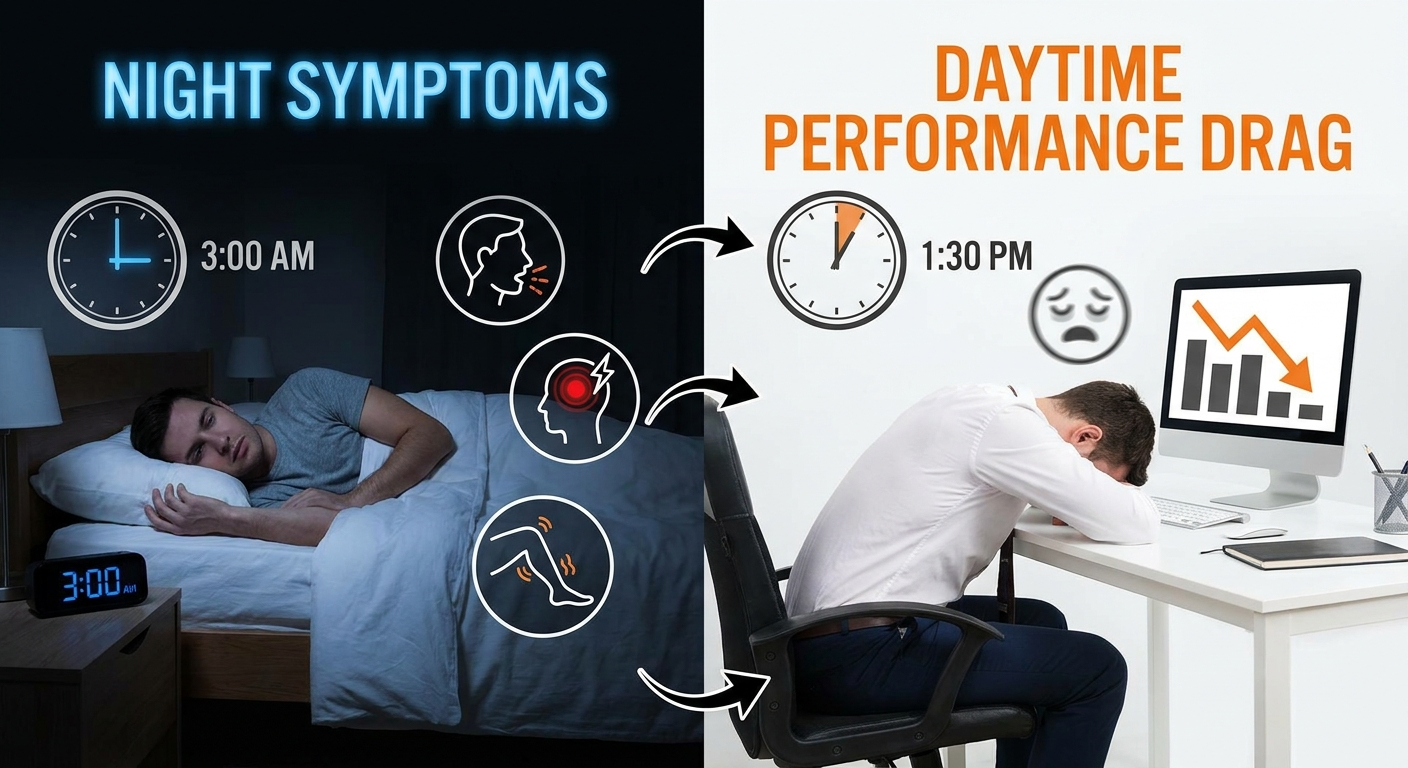
Nighttime signs:
- Loud, persistent snoring
- Gasping or choking sounds during sleep
- Witnessed pauses in breathing
- Frequent awakenings or restless sleep
Because snoring in athletes can be normalized, it may not get the attention it deserves—especially when it’s paired with breathing pauses or gasping. If a roommate, partner, or teammate says, “You stop breathing sometimes,” that’s worth taking seriously.
Daytime/performance signs (often mistaken for “training fatigue”):
- Unrefreshing sleep despite enough hours in bed
- Excessive daytime sleepiness
- Morning headaches
- Brain fog, irritability, or mood changes
- Plateauing performance or slower recovery than expected
These aren’t specific to OSA, but persistent patterns can be a reason to consider screening and testing. If caffeine is doing more “heavy lifting” than usual, or you’re dragging despite disciplined sleep habits, sleep-disordered breathing should be on the checklist. For help understanding daytime sleepiness scores, see: Epworth Sleepiness Scale: https://sleepandsinuscenters.com/blog/epworth-sleepiness-scale-a-complete-guide-to-understanding-daytime-sleepiness
Why Treating Sleep Apnea Matters for Performance, Recovery, and Health
Recovery and injury risk: Sleep fragmentation from repeated breathing interruptions can reduce sleep quality even when total sleep time looks “fine.” In other words, you might still get 7–9 hours in bed, but the sleep can be shallow and interrupted. Poor sleep quality may strain recovery capacity and contribute to training inconsistency. While performance is multifactorial, addressing sleep-disordered breathing can remove one major obstacle to consistent recovery.
Cardiovascular implications—even in young athletes: OSA is also discussed in the context of long-term health. In young, fit individuals, higher apnea burden has been associated with markers like arterial stiffness in select research samples—an early cardiovascular risk signal. Associations do not prove causation, but they do reinforce the value of timely identification and treatment.
Screening: When to Suspect OSA (and When to Stop “Pushing Through”)
Who may want to discuss an evaluation: Athletes who may want to discuss a sleep evaluation with a clinician include:
- Those in collision/contact sports (especially with loud snoring)
- Strength/power athletes with larger neck size
- Anyone with loud snoring plus daytime sleepiness, brain fog, or unrefreshing sleep—even at a normal BMI
- Anyone with witnessed breathing pauses or gasping
This is a common pattern in sleep apnea in athletes: symptoms are present, but they’re attributed to training load until they persist too long to ignore.
Simple self-check tools (with a caution): Questionnaires like STOP-Bang and the Epworth Sleepiness Scale can help organize symptoms and risk factors, but they don’t diagnose OSA. When symptoms persist, formal testing is what confirms whether OSA is present.
Diagnosis: What a Sleep Apnea Evaluation Looks Like
Clinical evaluation: A sleep evaluation typically includes a detailed sleep history and review of factors that can influence breathing at night (for example, nasal/sinus symptoms, sleep schedule, and alcohol use). Airway anatomy and nasal breathing may also be part of the assessment. If you’re an athlete, it can help to bring specifics: when symptoms are worst (in-season vs. off-season), whether they spike after travel, and whether anyone has witnessed pauses in breathing. Those details can guide the right testing approach.
Testing options (and how the decision is made): Two common testing approaches are:
- In-lab polysomnography (PSG): the most comprehensive overnight study, measuring sleep stages, breathing, oxygen levels, and more.
- Home sleep apnea testing (HSAT): a simplified test that may be appropriate for some adults, depending on symptoms and clinical scenario.
To compare options, see: Home sleep test vs. lab study: https://sleepandsinuscenters.com/blog/home-sleep-test-vs-lab-study-which-sleep-test-is-best-for-you
You’ll also hear about the AHI (apnea-hypopnea index), which counts breathing events per hour and helps classify severity (mild, moderate, severe). For a deeper breakdown: AHI score explained: https://sleepandsinuscenters.com/blog/ahi-score-explained-understanding-your-sleep-apnea-severity
Treatment Options for Athletes (Patient-Friendly Overview)
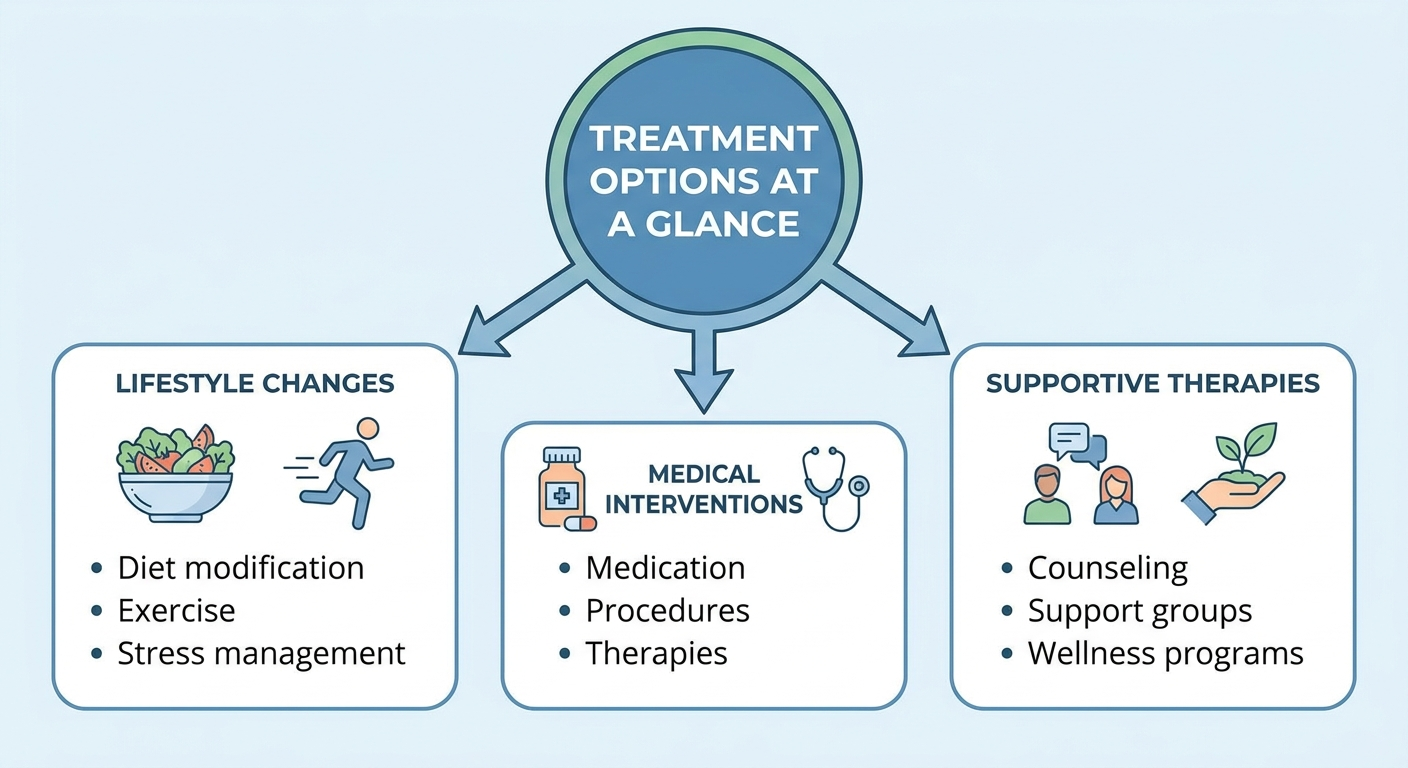
CPAP/APAP (often first-line for many adults): CPAP or APAP uses gentle air pressure to help keep the airway open. Many people notice fewer nighttime awakenings and improved daytime alertness once therapy is working well. Athlete-specific challenges can include travel logistics, mask fit/comfort, and nasal congestion—issues that can often be addressed with the right setup and follow-up. For example, some athletes do best with a travel-friendly routine (consistent packing list, distilled water plan when needed, and a mask style that tolerates frequent schedule changes).
Oral appliance therapy (mouthpiece): A professionally fitted oral appliance may be an option for some people—often in mild to moderate OSA or for those who struggle with CPAP. Follow-up is important to confirm that the treatment is actually reducing breathing events.
Positional therapy (when back-sleeping is the trigger): If OSA is significantly worse on the back, positional strategies may be part of a plan. This tends to be most helpful in positional or mild cases and works best when guided by testing results.
Address nasal and sinus contributors: Because nasal resistance can worsen perceived airflow and CPAP comfort, evaluating congestion, allergies, or structural blockage can be an important piece of comprehensive care. Even small improvements in nasal breathing can make nightly therapy feel easier and more sustainable. Learn more about sinus and nasal factors in sleep here: https://www.sleepandsinuscenters.com/
Surgical and implantable options (when indicated): For select patients, procedures that address airway anatomy may be considered. Implantable options like hypoglossal nerve stimulation can be appropriate in specific circumstances, but candidacy depends on several clinical factors and a careful evaluation.
Lifestyle & Training Tips That Support Better Breathing at Night
These are general education points that may support sleep quality—especially while you’re sorting out whether OSA is present.
Sleep position strategies: Some people breathe better when side-sleeping or with slight head-of-bed elevation. The impact varies by individual and by whether OSA is positional. If you notice symptoms are worse after nights spent on your back (common on unfamiliar mattresses), that pattern is useful to report during an evaluation.
Protect nasal breathing: Nasal comfort matters. Managing allergies and dryness, using saline rinses when appropriate, and maintaining comfortable humidity can reduce “noise” that complicates sleep.
Recovery habits that reduce symptom “noise”:
- Alcohol close to bedtime can worsen airway collapse and sleep fragmentation for some people.
- Consistent sleep windows (when travel allows) support recovery.
- Wearables can be useful prompts, but they’re not diagnostic tools for OSA.
FAQs
Can you have sleep apnea with a normal BMI? Yes. Airway anatomy, neck circumference, and lean mass can contribute, which is why sleep apnea in fit people is a real and sometimes overlooked issue.
Is snoring normal if I’m an athlete? Snoring may be common, but persistent loud snoring—especially with gasping, witnessed pauses, or daytime fatigue—can be a reason to consider evaluation.
Can sleep apnea affect athletic performance and recovery? Untreated OSA may reduce sleep quality and recovery capacity and can carry cardiovascular implications over time.
What test do I need—home test or sleep lab? That depends on symptoms, medical history, and clinician assessment. Both PSG and HSAT are used appropriately in adults based on the clinical scenario.
Do female athletes get sleep apnea? Yes. Studies in collegiate athletes have found measurable rates of sleep-disordered breathing even among women with normal BMI and high fitness.
Conclusion + Next Step
Sleep apnea in athletes isn’t a contradiction—it’s a reminder that sleep breathing depends on airway mechanics, not just fitness. If loud snoring, gasping, witnessed breathing pauses, or persistent unrefreshing sleep are showing up in your training life, discussing a formal sleep evaluation may be a performance- and health-minded step.
If you’d like to learn more about testing and next steps, Sleep and Sinus Centers of Georgia can help you navigate screening and diagnostic options. To get started, book an appointment here: https://www.sleepandsinuscenters.com/
References
1. American Academy of Sleep Medicine (AASM). Clinical Practice Guideline for Diagnostic Testing for Adult OSA (2017). https://aasm.org/resources/clinicalguidelines/diagnostic-testing-osa.pdf
2. AASM. Obstructive Sleep Apnea Screening Health Advisory. https://aasm.org/advocacy/position-statements/sleep-apnea-screening-health-advisory
3. Howarth et al. Obstructive Sleep Apnea and contact sports: A systematic review and meta-analysis (2022). https://www.sciencedirect.com/science/article/pii/S2667343622000178
This article is for educational purposes only and is not medical advice. Please consult a qualified healthcare provider for diagnosis and treatment.
Don’t let allergies slow you down. Schedule a comprehensive ENT and allergy evaluation at Sleep and Sinus Centers of Georgia. We’re here to find your triggers and guide you toward lasting relief.