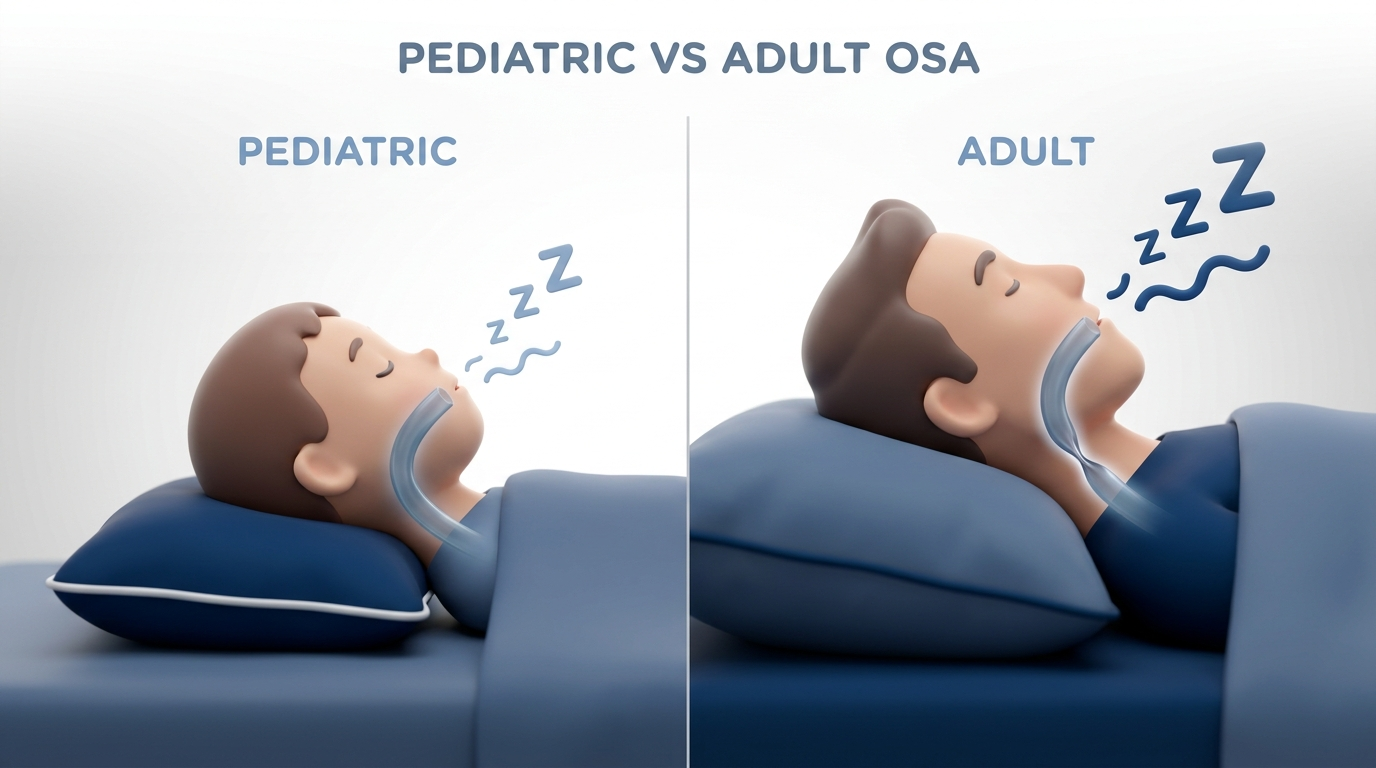
Pediatric vs Adult Obstructive Sleep Apnea: Key Differences in Symptoms, Testing, and Treatment
Many families assume snoring is “normal,” especially if it runs in the family. But pediatric vs adult obstructive sleep apnea (OSA) can look very different—and those differences matter for symptoms, sleep testing, and treatment options. In kids, signs may show up as behavior, mood, or school issues instead of obvious daytime sleepiness. In adults, loud snoring and fatigue are common—and the long-term conversation often includes cardiometabolic risk. One sleep clinician’s rule of thumb is: “In children, the daytime story may sound like ADHD or ‘bad sleep habits,’ while in adults it often sounds like burnout.” OSA can mimic or coexist with these presentations and does not replace appropriate evaluation for ADHD, mood, or other medical conditions. Only a formal sleep evaluation can sort this out.
Takeaway: Differences by age change how OSA looks, how it’s tested, and how it’s treated.
What Is Obstructive Sleep Apnea (OSA)?
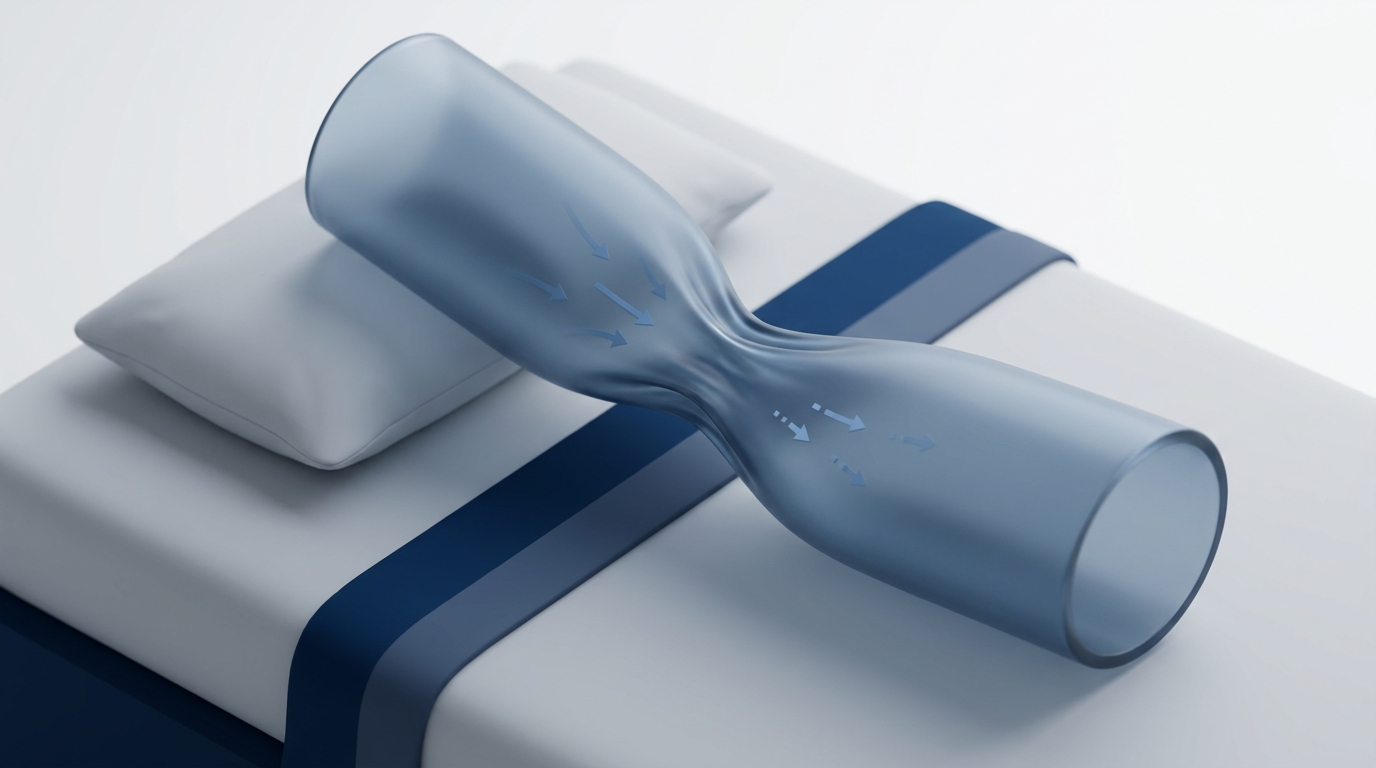
Simple definition (kid vs adult): Obstructive sleep apnea (OSA) is repeated partial or complete blockage of the upper airway during sleep, which can reduce airflow and disrupt sleep quality. A helpful analogy: the throat is like a flexible straw. During sleep, the muscles that keep it open relax. In OSA, the “straw” narrows or collapses often enough to disturb breathing and sleep.
A key pediatric vs adult difference: children’s breathing events can be clinically meaningful even when they’re shorter, and pediatric sleep studies use different scoring rules than adult studies.1,2
Takeaway: The same condition behaves differently across ages, and pediatric sleep science accounts for that.
Why Untreated OSA Matters
Untreated OSA can affect health at any age, though patterns differ:
- Kids: associated with issues involving growth, learning/behavior, attention, bedwetting, and heart–lung strain.1
- Adults: commonly linked with excessive daytime sleepiness, safety risks (e.g., drowsy driving), and increased cardiometabolic risk over time.
Pediatric OSA impacts and complications are summarized in NCBI Bookshelf.1
Takeaway: Across ages, OSA is worth addressing because disrupted sleep and breathing can affect daily function and long-term health.
Pediatric vs Adult OSA at a Glance
Children (pediatric OSA)
- Typical age pattern: often noticed in preschool/early school years.
- Most common cause: enlarged tonsils/adenoids (adenotonsillar hypertrophy), especially around ages 3–5.1
- Common symptoms: snoring, mouth breathing, restless sleep; behavior/attention changes may stand out more than sleepiness.1
- Sleep study scoring: pediatric rules may score obstructive events after two breaths, even if under 10 seconds.2
- CO2 monitoring: more commonly included in pediatric polysomnography.2
- First-line treatments: often focuses on tonsils/adenoids (adenotonsillectomy) when appropriate.1
- CPAP use: for residual OSA after surgery, severe obesity, or craniofacial factors.1
Adults (adult OSA)
- Typical age pattern: increases with age.
- Most common contributors: obesity and airway collapsibility, plus anatomy.
- Common symptoms: loud snoring, witnessed apneas, gasping; daytime sleepiness, morning headaches.
- Sleep study scoring: adult rules typically emphasize longer-duration events.
- CO2 monitoring: often less routine than in pediatric studies.2
- First-line treatments: PAP therapy (CPAP/APAP) is common for moderate–severe cases, with other options based on anatomy and severity.
- CPAP use: common first-line for many moderate–severe cases.
Sources: pediatric age/cause patterns (1); pediatric scoring and CO2 monitoring (2).
Takeaway: Kids and adults can snore, but the reasons, test criteria, and first-line treatments often differ.
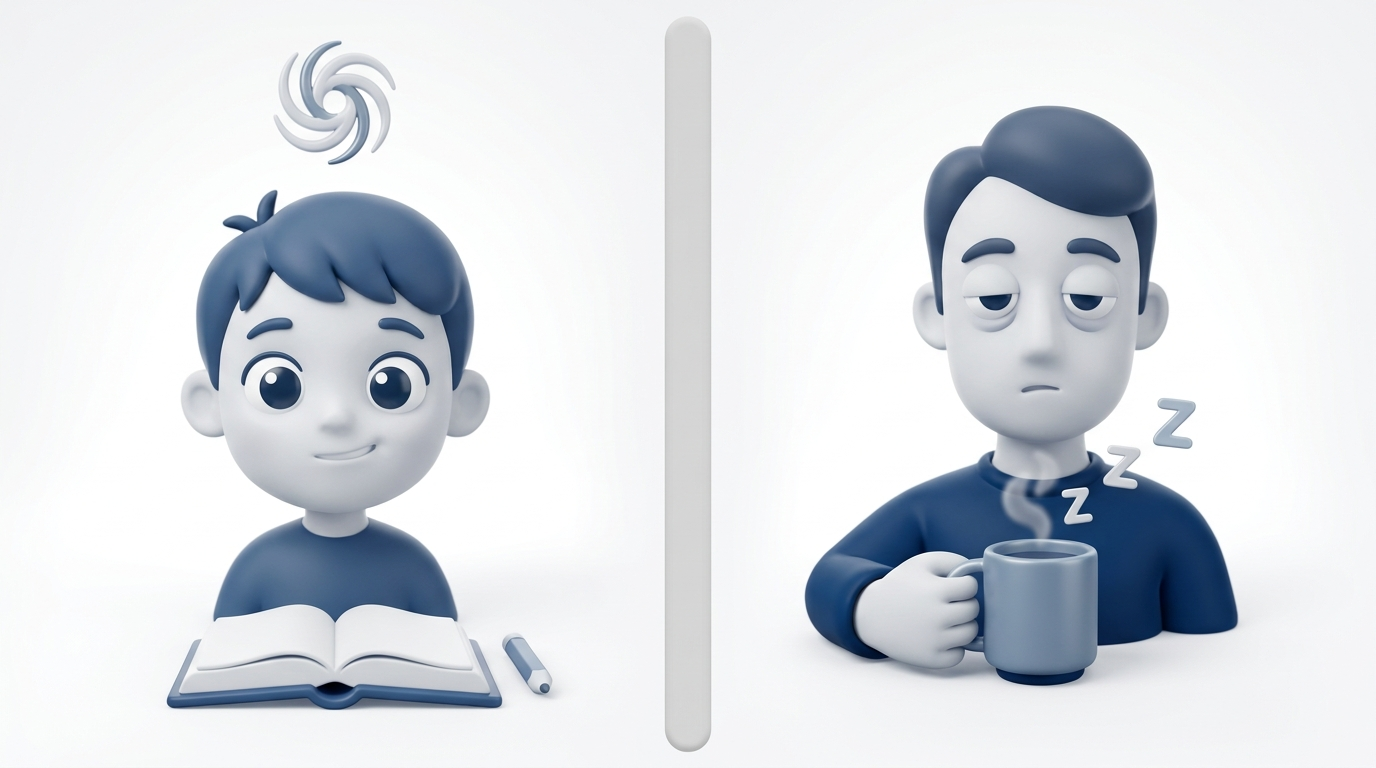
Symptoms—How Sleep Apnea Looks Different in Kids vs Adults
Common pediatric OSA symptoms (what parents may notice)
Child sleep apnea symptoms can be easy to miss because kids may not describe “sleepiness” the way adults do. Some children also “push through” fatigue and look wired instead of tired. Common signs include:
- Loud, habitual snoring
- Mouth breathing (especially at night)
- Restless sleep or frequent position changes
- Pauses in breathing (sometimes subtle)
- Night sweats or unusual sleep positions
- Behavioral signs: irritability, hyperactivity, trouble focusing, or school concerns (often more prominent than sleepiness)1
- Bedwetting in some children (can have multiple causes, but sleep disruption may contribute)
Pediatric clinical presentation patterns are summarized in NCBI Bookshelf.1
Common adult OSA symptoms
- Loud snoring and witnessed apneas
- Choking/gasping awakenings
- Excessive daytime sleepiness or dozing off unintentionally
- Morning headaches
- Dry mouth on waking
- Mood changes or irritability
- Nighttime urination
Red flags—when to seek evaluation sooner
- Labored breathing during sleep, frequent gasping/choking
- Noticeable decline in school performance or poor growth (kids)
- Severe daytime sleepiness, near-miss driving events, or safety concerns (adults)
Takeaway: In children, daytime behavior may be the biggest clue; in adults, sleepiness and safety issues are common triggers for testing.
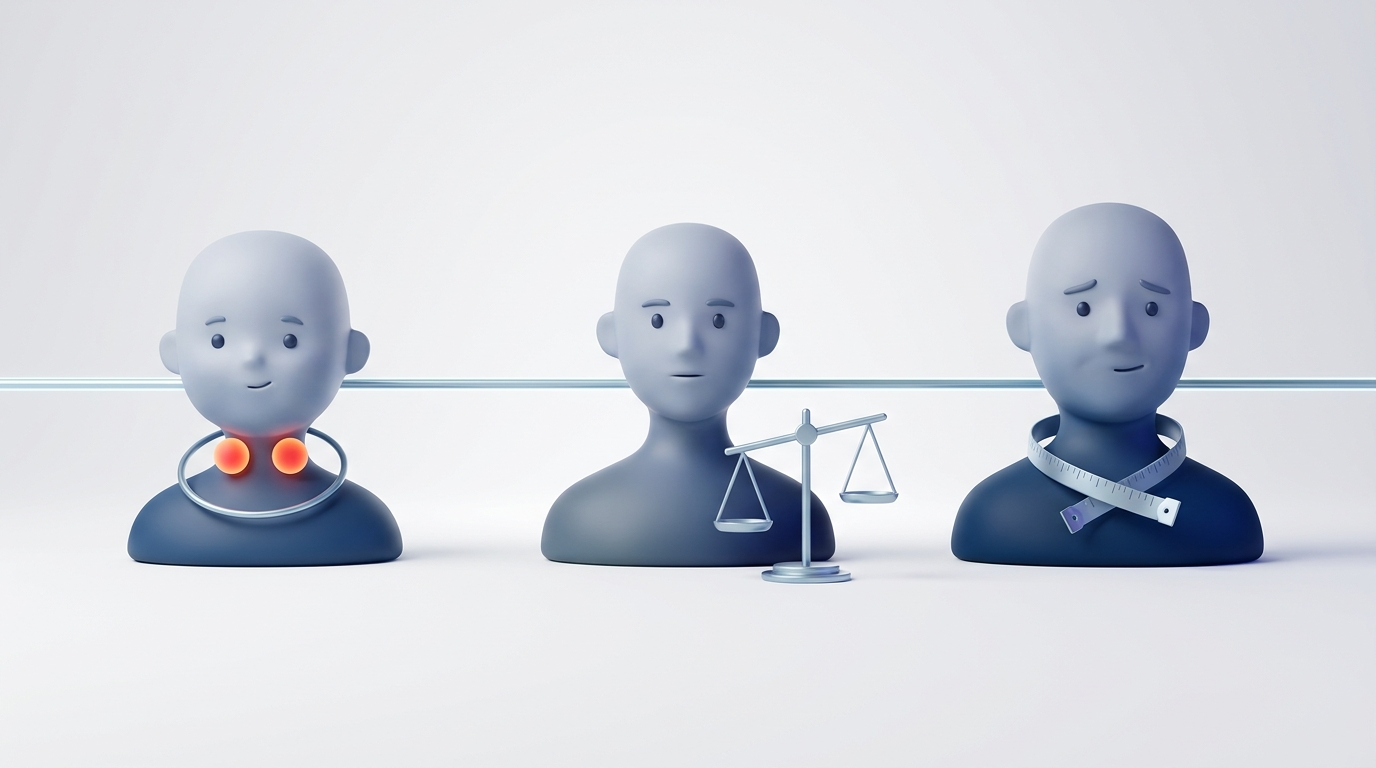
Causes and Risk Factors—Why Pediatric OSA Isn’t Just “Small Adult OSA”
The age-pattern shift: tonsils/adenoids to obesity influence
- Younger children (often ~3–5): adenotonsillar hypertrophy is a predominant driver.1
- Adolescence: obesity and sleep apnea become more closely linked, and the pattern may resemble adult OSA more closely.1
Pediatric risk factors (beyond weight)
- Craniofacial differences (small jaw, narrow palate)
- Neuromuscular weakness
- Allergic rhinitis/chronic nasal obstruction
- Down syndrome
- Prematurity
- Secondhand smoke exposure1
Adult risk factors
- Obesity (especially central weight distribution)
- Aging-related airway changes
- Alcohol/sedatives (can worsen airway collapse)
- Smoking
- Nasal obstruction and certain airway anatomy features
Takeaway: In preschoolers, big tonsils often lead; in teens and adults, weight and airway collapsibility play a larger role.
Diagnosis—Key Differences in Pediatric vs Adult Sleep Testing
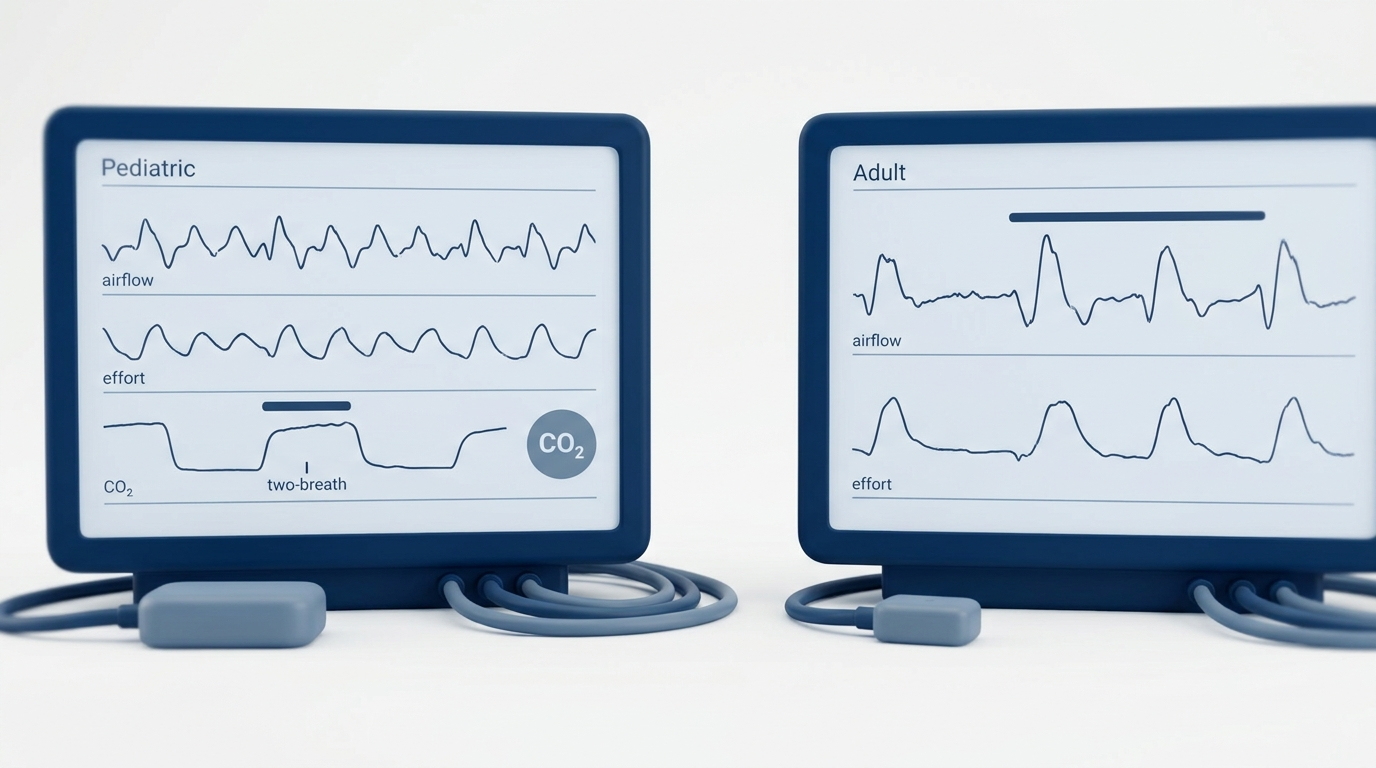
Pediatric scoring rules
In pediatric polysomnography, obstructive events can be scored after only two breaths, even if they last under 10 seconds—a meaningful difference from typical adult rules.2 This affects how “severity” can look across ages. Severity labels and treatment thresholds are determined by clinicians using the entire sleep study and clinical picture, not the AHI number alone. For a plain-language refresher on AHI, see AHI score explained: https://sleepandsinuscenters.com/blog/ahi-score-explained-understanding-your-sleep-apnea-severity
CO2 monitoring is more common in children
Pediatric polysomnography more often includes carbon-dioxide monitoring, while many adult labs use it less routinely.2 This helps detect sleep-related hypoventilation patterns in some children.
Practical testing logistics—kids aren’t just “smaller patients”
Sleep studies on children have real-world challenges: sensors can dislodge more easily, and set-up must fit smaller anatomy. Pediatric labs may use redundant leads and child-specific placement to improve data quality.2
Home sleep testing in kids—what research suggests
Some studies show home-based type-2 polysomnography can be feasible in children and comparable to in-lab testing in selected settings.3 However, home testing may miss certain signals (such as detailed CO2/hypoventilation workups) and is not automatically equivalent to in-lab PSG for every child. For an overview of testing options, see Home sleep test vs. lab study: https://sleepandsinuscenters.com/blog/home-sleep-test-vs-lab-study-which-sleep-test-is-best-for-you
Takeaway: Children’s tests are designed and interpreted differently to capture clinically important events that adult rules might miss.
Treatment—How Pediatric vs Adult OSA Care Plans Differ
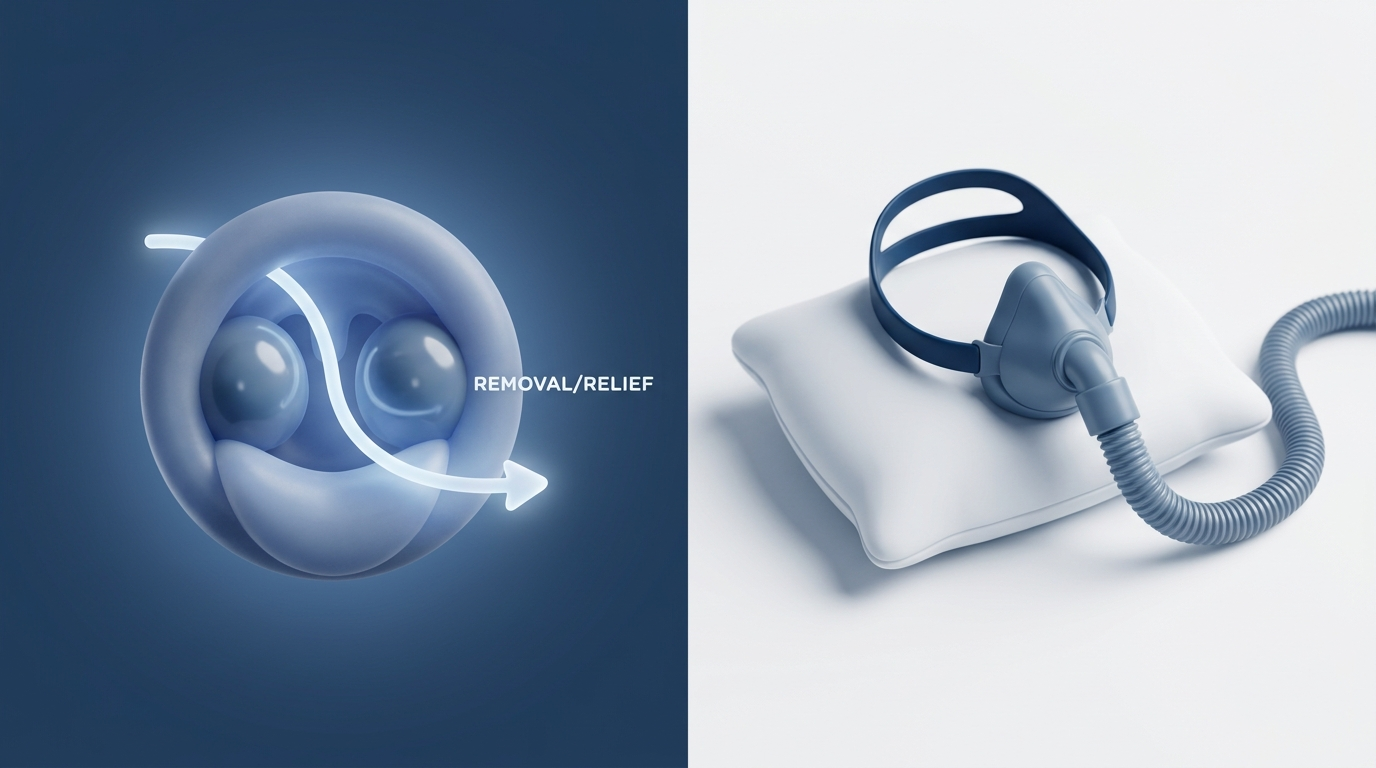
Pediatric first-line treatment often targets tonsils/adenoids
When adenotonsillar hypertrophy is the main contributor, adenotonsillectomy is commonly considered a first-line approach in pediatric OSA.1 Candidacy depends on exam findings, sleep study results, and shared decision-making between families, ENT, and sleep clinicians. Some children have residual OSA after surgery, so follow-up matters.
Adult first-line treatment commonly starts with PAP therapy
For many adults—especially with moderate to severe OSA—treatment often starts with PAP therapy (CPAP or APAP). Other options can include oral appliances, positional therapy, weight strategies, and selected surgeries, depending on anatomy and severity. The best plan is the one a person can use consistently and comfortably. Learn more about evaluation and treatment pathways: https://sleepandsinuscenters.com/snoring-sleep-apnea-treatment
CPAP in children—when it’s used and what’s unique
CPAP may be used when OSA persists after surgery, when severe obesity is a major driver, or when craniofacial anatomy limits surgical options.1 Pediatric CPAP requires careful attention to mask fit, comfort, and growth-related considerations.
Adolescents may need a blended approach
Because teen OSA can shift toward an adult-like pattern—especially with obesity—care plans may combine weight strategies, PAP therapy, and evaluation of tonsils/adenoids when appropriate.1
Takeaway: Kids and teens often start with anatomy-focused care, while adults more often begin with PAP—then plans adjust based on results and tolerance.
Lifestyle and Support Tips
For children (parents/caregivers)
- Track patterns: snoring frequency, breathing pauses, morning mood, daytime behavior
- Keep a consistent sleep routine aligned with age-appropriate sleep duration
- Address nasal symptoms (e.g., allergic rhinitis) to reduce mouth breathing when relevant1
- Reduce smoke exposure in the home and car
For adults
- Weight management when applicable
- Avoid alcohol close to bedtime (for some, it can worsen airway collapse)
- Positional strategies: side-sleeping may reduce events in some people with mild, position-dependent OSA; this is not a substitute for evaluation or treatment
- Address nasal congestion to improve PAP comfort if using CPAP/APAP
Takeaway: Practical steps can support formal care, but they don’t replace a proper evaluation or prescribed treatment.
Follow-Up and Monitoring—What Happens After Treatment?
Children may need re-evaluation as they grow
Airway and risk factors can change with growth, orthodontic development, allergies, and weight. Residual or recurrent OSA can occur after adenotonsillectomy; some children need repeat evaluation and, at times, PAP therapy.1
Adults benefit from long-term management
Adults often need ongoing monitoring of PAP comfort and adherence and reassessment if symptoms return or if health/weight changes alter pressure needs. Sometimes small adjustments—mask fit, treating nasal obstruction, or pressure updates—restore good sleep.
Takeaway: Follow-up keeps treatment effective as bodies, lifestyles, and airways change.
FAQs
Can a child have sleep apnea without being overweight?
Yes. Pediatric OSA is strongly associated with factors like enlarged tonsils/adenoids, craniofacial anatomy, Down syndrome, neuromuscular conditions, rhinitis, prematurity, and secondhand smoke exposure.1
Why is “mild” sleep apnea in kids taken seriously?
Because pediatric physiology and scoring differ from adults. In children, obstructive events can be scored after only two breaths—even if under 10 seconds—so “mild” on paper can still reflect meaningful disruption.2 Clinicians determine severity and treatment thresholds using the entire sleep study and clinical picture, not AHI alone.
Do children usually need CPAP?
Not always. Many children are first evaluated for treatable airway contributors (like tonsils/adenoids). CPAP is more often used when surgery isn’t appropriate, when obesity is a major driver, or when OSA persists after adenotonsillectomy.1
Is an at-home sleep study accurate for children?
It can be in selected situations. Research suggests type-2 home polysomnography is feasible and can be comparable to in-lab testing in some studies.3 It’s not right for every child and may miss certain signals (e.g., CO2/hypoventilation), so clinicians decide based on age, symptoms, and what needs to be measured.
What is AHI and is it the same for kids and adults?
AHI (apnea-hypopnea index) measures breathing disruptions per hour of sleep. The concept is the same, but scoring rules differ between children and adults, which can affect severity categories.2 Learn more: https://sleepandsinuscenters.com/blog/ahi-score-explained-understanding-your-sleep-apnea-severity
When to See a Specialist
Signs your child should be evaluated
- Habitual snoring (most nights), mouth breathing, restless sleep
- Behavioral changes, attention concerns, or school performance issues
- Witnessed pauses, gasping, or labored breathing during sleep
Signs an adult should be evaluated
- Loud snoring plus choking/gasping or witnessed apneas
- Excessive daytime sleepiness, morning headaches
- High blood pressure or cardiometabolic concerns alongside sleep symptoms
To learn more about care pathways at Sleep and Sinus Centers of Georgia or to request an appointment, visit:
- Snoring and sleep apnea treatment: https://sleepandsinuscenters.com/snoring-sleep-apnea-treatment
- Home page: https://www.sleepandsinuscenters.com/
Takeaway: If symptoms are consistent, a structured evaluation can clarify what’s happening and the options that fit you or your child.
Conclusion
Pediatric vs adult obstructive sleep apnea may share the same name, but the causes, sleep-study rules, and first-line treatments can be very different—especially around enlarged tonsils/adenoids in younger kids, obesity’s increasing role in adolescence, and pediatric scoring and CO2 monitoring in sleep testing.1,2 If you’re noticing persistent symptoms (snoring plus disrupted sleep, behavior changes, or daytime sleepiness), an evaluation can help you move from guesswork to a practical plan. Start here: https://www.sleepandsinuscenters.com/
Takeaway: Right-sized testing and treatment for the patient’s age make OSA care safer, simpler, and more effective.
References
1. NCBI Bookshelf – Pediatric Obstructive Sleep Apnea: https://www.ncbi.nlm.nih.gov/books/NBK557610
2. Pediatric Polysomnography review (scoring, CO2 monitoring, logistics): https://www.ncbi.nlm.nih.gov/pmc/articles/PMC2739664
3. Ambulatory type-2 polysomnography study in children: https://www.ncbi.nlm.nih.gov/pmc/articles/PMC8804994
This article is for educational purposes only and is not medical advice. Please consult a qualified healthcare provider for diagnosis and treatment.
Don’t let allergies slow you down. Schedule a comprehensive ENT and allergy evaluation at Sleep and Sinus Centers of Georgia. We’re here to find your triggers and guide you toward lasting relief.