Why Do My Ears Pop Constantly? Eustachian Tube Dysfunction Causes Explained
If you’ve been dealing with constant ear popping—or you feel like your ears pop constantly throughout the day—it’s understandable to wonder if something is wrong. In many cases, frequent popping is tied to how your ears regulate pressure. But when popping becomes persistent (or comes with pressure, muffled hearing, or a clogged feeling), it may point to a common condition called Eustachian tube dysfunction (ETD).
Below, we’ll walk through what’s happening inside the ear, what typically causes ETD (including allergies and the possible link between GERD and ear pressure), what an ENT evaluation often includes, and when it’s time to seek care.
Quick Answer: Is Constant Ear Popping Normal?
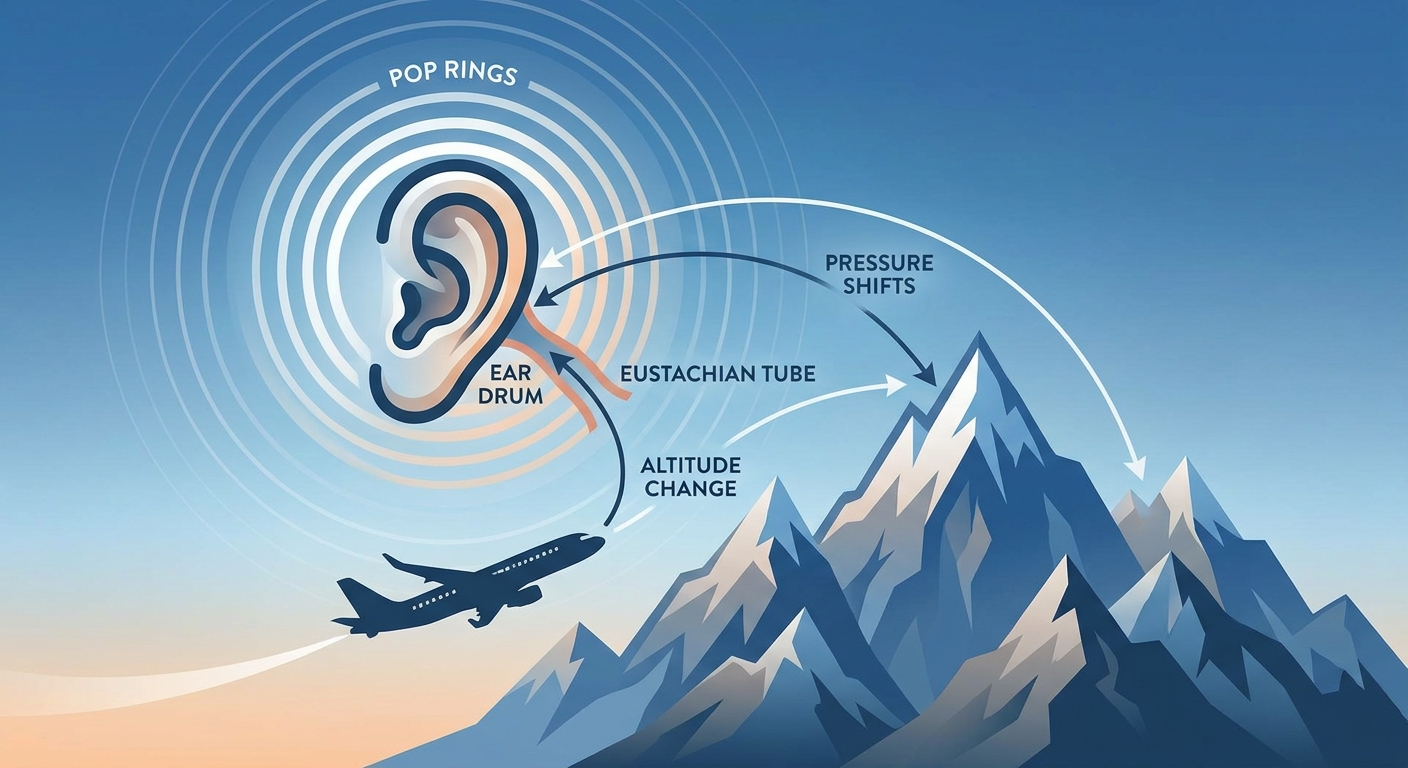
Occasional ear popping is normal. Many people notice a pop when swallowing, yawning, or chewing—especially during altitude changes (like driving in the mountains or flying). That pop is usually just pressure equalizing through the Eustachian tube (Cleveland Clinic, 2024).
But frequent or constant popping can be a sign of Eustachian tube dysfunction (ETD). ETD is often driven by inflammation and swelling around the tube’s opening, which makes pressure regulation less consistent (Cleveland Clinic, 2024; StatPearls, 2023). If you feel repeated ear pressure, clogged ears, or ongoing popping that doesn’t settle down, ETD is one of the most common explanations.
A helpful way to think about it: an occasional pop is your ear doing its job. Constant popping can mean that job is getting interrupted by swelling, irritation, or mucus that won’t drain normally.
Takeaway: Occasional popping is normal; constant popping may signal ETD and is worth a closer look.
What Causes Ear Popping in the First Place?
The middle ear pressure-balancing system (simple explanation): Behind your eardrum is the middle ear, an air-filled space. For hearing to feel clear and comfortable, the air pressure in the middle ear needs to stay fairly close to the air pressure outside your body. When those pressures don’t match—after a flight, during congestion, or after an elevation change—your ear may feel full. When pressure finally equalizes, you may feel or hear a pop. Example: on landing, hearing can feel underwater, then clear after swallowing—that clear moment is pressure equalizing.
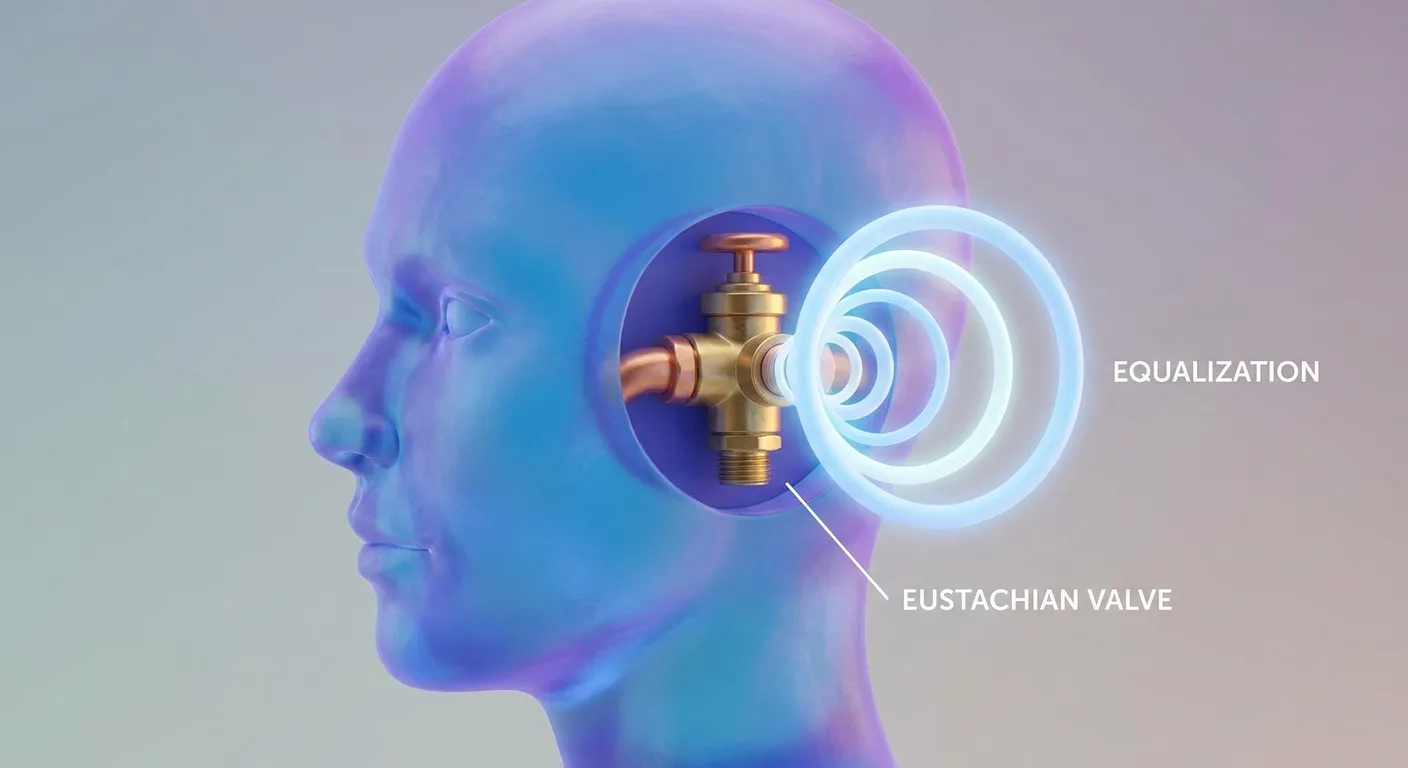
What the Eustachian tube does (and why it matters): The Eustachian tube connects the middle ear to the back of the nose and helps equalize pressure, ventilate the middle ear, and drain mucus/fluid (Cleveland Clinic, 2024; StatPearls, 2023). When it opens and closes smoothly, popping is occasional and brief; when it doesn’t, symptoms can become frequent. Analogy: it’s a tiny pressure-release valve—if it sticks too closed or doesn’t coordinate well, you can feel repeated adjustments all day.
Takeaway: Your ears pop to equalize pressure—when that system is disrupted, pops can become frequent.
When Ear Popping Becomes a Problem: Eustachian Tube Dysfunction (ETD)
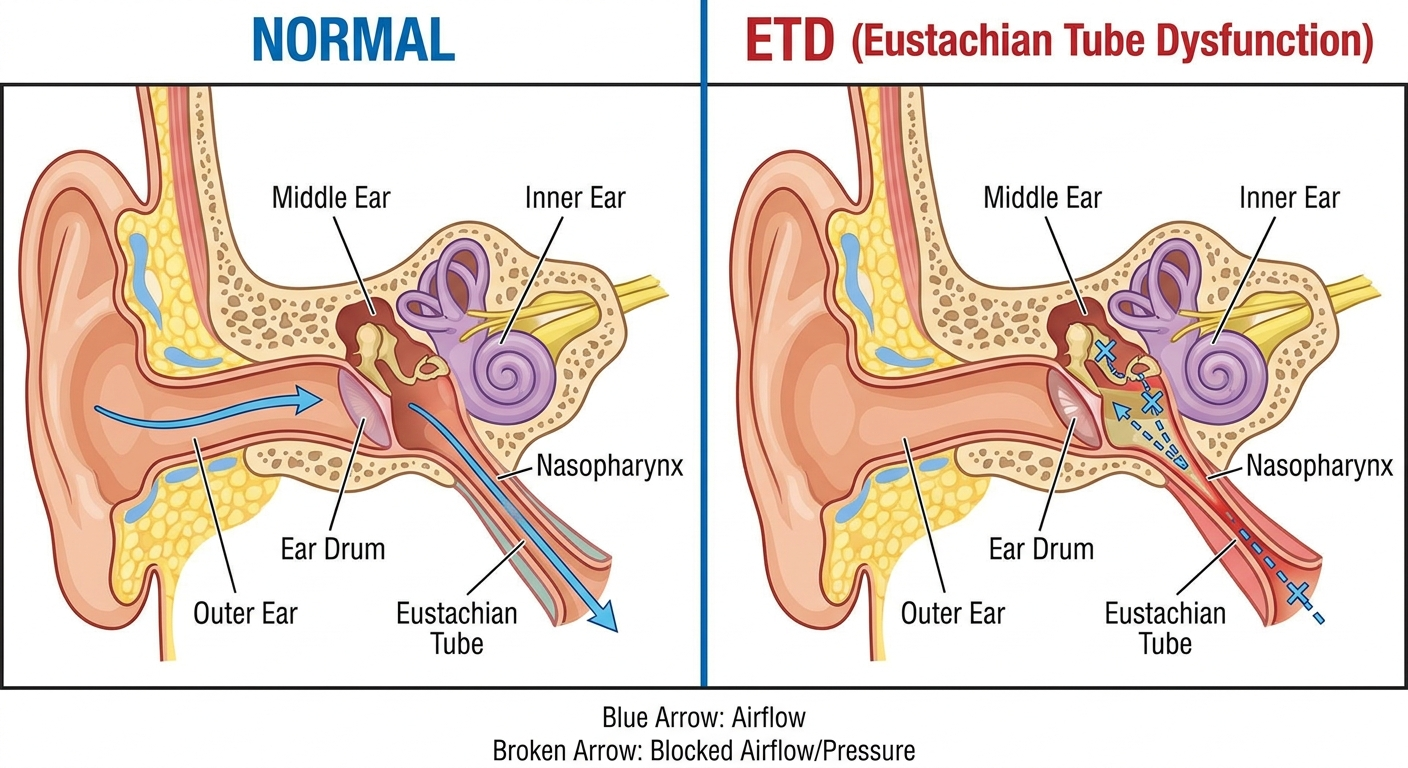
ETD happens when the tube doesn’t open properly. Pressure may not equalize well and mucus may not clear effectively (StatPearls, 2023; Cleveland Clinic, 2024). Overview guide: https://sleepandsinuscenters.com/blog/eustachian-tube-dysfunction-symptoms-causes-effective-treatment-options
Why ETD often feels like popping nonstop: When inflammation narrows the tube or makes mucus thicker and stickier, the middle ear can cycle through small pressure changes again and again—creating repeated popping, crackling, and pressure imbalance sensations (StatPearls, 2023; NCBI Bookshelf, 2023). Patients often say things like, It feels like I need to pop my ears but it doesn’t stay popped; Every swallow makes a clicking sound; One ear is always behind the other. This is usually less about too much air and more about inconsistent pressure regulation.
Takeaway: With ETD, frequent popping reflects inconsistent pressure regulation—usually from inflammation.
Symptoms of ETD (Beyond Popping)
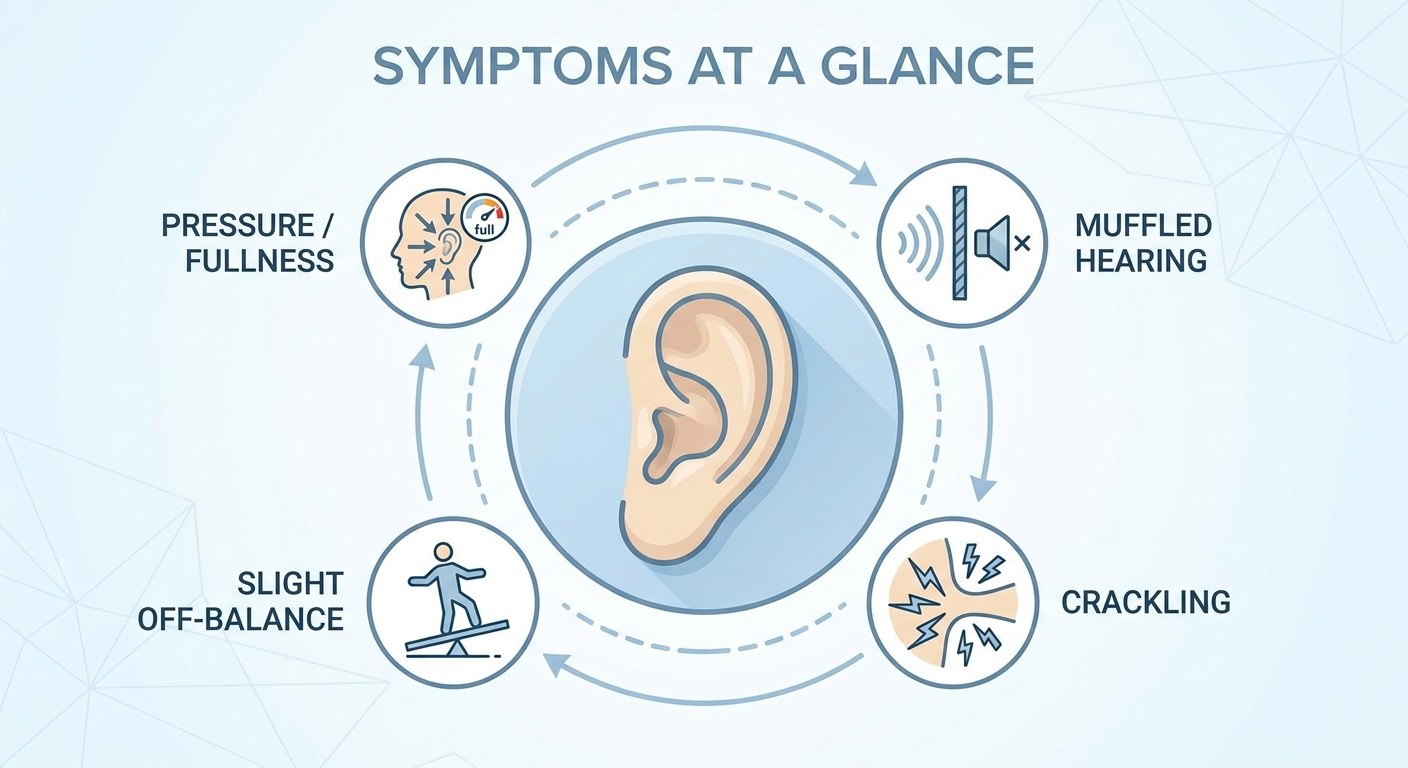
Common symptoms: ear fullness or pressure; clicking, popping, or crackling sounds; muffled hearing or an underwater sensation; mild ear discomfort; feeling slightly off-balance or lightheaded. Symptoms often fluctuate—people feel better briefly, then pressure creeps back in (Cleveland Clinic, 2024; StatPearls, 2023).
Get evaluated sooner if symptoms are one-sided or persistent, associated with significant hearing loss, or accompanied by severe pain, fever, drainage, or worsening symptoms.
Takeaway: Fluctuating pressure and popping are common with ETD, but one-sided or persistent symptoms may warrant medical evaluation.
Why Do My Ears Pop Constantly? The Most Common Causes of ETD
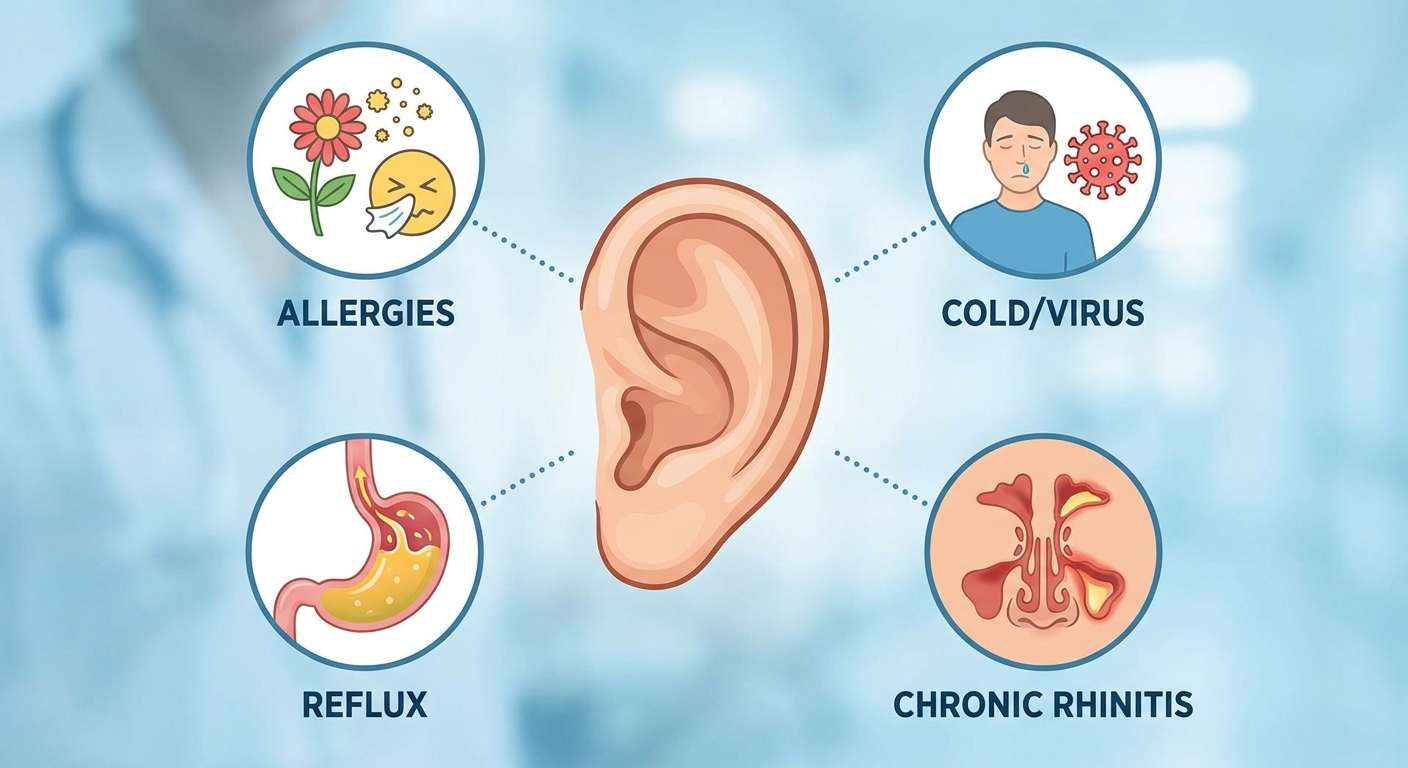
Most triggers share a theme: inflammation and swelling near the Eustachian tube opening.
Allergies (seasonal or year-round): Nasal and upper airway inflammation can impair tube opening; clues include sneezing, itchy or watery eyes, a clear runny nose, and seasonal patterns or triggers like pets/dust (StatPearls, 2023; Cleveland Clinic, 2024). Many notice ear popping every spring or fall when pollen rises.
Viral respiratory infections (cold, flu): Swelling and thicker mucus temporarily disrupt function. Clogged ears, popping, or muffled hearing often improve as congestion clears—though ear symptoms can linger after other cold symptoms fade (StatPearls, 2023).
Acid reflux/GERD (including silent reflux): Reflux-related irritation in the upper airway may be associated with ETD symptoms in some people (StatPearls, 2023; NCBI Bookshelf, 2023). Background: https://sleepandsinuscenters.com/blog/chronic-acidic-reflux-effects-on-eustachian-tube-dysfunction-and-ear-health
Sinus/nasal inflammation or chronic rhinitis: Longstanding nasal swelling—from irritants, non-allergic rhinitis, chronic sinus inflammation, or mixed causes—can make the nearby tube opening less reliable.
Travel and Altitude Triggers (Flying, Mountains, Diving)
Some people don’t notice ETD day-to-day, but symptoms flare with rapid pressure changes. If the tube can’t equalize well, discomfort and the risk of ear barotrauma increase during flying or diving (StatPearls, 2023). You may feel fine most weeks but experience constant popping when traveling.
Takeaway: Many ETD triggers inflame the nose–throat area; travel and altitude shifts often reveal an underlying tendency.
ETD vs. Other Causes of Frequent Ear Popping (Quick Differentials)
Not all popping is ETD. Earwax blockage more often causes muffled hearing or fullness—wax itself isn’t a pressure equalizer. Middle ear fluid (effusion) can cause pressure, muffled hearing, and crackling, especially with position changes. Jaw/TMJ issues can produce clicking near the ear with chewing plus jaw soreness. Patulous Eustachian tube (less common) involves a tube that is too open, causing autophony (hearing one’s own voice or breathing loudly) (StatPearls, 2023).
Takeaway: Frequent popping has multiple potential causes—ETD is common, but not the only explanation.
How ETD Is Diagnosed (What to Expect at an ENT Visit)
History and symptom pattern: clinicians ask about seasonality (allergies), recent viral illness, reflux clues (throat clearing), flight/altitude triggers, duration, and whether one or both ears are affected. It helps to bring concrete examples (worse in mornings, flares after flying, every spring).
Ear exam plus nasal exam: providers look for fluid behind the eardrum, eardrum retraction (pressure imbalance), and nasal congestion/inflammation that could affect the tube opening.
Common tests: tympanometry (screens middle ear pressure and fluid) and a hearing test if symptoms persist or hearing feels reduced (StatPearls, 2023; Cleveland Clinic, 2024).
Takeaway: A focused history, ear–nose exam, and simple tests like tympanometry often clarify what’s going on.
Treatments That Actually Help Constant Ear Popping (ETD)
Goal: address the trigger (often inflammation) and support healthier ventilation and drainage.
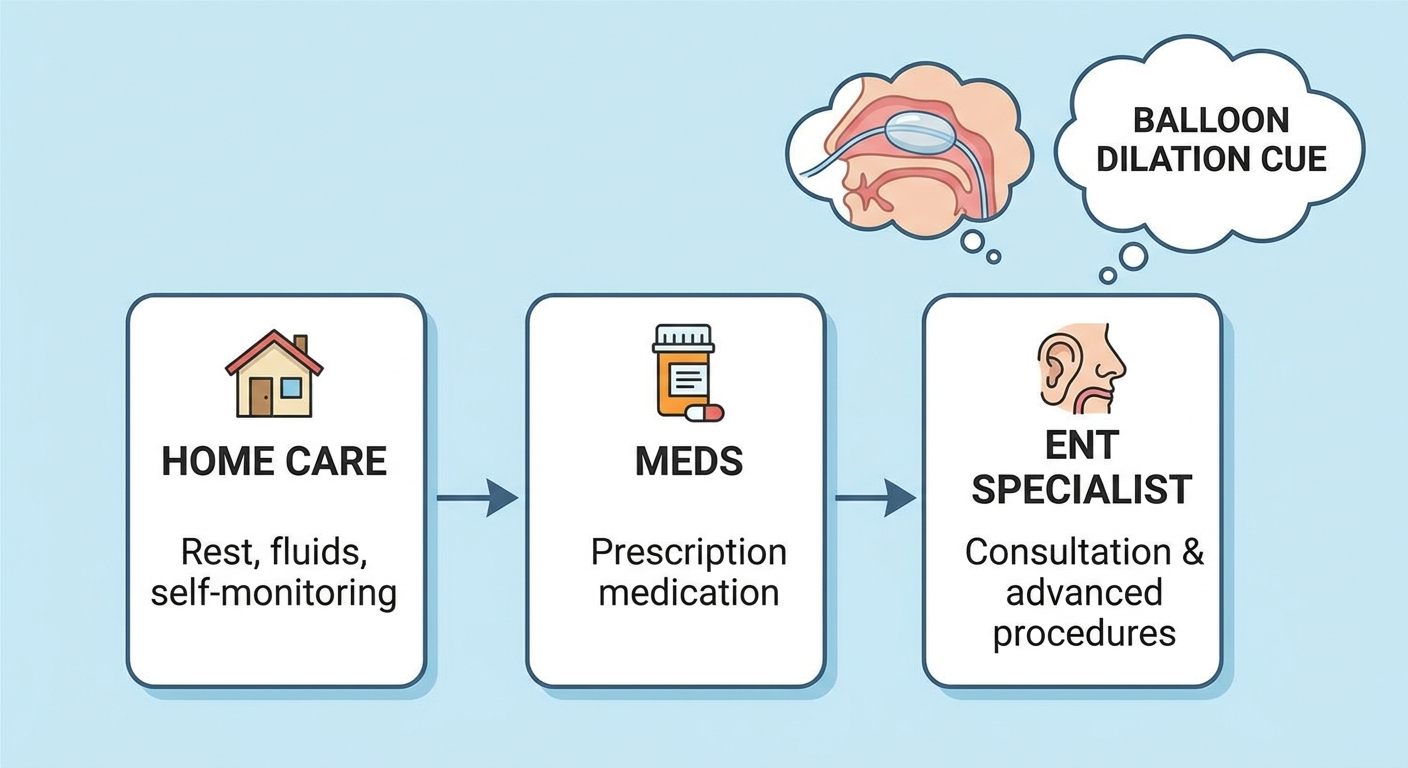
At-home strategies: swallowing, yawning, or chewing gum; good hydration and humidification to thin mucus; saline nasal spray or rinse to reduce irritants. Safe techniques and when to get help: https://sleepandsinuscenters.com/blog/safe-eustachian-tube-exercises-pressure-equalizing-tips-and-when-to-see-an-ent-in-atlanta
Medications (based on cause): allergies may respond to antihistamines and/or nasal steroid sprays; viral illnesses are typically supportive care with time; reflux may call for diet/lifestyle changes and medications when indicated (Cleveland Clinic, 2024; StatPearls, 2023). For ETD, treatment often targets nasal/throat inflammation.
Pressure-equalizing maneuvers—use with caution: gentle techniques may help some people, but avoid forceful attempts, especially with significant pain, fever, drainage, or suspected infection. If a maneuver worsens pain or symptoms, pause and seek evaluation (StatPearls, 2023).
In-office/procedural options: for persistent ETD, ENT-directed procedures may be considered. Balloon dilation of the Eustachian tube is one option in appropriate candidates to widen the narrowed portion and improve function (Cleveland Clinic, 2024; StatPearls, 2023).
Takeaway: Gentle self-care and cause-based treatment help many; persistent ETD may benefit from ENT-guided options.
Lifestyle Tips to Prevent ETD Flare-Ups
Allergy-trigger reduction: track seasonal patterns and start routines early; reduce indoor dust (wash bedding, consider HEPA filtration); keep windows closed on high-pollen days.
Reflux-lowering habits: avoid late meals; identify trigger foods; elevate the head of the bed if nighttime symptoms are present (NCBI Bookshelf, 2023; StatPearls, 2023).
Travel tips if pressure changes trigger popping: plan ahead during allergy flares; if you are severely congested, travel may be more uncomfortable and ear barotrauma risk may be higher (StatPearls, 2023).
Takeaway: Managing allergies, reflux, and congestion—and preparing for travel—can reduce ETD flare-ups.
When to See a Doctor (and When It’s Urgent)
Consider an appointment if symptoms last more than 1–2 weeks, keep returning, affect hearing, sleep, or daily comfort, or if you suspect poorly controlled allergies or reflux. Guidance: https://sleepandsinuscenters.com/blog/when-should-i-see-an-ent
Seek urgent care for severe ear pain with fever, drainage from the ear, sudden hearing loss, or severe dizziness/vertigo.
Takeaway: Persistent, recurrent, or impactful symptoms deserve evaluation—seek urgent care for red-flag signs.
FAQs
Why do my ears pop every time I swallow? Swallowing briefly opens the Eustachian tube to equalize pressure. Frequent popping can signal repeated pressure imbalance, often seen with ETD (Cleveland Clinic, 2024; StatPearls, 2023).
Can allergies cause constant ear popping? Yes. Nasal inflammation from allergies can affect the tube opening and contribute to popping, fullness, and pressure imbalance (StatPearls, 2023; Cleveland Clinic, 2024).
Can GERD cause ear pressure or popping? In some people, reflux-related irritation may be associated with ETD symptoms such as ear pressure and popping (StatPearls, 2023; NCBI Bookshelf, 2023). The relationship varies by individual.
How long does ETD last after a cold? It often improves as congestion resolves, but timelines vary. If symptoms linger beyond a week or two, recur, or worsen, consider evaluation (StatPearls, 2023).
What’s the fastest safe way to relieve ear pressure? Many start with gentle, low-risk methods like swallowing, yawning, chewing gum, and addressing nasal irritation (for example, with saline). If pressure is severe, persistent, or painful, an exam can clarify the cause and next steps (Cleveland Clinic, 2024; StatPearls, 2023).
When is ear popping a sign of an ear infection? Popping alone doesn’t confirm infection, but popping plus escalating pain, fever, drainage, or worsening hearing is more concerning and should be evaluated (Cleveland Clinic, 2024; StatPearls, 2023).
Conclusion: Treat the Inflammation, Not Just the Popping
If you’re experiencing constant ear popping, the popping is often a symptom—not the core issue. In many cases, frequent popping reflects ETD driven by inflammation from allergies, viral illness, chronic nasal irritation, or sometimes GERD-related irritation (Cleveland Clinic, 2024; StatPearls, 2023). Because persistent symptoms can overlap with other conditions (wax, fluid, TMJ, or less common tube problems), an ENT evaluation can help—especially if symptoms are lasting, recurring, one-sided, or affecting hearing and quality of life.
Ready to get answers? Book an appointment with Sleep and Sinus Centers of Georgia: https://www.sleepandsinuscenters.com/
Medical disclaimer: This article is for general education and isn’t a substitute for personalized medical advice, diagnosis, or treatment. If you have severe pain, fever, ear drainage, sudden hearing loss, or significant dizziness, seek urgent care.
Takeaway: Address the cause—often inflammation—and the popping usually follows.
References
StatPearls. Eustachian Tube Dysfunction (2023). https://www.ncbi.nlm.nih.gov/books/NBK555908/
Cleveland Clinic. Eustachian Tubes (2024). https://my.clevelandclinic.org/health/body/22072-eustachian-tubes
Cleveland Clinic. Eustachian Tube Dysfunction (2024). https://my.clevelandclinic.org/health/diseases/22527-eustachian-tube-dysfunction
NCBI Bookshelf. Gastroesophageal Reflux Disease (GERD) (2023). https://www.ncbi.nlm.nih.gov/books/NBK532284/
This article is for educational purposes only and is not medical advice. Please consult a qualified healthcare provider for diagnosis and treatment.
Don’t let allergies slow you down. Schedule a comprehensive ENT and allergy evaluation at Sleep and Sinus Centers of Georgia. We’re here to find your triggers and guide you toward lasting relief.