Recurring Sinus Infections After COVID: Causes, Symptoms, and Treatment Options
If you’ve noticed recurring sinus infections after COVID, you’re not alone—and you’re not imagining it. For many people, what feels like “another sinus infection” turns into a repeating cycle of congestion, facial pressure, post-nasal drip, and headaches. The encouraging news is that once clinicians identify the underlying pattern (infection vs. inflammation vs. blockage), long-term relief is often achievable with the right plan.
Below is a patient-friendly guide to what may be going on, which symptoms matter most, how clinicians evaluate post-COVID sinus complaints, and today’s treatment options—including chronic rhinosinusitis (CRS) and nasal polyps.
Quick take: Why sinus infections can become “a thing” after COVID
Researchers are increasingly studying how COVID-19 affects the nose and sinuses after the initial illness clears. For some patients, the nose and sinus lining stays “switched on” with inflammation longer than expected—making it easier to feel congested or develop repeated flare-ups.
- COVID-19 may be linked to a higher chance of later being diagnosed with chronic rhinosinusitis (CRS). In a large study, people with prior SARS‑CoV‑2 infection had an increased risk of a subsequent CRS diagnosis. [1]
- Ongoing inflammation may drive tissue changes in the nose for some individuals. One proposed mechanism involves immune signaling (including TLR-mediated inflammation) that could contribute to persistent sinonasal inflammation and possibly nasal polyps in certain patients. [2]
- Sinus-type symptoms are frequently reported in Long COVID. Ongoing congestion, sinus pressure, post-nasal drip, and headaches show up on many Long COVID symptom lists. [3] For a related overview, see our guide on Long COVID ENT symptoms: https://sleepandsinuscenters.com/blog/managing-long-covid-ent-symptoms-effective-treatment-and-relief-tips
Important nuance: Not every post-COVID flare is a “bacterial sinus infection.” Many episodes that feel like infection are actually inflammatory (or viral) and may not respond to antibiotics.
A helpful way to think about it
A clinician might describe it like this: when the sinus lining is chronically swollen, the drainage pathways can narrow—like a sink drain that’s partially clogged. Even small changes (a cold, allergens, dry air) can tip things into pressure, thick mucus, and that “here we go again” feeling.
• Bottom line: post-COVID sinonasal inflammation can linger, but once the pattern is identified, targeted care often breaks the cycle. •

What counts as “recurring” sinus infections after COVID?
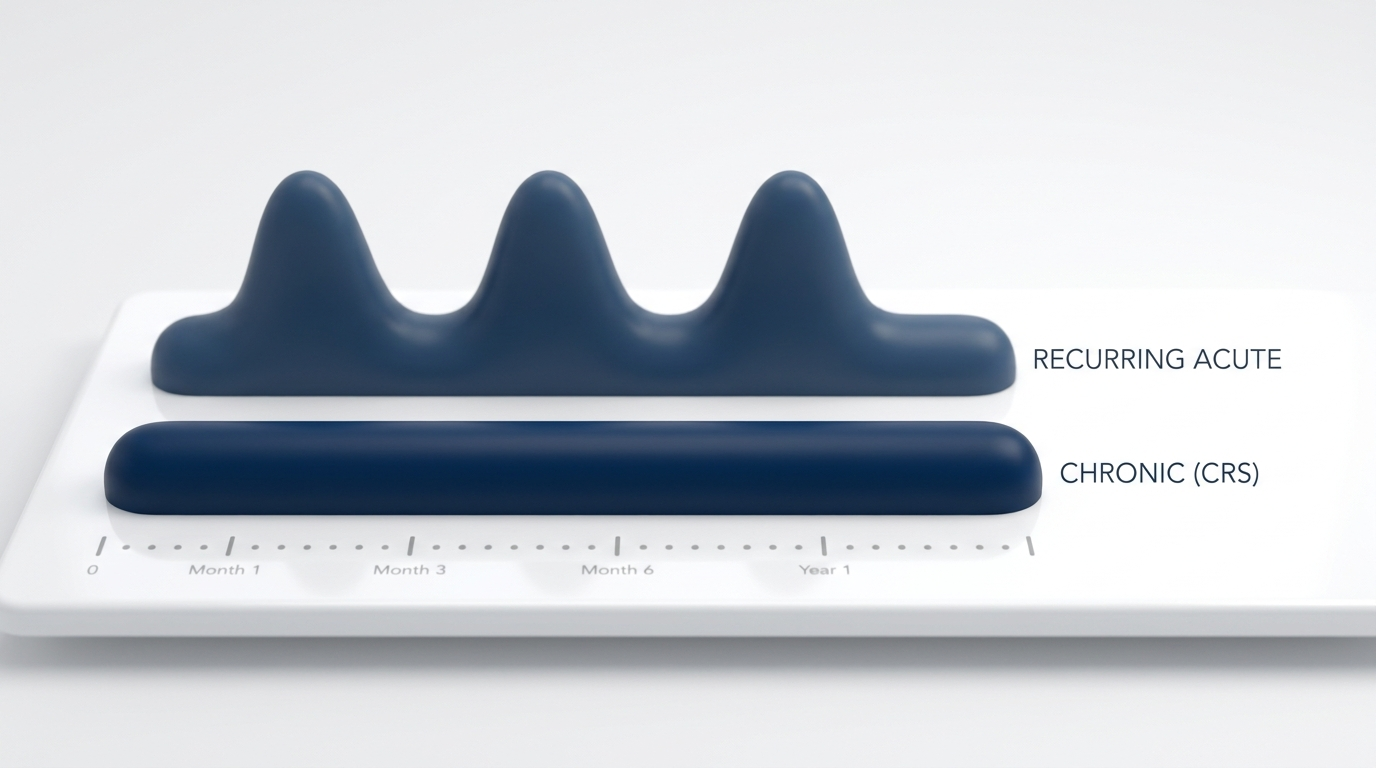
Recurring vs. chronic—what’s the difference?
The words sound similar, but they describe different patterns:
- Recurring acute rhinosinusitis: multiple separate episodes (often weeks to months apart) that improve in between.
- Chronic rhinosinusitis (CRS): symptoms that last 12+ weeks, often driven more by inflammation and drainage blockage than by an ongoing active infection.
A common misconception is that CRS always equals “a persistent infection.” In reality, CRS is frequently an inflammatory condition that can predispose someone to flare-ups.
Why this matters for treatment
When people search for recurring sinus infections after COVID, the underlying cause can vary. Recurring “infections” may actually be related to:
- post-viral inflammation
- seasonal or indoor allergies
- CRS (with or without nasal polyps)
- structural blockage (deviated septum, turbinate enlargement)
Identifying the pattern matters because treatment choices differ significantly between bacterial infection, allergy, inflammation-driven CRS, and anatomic obstruction.
• Takeaway: matching symptoms to the right underlying pattern is the key to lasting relief. •
Symptoms to watch for (and how they may show up in Long COVID)
Common post-COVID sinus symptoms
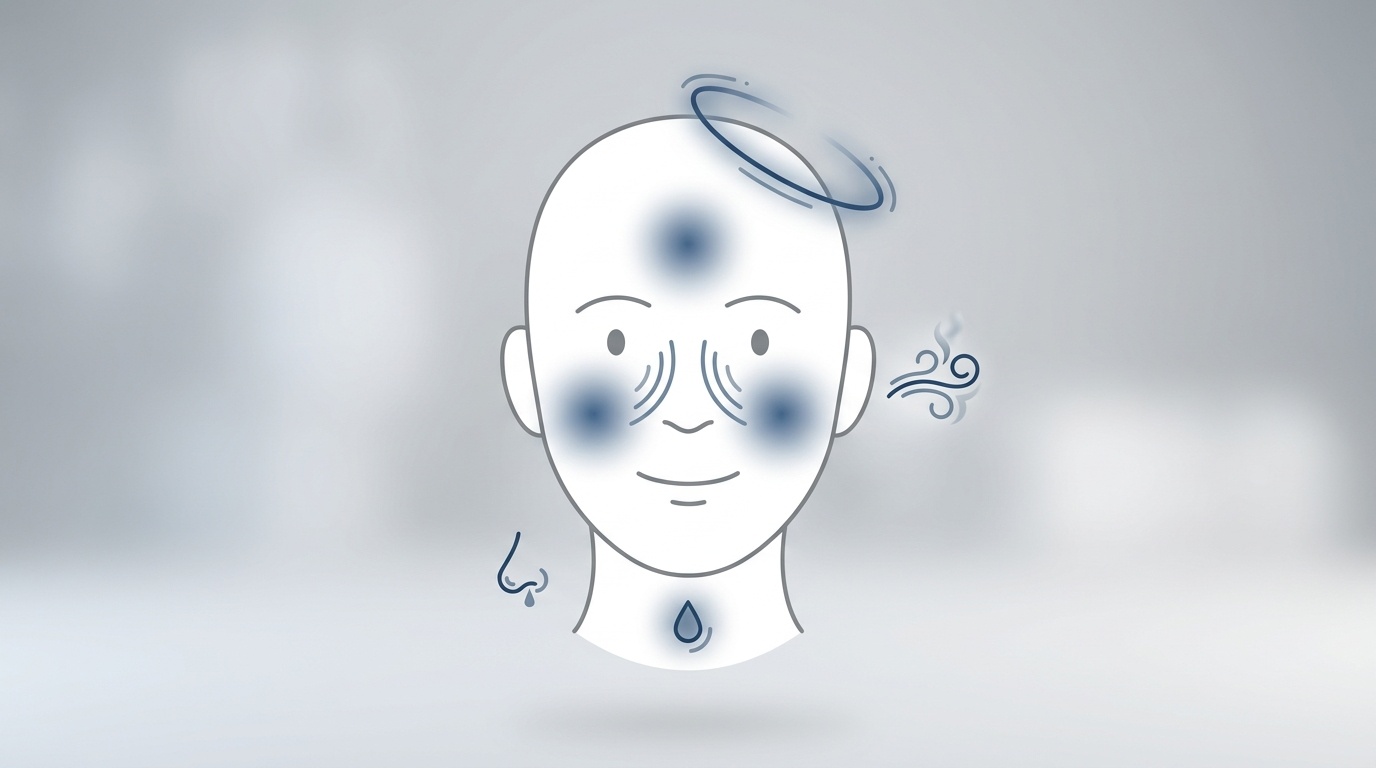
Many people with long COVID sinus symptoms describe a cluster such as:
- persistent nasal congestion
- post-nasal drip (throat clearing, cough, sore throat sensation)
- facial pressure and congestion after COVID, often in the cheeks/forehead, sometimes with ear pressure
- headaches
- reduced or fluctuating sense of smell (which can overlap with inflammation)
Long COVID resources specifically describe these respiratory and sinus patterns as common ongoing complaints. [3]
What recurrence can look like in real life
Patients often report a pattern like: “I felt mostly better, then every few weeks I’d get pressure and drainage again.” Others describe symptoms that never fully disappear—more of a “low-grade” baseline congestion with periodic flares. A helpful clinical clue is whether you return to normal between episodes; if not, that can point toward CRS or ongoing inflammation. This pattern can be one clue clinicians use, though a full evaluation is needed to confirm.
Signs it may be more than “just congestion”
Consider a closer look when symptoms are:
- lingering beyond 10–14 days
- continuing 12+ weeks (more suggestive of CRS)
- worsening after initial improvement (a “double-worsening” pattern)
- repeatedly returning despite typical over-the-counter approaches
Red flags—when to seek urgent care
Sinus problems are usually not dangerous, but urgent evaluation matters when symptoms suggest possible complications, such as:
- high fever with severe facial swelling
- vision changes
- severe one-sided headache, stiff neck
- confusion or rapid, significant worsening
• If symptoms persist, worsen, or raise red flags, prompt in-person evaluation is the safest next step. •
Causes—why COVID can be followed by recurring sinus problems
Post-viral inflammation and immune signaling changes
COVID can trigger lingering inflammation in the upper airway for some people—part of the broader post-viral/Long COVID spectrum. [3] Research also suggests specific immune pathways (including TLR-mediated inflammation) may contribute to ongoing sinonasal inflammation and, in some cases, polyp formation. [2]
In plain terms: the immune system may stay “revved up” locally, so the tissue remains sensitive and swollen—making congestion and pressure easier to trigger.
Increased risk of chronic rhinosinusitis (CRS) after COVID
Recent evidence suggests a higher risk of a subsequent CRS diagnosis after SARS‑CoV‑2 infection. [1] CRS is essentially chronic swelling of the nasal and sinus lining. That swelling can block normal drainage, making it easier to develop repeated flare-ups that feel like infections. For a deeper overview, see our page on chronic sinusitis (CRS): https://sleepandsinuscenters.com/chronic-sinusitis
Nasal polyps after COVID (how they contribute to repeat “infections”)
Nasal polyps are benign growths linked to inflammation. When present, they can obstruct airflow and block sinus drainage—setting the stage for:
- ongoing congestion
- reduced smell
- repeat “infection-like” flares (sometimes with thick drainage and pressure)
Some research suggests SARS‑CoV‑2 may contribute to polyp development via inflammatory pathways, including TLR signaling. [2] Not everyone with post-COVID symptoms develops polyps, but they’re an important possibility when congestion is persistent and severe.
The bidirectional relationship: pre-existing CRS and COVID severity
There’s also evidence of a bidirectional relationship: people with pre-existing CRS may be more susceptible to SARS‑CoV‑2 infection and can experience worse COVID outcomes in some analyses. [4] Practical takeaway: if chronic sinusitis existed before COVID, optimizing baseline control can be especially helpful.
Other common contributors (often uncovered after COVID)
COVID may be the “before and after” moment that reveals other drivers of recurring symptoms, such as:
- allergic rhinitis (pollens, dust mites, pet dander, mold)
- non-allergic rhinitis (temperature changes, strong smells, irritants)
- deviated septum or turbinate hypertrophy
- reflux (GERD/LPR) aggravating throat symptoms and cough
- environmental irritants (smoke, vaping, fragrances, workplace exposures)
• Many post-COVID “sinus infections” are inflammation-driven; addressing triggers and drainage often reduces flare-ups. •
How doctors diagnose recurring sinus infections after COVID
History: what your clinician will ask
A careful history often provides major clues, including:
- how many episodes occurred and how long each lasted
- whether you fully improved between episodes
- triggers (seasonal patterns, travel, weather shifts, irritants)
- prior antibiotic use and whether it truly helped
- overlap with other post-COVID symptoms (fatigue, cough, smell changes)
A simple question ENT clinicians often return to is: “Between episodes, are you back to baseline—or is there always some congestion left?”
Physical exam and nasal endoscopy (when needed)
If symptoms persist or recur frequently, an ENT evaluation may include a nasal exam and sometimes nasal endoscopy (a detailed look inside the nasal passages) to check for:
- swelling and inflammation
- mucus drainage patterns
- nasal polyps
- structural narrowing
When imaging (CT scan) helps
A CT scan is often most useful when there’s concern for:
- CRS
- nasal polyps
- anatomy-related blockage
- symptoms that persist despite appropriate medical therapy
CT is less about “proving you’re sick” and more about mapping what’s going on—where swelling or blockage is preventing normal ventilation and drainage.
When to consider allergy evaluation
Allergies commonly mimic infection. If symptoms are chronic, seasonal, or associated with sneezing/itchy eyes, an allergy workup may help identify inflammation triggers. Learn more about allergy testing and how it can fit into a sinus care plan: https://sleepandsinuscenters.com/allergy-testing
• Diagnosis focuses on clarifying whether infection, inflammation, allergy, or anatomy—or a mix—is driving your symptoms. •
Treatment options (step-by-step, patient-friendly)
Because post-COVID sinus issues can be inflammatory, structural, allergic, or infectious, treatment is often layered. The sections below describe commonly used options—your clinician can help match these to your situation.
At-home supportive care (often first-line)
Supportive measures aim to improve mucus clearance and comfort, including:
- saline irrigation/rinses to help thin and clear mucus
- hydration and humidification (especially in dry indoor air)
- warm compresses for facial discomfort
- avoiding overuse of topical decongestant sprays (frequent use can cause rebound congestion)
A practical example: many patients notice their symptoms spike in the winter when indoor air is dry. Simple humidification plus saline rinses can make drainage less “sticky,” which may reduce pressure.
OTC and prescription medications
Depending on the pattern, clinicians may use:
- intranasal corticosteroid sprays to reduce inflammation (often central in CRS and polyp patterns)
- antihistamines when allergies are contributing
- leukotriene modifiers in select patients, especially with allergy/asthma overlap (clinician-directed)
Consistency usually matters more than intensity here. For inflammation-driven problems, the goal is steady control—less swelling over time—rather than a quick, one-day fix.
Antibiotics—when they help (and when they usually don’t)
A key reason people get stuck in a loop of recurring sinus infections after COVID is that many episodes aren’t bacterial. Viral and inflammation-driven flares can cause significant pressure, drainage, and congestion without needing antibiotics.
Antibiotics may be considered when bacterial sinusitis is more likely—often based on duration, severity, and the “double-worsening” pattern—along with an in-person evaluation.
Treatments for chronic rhinosinusitis (CRS) after COVID
When symptoms persist beyond 12 weeks or keep returning, the goal is typically reducing baseline inflammation and improving drainage. Many CRS plans combine:
- consistent anti-inflammatory nasal therapy (often sprays and/or medicated rinses)
- trigger control (allergies, irritants)
- follow-up to reassess symptom control and refine treatment
This approach can be especially relevant for chronic rhinosinusitis after COVID, where ongoing inflammation may be the main driver rather than repeated infection.
Treatment options when nasal polyps are involved
When nasal polyps after COVID (or unrelated to COVID) are present, management often focuses on reducing obstruction and inflammation, which may include:
- steroid sprays and/or steroid rinses
- short courses of oral steroids in selected cases (weighing risks and benefits)
- procedural options if medical therapy doesn’t provide adequate relief (ENT-guided)
A patient perspective you might recognize: “I can breathe for a while, then it gradually closes up again.” That “closing up” sensation can be a clue to persistent swelling or polyps that need targeted treatment.
Procedural options (when appropriate)
If symptoms persist and evaluation shows blockage, an ENT may discuss procedures to improve ventilation and drainage. Depending on anatomy and disease pattern, options may include:
- Balloon sinuplasty for selected patients with chronic sinusitis and narrowed drainage pathways. Learn more: https://sleepandsinuscenters.com/balloon-sinuplasty
- Endoscopic sinus surgery for more extensive disease, including significant polyps or widespread blockage
Who may be a candidate? Typically, people with ongoing symptoms despite appropriate medical therapy—especially when endoscopy or CT imaging shows obstruction—are the ones most likely to discuss procedures.
• Most care plans build from daily anti-inflammatory control and trigger management, adding procedures only when blockage persists. •

Lifestyle tips to reduce flare-ups after COVID
Reduce inflammation triggers
- avoid smoke/vaping exposure
- limit strong fragrances and chemical irritants
- support indoor air quality (appropriate filtration and balanced humidity)
Infection-prevention basics
- hand hygiene during cold/flu seasons
- addressing untreated allergies (often reduces the frequency of “sinus infection” episodes)
Sleep and recovery support (Long COVID overlap)
Congestion can disrupt sleep, and poor sleep can make recovery feel harder. If nighttime symptoms are persistent—especially with Long COVID overlap—discussing sleep-disrupting nasal obstruction with a clinician can be a useful next step.
• Small daily changes—air quality, hydration, allergy control—can meaningfully lower flare frequency and severity. •
FAQs
Is it normal to get sinus infections after COVID?
Many people recover without lingering sinus trouble, but research suggests COVID-19 may increase the risk of a later CRS diagnosis in some individuals. [1]
How do I know if it’s a sinus infection or Long COVID congestion?
Infections are often shorter and may include fever and more acute illness features, while Long COVID/CRS patterns more commonly involve persistent or fluctuating congestion, pressure, and post-nasal drip. [3]
Can COVID cause nasal polyps?
Some research suggests SARS‑CoV‑2 may contribute to polyp development through inflammatory pathways (including TLR signaling) in certain patients. [2]
Do I need antibiotics every time?
Not always. Many episodes are viral or inflammation-driven rather than bacterial, so antibiotics may not help. They’re typically reserved for situations where bacterial infection is more likely after evaluation.
When should I see an ENT?
Common reasons include frequent recurrences, symptoms lasting 12+ weeks, suspected polyps, or poor response to standard treatment approaches.
• If you’re unsure whether symptoms are infectious or inflammatory, an ENT evaluation can help tailor a plan that actually works for you. •
Conclusion: Getting lasting relief after COVID-related sinus problems
Recurring sinus infections after COVID can be frustrating, but they’re often treatable—especially once the true driver is identified (CRS, polyps, allergies, irritants, or anatomy). If you’re stuck in a cycle, a structured evaluation can help avoid repeated ineffective treatments and focus on long-term improvement.
Ready for next steps? If symptoms are recurring, lingering beyond 12 weeks, or repeatedly disrupting sleep and daily life, consider scheduling an ENT evaluation. You can book an appointment through https://www.sleepandsinuscenters.com/
• With the right evaluation and plan, long-term relief is achievable for most people. •
References
1. PubMed (2026). Evidence linking SARS‑CoV‑2 infection with increased risk of subsequent CRS diagnosis. https://pubmed.ncbi.nlm.nih.gov/41699192/
2. ScienceDirect (2025). SARS‑CoV‑2 and potential induction of nasal polyps via TLR-mediated inflammation. https://www.sciencedirect.com/science/article/pii/S2468548825000311
3. Long COVID The Answers (2024). Respiratory/sinus Long COVID symptom patterns. https://longcovidtheanswers.com/respiratory-sinus-long-covid/
4. AAAAI (2021). Chronic rhinosinusitis and relationship with COVID-19 susceptibility/severity. https://www.aaaai.org/tools-for-the-public/latest-research-summaries/the-journal-of-allergy-and-clinical-immunology-in/2021/rhinosinusitis
This article is for educational purposes only and is not medical advice. Please consult a qualified healthcare provider for diagnosis and treatment.
Don’t let allergies slow you down. Schedule a comprehensive ENT and allergy evaluation at Sleep and Sinus Centers of Georgia. We’re here to find your triggers and guide you toward lasting relief.