Long COVID Ear Problems: Symptoms, Causes, and Treatment Options
Many people recover from COVID-19 and still notice lingering ringing, fullness, or dizziness in the ears. Those lingering effects are often described as Long COVID—symptoms that continue for weeks to months after the initial infection. Among them, ear and balance issues such as tinnitus, hearing changes, ear fullness, vertigo, and imbalance are frequently reported. Surveys pick up these complaints often, while objective testing confirms them less often, and researchers are still studying why they happen.
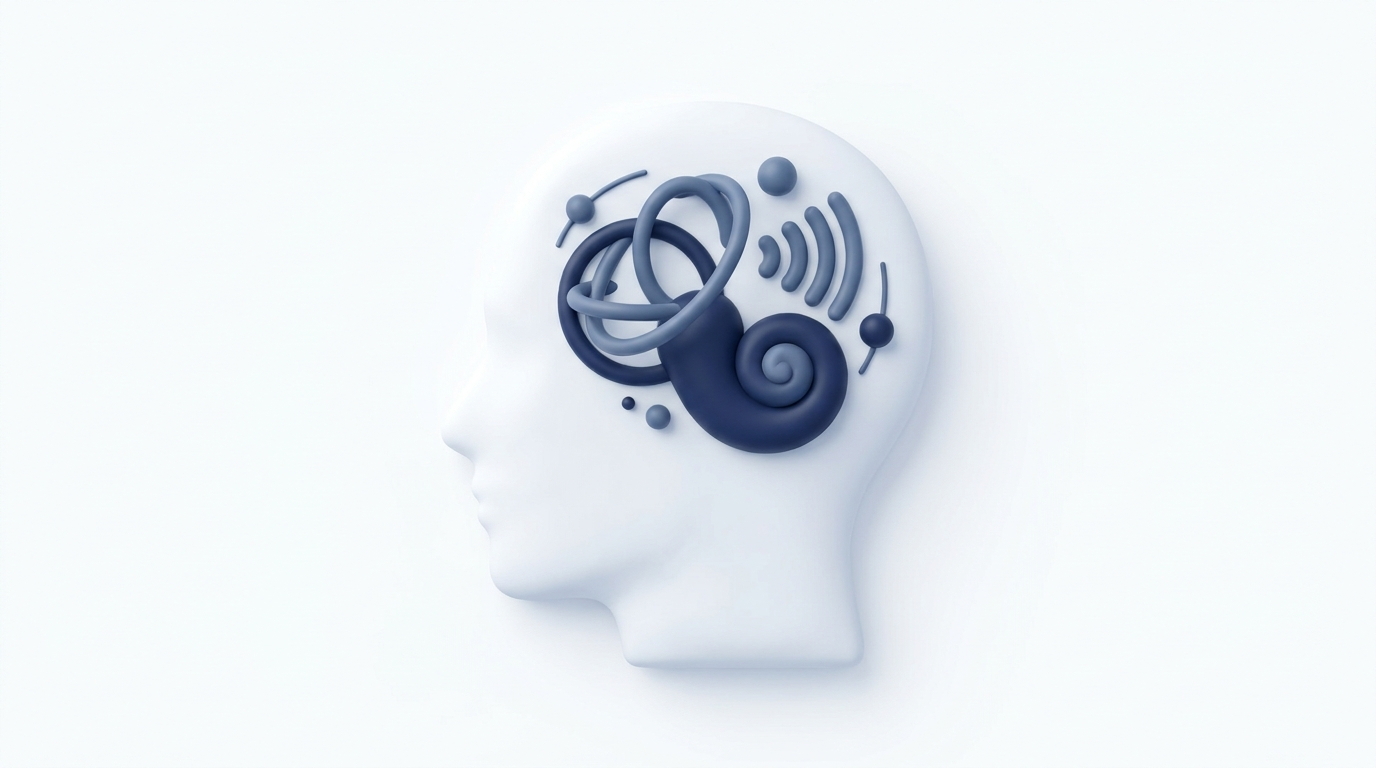
Think of the inner ear as a pair of tiny, highly sensitive instruments—one for hearing and one for balance—tucked inside the skull. After the original infection, those instruments can stay slightly out of tune even when the rest of the body feels better. If you are dealing with Long COVID ear problems, including Long COVID tinnitus, post-COVID hearing loss, or Long COVID vertigo, understanding the pattern of symptoms can help you decide when a specialist evaluation makes sense.
For a wider look at lingering ear, nose, and throat effects, see our overview: managing Long COVID ENT symptoms (https://sleepandsinuscenters.com/blog/managing-long-covid-ent-symptoms-effective-treatment-and-relief-tips). (Degen et al., 2022; Guntinas-Lichius et al., 2025)
Understanding Long COVID Ear and Balance Issues
Long COVID can involve more than fatigue or brain fog. It may affect the inner ear, the Eustachian tube that equalizes pressure, the nerves that carry sound and balance signals, or the way the brain processes those signals. That does not mean every ear symptom after COVID is automatically Long COVID. Treatable problems such as wax, infection, sinus congestion, or other inner-ear conditions can look similar and should be considered first.
Once other causes are considered, the remaining picture of Long COVID ear problems becomes clearer—and that starts with the symptoms people actually describe. A patient might notice the ringing only in a quiet bedroom at night, or feel a sudden spin when rolling over in bed. These everyday details often point clinicians toward the next useful test.
Recognizing everyday symptom patterns helps clinicians choose the most useful next steps.
Common Symptoms of Long COVID Ear Problems
Symptoms can be mild or severe and may come and go. In one Long COVID cohort, roughly one-fifth of people rated tinnitus or vertigo/dizziness as severe. Greater tinnitus severity was linked with more hearing loss, anxiety, and emotional strain. (Degen et al., 2022; Mao et al., 2024)
Tinnitus (Ringing, Buzzing, or Whooshing in the Ears)
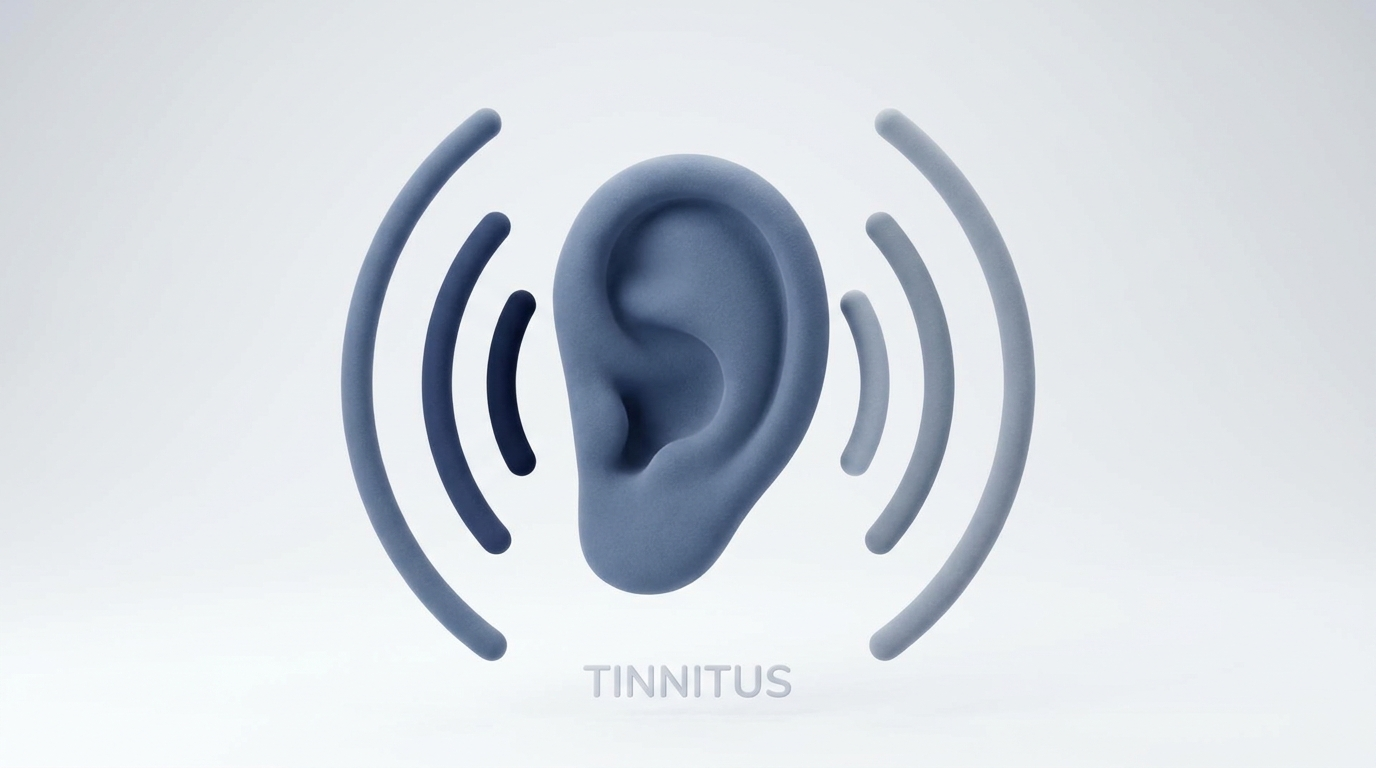
Tinnitus is a ringing, buzzing, or whooshing sound with no external source. It is often the most reported ear symptom after COVID and may appear alone or with dizziness or muffled hearing. Some people compare it to a smoke alarm that will not reset, especially in quiet rooms. ENT care for tinnitus relief (https://sleepandsinuscenters.com/blog/ent-care-for-tinnitus-relief-effective-treatments-and-tips) can help explain options when the sound becomes bothersome.
Hearing Changes or Hearing Loss
Some people notice muffled sound, trouble following speech in noise, or a sudden shift in hearing. These changes may be one-sided or affect both ears and can overlap with tinnitus. A conversation in a busy restaurant, for example, can suddenly feel like listening through a closed door.

Ear Fullness, Pressure, or Earache
A clogged or “full” feeling, pressure, or ache can suggest Eustachian tube issues or inflammation around the middle ear. Congestion from the nose or sinuses sometimes adds to that sensation, as if the ears will not “pop” after a flight even though you have not traveled.

Vertigo, Dizziness, and Imbalance
Vertigo is a spinning sensation. Others feel unsteady, lightheaded, or simply “off.” These symptoms can occur with or without tinnitus and may interfere with walking, driving, or daily tasks. One clinician analogy is a gyroscope that keeps drifting a few degrees off center.
Overlapping symptoms make a complete evaluation especially valuable.

How Common Are These Symptoms?
Self-reported rates vary widely by study and method and should not be treated as population-wide estimates. In a 1,082-person Long COVID cohort, 30% reported tinnitus, and 24.6% reported both tinnitus and vertigo or dizziness. A Jordanian survey of people with persistent symptoms found tinnitus in 73.4% of respondents. A 2024 survey of 1,331 people found tinnitus in 27.9%. Objective or psychophysically confirmed cases are lower—roughly 5–12% for hearing loss and 8–10% for new tinnitus. Recovery-rate data remain limited. The takeaway is practical: symptoms are real and worth evaluating even if not everyone is affected. (Degen et al., 2022; Mao et al., 2024; Obeidat et al., 2024; Chen et al., 2026)
These figures sit alongside the broader picture of Long COVID ENT symptoms (https://sleepandsinuscenters.com/blog/managing-long-covid-ent-symptoms-effective-treatment-and-relief-tips) that clinics continue to see.
Personal symptoms still warrant assessment even when population numbers vary.
Possible Causes of Long COVID Ear Problems
Mechanisms are not fully settled and are likely multifactorial. Most proposed explanations remain hypothetical. (Chen et al., 2026; Guntinas-Lichius et al., 2025)
Inflammation and Immune Responses
Ongoing inflammation may affect the inner ear or auditory pathways after infection, even when the original illness has passed. Picture leftover embers after a fire: the blaze is out, yet nearby tissue can still feel the heat.
Inner-Ear or Nerve Injury
Possible injury to the cochlea, vestibular (balance) system, or vestibulocochlear nerve could help explain hearing change, tinnitus, or unsteadiness.
Vascular, Autoimmune, or Central Changes
Blood-flow issues, autoimmune effects, or changes in how the brain processes sound may contribute in some people.
Medication-Related Ototoxicity
Some medications used during COVID illness can affect hearing. That possibility is one reason a full history matters during evaluation.
Psychological and Other Factors
Stress, anxiety, and poor sleep can make tinnitus feel louder or more intrusive, even when the ear itself is not the only factor. Quiet nighttime hours often amplify the sound simply because there is less competing noise.
A complete history often reveals which of these factors matter most for an individual.
When to See a Doctor
Persistent or worsening ringing, fullness, hearing change, or dizziness after COVID is a reason to seek care. Sudden hearing loss, severe vertigo, or new neurological signs such as facial weakness or a severe headache deserve prompt attention. Evaluation should also look for unrelated issues such as infection, wax, or other inner-ear conditions. Care is most useful when it is matched to the symptoms you actually have. Comprehensive otolaryngology care (https://sleepandsinuscenters.com/comprehensive-otolaryngology-care) can bring hearing, sinus, and balance concerns into one assessment. You can schedule an appointment (https://sleepandsinuscenters.com/appointments) if symptoms are not settling.
Timely evaluation is especially important when red-flag symptoms appear.
How These Problems Are Diagnosed
Diagnosis usually starts with a detailed history and an ear exam. Hearing tests (an audiogram) help document any change. Balance or vestibular testing may be added when dizziness or unsteadiness is prominent. Imaging or other tests are generally reserved for red flags. When symptoms overlap, ENT, audiology, and vestibular therapy often work together. NICE guidance on managing the long-term effects of COVID-19 supports a symptom-directed, multidisciplinary approach. (NICE NG188, 2026)
Working with several specialists can uncover overlapping contributors more efficiently.

Treatment Options for Long COVID Ear Problems
There is no single “cure.” Care is tailored and usually focuses on symptom relief and daily function rather than a one-size-fits-all protocol. (NICE, 2026; Chen et al., 2026)
Tinnitus Management
Approaches may include sound therapy, hearing aids when hearing loss is present, counseling, and tinnitus-retraining strategies. More detail: ENT care for tinnitus relief (https://sleepandsinuscenters.com/blog/ent-care-for-tinnitus-relief-effective-treatments-and-tips).
Hearing Support
Amplification, communication strategies, and follow-up testing can support people with muffled hearing or documented loss.
Ear Fullness and Pressure Relief
Clinicians look for Eustachian tube or sinus-related contributors. Unproven home “cures” are best avoided; treatment is matched to what the exam actually shows.
Vertigo and Dizziness Treatment
Vestibular rehabilitation, specific canal maneuvers when symptoms resemble benign positional vertigo, and balance training are common tools.
Coordinated Rehabilitation and Specialist Care
ENT, audiology, physical therapy, and mental-health support can all play a role when anxiety or sleep problems amplify symptoms. This coordinated path is part of comprehensive otolaryngology care (https://sleepandsinuscenters.com/comprehensive-otolaryngology-care) and the broader Long COVID ENT conversation (https://sleepandsinuscenters.com/blog/managing-long-covid-ent-symptoms-effective-treatment-and-relief-tips).
Targeted, coordinated care often produces the most meaningful day-to-day improvement.
Lifestyle Tips That Can Help
These steps support medical care; they do not replace it.
- Protect remaining hearing by limiting loud noise.
- Address stress and sleep, because poor sleep often makes tinnitus more noticeable.
- Stay hydrated and consider nasal or sinus congestion if ear pressure is an issue.
- Use gentle movement and vestibular exercises only as advised by a clinician.
- Limit caffeine or alcohol if they seem to trigger symptoms.
Small daily habits can noticeably reduce how intrusive symptoms feel.
Frequently Asked Questions About Long COVID Ear Problems
Can Long COVID cause permanent hearing loss?
Some people report lasting change, but objective confirmation is less common than surveys suggest, and reliable recovery-rate data are still limited. Hearing tests help separate temporary muffling from a documented loss.
How long do ear symptoms usually last after COVID?
Long COVID is defined by symptoms lasting weeks to months. Duration varies, and published recovery data for ear and balance issues remain incomplete.
Is Long COVID tinnitus treatable?
There is no universal cure, but tinnitus can often be managed with sound therapy, hearing support when needed, counseling, and retraining approaches aimed at reducing how intrusive the sound feels.
Should I get a hearing test even if my symptoms seem mild?
A hearing test can document a baseline, identify treatable findings, and help explain muffled sound or tinnitus even when symptoms do not feel severe.
Can sinus or allergy issues make Long COVID ear symptoms worse?
Congestion and Eustachian tube dysfunction can add fullness or pressure. Addressing nasal and sinus factors is often part of a complete ENT evaluation.
Conclusion
Ear and balance symptoms after COVID—tinnitus, hearing change, fullness, and vertigo—are common in some Long COVID groups. Mechanisms are still being researched. Persistent or severe symptoms deserve proper ENT evaluation and testing rather than guesswork. Many people improve with targeted, coordinated care.
If you have ongoing ringing, fullness, hearing changes, or dizziness after COVID, schedule an evaluation (https://sleepandsinuscenters.com/appointments) with Sleep and Sinus Centers of Georgia. Our team offers comprehensive otolaryngology care (https://sleepandsinuscenters.com/comprehensive-otolaryngology-care) and resources on Long COVID ENT symptoms (https://sleepandsinuscenters.com/blog/managing-long-covid-ent-symptoms-effective-treatment-and-relief-tips) and tinnitus relief (https://sleepandsinuscenters.com/blog/ent-care-for-tinnitus-relief-effective-treatments-and-tips). To book an appointment, visit Sleep and Sinus Centers (https://www.sleepandsinuscenters.com/).
This article is for educational purposes only and is not medical advice. Please consult a qualified healthcare provider for diagnosis and treatment.
Don’t let allergies slow you down. Schedule a comprehensive ENT and allergy evaluation at Sleep and Sinus Centers of Georgia. We’re here to find your triggers and guide you toward lasting relief.