Muffled Hearing After a Concert: Is Hearing Damage Permanent?
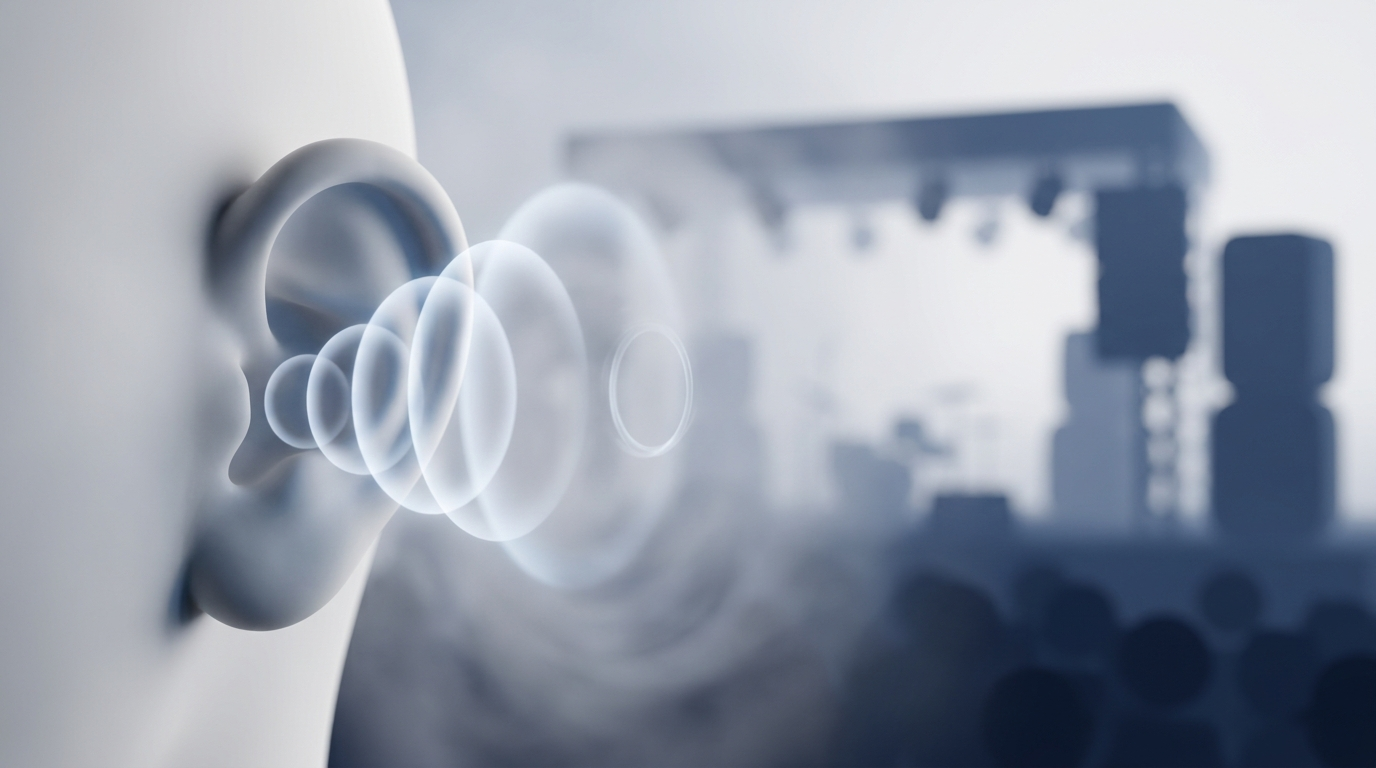
That “cotton in the ears” or underwater sensation plus ringing after a loud show is familiar to many concert-goers. Picture leaving a packed venue after the encore: voices sound distant, music you just loved now feels wrapped in fog, and a faint ring lingers. Muffled hearing after a concert is usually a Temporary Threshold Shift (TTS)—a reversible drop in hearing sensitivity that most people recover from within hours to a few days, though it can linger up to two or three weeks. Persistent muffling, ringing, or trouble understanding speech raises concern for permanent noise-induced hearing loss (NIHL). This educational overview covers typical recovery, warning signs, rest-and-recovery steps, prevention, and when an evaluation makes sense. Learn more about comprehensive ENT evaluation at Sleep and Sinus Centers of Georgia (https://www.sleepandsinuscenters.com/).
What Causes Muffled Hearing After a Concert?
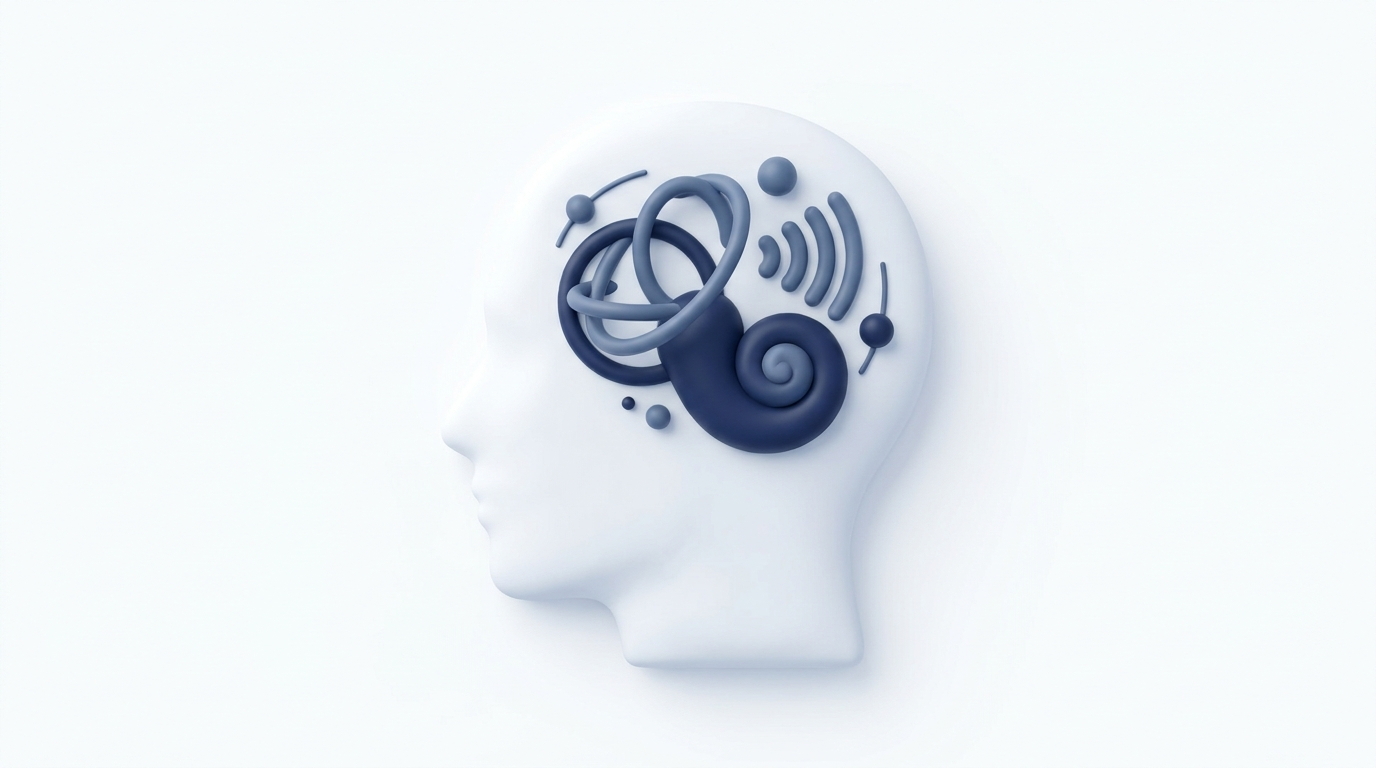
Muffled hearing after a concert most often results from TTS: a reversible reduction in hearing sensitivity after intense sound. Concerts, clubs, and festivals frequently reach 100–120 dB. Hair cells in the inner ear become fatigued; they usually recover with rest, much like overworked muscles after a long hike. However, unlike muscle recovery, severe or repeated damage to these cells can be permanent and not fully reversible. These tiny cells convert vibrations into signals the brain interprets as sound; a night of high-volume music can leave them temporarily bent or swollen. Research by Ryan AF and colleagues (2016) on temporary and permanent noise-induced threshold shifts, along with NIDCD information, describes this process. Repeated exposures increase cumulative risk, similar to how successive sunburns add up over summers. For more on acoustic trauma, see our overview of acoustic trauma and its impact on ear health (https://www.sleepandsinuscenters.com/).
Quiet rest after loud sound gives fatigued hair cells the best chance to recover.

How Loud Is Too Loud?
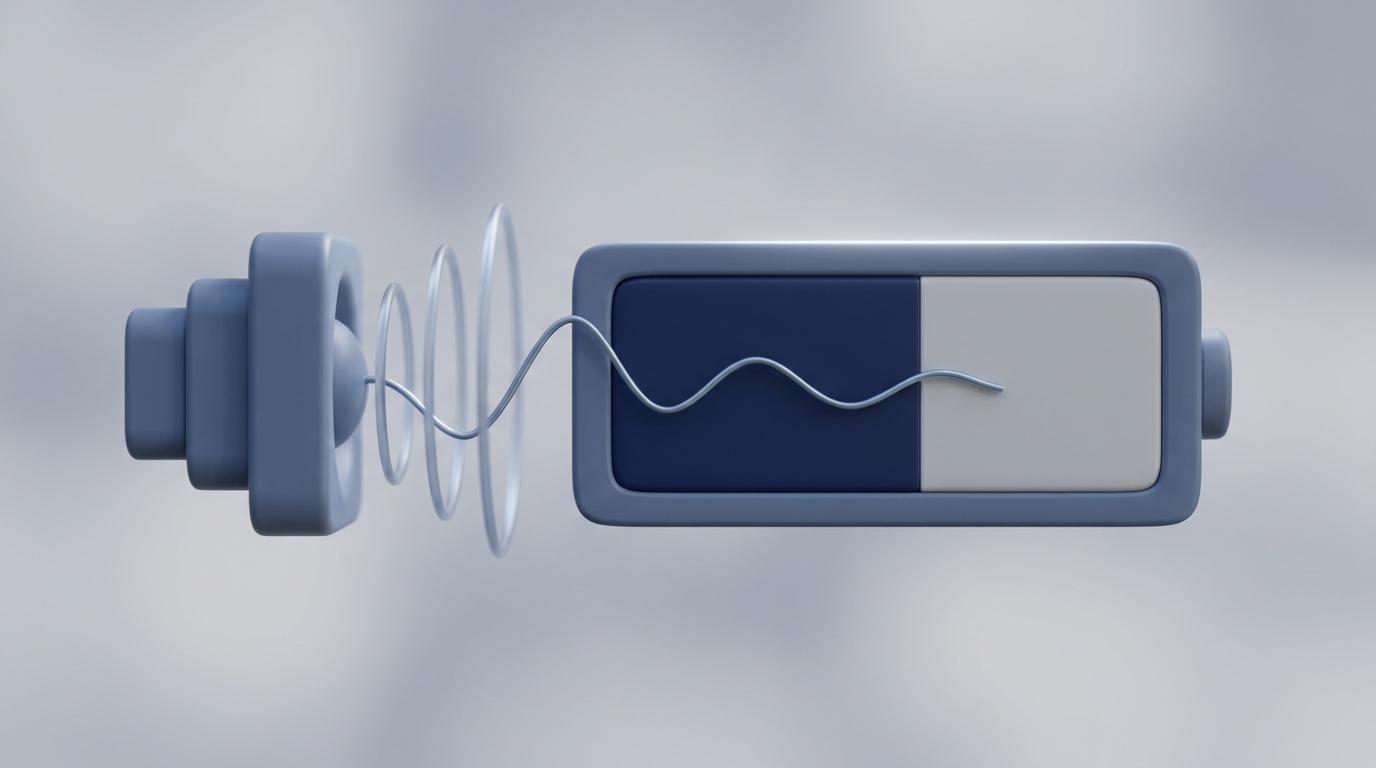
Safe exposure guidelines limit time at high volumes. Typical concert levels exceed those limits quickly, especially near speakers. Cumulative risk grows with frequent events. Everyday conversation sits far below concert intensity, so even a few songs at peak volume can push hair cells into fatigue mode. Think of it as a noise budget: once you spend it, recovery time is required before the next “purchase.”
Respecting volume limits and exposure time protects long-term hearing.
Other Contributing Factors
Duration of exposure, closeness to loudspeakers or stacks, skipping hearing protection, and alcohol (which can blunt awareness of volume) all play roles. Standing three rows from the stacks for an entire set, for example, delivers far more energy than sitting farther back with plugs in. Alcohol may also keep you on the floor longer than you planned, quietly adding minutes of extra stress to already tired ears.
Distance, protection, and shorter time near the loudest sources make a measurable difference.
Is Muffled Hearing Temporary or Permanent? Key Signs to Watch
Most cases of muffled hearing after a concert are TTS. Recovery often occurs within hours to a few days and occasionally takes up to about three weeks. Persistent symptoms suggest possible permanent NIHL. If muffling or tinnitus is not clearly improving after a few days, or persists beyond 1–2 weeks (and certainly beyond 2–3 weeks), seek evaluation.
Typical Recovery Timeline for Temporary Threshold Shift
- Hours: Many notice clearer hearing by the next morning.
- 1–3 days: The majority improve.
- Up to 2–3 weeks: Mild residual muffling or ringing can remain in some cases.
Individual factors such as prior concerts, age, or overall ear health can stretch or shorten this window, so tracking your own pattern matters.
Warning Signs That Damage May Be Permanent (NIHL)
- Muffling or fullness lasting beyond 2–3 weeks.
- Persistent tinnitus (ringing, buzzing, or roaring).
- Ongoing difficulty understanding speech, especially in noisy settings.
- One-sided symptoms or sudden worsening.
These signs indicate it is time to move beyond home rest and seek testing.
Early evaluation helps distinguish temporary fatigue from lasting change.
Distinguishing TTS from Other Ear Issues
Earwax buildup, Eustachian tube problems, or infection can produce similar muffling. A professional exam helps differentiate these. The sensation can feel identical to the stuffiness after a flight or a swim, so only inspection and hearing tests can tell whether the cause is noise fatigue, blockage, or something else.
A simple exam and audiogram clarify the source of muffling.
Immediate First-Aid Steps After a Loud Concert
After muffled hearing after a concert, rest the ears in a quiet setting and avoid additional loud noise such as headphones, traffic, or another event. This gives fatigued hair cells a chance to recover. Treat the next day like a quiet reset: skip the commute playlist, choose a park walk over a crowded café, and let the inner ear settle.
Practical Recovery Tips
- Aim for 24–48 hours of relative quiet.
- Stay hydrated (generally healthy, though quiet rest is the evidence-based first step) and avoid inserting objects into the ear canal.
- Track symptoms day by day.
A simple notes app log of “still muffled this morning” versus “clearer by afternoon” helps you and a clinician see the trend.
The most reliable first step after a loud event is simply giving your ears quiet time.

When to Seek Care Sooner
Severe muffling, pain, drainage, dizziness, or symptoms that remain concerning after a few days warrant prompt attention. Trust the difference between the usual post-show haze and anything that feels sharper or one-sided.
Prevention: Protecting Your Hearing at Future Concerts and Events
Consistent prevention lowers both TTS and long-term NIHL risk. Properly fitted protection, distance from speakers, and shorter exposure times help. Like wearing sunscreen every beach day, the habit only works when it is automatic.
Choose and Use Hearing Protection Correctly
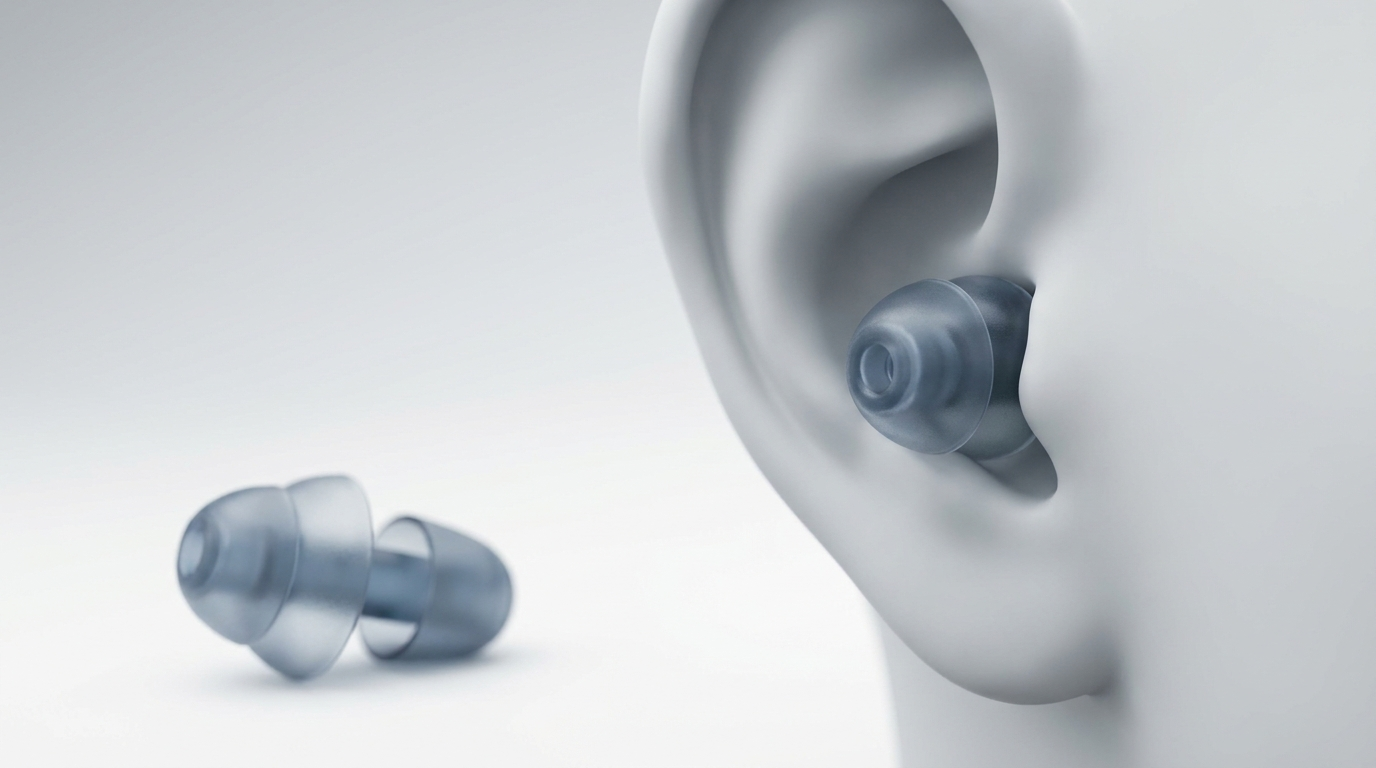
High-fidelity musician’s earplugs preserve sound quality better than basic foam for many listeners; both work when inserted correctly and worn the entire time. Foam often dulls too much of the music, while filtered plugs keep the punch without the blast. Compare options in our custom earplugs vs. foam plugs guide (https://www.sleepandsinuscenters.com/). Additional practical advice appears in our concert hearing protection tips (https://www.sleepandsinuscenters.com/).
Well-fitted protection lets you enjoy the music while reducing risk.
Smart Habits at Live Shows
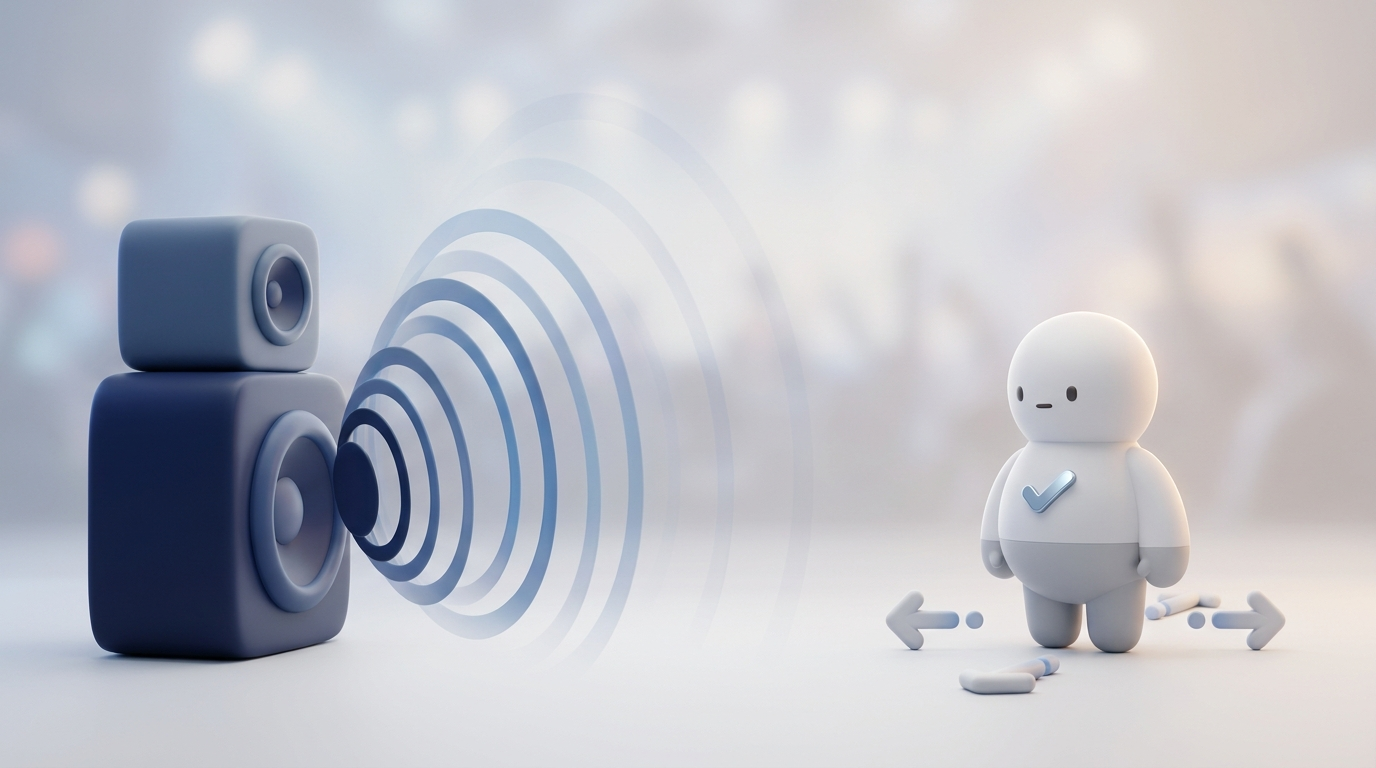
- Stand farther from speakers and stacks.
- Take quiet breaks.
- Limit total time in the loudest environment.
Stepping outside for one song or moving ten extra rows back can cut the load on your hair cells significantly.
Everyday Ear-Health Habits
Keep personal-device volume reasonable and consider periodic hearing checks if you attend many events. Earbuds can creep louder than you realize during a commute; a quick volume check keeps the daily total from stacking onto weekend concerts.
Small daily habits plus concert protection add up to better long-term hearing.
When to See an Audiologist or ENT Specialist
If muffling or tinnitus is not clearly improving after a few days, or persists beyond 1–2 weeks (and certainly beyond 2–3 weeks), trouble with speech, or one-sided symptoms, a professional hearing test (audiogram) is valuable. An evaluation typically includes history, ear-canal inspection, hearing testing, and discussion of NIHL. Sleep and Sinus Centers of Georgia offers comprehensive otolaryngology care and hearing tests; learn what an audiogram involves in our audiogram basics explainer (https://www.sleepandsinuscenters.com/) or schedule through our appointments page. To book an appointment, visit https://www.sleepandsinuscenters.com/.
A baseline or follow-up audiogram provides clarity and a reference for the future.
Frequently Asked Questions
How long does muffled hearing last after a concert?
Most people notice improvement within hours to a few days; some residual effects can last up to two or three weeks. The “ear hangover” usually fades, but lingering fog deserves a closer look.
Can one concert cause permanent hearing loss?
A single very loud unprotected exposure can contribute to permanent change in some cases, but permanent NIHL more often follows repeated events. One unprotected night next to the stacks is riskier than many protected ones farther back.
Does ringing (tinnitus) after a concert mean damage is permanent?
Temporary ringing is common with TTS and often fades. Persistent tinnitus after two or three weeks deserves evaluation.
Are over-the-counter “hearing recovery” supplements or drops effective?
Evidence does not support them as proven treatments for TTS or NIHL. Quiet time remains the most reliable first step.
Should I get a hearing test even if it gets better?
A baseline test can be useful, particularly if you attend concerts regularly. Knowing your starting point makes future changes easier to spot.
Can I still go to concerts if I’ve had TTS before?
Yes, with consistent hearing protection, distance from speakers, and limited exposure time to reduce future risk. Protection plus smarter positioning lets you keep enjoying live music.
Conclusion
Muffled hearing after a concert is typically temporary TTS that improves with quiet rest. Persistent symptoms beyond two to three weeks, ongoing tinnitus, or speech difficulty call for evaluation to protect long-term hearing. Rest your ears after a loud event, use protection next time, and consider a hearing check if concerns linger. Explore our concert hearing protection tips (https://www.sleepandsinuscenters.com/), acoustic-trauma information (https://www.sleepandsinuscenters.com/), and ENT services at Sleep and Sinus Centers of Georgia. If symptoms persist, book an appointment today at https://www.sleepandsinuscenters.com/.
Protecting your hearing now preserves the music you love for years to come.
See a specialist if…
- Muffling, fullness, or tinnitus continues past 2–3 weeks.
- You have trouble understanding speech, especially in noise.
- Symptoms are one-sided, painful, or accompanied by drainage or dizziness.
References
National Institute on Deafness and Other Communication Disorders (NIDCD). Noise-induced hearing loss.
Ryan AF et al. Temporary and Permanent Noise-Induced Threshold Shifts (2016).
The Hearing Institute. Temporary threshold shift.
American Hearing. Ears ringing after a concert.
This article is for educational purposes only and is not medical advice. Please consult a qualified healthcare provider for diagnosis and treatment.
Don’t let allergies slow you down. Schedule a comprehensive ENT and allergy evaluation at Sleep and Sinus Centers of Georgia. We’re here to find your triggers and guide you toward lasting relief.