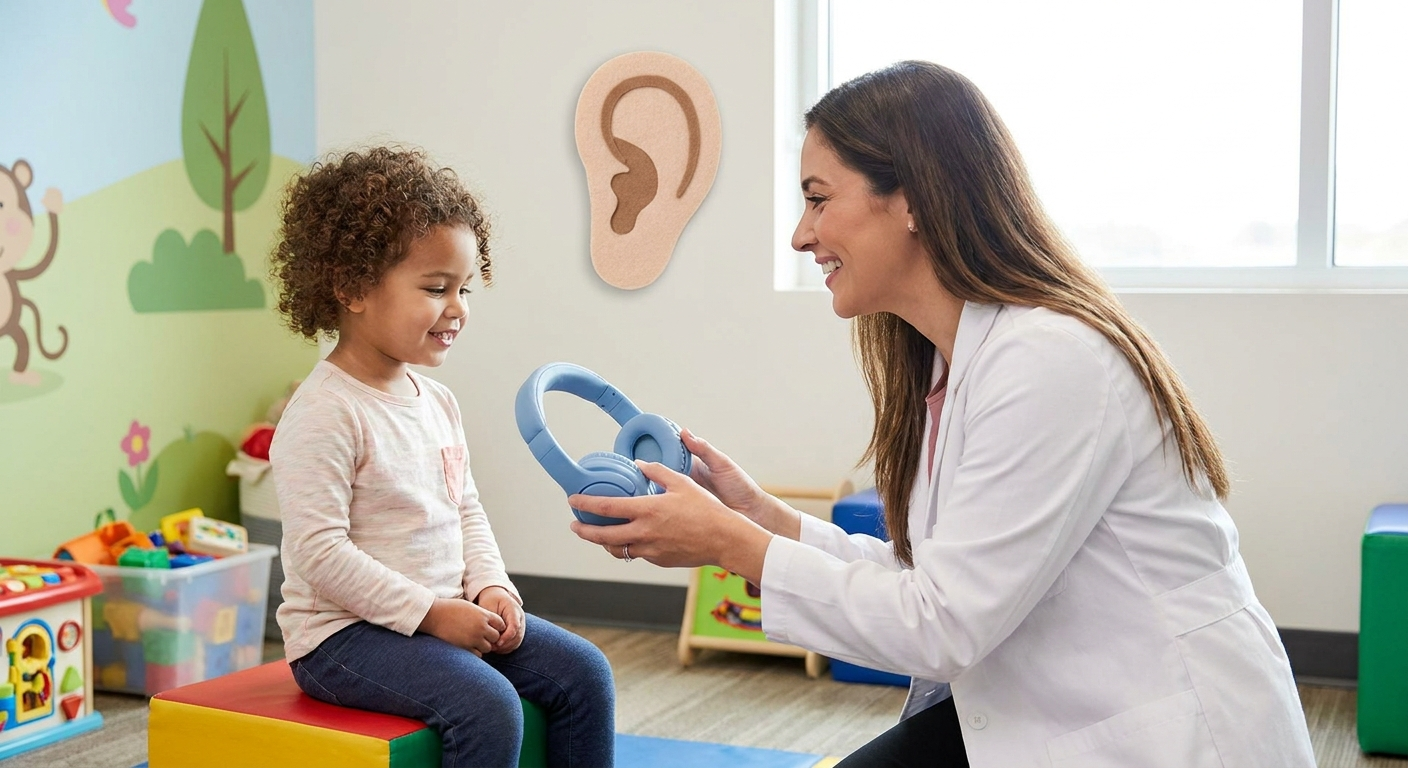
Why Is My Child Pulling at Their Ear? Common Causes and When to See a Doctor
If you’ve noticed your little one tugging, rubbing, or digging at an ear, it’s natural to wonder why your child is pulling at their ear. Many parents immediately picture an infection, yet ear pulling is often harmless exploration, especially in infants who are just discovering their bodies. Resources from Seattle Children’s, HealthyChildren.org (from the American Academy of Pediatrics), and the NHS note that this behavior frequently occurs without any illness at all. Common non-infection causes include earwax, mild irritation, congestion, or leftover fluid in the middle ear. Isolated pulling is not a reliable sign of infection. Instead, watch for fever, pain, drainage, or persistence, and learn what to avoid while seeking care if needed.
Think of it this way: a baby who has recently gained the motor skill to reach their own ears treats them like a fascinating new toy, much as they might play with their toes or fingers. The same action in an older toddler can still be benign, but pairing it with the child’s overall mood and other symptoms helps you decide whether a simple wait-and-see approach is enough.
Is Ear Pulling Normal in Babies and Young Children?
Ear pulling is frequently developmental, particularly in babies. A child pulling at their ear between 4 and 12 months of age is often just curious, using newly acquired hand-eye coordination to explore. Typical tugging happens without distress, unusual crying, or fever—simply discovery rather than discomfort. At later ages, the same action may point more toward irritation or other issues. When a child pulls at their ear with no other signs of illness, it is commonly just exploration.
Pediatric sources emphasize that the behavior itself is common and usually self-limited. As one clinician observes, “If the baby is otherwise happy, eating well, and has no fever, the ear tug is rarely the whole story.”
Why Infants (4–12 Months) Pull at Their Ears
Around this age, babies gain better hand control and become fascinated by their ears. They may tug or rub them as part of sensory play, much like they mouth a rattle or stare at their own hands. This curious touching usually lacks signs of pain and resolves on its own as they move on to other discoveries. A six-month-old who spends five minutes batting at one ear after a nap, then cheerfully reaches for a toy, is a classic example of exploration rather than trouble.
Curious exploration is the most common reason babies tug at their ears.
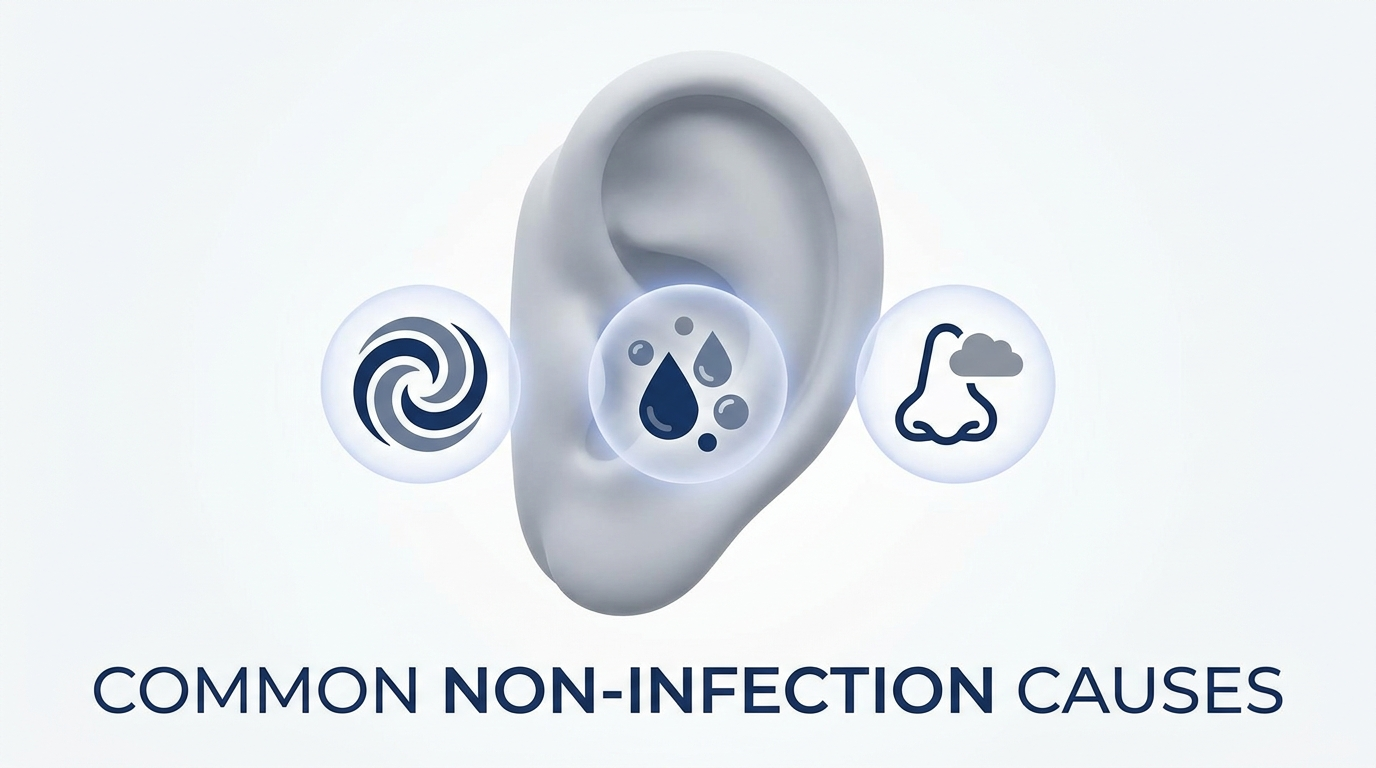
Common Causes of a Child Pulling at Their Ear
Several everyday factors can prompt ear tugging besides infection. Isolated pulling does not reliably indicate an ear problem. Causes of ear pulling in babies and toddlers often involve mild irritation or pressure that a child cannot yet describe in words. The sensation can feel similar to having a loose eyelash in the eye: you instinctively reach toward it even though nothing serious is wrong.
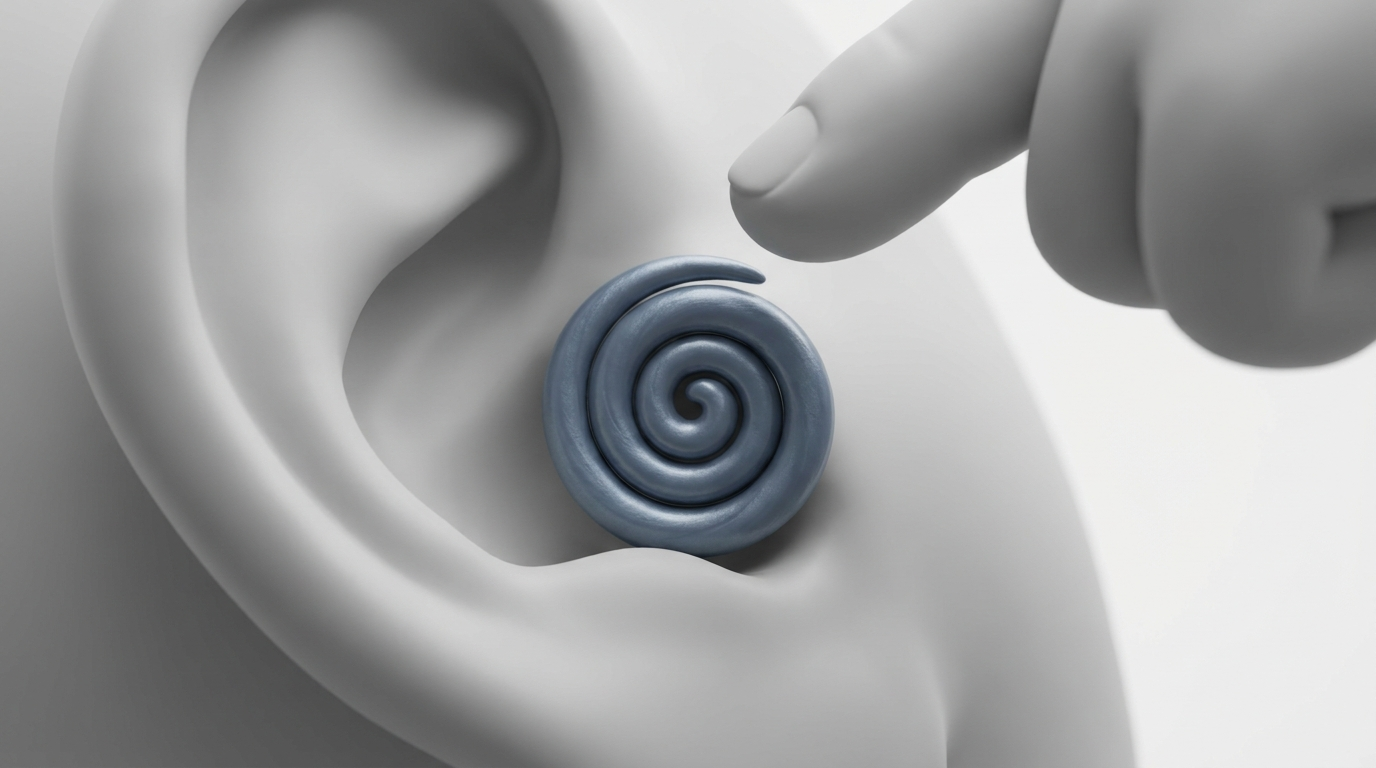
Earwax Buildup or Blockage
Excess wax can create itchiness or a feeling of fullness. A child may pull at the ear trying to relieve that sensation, the same way an adult might wiggle a finger near a blocked ear after swimming. Wax normally protects the canal, but buildup sometimes occurs naturally, especially after a bath or a period of dry indoor air. The child is simply responding to a tickle they cannot yet name.
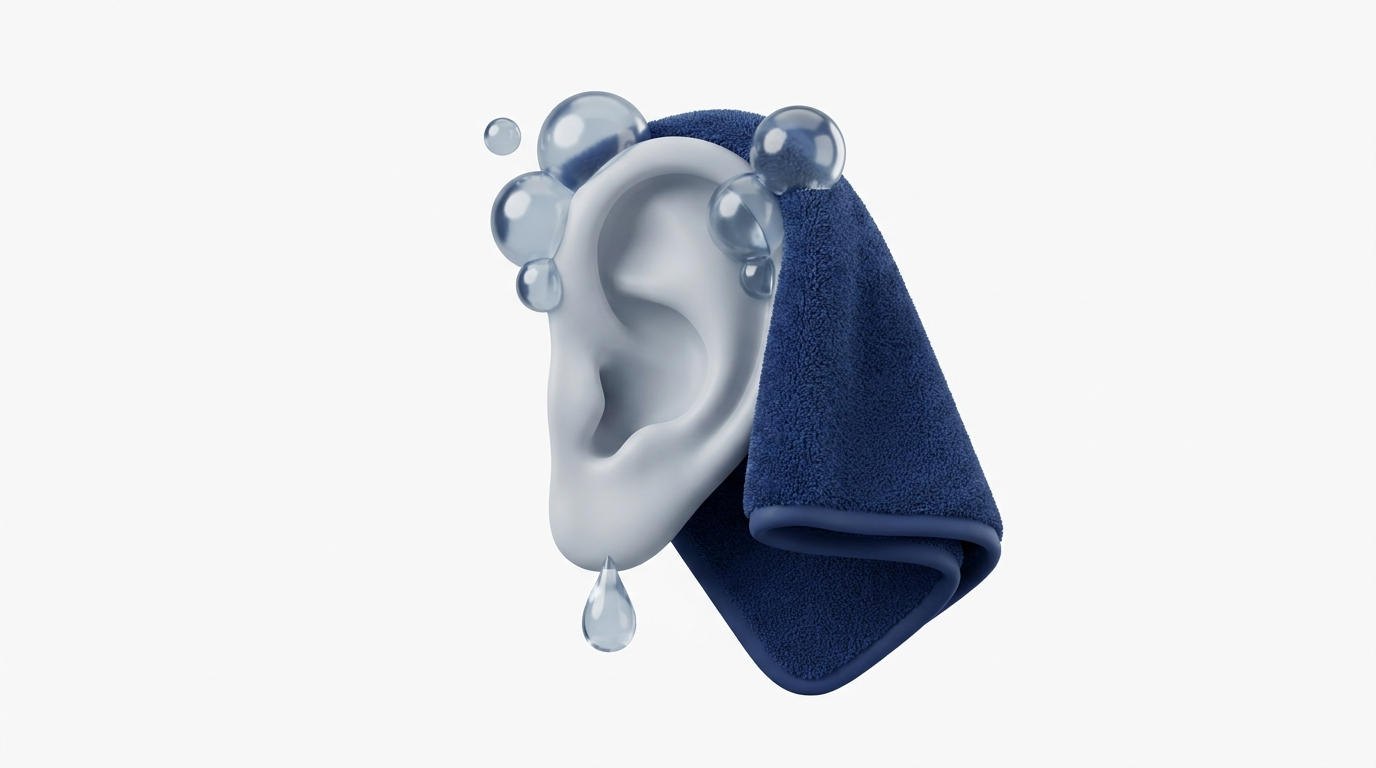
Irritation from Soap, Shampoo, Water, or Allergens
Bath-time residue, water trapped after swimming, or contact with mild allergens can mildly irritate the outer ear or canal. This often leads to rubbing or tugging, especially right after bathing. Imagine a toddler who just had a bubble bath and now keeps swiping at the ear that still feels damp; the leftover soap film or a tiny water droplet is enough to draw attention. Rinsing the outer ear gently and patting it dry usually settles the behavior.
Congestion from a Cold or Upper Respiratory Illness
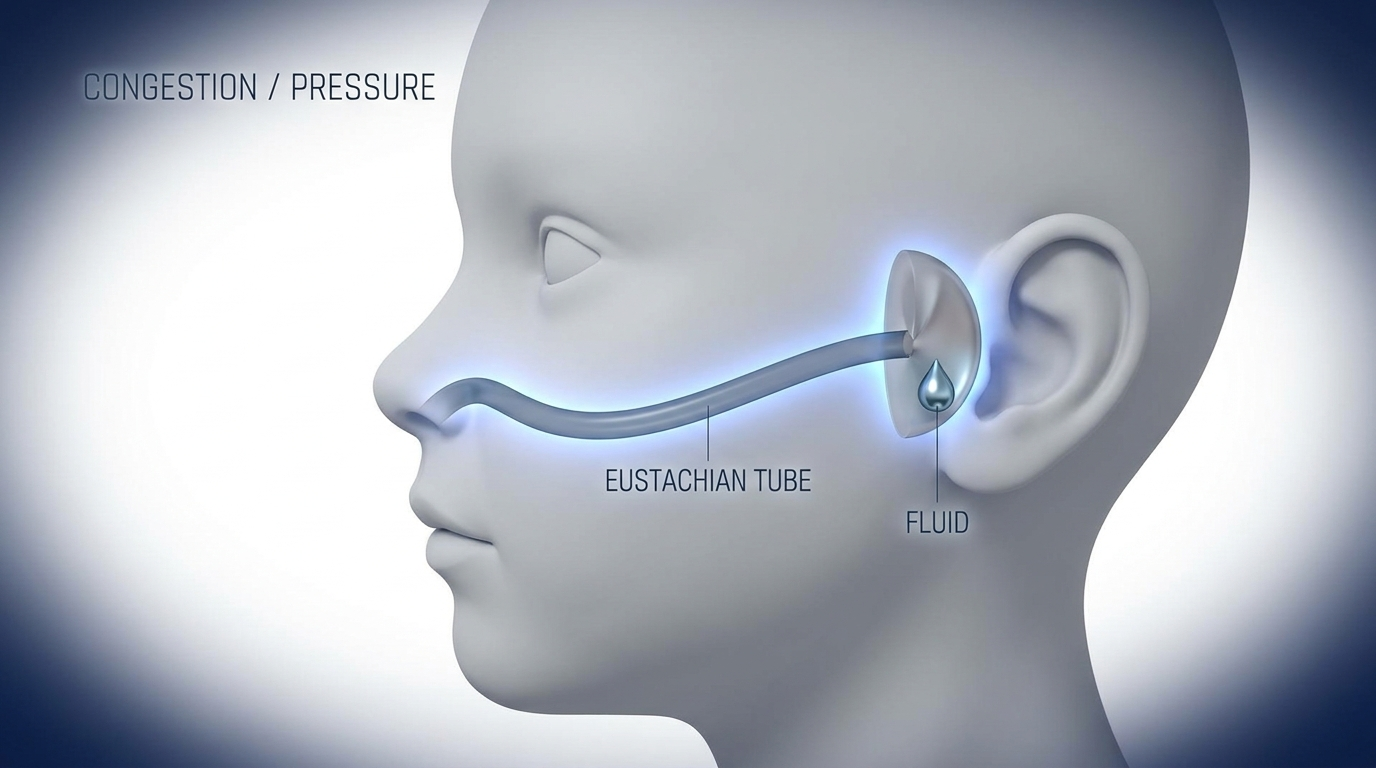
Nasal stuffiness from a cold can affect the Eustachian tubes that connect the throat to the middle ear. Resulting pressure or muffled sensations may cause a child to pull at their ear during or after illness. A preschooler recovering from a runny nose might tug more at bedtime, when lying down increases the pressure—similar to the “plugged-up” feeling adults get on an airplane. The pulling typically eases as the congestion clears.
Fluid in the Middle Ear (Without Active Infection)
After a cold, fluid can linger in the middle ear, creating pressure or temporary muffled hearing. This may prompt tugging even without active infection. For more on persistent fluid, see chronic ear fluid and hearing loss: https://sleepandsinuscenters.com/blog/chronic-ear-fluid-and-hearing-loss-causes-symptoms-treatment. The sensation is often described as “underwater hearing,” and a child may pull in an attempt to “pop” the ear, just as an adult might yawn to equalize pressure.
Identifying these simple triggers helps parents respond calmly.
When Ear Pulling May Signal an Infection or Other Problem
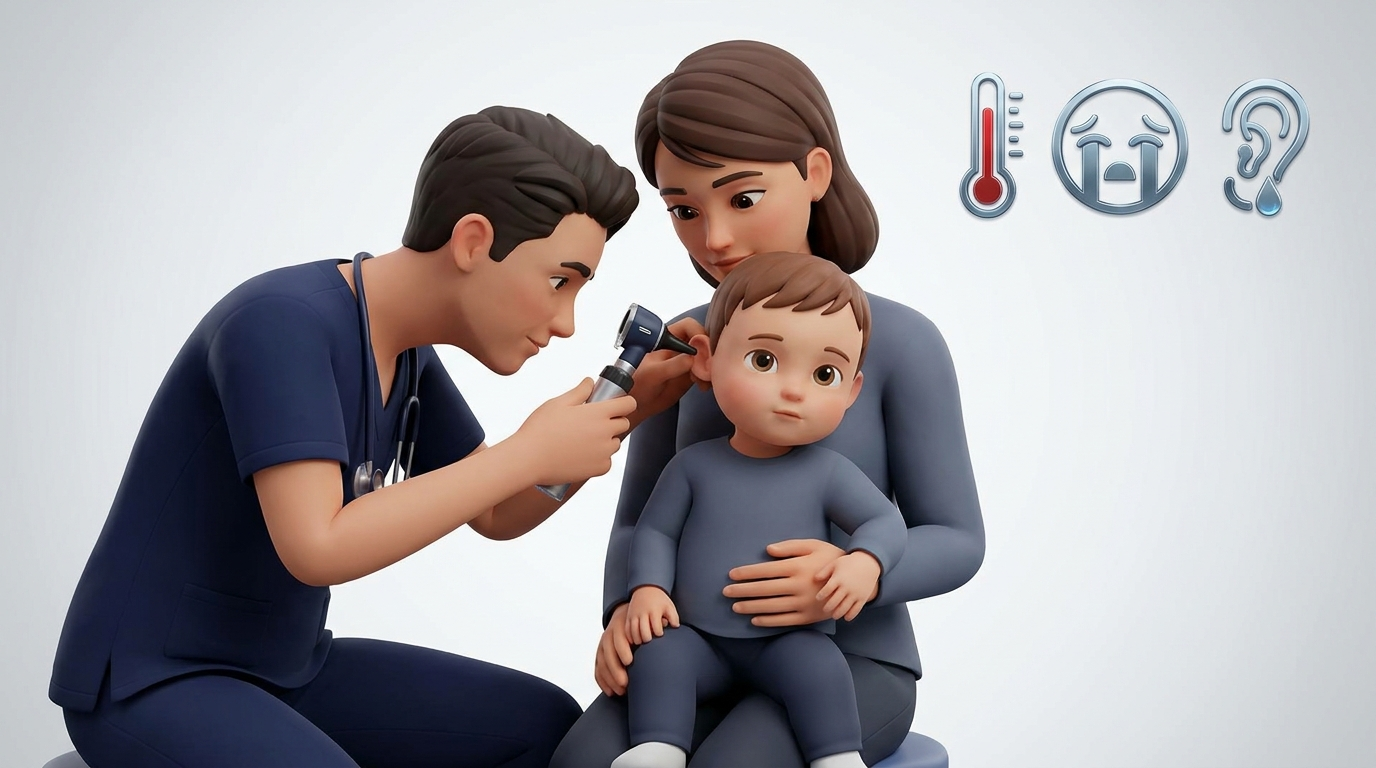
Pulling combined with other symptoms raises the chance of infection or another issue. Sources such as the NHS and AAP-linked resources highlight accompanying signs like fever, apparent ear pain, increased irritability or crying, drainage, reduced response to sounds, poor eating, or balance changes. Toddler ear-tugging plus these signs warrants closer attention, as detailed in ear infections in children: https://sleepandsinuscenters.com/blog/ear-infections-in-children-when-ear-tubes-are-the-20260709191328. A parent might notice, for instance, that the same child who calmly played with an ear yesterday now cries when lying on that side and refuses a bottle. That combination is more meaningful than the tugging alone.
Key Warning Signs to Watch For
Warning signs include: fever; signs of ear pain (such as holding the ear while crying); increased fussiness or unusual crying; fluid or discharge from the ear; apparent hearing changes or less response to voices; poor appetite or eating difficulties; balance or walking issues.
Combining pulling with other symptoms signals when to seek care.
When to See a Doctor for Ear Pulling
Contact a clinician promptly if pulling occurs with pain, fever, cold symptoms, drainage, frequent one-sided digging, or lasts more than three days. Seek more urgent evaluation for very high fever, marked illness, swelling around the ear, new hearing concerns, vomiting, or dizziness. A professional exam is the reliable way to identify the cause rather than guessing at home. When to worry about ear pulling often depends on these additional signs and duration. Families can schedule an appointment here: https://sleepandsinuscenters.com/appointments.
Trust the pattern: a happy infant who tugs for two minutes and then forgets about it can usually be observed; a toddler who tugs constantly, wakes at night, and feels warm should be seen sooner.
Prompt attention to warning signs ensures the best outcome.
What Parents Should Never Do
Do not insert cotton swabs, fingers, or any objects into the ear canal. Seattle Children’s and AAP guidance note that this can push wax deeper, cause injury, or increase irritation. Keep all objects away from the inner ear. Even a well-meaning attempt to “clean” the ear can turn a minor itch into a real problem, much like poking at a splinter only drives it farther in.
Avoiding insertion of objects is the safest home approach.
Home Care, Comfort Measures, and Prevention Tips
Keep the outer ear dry after baths by gently patting with a washcloth—avoid the canal. Managing congestion with pediatrician-suggested saline sprays or a humidifier may ease related pressure. Watch for other illness signs and limit known irritants like certain soaps. If the child seems otherwise well, gentle observation or distraction often suffices. Over-the-counter comfort options, when discussed with a clinician, may provide extra relief in some cases.
Simple steps—sitting upright after meals, using a cool-mist humidifier at night, or choosing fragrance-free shampoo—can reduce the triggers that make a child reach for the ear.
Soothing a Child Who Is Uncomfortable
Offer extra cuddles, a favorite toy, or quiet activities to redirect attention. For older toddlers, simple distraction or a cool compress on the outer ear (not inside) can help while monitoring overall well-being. These steps support comfort without treating any underlying issue. Reading a short story together or offering a popsicle (if age-appropriate and approved) often works better than focusing on the ear itself.
These gentle strategies support comfort without over-treating.
How Doctors Diagnose and Treat the Underlying Cause
A visit typically includes a history of symptoms plus an otoscope exam of the ear. A hearing check may follow if needed. Treatment matches the cause: watchful waiting (as determined by a clinician) for simple fluid, professional wax management if indicated, or targeted care for infection (antibiotics are not always the first step). Follow-up helps if symptoms linger. Details on fluid: https://sleepandsinuscenters.com/blog/chronic-ear-fluid-and-hearing-loss-causes-symptoms-treatment. Infection and tubes info: https://sleepandsinuscenters.com/blog/ear-infections-in-children-when-ear-tubes-are-the-20260709191328.
The otoscope is a lighted magnifier that lets the clinician see whether the eardrum looks normal, red, or fluid-filled. Most visits last only a few minutes and provide clear next steps.
Professional assessment guides safe and effective treatment.
Frequently Asked Questions
Does ear pulling always mean an ear infection?
No. Pulling alone is not a dependable indicator. Many cases involve exploration, wax, or mild irritation, as noted by Seattle Children’s and similar sources. One parent recalled, “I was sure it was an infection, but the exam showed a perfectly healthy ear—just a curious baby.”
How long is it okay to wait and watch?
When the child is otherwise well, observation for a few days is common. Contact a clinician sooner with fever, pain, or other warning signs, or if pulling continues beyond three days.
Can allergies cause this?
Allergies can contribute through congestion that affects the ears, similar to a cold. This overlap sometimes leads to tugging, especially during high-pollen seasons or after exposure to a new pet.
What if my child keeps doing it on one side only?
One-sided or frequent digging may suggest localized irritation, wax, or fluid and often prompts an exam to check both ears. Asymmetry is a useful clue that something more than random exploration is occurring.
Are there long-term hearing risks?
Most instances of ear pulling do not affect hearing long-term when the underlying cause (if any) is identified and followed. Persistent fluid or repeated infections can, which is why evaluation and follow-up matter.
These answers address common parental concerns about ear pulling.
Conclusion
Most cases of a child pulling at their ear are benign, especially in infants exploring their world. Pair the behavior with other symptoms, duration, and overall wellness to decide next steps. Trust your observations and seek timely professional input when concerns arise. For personalized assessment, consider booking an appointment: https://sleepandsinuscenters.com/appointments, or explore comprehensive otolaryngology care: https://sleepandsinuscenters.com/comprehensive-otolaryngology-care. To book an appointment, visit https://www.sleepandsinuscenters.com/.
This article is for educational purposes only and is not medical advice. Please consult a qualified healthcare provider for diagnosis and treatment.
Don’t let allergies slow you down. Schedule a comprehensive ENT and allergy evaluation at Sleep and Sinus Centers of Georgia. We’re here to find your triggers and guide you toward lasting relief.