Submandibular Lump Under the Jaw: Causes, Symptoms, and Treatment Options
Finding a lump along the jawline can be unsettling, yet a submandibular lump under the jaw is a common reason people seek care. This area sits between the jawline and the upper neck and often involves nearby lymph nodes or the submandibular salivary gland. Picture it as a busy intersection: infection, saliva, and dental issues all travel through here, so swelling shows up frequently. Many lumps relate to a recent cold, sore throat, dental issue, or salivary blockage and improve as the underlying problem settles. That said, symptoms alone cannot confirm the cause, and a lump that lasts, grows, or feels unusual deserves a professional look.
This guide explains common lump under jaw causes, what symptoms may mean, when evaluation is wise, how clinicians assess the area, and typical treatment paths. It is educational information only and is not a substitute for care from a dentist, physician, or ear, nose, and throat (ENT) specialist.

Common Causes of a Submandibular Lump Under the Jaw
Most lumps in this region are benign and infection-related. Tumors are less common, but they must be considered—especially in adults—when a mass does not behave like a typical infection. Understanding the usual sources of a submandibular lump under the jaw can help you describe what you notice at an appointment.
Swollen Lymph Nodes (Reactive Lymphadenopathy)
The most frequent explanation is a swollen lymph node under jaw. Lymph nodes filter infection and inflammation, acting like small security checkpoints that enlarge when they are working overtime. A cold, sore throat, sinus issue, skin infection, or nearby dental problem can make them tender and noticeable. They often shrink as the infection resolves—think of the node after a winter virus that feels pea-sized for a few days then fades. For more on how neck nodes behave and when they need attention, see our overview of what a neck lump or swollen lymph node can mean (https://sleepandsinuscenters.com/blog/what-is-a-neck-lump-or-swollen-lymph-node) and our article on ENT help for swollen lymph nodes in the neck (https://sleepandsinuscenters.com/blog/ent-help-for-swollen-lymph-nodes-in-the-neck).

Blocked or Infected Submandibular Salivary Gland
Submandibular gland swelling is another important cause. The gland sits under the jaw and drains saliva through a duct into the floor of the mouth. A stone (sialolithiasis) can block that duct, much like a pebble jammed in a garden hose. Pain and swelling that worsen during meals—when saliva flow increases—are classic clues. Infection of the gland (sialadenitis) may bring fever, redness, warmth, and tenderness. Hydration, massage, and medical care are often part of management, depending on the findings. (Merck Manual Consumer Version, Salivary Gland Disorders.)
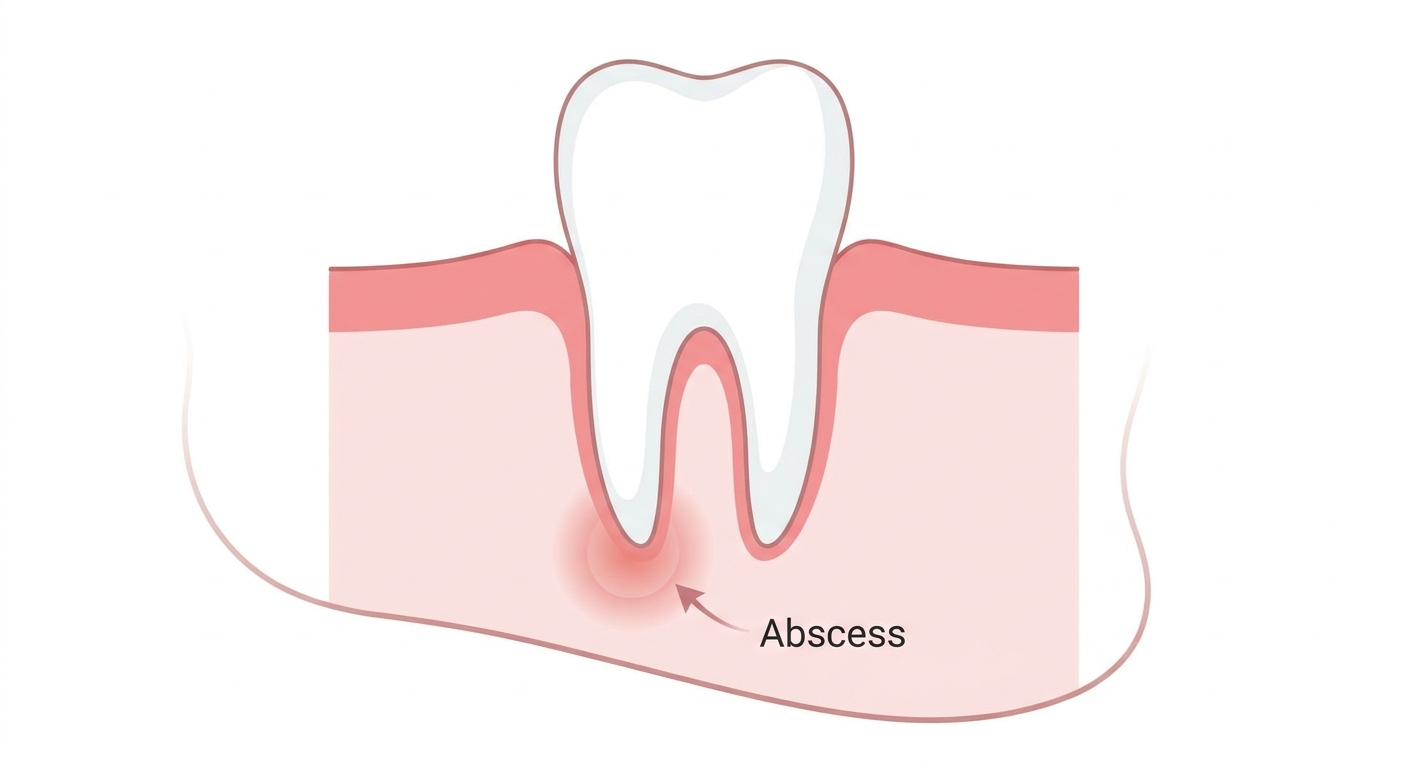
Dental Abscess or Infection
A dental abscess can produce tooth or gum pain, a bad taste, difficulty opening the mouth (trismus), and swelling of the jaw or face that may feel like a lump under the jaw. These infections need prompt dental treatment; they do not reliably resolve with home measures alone. Someone might notice the swelling after ignoring a toothache for days, then find the jawline puffy and tender. (NHS, Dental abscess.)
Cysts, Less Common Tumors, or Other Masses
Cysts and other benign masses can appear here. In adults, a persistent neck mass can also represent neoplasia (cancer), which is why timing and character of the lump matter. Features that often prompt closer evaluation include a lump lasting two weeks or more, enlargement, a firm or fixed feel, size greater than about 1.5 cm, or no clear infectious explanation. (American Academy of Otolaryngology–Head and Neck Surgery Clinical Practice Guideline: Evaluation of the Neck Mass in Adults, 2017; National Cancer Institute Head and Neck Cancers fact sheet, 2021.)
Most submandibular lumps stem from infections or blockages that typically resolve with targeted care.
Symptoms of a Submandibular Lump – What to Watch For
Tenderness, a recent respiratory or dental illness, and meal-related swelling often point toward infection or salivary obstruction. Redness, fever, a foul taste, or limited mouth opening can support an infectious picture. Again, these clues guide conversation with a clinician; they do not establish a diagnosis on their own.

Infection-Related vs. Concerning Features
Infection-favoring features often include a tender lump, a recent cold, sore throat, or dental problem, and swelling that fluctuates with meals. Concerning features more often include a hard, fixed, or painless mass; steady enlargement; or a lump without an obvious infectious story. Either pattern still benefits from evaluation if it persists. One clinician might note, “If it came on with a cold and is shrinking, we watch it; if it stays put or feels rock-hard, we look closer.”
Recognizing these patterns can inform your discussion with a clinician, though they do not replace a diagnosis.

When to See a Doctor or Dentist for a Lump Under the Jaw
Adults are generally encouraged to arrange medical or dental evaluation if a lump lasts about two weeks, enlarges, feels hard or fixed, or has no clear infectious explanation. Persistent adult neck masses warrant timely assessment because they can represent neoplasia. A dentist is often the first stop when tooth or gum symptoms dominate; an ENT specialist is frequently involved when salivary glands, lymph nodes, or unexplained neck masses are the concern. Related reading on neck lumps and swollen lymph nodes (https://sleepandsinuscenters.com/blog/what-is-a-neck-lump-or-swollen-lymph-node) can help you prepare questions for your visit.
Emergency Warning Signs – Seek Immediate Care
Difficulty breathing, speaking, or swallowing; rapidly progressive facial or neck swelling; severe infection symptoms such as high fever and spreading redness; or inability to open the mouth are emergency warning signs. These situations call for urgent or emergency care rather than a routine appointment. (AAO-HNS 2017 guideline; HealthLink BC, Swollen Glands, Hernias, and Other Lumps Under the Skin.)
Seeking prompt care for concerning or persistent lumps ensures timely management.
How a Submandibular Lump Is Diagnosed
Evaluation usually starts with history: how long the lump has been there, recent infections, dental symptoms, whether it changes with meals, associated fever, and any difficulty swallowing or opening the mouth. A physical exam of the neck, mouth, teeth, and salivary ducts follows. Depending on findings, imaging, a focused dental exam, laboratory tests, or biopsy may be considered—especially if the mass is persistent or suspicious. ENT and dental specialists often work together when the source is unclear. Your clinician may gently feel the floor of the mouth or ask you to suck on a lemon drop to see if swelling spikes—simple tests that reveal a lot.
A detailed history and exam, possibly with imaging, help pinpoint the cause accurately.
Treatment Options for a Submandibular Lump Under the Jaw
Treatment of a submandibular lump under the jaw is cause-specific. Many infectious lymph-node enlargements improve as the related illness settles. Bacterial infections may be treated with antibiotics when a clinician judges them appropriate. Dental abscesses typically need dental procedures in addition to any medicines. Salivary stones and gland infections may be managed with hydration, gland massage, saliva-stimulating measures (sialogogues), antibiotics when infection is present, and sometimes procedures to remove stones or drain the gland. Persistent or suspicious masses need further workup and, in some cases, surgery or other therapy directed at the diagnosis. If you need specialist evaluation of a neck or salivary-gland mass, comprehensive otolaryngology care at Sleep and Sinus Centers of Georgia can help coordinate examination, imaging, and next steps (https://sleepandsinuscenters.com/comprehensive-otolaryngology-care).
Home Care and Supportive Measures While Awaiting Evaluation
While waiting for an appointment, many people find comfort from warm compresses, plenty of fluids, careful oral hygiene, and over-the-counter pain relief used as directed on the label or by a pharmacist. These measures support comfort; they are not a substitute for evaluation if the lump persists, worsens, or looks concerning.
Treatment tailored to the specific cause, under professional guidance, leads to the best outcomes.
Lifestyle Tips and Prevention
Good dental hygiene and regular dental visits help lower the chance of abscesses that can swell the jaw. Staying hydrated supports salivary flow, which may reduce the risk of stone-related blockage for some people. Prompt attention to colds, sore throats, and dental pain can also limit how long nearby lymph nodes stay enlarged. None of these steps guarantees that a lump will never appear, but they support overall oral and neck health.
Maintaining good oral hygiene and hydration supports overall health in this area.
Frequently Asked Questions About a Lump Under the Jaw
Is a lump under the jaw always a sign of cancer?
No. Most submandibular lumps relate to lymph nodes, salivary glands, or dental infection. Cancer is less common but is one reason persistent, enlarging, hard, or unexplained adult neck masses are evaluated promptly.
How long should I wait before seeing a doctor?
Educational guidance based on adult neck-mass guidelines often uses about two weeks of persistence as a prompt for evaluation, sooner if the lump is enlarging, hard, fixed, or lacks a clear infectious cause.
Can a cold or sinus infection cause a submandibular lump?
Yes. Reactive lymph nodes after a cold, sore throat, or nearby infection are among the most common explanations for a swollen lymph node under jaw.
What does a salivary gland stone feel like?
People often describe pain and submandibular gland swelling that flare with eating, when saliva backs up behind a blocked duct. Tenderness and a visible or palpable swelling under the jaw may accompany it.
When is a lump under the jaw an emergency?
When breathing, speaking, or swallowing is difficult; when swelling spreads rapidly; when severe infection signs appear; or when the mouth cannot open—seek emergency care.
Conclusion
Most cases of a submandibular lump under the jaw are infection-related—swollen lymph nodes, salivary-gland blockage or infection, or a dental abscess—and many improve with appropriate care. Adults should not ignore a lump that lasts two weeks, enlarges, feels hard or fixed, or has no clear infectious explanation. Emergency symptoms such as breathing or swallowing trouble need immediate attention.
If your lump has lasted two weeks or shows concerning features, consider scheduling an evaluation with an ENT specialist. You can request an appointment (https://sleepandsinuscenters.com/appointments) and learn more about comprehensive otolaryngology care (https://sleepandsinuscenters.com/comprehensive-otolaryngology-care). Book your visit today so we can examine the area, order any needed imaging, and map out next steps together.
This article is for education only and is not a substitute for professional medical advice, diagnosis, or treatment. Discuss personal symptoms with a qualified healthcare provider.
Sources: American Academy of Otolaryngology–Head and Neck Surgery, Clinical Practice Guideline: Evaluation of the Neck Mass in Adults (2017); National Cancer Institute, Head and Neck Cancers fact sheet (2021); Merck Manual Consumer Version, Salivary Gland Disorders; NHS, Dental abscess; HealthLink BC, Swollen Glands, Hernias, and Other Lumps Under the Skin.
This article is for educational purposes only and is not medical advice. Please consult a qualified healthcare provider for diagnosis and treatment.
Don’t let allergies slow you down. Schedule a comprehensive ENT and allergy evaluation at Sleep and Sinus Centers of Georgia. We’re here to find your triggers and guide you toward lasting relief.