Night Sweats and Snoring: Are They Signs of Sleep Apnea?
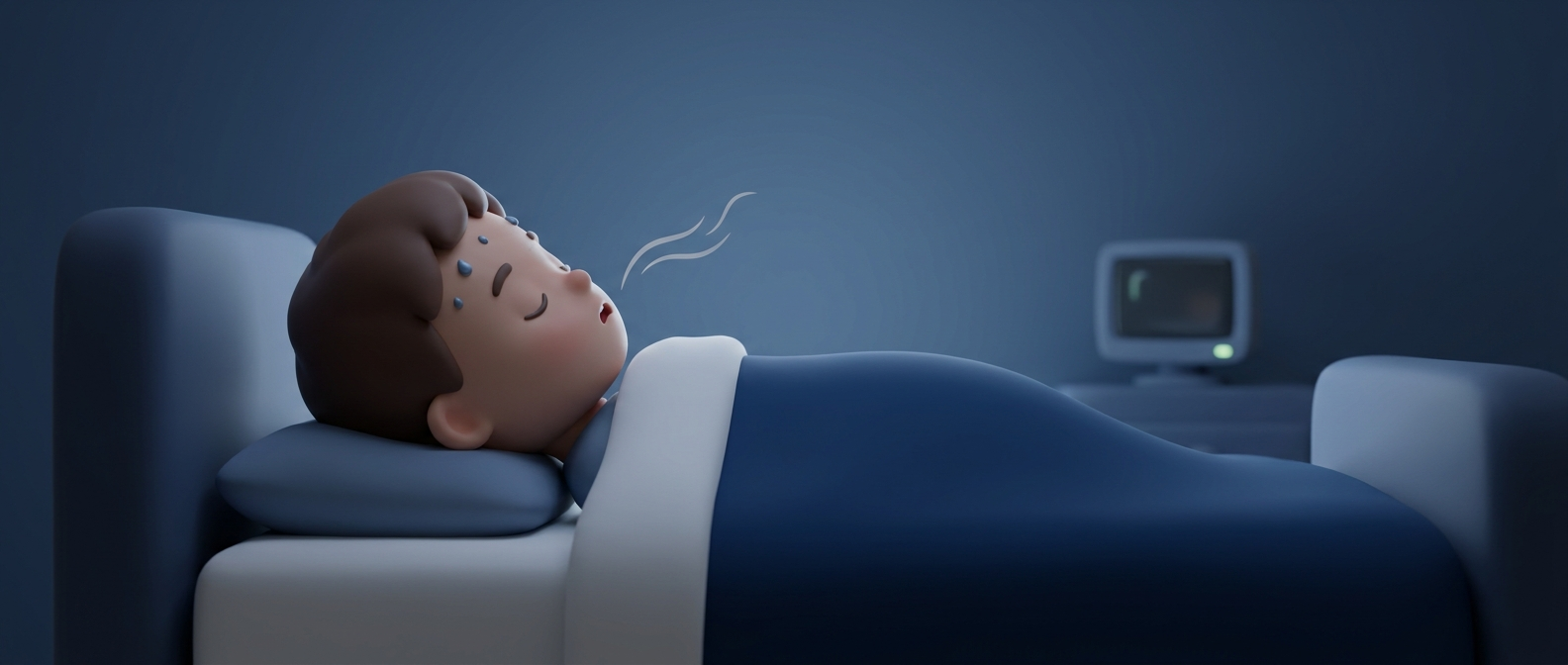
Waking up sweaty and hearing (or being told about) loud snoring can be unsettling—especially when it’s happening often. Many families describe it as a “something’s off” moment: your child seems asleep, but their breathing sounds strained, the sheets are damp, and everyone wakes less rested than they should.
This guide focuses especially on children and families, though obstructive sleep apnea (OSA) can occur at any age. Adults with similar symptoms should seek age-appropriate evaluation with their clinician.
The good news: night sweats and snoring can have several causes and don’t automatically mean sleep apnea. But when these symptoms show up in a pattern—particularly alongside breathing changes or disrupted sleep—they can be part of the bigger picture of OSA.
Below is a patient-friendly guide to what these symptoms may mean, what to watch for (especially in children), and how evaluation and testing typically work.
Quick Answer: When Night Sweats + Snoring Could Signal Sleep Apnea
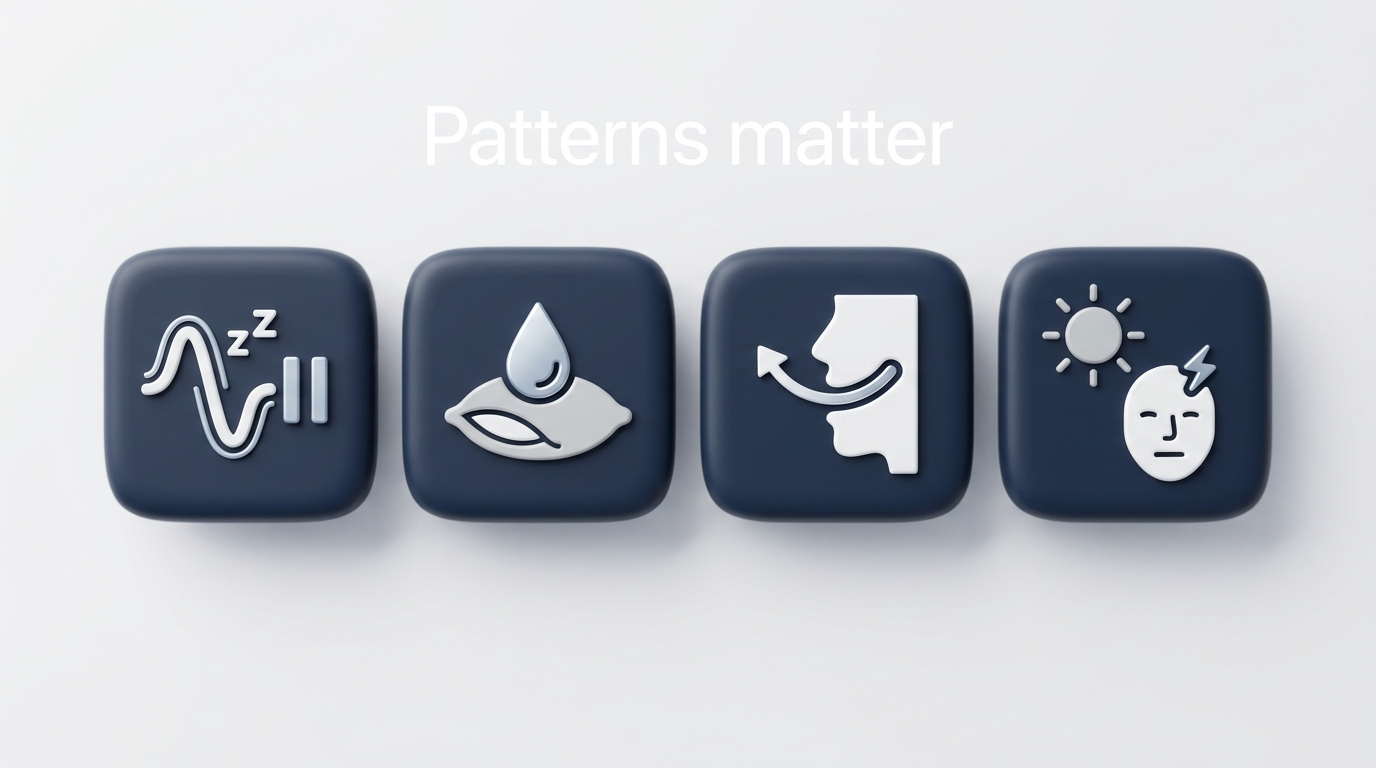
Night sweats and snoring can be linked to sleep apnea symptoms, but they are not diagnostic on their own. What matters most is the overall pattern: snoring plus pauses in breathing, gasping, or choking; restless sleep and frequent awakenings; mouth breathing at night; and daytime behavior, mood, or attention changes in kids.
Think of snoring and sweating as a check-engine light: they do not reveal the exact problem by themselves, but they can signal that sleep and breathing during sleep deserve a closer look. Occasional snoring or sweating with a clear reason (such as a warm bedroom or a cold) is often benign; persistent patterns deserve attention.
In babies and very young children, sleep-disordered breathing can show up as restless or disturbed sleep without obvious snoring, which is why it helps to look at more than one symptom. Pediatric references from Mayo Clinic and the American Academy of Pediatrics (AAP) note that nighttime sweating and snoring may occur with childhood OSA, and that symptoms can differ by age. [1][2][3]
If you are already exploring next steps, Sleep & Sinus Centers of Georgia overview: https://sleepandsinuscenters.com/snoring-sleep-apnea-treatment
Bottom line: Patterns matter—if snoring and night sweats cluster with other breathing or sleep disruptions, it is worth an evaluation.
What Are Night Sweats—and When Are They Concerning?
Night sweating exists on a spectrum—from mild dampness to drenching sweats that soak pajamas or sheets. Occasional sweating is not unusual, but persistent or intense sweating can signal that something is disrupting sleep.
Common, non-sleep-apnea causes include a warm room, heavy blankets, or overdressing; fever or a short-term viral illness; stress, anxiety, or vivid dreams; certain medications; and puberty or other normal hormonal shifts. For example, a child with a cold may sweat because of mild fever and congestion, then return to normal once well. Bedrooms that feel comfortable at bedtime can become too warm overnight—especially with thick bedding.
Check in with a clinician promptly if sweating is repeatedly drenching or if it occurs with other concerning changes such as persistent fever, unexplained weight loss, or a child who seems unwell.
Why Sleep Apnea May Trigger Sweating at Night
In OSA, the airway narrows or collapses during sleep. The body may respond with a stress surge to reopen the airway, raising heart rate and increasing the work of breathing. Over time, repeated arousals and stress responses may contribute to night sweating—especially when paired with other sleep apnea symptoms. Pediatric sources recognize nighttime sweating as one possible sign when OSA is present. [1][2] If the body is working hard to keep airflow going overnight, families may notice restless sleep, brief wake-ups, and sweating—even if the child does not remember waking.
Snoring 101: What Is Normal vs. a Red Flag?
Snoring is common, especially during colds or allergy flare-ups. The key is frequency and accompanying signs. Snoring is more concerning when it is loud; frequent (about three or more nights per week); persistent over time rather than limited to a brief illness; or paired with breathing pauses, gasping, restless sleep, or daytime issues. Mayo Clinic and AAP guidance emphasize that habitual snoring can be a symptom worth evaluating in children. [1][2]
If you are unsure whether snoring is loud, one practical benchmark parents use is whether it can be heard through a door or down the hall. This does not diagnose anything, but it can help you describe severity to your clinician.
Why kids snore: common contributors include enlarged tonsils or adenoids, nasal congestion from allergies or chronic irritation, anatomy that narrows airflow, and mouth breathing at night that may go along with nasal obstruction or enlarged tissue. Persistent snoring can affect sleep quality and may signal airway obstruction that disrupts oxygen and restful sleep.
What Is Obstructive Sleep Apnea (OSA)?
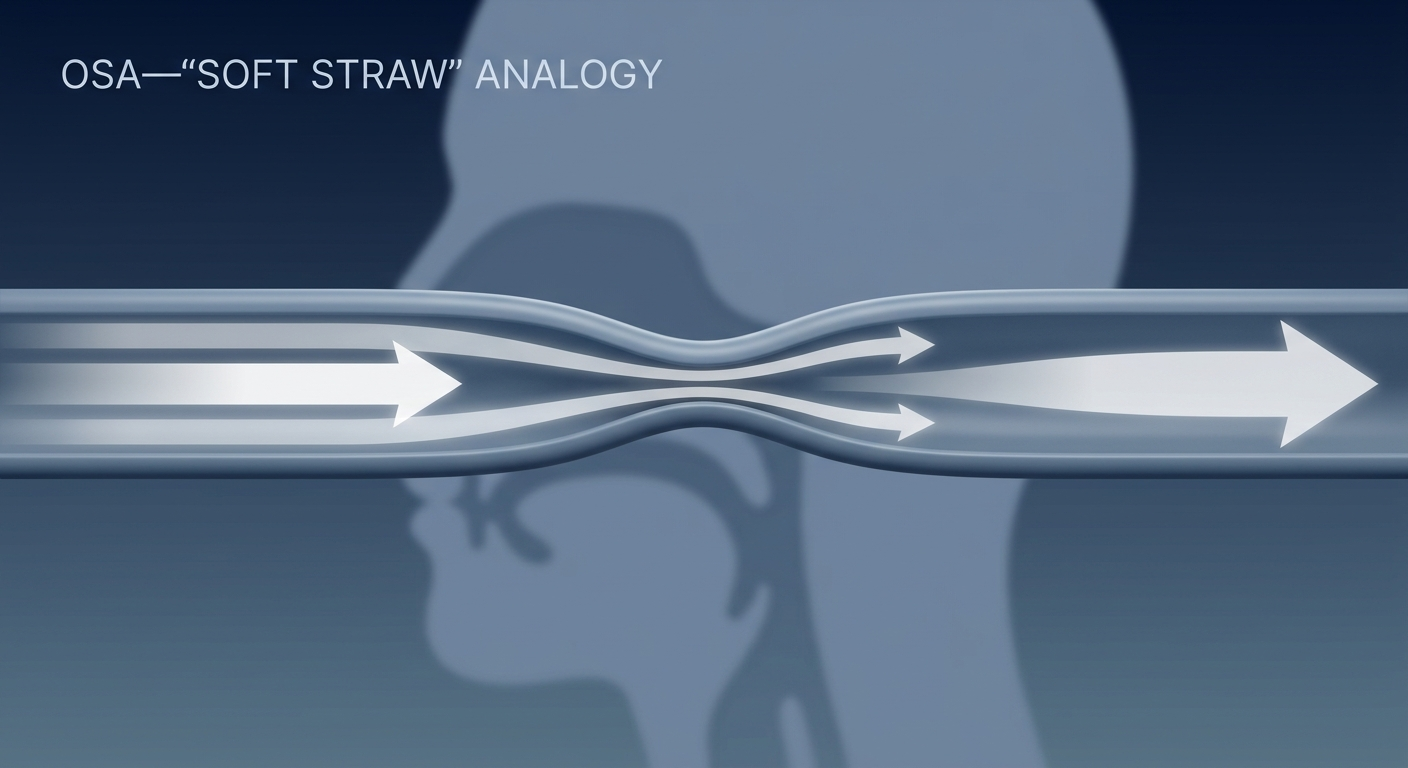
OSA is a condition in which the airway partially or fully collapses during sleep, causing reduced airflow, brief breathing pauses, and micro-awakenings the sleeper may not remember. A helpful analogy: it is like breathing through a soft straw that occasionally pinches closed, prompting the brain and body to repeatedly reset sleep to restore airflow. Over time, fragmented sleep can affect mood, attention, growth, and overall health—especially in children. [1][2]
Pediatric OSA can look different than adult OSA. Adults often report obvious daytime sleepiness, while kids may show irritability or moodiness, hyperactivity or wired-but-tired behavior, and learning or attention challenges. These patterns are recognized in pediatric guidance from Mayo Clinic and the AAP. [1][2]
Key Symptoms: When Night Sweats + Snoring Point More Toward Sleep Apnea
If night sweats and snoring occur together, scan for other clues. Nighttime signs include loud or frequent snoring; pauses in breathing, gasping, or choking sounds; restless sleep or frequent position changes; unusual sleep positions such as the neck extended; mouth breathing at night and waking with a dry mouth; and, in some cases, bedwetting after a child was previously dry. Related read on mouth breathing: https://sleepandsinuscenters.com/blog/nighttime-mouth-breathing-risks-causes-and-health-effects-explained
A practical tip: if you can safely observe your child sleeping, note whether snoring is steady or interrupted by quiet pauses followed by a snort, gasp, or repositioning.
Daytime signs in children often include morning headaches; difficulty waking up or seeming unrefreshed; irritability or emotional ups and downs; attention or school-performance concerns; and either daytime sleepiness or the opposite—appearing overly energized to compensate.
Infants and toddlers may not show classic loud snoring. Disturbed or restless sleep may be more noticeable, and breathing noise may be subtle. [1][3] Discuss ongoing concerns with your pediatrician; they can help distinguish normal infant sleep sounds from patterns that need evaluation.
Causes & Risk Factors (Why It Happens)
In children, contributors to airway blockage during sleep can include enlarged tonsils and adenoids, chronic nasal congestion including allergic rhinitis, and craniofacial or anatomical factors that narrow the airway. Other risk factors include obesity or rapid weight gain, family history of OSA, and certain underlying medical conditions. A risk factor does not confirm OSA, but it can explain why night sweats and snoring might be happening together and why evaluation may be recommended sooner. Risk factors guide suspicion, but only testing can confirm OSA and its severity.
When to Call the Doctor (and When It Is Urgent)
Consider scheduling an evaluation if a child has snoring most nights plus night sweats; witnessed pauses, gasping, or choking; ongoing mouth breathing, restless sleep, or frequent awakenings; or daytime behavioral concerns, mood changes, or school difficulties. If possible, bring specifics to the appointment: how many nights per week, how long symptoms have been present, whether they worsen with colds or allergies, and whether you have noticed breathing pauses.
Seek urgent evaluation if breathing appears severely labored, lips or face look bluish, repeated choking episodes occur, severe lethargy is present, or if a caregiver feels the child may be unsafe. For signs of severe respiratory distress or cyanosis, call emergency services (911 or your local emergency number). When in doubt, err on the side of safety.

How Sleep Apnea Is Diagnosed (What to Expect)
Symptoms overlap with other conditions such as allergies, infections, reflux, or environmental factors, so confirming whether OSA is present—and how severe it is—guides appropriate options. The AAP highlights the importance of objective evaluation, not symptoms alone. [2]
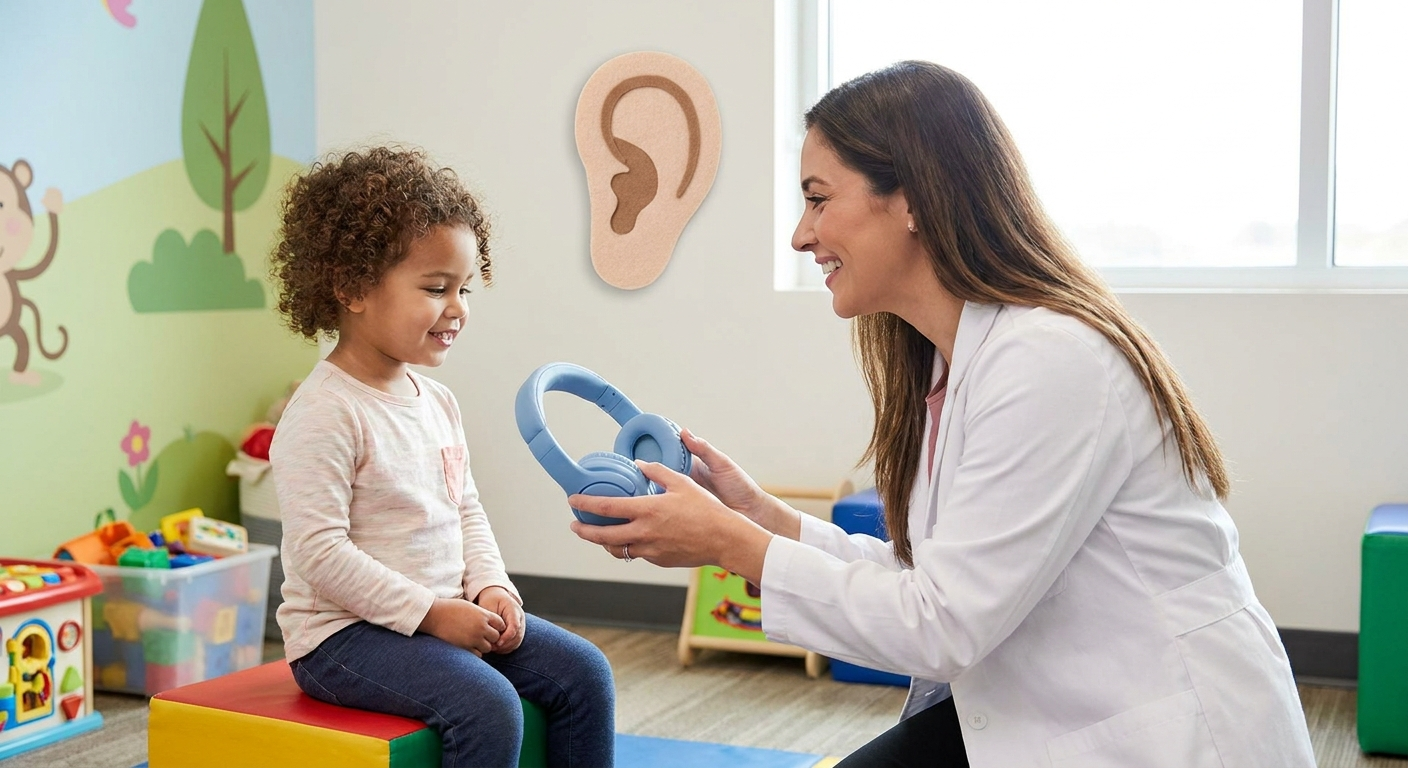
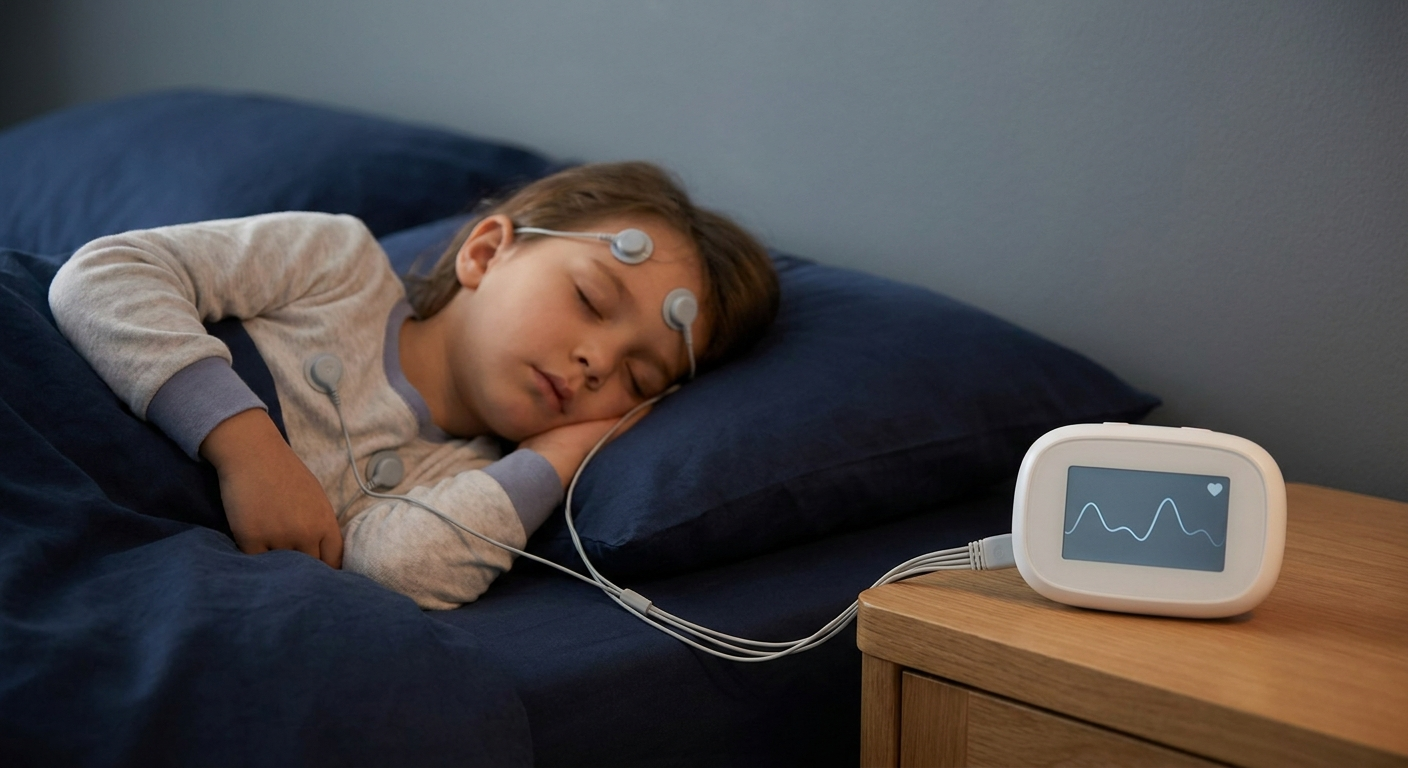
The gold standard is an overnight sleep study (polysomnography), which measures breathing patterns, oxygen levels, sleep stages, and how often disruptions happen overnight. Pediatric sleep labs aim to be child-friendly, and sensors are designed to be non-painful. [1][2]
Home sleep testing is frequently discussed for adults. In children, in-lab testing is often preferred because it captures more detail and is better validated for pediatric patterns in many cases. Clinicians will help determine the most appropriate test. Comparison overview: https://sleepandsinuscenters.com/blog/home-sleep-test-accuracy-how-reliable-are-at-home-sleep-tests
Testing clarifies whether true breathing disruptions are happening—and how best to address them.
Treatment Options (What Helps)
Treatment is individualized. The goal is to address the underlying cause of airway obstruction and improve sleep quality, not just quiet the snoring.
Because enlarged tonsils and adenoids are common contributors, clinicians may discuss an ENT evaluation and whether adenotonsillectomy could help; the AAP includes this as a common management approach for appropriately selected children. [2]
Some children may be recommended CPAP (continuous positive airway pressure), especially when OSA persists after other treatments or when surgery is not appropriate. Support with mask fit and follow-up can improve comfort and consistency.
When chronic congestion drives mouth breathing and snoring, assessing nasal airflow and allergy patterns may be part of the plan. Improving nasal breathing can support better sleep and reduce overnight effort.
When weight contributes, healthy lifestyle changes may be one part of a broader plan. The AAP includes weight management among potential components of care when applicable. [2] Care pathways overview: https://sleepandsinuscenters.com/snoring-sleep-apnea-treatment
The best treatment depends on the cause and the child; target the airway issue, and sleep quality often follows.
Lifestyle Tips for Families (While You Are Scheduling Evaluation)
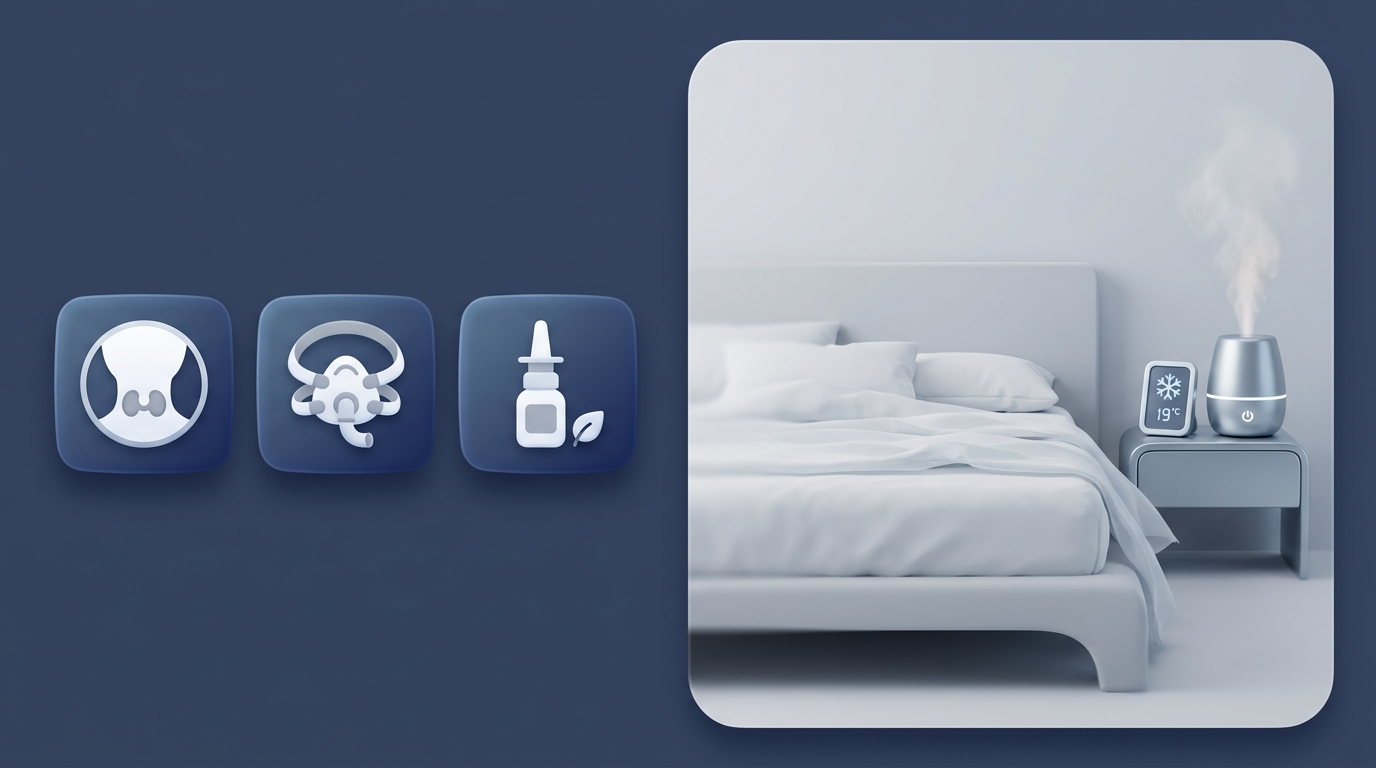
Comfort and sleep-hygiene steps can help while you arrange next steps: keep the bedroom cool and breathable; maintain a consistent sleep schedule; consider humidity and gentle saline as appropriate for congestion; avoid smoke exposure at home and in the car; and follow age-appropriate sleep positioning guidance, avoiding unsafe infant sleep practices. Tracking a one-week symptom log (snoring nights, sweating, awakenings, morning mood) can make your visit more efficient.
What not to do: do not ignore ongoing loud or frequent snoring when it comes with gasping, restless sleep, or daytime issues; and do not assume night sweats alone equal sleep apnea. Schedule care when symptoms persist: https://sleepandsinuscenters.com/appointments
Comfort steps can help, but persistent symptoms should be evaluated rather than self-diagnosed.
FAQs
Q: Can night sweats by themselves mean sleep apnea? A: Usually not. Night sweats and snoring are more meaningful when paired with other sleep apnea symptoms like breathing pauses, gasping, mouth breathing, or disrupted sleep. [1][2]
Q: My child snores but seems fine during the day—should I worry? A: If snoring is frequent or loud, or paired with gasping, restless sleep, mouth breathing at night, or attention or behavior changes, it is worth an evaluation. [1][2]
Q: Can a baby have sleep apnea without snoring? A: Yes. Baby sleep apnea signs can be less obvious, and infants may have disturbed sleep without classic snoring. [1][3]
Q: What test confirms sleep apnea? A: A sleep study (polysomnography) is the standard diagnostic test when available. [2]
Q: Will treating sleep apnea reduce sweating and snoring? A: Many families notice improvement when the underlying breathing disruption is addressed, though results vary by cause and treatment approach. [1][2]
Conclusion + Next Step
Night sweats and snoring can be associated with OSA—especially when they occur with pauses in breathing, gasping, mouth breathing at night, restless sleep, or daytime behavior and attention concerns. Because these symptoms can also come from other causes, the most helpful next step is evaluation, not self-diagnosis.
Learn more about evaluation and care pathways: https://sleepandsinuscenters.com/snoring-sleep-apnea-treatment
Ready to book an appointment: https://sleepandsinuscenters.com/appointments
This article is for educational purposes only and is not medical advice. Please consult a qualified healthcare provider for diagnosis and treatment. If you are concerned about a child’s breathing or safety during sleep, seek medical care promptly.
Citations
[1] Mayo Clinic – Pediatric obstructive sleep apnea: Symptoms & causes: https://mayoclinic.org/diseases-conditions/pediatric-sleep-apnea/symptoms-causes/syc-20376196
[2] American Academy of Pediatrics (AAP) – Diagnosis and Management of Childhood Obstructive Sleep Apnea Syndrome: https://publications.aap.org/pediatrics/article/130/3/576/30284/Diagnosis-and-Management-of-Childhood-Obstructive
[3] Sleep Foundation – Baby Snoring: https://sleepfoundation.org/baby-sleep/baby-snoring
Don’t let allergies slow you down. Schedule a comprehensive ENT and allergy evaluation at Sleep and Sinus Centers of Georgia. We’re here to find your triggers and guide you toward lasting relief.