What Causes Polyps? Common Causes, Risk Factors, and Prevention
Polyps are common, and hearing you have one can feel unsettling—especially when you’re not sure what it means (or what happens next). The good news is that many polyps are noncancerous and manageable. Still, understanding why they form can make follow-up feel less mysterious and help you know what to watch for.
A simple way to think about a polyp is as an abnormal growth of tissue that forms on the lining of an organ or cavity—often after the lining has been irritated by inflammation, influenced by hormones, or affected by genetic factors. Many people live with polyps for a long time without symptoms, and a polyp is often found only because of a screening exam or a direct examination of the area.
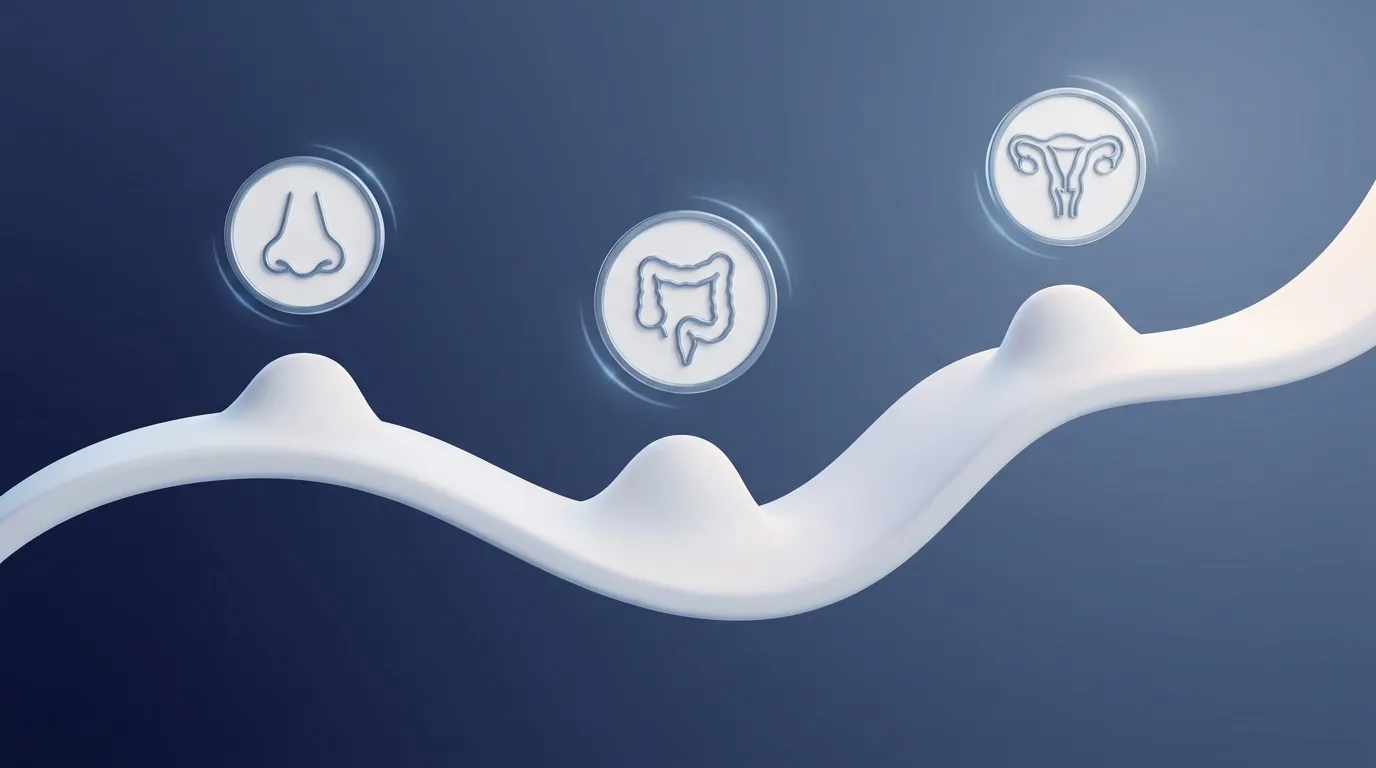
Below, we cover what causes polyps, how symptoms differ by location (nose, colon, uterus), key risk factors, and practical ways to think about prevention and monitoring.
Quick Answer—What Causes Polyps?
Polyps are abnormal growths that are often benign and arise from the lining of organs or cavities. The exact cause varies by location, but a few themes appear repeatedly:
- Inflammation and genetics commonly contribute (especially in the colon).
- Hormonal influences, particularly estrogen exposure or sensitivity, are linked with uterine polyps.
- Chronic nasal and sinus inflammation—often associated with asthma, allergies, or recurrent sinus infections—plays a major role in nasal polyps.
Most polyps are benign, but some can be precancerous or cancerous over time—especially certain colon polyps—so appropriate monitoring matters. A common way clinicians explain it is that the polyp itself is usually not an emergency; following through on evaluation and recommended care is what protects you. Source: https://www.mdanderson.org/cancerwise/what-are-polyps.h00-159776445.html
Bottom line: Causes vary by location, but inflammation, genetics, and hormones are the big drivers—and follow-up is key.

What Are Polyps (and Where Can They Form)?
A polyp is an abnormal growth of tissue that forms on the lining of an organ or cavity. Some grow on a thin stalk (like a mushroom), while others are flat. Many are found incidentally during routine exams, imaging, or procedures that examine the area directly.
If it helps, imagine the lining like wallpaper. When the surface is repeatedly irritated (inflammation), repeatedly stimulated (hormones), or predisposed to overgrowth (genetics), a small bump can form—sometimes on a stem, sometimes like a thickened patch.
Common locations include:
- Nose and sinuses (nasal polyps)
- Colon and rectum (colon polyps)
- Uterus (endometrial/uterine polyps)
They can also occur in the stomach, cervix, bladder, and vocal cords. Source: https://www.mdanderson.org/cancerwise/what-are-polyps.h00-159776445.html
Think of polyps as localized overgrowths that can arise on the lining in several parts of the body.
Are Polyps Cancerous?
Most polyps are benign (not cancer). However, some are precancerous, meaning that over time they can develop cellular changes that raise cancer risk. Risk depends on polyp type, size, location, whether multiple polyps are present, and personal/family history. That’s why a clinician may recommend follow-up testing, removal, or ongoing surveillance. Even when a polyp is benign, confirming the type helps guide next steps.
Some colon polyps can slowly develop into colorectal cancer if they aren’t found and removed, which is why routine screening is so important—it can catch polyps early, often before you feel anything at all. Source: https://www.mayoclinic.org/diseases-conditions/colon-polyps/symptoms-causes/syc-20352875
Most polyps aren’t cancer, but some can become cancerous—especially in the colon—so screening and follow-up matter.
Symptoms of Polyps (By Location)
Many polyps cause no symptoms until they grow larger or begin blocking normal drainage or flow. That silent pattern is why screening and timely evaluation of persistent symptoms can be so valuable.
Nasal polyp symptoms:
- Stuffy or blocked nose
- Reduced smell or taste
- Postnasal drip
- Facial pressure
- Recurring sinus infections
- Snoring or poor sleep when nasal airflow is obstructed
If you’ve tried allergy medications for weeks but still feel plugged up, can’t smell well, and keep cycling through sinus infections, it may be worth checking for nasal polyps or chronic sinus inflammation. More on sinus symptoms: https://sleepandsinuscenters.com/symptoms-of-sinus-problems and What Are Nasal Polyps?: https://sleepandsinuscenters.com/blog/what-are-nasal-polyps. Source: https://my.clevelandclinic.org/health/diseases/15250-nasal-polyps
Colon polyp symptoms:
- Often no symptoms
- Rectal bleeding
- Changes in stool or bowel habits
- Abdominal pain (less common)
Because symptoms are often absent, people are frequently surprised when a screening exam finds one. That usually means the timing was good to catch it. Source: https://www.mayoclinic.org/diseases-conditions/colon-polyps/symptoms-causes/syc-20352875
Uterine polyp symptoms:
- Irregular menstrual cycles
- Heavy bleeding
- Bleeding between periods
- Fertility challenges in some situations (context-dependent)
If you notice bleeding that’s unusual for you—especially persistent spotting between periods or heavier-than-usual flow—call your OB/GYN for guidance. Source: https://www.mayoclinic.org/diseases-conditions/uterine-polyps/symptoms-causes/syc-20378709
Don’t wait signs: trouble breathing, heavy or persistent bleeding, severe pain, black/tarry stools, unexplained weight loss, or rapidly worsening symptoms.
Polyps may be silent, but new or persistent symptoms—especially bleeding—deserve timely evaluation.

Common Causes of Polyps (The Big Picture)
When people ask what causes polyps, the answer usually comes back to a few core processes that can show up in different organs.
Chronic inflammation (a major theme): Ongoing irritation can be associated with tissue changes and a higher chance of abnormal growths. Examples include chronic inflammation in the nasal/sinus lining and inflammatory processes in the colon. Sources: https://my.clevelandclinic.org/health/diseases/15250-nasal-polyps, https://www.mayoclinic.org/diseases-conditions/colon-polyps/symptoms-causes/syc-20352875
Genetics and inherited syndromes: Family history can increase risk—especially for colon polyps. If a close relative has had colon polyps, mention it so screening can be personalized. Source: https://www.mayoclinic.org/diseases-conditions/colon-polyps/symptoms-causes/syc-20352875
Hormonal influences: Uterine polyps are linked to hormonal factors, especially estrogen exposure or sensitivity. Source: https://www.mayoclinic.org/diseases-conditions/uterine-polyps/symptoms-causes/syc-20378709
Environmental and lifestyle factors: Smoking and obesity are associated with polyp formation, partly via inflammation. Source: https://www.mdanderson.org/cancerwise/what-are-polyps.h00-159776445.html
Across organs, inflammation, genetics, and hormones are the core contributors—while some lifestyle factors are associated with higher risk.

What Causes Nasal Polyps?
Nasal polyps are strongly linked with chronic inflammation of the nasal and sinus lining. They’re more common in people with asthma, allergies, and frequent sinus infections or long-standing sinus inflammation.
Nasal polyps often coexist with chronic rhinosinusitis. Common drivers are explained here: https://sleepandsinuscenters.com/blog/what-causes-sinusitis-common-triggers-explained and https://sleepandsinuscenters.com/chronic-sinusitis.
Nasal blockage can lead to mouth breathing and contribute to snoring or fragmented sleep. If you suspect nasal obstruction is affecting rest, Sleep and Sinus Centers of Georgia can help evaluate whether inflammation, polyps, or other nasal issues are involved.
For nasal polyps, chronic inflammation is the key driver—especially when allergies, asthma, or sinusitis are in the mix.

What Causes Colon Polyps?
Colon polyps often involve a combination of genetic factors and inflammatory processes, which is one reason screening is so powerful. Even without symptoms, a colonoscopy can identify and remove polyps before they progress. Source: https://www.mayoclinic.org/diseases-conditions/colon-polyps/symptoms-causes/syc-20352875
Common risk factors include increasing age, family history, certain inherited genetic syndromes, inflammatory bowel disease (IBD), and lifestyle factors such as smoking or obesity. This doesn’t mean a person with risk factors will definitely develop polyps—it means the odds are higher, and staying current on screening becomes even more important. Source: https://www.mayoclinic.org/diseases-conditions/colon-polyps/symptoms-causes/syc-20352875
Prevention spotlight: Screening can find and remove polyps before they become more serious. Feeling fine is exactly why screening works—it’s designed to catch issues early. Source: https://www.mayoclinic.org/diseases-conditions/colon-polyps/symptoms-causes/syc-20352875
For colon polyps, genetics and inflammation matter—but screening is the game-changer.

What Causes Uterine Polyps?
Uterine polyps are linked to hormonal influences—especially how uterine tissue responds to estrogen. Think of estrogen as a growth signal for the uterine lining; when the lining is more responsive, small overgrowths can occur. Source: https://www.mayoclinic.org/diseases-conditions/uterine-polyps/symptoms-causes/syc-20378709
Risk is higher around perimenopause and menopause transitions, and other hormone-related factors may contribute. If abnormal bleeding develops, evaluation helps clarify the cause and rule out other concerns.
Uterine polyps are closely related to estrogen exposure or sensitivity—so changes in bleeding patterns should prompt a check-in.
Risk Factors for Polyps (Across Types)
Non-modifiable risk factors include age, family history or inherited syndromes, and underlying chronic conditions (asthma/allergies for nasal; IBD for colon; hormone shifts for uterine). Sources: https://my.clevelandclinic.org/health/diseases/15250-nasal-polyps, https://www.mayoclinic.org/diseases-conditions/colon-polyps/symptoms-causes/syc-20352875, https://www.mayoclinic.org/diseases-conditions/uterine-polyps/symptoms-causes/syc-20378709
Modifiable factors include avoiding smoking, supporting healthy weight, managing chronic inflammation (consistent allergy/asthma/sinus care), and staying current on preventive care and screening.
You can’t change age or genetics, but you can manage inflammation and keep up with recommended screening.
How Doctors Diagnose Polyps
Diagnosis depends on location:
- Nasal: nasal exam and/or endoscopy; imaging in some cases
- Colon: colonoscopy
- Uterus: ultrasound or hysteroscopy (as determined by an OB/GYN)
If you’re anxious about testing, ask: What will this test tell us that we don’t know yet? A clear purpose makes the process more manageable.
When polyps are removed or sampled, pathology confirms the type and whether any precancerous changes are present. This guides follow-up plans. Source: https://www.mdanderson.org/cancerwise/what-are-polyps.h00-159776445.html
Diagnosis is location-specific, and pathology results drive the follow-up game plan.
Treatment Options (What Patients Can Expect)
Watchful waiting: Some small polyps that aren’t causing symptoms may be monitored, depending on type and location. Monitoring means observation with a plan to re-check if anything changes.
Medications (especially for nasal polyps): Treatment often focuses on reducing inflammation—commonly using nasal medications to calm swelling and improve airflow. Managing allergies or asthma may reduce overall inflammation. Learn about allergy testing: https://sleepandsinuscenters.com/allergy-testing. Source: https://my.clevelandclinic.org/health/diseases/15250-nasal-polyps
Polyp removal procedures depend on location: Nasal (endoscopic sinus surgery or polypectomy), Colon (polypectomy during colonoscopy), Uterus (hysteroscopic removal). What to expect with nasal polyp removal: https://sleepandsinuscenters.com/blog/nasal-polyp-removal-in-office-what-to-expect.
Recurrence: Polyps can recur, especially when underlying drivers (like chronic inflammation) continue. Reducing recurrence risk for nasal polyps: https://sleepandsinuscenters.com/blog/how-to-prevent-nasal-polyps-from-coming-back-prove-20260315181250. Source: https://my.clevelandclinic.org/health/diseases/15250-nasal-polyps
Treatment ranges from monitoring to medication to removal—plus strategies to address root causes and reduce recurrence.
Prevention & Lifestyle Tips (Practical and Patient-Friendly)
Not all polyps can be prevented, but steps can reduce risk and support early detection.
Reduce chronic inflammation (nose/sinuses): Treat allergies and asthma consistently, address recurrent sinus symptoms early, and consider allergy testing if triggers are unclear: https://sleepandsinuscenters.com/allergy-testing. Source: https://my.clevelandclinic.org/health/diseases/15250-nasal-polyps
Prevention for colon polyps: Stay up to date with screening schedules; support overall health with balanced nutrition, physical activity, and smoking avoidance. Screening is the cornerstone. Source: https://www.mayoclinic.org/diseases-conditions/colon-polyps/symptoms-causes/syc-20352875
Prevention for uterine polyps: Because hormones play a central role, there’s no proven way to prevent all cases. Helpful steps include tracking irregular or heavy bleeding, keeping routine gynecology visits, and asking about evaluation if symptoms appear. Source: https://www.mayoclinic.org/diseases-conditions/uterine-polyps/symptoms-causes/syc-20378709
You can’t prevent every polyp, but you can lower inflammation, build healthy habits, and use screening to catch problems early.
FAQs
What causes polyps to form in the first place? Common contributors include chronic inflammation, genetics, hormone exposure or sensitivity, and some lifestyle or environmental factors. Source: https://www.mdanderson.org/cancerwise/what-are-polyps.h00-159776445.html
Do polyps always cause symptoms? No. Many don’t cause symptoms, especially early on. Symptoms depend on size and location. Source: https://www.mayoclinic.org/diseases-conditions/colon-polyps/symptoms-causes/syc-20352875
Can nasal polyps be caused by allergies? Allergies may contribute to or coexist with chronic nasal inflammation; nasal polyps are more common in people with allergies and asthma. Source: https://my.clevelandclinic.org/health/diseases/15250-nasal-polyps
Are uterine polyps caused by hormone imbalance? They’re linked to hormonal factors, particularly how the uterine lining responds to estrogen exposure or sensitivity. Source: https://www.mayoclinic.org/diseases-conditions/uterine-polyps/symptoms-causes/syc-20378709
Can polyps go away on their own? Some nasal polyps may shrink with treatment, but many polyps persist until treated or removed. It depends on type and location. Source: https://my.clevelandclinic.org/health/diseases/15250-nasal-polyps
How can I prevent polyps from coming back? Focus on controlling underlying drivers (like inflammation), managing associated conditions (such as allergies or asthma), and following recommended surveillance (for example, colonoscopy intervals when screening finds polyps). Sources: https://my.clevelandclinic.org/health/diseases/15250-nasal-polyps, https://www.mayoclinic.org/diseases-conditions/colon-polyps/symptoms-causes/syc-20352875
In short: treat what’s driving the polyp, and stick with follow-up plans tailored to your situation.
When to See a Doctor
Make an appointment if you have:
- Persistent nasal blockage, reduced smell, or recurring sinus infections
- Rectal bleeding or persistent bowel changes
- Abnormal uterine bleeding (heavy, irregular, or between periods)
Which specialist to see:
- ENT for nasal/sinus symptoms (appointments: https://sleepandsinuscenters.com/appointments)
- Gastroenterology for colon concerns and screening
- OB/GYN for uterine symptoms
If symptoms are persistent or unusual for you, getting checked sooner rather than later is wise.
Conclusion (Wrap-Up + Next Steps)
If you’ve been wondering what causes polyps, the key takeaway is that the cause depends on where the polyp is—chronic inflammation, genetics, and hormones are the most common contributors. Most polyps are treatable, and many are found before they cause serious problems.
If your symptoms suggest nasal polyps or ongoing sinus inflammation, Sleep and Sinus Centers of Georgia can help you get clarity and discuss evaluation options. To book an appointment, visit: https://sleepandsinuscenters.com/appointments
Knowledge plus follow-through—screening, treatment, and smart prevention—go a long way toward keeping polyps from becoming a bigger problem.
Medical Disclaimer
This article is for educational purposes only and is not a substitute for professional medical advice, diagnosis, or treatment. If you have concerning symptoms, contact a qualified clinician promptly.
This article is for educational purposes only and is not medical advice. Please consult a qualified healthcare provider for diagnosis and treatment.
Don’t let allergies slow you down. Schedule a comprehensive ENT and allergy evaluation at Sleep and Sinus Centers of Georgia. We’re here to find your triggers and guide you toward lasting relief.