Waking Up Congested: Causes, Symptoms, and Effective Remedies
Waking up congested can feel like you start the day already behind—mouth breathing, a dry throat, and a stuffy head before you’ve even had coffee. The good news: morning nasal congestion is common, and targeted changes to your sleep setup and bedroom environment can help.
Below is a patient-friendly guide to why mornings can feel worst, common symptoms and causes, practical self-care, and when to see an ENT. General sources include Healthline, GoodRx, AFC Urgent Care, and Mayo Clinic.
What “congestion” actually means
- Swollen nasal tissue: Your nasal lining can become inflamed and puffy, narrowing airflow.
- Mucus buildup: Extra mucus can block airflow and create that “stuck” feeling.
A helpful analogy: your nasal lining acts like a soft sponge—when irritated by allergens, dryness, or inflammation, it puffs up and leaves less room for air. One-sided congestion can be normal due to the nasal cycle (your body alternates which nostril is more open).
Why symptoms may peak overnight
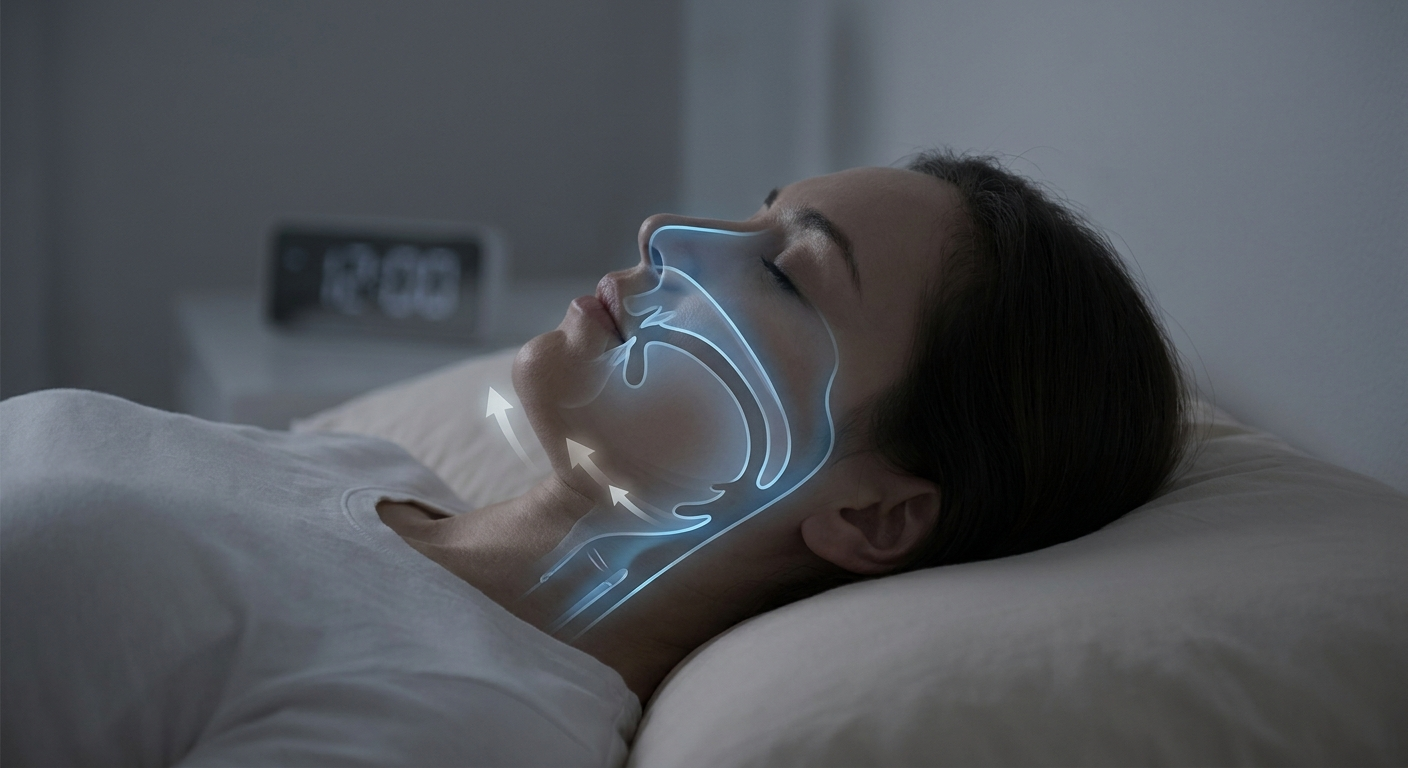
- Lying flat may increase nasal swelling and slow drainage. When you’re horizontal, fluid can pool and the nose may feel more blocked. Sleeping position guidance: https://www.goodrx.com/conditions/sinus-infection/sleep-position-for-sinus-drainage
- Bedroom exposures build up for hours (dust mites in bedding, pet dander, dry air, or other irritants), so symptoms can be strongest right when you wake up.
In short, nights concentrate triggers and posture effects, so mornings may feel worst.

Common Symptoms That Go With Morning Congestion
Nose and sinus symptoms:
- Stuffy/blocked nose, runny nose
- Thick mucus or “sticky” drainage
- Post-nasal drip
- Facial pressure or sinus fullness
- Reduced sense of smell
Throat, sleep, and daytime symptoms:
- Dry throat, cough, or hoarseness upon waking
- Mouth breathing during sleep
- Poor sleep quality and morning fatigue
When symptoms suggest more than “just congestion”:
- Symptoms that persist for weeks
- Frequent “sinus infections” or repeated flare-ups
- Worsening facial pain/pressure, or smell loss that doesn’t improve
Common Causes of Waking Up Congested
Quick checklist—common causes include:
- Indoor allergies (dust mites, pets, mold)
- Chronic rhinitis or chronic rhinosinusitis
- Dry indoor air
- Acid reflux/GERD or laryngopharyngeal reflux (LPR)
- Sleep position and nighttime pooling
- Structural contributors (e.g., deviated septum)
1) Indoor allergies (dust mites, pet dander, indoor mold, pollen tracked indoors)
If you wake up stuffy mainly at home—especially in your bedroom—indoor allergies are a top suspect. Bedding and upholstery can harbor allergens; dust mites live in warm, humid fabrics and feed on shed skin cells.
Clues it’s allergies: sneezing/itching, clear/runny mucus, symptoms improve away from home or outside the bedroom.
2) Chronic rhinitis or chronic rhinosinusitis
Persistent congestion may reflect chronic inflammation that needs clinical evaluation. Clues: thick drainage, facial pressure, symptoms lasting 10–12 weeks or longer.
3) Dry indoor air (winter heat or strong AC)
Dry air can irritate the nasal lining, causing swelling, crusting, and blockage—even without much mucus. Clues: dry nose/throat, crusting, occasional nosebleeds.

4) Acid reflux/GERD or laryngopharyngeal reflux (LPR)
Reflux can irritate the throat/upper airway and worsen post-nasal drip sensations—especially after late meals. Clues: morning sore throat or hoarseness, chronic throat clearing, symptoms after late-night eating.
5) Sleep position and nighttime nasal pooling
Being flat can worsen swelling and slow drainage for some people. Gentle head elevation or side sleeping may help. If one side is always worse, discuss structural issues (e.g., deviated septum) with an ENT.
Quick At-Home “Cause Finder” (1-Minute Self-Check)
Pattern clues: only at home vs everywhere, seasonal vs year-round, better after shower/steam vs better after leaving the bedroom.
Bedroom clues: pets in bed, older pillows/mattress, visible dust or lots of fabric/clutter, humidifier use and cleaning, musty smell (possible dampness/mold).
Symptom clues: itching/sneezing → allergy-leaning; thick mucus/pressure → sinus/inflammation-leaning; dry throat + crusting → dry air or mouth breathing; hoarseness/throat clearing → sometimes reflux.
Effective Remedies (Start With the Highest-Impact Fixes)
Start tonight: Fast relief for a stuffy morning
- Saline nasal spray or a saline rinse (neti pot/bottle). Use distilled/sterile water (or previously boiled and cooled) for rinses.
- Warm steam (shower steam). May temporarily loosen mucus; use caution around hot water.
- Gentle topical options. Menthol/eucalyptus aromas may feel soothing; keep essential oils away from children/pets and do not ingest. Overview: http://doctronic.ai/blog/natural-decongestant
Same-day strategies: https://sleepandsinuscenters.com/blog/woke-up-with-a-blocked-nose-fast-relief-guide

This week: Fix the bedroom environment (often the real root cause)
- Allergen-proof encasements for mattress and pillows
- Wash bedding weekly (hot water when fabric allows)
- Reduce dust reservoirs: vacuum with a HEPA filter; minimize clutter near the bed
- Manage humidity: aim for moderate range; too dry irritates, too humid can support dust mites/mold
- Keep pets out of the bedroom (or at least off the bed)
Try a two-week “bedroom reset”—encase pillow/mattress, wash bedding weekly, keep pets out—and track morning changes. Tips: https://www.mayoclinic.org/diseases-conditions/dust-mites/diagnosis-treatment/drc-20352178

Sleep-position strategies that help drainage
- Elevate your head with a wedge pillow or bed risers
- Side sleeping may help; avoid fully flat positions if they worsen symptoms
- Elevation often helps when post-nasal drip, sinus pressure, or reflux are present
More on positions: https://sleepandsinuscenters.com/blog/sleeping-positions-that-help-sinus-drainage and https://www.goodrx.com/conditions/sinus-infection/sleep-position-for-sinus-drainage

Medications (OTC)—what to consider and what to avoid
- Antihistamines: Consider when itching/sneezing/clear runny nose are prominent.
- Steroid nasal sprays: Common for inflammation; work best with consistent daily use.
- Decongestant spray warning: Using topical sprays beyond label directions (often more than 3 days) can cause rebound congestion. Learn more: https://sleepandsinuscenters.com/blog/afrin-rebound-how-long-does-nasal-congestion-last-after-use
Ask a clinician/pharmacist before OTC meds if you have conditions like high blood pressure, glaucoma, prostate issues, are pregnant, or take interacting medications.
Longer-Term Solutions (When Morning Congestion Keeps Returning)
Allergy testing and targeted treatment: If your pattern strongly points to allergies (especially dust mites), testing helps guide next steps. Info: https://sleepandsinuscenters.com/allergy-testing
Treating chronic rhinitis/chronic rhinosinusitis: Aim to reduce day-to-day swelling so mornings aren’t a struggle.
Addressing GERD/LPR and lifestyle triggers: Earlier meals and head-of-bed elevation can help, especially when symptoms follow late meals.
When to See a Doctor (And When It’s Urgent)
Make an appointment if you have: morning congestion most days for weeks; symptoms >10 days, frequently returning, or recurring sinus infections; facial pain/pressure, thick discolored discharge, or reduced smell that persists. Note: Thick/discolored mucus and pressure do not alone confirm bacterial infection.
Seek urgent care for: high fever, severe headache; swelling around the eyes or vision changes; shortness of breath or wheezing (especially if severe or worsening).
Lifestyle Tips to Prevent Waking Up Congested
Build a “clean air” bedtime routine: shower at night during pollen seasons; change pillowcases regularly; keep windows closed on high-pollen days if sensitive.
Hydration and nasal comfort: stay hydrated to keep mucus thinner; use saline as needed; avoid irritant sprays not meant for nasal tissue.
Reduce irritants: avoid smoke/vaping exposure; limit strong fragrances and harsh cleaning fumes in the bedroom.
FAQs About Waking Up Congested
Why do I wake up congested but feel better later? Overnight exposure to bedroom triggers plus lying flat can increase swelling and slow drainage; being upright and leaving the room often helps.
Is it allergies or a sinus infection? Allergies often cause itching/sneezing and clear drainage. Sinus infections can involve thick/discolored mucus and facial pressure, but these alone don’t confirm bacteria. Persistent/severe symptoms warrant evaluation.
What humidity level helps congestion? Aim for moderation; too dry irritates, too humid can worsen dust mites and mold.
What’s the best sleeping position for drainage? Many do better with head elevation and side sleeping if flat back-sleeping worsens symptoms. More info: https://www.goodrx.com/conditions/sinus-infection/sleep-position-for-sinus-drainage
Do saline rinses really work? Saline sprays and rinses can thin mucus and wash out irritants. Follow product directions, keep devices clean, and use distilled/sterile (or previously boiled and cooled) water for safety.
If symptoms are severe or persistent, seek medical care.
Conclusion: Your Next Best Step
In many cases, waking up congested comes down to a few common culprits: bedroom allergens, chronic nasal/sinus inflammation, dry indoor air, reflux, and sleep position. Start with bedroom allergen control, humidity moderation, head elevation, and saline/steam, then track changes over 1–2 weeks.
If symptoms persist, disrupt sleep, or keep returning, book an appointment with Sleep and Sinus Centers of Georgia to pinpoint the root cause and review treatment options: https://www.sleepandsinuscenters.com/
Medical disclaimer: This article is for general education only and is not a substitute for professional medical advice, diagnosis, or treatment. If you have severe symptoms or urgent concerns, seek medical care promptly.
This article is for educational purposes only and is not medical advice. Please consult a qualified healthcare provider for diagnosis and treatment.
Don’t let allergies slow you down. Schedule a comprehensive ENT and allergy evaluation at Sleep and Sinus Centers of Georgia. We’re here to find your triggers and guide you toward lasting relief.