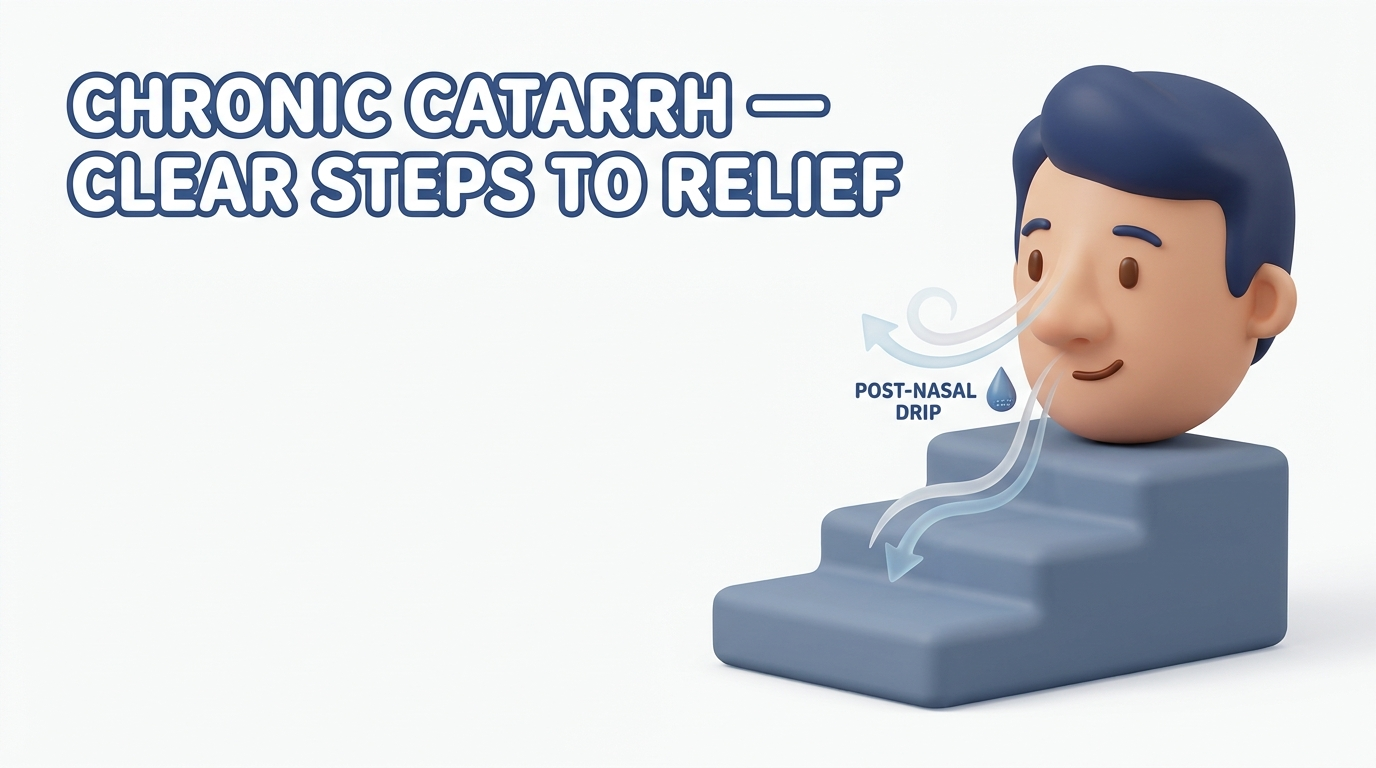
Chronic Catarrh: Causes, Symptoms, and Effective Treatments
Introduction — What “Chronic Catarrh” Means Today
If you’ve been dealing with constant mucus, a blocked nose, or a never-ending need to clear your throat, you may have searched the term chronic catarrh. In everyday language, catarrh is a lay term people use for persistent mucus and congestion that can come from several causes—most commonly:
- Chronic rhinitis (long-term inflammation of the nasal lining)
- Chronic rhinosinusitis (long-term inflammation involving both the nose and sinuses)
In plain terms, chronic catarrh is a lay term often used for ongoing nasal inflammation and excess mucus, with symptoms such as persistent congestion and post-nasal drip. When the nasal lining stays irritated, it can behave a bit like “chapped skin”—more reactive, more swollen, and more likely to produce extra secretions.
The good news is that it’s common, and many people improve with a step-by-step approach and the right diagnosis. NHS overview: https://www.nhs.uk/conditions/catarrh/ | NHS Inform: https://www.nhsinform.scot/illnesses-and-conditions/lungs-and-airways/catarrh/
If you’d like a deeper look at care options used for chronic nasal inflammation, see Sleep and Sinus Centers of Georgia’s guide to treating chronic rhinitis: https://sleepandsinuscenters.com/treating-chronic-rhinitis
Bottom line: “Catarrh” describes symptoms; finding the driver (allergic, nonallergic, or sinus-related) is what guides effective treatment.

Chronic Catarrh vs. a Cold — When Is It “Chronic”?
Acute mucus/congestion (short-term) vs persistent symptoms
A typical cold peaks over a few days and improves within about 1–2 weeks. With chronic catarrh, symptoms may:
- Persist for weeks to months
- Recur so frequently that it feels like you never fully get back to normal
When symptoms linger, it often suggests ongoing inflammation rather than a one-time virus. Some people have mainly rhinitis (nose-focused symptoms like congestion and runny nose), while others have more sinus involvement (pressure, facial discomfort, reduced smell), which can overlap with chronic rhinosinusitis.
If you’re “fine” between colds, that points toward repeated infections. If congestion and post-nasal drip are always there—just better some days and worse on others—that pattern often fits chronic inflammation better.
To understand sinus-related overlap more clearly, you can also read about chronic sinusitis: https://sleepandsinuscenters.com/chronic-sinusitis
Why terminology matters for treatment
- Rhinitis-focused care aims to reduce irritation and inflammation in the nasal lining and control triggers.
- Sinus-directed care may also focus on improving drainage and delivery of topical treatments deeper into the nasal passages and sinuses.
In other words, “mucus” isn’t a diagnosis—it’s a symptom. The goal is to identify the most likely driver(s) so you can treat the source, not just the sensation.
If your symptoms don’t fully resolve between “colds,” think chronic inflammation—and tailor care to the cause.
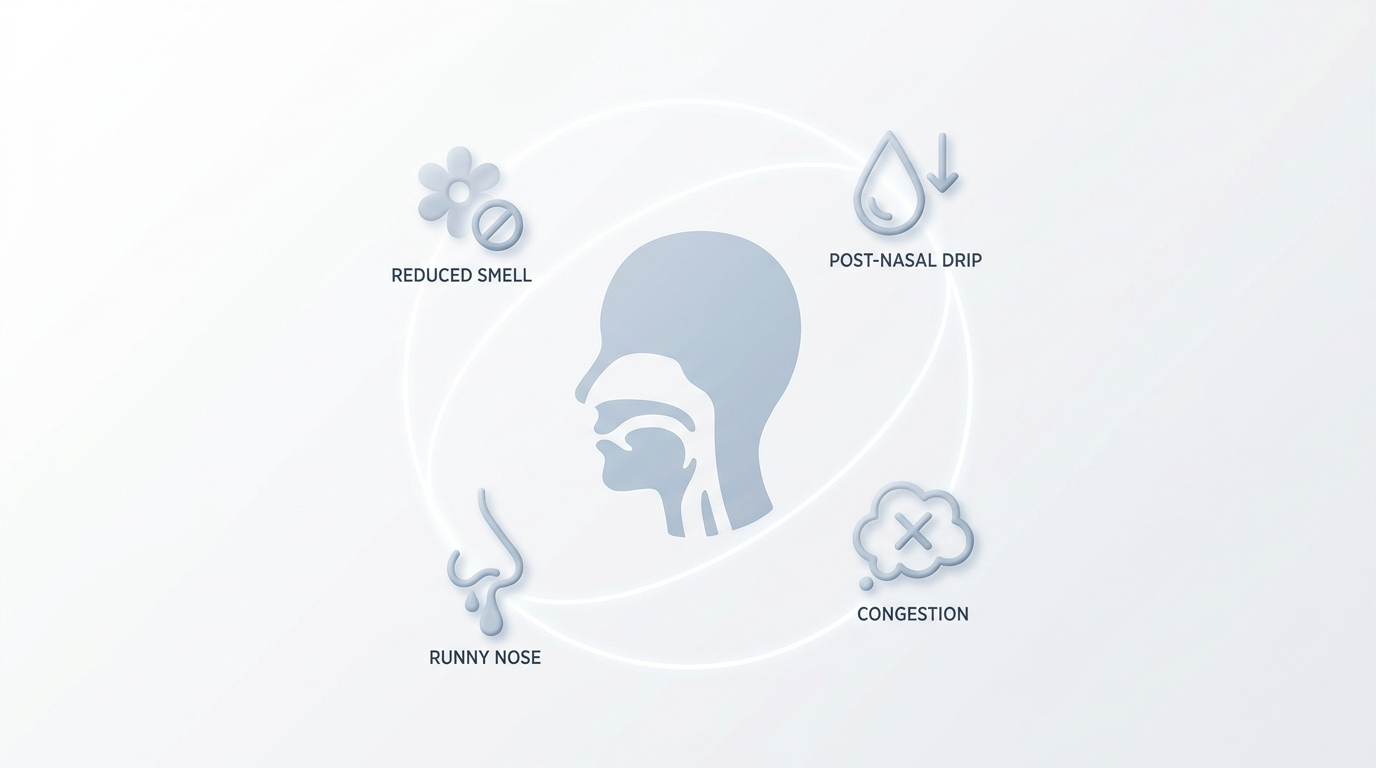
Symptoms of Chronic Catarrh (Chronic Rhinitis/Rhinosinusitis)
Core nasal symptoms
- Constant runny nose (often clear and watery)
- Persistent nasal congestion or blockage
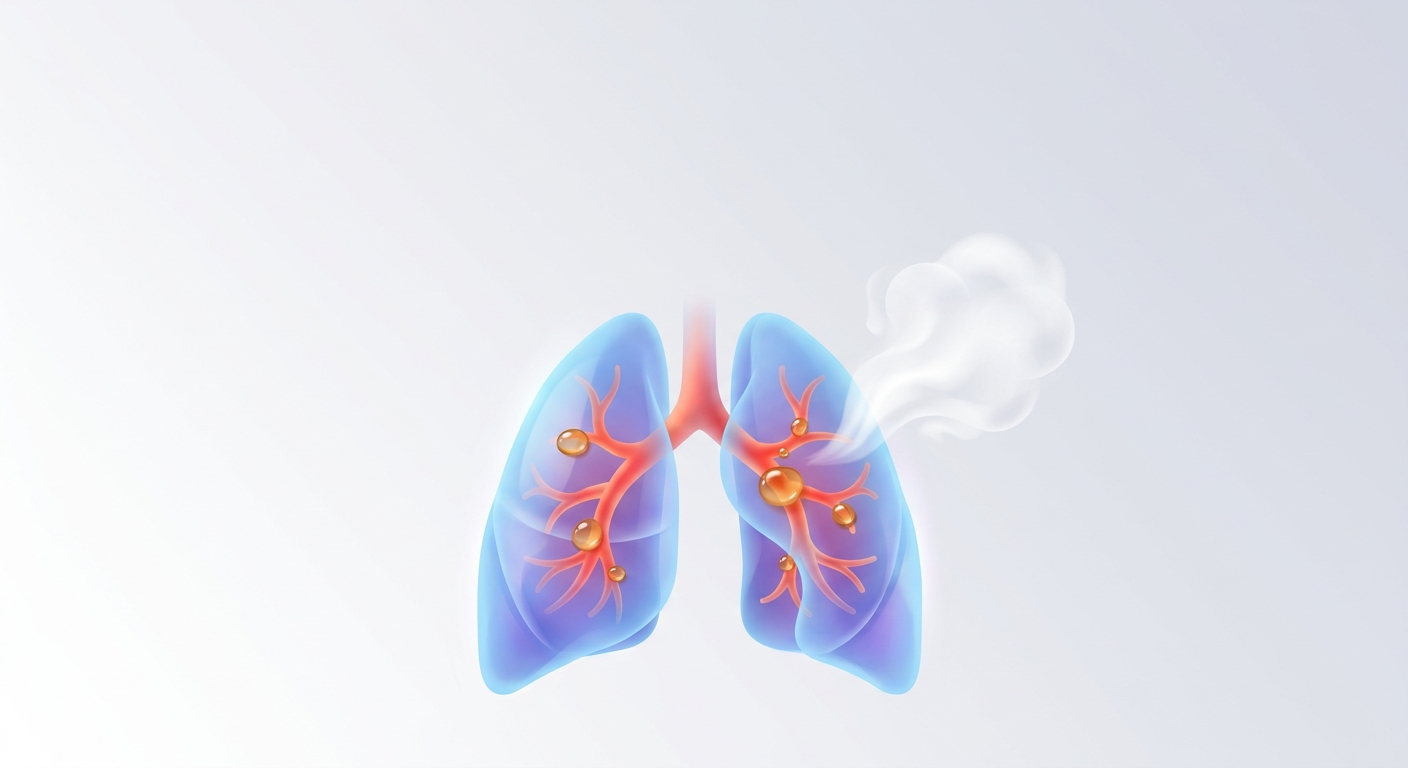
- Post-nasal drip (mucus feeling like it’s draining down the throat)
- Frequent throat clearing
These are classic features described in patient resources on catarrh and post-nasal drip. NHS: https://www.nhs.uk/conditions/catarrh/ | NHS Inform: https://www.nhsinform.scot/illnesses-and-conditions/lungs-and-airways/catarrh/
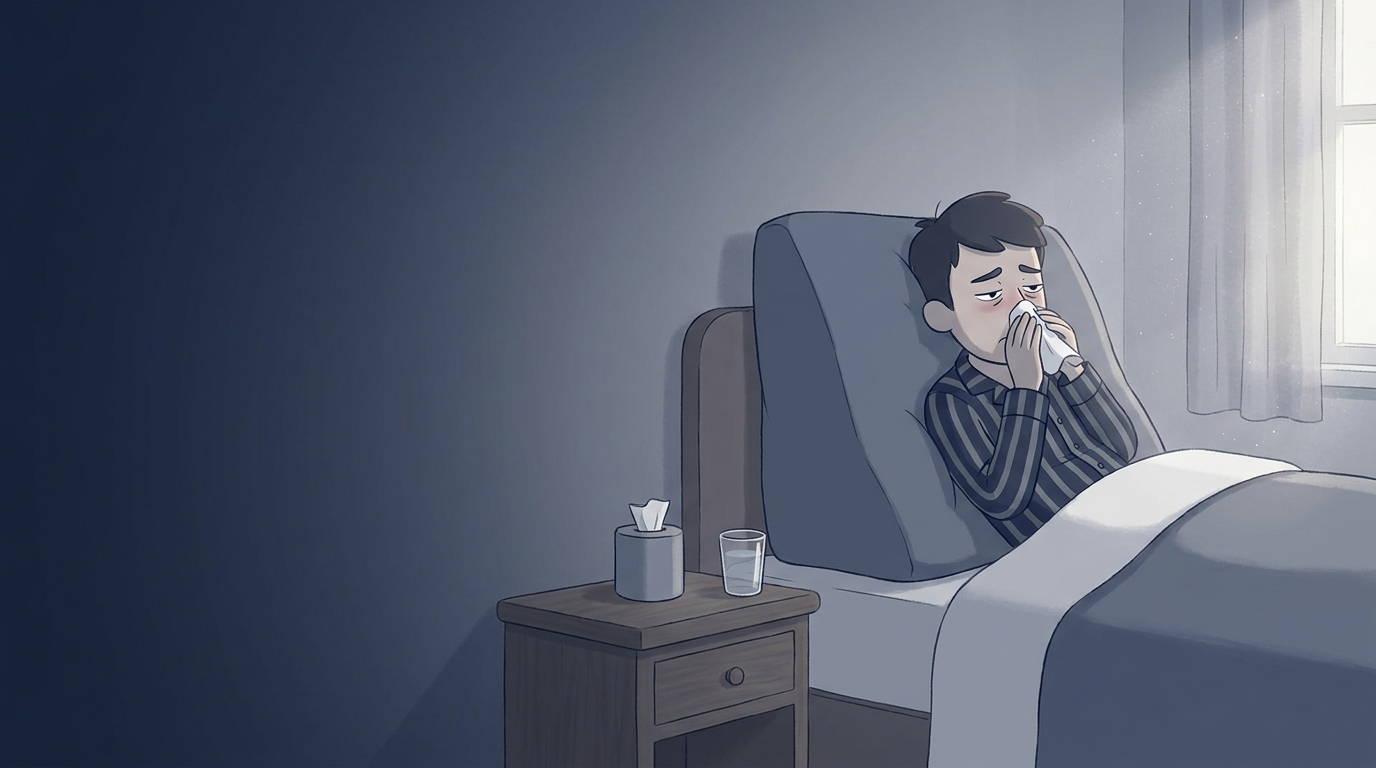
Many patients describe it as “always having something to swallow,” or feeling like they need to keep a tissue nearby all day—even when they don’t feel otherwise sick.
Throat, facial, and head symptoms
- Sore or irritated throat
- Cough triggered by post-nasal drip
- Facial pressure/pain or headaches (more common with sinus involvement)
- Reduced sense of smell, especially when swelling is significant or nasal polyps are present
A clinician might put it this way: “When swelling narrows the nasal passages, airflow and drainage change—so you can feel blocked even if you’re not actively infected.” That’s one reason smell changes and pressure can show up in long-standing inflammation.
Quality-of-life impact (sleep, fatigue, concentration)
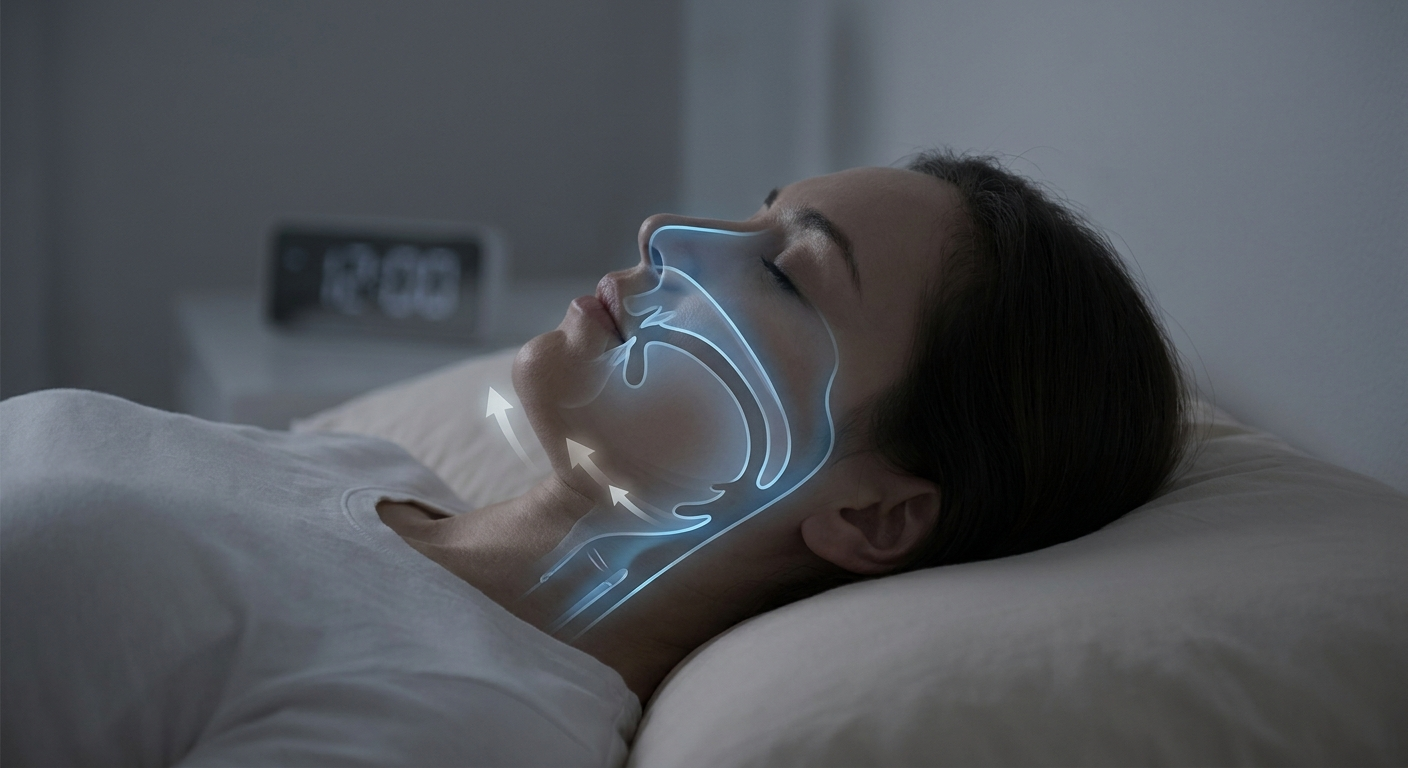
- Mouth breathing and a blocked nose can disrupt sleep
- Poor sleep can contribute to fatigue, brain fog, and irritability
- Ongoing congestion may make it harder to tolerate CPAP for sleep apnea (if applicable)
Even “mild” daily symptoms can snowball—addressing nasal health often improves sleep, energy, and focus.

Common Causes and Triggers of Chronic Catarrh
Allergic triggers (allergic rhinitis)
Allergic rhinitis is a major cause of long-term nasal symptoms. Common triggers include:
- Pollen (seasonal patterns)
- Dust mites, pet dander, and molds (often year-round)
Clues that point toward allergies include sneezing, nasal/eye itching, watery eyes, or predictable timing (for example, every spring or whenever you’re around a pet). Some people notice a “home vs away” pattern—worse at home with dust exposure, or worse outdoors during pollen season.
Nonallergic triggers (nonallergic rhinitis)
Not all chronic nasal symptoms are allergy-driven. Nonallergic rhinitis can be triggered by:
- Smoke, strong odors/fragrances, pollution, smog
- Workplace irritants (dusts, fumes)
- Weather and temperature changes
- Hormonal shifts, including pregnancy-related changes
- Medication effects, including rebound congestion from overusing topical decongestant sprays
These triggers are commonly highlighted in nonallergic rhinitis education resources. Mayo Clinic: https://www.mayoclinic.org/diseases-conditions/nonallergic-rhinitis/symptoms-causes/syc-20351229
A practical example: some people feel fine most of the day, then get very drippy or congested when walking into a heavily scented store, stepping into cold air, or after exposure to smoke.
Structural/anatomic contributors
Sometimes, anatomy makes congestion harder to resolve, including:
- Deviated septum
- Turbinate enlargement
- Nasal polyps (which can worsen blockage and smell loss)
If you’re consistently blocked more on one side, or you’ve “always been a mouth breather,” a structural contributor may be part of the puzzle. If you suspect a long-standing structural issue may be contributing, learn more about deviated septum relief: https://sleepandsinuscenters.com/deviated-septum-relief
Infection vs inflammation (a common misconception)
A frequent misunderstanding is that chronic mucus automatically means infection. In many long-lasting cases, symptoms are primarily inflammatory, not bacterial—so antibiotics may not be the main solution.
Infection may be more likely when symptoms worsen significantly, are prolonged, or are accompanied by fever and facial pain. Thick or discolored mucus can occur with inflammation and is not, by itself, a reliable sign of bacterial infection.
Most long-lasting “catarrh” is inflammatory; true bacterial infections are less common and require specific signs and timing.

How Chronic Catarrh Is Diagnosed (What to Expect at an ENT Visit)
History and symptom pattern review
A focused evaluation often starts with questions like:
- Are symptoms seasonal or year-round?
- What are your home/work exposures (smoke, dust, chemicals, pets, humidity)?
- Which medications and nasal sprays are you using, and how often?
- Any asthma, eczema, reflux symptoms, or sleep disruption?
This pattern is important because chronic catarrh can be driven by multiple overlapping factors. For example, a person might have mild allergies plus irritant exposure at work—and the combination is what keeps symptoms smoldering.
Physical exam and nasal endoscopy (if needed)
An in-office exam may look for swelling, drainage, septal deviation, or polyps. In some cases, a nasal endoscopy is used to better visualize deeper areas of the nasal cavity.
Patients often worry endoscopy will be painful. In many offices it’s brief, and the goal is simply to get better visibility—especially if symptoms suggest polyps or sinus involvement.
When allergy testing helps
When allergies are suspected—or when symptoms persist without a clear trigger—testing can help identify specific allergens and guide avoidance strategies or immunotherapy discussions. Learn more about allergy testing and long-term planning: https://sleepandsinuscenters.com/allergy-testing
Imaging (CT scan) — when it’s considered
A CT scan is not necessary for everyone with congestion and mucus. It’s typically considered when chronic rhinosinusitis is suspected, symptoms don’t improve with standard therapy, polyps are possible, or when planning procedural options.
A brief, targeted evaluation clarifies the drivers so treatment can be precise and effective.

Effective Treatments for Chronic Catarrh (Step-by-Step Plan)
Education matters here: the best approach is usually a treatment ladder, starting simple and escalating based on cause, severity, and response.
Step 1 — Saline nasal irrigation (daily cornerstone)
Saline nasal irrigation is a common first step because it can:
- Flush mucus and irritants
- Improve nasal moisture and clearance
- Reduce the “loaded” feeling of persistent nasal congestion
Options range from gentle sprays to higher-volume squeeze-bottle or neti-style rinses. For safety, public health resources emphasize using sterile/distilled water (or boiled then cooled) and keeping devices clean. NHS Inform: https://www.nhsinform.scot/illnesses-and-conditions/lungs-and-airways/catarrh/
If you’re new to rinses, think of it like rinsing pollen or dust off your skin after being outside—simple, mechanical removal can make other treatments work better.
Step 2 — Medication options (tailored to cause)
Intranasal corticosteroids (first-line for inflammation)
For many inflammatory causes of chronic rhinitis and chronic rhinosinusitis, intranasal corticosteroids (for example, fluticasone) are commonly used to reduce swelling and mucus over time. They tend to work best when used consistently with good technique, and the full benefit may take time. Evidence-based overviews of chronic rhinosinusitis management frequently include intranasal steroids as a core therapy. PMC overview: https://pmc.ncbi.nlm.nih.gov/articles/PMC7416524/
A common mistake is stopping too soon: these sprays are usually more like daily maintenance than instant relief.
Antihistamines (allergic catarrh)
If symptoms are allergy-driven—especially sneezing, itching, and watery runny nose—oral or intranasal antihistamines may be considered as part of an overall plan. NHS: https://www.nhs.uk/conditions/catarrh/
Decongestants (short-term only)
Decongestants may help during brief flare-ups, but they’re generally not a long-term strategy. Topical decongestant sprays used too often can lead to rebound congestion, creating a cycle that feels like worsening chronic nasal blockage.
If you find yourself reaching for a spray “just to get through the night” over and over, that’s a good reason to talk with a clinician about safer long-term options.
Anticholinergic nasal sprays (runny-nose predominant)
When a chronic runny nose is the dominant complaint—often in nonallergic rhinitis—some treatment plans include anticholinergic sprays to reduce watery drainage.
Step 3 — Treat contributing conditions
Long-term relief often improves when related issues are addressed, such as:
- Asthma (the “unified airway” concept: nose and lungs influence each other)
- Reflux symptoms, if present, when throat clearing is prominent
- Irritant exposure reduction (smoke, fragrances, workplace triggers)
Step 4 — Advanced treatments for nasal polyps or refractory disease
Procedures/surgery
Endoscopic sinus procedures may be used to improve ventilation and drainage and to help topical medications reach inflamed areas more effectively. PMC: https://pmc.ncbi.nlm.nih.gov/articles/PMC7416524/
For more background on sinus-related disease, see chronic sinusitis: https://sleepandsinuscenters.com/chronic-sinusitis
Biologics for severe chronic rhinosinusitis with nasal polyps
For selected patients with severe chronic rhinosinusitis with nasal polyps, biologic medications (such as dupilumab) are discussed in modern treatment frameworks when standard therapy isn’t enough or polyps recur. PMC: https://pmc.ncbi.nlm.nih.gov/articles/PMC7416524/
Start with rinses and trigger control, add anti-inflammatory therapy as needed, and escalate to procedures or biologics when appropriate.
Lifestyle Tips to Reduce Mucus, Congestion, and Flare-Ups
Reduce triggers at home
- Keep the home smoke-free.
- Consider dust-mite strategies (wash bedding regularly; manage humidity).
- Address visible mold and improve ventilation where moisture accumulates.
Improve nasal comfort and mucus clearance
- Stay hydrated.
- Use humidifiers thoughtfully (and clean them regularly).
- Steam may provide comfort for some people, though it’s not a standalone fix.
Work/travel coping tips
- In irritant-heavy environments, well-fitting masks can reduce exposure.
- A simple travel kit (saline spray or pre-measured rinse packets) can help maintain routines.
What to avoid
- Overusing topical decongestant sprays (rebound congestion risk).
- Harsh homemade nasal mixtures not designed for nasal tissue.
Small, consistent habits—especially trigger control and rinses—often add up to meaningful relief over time.
When to See a Doctor (and When It’s Urgent)
Book an appointment if:
- Symptoms persist despite ~2–4 weeks of consistent self-care and appropriate OTC measures
- Sleep disruption, worsening snoring, or daytime fatigue becomes a pattern
- Recurrent sinus infections or ongoing facial pressure/pain occurs
- One-sided blockage, frequent nosebleeds, or a new change in smell develops
Seek urgent care for red flags
- High fever with severe facial swelling
- Vision changes
- Severe headache with neck stiffness
- Shortness of breath or significant chest symptoms
Don’t wait on red flags—prompt evaluation protects both comfort and safety.
FAQs About Chronic Catarrh
Q: Is chronic catarrh the same as chronic sinusitis?
A: Not always. Chronic catarrh is often used to describe symptoms that can come from chronic rhinitis (nose) and/or chronic rhinosinusitis (nose + sinuses). Sinus involvement is more likely when facial pressure, smell loss, and longer-lasting inflammation are prominent.
Q: Why do I always feel mucus in my throat?
A: That sensation is often post-nasal drip—mucus produced in the nose that drains backward, irritating the throat and triggering coughing or throat clearing. NHS: https://www.nhs.uk/conditions/catarrh/
Q: Can chronic catarrh be caused by nonallergic triggers?
A: Yes. Nonallergic rhinitis can be triggered by irritants (smoke, pollution, odors), weather changes, hormonal factors, and more. Mayo Clinic: https://www.mayoclinic.org/diseases-conditions/nonallergic-rhinitis/symptoms-causes/syc-20351229
Q: Do antibiotics help chronic catarrh?
A: In many cases, antibiotics do not help unless a bacterial infection is present. They are generally considered when bacterial infection is specifically suspected based on the overall clinical picture.
Q: What’s a good way to start at home?
A: A common starting point at home is saline nasal irrigation plus trigger reduction, then adding an anti-inflammatory approach (often an intranasal corticosteroid) when appropriate. NHS Inform: https://www.nhsinform.scot/illnesses-and-conditions/lungs-and-airways/catarrh/
Q: What if I have nasal polyps?
A: Polyps can contribute to stubborn blockage and smell loss. Management often involves consistent anti-inflammatory therapy, and sometimes procedures or newer therapies for severe cases. PMC: https://pmc.ncbi.nlm.nih.gov/articles/PMC7416524/
Conclusion — A Practical Plan for Long-Term Relief
In everyday language, chronic catarrh usually points to chronic rhinitis and/or chronic rhinosinusitis—conditions where inflammation drives ongoing mucus, post-nasal drip, and persistent nasal congestion. A stepwise plan often starts with saline rinses and trigger control, then adds targeted therapies based on whether the cause is allergic, nonallergic, structural, or polyp-related.
If chronic catarrh has become your “new normal,” it may be worth an evaluation to identify triggers and rule out anatomic contributors—because with the right approach, many people experience meaningful, lasting improvement. To explore your options, you can book an appointment with Sleep and Sinus Centers of Georgia: https://www.sleepandsinuscenters.com/
Identify the cause, follow a stepwise plan, and expect steady gains—not just temporary fixes.
Medical disclaimer: This article is for general educational purposes only and is not a substitute for professional medical advice, diagnosis, or treatment. If you have severe symptoms or red flags (such as vision changes, high fever with facial swelling, or shortness of breath), seek urgent medical care.
This article is for educational purposes only and is not medical advice. Please consult a qualified healthcare provider for diagnosis and treatment.
Don’t let allergies slow you down. Schedule a comprehensive ENT and allergy evaluation at Sleep and Sinus Centers of Georgia. We’re here to find your triggers and guide you toward lasting relief.