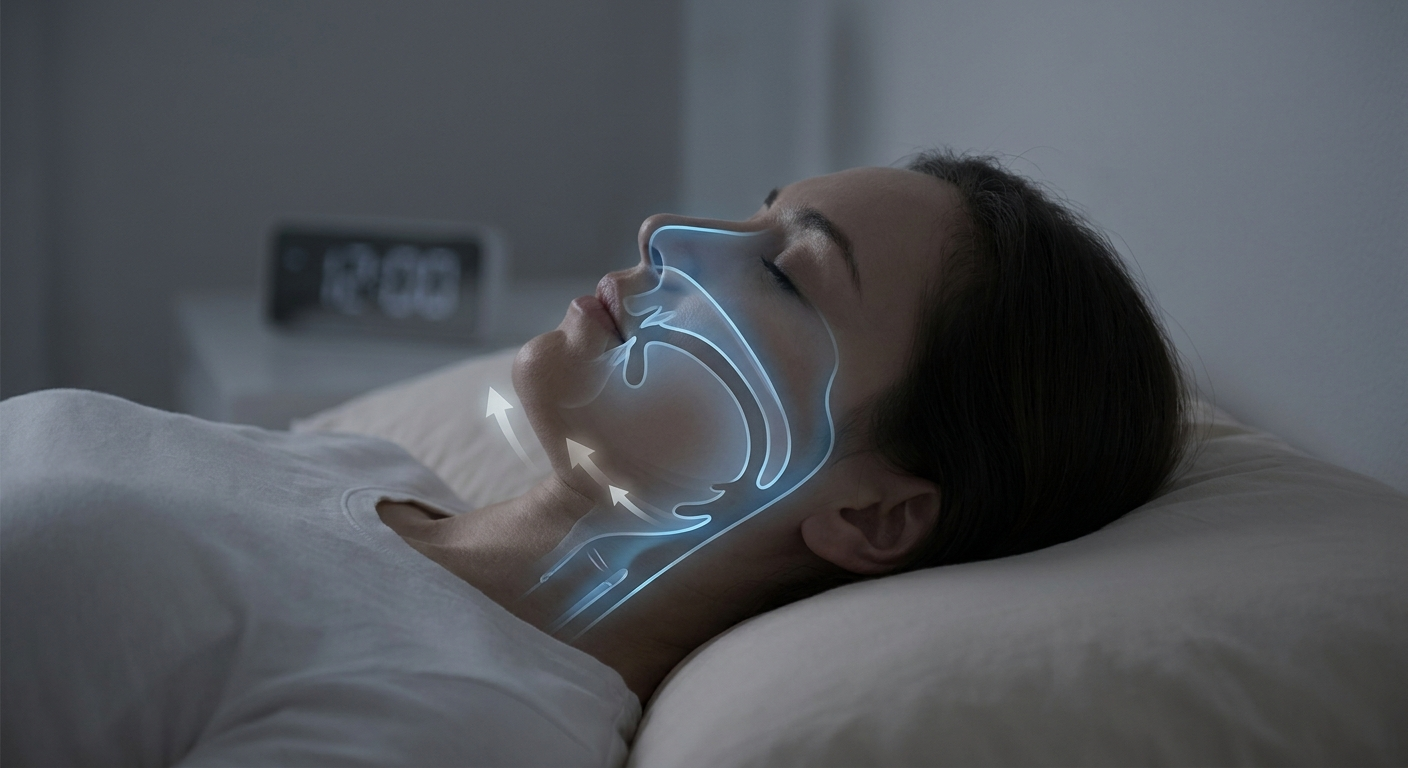
Jaw Surgery for Sleep Apnea: Effective Alternatives When CPAP Isn’t Enough
CPAP is the most common first-line treatment for obstructive sleep apnea (OSA)—but it’s not the only option. If CPAP isn’t controlling symptoms, or it’s too hard to use consistently, there are effective alternatives to CPAP, including jaw surgery for sleep apnea (maxillomandibular advancement, or MMA), Inspire therapy, and oral appliance therapy.
Think of OSA treatment like treating high blood pressure: the “best” option is the one you can actually stick with—and that truly controls the condition. For some patients, that may mean considering other therapies in addition to or instead of CPAP, especially when anatomy makes CPAP challenging.
If you want a broader overview of therapies, you can also explore all sleep apnea treatment options through Sleep and Sinus Centers of Georgia: https://sleepandsinuscenters.com/snoring-sleep-apnea-treatment
—

When CPAP Isn’t Enough (or You Can’t Tolerate It)
Common reasons people stop using CPAP
- Mask discomfort, leaks, pressure sores, or claustrophobia
- Nasal obstruction/congestion, dry mouth, or difficulty exhaling against pressure
- Noise, travel inconvenience, and trouble falling asleep while wearing the mask
A common scenario: a patient starts strong, but a congested week turns into a month of inconsistent use. From there, symptoms creep back in—because untreated OSA tends to be persistent.
Signs your sleep apnea may still be uncontrolled
- Ongoing snoring, choking/gasping, or witnessed pauses in breathing
- Morning headaches, dry mouth, or waking unrefreshed
- Daytime sleepiness, brain fog, irritability, and mood changes
- High blood pressure or worsening cardiometabolic risk (a reason to review control with a clinician)
If you’re seeing “good” CPAP numbers but still feel exhausted, it’s worth asking a clinician to review your data, mask fit, nasal airflow, and whether your airway anatomy is making CPAP harder than it needs to be.
—
In short: if CPAP isn’t workable or effective, a targeted evaluation can uncover better-fitting options for you.
—

Quick Refresher—What Obstructive Sleep Apnea (OSA) Is and Why It Happens
OSA symptoms patients notice (and partners notice)
- OSA is a breathing disorder where the airway repeatedly narrows or collapses during sleep.
- People commonly notice loud snoring, restless sleep, waking up unrefreshed, fatigue, and concentration issues.
Partners often notice the most classic sign: witnessed pauses in breathing.
A simple analogy: the airway is more like a flexible drinking straw than a rigid tube. During sleep—especially in certain positions or sleep stages—the “straw” can kink or collapse.
Root causes (the airway “collapse” problem)
- Tongue/base-of-tongue crowding and soft palate collapse
- Jaw position and facial anatomy (smaller or retruded jaws)
- Weight and neck circumference, nasal obstruction, and alcohol/sedatives
That’s why one-size-fits-all solutions can miss the mark. Two people can have the same AHI, but very different obstruction patterns.
If you’re trying to make sense of sleep study results, understand your AHI score and what it means: https://sleepandsinuscenters.com/blog/ahi-score-explained-understanding-your-sleep-apnea-severity
—
Bottom line: OSA is multifactorial, so matching treatment to your specific collapse pattern matters.
—
Why Jaw Position Matters in Sleep Apnea
The airway anatomy connection (simple explanation)
The tongue and soft tissues of the throat attach to the jaws. When the upper and lower jaws sit farther back, the space behind the tongue and soft palate can be smaller—making it easier for the airway to collapse during sleep.
That’s why moving the jaws forward can help: it may enlarge and “stiffen” the airway by increasing the room behind the tongue and palate, reducing the tendency for collapse.
One clinician-friendly way to describe it: instead of trimming “curtains” (soft tissue) alone, MMA adjusts the “frame” (skeletal support) that helps hold the airway open.
Who is more likely to have jaw-related airway narrowing
- Moderate to severe OSA
- A recessed chin/jaw, bite alignment issues, or skeletal features that reduce airway space (this doesn’t guarantee MMA is needed—evaluation matters)
Importantly, you don’t need to “look a certain way” to have anatomy-driven OSA. Some patients have normal weight and still have significant collapse because of airway shape, tongue position, or jaw structure.
—
Takeaway: when jaw position contributes to airway collapse, structural therapies can be particularly effective.
—

What Is Jaw Surgery for Sleep Apnea? (Maxillomandibular Advancement / MMA)
MMA in plain language
- Maxillomandibular advancement (MMA) moves the upper jaw (maxilla) forward and the lower jaw (mandible) forward.
The goal is to open the airway by expanding the space behind the soft palate and tongue. In other words, jaw surgery for sleep apnea targets the “framework” that supports airway size.
Patients often ask if this is purely cosmetic surgery. The intent is medical—airway improvement—though facial balance can change. That’s a normal part of the pre-op discussion so expectations are clear.
How MMA differs from other sleep apnea surgeries
- Many sleep apnea surgery options focus on a single area (for example, the soft palate). MMA can address multiple airway levels at once, including the region behind the soft palate and the region behind the tongue/base of tongue.
This “multi-level” effect is a big reason MMA is often discussed as a high-impact sleep apnea surgery option for appropriately selected patients.
How effective is MMA? What research shows
Across clinical studies and meta-analyses, MMA is consistently associated with large improvements in OSA severity—commonly showing major AHI reductions, improved oxygen saturation, and better daytime sleepiness scores in many patients. In selected patients, studies report high success rates, though results vary based on how “success” is defined and on individual anatomy. For example, a landmark meta-analysis reported an approximate 86% success rate (≥50% AHI reduction to <20) and a 43% “cure” rate (AHI <5); other reviews also show substantial improvements but with differing thresholds and follow-up durations.
—
Key point: MMA can produce significant, multi-level airway improvement for the right candidates, but individual results vary and follow-up sleep testing is essential.
—

Is MMA Right for You? Candidacy and Evaluation
Patients most commonly considered for MMA
- Moderate to severe OSA, especially when CPAP is not tolerated or not effective
- OSA where jaw/facial skeletal features may be contributing to airway narrowing
A practical example: someone with severe OSA who can’t keep a mask on (or can’t breathe well through their nose with CPAP) may consider MMA as a structural option that may reduce or eliminate CPAP needs in some patients—after a careful workup.
Who may need extra caution (not necessarily excluded)
- Significant medical comorbidities affecting anesthesia/surgical risk
- Smoking, uncontrolled diabetes, bleeding risk, or severe osteoporosis (surgeon-specific considerations)
This doesn’t automatically rule you out, but it does mean planning may be more detailed (and timelines may change).
What the workup usually includes
- Review of sleep study data (AHI, oxygen desaturation, positional/REM effects)
- Airway exam (often with both ENT and dental/maxillofacial perspectives)
- Imaging and 3D planning when needed; bite/occlusion assessment
- A goals discussion: improving AHI, oxygen levels, and symptoms—rather than promising “perfect sleep”
Many patients find it reassuring when the team can explain where the airway collapses and why a specific therapy matches that pattern.
—
If MMA is being considered, a multi-disciplinary evaluation helps confirm fit, safety, and realistic goals.
—
Benefits Patients Care About (Beyond the Numbers)
Symptom improvements commonly reported
- Less snoring and fewer choking/gasping episodes
- Better energy and less daytime sleepiness (often reflected in improved Epworth Sleepiness Scale scores)
A common patient takeaway: “I didn’t realize how tired I was until I wasn’t.” That’s not a promise—just a frequent way people describe symptom improvement when OSA is finally controlled.
Objective health improvements seen in studies
- Lower AHI/RDI (meaning fewer breathing disruptions)
- Improved oxygen saturation measures
Potential secondary benefits (individual results vary)
- Some studies report modest postoperative weight changes, though this varies.
- Some people reduce CPAP dependence (and if CPAP is still used, pressure requirements may be lower).
—
Focus on how you feel and what your follow-up testing shows—both matter for long-term health.
—
Risks, Side Effects, and Realistic Tradeoffs
Common short-term issues
- Swelling and pain during early healing
- Temporary diet limitations (soft or liquid phases)
- Time away from work/school; temporary speech changes while swelling improves
It helps to plan like you would for any major recovery: time off, easy calories/protein, and support at home for the first stretch.
Numbness and nerve sensations
Temporary numbness (lip, chin, cheeks) can occur. Sensation often improves over time, but some numbness can last longer depending on individual factors and surgical details.
Bite/teeth/jaw joint considerations
MMA intentionally changes the bite relationship, which is why orthodontic planning is sometimes part of the process. TMJ discomfort can occur, especially if TMJ symptoms existed beforehand—an important topic to discuss during evaluation.
General surgical/anesthesia risks
Infection, bleeding, and healing complications are possible, as with any major surgery. Individual risk varies and is typically reviewed during pre-op planning.
—
Every surgery has tradeoffs—your team should help you weigh likely benefits against personal risks.
—

MMA Recovery Timeline (Patient-Friendly Overview)
First week
- Swelling often peaks early
- Sleep positioning (often head elevated) may improve comfort
- Pain control and hydration are key early priorities
Weeks 2–6
- Gradual return to routine
- Diet progression as allowed by the surgical team
- Follow-up visits to monitor healing and bite stability
2–6+ months
- Ongoing bone and soft-tissue healing
- Final bite/airway stabilization
- Repeat sleep testing is often timed after adequate healing to confirm outcomes
—
Recovery is a steady slope, not a light switch—plan ahead and expect gradual gains.
—
Effective Alternatives to CPAP (Surgical and Non-Surgical)
Oral appliance therapy (mandibular advancement device)
- A custom oral appliance gently holds the lower jaw forward during sleep.
- Decision guide: Best for mild–moderate OSA or CPAP intolerance
- Pro: Non-surgical
- Con: Requires dental fit, follow-up, and may not be enough for severe OSA
Related read: Oral appliance vs CPAP: which is right for you? https://sleepandsinuscenters.com/blog/oral-appliance-vs-cpap-which-is-right-for-you
Inspire therapy (hypoglossal nerve stimulation)
- An implanted device that stimulates tongue muscle tone to help keep the airway open during sleep.
- Decision guide: Best for selected candidates who meet criteria
- Pro: No mask
- Con: Implant + device management and candidacy limits
Learn more: Inspire therapy as a CPAP alternative https://sleepandsinuscenters.com/blog/inspire-hypoglossal-nerve-stimulation-a-101-guide-to-sleep-apnea-treatment
Nasal-focused procedures (when nasal blockage drives CPAP intolerance)
- Procedures such as septoplasty or turbinate reduction can improve nasal airflow and make CPAP (or other treatments) easier to use.
- Decision guide: Best when nasal blockage is a major issue
- Pro: May improve comfort and adherence
- Con: Usually not a standalone cure for moderate–severe OSA
Soft palate surgeries (e.g., UPPP variants)
- Aim to reduce collapse in the palate region.
- Decision guide: Best for certain obstruction patterns
- Pro: Targets palatal collapse
- Con: Outcomes can be variable depending on anatomy and collapse level(s)
Weight management and GLP-1–supported weight loss (where appropriate)
- Can reduce OSA severity in many people and is often combined with other therapies.
- Decision guide: Best when weight is a meaningful contributor
- Pro: Broad health benefits
- Con: Results vary and may not fully resolve OSA alone
Positional therapy and lifestyle-focused approaches
- Side-sleeping strategies or devices can help positional OSA.
- Decision guide: Best for positional OSA
- Pro: Non-invasive
- Con: Often adjunctive for moderate–severe disease
—
Many patients do best with a plan that layers lifestyle, device-based, and (when needed) structural therapies.
—
Comparing Options—Why MMA Is Often Considered the “High-Impact” Surgical Choice
MMA vs soft-tissue surgeries
Soft-tissue procedures can help certain anatomies, but MMA changes the skeletal framework and can enlarge airway space across multiple levels. Clinical literature repeatedly shows strong outcomes for OSA metrics after MMA, including AHI reduction and oxygenation improvements.
MMA vs Inspire
Inspire therapy and MMA can both be effective alternatives to CPAP, but they’re different categories:
- MMA: a one-time skeletal surgery intended to structurally enlarge the airway
- Inspire: an implanted stimulation system that requires ongoing device use and follow-up
Which is better depends on anatomy, severity, medical history, and candidacy criteria—not just preference.
MMA as part of combination therapy
Some people benefit from a staged plan (for example, nasal optimization to improve breathing/CPAP tolerance, plus a definitive therapy such as MMA or Inspire).
—
Best choice = the option that fits your anatomy, severity, health goals, and what you can use long term.
—
Lifestyle Tips to Improve Outcomes (Before and After Treatment)
Sleep habits that reduce airway collapse
- Side sleeping (when feasible)
- Head-of-bed elevation (when appropriate)
- Consistent sleep schedule
Avoid common OSA worseners
- Alcohol near bedtime
- Sedatives (medication changes should always be guided by a clinician)
- Smoking
Nasal breathing support
- Saline rinses and allergy management
- Humidification strategies (especially if trying CPAP again)
—
Small, consistent habits can amplify the benefits of any OSA therapy.
—
FAQs
Is jaw surgery (MMA) a cure for sleep apnea?
MMA has high response rates in many patient groups, but outcomes vary. Because OSA is influenced by anatomy, sleep stage, weight, and other factors, follow-up testing is typically used to confirm results.
What does “success” mean in MMA studies?
Definitions vary. Some studies define success as a ≥50% AHI reduction to <20, while others require lower post-op AHI thresholds. Many also track symptom improvements (for example, Epworth Sleepiness Scale). That’s why results should be interpreted in context rather than as a guarantee.
Will I still need CPAP after MMA?
Some people stop CPAP after jaw surgery for sleep apnea, while others may still use CPAP at lower pressures or in certain situations. Follow-up testing helps clarify what’s needed.
How long until I feel less sleepy during the day?
Many people notice gradual improvement as healing progresses, and studies document improved daytime sleepiness scores after MMA.
Does insurance cover MMA for sleep apnea?
Coverage varies by plan. Pre-authorization often depends on sleep study severity, documentation of medical necessity, and prior treatment history.
What if I have sleep apnea but I’m not overweight?
Weight is only one risk factor. Airway anatomy—such as jaw position, tongue space, and palate shape—can play a major role even in people who are not overweight, which is why an anatomy-based evaluation can be helpful.
—
Because study definitions differ, success rates in headlines rarely tell the whole story—personalized evaluation does.
—
When to See a Sleep/ENT Specialist (Call to Action)
Red flags that should prompt evaluation soon
- Drowsy driving risk or severe daytime sleepiness
- Notable oxygen drops on sleep testing
- Symptoms plus uncontrolled or worsening high blood pressure
What to bring to your consultation
- Your sleep study report and any prior reports
- CPAP compliance data (if available)
- A symptom list (snoring, choking, insomnia, daytime fatigue) and current medications
Next step
If CPAP hasn’t been workable, a structured evaluation can clarify whether oral appliance therapy, Inspire therapy, or jaw surgery for sleep apnea (MMA) is most aligned with your anatomy, severity, and goals.
To get started, book an appointment with Sleep and Sinus Centers of Georgia at: https://www.sleepandsinuscenters.com/
Bringing your sleep study and (if you have it) CPAP download data can make the first visit much more productive.
—
A clear diagnosis plus an anatomy-matched plan is the fastest route to better sleep and safer days.
—
References
1) Holty J-EC, Guilleminault C. Maxillomandibular advancement for the treatment of obstructive sleep apnea: A systematic review and meta-analysis. Sleep. 2010;33(10):1311-1316. PMID: 21061863.
2) Zaghi S, Holty J-EC, Certal V, et al. Maxillomandibular advancement for obstructive sleep apnea: A systematic review and meta-analysis. Otolaryngology–Head and Neck Surgery. 2016;154(6):989-998. doi:10.1177/0194599816646435.
3) Li KK, Riley RW, Powell NB, Troell RJ, Guilleminault C. Overview of phase I surgery for obstructive sleep apnea syndrome. Ear Nose Throat J. 1999;78(11):836-837, 841-845. PMID: 10580529. (See also: Li KK, Powell NB, Riley RW, Troell RJ, Guilleminault C. Long-term results of maxillomandibular advancement surgery. Sleep Breath. 2000;4(3):137-140.)
Medical Disclaimer
This article is for general educational purposes and does not replace medical advice. Diagnosis and treatment decisions for sleep apnea—including whether MMA, Inspire, oral appliances, or CPAP are appropriate—should be made with a qualified clinician based on your sleep study, anatomy, and medical history.
This article is for educational purposes only and is not medical advice. Please consult a qualified healthcare provider for diagnosis and treatment.
Don’t let allergies slow you down. Schedule a comprehensive ENT and allergy evaluation at Sleep and Sinus Centers of Georgia. We’re here to find your triggers and guide you toward lasting relief.