10 Key Signs of Chronic Bronchitis: Symptoms You Shouldn’t Ignore
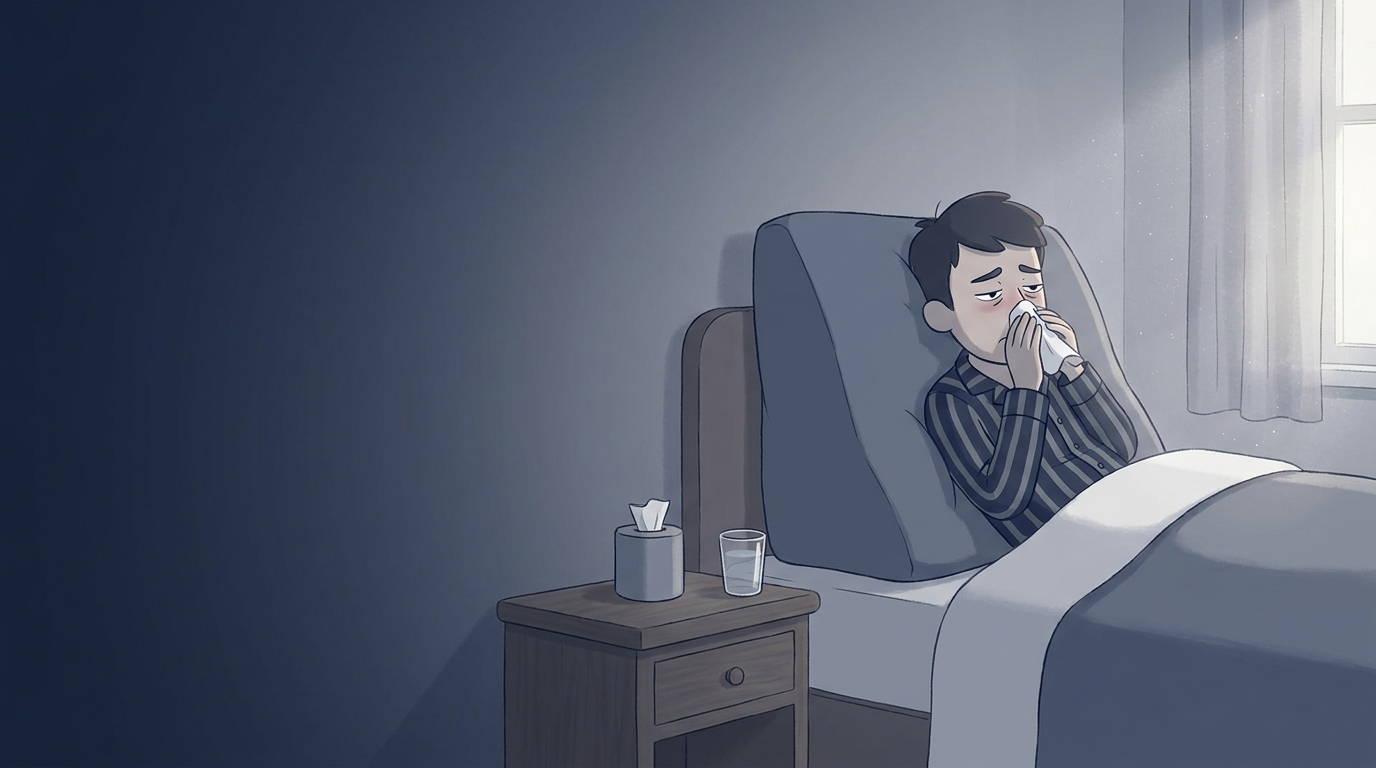
Chronic bronchitis is one possible cause of a long-lasting cough and that frustrating sense of chest congestion that never fully resolves. Many people chalk it up to back-to-back colds, allergies, or “just getting older”—until sleep, work, and daily routines start to suffer.
Knowing the signs of chronic bronchitis can help you recognize when it’s time to get evaluated—especially if symptoms are gradually worsening, returning in the same pattern each year, or limiting what you can comfortably do.
Quick takeaway (TL;DR)
- Chronic bronchitis is often part of COPD and is characterized by long-term airway inflammation and excess mucus, which can obstruct airflow. [1][2]
- The classic definition includes a persistent productive (mucus) cough for at least 3 months per year over 2 consecutive years. [1][2]
- If symptoms are worsening—or you notice possible low-oxygen signs like bluish or gray lips or fingernails—seek urgent evaluation. [2]
If you’re also trying to figure out whether your cough has become “long-term,” see our overview of what counts as a chronic cough: What Is Chronic Cough — https://sleepandsinuscenters.com/blog/what-is-chronic-cough
What is chronic bronchitis (and how is it different from a “chest cold”)?
Chronic bronchitis definition (patient-friendly)
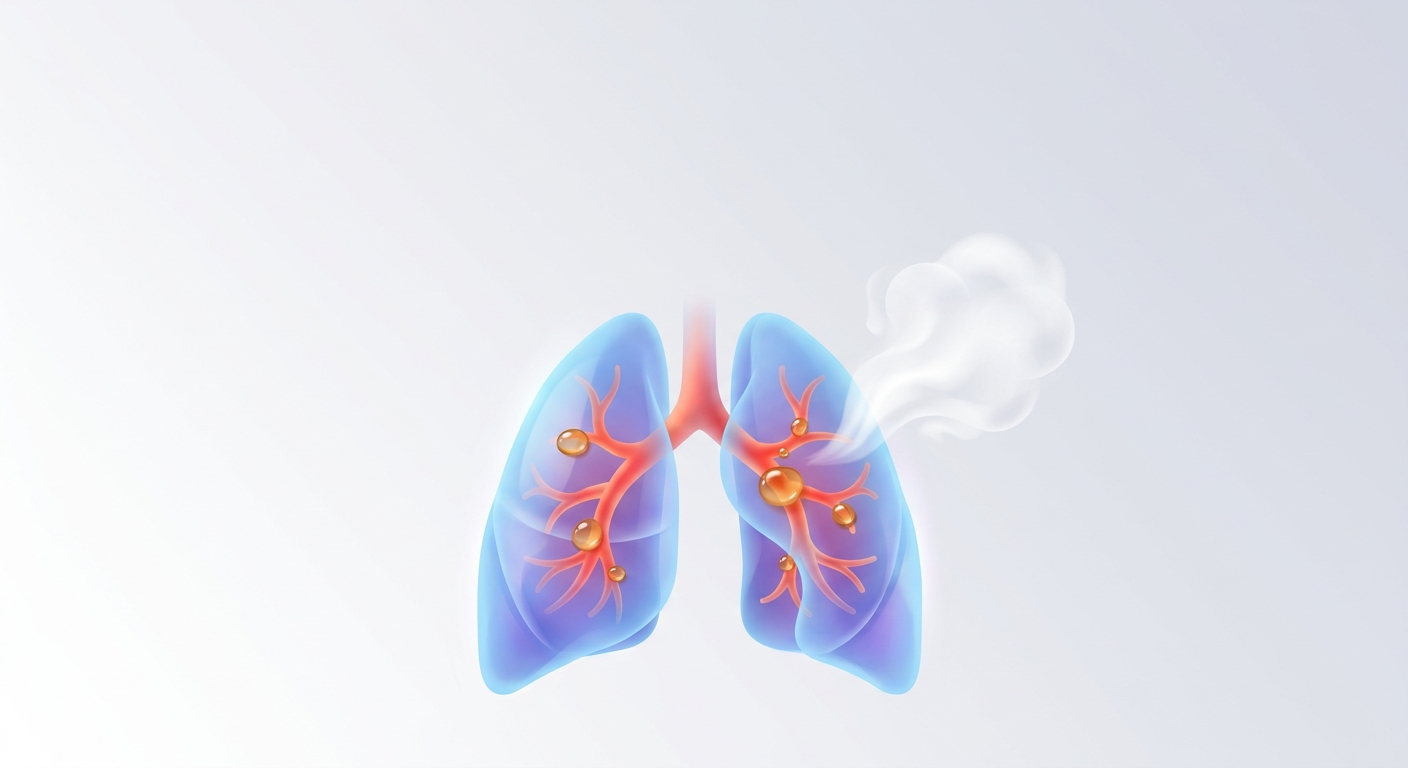
Chronic bronchitis is a long-term condition where the bronchial tubes (the airways that carry air in and out of the lungs) stay irritated and inflamed. Over time, this inflammation can lead to:
- Mucus hypersecretion (your body makes more mucus than it should)
- Reduced mucus clearance (mucus doesn’t move out efficiently)
- Airflow obstruction (it’s harder for air to move through narrowed, mucus-filled airways) [1][2]
A helpful analogy: think of your airways like narrow hallways lined with a cleaning crew (cilia). With chronic bronchitis, the hallway walls are swollen and irritated, extra “debris” (mucus) keeps piling up, and the cleaning crew can’t keep pace—so airflow gets crowded and noisy. [1][2]
Chronic vs. acute bronchitis
- Acute bronchitis is short-lived and often follows a viral illness (a typical “chest cold”).
- Chronic bronchitis is long-lasting and is commonly linked to ongoing airway irritation (especially smoking or other irritants). It is often part of COPD. [2][5]
A common real-world pattern is: “I get a cold, it turns into a chest cough, and it lingers for weeks.” If that cycle repeats and gradually becomes your baseline, it may be worth discussing chronic causes with a clinician.
Chronic bronchitis vs. emphysema (both COPD, different damage patterns)
- Chronic bronchitis: airway inflammation plus excess mucus
- Emphysema: damage to the air sacs (alveoli), affecting oxygen exchange [3][4]
Many people have overlap, which is one reason clinicians focus on the whole symptom picture, not just one label. [2][3][4]
Short conclusion: Early recognition of a persistent mucus cough and exposure history helps distinguish chronic bronchitis from a lingering chest cold.
10 key signs of chronic bronchitis (symptoms you shouldn’t ignore)
Below are common chronic bronchitis symptoms. Not everyone has all 10, and several can overlap with asthma, reflux, sinus/postnasal drip, or infections—so pattern and duration matter.
1) Persistent productive cough (the hallmark sign)
A productive cough means you regularly cough up mucus/phlegm.
Why it happens: Inflamed airways produce more mucus, and the tiny hair-like “sweepers” (cilia) that normally help clear it don’t work as well. [1][2]
What it can look like day-to-day: You may wake up coughing for several minutes to “get things moving,” or you may keep clearing your throat throughout the day because mucus keeps re-accumulating.
When to call a clinician: Consider an evaluation if you have a mucus cough that persists or keeps returning—especially if it meets the classic threshold: at least 3 months per year for 2 years. [1][2]
If you’ve been coughing a lot, you may also notice throat irritation or hoarseness over time. For more on voice changes from coughing, see Chronic Cough and Its Impact on Voice Health — https://sleepandsinuscenters.com/blog/chronic-cough-and-its-impact-on-voice-health-key-effects-and-solutions

2) Increased mucus production (clear, white, yellow, or green)
You may notice more mucus than usual, sometimes thicker in the morning.
Why it happens: Ongoing irritation triggers mucus glands to ramp up production. [2]
Helpful clarification: Mucus color can change with inflammation and does not, by itself, confirm a bacterial infection. [2][5]
When to call a clinician: If mucus volume increases, becomes harder to clear, or comes with worsening breathing symptoms, it’s reasonable to get checked. [2][5]
3) Shortness of breath (dyspnea), especially with activity
Many people describe getting winded doing tasks that used to be easy—stairs, brisk walking, household chores.
Why it happens: Narrowed airways plus mucus can limit airflow, so you may feel short of breath, especially with exertion. [1][2]
Concrete example: You might find yourself pausing halfway up one flight of stairs or needing a break after carrying groceries.
When to call a clinician: If shortness of breath is new, worsening, or limiting daily activity, an evaluation can help clarify the cause and next steps.

4) Wheezing (a whistling sound when breathing out)
Wheezing can come and go and may flare with cold air, exercise, smoke, or strong odors.
Why it happens: Air moving through narrowed, inflamed airways can create a whistling sound. [2][5]
When to call a clinician: Wheezing deserves a closer look because it can also occur with asthma and other conditions. [2][5]

5) Chest tightness or discomfort
This may feel like pressure, heaviness, or ongoing “congestion that won’t clear.”
Why it happens: Tightness can occur when airways are inflamed and breathing requires more effort. [2]
Patient-style description: “It feels like I can’t get a full breath” or “my chest feels heavy in the mornings.”
When to call a clinician: If chest discomfort is new, intense, or concerning, prompt evaluation matters—because chest symptoms aren’t always lung-related.
6) Frequent respiratory infections or “it keeps coming back”
You might notice that colds seem to “settle in the chest,” last longer than expected, or recur frequently.
Why it happens: Mucus that lingers can make it easier for infections to persist and harder for your lungs to clear irritants. [1][2]
When to call a clinician: If you’re having repeated chest infections or prolonged cough after illnesses, it’s worth discussing.
7) Fatigue and low energy
Feeling unusually tired is common in chronic lung conditions.
Why it happens: Breathing can require more work, sleep may be disrupted by coughing, and oxygen delivery may be less efficient in more advanced disease. [1][2]
Clinician-style framing: When breathing takes more effort all day, it can quietly drain your energy—even if you’re “not doing anything strenuous.”
When to call a clinician: If fatigue is persistent and paired with cough and breathing changes, an assessment can help identify contributing factors.
8) Symptoms that are worse in the morning (or in winter)
Many people notice morning coughing fits or a “need to clear the chest” shortly after waking. Seasonal worsening (often winter) is also common.
Why it happens: Mucus can pool overnight, and cold air can be more irritating to sensitive airways. [2][5]
When to call a clinician: If morning symptoms are becoming your norm—especially with daily mucus—consider getting evaluated for chronic causes.

9) Reduced exercise tolerance / “I can’t do what I used to”
You may find yourself taking more breaks, slowing your pace, or avoiding activities.
Why it happens: Airflow limitation can reduce stamina and make exertion feel disproportionately difficult. [2]
Practical tip: Track one simple baseline for a week (distance walked, number of stairs, or how often you stop). That concrete detail can be very useful at a visit.
When to call a clinician: A noticeable decline in your baseline is a helpful clue to share during a visit.
10) Signs of low oxygen in advanced cases (cyanosis)
A blue or gray tint to the lips or fingernails can signal low blood oxygen. [2][5]
Why it happens: In more advanced disease, the lungs may struggle to move enough oxygen into the bloodstream. [2]
When to call a clinician: This is a red flag—seek urgent evaluation. [2][5]

Short conclusion: Recognizing a pattern of daily mucus cough with increasing breathlessness, wheeze, or frequent “chest colds” is a strong cue to schedule an evaluation.
What causes chronic bronchitis? (and who’s most at risk)
Primary cause: long-term airway irritation
Smoking is the most common risk factor. Ongoing exposure to smoke can drive inflammation and mucus hypersecretion over time. [1][2]
Other irritants and exposures
Long-term exposure to:
- Air pollution
- Chemical fumes
- Dust/occupational irritants
- Secondhand smoke
can also contribute. [1][2]
To learn more about irritants and day-to-day exposure, see Air Quality & Sinus Health — https://sleepandsinuscenters.com/blog/air-quality-sinus-health
Risk factors that increase likelihood or severity
Risk can be influenced by age, history of frequent respiratory infections, and coexisting COPD patterns (including emphysema). [2][3][4]
Short conclusion: Reducing ongoing airway irritants is one of the most impactful steps for both prevention and symptom control.
When symptoms mean “get checked soon” vs. “go now”
Make an appointment soon if you have:
- A productive cough that lasts weeks and keeps returning
- Increasing shortness of breath or wheezing
- Recurrent respiratory infections or lingering “chest colds” [1][2]
Seek urgent care or emergency help if you have:
- Bluish or gray lips or fingernails (cyanosis) [2][5]
- Severe breathing difficulty, confusion, fainting [2][5]
- New or intense chest pain/pressure (especially if it feels severe or different than usual) [2][5]
This article is educational and can’t determine what’s causing your symptoms, but it can help you recognize when the signs of chronic bronchitis may warrant timely evaluation.
Short conclusion: If in doubt, err on the side of prompt medical evaluation—especially for severe or rapidly worsening symptoms.
How chronic bronchitis is diagnosed
History and symptom pattern
Clinicians often focus on:
- The duration pattern of a productive cough (including the classic 3 months per year for 2 years standard) [2]
- Exposure history (smoking, workplace irritants, pollution) [2]
If it helps, bring a quick “symptom timeline” to your appointment (when the cough started, whether you bring up mucus daily, what triggers symptoms, and what makes them better/worse).
Common tests your clinician may use
Depending on symptoms, testing may include:
- Spirometry/pulmonary function tests to measure airflow obstruction [2][5]
- Pulse oximetry to check oxygen level
- Sometimes chest imaging and/or labs to rule out other causes of cough and breathlessness [2][5]
Because not every chronic cough is COPD-related, it can also be useful to understand other potential contributors (for example, reflux-related cough). For related reading, see Silent Acid Reflux and Chronic Cough: Understanding the Link — https://sleepandsinuscenters.com/blog/silent-acid-reflux-and-chronic-cough-understanding-the-link
Short conclusion: A clear history plus simple breathing tests often clarify whether chronic bronchitis is part of the picture.
Treatment options (what actually helps)
The most important step: reduce or stop exposure to irritants
Reducing exposure—especially smoking cessation if applicable—is foundational. Workplace protection and improving indoor air quality can also help reduce irritation. [1][2]
Medications commonly used in COPD/chronic bronchitis care
Treatment plans vary, but may include:
- Bronchodilator inhalers to help open airways
- Sometimes inhaled steroids or combination inhalers for selected patients
- Antibiotics may be used when a clinician suspects a bacterial infection, but they are not needed for every flare [2][5]
Pulmonary rehab and breathing support
Pulmonary rehabilitation can improve symptoms and exercise tolerance in COPD. Oxygen therapy may be used when blood oxygen is low. [1][2]
Vaccines and prevention
Flu and pneumonia vaccines (as recommended) can reduce complications and flare-ups. [1][5]
Short conclusion: A personalized plan that reduces irritants, optimizes inhaler therapy, and supports fitness can meaningfully improve day-to-day breathing.
Lifestyle tips for day-to-day relief (patient-friendly)
Airway clearance and hydration basics
Staying well-hydrated may help some people feel that mucus is easier to clear. Airway clearance strategies (when appropriate) should be personalized. [1][2]
Protect your lungs from triggers
Avoid smoke and strong fumes when possible, and pay attention to local air quality alerts—especially if symptoms flare on poor-AQI days. For practical steps, see Air Quality & Sinus Health — https://sleepandsinuscenters.com/blog/air-quality-sinus-health [1][2]
Sleep and recovery
Nighttime cough can disrupt sleep, which can worsen fatigue. If nasal/sinus symptoms are also affecting comfort or sleep quality, an ENT-focused evaluation may be part of the overall picture at Sleep and Sinus Centers of Georgia.
Short conclusion: Small daily habits—clean air, hydration, and sleep support—can add up to easier breathing over time.
FAQs
Is chronic bronchitis contagious?
No. Chronic bronchitis itself isn’t contagious, but respiratory infections that worsen symptoms can be contagious.
How do I know if my cough is “chronic”?
“Chronic cough” is often defined as lasting 8 or more weeks, while chronic bronchitis uses the productive cough for at least 3 months per year over 2 consecutive years definition. [1][2] For more, see What Is Chronic Cough — https://sleepandsinuscenters.com/blog/what-is-chronic-cough
Can you have chronic bronchitis if you never smoked?
Yes. Long-term exposure to air pollution, chemical fumes, dust, or secondhand smoke can contribute. [1][2]
Chronic bronchitis vs. emphysema—does it matter?
Both are forms of COPD. They overlap in treatment approaches, but they involve different types of lung damage and symptom patterns. [3][4]
What are signs my oxygen may be low?
Bluish or gray lips or fingernails, severe breathlessness, confusion, or fainting can be warning signs and should be treated as urgent. [2][5]
Conclusion
The most recognizable hallmark among the signs of chronic bronchitis is a persistent, mucus-producing cough, especially when it follows the pattern of 3 or more months per year for 2 consecutive years. [1][2] Other common chronic bronchitis symptoms include shortness of breath, wheezing, frequent respiratory infections, and fatigue. [1][2]
If you’re noticing ongoing cough and breathing changes—or any red flags like bluish or gray lips or fingernails—timely evaluation can help clarify what’s going on and support better symptom control and quality of life. [1][2][5]
If you’re ready to get your symptoms evaluated, you can book an appointment with Sleep and Sinus Centers of Georgia here: https://www.sleepandsinuscenters.com/
Citations
[1] American Lung Association. Chronic Bronchitis. https://www.lung.org/lung-health-diseases/lung-disease-lookup/chronic-bronchitis
[2] NCBI Bookshelf. Chronic Bronchitis. https://www.ncbi.nlm.nih.gov/books/NBK482437/
[3] WebMD. Emphysema vs. Chronic Bronchitis. https://www.webmd.com/lung/copd/emphysema-chronic-bronchitis-differences
[4] Healthline. Emphysema vs. Chronic Bronchitis. https://www.healthline.com/health/copd/emphysema-vs-chronic-bronchitis
[5] Pulmonology Advisor. Chronic Bronchitis. https://www.pulmonologyadvisor.com/ddi/chronic-bronchitis/
This article is for educational purposes only and is not medical advice. Please consult a qualified healthcare provider for diagnosis and treatment.
Don’t let allergies slow you down. Schedule a comprehensive ENT and allergy evaluation at Sleep and Sinus Centers of Georgia. We’re here to find your triggers and guide you toward lasting relief.