Benadryl for Cough: Does Diphenhydramine Help Relieve Cough Symptoms?
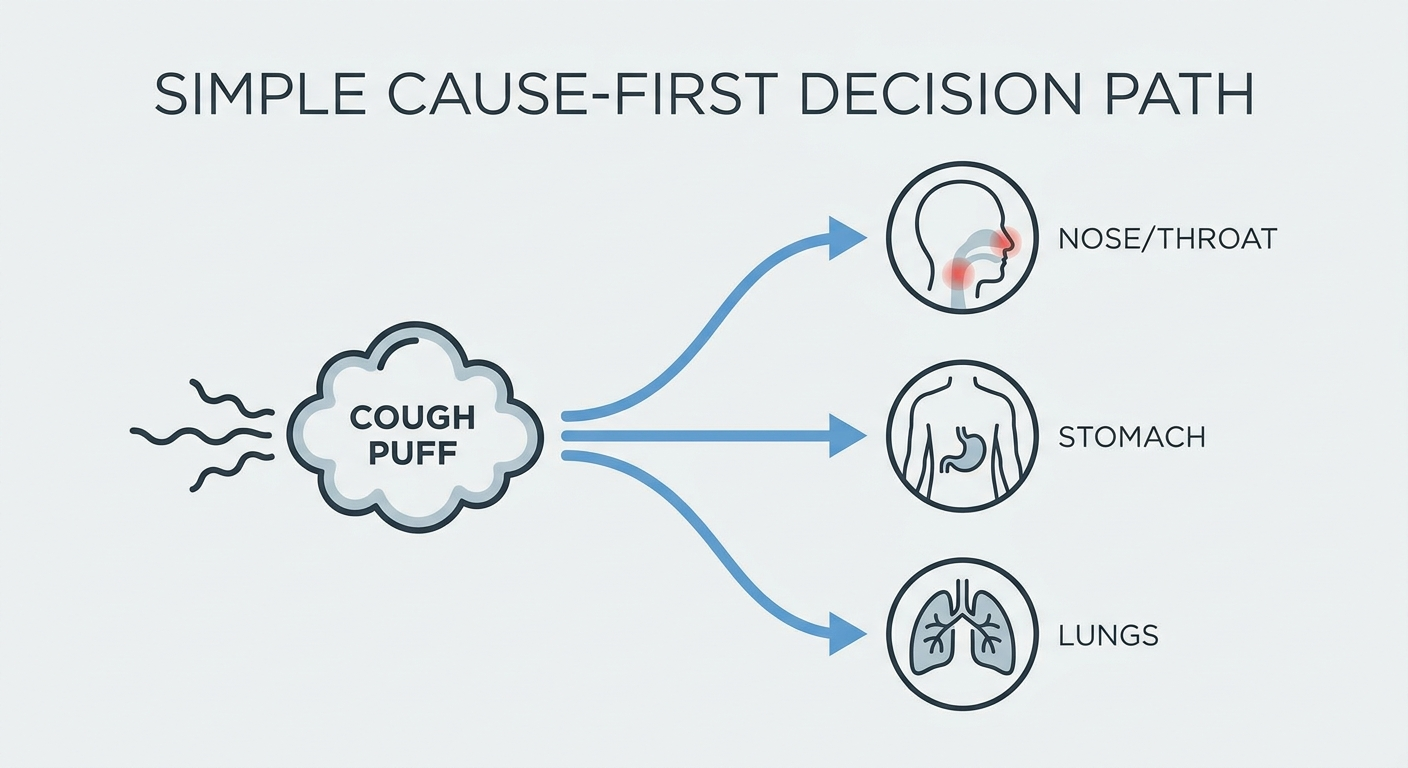
Coughing is a symptom, not a diagnosis—which means the most effective relief usually comes from identifying what’s causing it (allergies, post-nasal drip, reflux, asthma, infection, and more). Two people can have the same “annoying dry cough,” but for one it’s nasal drainage irritating the throat, and for the other it’s reflux or airway irritation from asthma. The right fix depends on the “why.”
Benadryl (diphenhydramine) is best known as an allergy medication, but it’s also found in some over-the-counter (OTC) products labeled as an antitussive (cough suppressant). In real-world use, Benadryl may temporarily lessen cough symptoms in some cases—especially when post-nasal drip or nighttime symptoms are involved—but it isn’t a universal solution.
Just as important: diphenhydramine can cause significant drowsiness, interacts with other medications, and carries real risks if taken incorrectly or in excessive amounts.
What Is Benadryl (Diphenhydramine)?
First-generation antihistamine basics: Diphenhydramine is a first-generation (sedating) antihistamine. It’s commonly used for allergy symptoms like sneezing, runny nose, itching, and watery eyes, and some people use it for short-term sleep support because it can cause drowsiness.
You may also see it listed in OTC medication labeling as a product that can help suppress cough, depending on the formulation and indication. (OTC uses and safety guidance are summarized in MedlinePlus.)[3]
Why the “older” antihistamines behave differently: First-generation antihistamines are considered “older” because newer options were designed to cause less sedation. The big difference is that older antihistamines enter the brain more easily, which can lead to:
- More drowsiness and next-day grogginess
- Anticholinergic “drying” effects (dry mouth, thicker-feeling secretions in some people)
A simple analogy: newer antihistamines are designed to “stay more peripheral” (helping nose/eyes), while older ones are more likely to “cross over” and affect alertness. These effects may help explain why older antihistamines sometimes affect cough, while newer “non-drowsy” antihistamines generally do not show the same benefit in reviews.[2]
In short, diphenhydramine is an older, sedating antihistamine that can sometimes blunt cough but often causes drowsiness.
Can Benadryl Actually Reduce Cough? What the Evidence Shows
Direct evidence: diphenhydramine and the cough reflex. In a randomized, double-blind controlled study, diphenhydramine reduced cough reflex sensitivity compared with placebo—meaning it took a stronger trigger to produce coughing.[1]
A common way researchers describe this is the cough-reflex threshold (C5). In plain terms: people needed a stronger stimulus to start coughing. That’s direct support for an antitussive effect, even though it doesn’t mean diphenhydramine is the best choice for every cough.
Real-world clinical use: post-nasal drip (upper airway cough syndrome). Clinicians have long tried sedating, older antihistamines for cough patterns consistent with upper airway cough syndrome (often described as “post-nasal drip”), where drainage and throat irritation can trigger frequent coughing. Evidence across high-quality trials is limited and mixed, even though this approach is commonly used in practice.[2]
If you want a deeper explanation of triggers and options, see our guide on post-nasal drip causes and treatments: https://sleepandsinuscenters.com/blog/post-nasal-drip-causes-symptoms-and-effective-treatments
What about newer, non-sedating antihistamines? Reviews suggest newer, non-sedating antihistamines generally do not improve cough, even when older sedating antihistamines sometimes do.[2]
Bottom line: diphenhydramine can raise the cough threshold in studies, but benefits are situation-specific and not universal.
When Benadryl May Help a Cough (Best-Fit Scenarios)
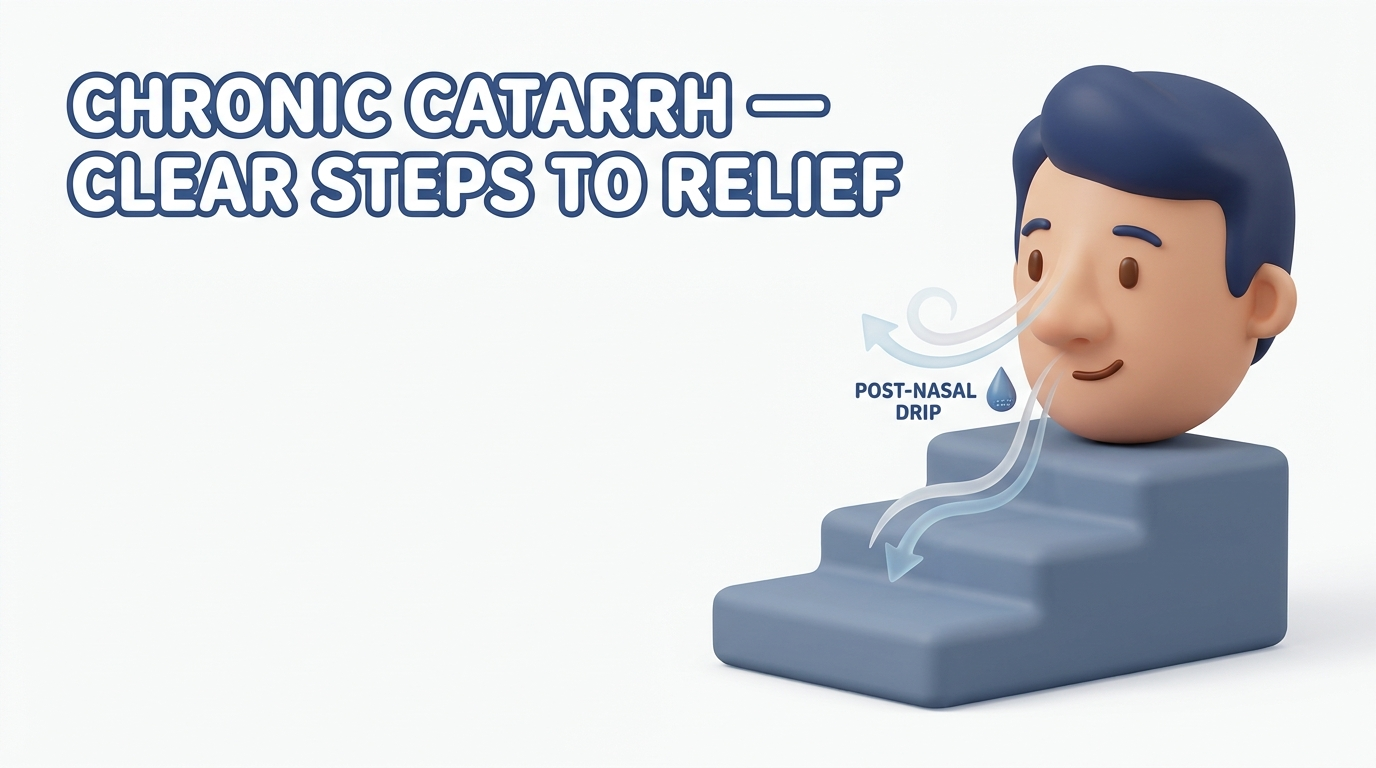
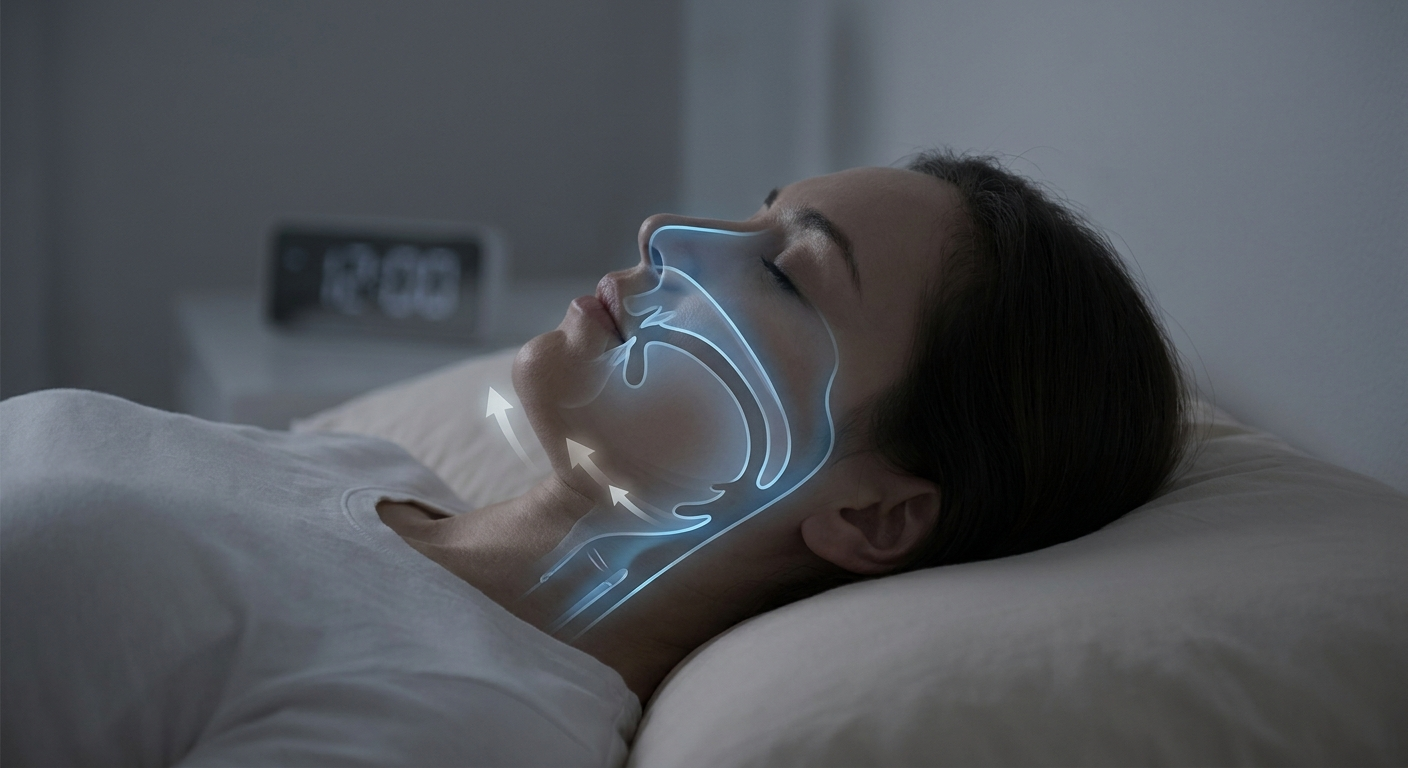
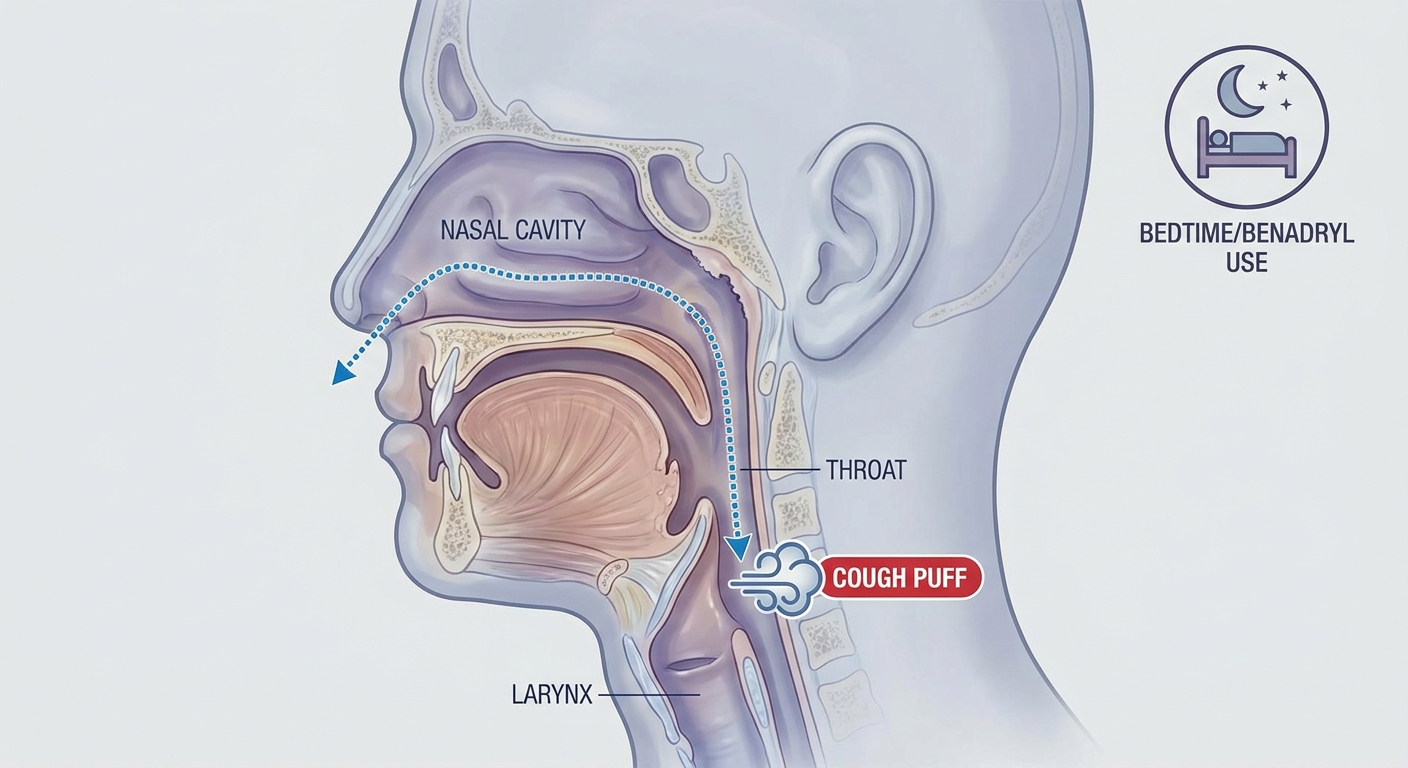
Cough linked to allergies + post-nasal drip. More likely when you notice frequent throat clearing, a “tickle” in the throat, sensation of drainage, or cough that worsens when lying down. Diphenhydramine may feel helpful by reducing histamine-driven runny nose and via drying and sedating effects that can lessen nighttime coughing.
Concrete example: you feel fine during the day, but the moment you lie down you start a throat-tickle cough and keep swallowing because you feel drainage. That’s a scenario where a sedating antihistamine may “take the edge off”—especially short term.
Nighttime cough that’s keeping you awake. A sedating antihistamine may make you sleepy, which can make nighttime coughing feel less noticeable, but it does not treat the underlying cause. Be cautious about next-day impairment and medication interactions.
For non-medication strategies, see how to stop post-nasal drip coughing at night: https://sleepandsinuscenters.com/blog/night-cough-relief-how-to-stop-post-nasal-drip-coughing-at-night
Short-term, occasional use vs. ongoing cough. Benadryl for cough is best viewed as an occasional, short-term option for certain patterns—not a long-term strategy. If a cough lasts more than a few weeks, keeps recurring, or is getting worse, it’s time to look for the cause rather than repeatedly suppressing symptoms.
Think of suppressing cough like turning down a smoke alarm. Sometimes that’s reasonable for comfort while you address the source, but you still need to find the “smoke.” Helpful context on chronic cough: https://sleepandsinuscenters.com/blog/what-is-chronic-cough
If your cough tracks with drainage and nights, short-term diphenhydramine may help, used carefully.
When Benadryl Is Unlikely to Help (or Could Be the Wrong Tool)
“Chest cough,” wheezing, asthma, or COPD flare. Diphenhydramine doesn’t treat airway narrowing or lung inflammation. Wheezing, chest tightness, or shortness of breath suggest a lower-airway source that needs a different approach and sometimes urgent care.
Acid reflux/LPR-related cough. Reflux-related cough often improves with reflux-focused strategies, not antihistamines. Clues include cough after meals, sour taste, frequent throat clearing, or chronic hoarseness.
Infection red flags needing medical evaluation may include high fever or shaking chills, chest pain, coughing up blood, significant dehydration, or symptoms not improving after 10–14 days or worsening.
Wet/productive cough where mucus clearance matters. Diphenhydramine’s drying effects can sometimes make secretions feel thicker.
If your cough points to the chest, reflux, infection red flags, or heavy mucus, look beyond Benadryl.

Cough Symptoms Checklist (Help Identify the Most Likely Cause)
Dry vs. wet cough. Dry cough is often linked to irritation, post-nasal drip, or reflux. Wet/productive cough may suggest infection or bronchitis (among other causes).
Upper-airway clues (nose/throat). Congestion, sneezing, itchy/watery eyes, throat tickle, or frequent throat clearing. For more, see: https://sleepandsinuscenters.com/blog/post-nasal-drip-causes-symptoms-and-effective-treatments
Lower-airway clues (lungs/chest). Wheezing, shortness of breath, or cough that worsens with exertion can point toward a lower-airway source.
Emergency symptoms (seek urgent care). Trouble breathing, bluish lips, confusion, severe chest pain, or coughing up blood.
Use these clues to guide cause-first care rather than reflexively suppressing cough.
How to Take Benadryl for Cough (Safely)
Safety note: This is general education. Always follow the product label and consider asking a pharmacist/clinician for help—especially if you have medical conditions or take other medications.
Forms you may see OTC: tablets/capsules, liquids (including children’s), and combination cold/cough products. Be careful not to “double dose” diphenhydramine from overlapping products.
Dosing basics (label-first): use an age-appropriate formulation, do not exceed the listed dose or frequency, and measure liquids carefully with the provided device.
Children: The FDA warns against use in children under 2 years.[4] For ages 2–11, use extra caution, follow labeling, and seek professional guidance when unsure.[4]
Common side effects: drowsiness/sedation, dizziness, dry mouth/throat, constipation, urinary retention, and next-day grogginess (especially if taken late).
Medication interactions and situations to avoid: combining with alcohol, opioids, benzodiazepines, or sleep aids can dangerously increase sedation. Extra caution for older adults and in conditions like glaucoma or urinary retention.
Storage: keep medications secured, out of reach of children, and in child-resistant packaging when available.
Use the minimum effective amount only when needed, and avoid mixing with other sedatives.

Overdose Risk: Why “More” Benadryl Is Not Safer
FDA safety warning: High doses/overdose of diphenhydramine can lead to serious heart problems, seizures, coma, and even death.[4] If an overdose is suspected, contact Poison Control (U.S.) or seek emergency care—don’t wait for symptoms to “wear off.”
Possible overdose symptoms: extreme sleepiness or unusual agitation/confusion, hallucinations, fast or irregular heartbeat, fainting, seizures.
Never exceed labeled doses—overdose can be life-threatening.

Alternatives That Often Work Better (Depending on the Cause)
If post-nasal drip is driving the cough: saline sprays/rinses, hydration, humidification. Some discuss intranasal steroid sprays and targeted allergy plans with a clinician. Overview: https://sleepandsinuscenters.com/blog/post-nasal-drip-causes-symptoms-and-effective-treatments
If it’s a typical viral cold cough: fluids, throat lozenges, and honey (for adults and children over 1 year). OTC options may include dextromethorphan (suppressant) or guaifenesin (expectorant). Context: https://sleepandsinuscenters.com/blog/cough-syrup-for-sinus-infection-when-it-helps
If cough persists or is recurrent: it may relate to chronic rhinitis, sinus disease, reflux/LPR, asthma, or medication side effects. Start here: https://sleepandsinuscenters.com/blog/what-is-chronic-cough
Match the treatment to the cause to get better, faster relief.
When to See a Doctor (or an ENT) for a Cough
Time-based triggers: consider an evaluation if a cough lasts more than 3 weeks, especially if worsening, recurrent, or accompanied by other symptoms. In adults, chronic cough is typically more than 8 weeks; in children, the threshold is shorter.
Symptom-based triggers: night cough with choking/gasping, wheezing, unexplained weight loss, coughing blood, or persistent hoarseness.
What an ENT evaluation may focus on: upper-airway contributors such as post-nasal drip/upper airway cough syndrome, chronic rhinitis or sinus concerns, and reflux-related throat irritation. Sleep and Sinus Centers of Georgia can help evaluate these possibilities when cough appears linked to nasal, sinus, or throat triggers.
Want help narrowing down your cough trigger? Book here: https://www.sleepandsinuscenters.com/
If your cough lingers, recurs, or raises red flags, get evaluated for the underlying cause.
FAQs
Does Benadryl help cough from post-nasal drip? Sometimes. Older, sedating antihistamines are often tried for upper airway cough syndrome, but high-quality trial evidence is limited and mixed.[2]
Why do “non-drowsy” allergy meds not help my cough? Reviews suggest newer, non-sedating antihistamines generally don’t improve cough, even when older sedating antihistamines sometimes do.[2]
Is Benadryl a cough suppressant? Diphenhydramine is listed OTC as an antitussive in some contexts and has controlled-study evidence showing reduced cough reflex sensitivity compared with placebo.[1][3]
Can I take Benadryl at night for cough? Some people use it at night, especially when symptoms feel allergy- or post-nasal drip–related. Consider drowsiness, next-day impairment, and avoiding alcohol or other sedating medications.
Is Benadryl safe for kids with cough? The FDA warns against diphenhydramine use in children under 2 years; extra caution is advised for ages 2–11—follow pediatric labeling and seek guidance when uncertain.[4]
What’s the biggest safety mistake people make with Benadryl? Taking too much or combining multiple sedating products. The FDA warns overdose can cause severe outcomes, including heart problems, seizures, and death.[4]
Key Takeaways
- Benadryl for cough may help certain cough patterns—especially those linked to post-nasal drip and nighttime symptoms—because diphenhydramine can reduce cough reflex sensitivity.[1][2]
- Evidence for routine cough treatment is limited, and diphenhydramine won’t address many common causes of cough (like asthma flares, reflux, or significant infection).[2]
- Safety is essential: avoid interactions, follow labels, and never exceed recommended doses; overdose can be dangerous.[4]
- A cough that persists or worsens deserves an evaluation focused on the underlying cause—not just suppression.
Treat the cause, use diphenhydramine sparingly, and prioritize safety.
Sources
[1]: Dicpinigaitis PV et al. (2015). Randomized, double-blind study of diphenhydramine and cough reflex sensitivity. https://pmc.ncbi.nlm.nih.gov/articles/PMC4409637/
[2]: Bolser DC et al. (2007). Review of older-generation antihistamines for cough/UACS and ineffectiveness of newer nonsedating antihistamines for cough. https://pmc.ncbi.nlm.nih.gov/articles/PMC3131005/
[3]: MedlinePlus (National Library of Medicine), Diphenhydramine drug information. https://medlineplus.gov/druginfo/meds/a682539.html
[4]: U.S. FDA Drug Safety Communication (2020): serious problems with high doses of diphenhydramine; pediatric cautions. https://www.fda.gov/drugs/drug-safety-and-availability/fda-warns-about-serious-problems-high-doses-allergy-medicine-diphenhydramine-benadryl
“This article is for educational purposes only and is not medical advice. Please consult a qualified healthcare provider for diagnosis and treatment.”
Don’t let allergies slow you down. Schedule a comprehensive ENT and allergy evaluation at Sleep and Sinus Centers of Georgia. We’re here to find your triggers and guide you toward lasting relief.