
Waking Up Congested: Causes, Symptoms, and Effective Remedies
Waking up congested can feel like starting the day behind a wall of pressure—one or both nostrils blocked, mucus that won’t move, and a throat that needs constant clearing. The good news: morning nasal congestion is very common, and many of the biggest triggers are surprisingly fixable with small changes to your bedroom environment and daily routine.
Nasal congestion has a wide range of causes, from allergies to dry air to underlying nasal conditions, and identifying the likely driver is often the key to longer-lasting relief [1][2]. In other words, the “best” remedy depends on why you’re congested—because the solution for dust mites is different from the solution for reflux or dry heat.
Below, you’ll learn what morning congestion typically feels like, common causes (including bedroom allergens and reflux), fast at-home relief options, prevention strategies, and when it makes sense to see an ENT or other healthcare provider.
What Does “Waking Up Congested” Mean?
Common sensations people describe:
- A stuffy or blocked nose in the morning (one side or both)
- Thick mucus, post-nasal drip, or frequent throat clearing
- Facial pressure/fullness and reduced sense of smell
- Mouth breathing overnight and dry mouth on waking [1]
A helpful way to think about congestion: it’s not always too much mucus. Sometimes the issue is swollen nasal lining that narrows the airway—like a sponge expanding when it absorbs water.
Why it’s often worse in the morning:
- Hours of exposure to triggers like dust mites, pet dander, or dry air
- Lying flat may increase nasal swelling and slow mucus drainage, making you feel more blocked when you first sit up [2]
If you tend to feel better after coffee, a shower, or simply moving around, that pattern often points to an overnight trigger rather than an all-day problem.
In short, morning congestion often reflects overnight exposure and swollen nasal lining as much as it does excess mucus.
Morning Congestion Symptoms to Watch For
Typical (non-urgent) symptoms:
- Clear or mildly cloudy mucus
- Improve after you get moving in the morning
- Sneezing or an itchy nose (often allergy-related) [1][2]
Symptoms that may suggest a specific cause:
- Allergies: itchy eyes, frequent sneezing, clear runny nose, and a daily or seasonal pattern [2]
- Dry air irritation: dry/tight nasal passages, crusting, mild nosebleeds [1]
- Reflux-related irritation: sore throat, morning hoarseness, frequent throat clearing, or a bad taste in the mouth (sometimes called silent reflux/LPR) [2]
Tip: jot a quick 10-second note for a week (congestion severity 1–10, left/right/both, dry vs. drippy, plus any throat symptoms). Patterns get easier to spot.
When symptoms may signal something more serious:
- Fever, severe facial/tooth pain, or thick discolored drainage that persists
- Symptoms lasting more than 10 days, worsening after initial improvement, or returning frequently may warrant medical evaluation [1]
Keeping a brief symptom log can clarify patterns and guide practical next steps.
The Most Common Causes of Waking Up Congested
Bedroom allergens (a common culprit for many people)
For many households, morning nasal congestion stems from what’s in (and on) the bed—because your face is close to pillows, sheets, and upholstery for hours:
- Dust mites in bedding, pillows, mattresses, carpets
- Pet dander, especially if pets sleep in the bedroom
- Mold in damp areas, closets, around leaks, or in humidifiers that aren’t cleaned properly [2]
Common pattern: stuffy most mornings, improve by late morning, and worse again after lying down at night—often a bedroom-related trigger.
If you suspect dust mites, see: https://sleepandsinuscenters.com/blog/top-dust-mite-hot-spots-in-bedrooms-how-to-identify-and-eliminate-them

Dry air (heat/AC) irritating your nasal passages
Indoor heating in winter and constant air conditioning in warm months can lower humidity. Dry air can:
- Dry out nasal lining → thicker mucus and more irritation
- Make the nose feel swollen or stuck when you wake up [1][4]
People often describe a dry, scratchy nose/throat and harder-to-clear mucus. A clean, well-maintained humidifier may help when indoor air is dry.

Sleeping position and nasal physiology
Your anatomy and sleep posture matter:
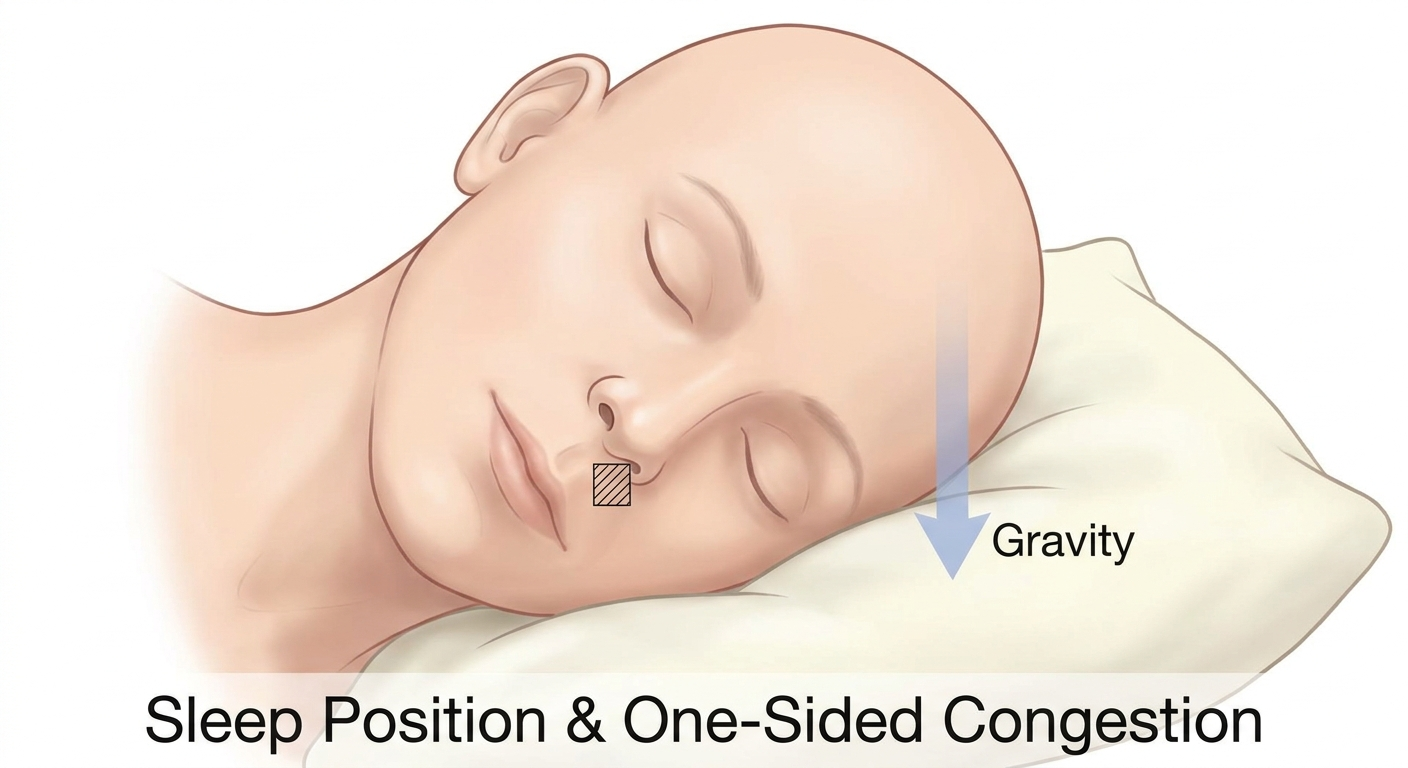
- Lying flat may worsen nasal swelling and post-nasal drip
- Side-sleeping can make one nostril feel more blocked (positional congestion), even without infection [2]
If it’s always the same side, gravity and normal nasal cycling may explain it.
Acid reflux (including silent reflux/LPR)
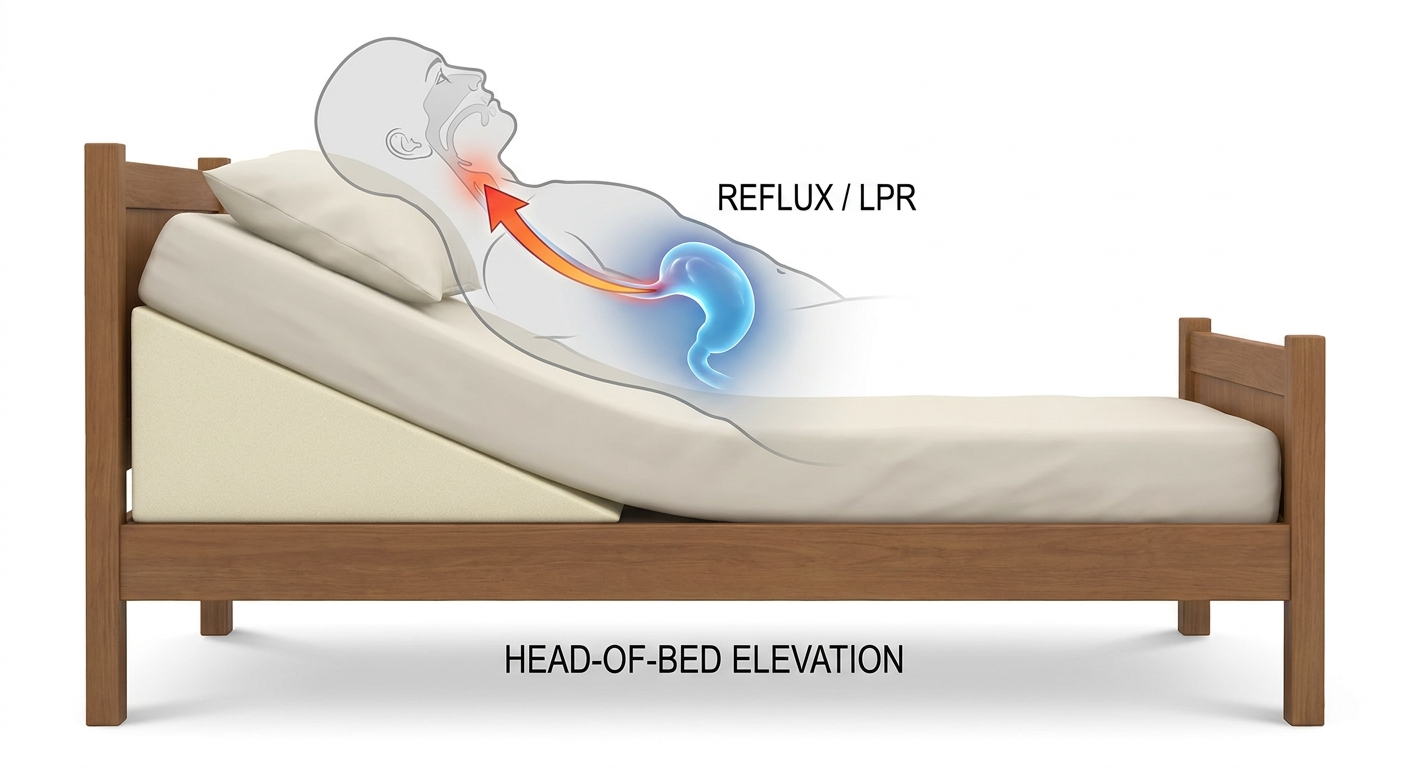
Reflux can contribute to morning throat and upper-airway symptoms and, in some cases, congestion. Clues:
- Morning hoarseness
- Throat clearing
- Cough
- Sour taste or heartburn (LPR may lack classic heartburn) [2]
If you wake congested plus have a raw throat, persistent clearing, or bitter taste, reflux may be part of the picture.
Underlying nasal/sinus conditions
If morning congestion happens most days—or persists outside the bedroom—conditions may include:
- Allergic or nonallergic rhinitis
- Chronic sinusitis or recurrent infections
- Structural issues (deviated septum, turbinate enlargement) that limit airflow [1]
Clinicians often separate inflammation (often responsive to environment/meds) from structure (may need different plans).
Hormonal changes
Hormonal shifts can affect nasal blood flow and swelling. Some people notice changes with:
- Pregnancy
- Menstrual cycle changes
- Thyroid-related shifts [2]
For many, bedroom environment, dry air, sleep position, or reflux are the main drivers—pinpointing yours directs the fix.
Fast Relief: What to Do When You Wake Up Congested
These options are commonly used for short-term comfort and are a good starting point for many people.
Saline spray or saline rinse (first-line, drug-free): Moisturizes irritated tissues and loosens mucus [1][4]. If rinsing, use gentle pressure, keep the device clean, and use distilled/sterile or previously boiled-and-cooled water. How often: https://sleepandsinuscenters.com/blog/nasal-rinses-how-often-should-you-use-them
Steam or a warm shower: Warm, moist air may temporarily ease stuffiness and thin mucus [3][4]. Try a warm shower or brief steam exposure (not overly hot).
Warm compress for facial/nasal pressure: A warm (not hot) compress over the nose/cheeks for 10–15 minutes may soothe [3].
Hydration: Fluids support thinner mucus and easier drainage [2][4]. Warm fluids may feel especially comfortable first thing in the morning.
Start with low-risk moisture and warmth-based strategies while you identify the root cause.

Treatments Based on the Cause (Short-Term + Long-Term)
If allergies are driving morning congestion: Combine exposure reduction (see prevention tips) with medication options when needed—antihistamines, intranasal steroid sprays, or immunotherapy in appropriate cases [1][2]. Allergy testing can clarify triggers: https://sleepandsinuscenters.com/allergy-testing
If a cold or viral illness is the cause: Viral congestion often improves with time and supportive care (saline, fluids, rest, steam). If symptoms become prolonged or worsen like a sinus infection, consider evaluation [1]. Quick comfort ideas: https://sleepandsinuscenters.com/blog/woke-up-with-a-blocked-nose-fast-relief-guide
If dry air is the problem: A humidifier may help when air is dry—don’t over-humidify and keep it clean to reduce mold risk [1][4]. Maintenance guide: https://sleepandsinuscenters.com/blog/humidifier-cleaning-schedule-ultimate-guide-for-better-air-quality. Learn more: https://sleepandsinuscenters.com/blog/how-humidifiers-improve-chronic-sinusitis-symptoms-benefits-and-tips
If reflux is contributing: Consider meal timing adjustments (avoid large meals close to bedtime), identify trigger foods, and elevate the head of the bed in some cases. If frequent, discuss a reflux plan with a clinician [2].
If there may be a chronic condition or blockage: If congestion is long-term, an ENT can clarify allergies, chronic rhinitis/sinusitis, or structural issues. Medical management is typical first; procedures are considered when appropriate after full evaluation [1]. Timing guide: https://sleepandsinuscenters.com/blog/when-should-i-see-an-ent
Matching treatment to the cause usually brings the best and most sustainable relief.
Lifestyle & Bedroom Tips to Prevent Waking Up Congested
Reduce allergens where you sleep:
- Wash bedding weekly (hot water when fabric allows)
- Consider allergen-proof pillow and mattress covers
- Keep pets out of the bedroom (or at least off the bed)
- Reduce clutter and use vacuum/HEPA strategies when possible [2]
Concrete example: Start with what’s closest to your face—pillowcases and pillows—then work outward to the mattress and carpet.
Improve bedroom air quality and humidity:
- Consider a humidifier if air is dry; keep it clean to prevent mold [4][1]
- Change HVAC filters regularly
- Minimize irritants like smoke and strong fragrances [1]
Sleep-position adjustments:
- Slight head elevation may help with drainage or reflux patterns
- Test back vs. side sleeping and track symptoms for a week [2]
Daily habits that support clearer mornings:
- Stay consistently hydrated through the day
- Consider a gentle saline routine during allergy season or dry months (as tolerated) [2][1]
Small, consistent bedroom and habit changes often yield noticeably clearer mornings.
When to See a Doctor (and What to Expect)
Make an appointment if you notice:
- Morning congestion most days for weeks
- At-home steps don’t improve symptoms
- Symptoms suggest allergies that may benefit from testing or long-term management [1]
If you’re unsure whether it’s time, see: https://sleepandsinuscenters.com/blog/when-should-i-see-an-ent
Seek urgent care sooner for red flags:
- High fever, swelling around the eyes, severe headache, vision changes
- Severe facial pain or rapidly worsening symptoms [1]
What a clinician may recommend:
- Targeted medications (including when decongestants are or aren’t appropriate)
- Allergy testing
- Evaluation for chronic sinusitis, reflux contribution, or structural nasal blockage [1][2]
Note on decongestants: Daily long-term use of topical nasal decongestant sprays (such as oxymetazoline or phenylephrine) can cause rebound congestion; ask a clinician about safer long-term options.
If symptoms persist or raise red flags, timely evaluation helps tailor care.
FAQs
Why do I wake up congested but feel fine later?
This often happens when triggers are overnight-only (dust mites, pet dander, dry air) and when lying flat increases nasal swelling. Once you’re upright and out of the bedroom, symptoms may fade [2].
Is it normal to wake up with one nostril blocked?
It can be. Normal nasal cycling and sleep position can make one side feel more blocked. It’s more concerning if it’s persistent, severe, or paired with other symptoms [1].
What’s the fastest safe way to clear my nose in the morning?
Many people start with saline (spray or rinse), steam/warm shower, and hydration for temporary relief [3][4].
Should I use a decongestant every day?
Daily long-term use of topical nasal decongestant sprays can cause rebound congestion. A clinician can help you choose safer long-term strategies based on the cause [1].
Could acid reflux really contribute to congestion?
It can for some people, especially when morning symptoms include throat clearing, hoarseness, cough, or a sour/bitter taste (silent reflux/LPR) [2].
Conclusion + Next Steps
Waking up congested is common, but it’s not something you have to ignore—especially when it affects sleep and energy. Frequent contributors include bedroom allergens, dry air, sleep position, reflux, and ongoing nasal/sinus conditions [1][2]. The most helpful approach is matching your solution to the most likely trigger.
A simple way to start is a 7-day morning congestion experiment:
- Adjust humidity (if air is dry)
- Tighten up bedding/allergen control
- Add a gentle saline routine
- Track symptoms each morning (severity, side, mucus, throat symptoms)
If symptoms are persistent, disruptive, or recurring, Sleep & Sinus Centers of Georgia can help evaluate likely causes and discuss options such as allergy testing and longer-term rhinitis/sinus care. Book: https://www.sleepandsinuscenters.com/
Related reading:
- https://sleepandsinuscenters.com/blog/woke-up-with-a-blocked-nose-fast-relief-guide
- https://sleepandsinuscenters.com/allergy-testing
- https://sleepandsinuscenters.com/blog/how-humidifiers-improve-chronic-sinusitis-symptoms-benefits-and-tips
References
[1] Cleveland Clinic — Nasal Congestion: Causes, Symptoms & Treatment: https://my.clevelandclinic.org/health/diseases/17980-nasal-congestion
[2] Healthline — Waking Up With a Stuffy Nose: https://www.healthline.com/health/waking-up-with-stuffy-nose
[3] Sleep & Sinus Centers — Woke Up With a Blocked Nose (Fast Relief): https://sleepandsinuscenters.com/blog/woke-up-with-a-blocked-nose-fast-relief-guide
[4] Tylenol — How to Clear a Stuffy Nose: https://www.tylenol.com/adult-relief/sinus/how-clear-stuffy-nose
This article is for educational purposes only and is not medical advice. Please consult a qualified healthcare provider for diagnosis and treatment.
Don’t let allergies slow you down. Schedule a comprehensive ENT and allergy evaluation at Sleep and Sinus Centers of Georgia. We’re here to find your triggers and guide you toward lasting relief.