Waking Up Congested: Causes, Symptoms, and Effective Remedies
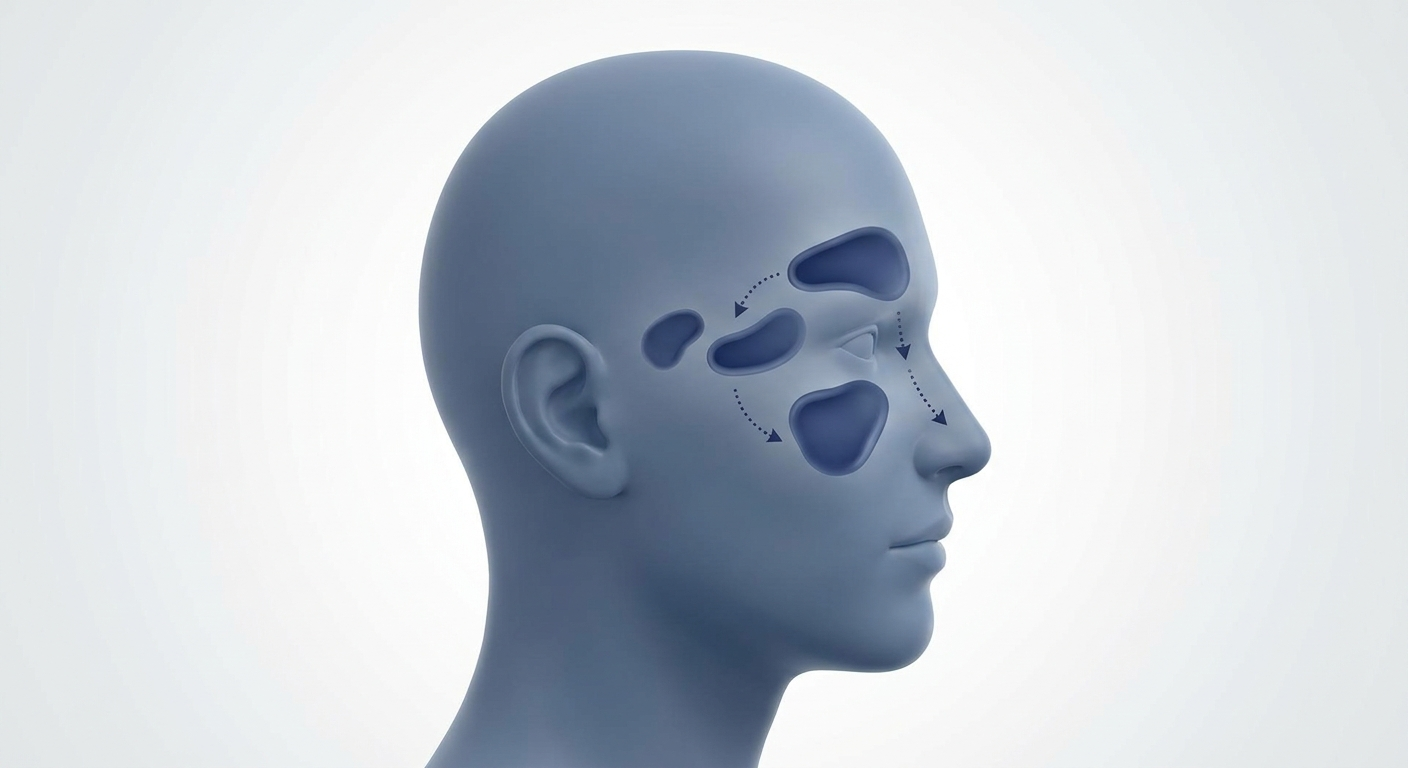
If you’re waking up congested—but feel noticeably better later in the day—you’re not alone. Morning nasal congestion is often linked to what happens overnight in your bedroom (air quality, allergens, and irritation), plus how the nose naturally swells and drains during sleep. Many people may be able to reduce congestion that’s worse in the morning with a few practical changes and targeted, patient-friendly remedies.
A useful way to think about it: your nasal lining behaves a bit like a sponge. Overnight, it can absorb irritation (dry air, allergens, fragrance) and swell. Once you’re upright, moving around, and away from the bedroom trigger, that “sponge” often calms down and drains.
Quick Answer: Why You Wake Up Congested
Common reasons
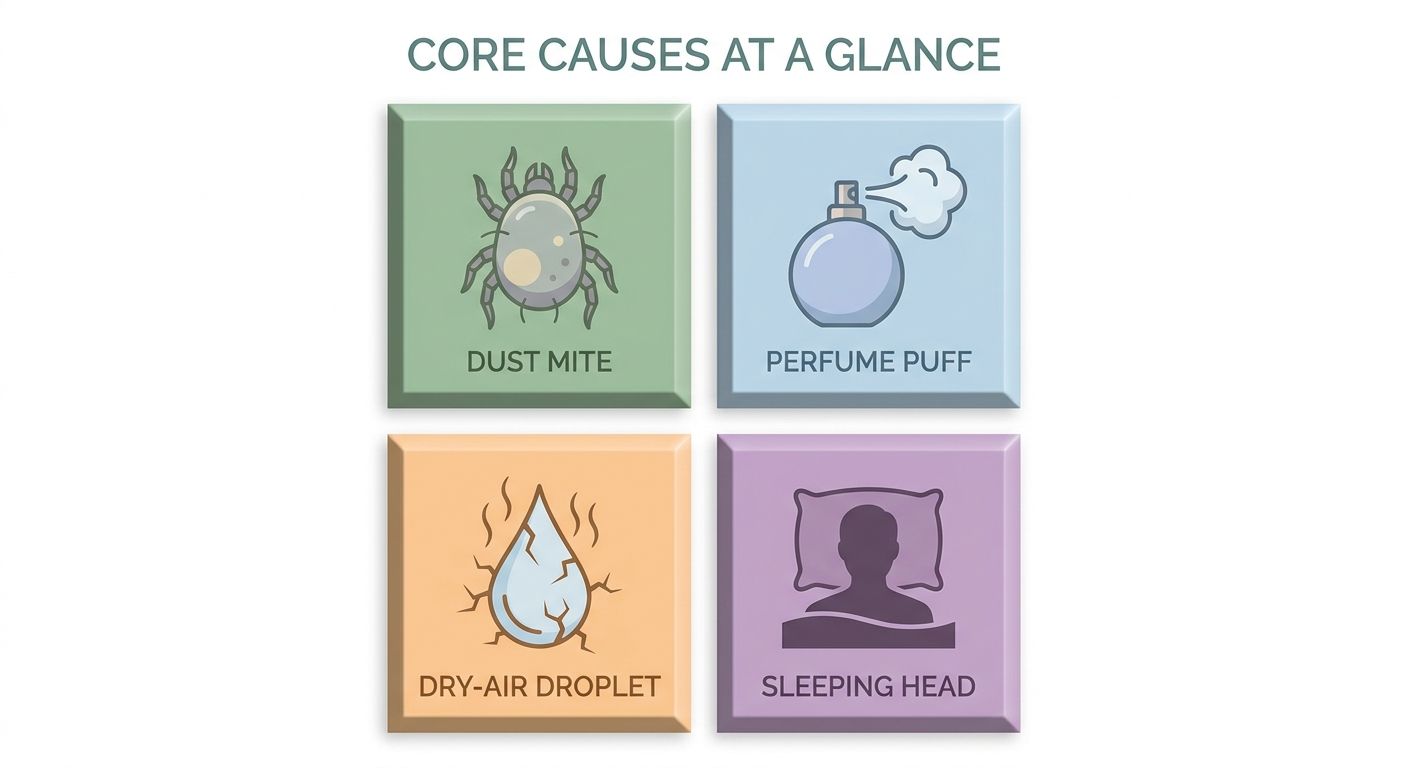
- Overnight exposure to allergens: dust mites in bedding, pet dander, mold, and pollen brought indoors on hair/clothing
- Non-allergic rhinitis triggers: irritants (fragrance, smoke, cleaning products), weather/humidity shifts, and sometimes alcohol or spicy foods
- Dry bedroom air: dryness can irritate nasal tissues and thicken mucus overnight
- Sleeping position: lying flat can affect drainage and can increase the feeling of blockage
A helpful clue
If congestion is mostly in the morning and improves as you move around, it can suggest bedroom or environmental triggers, though other causes are also possible. Health education resources have also noted that morning patterns commonly align with indoor exposures and rhinitis-type inflammation rather than a constant infection pattern. (Healthline; NHS)
Quick self-check: If your symptoms improve after you leave the bedroom (or after a shower and getting dressed), that pattern can support an indoor trigger like dust, dander, or dryness.
What Morning Congestion Feels Like (Common Symptoms)
Nasal symptoms
- Stuffy nose (one side or both)
- Runny nose or postnasal drip
- Sneezing or itchy nose (often more suggestive of allergic rhinitis)
Head and throat symptoms
- Facial pressure/fullness
- Sore or dry throat on waking (often from mouth-breathing)
- Reduced smell/taste when very blocked
Sleep and daytime impacts
- Poor sleep quality, waking up tired
- Snoring that worsens with congestion
If waking up congested regularly affects your sleep, it’s worth tracking patterns—what changes on weekends, after cleaning, during pollen season, or when a pet sleeps nearby. For example, some people notice the “stuffy morning” is worst after sleeping on freshly fragranced sheets or in a room with a running scented diffuser.
When Morning Congestion Might Signal Something More Serious
This article is for educational purposes and is not a diagnosis. That said, it can help to know when to get checked.
Call a clinician urgently if you have
- Trouble breathing, facial/lip swelling, or signs of a severe allergic reaction
- High fever, severe facial pain, confusion, or swelling around the eyes
Make an appointment soon if
- Congestion lasts more than 10–14 days, keeps returning, or consistently disrupts sleep
- You suspect chronic rhinitis/sinusitis, nasal polyps, or a deviated septum
- You’re relying on short-term products too often to “get through the morning”
Persistent or recurring morning nasal congestion may benefit from an evaluation to clarify triggers and rule out structural causes. (NHS)
Causes of Waking Up Congested (Most Common to Less Common)
Morning congestion is often multifactorial, with bedroom exposures, nasal biology, and individual anatomy all playing a role.
1) Allergies in the Bedroom (A Common Cause)
Bedroom allergies are a frequent reason people report congestion that’s worse in the morning. Common culprits include:
- Dust mites (pillows, mattresses, carpets, stuffed animals)
- Pet dander (especially if pets sleep in the bedroom)
- Indoor mold (humidity, leaks, damp basements, bathrooms)
- Pollen tracked indoors (hair, clothing, open windows)
Key pattern: itchiness, sneezing, watery eyes, or seasonal flares—especially if symptoms reliably peak at home or right after waking. (Healthline; Breathe Right)
Concrete example: If you feel fine during the day but wake up sneezing with a puffy, blocked nose—and your pillow is older or your room has carpeting—dust mite exposure is a common suspect.

2) Non-Allergic Rhinitis (Same Congestion—No Allergy Trigger)
Non-allergic rhinitis can look like allergies, but without a classic allergy trigger. Common triggers include:
- Irritants: cigarette smoke, perfumes, cleaning products, fumes
- Food/drink triggers: alcohol and spicy foods (in some people)
- Weather/humidity changes: cold air, very dry air, sudden shifts
Key pattern: congestion/runny nose without prominent itchiness or watery eyes. (NHS)
If this sounds familiar and ongoing, Sleep & Sinus Centers of Georgia also covers longer-term patterns and options in this guide to treating chronic rhinitis: https://sleepandsinuscenters.com/treating-chronic-rhinitis
3) Dry Air, Dehydration, and Overnight Mucus Thickening
Heated or air-conditioned rooms can dry out nasal passages. Overnight, mucus may thicken and feel “stuck,” which can create that waking up with a stuffy nose feeling—especially in winter or in very dry climates.
A simple analogy: when mucus dries, it can act more like paste than a rinse, so it doesn’t clear as easily until you rehydrate and humidify the airway.
4) Sleeping Position and “Nasal Cycle” Effects
Your nose naturally alternates airflow between sides (often called the nasal cycle). When you lie down, tissues can swell more, and drainage patterns change. Side-sleeping can also make the “down” nostril feel more blocked. This can amplify symptoms if irritation or allergies are already present.
5) Colds, Influenza, or Viral Upper Respiratory Infections
If a virus is the main cause, congestion is more likely to last throughout the day and come with other symptoms—fatigue, sore throat, body aches, or fever. People can still notice mornings are worse, but it’s usually not limited to mornings.
6) Structural or Chronic ENT Issues (Often Under-Recognized)
Some people are more prone to waking up congested because airflow is restricted to begin with. Examples include:
- Deviated septum
- Turbinate enlargement
- Nasal polyps
- Chronic sinus inflammation
These issues can also make you more sensitive to normal levels of dust, dryness, or irritants at night—so a “minor” trigger becomes a big morning problem.
Short version: Morning congestion is often multifactorial, with bedroom exposures, nasal biology, and individual anatomy all playing a role.
What You Can Do Right Now (Fast, Patient-Friendly Relief)
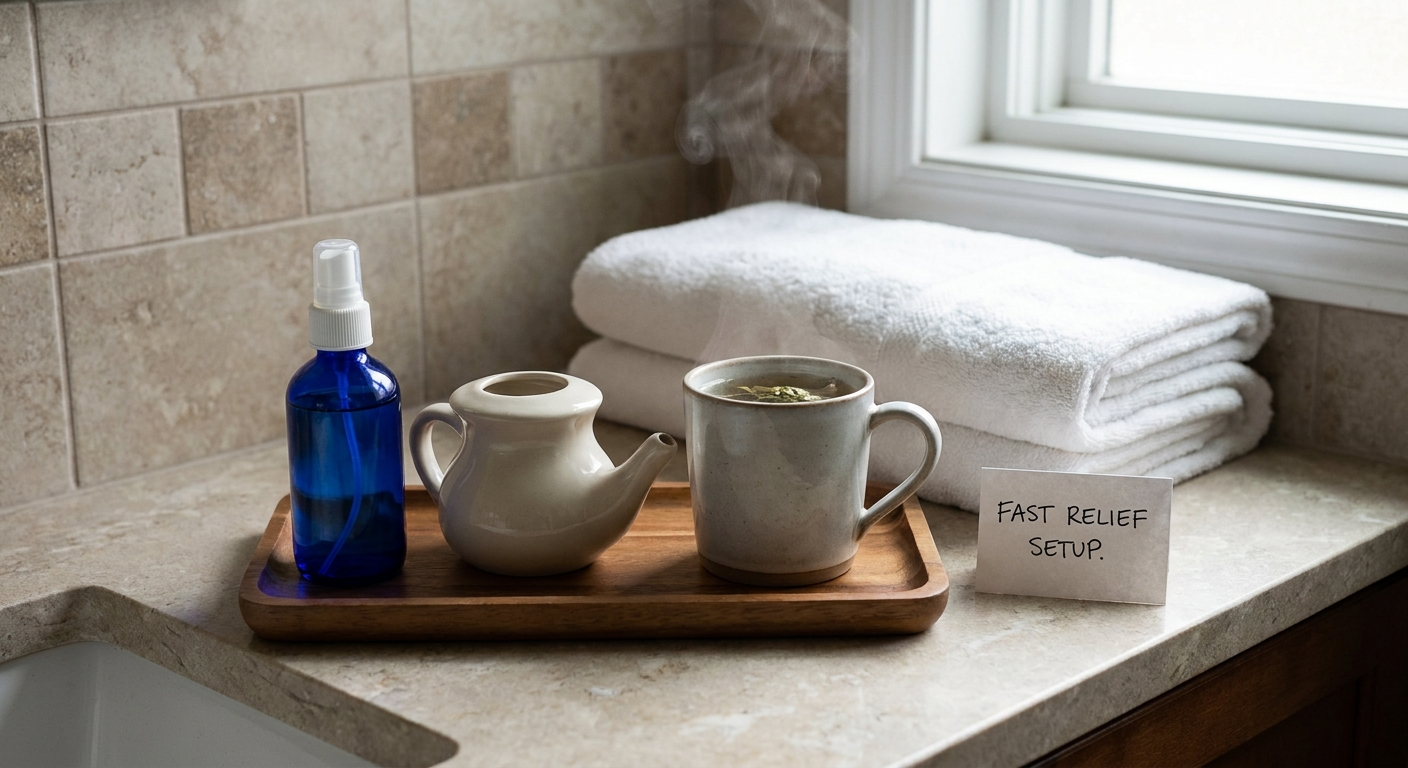
Saline spray or saline rinse (commonly used)
A saline rinse or saline spray is commonly used to help moisturize nasal tissues and clear mucus or allergens. It’s often used for both allergy-driven symptoms and non-allergic rhinitis patterns. (NHS)
Important safety tips for nasal rinses:
- Use sterile, distilled, or previously boiled and cooled water. Avoid untreated tap water for nasal irrigation.
- Clean and air-dry your device after each use; follow manufacturer instructions.
- Use as directed on product labeling.
For a simple step-by-step overview, see Sleep & Sinus Centers of Georgia’s guide to fast relief for a blocked nose: https://sleepandsinuscenters.com/blog/woke-up-with-a-blocked-nose-fast-relief-guide
Warm shower/steam (comfort strategy)
Warm showers or steam may temporarily loosen mucus and reduce the “plugged up” feeling. Results vary, but many people find it helpful as a short-term comfort measure—especially if dryness is part of the picture.
Hydrate + warm fluids
Warm drinks and adequate hydration may help thin mucus and reduce throat dryness from mouth-breathing. If you wake up with a scratchy throat and a blocked nose, a warm beverage plus saline is a simple one-two combo to try.
Medication options (OTC—use carefully)
- Antihistamines: often considered when allergy symptoms (sneezing/itchy eyes) are present, especially with suspected allergic rhinitis. (Healthline)
- Topical nasal decongestant sprays: can provide short-term relief, but overuse can cause rebound congestion. Use only as directed on the label.
Curious about rebound congestion? Sleep & Sinus Centers of Georgia explains it here: https://sleepandsinuscenters.com/blog/do-nasal-sprays-cause-rebound-congestion
Quick relief often starts with gentle measures like saline, hydration, and steam, while using medications carefully and as labeled.
Long-Term Fixes: How to Help Prevent Waking Up Congested
Upgrade your sleep environment (high impact for morning symptoms)
Bedding hygiene
- Wash sheets weekly according to the care label; warmer water may help reduce dust mites when the fabric allows.
- Consider allergen-proof pillow and mattress covers.
Bedroom air quality
- Consider a HEPA air purifier.
- Keep windows closed on high pollen days if pollen is a trigger for you.
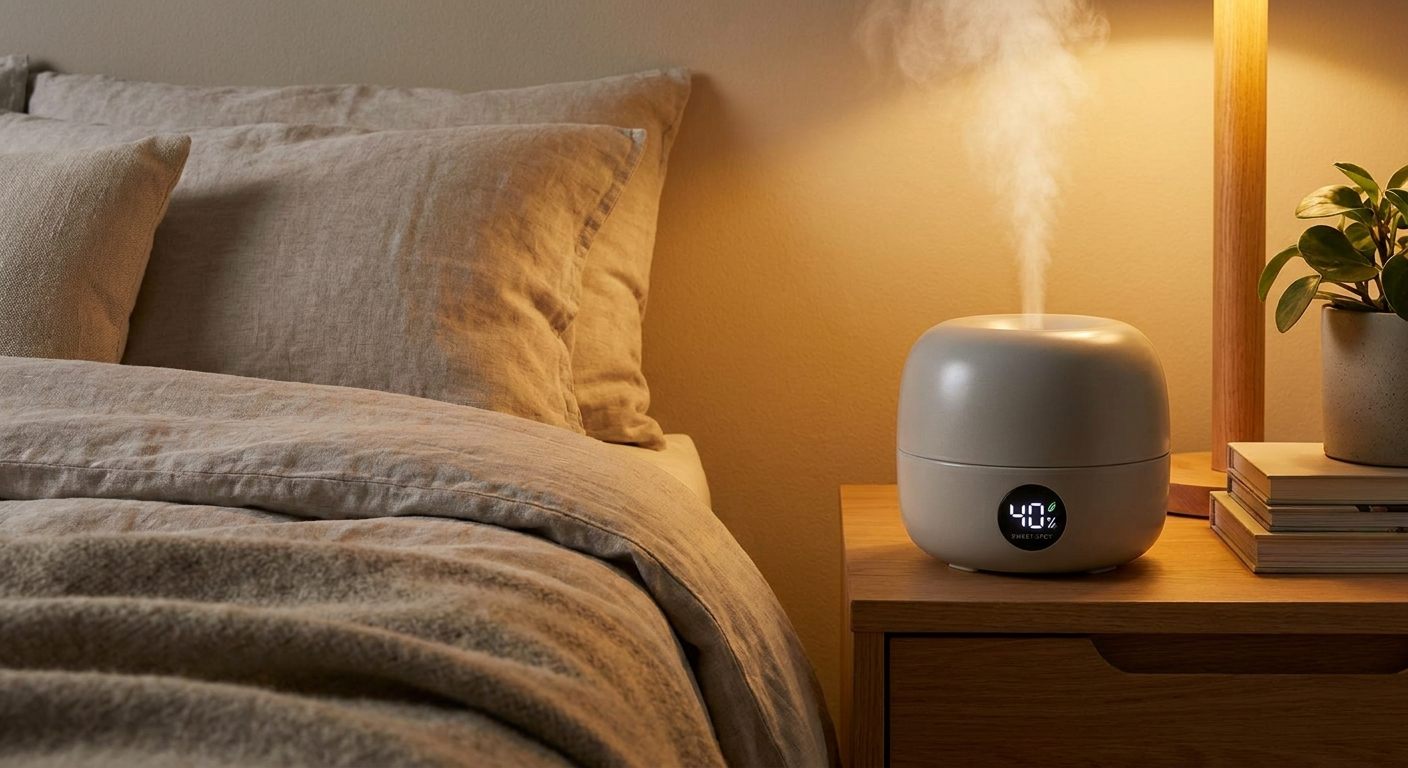
Humidity target
Indoor humidity around 30–50% is often recommended to help reduce dryness without encouraging excess mold or dust mites. (NHS; Breathe Right)
Reduce allergen exposure—based on your trigger
- Dust mites: reduce clutter, vacuum with a HEPA filter, minimize carpeting if possible.
- Pets: keep pets out of the bedroom; groom routinely.
- Mold: address leaks/dampness, clean visible mold safely, consider inspection if it recurs.
Allergen reduction tends to help most when symptoms are clearly worse in the morning and improve after you leave the bedroom. (Healthline; Breathe Right)
Use targeted treatments consistently (when appropriate)
- Allergy medicines for allergic triggers
- Nasal steroid sprays for inflammation in allergic rhinitis/chronic rhinitis (proper technique and timing matter)
- Regular saline rinses as maintenance
Consider professional evaluation for recurring symptoms
If symptoms are frequent, severe, or disruptive to sleep, an evaluation can help clarify whether you’re dealing with allergies, chronic rhinitis, or a structural issue.
If allergies seem likely, this is a logical next step:
Schedule allergy testing: https://sleepandsinuscenters.com/allergy-testing
Prevention—especially in the bedroom environment—often works better than relying on quick fixes alone.
Lifestyle Tips That Can Make Morning Congestion Better
Evening routine changes
- Shower before bed during pollen season (helps remove pollen from hair/skin)
- Change clothes after outdoor exposure
- Avoid strong fragrances/cleaners at night if you’re sensitive
A practical example: if you take a late-evening walk during high pollen season, a quick rinse-off and a clean pillowcase can reduce what you bring into bed.
Food and drink adjustments (especially for non-allergic rhinitis)
If non-allergic rhinitis is a possibility, consider tracking whether alcohol or spicy foods correlate with worse morning symptoms. (NHS)
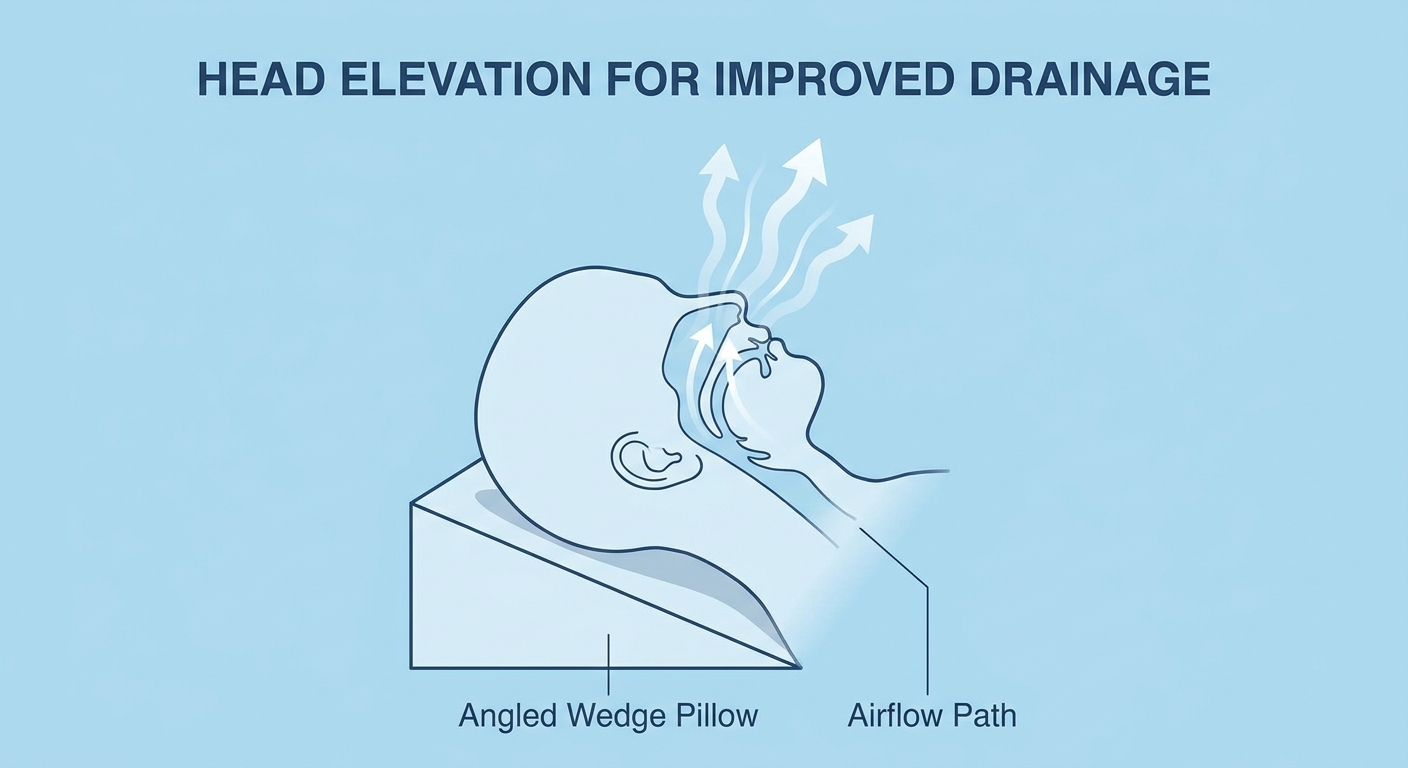
Sleep positioning tips
- Slight head elevation may improve drainage for some people.
- If one side always blocks, experiment with side-sleeping and pillow support to see if symptoms change.
Small evening changes can translate into clearer, more comfortable mornings.
FAQs
Why is my nose stuffy only when I wake up?
Often because of bedroom allergens, dry air, or overnight irritation consistent with rhinitis. The “only in the morning” pattern is a helpful clue that the environment may be playing a major role, though other causes are possible. (Healthline; NHS)
Is it allergies or a cold?
- Allergies: recurring pattern, itch/sneeze, watery eyes, seasonal or bedroom-linked.
- Cold/influenza: broader “sick” symptoms and tends to improve over days rather than repeating the same morning pattern. (Healthline)
What’s the best remedy for waking up congested?
Many people start with a saline rinse or spray plus changes to the sleep environment (bedding, filtration, humidity). If allergy symptoms are present, allergy-focused steps may be more effective. (NHS)
Can dry air cause congestion even if I’m not “sick”?
Yes. Dryness can irritate nasal tissues and make mucus thicker, which can feel like congestion—especially overnight.
When should I see an ENT for morning congestion?
If symptoms are persistent, recurrent, affecting sleep quality, or you suspect structural blockage (like long-standing one-sided obstruction), an evaluation is reasonable to consider.
Conclusion: Build Your “Morning Congestion Plan”
If you’re waking up congested, think in three steps:
1) Identify the likely contributors (allergies, non-allergic rhinitis irritants, dryness, position)
2) Improve the bedroom environment (bedding, filtration, humidity, pet boundaries)
3) Use targeted relief (like saline and symptom-matched OTC options when appropriate), and consider an evaluation if it persists
If morning congestion is consistently interfering with sleep or doesn’t improve with basic steps, book an appointment with Sleep & Sinus Centers of Georgia to clarify the cause and build a prevention plan: https://www.sleepandsinuscenters.com/
A few thoughtful changes—plus the right, safe strategies—can make mornings clearer and more comfortable.
Sources (Educational References)
Healthline — Morning allergies: http://healthline.com/health/morning-allergies
NHS — Non-allergic rhinitis: https://www.nhs.uk/conditions/non-allergic-rhinitis/
Breathe Right — Why wake up with a stuffy nose: https://www.breatheright.com/causes-of-congestion/why-wake-up-with-stuffy-nose/
CDC — Safe nasal rinsing water: https://www.cdc.gov/healthywater/hygiene/cleansing/nasal_rinsing.html
ENT Health (AAO-HNS) — Nasal Irrigation: https://www.enthealth.org/be_ent_smart/nasal-irrigation/
This article is for educational purposes only and is not medical advice. Please consult a qualified healthcare provider for diagnosis and treatment.
Don’t let allergies slow you down. Schedule a comprehensive ENT and allergy evaluation at Sleep and Sinus Centers of Georgia. We’re here to find your triggers and guide you toward lasting relief.