Waking Up Congested: Causes, Symptoms, and Effective Remedies
Clear all day, stuffed up every morning? If you’re waking up congested, you’re not alone—and it’s often explainable.
For many people, morning congestion happens because several factors stack up overnight: exposure to bedroom allergens, irritation from dry air or fragrances, and changes in drainage when you’re lying down. The Sleep Foundation notes that sleep-related factors (including position and indoor conditions) can contribute to waking with a stuffy nose, while Healthline highlights how allergy symptoms that are worse in the morning commonly flare after hours of exposure to indoor triggers like dust mites. Sources: Sleep Foundation: https://www.sleepfoundation.org/sleep-faqs/why-do-i-wake-up-with-stuffy-nose, Healthline: https://www.healthline.com/health/morning-allergies
A helpful way to picture it: your bedroom can concentrate allergens and irritants overnight. Even if your symptoms are mild during the day, spending 6–9 hours breathing the same air—close to pillows, blankets, and dust—can make your nose feel like it “closes up” by morning.
You’ll find below what symptoms are common, what causes are most likely, which remedies tend to help most, and when it’s worth getting evaluated—especially if congestion is affecting sleep quality.

What “Morning Congestion” Can Feel Like (Common Symptoms)
Nose symptoms
- Stuffy/blocked nose (one side or both)
- Runny nose, sneezing, itchy nose (often more suggestive of allergies)
- Thick mucus or the sense that “nothing comes out” when you blow your nose
A common frustration is feeling “plugged” even when you can’t produce much mucus. That can happen when the nasal lining is swollen (inflammation), not just when you have a lot of drainage.
Throat and chest symptoms
- Postnasal drip (mucus draining down the back of the throat)
- Frequent throat clearing
- Morning cough (often related to drainage)
Some people describe this as waking up with a “scratchy throat,” needing to clear their throat repeatedly before their voice sounds normal.
Face and head symptoms
- Facial pressure, headache, reduced smell
- Ear fullness or pressure (from congestion affecting pressure equalization)
That ear “pressure” feeling is often subtle—more like you can’t quite pop your ears—rather than sharp pain.
Sleep-related clues
- Mouth breathing, dry mouth
- Snoring or poorer sleep quality
The American Academy of Allergy, Asthma & Immunology (AAAAI) explains that symptoms can overlap between colds, allergies, and sinusitis—which is one reason mornings can feel confusing. Source: https://www.aaaai.org/tools-for-the-public/conditions-library/allergies/colds-allergies-sinusitis
Takeaway: Morning congestion can involve your nose, throat, ears, and sleep quality—and overlap with multiple conditions.
The Most Common Causes of Waking Up Congested
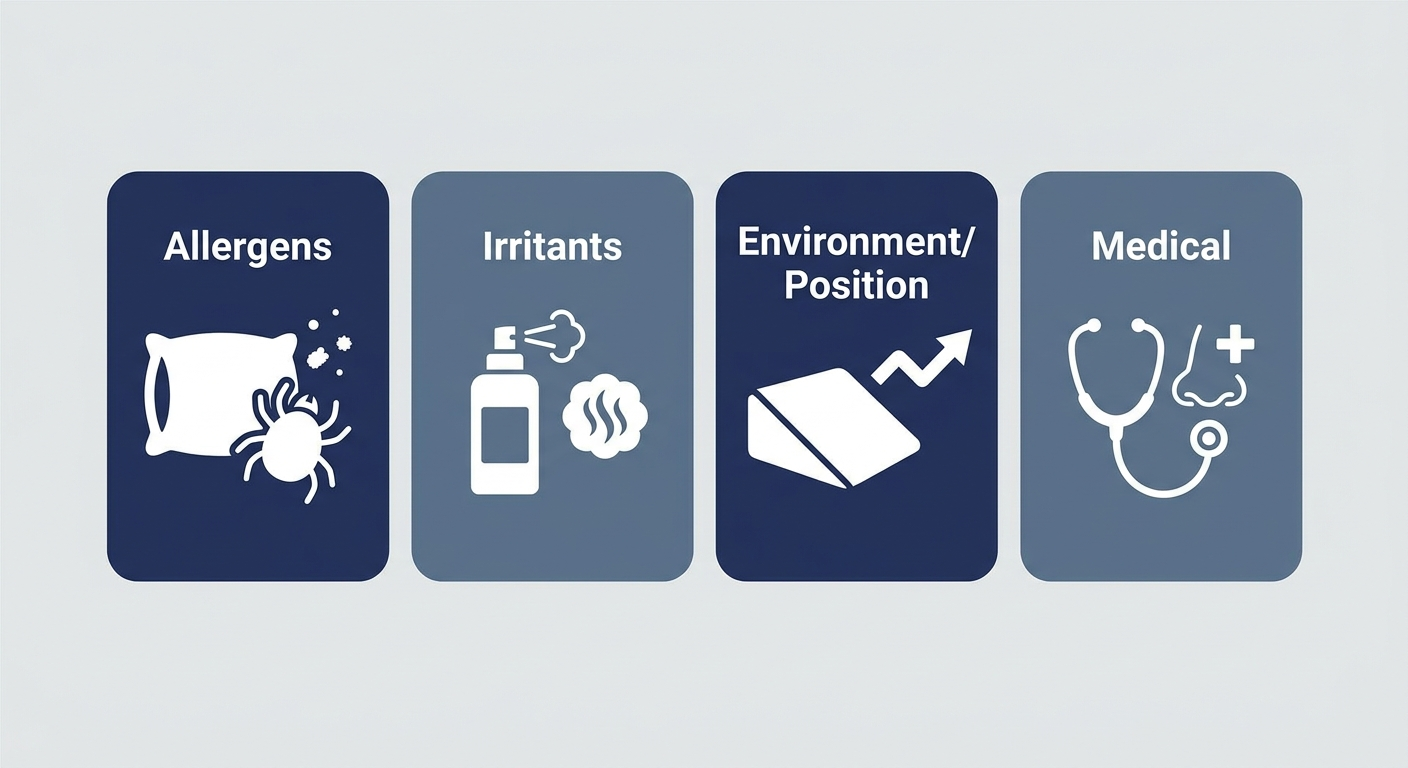
A simple way to think about waking up congested is “four buckets”: allergens, irritants, environment/position, and medical conditions. More than one bucket can apply at the same time—which is why a single “magic fix” doesn’t always work.
1) Allergic triggers in the bedroom (very common)
Many cases of allergy symptoms that are worse in the morning come down to what you breathe for 6–9 hours straight:
- Dust mites (bedding, pillows, carpets, upholstered furniture)
- Pet dander (often worse if pets sleep in the bedroom)
- Indoor mold (damp rooms, basements, or humidifiers that aren’t cleaned regularly)
- Pollen that gets indoors (on hair, skin, and clothing; open windows)
A common pattern: symptoms are worst upon waking and improve after you leave the bedroom or spend more time upright. This pattern may suggest bedroom triggers. Sources: Healthline: https://www.healthline.com/health/morning-allergies, AAAAI: https://www.aaaai.org/tools-for-the-public/conditions-library/allergies/colds-allergies-sinusitis
If dust mites are a likely trigger, Sleep and Sinus Centers of Georgia has a more detailed guide on allergen-proof mattress and pillow covers (often called dust-mite covers): https://sleepandsinuscenters.com/blog/dust-mite-covers-explained-ultimate-guide-to-allergy-protection
2) Non-allergic irritants (inflammation without a true allergy)
Sometimes the nose reacts strongly even when allergy testing is negative. Common triggers include:
- Cigarette smoke or vaping aerosols
- Strong fragrances (candles, air fresheners, laundry scents, cleaning products)
- Air pollution or smog
These can contribute to nonallergic rhinitis (also called vasomotor rhinitis), where the nasal lining becomes inflamed without an allergic cause. Source: Mayo Clinic: https://www.mayoclinic.org/diseases-conditions/nonallergic-rhinitis/symptoms-causes/syc-20351229
Think of irritants like “smoke in the eyes,” but for your nose: the tissue gets reactive and swollen, even without a classic allergy mechanism.
3) Environmental and physiological factors (how sleep changes your sinuses)
Even without allergens, overnight conditions can create nasal congestion at night and into the morning:
- Dry indoor air or low humidity can irritate nasal tissues and make them swell
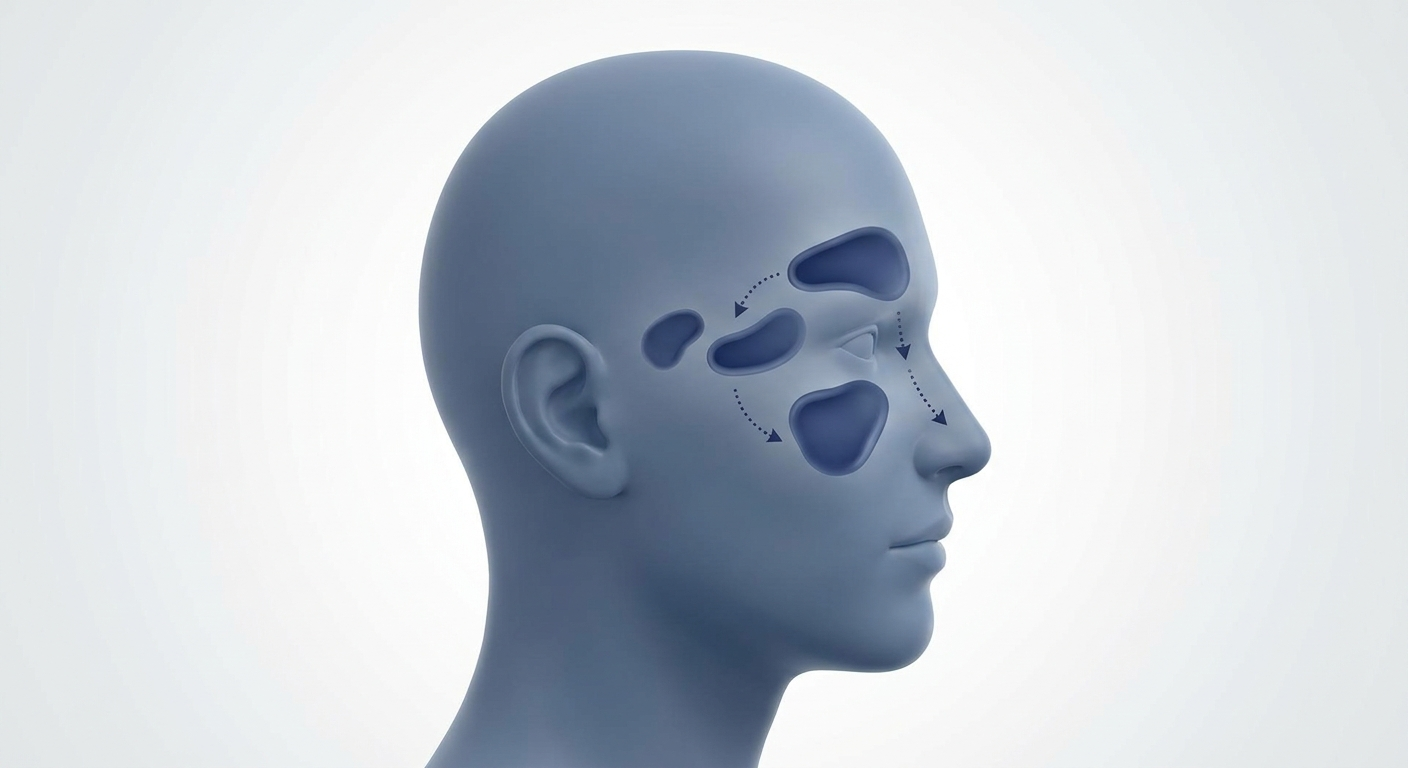
- Lying flat can reduce drainage, so mucus pools and feels more noticeable when you wake
- The normal “nasal cycle” can make one nostril feel more blocked—often more obvious at night
The Sleep Foundation discusses how sleep position and overnight factors can worsen morning stuffiness. Source: https://www.sleepfoundation.org/sleep-faqs/why-do-i-wake-up-with-stuffy-nose
If you recognize this pattern, you may also want to read: can’t breathe through your nose at night https://sleepandsinuscenters.com/blog/cant-breathe-through-nose-at-night
4) Medical conditions that can cause morning congestion
- Common cold or flu (often includes sore throat, body aches, fever; symptoms tend to last all day)
- Sinusitis (facial pain or pressure, thick discolored drainage, reduced smell; can be acute or chronic)
- Nonallergic rhinitis (ongoing congestion or runny nose without a clear allergic trigger)
- Nasal polyps (persistent blockage, reduced smell; often chronic)
- Pregnancy-related rhinitis (hormone-related swelling during pregnancy)
Sources: Mayo Clinic on nonallergic rhinitis: https://www.mayoclinic.org/diseases-conditions/nonallergic-rhinitis/symptoms-causes/syc-20351229, AAAAI: https://www.aaaai.org/tools-for-the-public/conditions-library/allergies/colds-allergies-sinusitis
Takeaway: Most morning congestion traces to bedroom exposures, irritants, dry air or position, or underlying nasal and sinus conditions.
How to Tell If It’s Allergies, Dry Air, or a Sinus Infection (Quick Self-Check)
Signs it’s more likely allergies
- Itchy or watery eyes, sneezing fits, clear runny nose
- Worse in the bedroom or during pollen season
- Improves after showering or changing clothes or with allergy-focused treatment
Source: Healthline: https://www.healthline.com/health/morning-allergies
Signs it’s more likely dry air or irritation
- Dry nose, burning, crusting, mild congestion without itchiness
- Worse in winter or when heating or AC runs frequently
Source: Mayo Clinic: https://www.mayoclinic.org/diseases-conditions/nonallergic-rhinitis/symptoms-causes/syc-20351229
Signs it may be sinusitis (consider evaluation if persistent or severe)
- Facial pain or pressure plus thick discolored mucus; mucus color alone does not confirm infection
- Symptoms lasting longer than about 10 days, or improving and then worsening again, may warrant medical evaluation
Source: AAAAI: https://www.aaaai.org/tools-for-the-public/conditions-library/allergies/colds-allergies-sinusitis
Takeaway: Track patterns, triggers, and duration—these clues can point you toward the right next step.
Effective Remedies (What Helps Most People Wake Up Clearer)
Because morning stuffiness often has multiple causes, the best results usually come from combining a few strategies—like lowering exposure at night, then calming inflammation and improving drainage.

Bedroom environment fixes (high impact for frequent morning congestion)
If your symptoms suggest bedroom allergens, these steps can reduce exposure:
- Wash bedding weekly (dust-mite control)
- Use allergen-proof covers for pillows and mattress
- Keep pets out of the bedroom (or at least off bedding)
- Reduce dust collectors (carpets, heavy curtains, extra pillows, stuffed items)
- Address moisture or mold and keep humidity in a moderate range
Source: Healthline: https://www.healthline.com/health/morning-allergies
Practical example: if you can’t remove carpet, focus on the sleep zone first—mattress and pillow covers plus weekly hot washing often gives the biggest return for the effort.

Humidity and air quality strategies
- If air is very dry, a humidifier may improve comfort (avoid making the room too humid, which can worsen mold and dust mites)
- Clean humidifiers regularly to reduce microbial buildup
- Consider HEPA filtration when allergens are suspected
The Sleep Foundation notes dry air as a contributor to waking with a stuffy nose. Source: https://www.sleepfoundation.org/sleep-faqs/why-do-i-wake-up-with-stuffy-nose
If you try a humidifier and notice more congestion, that’s a sign to reassess cleaning frequency and overall moisture levels.
Sleep-position changes to improve drainage
- Elevating your head (wedge pillow or bed risers) may help drainage
- If one nostril blocks consistently, switching sides may help due to positional effects
Source: Sleep Foundation: https://www.sleepfoundation.org/sleep-faqs/why-do-i-wake-up-with-stuffy-nose
For a deeper dive: Sleeping positions that help sinus drainage https://sleepandsinuscenters.com/blog/sleeping-positions-that-help-sinus-drainage
Nasal rinses or irrigation (simple, drug-free option)
- Saline spray can help mild dryness
- Saline rinse (neti pot or squeeze bottle) can help clear mucus and irritants
Important safety note: use distilled or sterile water, or water that has been previously boiled and cooled.
The Sleep Foundation lists nasal irrigation as a management strategy. Source: https://www.sleepfoundation.org/sleep-faqs/why-do-i-wake-up-with-stuffy-nose
If you’re wondering about frequency, see: how often to use nasal rinses https://sleepandsinuscenters.com/blog/nasal-rinses-how-often-should-you-use-them

OTC medication options (choose based on likely cause)
- Antihistamines: often used for sneezing, itching, and runny nose associated with allergies
- Intranasal steroid sprays: commonly used for ongoing nasal inflammation; typically work best with consistent use
- Decongestants: may provide short-term relief for some people, but aren’t appropriate for everyone (some medical conditions and medications can limit safe use)
Safety callout: topical decongestant nasal sprays can cause rebound congestion if used longer than directed.
Background sources: Mayo Clinic: https://www.mayoclinic.org/diseases-conditions/nonallergic-rhinitis/symptoms-causes/syc-20351229, AAAAI: https://www.aaaai.org/tools-for-the-public/conditions-library/allergies/colds-allergies-sinusitis
Takeaway: Pair environment fixes with symptom relief—most people need a combo to wake up clearer.
Lifestyle Tips to Prevent Waking Up Congested (Simple Daily Habits)
Nighttime routine
- Shower before bed during pollen season (helps remove pollen from hair and skin)
- Change clothes after being outdoors and keep worn clothes out of the bedroom
- Avoid strong fragrances or candles at night (common irritants)
Sources: Healthline: https://www.healthline.com/health/morning-allergies, Mayo Clinic: https://www.mayoclinic.org/diseases-conditions/nonallergic-rhinitis/symptoms-causes/syc-20351229
If you like scent products, consider testing a fragrance-free week. If morning congestion noticeably improves, irritants may be part of the picture.
Morning routine
- Saline spray or a gentle rinse upon waking may help clear mucus and irritants
- Hydration and a warm shower or steam can be comforting for some people
Takeaway: Small nightly and morning habits can lower exposure and make clearing easier.
When to See a Doctor or ENT (Red Flags)
Make an appointment if:
- Symptoms persist most mornings for weeks
- You suspect nasal polyps (reduced smell plus chronic blockage)
- You have frequent sinus infections or symptoms that aren’t improving with basic measures
Seek urgent care if:
- Trouble breathing, swelling around the eyes, high fever, severe headache or neck stiffness
- Rapidly worsening symptoms or concerning vision or neurologic changes
Source: AAAAI: https://www.aaaai.org/tools-for-the-public/conditions-library/allergies/colds-allergies-sinusitis
If allergies seem likely and symptoms are recurring, Sleep and Sinus Centers of Georgia offers allergy testing as a next-step evaluation option: https://sleepandsinuscenters.com/allergy-testing
Takeaway: Persistent, worsening, or complicated symptoms deserve a medical evaluation.
FAQs
Why do I only get congested at night and in the morning?
Common reasons include bedroom allergens, dry indoor air, and the way lying flat can slow drainage overnight. Source: Sleep Foundation: https://www.sleepfoundation.org/sleep-faqs/why-do-i-wake-up-with-stuffy-nose
Can dust mites really cause morning congestion?
Yes. Bedding is a major reservoir for dust mites, and symptoms can peak after hours in bed. Source: Healthline: https://www.healthline.com/health/morning-allergies
Is waking up congested a sign of a sinus infection?
Sometimes, but many cases are due to allergies, irritants, or nonallergic rhinitis. Clues that point more toward sinusitis include facial pain or pressure, thick discolored drainage, and longer duration; mucus color alone does not confirm infection. Source: AAAAI: https://www.aaaai.org/tools-for-the-public/conditions-library/allergies/colds-allergies-sinusitis
Does sleeping position really affect sinus drainage?
It can. Lying flat may worsen drainage and increase congestion—sometimes more on the down side. Source: Sleep Foundation: https://www.sleepfoundation.org/sleep-faqs/why-do-i-wake-up-with-stuffy-nose
What’s the best quick remedy when I wake up stuffed up?
Many people find a practical combination works best: reduce bedroom triggers (dust, pets, humidity), consider head elevation at night, and use saline spray or rinses for clearing. Sources: Sleep Foundation: https://www.sleepfoundation.org/sleep-faqs/why-do-i-wake-up-with-stuffy-nose, Healthline: https://www.healthline.com/health/morning-allergies
Conclusion (Key Takeaways + Next Step)
If you’re waking up congested, the most common culprits are bedroom allergens, dry air or irritants, and drainage changes from lying down. The good news is that morning congestion often improves with targeted environmental changes (bedding, pets, dust, humidity), a sleep setup that supports drainage, and symptom relief that matches the likely cause.
When waking up congested becomes frequent, worsens, or starts affecting sleep quality, an evaluation can help clarify whether allergies, chronic rhinitis, sinusitis, or structural issues are playing a role—so you can move from guesswork to a clearer plan.
Next step: If you’re ready to get to the bottom of persistent morning congestion, consider booking an appointment with Sleep and Sinus Centers of Georgia: https://www.sleepandsinuscenters.com/
References
- Sleep Foundation: Why do I wake up with a stuffy nose? https://www.sleepfoundation.org/sleep-faqs/why-do-i-wake-up-with-stuffy-nose
- Healthline: Morning allergies https://www.healthline.com/health/morning-allergies
- Mayo Clinic: Nonallergic rhinitis https://www.mayoclinic.org/diseases-conditions/nonallergic-rhinitis/symptoms-causes/syc-20351229
- AAAAI: Colds, allergies, sinusitis https://www.aaaai.org/tools-for-the-public/conditions-library/allergies/colds-allergies-sinusitis
Medical disclaimer: This article is for general information only and is not a substitute for professional medical advice, diagnosis, or treatment. If you have urgent symptoms or trouble breathing, seek emergency care.
This article is for educational purposes only and is not medical advice. Please consult a qualified healthcare provider for diagnosis and treatment.
Don’t let allergies slow you down. Schedule a comprehensive ENT and allergy evaluation at Sleep and Sinus Centers of Georgia. We’re here to find your triggers and guide you toward lasting relief.