
How to Get Rid of a Stuffy Nose Fast: Effective Home Remedies and Treatments
A blocked nose can make it hard to sleep, focus, or even taste your food. If you’re searching for how to get rid of a stuffy nose fast, the good news is that many cases improve with simple, supportive steps—especially when you match the remedy to the cause (like a cold vs. allergies vs. dry air).
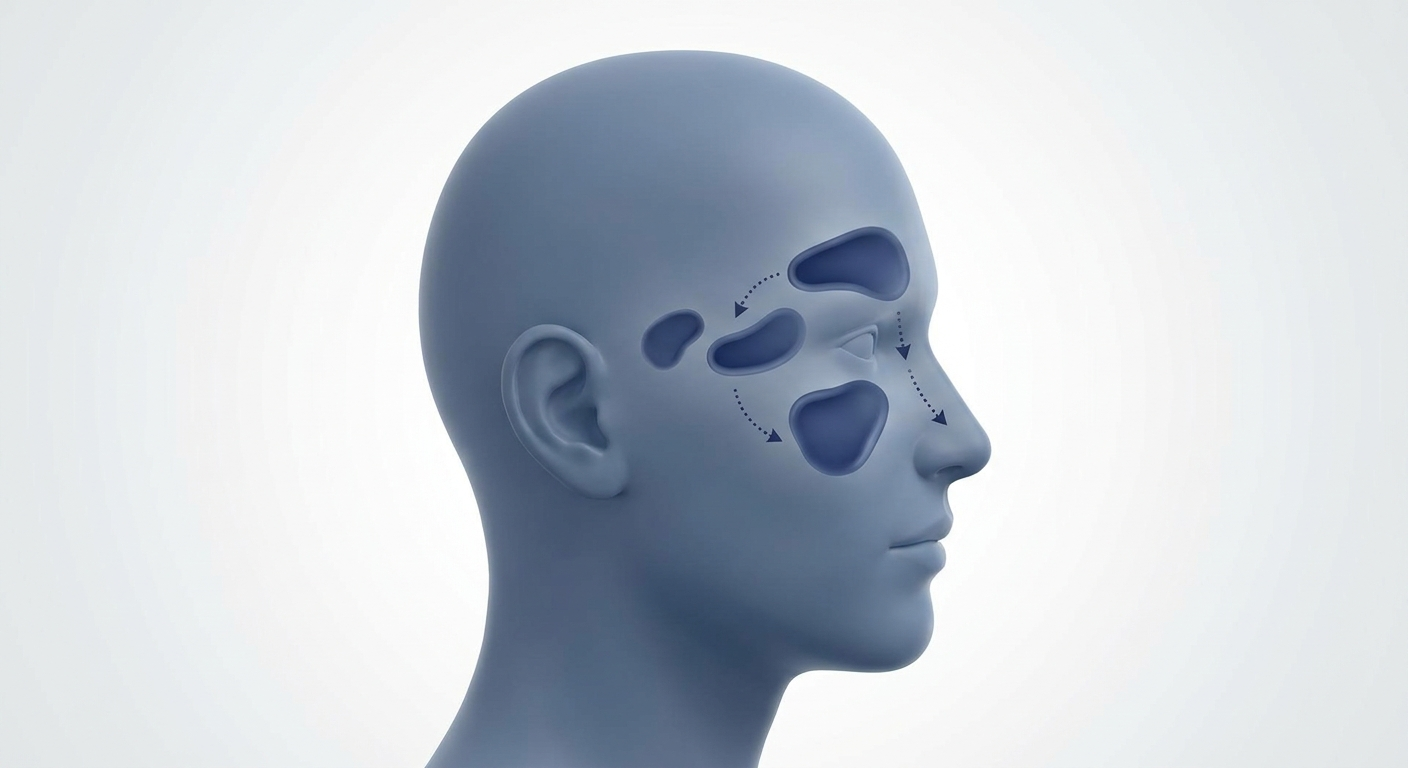
Think of your nasal passages like a narrow hallway lined with soft tissue. When that lining gets irritated, it can swell inward, shrinking the “walking space” for air—even if there isn’t a ton of mucus to blow out. The goal of most remedies is to calm swelling, thin mucus, and gently clear irritants.
Below are practical, patient-friendly options that may provide quick congestion relief, plus safe-use tips for common over-the-counter products and guidance on when symptoms may need medical evaluation.
Bottom line: Most congestion care works by adding moisture, easing swelling, and clearing irritants—then reassessing what’s helping based on the likely cause.
Quick answer: What might clear a stuffy nose quickly?
Common at-home options that may provide quick relief:
• Steam or a warm shower to loosen mucus and soothe irritation. (NHS; Healthline)
• Saline spray or a saline nasal rinse to flush mucus, allergens, and irritants. (NHS; Healthline)
• Hydration and warm fluids may help thin mucus for some people. (Healthline)
• Elevate your head (especially at night); this may make breathing feel easier while lying down. (Healthline)
• OTC decongestant (oral or nasal spray) if appropriate for you, used as directed—not suitable for everyone, especially people with certain medical conditions or medication interactions. (Cleveland Clinic)
A common self-care approach is to start with saline and steam, then reassess. For example: rinse or spray first, take a warm shower, gently blow your nose, hydrate, and elevate your head when you lie down.
These approaches can bring quick relief, but how fast you improve depends on what’s causing the congestion (for example, a viral cold vs. seasonal allergies).
Bottom line: Start simple (saline + steam), stay hydrated, and use OTC options thoughtfully if they’re safe for you.
What does a “stuffy nose” actually mean?
A “stuffy nose” usually isn’t just “stuff” stuck in your nose. Congestion is often driven by swelling and inflammation inside the nasal passages, plus extra mucus your body produces in response to irritation.
A helpful way to frame it: mucus is often the symptom you notice, but swelling is frequently the reason the airflow feels blocked.
Congestion vs. runny nose (why you can feel blocked without “stuff”)
You can feel completely blocked even if you aren’t actively dripping. That’s because inflamed nasal tissue narrows the airway, reducing airflow. Common triggers include colds, allergies, irritants (like smoke or strong fragrances), and sinus inflammation. (Mayo Clinic)
This is why people sometimes say, “I blew my nose and nothing came out—but I still can’t breathe.” The issue may be swelling more than “backup.”
Symptoms that often come with nasal congestion
Nasal congestion commonly comes with:
• Trouble breathing through the nose
• Mouth breathing (especially during sleep)
• Pressure or fullness in the face
• Reduced sense of smell/taste
• Post-nasal drip (mucus draining into the throat)
• Snoring or disrupted sleep (Mayo Clinic)
If you’re congested at night, the sleep impact can be outsized. Even “mild” congestion can lead to dry mouth, frequent waking, and feeling worn down the next day.
Bottom line: Congestion often reflects swollen nasal tissue more than excess mucus—so soothing inflammation can be just as important as clearing drainage.
Common causes of a stuffy nose (so you choose the right fix)
If you’re trying to figure out how to get rid of a stuffy nose fast, identifying likely triggers helps you choose the most effective approach.
A practical rule of thumb: clear, watery symptoms often point toward irritation/allergies, while thicker symptoms and facial pressure can come with inflammation during a cold. Either way, many first-line steps (saline, steam, hydration) are still useful.
Viral cold (most common)
With a cold, congestion often appears along with a runny nose, mild sore throat, cough, or general “under the weather” feeling. Treatment is typically supportive—your body clears the virus over time while you manage symptoms. (NHS; Mayo Clinic)
Many people notice symptoms fluctuate—better in the afternoon, worse at night. That’s common, and it’s one reason bedtime routines (saline, steam, elevation) can matter.
Allergies (seasonal or indoor)
Allergies often involve congestion plus sneezing, itchy/watery eyes, and clear, watery drainage. The best relief usually comes from reducing exposure and using allergy-targeted therapies. (Mayo Clinic)
Concrete examples:
• Seasonal pollen: symptoms can spike after outdoor time or on windy days.
• Indoor triggers: symptoms may be worse in the bedroom, around pets, or when cleaning.
Dry air and irritants
Indoor heating, low humidity, smoke, pollution, and strong scents can inflame nasal tissues and dry the lining of the nose, making congestion feel worse. (Mayo Clinic)
If you feel “stuffy but dry,” or wake up with crusting/irritation, dry air may be part of the problem—especially in winter.
Sinus inflammation or possible sinus infection (when to suspect it)
People often label any facial pressure as a “sinus infection,” but symptoms can come from inflammation that isn’t bacterial. Watch for thicker drainage, facial discomfort/pressure, and symptoms that worsen rather than steadily improve. Many cases still start with symptom relief and monitoring rather than immediate antibiotics. (Mayo Clinic; NHS)
If you’re unsure, a helpful question is: “Am I slowly trending better—or am I clearly getting worse?”
Bottom line: Match your approach to the likely cause; colds, allergies, dry air, and sinus inflammation can look similar but may respond best to slightly different strategies.
Fast home remedies to try first (safe, patient-friendly)
These nasal congestion home remedies are often a good first step, especially for colds, dry air irritation, or mild allergy symptoms.
A clinician-style way to put it: these steps aim to moisturize, mobilize, and move mucus out—without irritating already-inflamed tissue.
1) Steam inhalation (shower or bowl method)
Why it may help: Moist, warm air can loosen secretions and soothe irritated nasal passages. Many people find steam for congestion especially helpful before bed. (NHS; Healthline)
Try this:
• Take a warm shower for 10–15 minutes and breathe in the humid air.
• Keep the bathroom door closed briefly to build gentle humidity.
Practical tip: If your nose feels sealed shut, try a minute of slow breathing in the steamy air before attempting to blow your nose.
Safety note: Steam can burn. Avoid very hot water, and closely supervise children.

2) Saline spray or saline rinse (neti pot/squeeze bottle)
Why it may help: Saline adds moisture and helps rinse out mucus, allergens, and irritants. A saline nasal rinse can be especially useful if congestion feels thick or sticky. (NHS; Healthline)
How to use a saline rinse (simple steps):
1. Lean over a sink with your head slightly down and turned to one side.
2. Breathe through your mouth.
3. Gently pour/squeeze saline into the upper nostril and let it drain out the other nostril (or into the sink).
4. Gently blow your nose afterward (don’t force it).
Tip: If you use a medicated spray, some people prefer rinsing first so medication can contact the nasal lining more evenly.
For safety reminders (like water choice and cleaning), see our neti pot safety tips: https://sleepandsinuscenters.com/blog/neti-pot-safety-tips-essential-steps-for-safe-nasal-irrigation

3) Hydration (plus warm drinks)
Why it may help: Fluids can help thin mucus for some people, making it easier to drain. (Healthline)
Simple options:
• Water throughout the day
• Warm tea
• Broth or soup
If you’re mouth-breathing due to congestion, you may feel extra dry—another reason steady hydration can make a noticeable difference.

4) Elevate your head (especially at night)
Why it may help: Lying flat can increase the sensation of nasal blockage. Elevating your head may make breathing feel easier while lying down. (Healthline)
Try:
• An extra pillow, or a wedge pillow for more consistent elevation
(For infants and young children, safe sleep guidance is important—avoid unsafe positioning.)
A quick test: if you breathe better sitting up than lying down, elevation is likely to help.

5) Humidifier (especially in winter)
Humidifiers can make indoor air more comfortable and help prevent nasal passages from drying out—useful if your congestion is linked to dry air or heating. (NHS)
Quick reminder: Clean humidifiers as directed to reduce mold and buildup. If you notice a musty smell or visible residue, it’s a sign the unit needs attention.
Bottom line: Gentle humidity, saline rinses, steady fluids, and smart sleep positioning are low-risk first steps many people find helpful.

Over-the-counter treatments that can help (and how to use them safely)
OTC options can help with quicker relief, but they’re not one-size-fits-all. Labels, dosing instructions, and your health history matter.
If you’re standing in the pharmacy aisle, it may help to focus on your main symptom:
• “My nose feels swollen shut” → a decongestant may help (if safe for you).
• “My allergies are flaring” → an antihistamine may be more targeted.
Oral decongestants
What they do: Oral decongestants reduce swelling in nasal tissues by acting on blood vessels, which can improve airflow. (Cleveland Clinic)
Who may need extra caution: People with high blood pressure, certain heart conditions, thyroid disease, glaucoma, enlarged prostate, pregnancy, or those taking specific medications may need to check with a pharmacist or clinician before using these products. (Cleveland Clinic)
If you’re unsure, a pharmacist can often give a quick, practical “yes/no” based on your medical history and current meds.
Decongestant nasal sprays (often provides fast relief for some people—use carefully)
Why they can feel fast: Sprays act locally on nasal blood vessels, so relief may be quick for some people. (Cleveland Clinic)
Key safety rule: Use medicated decongestant sprays only as directed on the label to reduce the risk of rebound congestion (rhinitis medicamentosa). (Cleveland Clinic)
What is rebound congestion? It’s when the spray seems to stop working and congestion can return—sometimes feeling worse—after repeated use.
If you’re dealing with this, read more about rebound congestion/Afrin rebound congestion (including how long symptoms can last) here: https://sleepandsinuscenters.com/blog/afrin-rebound-how-long-does-nasal-congestion-last-after-use
For help comparing options, see this overview of choosing the right nasal spray (steroid vs saline vs decongestant): https://sleepandsinuscenters.com/blog/best-nasal-spray-for-sinusitis-steroid-vs-saline-vs-decongestant
Pain relievers (if pressure/headache comes with congestion)
Some OTC pain relievers can reduce discomfort from facial pressure or headache while you’re using other methods (like saline and humidity) to address swelling and mucus. (NHS)
Pain relief may help with rest, which can be important while recovering from a cold.
Antihistamines (best when allergies are the driver)
Antihistamines can be especially helpful when congestion is paired with sneezing, itching, or watery eyes. They may be less helpful for purely viral congestion. (Mayo Clinic)
If your symptoms reliably show up after exposure (pets, dust, pollen), that pattern can be a clue that allergy-focused treatment is more likely to pay off.
Quick OTC checklist
Before buying or combining products, it can help to ask:
• Are you treating allergies or a cold?
• Are you using a decongestant spray longer than recommended (risk of rebound congestion)? (Cleveland Clinic)
• Do you have conditions or medications that limit decongestant use? (Cleveland Clinic)
Bottom line: OTCs can help, but choose based on your main symptom and health history—when in doubt, ask a pharmacist or clinician.
What NOT to do (common mistakes that can prolong congestion)
Don’t overuse medicated decongestant sprays
Overuse is a common reason people feel stuck in a cycle of congestion. Follow label directions closely to reduce rebound risk. (Cleveland Clinic)
A simple way to think about it: these sprays can be useful for short periods, but they’re not designed to become a daily habit.
Don’t ignore worsening or persistent symptoms
If symptoms are getting worse, not gradually improving, or lasting beyond what you’d expect for a typical cold, it may be time to reassess the cause. (Mayo Clinic; NHS)
Bottom line: Short-term tools should help you trend better—if not, step back and reassess the cause or seek guidance.
When to see a doctor for a stuffy nose (red flags)
When to consider medical care for nasal congestion:
• Congestion lasts more than 10 days or keeps coming back. (Mayo Clinic)
• You have a high fever, severe facial pain, or symptoms that are getting worse rather than better. (Mayo Clinic; NHS)
• Trouble breathing, significant chest symptoms, or severe swelling. (Mayo Clinic)
Also, infants, older adults, and people who are immunocompromised may need earlier evaluation.
If you feel uncertain—especially if symptoms are changing quickly—it’s reasonable to call for medical guidance rather than trying to push through it.
Bottom line: Persistent, worsening, or severe symptoms deserve medical attention—earlier for vulnerable groups.
Lifestyle tips to help prevent congestion from returning
If you frequently search how to get rid of a stuffy nose fast, prevention can reduce how often you have to.
Reduce exposure to triggers
• During high pollen seasons, keep windows closed when possible and consider showering/changing clothes after outdoor time.
• For dust/pets, prioritize bedroom strategies (washing bedding regularly; keeping sleeping areas cleaner). (Mayo Clinic)
If nighttime is consistently the worst, focusing on the bedroom first is often the most efficient change.
Keep indoor air comfortable
• Aim for comfortable humidity (not overly dry, not overly damp).
• Avoid smoke and strong fragrances that can irritate nasal tissue. (Mayo Clinic)
Build a “congestion kit” for home
Consider keeping:
• Saline spray or rinse supplies
• A humidifier (and cleaning supplies)
• Thermometer
• Tissues
• OTC products you tolerate well (as appropriate)
Having supplies ready can help you treat symptoms early—before swelling and irritation build momentum.
Bottom line: Minimize triggers, manage indoor air, and keep a few go-to tools on hand so you can act early.
FAQs (patient-friendly)
How can I unblock my nose in 5 minutes?
For quick, practical relief, many people try:
• A few minutes of steam (warm shower or steamy bathroom)
• Saline spray followed by gentle nose blowing
If appropriate for you, an OTC decongestant may also help. (NHS; Healthline; Cleveland Clinic)
Is it safe to use a decongestant spray every day?
Not long-term. Using medicated decongestant sprays beyond the recommended timeframe can increase the risk of rebound congestion, where the nose feels more blocked once the spray wears off. (Cleveland Clinic)
Why is my nose stuffy at night but fine during the day?
Common reasons include lying flat, dry indoor air, and bedroom triggers like dust or pet dander. Elevation, saline, and a humidifier can help. (Healthline; Mayo Clinic)
If mornings are the worst, see our guide: https://sleepandsinuscenters.com/blog/woke-up-with-a-blocked-nose-fast-relief-guide
How long should congestion last with a cold?
Many people improve within about a week, though timelines vary. If symptoms persist or worsen, it may be time to consider other causes (like allergies or sinus inflammation). (NHS; Mayo Clinic)
When is congestion a sign of something more serious?
Red flags include symptoms lasting more than 10 days, high fever, severe facial pain, worsening symptoms, or breathing difficulties. (Mayo Clinic)
Bottom line: If simple steps aren’t helping or red flags appear, it’s time to seek medical guidance.
Conclusion
If you’re looking for how to get rid of a stuffy nose fast, start with simple, low-risk strategies: steam, saline rinses, hydration, and head elevation. OTC options can add relief when used thoughtfully—especially decongestants, which may work quickly for some people but require careful, short-term use to avoid rebound congestion. (NHS; Healthline; Cleveland Clinic)
A healthcare provider can help you evaluate possible triggers and longer-term options if congestion is frequent, persistent, or affecting your sleep and quality of life. If you’d like local care, Sleep and Sinus Centers of Georgia offers evaluation and tailored treatment plans. To get started, book an appointment: https://www.sleepandsinuscenters.com/
Medical disclaimer: This article is for informational purposes only and does not replace medical advice, diagnosis, or treatment. If you have severe symptoms or are concerned about your health, seek professional medical care.
This article is for educational purposes only and is not medical advice. Please consult a qualified healthcare provider for diagnosis and treatment.
Sources
• Mayo Clinic – Nasal congestion: when to see a doctor https://www.mayoclinic.org/symptoms/nasal-congestion/basics/when-to-see-doctor/sym-20050644
• Cleveland Clinic – Nasal decongestants + rebound congestion warning https://my.clevelandclinic.org/health/drugs/24923-nasal-decongestant
• Healthline – Natural decongestants (steam, hydration, saline strategies) https://www.healthline.com/health/natural-decongestant
• NHS – Common cold treatment (supportive care, symptom relief) https://www.nhs.uk/conditions/common-cold/treatment/
Don’t let allergies slow you down. Schedule a comprehensive ENT and allergy evaluation at Sleep and Sinus Centers of Georgia. We’re here to find your triggers and guide you toward lasting relief.