Vitamin D Deficiency and Recurrent Sinus Infections: Causes, Symptoms, and Treatment
If you feel like you’re “always getting a sinus infection,” you’re not alone. Recurrent sinus flare-ups can mean days (or weeks) of congestion, facial pressure, thick drainage, poor sleep, and a lingering cough—only to have symptoms return again a month later. For many people, the issue isn’t just germs. Ongoing inflammation inside the nose and sinuses—often called chronic rhinosinusitis (CRS)—can play a major role.
Vitamin D is often thought of as a “bone vitamin,” but it also helps regulate immune function and inflammatory responses. Research reviews have found that vitamin D deficiency is common in people with CRS, and lower levels may be associated with worse inflammation and more severe symptoms—especially in people with nasal polyps. In some studies, supplementation improved symptoms for certain patients.¹ ²
Bottom line: for some people, immune balance and inflammation link vitamin D status with stubborn sinus symptoms. Vitamin D is not a cure-all, but testing and addressing low levels may be a helpful part of a broader sinus plan.¹ ²
If your pattern sounds like, “I get better for a bit, then I’m right back to pressure, drainage, and fatigue,” inflammation (not just infection) may be driving the cycle—so addressing every contributor, including possible vitamin D deficiency, can be more effective than repeating short-term fixes.
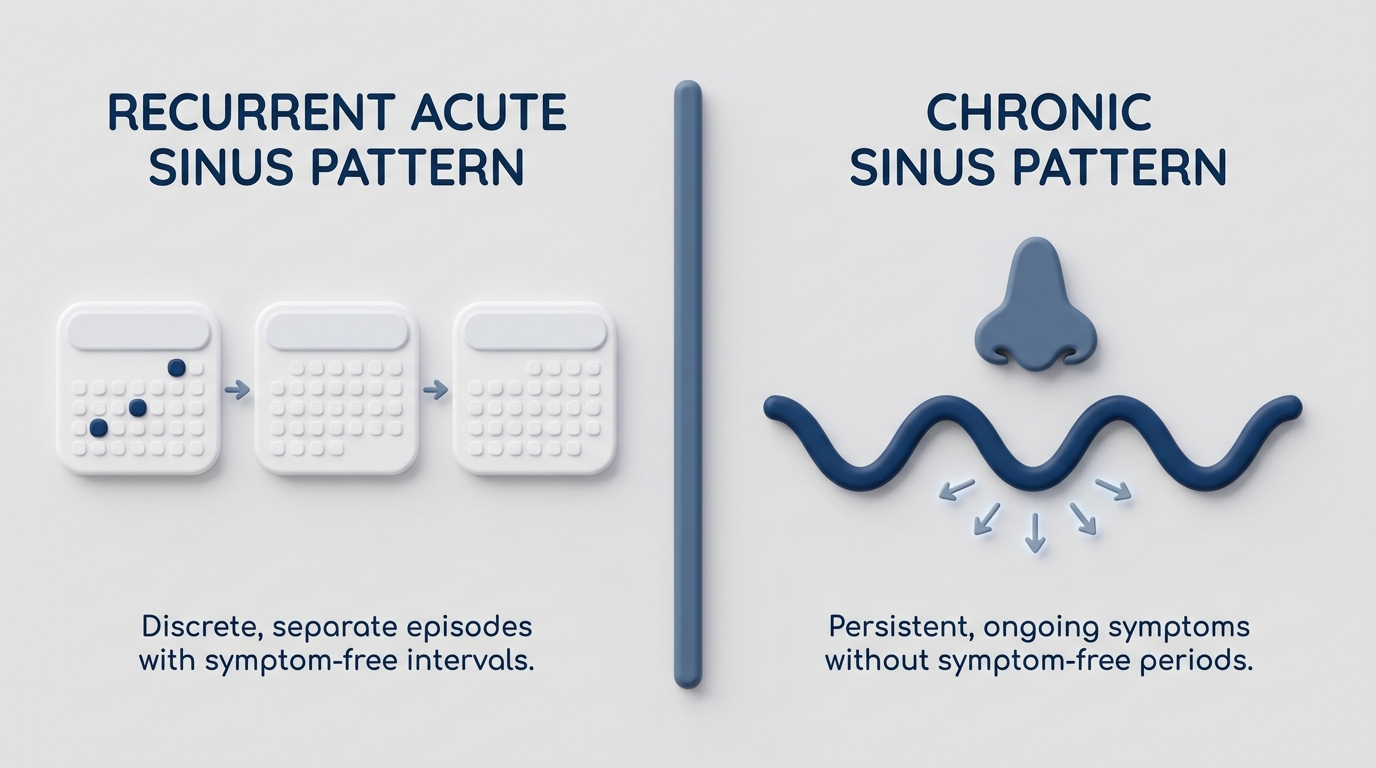
What Counts as “Recurrent Sinus Infections” vs Chronic Sinusitis?
Understanding which pattern you have matters, because treatments differ. For a deeper breakdown, see this guide on acute vs. chronic sinusitis: https://sleepandsinuscenters.com/blog/acute-vs-chronic-sinusitis-key-differences-and-treatment-options
Recurrent acute sinusitis (repeat infections)
- Multiple separate sinus infections per year with clear improvement between episodes
- Example: you’re fine for most of March, develop a new episode in April with thick drainage and facial pressure, recover, and it happens again in June
Chronic rhinosinusitis (CRS)
- Symptoms lasting 12 weeks or longer, often driven more by inflammation than an ongoing bacterial infection
- Can occur with or without nasal polyps
- Many people say symptoms never fully reset; you may have a low-grade baseline with occasional flares
Why the distinction matters for treatment
- In CRS, repeated antibiotics often aren’t the main answer because inflammation and drainage issues are bigger drivers
- The vitamin D discussion fits most closely with inflammatory CRS, including CRS with nasal polyps, where immune regulation matters most¹ ²
Summary: When symptoms never fully reset, think “inflammation first,” not just “infection again.”
The Vitamin D–Sinus Connection
How vitamin D supports immune balance
- Vitamin D influences immune signaling, helping the body respond to threats while also dialing down excessive inflammation when appropriate
- Deficiency is frequently reported in people with CRS¹ ²
Why low vitamin D may worsen sinus inflammation
- Low levels have been associated with increased inflammatory activity in sinus tissues and with more severe CRS findings in some groups¹
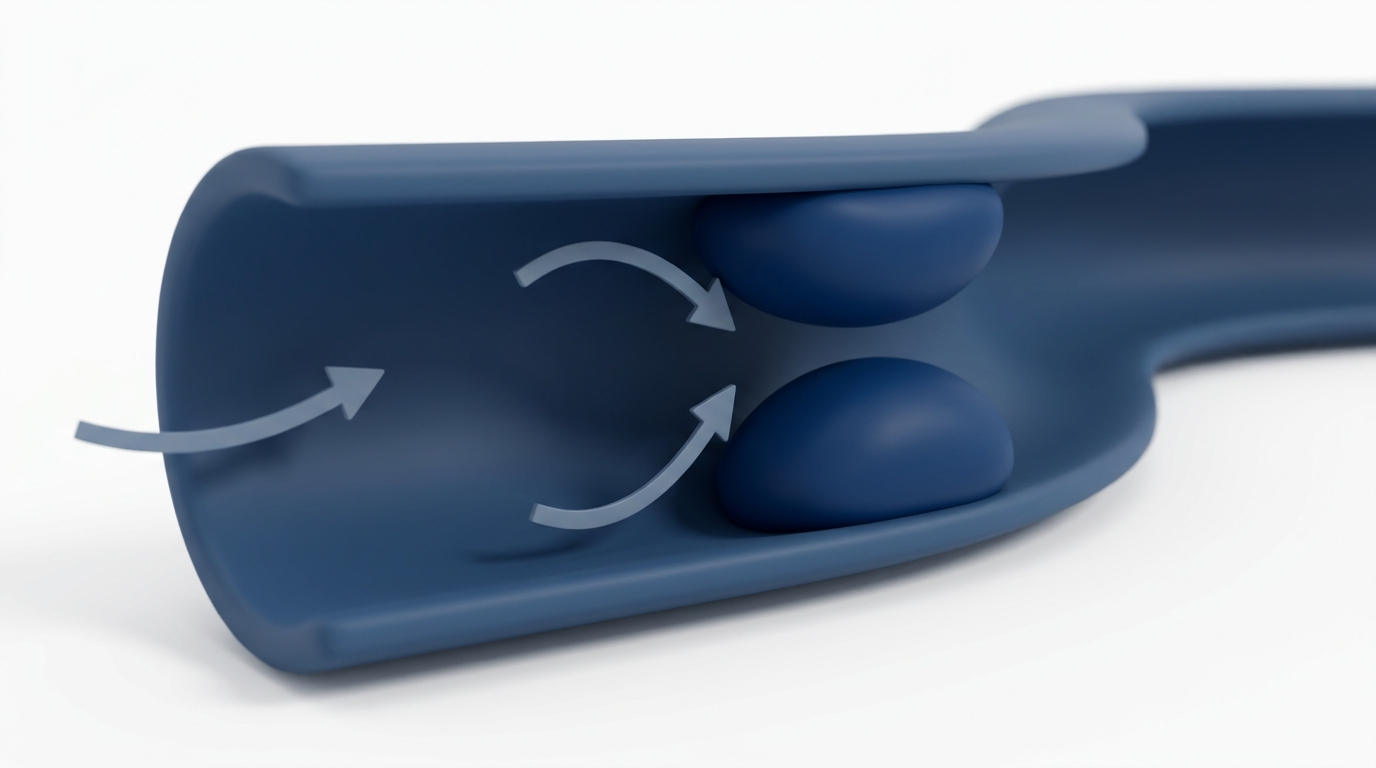
- More inflammation means more swelling, narrower drainage pathways, and more stubborn symptoms
Hypothetical example of how a clinician might explain it: “When the lining stays swollen, the sinuses can’t ventilate and drain well—so everything backs up.”
Stronger link in nasal polyps
- Reviews note that lower vitamin D levels are often associated with more severe disease in CRS with nasal polyps¹ ²
- Polyps can physically block airflow and drainage, making congestion and smell loss especially common
Hypothetical patient perspective: “I can breathe a little after treatment, but my sense of smell still doesn’t come back.”
Summary: Vitamin D doesn’t fight infections by itself—but it may influence how intense and prolonged sinus inflammation becomes.¹ ²
Signs and Symptoms to Watch For
Common symptoms of recurrent sinus infections or CRS
- Nasal congestion or obstruction
- Facial pressure or pain
- Thick nasal drainage and/or post-nasal drip
- Reduced smell and taste
- Cough (often worse at night)
- Fatigue and poor sleep quality
- Low-grade fever (more common in acute infections; uncommon in CRS)
Tip: symptoms don’t always arrive as a neat package—some people have mostly pressure and fatigue; others have mostly drainage and cough.
Possible symptoms of vitamin D deficiency (often subtle)
- Fatigue or low energy
- Frequent infections
- Muscle weakness or aches
- Low mood (nonspecific and not diagnostic)
Because these symptoms overlap with many common conditions, a blood test is often the only practical way to confirm whether vitamin D is low.
When symptoms suggest something beyond “just another sinus infection”
- Symptoms lasting more than 10 days without improvement, or worsening after initial improvement
- Frequent recurrences
- Poor response to typical therapies
- Signs of nasal polyps (significant blockage, reduced smell)
Note: Sinus symptoms can overlap with allergies, reflux, and structural blockage. A precise diagnosis can prevent months of trial-and-error treatment.
Summary: If your symptoms linger or keep returning, consider an evaluation for inflammation, allergies, and polyps—not just infection.
Causes and Risk Factors
Why sinus infections keep coming back
- Untreated or undertreated allergies
- Chronic inflammation/CRS
- Nasal polyps
- Deviated septum or narrow drainage pathways
- Smoke/irritants and dry air
- Immune factors (including nutrient deficiencies)
Why vitamin D deficiency happens
- Limited sun exposure (season, indoor lifestyle, sunscreen use)
- Darker skin (reduced vitamin D production from sunlight)
- Older age
- Higher body weight (greater body fat volume can lower circulating vitamin D via volumetric distribution and sequestration—not a judgment on weight, but a factor in bioavailability)
- Low dietary intake
- Malabsorption conditions
- Certain medications
The evidence-based association in CRS
- Reviews describe a higher prevalence of vitamin D deficiency among CRS patients and link lower levels with worse inflammatory findings and symptom severity in some CRS subtypes¹ ²
Summary: Multiple factors fuel recurrent sinus problems; low vitamin D can be one of them—especially in inflammation-driven CRS.¹ ²
How to Find Out If Vitamin D Is Part of Your Sinus Problem
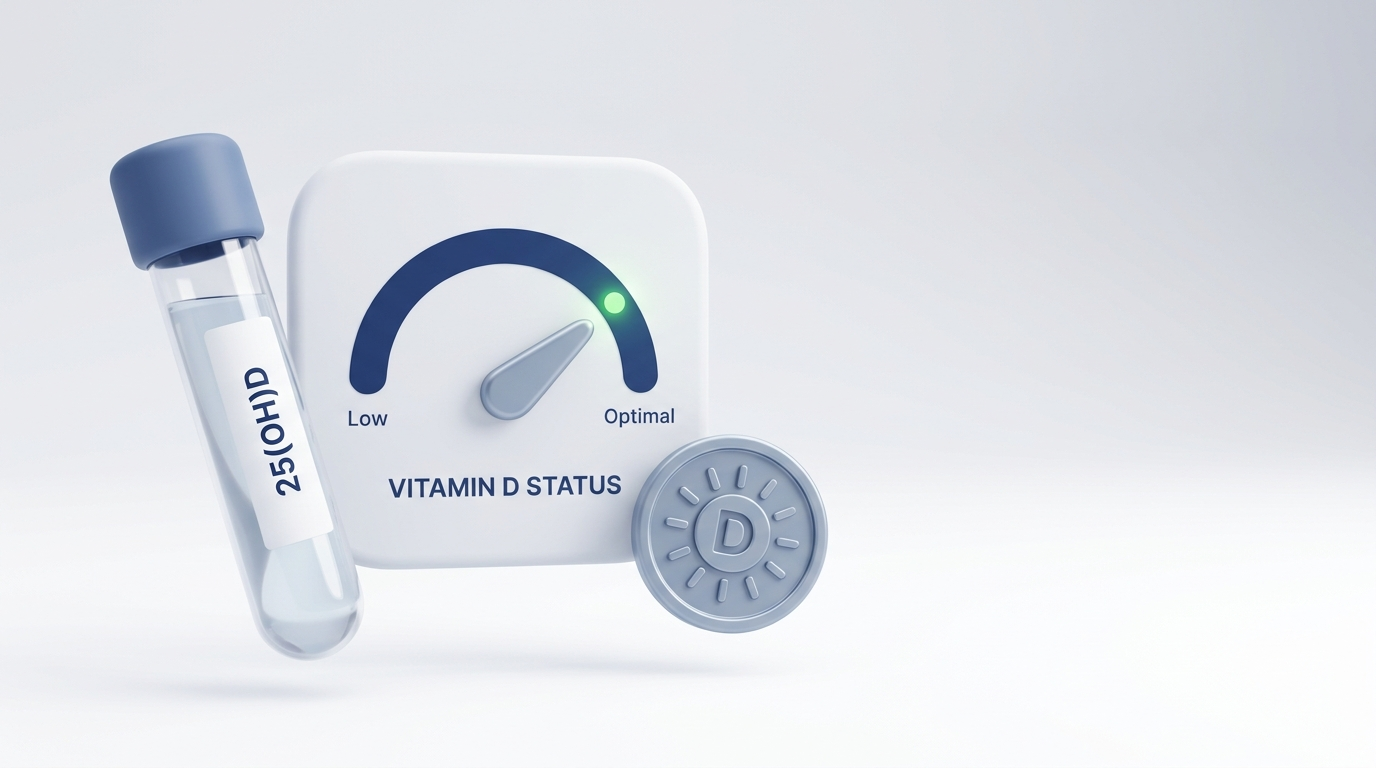
Ask your clinician about a 25(OH)D blood test
- The standard lab is 25-hydroxyvitamin D, written as 25(OH)D
- It helps determine whether your level is low, adequate, or high
If your sinus issues are recurring or persistent, consider asking: “Can we check my vitamin D level along with other risk factors?”
What else an ENT may evaluate in recurrent sinus symptoms
- Nasal endoscopy (a detailed look inside the nasal passages)
- CT scan of the sinuses (when appropriate)
- Allergy evaluation when triggers are suspected: https://sleepandsinuscenters.com/allergy-testing
These tools help separate “repeat infections” from “ongoing inflammation,” and identify polyps or anatomic blockage that might be preventing normal drainage.
Don’t self-diagnose recurrent “infection”
- Many episodes that feel like “another sinus infection” are actually viral, allergic, or inflammatory
Summary: Testing—both for vitamin D and for sinus anatomy/inflammation—helps match the right treatment to the right problem.
Treatment Options
This section is educational and not personalized medical advice. Your best plan depends on whether you have recurrent acute infections, CRS, polyps, allergies, or structural blockage. For general background on chronic sinusitis care, see: https://sleepandsinuscenters.com/chronic-sinusitis
First-line sinus care (often helpful regardless of vitamin D)
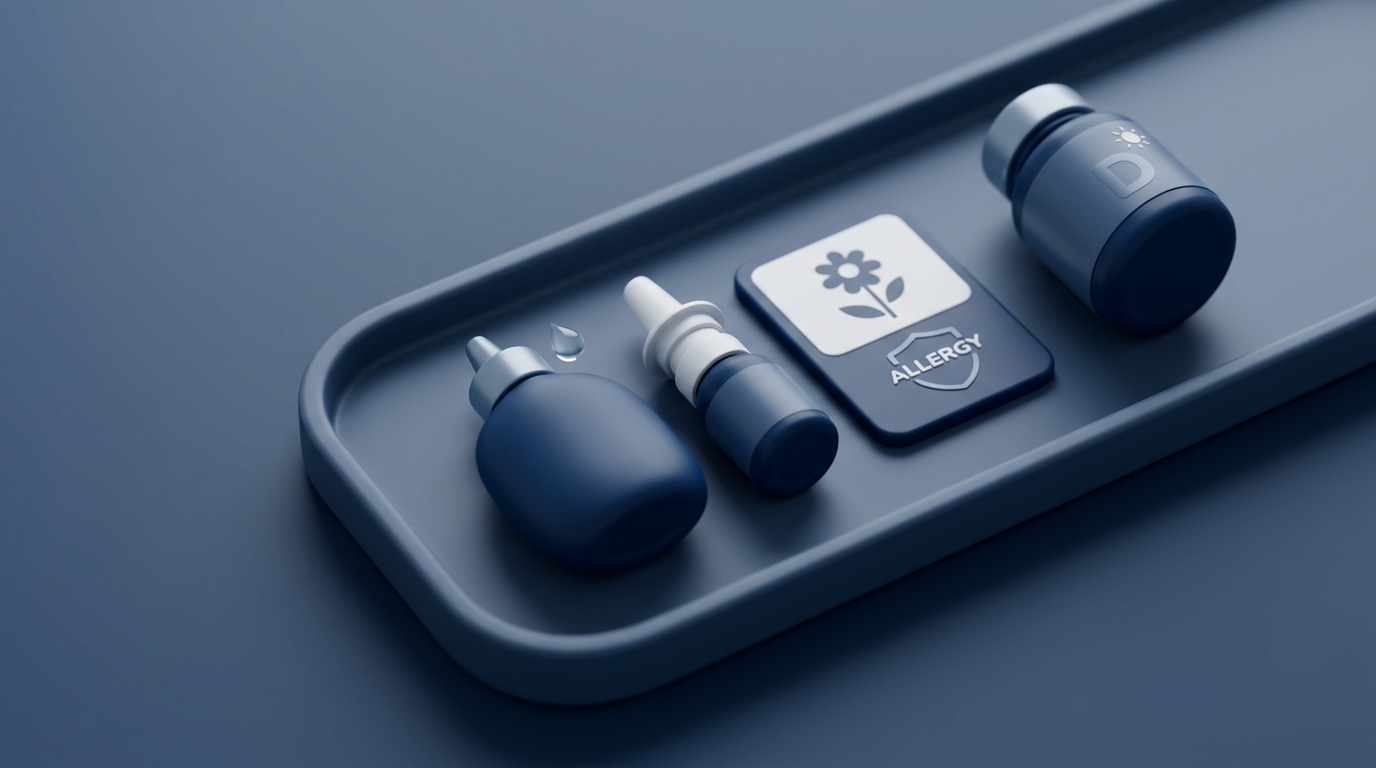
- Saline irrigation to flush mucus and irritants (use proper technique and sterile/distilled or previously boiled and cooled water)
Practical read: https://sleepandsinuscenters.com/blog/nasal-rinses-how-often-should-you-use-them
- Intranasal steroid sprays to reduce inflammation
- Allergy management (avoidance strategies, appropriate medications, and immunotherapy when indicated)
- Antibiotics only when bacterial infection is likely and clinician-guided (not routinely helpful for inflammatory CRS)
Quick check: if symptoms keep returning and antibiotics only help briefly (or not at all), inflammation, obstruction, or allergies may be bigger drivers than bacteria.
Vitamin D supplementation as an adjunct (what research suggests)
- Reviews note that supplementation has shown symptom improvement in some CRS patients¹ ²
- One publication described improvement after a specific protocol (for example, 4,000 IU daily for 4 weeks) in a study context²
- Critical safety note: this reflects one study’s protocol in a defined population—not a general dosing recommendation. Do not self-administer high doses. The right dose depends on your lab values, health history, and clinician guidance. Excess vitamin D can cause toxicity.
Special considerations if you have nasal polyps
- Because lower vitamin D has been associated with more severe symptoms in CRS with polyps, addressing deficiency may be discussed as part of comprehensive care¹ ²
- Polyps often require consistent anti-inflammatory therapy; some patients may need advanced medications or procedures
When procedures may be discussed
- If symptoms persist despite optimized medical management, an ENT may discuss in-office or surgical options designed to improve sinus ventilation and drainage and to enhance the delivery of topical therapies
Summary: Think of vitamin D as a supporting player—useful when low, but most effective alongside proven inflammation and polyp care.
Lifestyle Tips to Support Sinus Health (and Healthy Vitamin D Levels)
Safe sunlight habits (brief, non-prescriptive)
- Short, regular sun exposure can help some people maintain vitamin D, but it varies by skin type, season, latitude, and sun-protection practices
- A test-and-replete plan with your clinician is safer than guessing
Food sources of vitamin D
- Fatty fish (salmon, sardines)
- Fortified dairy or fortified alternatives
- Egg yolks
Home habits to reduce sinus flare-ups
- Maintain comfortable indoor humidity (avoid overly dry air)
- Consider HEPA filtration and dust control strategies
- Reduce exposure to smoke, strong fragrances, and irritants
- Prioritize hydration and sleep
Summary: Small daily habits won’t cure CRS, but they can lower the intensity and frequency of flares.
Acute Sinus Infection vs CRS vs Allergies (Quick Comparison)
Acute sinus infection
- Duration: days to less than 4 weeks
- Drivers: often viral; sometimes bacterial
- Fever: sometimes
- Drainage: can be thick
- Next step if persistent: clinical evaluation
Chronic rhinosinusitis (CRS)
- Duration: 12+ weeks
- Drivers: inflammation with or without polyps
- Fever: uncommon
- Drainage: can be chronic and thick; congestion common
- Next step: ENT workup, inflammation control, consider imaging and endoscopy
Allergies
- Duration: weeks to seasons/ongoing with triggers
- Drivers: immune reaction to allergens
- Fever: no
- Drainage: often clear/watery; sneezing and itch common
- Next step: trigger control and an allergy plan
FAQs
Can vitamin D deficiency cause sinus infections?
- Vitamin D deficiency doesn’t typically cause infections directly. However, it may be associated with immune dysregulation and increased inflammation, which can contribute to persistent or recurrent sinus symptoms in some people.¹ ²
Can taking vitamin D stop sinus infections from coming back?
- Some evidence suggests symptom improvement in CRS with supplementation, but results vary. Vitamin D is best viewed as an adjunct to standard sinus care, not a stand-alone solution.¹ ²
How much vitamin D should I take for sinus problems?
- There isn’t a one-size-fits-all dose. The safest path is to test 25(OH)D and work with your clinician on a personalized plan. Avoid self-prescribing high doses due to the risk of toxicity.
Are nasal polyps related to vitamin D deficiency?
- Low vitamin D has been associated with more severe CRS and with nasal polyps in some studies. It may be one piece of a larger inflammatory picture.¹ ²
When should I see an ENT for recurrent sinus infections?
- Consider an ENT evaluation if you have frequent recurrences, symptoms lasting more than 12 weeks, reduced smell, suspected polyps, or poor response to treatment. Helpful guide: https://sleepandsinuscenters.com/blog/when-should-i-see-an-ent
Summary: Testing, targeted care, and a personalized plan matter more than any single supplement.
When to Seek Urgent Care
Seek urgent evaluation for:
- High fever with severe headache or neck stiffness
- Swelling/redness around the eye or vision changes
- Confusion or severe facial swelling
- Rapidly worsening symptoms or “worst headache”
- Higher-risk situations (for example, immunocompromised patients)
Conclusion: Clear Next Steps
Recurrent sinus symptoms are often driven by more than infection—ongoing inflammation, drainage issues, allergies, and nasal polyps commonly play a role. Research suggests vitamin D deficiency is common in CRS and may correlate with worse inflammation and disease severity, particularly in patients with nasal polyps.¹ ²
If you’re dealing with a stubborn pattern, consider these educational next steps:
- Ask about 25(OH)D testing to check for deficiency
- Optimize foundational sinus care (irrigation, anti-inflammatory sprays, allergy control when relevant)
- Consider an ENT evaluation for recurrent or persistent symptoms
CTA: Ready for a clearer diagnosis and a plan that fits your pattern? Book an appointment with Sleep and Sinus Centers: https://www.sleepandsinuscenters.com/
To learn more:
- Vitamin D deficiency and increased risk of ENT infections: https://sleepandsinuscenters.com/blog/vitamin-d-deficiency-and-increased-risk-of-ent-infections-what-you-need-to-know
- Chronic Sinusitis overview: https://sleepandsinuscenters.com/chronic-sinusitis
- Symptoms of sinus problems: https://sleepandsinuscenters.com/symptoms-of-sinus-problems
References
1. PubMed Central (2020). Review on vitamin D deficiency in chronic rhinosinusitis and association with inflammation/severity, including nasal polyps. https://pmc.ncbi.nlm.nih.gov/articles/PMC7007989/
2. PubMed Central. Review/clinical discussion including vitamin D supplementation impact on CRS symptoms. https://pmc.ncbi.nlm.nih.gov/articles/PMC7491765/
Disclaimer
This article is for educational purposes only and is not medical advice. Please consult a qualified healthcare provider for diagnosis and treatment.
Don’t let allergies slow you down. Schedule a comprehensive ENT and allergy evaluation at Sleep and Sinus Centers of Georgia. We’re here to find your triggers and guide you toward lasting relief.