Turbinates Explained: What They Are and Why They Matter for Nasal Breathing
If you’ve dealt with ongoing nasal congestion, it’s easy to assume the problem is “just allergies” or “just a deviated septum.” Both are common—but there’s another frequent contributor many people haven’t heard of: nasal turbinates.
These structures can make the difference between easy breathing and persistent nasal obstruction—especially when they stay swollen over time. And because turbinate swelling can feel like “stuffiness” even without much mucus, it’s often misunderstood.
Below is a clear, patient-friendly guide to what turbinates are, what they do, why they enlarge, and how treatment typically works (starting with conservative options).
Quick answer—what are turbinates?
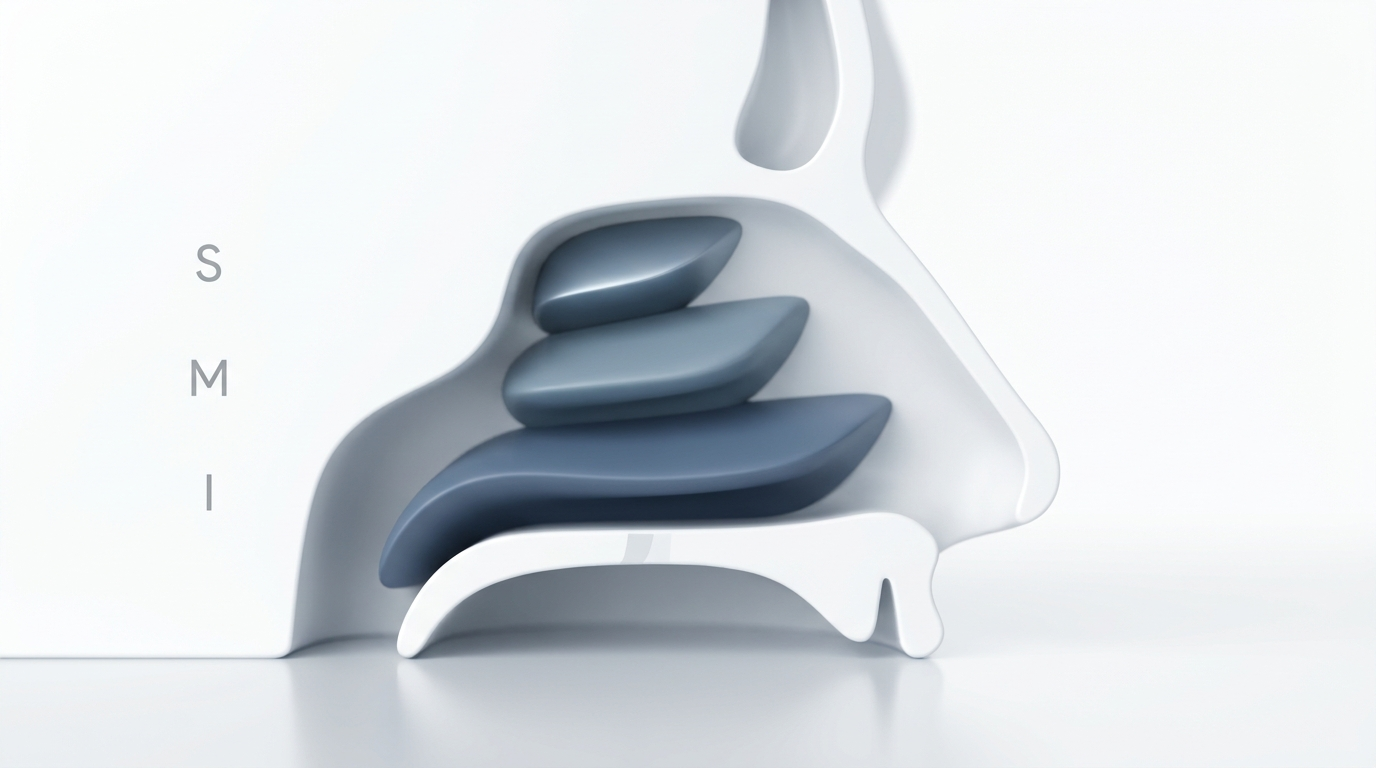
Turbinates are curved, bony shelves inside the nose, covered by a soft tissue lining. They help shape airflow and condition the air you breathe in.
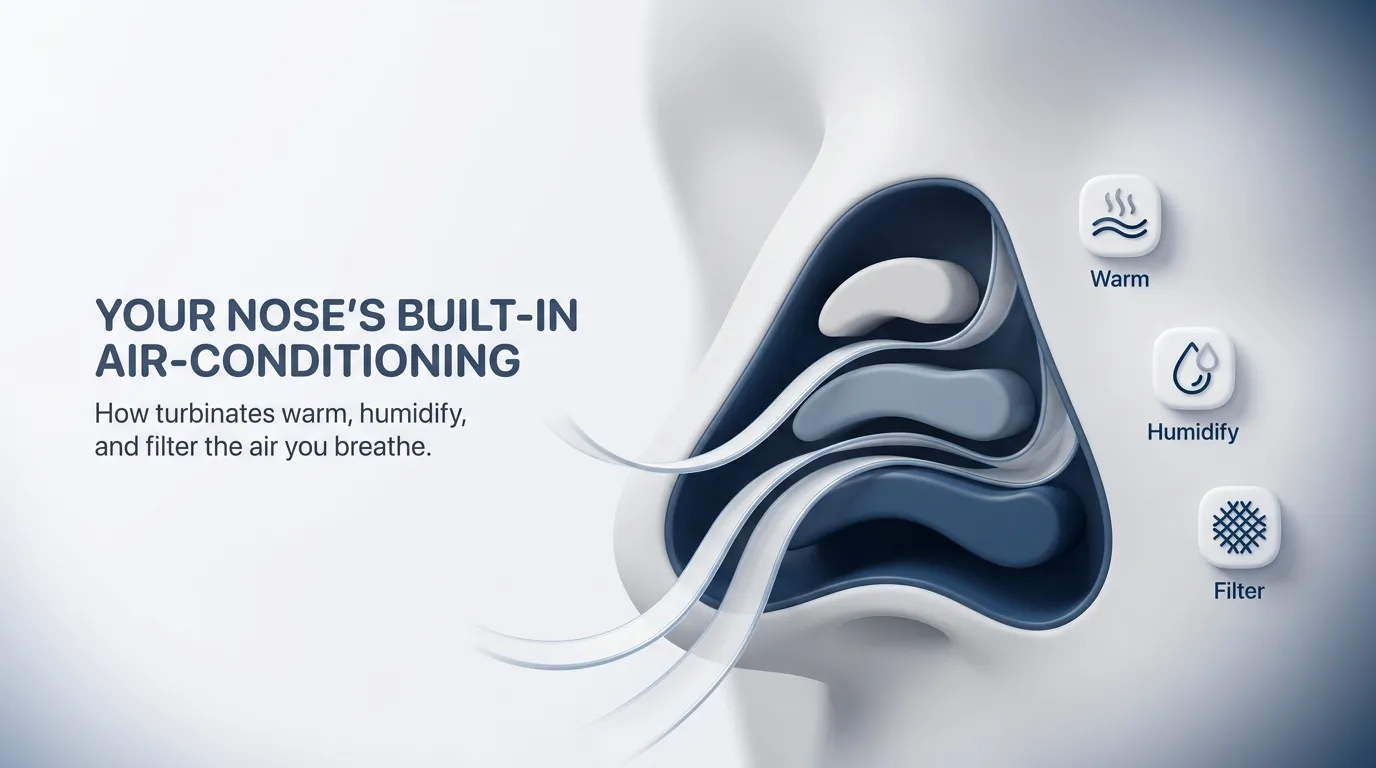
Think of your nasal turbinates as the nose’s built-in air-conditioning and filtration system—they help warm, humidify, and filter air before it reaches your throat and lungs. 1 2
The “air conditioning system” inside your nose
Your turbinates help your nose do three essential jobs:
- Warm incoming air closer to body temperature
- Add humidity so air doesn’t dry out the lower airways
- Trap particles and allergens in mucus so the nose can clear them out naturally 1 3
A helpful analogy: if your lungs are the “engine,” your turbinates are part of the “intake system”—they help deliver air that’s cleaner, warmer, and appropriately humidified.
Because turbinates are lined with tissue that can swell and shrink, they also change how open (or tight) your nasal airway feels from moment to moment—even across the same day.
Takeaway: Turbinates are essential, adjustable structures that help your nose filter, warm, and humidify the air you breathe.
Turbinate anatomy—where they are and what they’re called
The three main pairs of turbinates
- Superior turbinates (higher in the nose, closer to the smell region)
- Middle turbinates (important for sinus drainage pathways)
- Inferior turbinates (the largest and, for most people, the biggest factor in everyday airflow) 1 2
Why inferior turbinates are the most “clinically important”
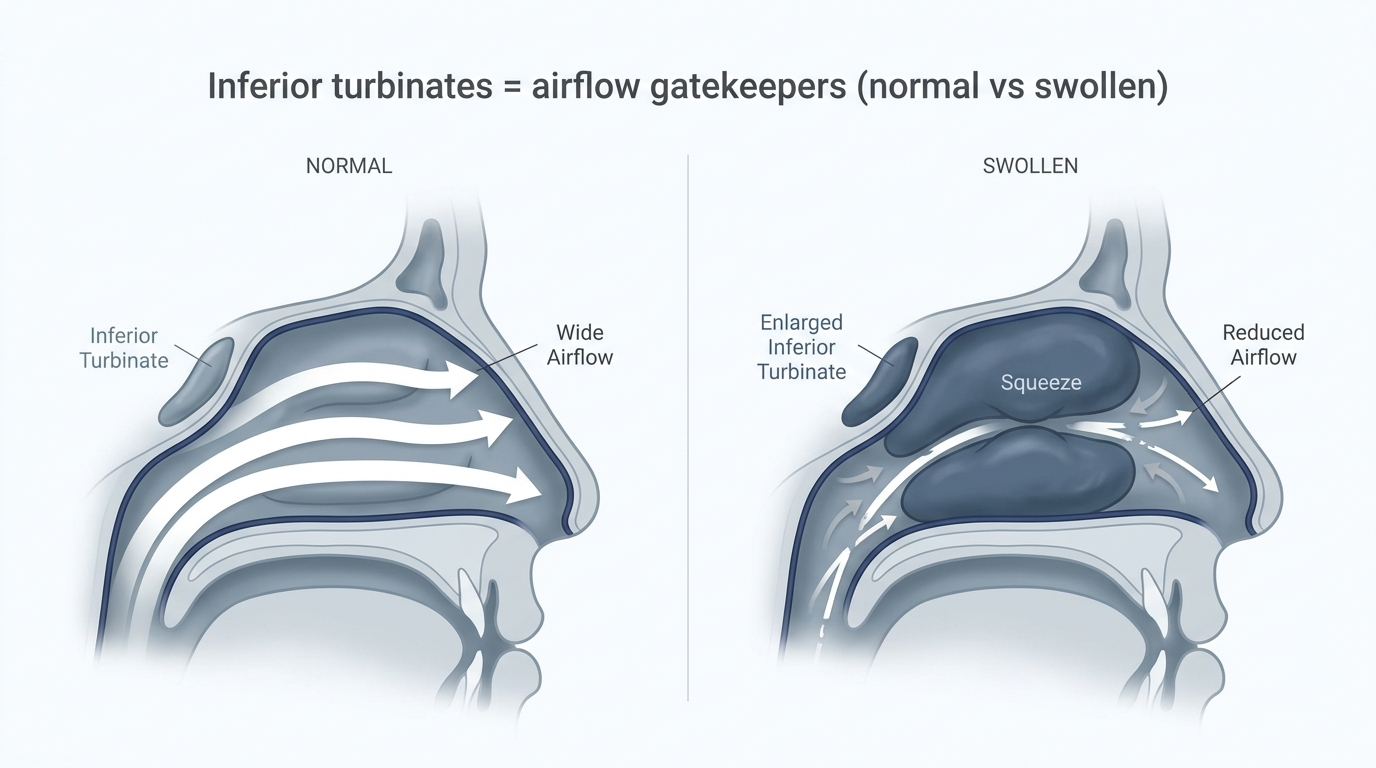
Your inferior turbinates sit along the main nasal airway. When the soft tissue here stays swollen, it often creates the classic “blocked nose” sensation—even if there isn’t much mucus. 1
This is one reason people can say, “I’m congested, but nothing comes out.” In many cases, the issue is narrowed airflow space, not simply “too much drainage.”
Takeaway: Inferior turbinates are the biggest day-to-day airflow gatekeepers in most noses.
What turbinates do during normal breathing
Airflow control and resistance (why “too open” isn’t always better)
It may sound surprising, but the goal of the nose isn’t simply the widest possible airway. Your turbinates help create airflow patterns and resistance that support comfortable, efficient nasal breathing. 3
In other words, a healthy nose is “well-designed,” not just “wide open.” This is also why modern treatment approaches emphasize preserving turbinate function rather than removing turbinates entirely. 2 3
Filtering + humidifying + warming (protecting your lungs)
- Capture dust, pollen, and other particles in mucus
- Maintain moisture so your throat and airways are less irritated
- Condition air temperature and humidity before it reaches your lungs 1 2
As a concrete example, breathing cold, dry air through your mouth can leave your throat feeling scratchy. Nasal breathing is typically more comfortable because turbinates help “prepare” that air before it moves deeper.
The nasal cycle (normal side-to-side congestion)
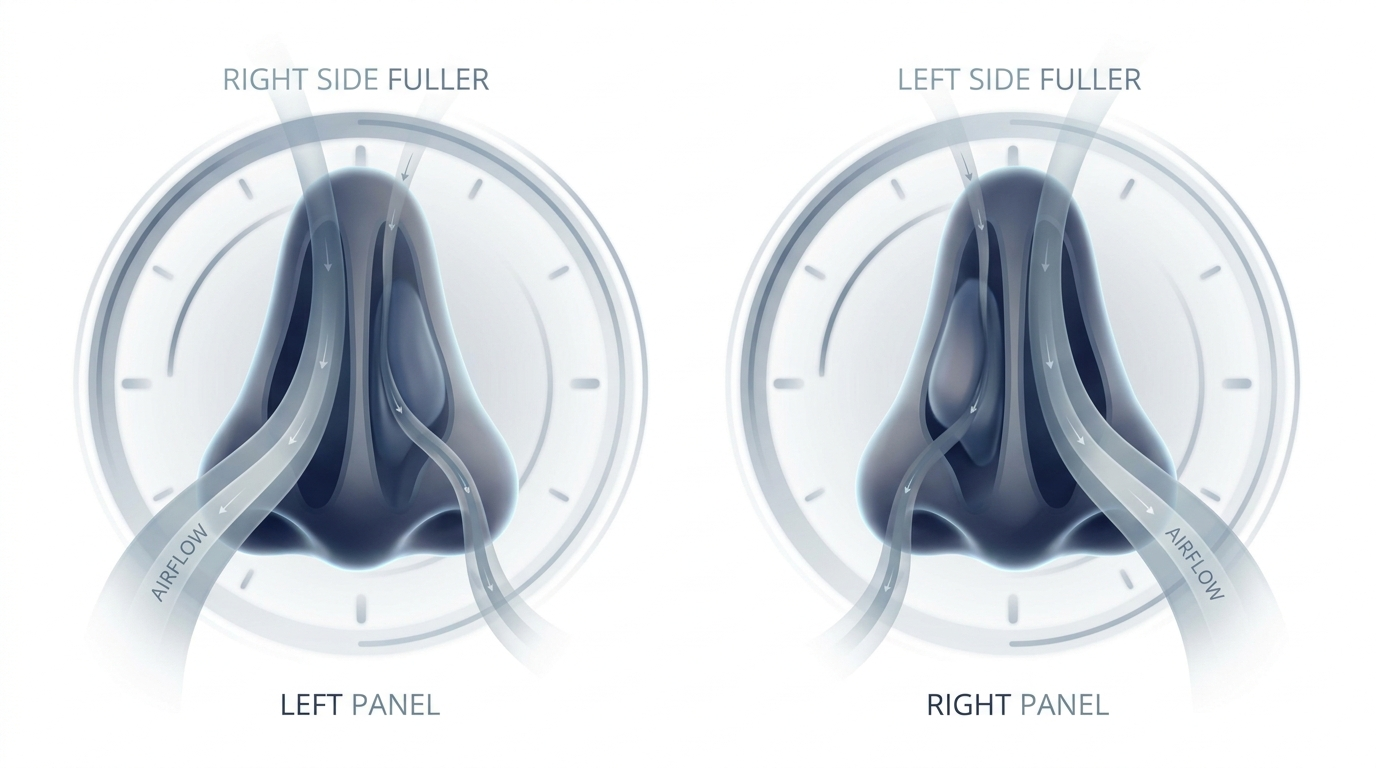
Many people notice one nostril feels more open than the other, and it can switch throughout the day. Often, this is due to the nasal cycle—a normal rhythm where the turbinates on one side swell slightly while the other side shrinks, alternating over time. 1 For a deeper explanation, see Understanding the Nasal Cycle: Key Effects and What You Need to Know: https://sleepandsinuscenters.com/blog/understanding-the-nasal-cycle-key-effects-and-what-you-need-to-know
Takeaway: Turbinates fine-tune airflow and comfort; a “perfect nose” balances openness with normal resistance and conditioning.
When turbinates become a problem: turbinate hypertrophy
What “turbinate hypertrophy” means
Turbinate hypertrophy means the turbinates are enlarged—typically due to chronic inflammation and swelling of the lining tissue. When this enlargement persists, it can reduce airflow and contribute to ongoing nasal obstruction. 1 4
You can think of it like this: the turbinates are supposed to be “active” tissue that adjusts. But when they get stuck in an inflamed, swollen state, the nose can feel blocked more often than it feels clear.
Common symptoms patients notice
- Chronic nasal congestion (often worse at night or when lying down) 2 4
- Mouth breathing, with dry mouth or sore throat
- Sleep disruption, snoring, or feeling unrested due to nasal blockage
- Reduced exercise tolerance because nasal breathing feels difficult
- A sense of pressure or fullness inside the nose 4
A common “real-life” description is: “I can breathe okay sitting up, but as soon as I lie down, my nose closes off.”
Signs it may be more than a simple cold
- Symptoms last weeks to months
- Congestion doesn’t respond well to typical over-the-counter approaches
- There’s frequent reliance on decongestant sprays (which can cause rebound congestion when overused) 1
Learn more about rebound congestion here: https://sleepandsinuscenters.com/blog/do-nasal-sprays-cause-rebound-congestion
Takeaway: Chronic, positional, or persistent congestion often points to turbinate hypertrophy rather than a simple short-term cold.
Causes and risk factors—why do turbinates swell?
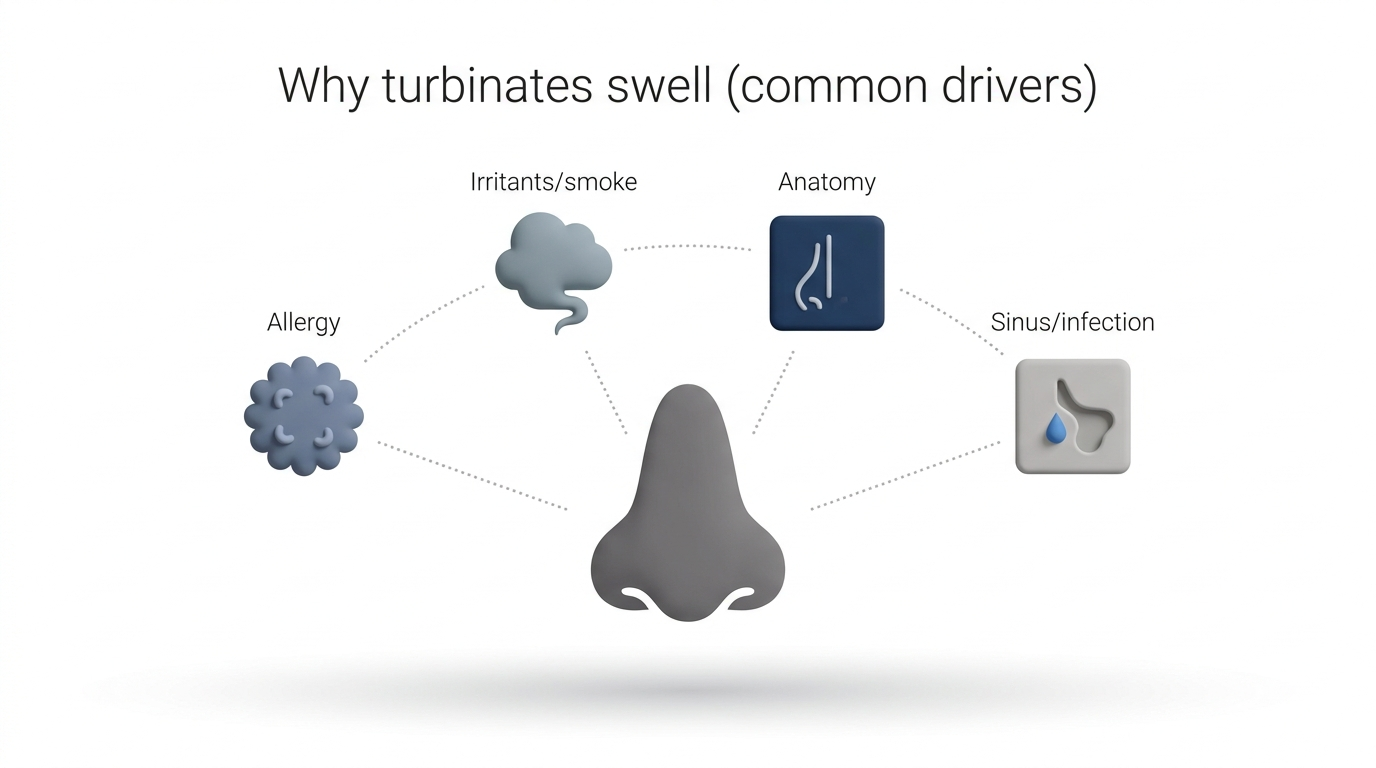
Allergies and chronic inflammation
Seasonal or year-round allergies can inflame the nasal lining and lead to persistent turbinate swelling. 1 4 If allergies are the main driver, identifying triggers and treating inflammation often becomes the foundation of long-term relief. For testing options, see Allergy Testing: https://sleepandsinuscenters.com/allergy-testing
Non-allergic triggers (irritants and environment)
Not all chronic congestion is allergic. Turbinates can swell in response to:
- Smoke or vaping exposure
- Pollution
- Strong odors/fragrances
- Temperature and humidity changes
- Chronic non-allergic rhinitis patterns 1
For more on this pathway and care options, see Treating Chronic Rhinitis: https://sleepandsinuscenters.com/treating-chronic-rhinitis
Structural and “compensatory” causes
Structure matters. With a deviated septum, one side of the nose can be narrower, and the turbinates—especially the inferior turbinates—may enlarge on the opposite side in a compensatory way. 1 This can create a frustrating loop: a structural narrow side plus reactive swelling elsewhere leads to the sense that “both sides get blocked,” just at different times. Read more: https://sleepandsinuscenters.com/deviated-septum-relief
Infections and sinus conditions
Recurrent inflammation from infections or sinus problems can contribute to persistent nasal tissue swelling over time. 4
Takeaway: Allergies, irritants, anatomy, and sinus issues can each drive turbinate swelling—often in combination.
How an ENT diagnoses turbinate-related nasal obstruction
History + symptom pattern clues
A thorough history helps clarify whether symptoms match turbinate enlargement, such as: nighttime or positional congestion, alternating blockage, allergy patterns and triggers, and decongestant spray dependence.
Nasal exam and nasal endoscopy
In the office, an ENT evaluation focuses on what’s physically narrowing the airway. A nasal exam (and sometimes nasal endoscopy) helps assess:
- Turbinate size and inflammation
- Septal deviation
- Nasal polyps or other causes of obstruction 1
When imaging is considered
If sinus disease is suspected—or symptoms don’t match the exam—imaging (often a CT scan) may be used to understand anatomy and sinus pathways in more detail.
Takeaway: Diagnosis blends your story with an in-nose exam to pinpoint what’s actually narrowing airflow.
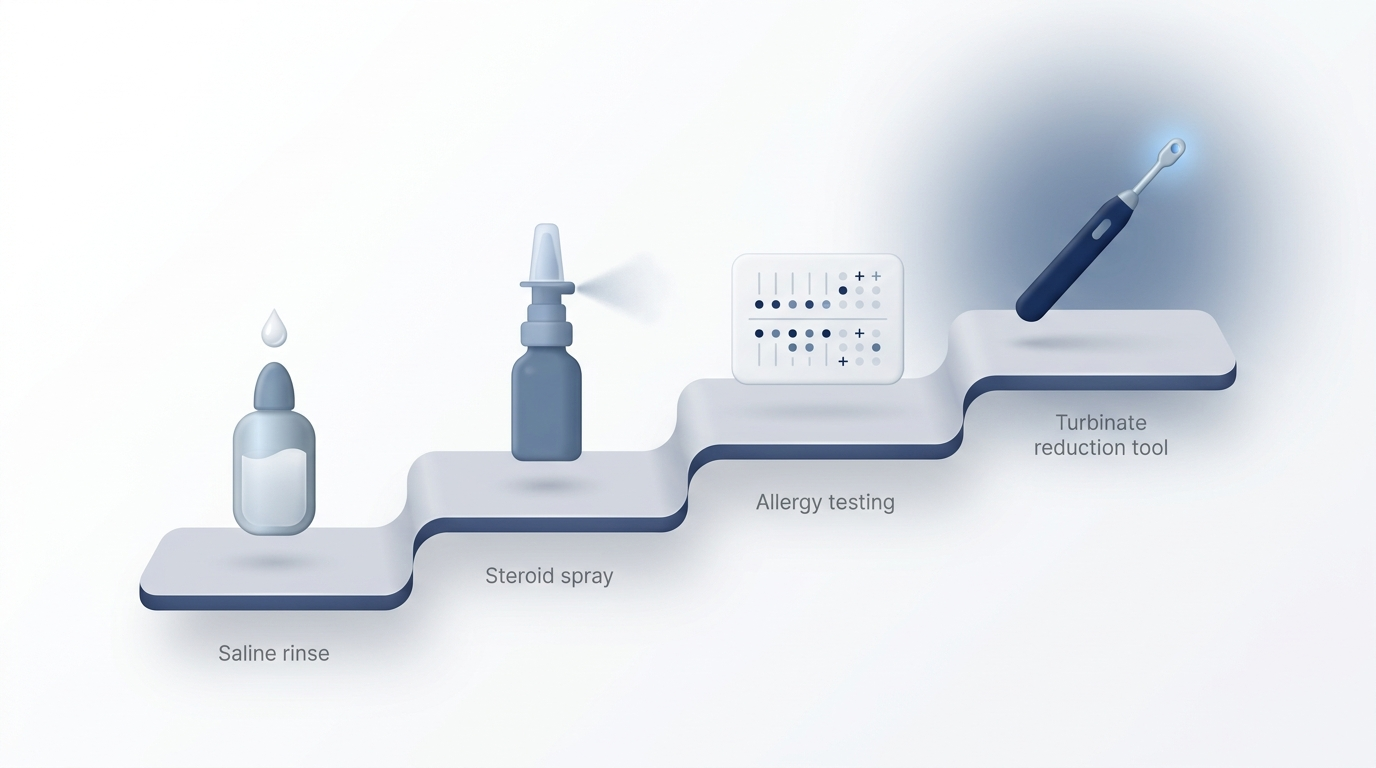
Treatment options (step-by-step, starting conservative)
Many people can improve symptoms with a structured approach that starts with conservative measures and escalates only when needed. The goal is usually twofold: reduce inflammation and support the nose’s normal conditioning role.
Lifestyle and at-home measures that support turbinate function
- Saline sprays or rinses to wash irritants and thin mucus 2
- Optimizing bedroom humidity (especially in dry indoor air)
- Allergen reduction (dust control, pet dander strategies, timing outdoor exposure during high pollen)
A practical example: regular saline irrigation after outdoor yard work can help rinse out trapped irritants before they keep triggering swelling.
Medication options (your clinician may recommend)
- Intranasal steroid sprays to reduce inflammation over time 1
- Antihistamines when allergy-driven swelling is likely
- Short-term decongestants, used carefully to avoid rebound congestion 1
Because nasal sprays can be technique-sensitive, many clinicians will also review how to spray (angle, timing, consistency) so medication reaches the right area.
Allergy-focused treatment (when allergies are the driver)
When allergies appear to play a major role, formal evaluation can clarify triggers and guide longer-term plans. See Allergy Testing: https://sleepandsinuscenters.com/allergy-testing
For chronic rhinitis options, visit: https://sleepandsinuscenters.com/treating-chronic-rhinitis
Takeaway: Most care plans start with rinses and inflammation control, adding allergy-focused therapy when triggers are confirmed.
Turbinate reduction—what it is and when it’s considered
The goal: improve airflow without removing what you need
If enlarged turbinates remain a major cause of blockage despite medical management, turbinate reduction surgery may be discussed.
Modern techniques aim to open the airway while preserving turbinate function—because turbinates are still needed for humidifying, warming, and filtering. 2 3 In other words, the goal is “more breathing room,” not a nose that’s stripped of its normal physiology.
Who may be a good candidate?
- Persistent nasal obstruction despite appropriate medical therapy
- Enlarged inferior turbinates seen on exam
- Sleep quality issues linked to nasal blockage (mouth breathing, snoring, frequent waking)
Common techniques patients may hear about (high level)
Procedures vary, but many approaches focus on reducing tissue volume with minimally invasive techniques. In some cases, turbinate reduction is performed along with septoplasty when a deviated septum contributes to obstruction. 1 2 For a deeper overview, see Everything You Need to Know About Turbinate Reduction: https://sleepandsinuscenters.com/blog/everything-you-need-to-know-about-turbinate-reduction
Benefits patients often hope to achieve
- Easier nasal breathing
- Less mouth breathing and dryness
- Improved nighttime comfort and sleep quality 2
Risks and realistic expectations
Every procedure has tradeoffs. Recovery commonly involves temporary swelling, crusting, dryness, mild bleeding, and congestion while healing. 2 It’s also important that tissue is not “over-reduced,” since the turbinates have essential roles in normal nasal function. 1 3 That balance—better airflow and preserved function—is a key part of the conversation with an ENT. For more detail on enlarged turbinates generally, see: https://sleepandsinuscenters.com/blog/nasal-turbinate-hypertrophy-causes-symptoms-and-treatment-guide
Takeaway: Turbinate reduction aims to create space while keeping turbinates functional—technique and judgment matter.
Recovery and aftercare tips (patient-friendly)
What to expect in the first days to weeks
After turbinate reduction, it’s common for the nose to feel congested for a period while swelling settles and tissues heal. Follow-up visits help ensure healing is progressing as expected, and they’re a good time to ask, “Is what I’m feeling normal for this stage?”
Simple do’s and don’ts
- Using saline irrigation as directed 2
- Avoiding nasal trauma and heavy nose blowing early in recovery
- Taking medications as prescribed
Takeaway: Expect short-term congestion after reduction; gentle care and saline are central to healing.
FAQs about turbinates
Are turbinates supposed to be “big”?
Yes. Nasal turbinates normally take up space because they’re designed to condition airflow. The issue is chronic enlargement that causes persistent obstruction. 1
Why is one nostril always more blocked than the other?
It may be the normal nasal cycle, turbinate hypertrophy, a deviated septum, or a combination. 1 Learn more about the nasal cycle: https://sleepandsinuscenters.com/blog/understanding-the-nasal-cycle-key-effects-and-what-you-need-to-know
Can turbinate swelling go away on its own?
If swelling is from a short-term cold or temporary irritation, it often improves as the trigger resolves. Chronic inflammation typically needs a longer-term plan. For chronic rhinitis options: https://sleepandsinuscenters.com/treating-chronic-rhinitis
Do turbinates grow back after turbinate reduction?
Tissue can re-enlarge in some cases—especially if underlying inflammation (like allergies or chronic rhinitis) remains active. Ongoing management can matter even after a procedure. 2
Will turbinate reduction affect smell?
Smell function is more closely linked to upper nasal regions, and turbinate procedures are generally designed to preserve function. Outcomes vary, so it’s a good discussion point during an ENT evaluation. 1
When should I see an ENT for chronic congestion?
Many people consider an ENT evaluation when symptoms persist more than 4–6 weeks, disrupt sleep, or when there’s dependence on decongestant sprays. You can book an appointment here: https://www.sleepandsinuscenters.com/
When to seek urgent care (brief safety section)
Seek urgent medical care for:
- Severe nosebleed that won’t stop
- High fever with worsening facial swelling or vision changes
- Trouble breathing
Conclusion—why turbinates matter (and what to do next)
Turbinates aren’t “extra tissue” to get rid of—they’re essential structures that help your nose warm, humidify, and filter the air you breathe. 1 3 When turbinate hypertrophy develops, though, the same structures that support healthy breathing can become a major cause of long-term nasal congestion and nasal obstruction.
If congestion has become persistent or is affecting sleep and daily life, an evaluation can help clarify whether the primary driver is allergies, chronic rhinitis, a deviated septum, enlarged inferior turbinates, or a combination—and which treatment approach makes sense to consider next.
Ready for a clearer plan? You can book an appointment with an ENT team at Sleep and Sinus Centers of Georgia here: https://www.sleepandsinuscenters.com/
References
1. StatPearls (NCBI). (2024). Anatomy/clinical overview of nasal turbinates and related conditions. https://www.ncbi.nlm.nih.gov/books/NBK546636/
2. Cleveland Clinic. (2022). Turbinate Reduction. https://my.clevelandclinic.org/health/treatments/22805-turbinate-reduction
3. PubMed Central (PMC). (2021). Clinical discussion of turbinate surgery considerations and preserving function. https://pmc.ncbi.nlm.nih.gov/articles/PMC8038107/
4. Henry Ford Health. (n.d.). Enlarged Turbinates. https://www.henryford.com/services/sinus/conditions/enlarged-turbinates
Medical disclaimer
This article is for educational purposes only and is not medical advice. Please consult a qualified healthcare provider for diagnosis and treatment.
Don’t let allergies slow you down. Schedule a comprehensive ENT and allergy evaluation at Sleep and Sinus Centers of Georgia. We’re here to find your triggers and guide you toward lasting relief.