Sleep Apnea During Pregnancy: Risks and Complications for Mom and Baby
Introduction — Why sleep apnea in pregnancy deserves attention
Most people expect sleep to get harder during pregnancy. What’s less expected is how often a common, treatable sleep condition can hide in plain sight—showing up as “normal” fatigue, snoring, and morning headaches.
Obstructive sleep apnea (OSA) is a sleep-related breathing disorder where the upper airway repeatedly narrows or collapses during sleep, causing pauses in breathing (apneas) or shallow breathing (hypopneas). Those disruptions can chip away at sleep quality even when you’re technically “in bed long enough.”
Why discuss sleep apnea during pregnancy specifically? Because pregnancy can increase risk, symptoms can be easy to miss, and untreated OSA has been linked with important pregnancy complications. Research suggests OSA may affect about 8–32% of pregnancies, depending on risk factors (like obesity), trimester, and how OSA is measured. Society of Anesthesia and Sleep Medicine/SOAP Consensus Guideline, 2023: https://pmc.ncbi.nlm.nih.gov/articles/PMC10351908/
In this guide, you’ll learn how to recognize symptoms, who is most at risk, what the research says about complications for mom and baby, how diagnosis works (including home testing), and what treatments—like CPAP during pregnancy—are typically considered safe. Summary: If pregnancy sleep feels “off” plus loud snoring or witnessed pauses, it’s worth discussing early with your care team.
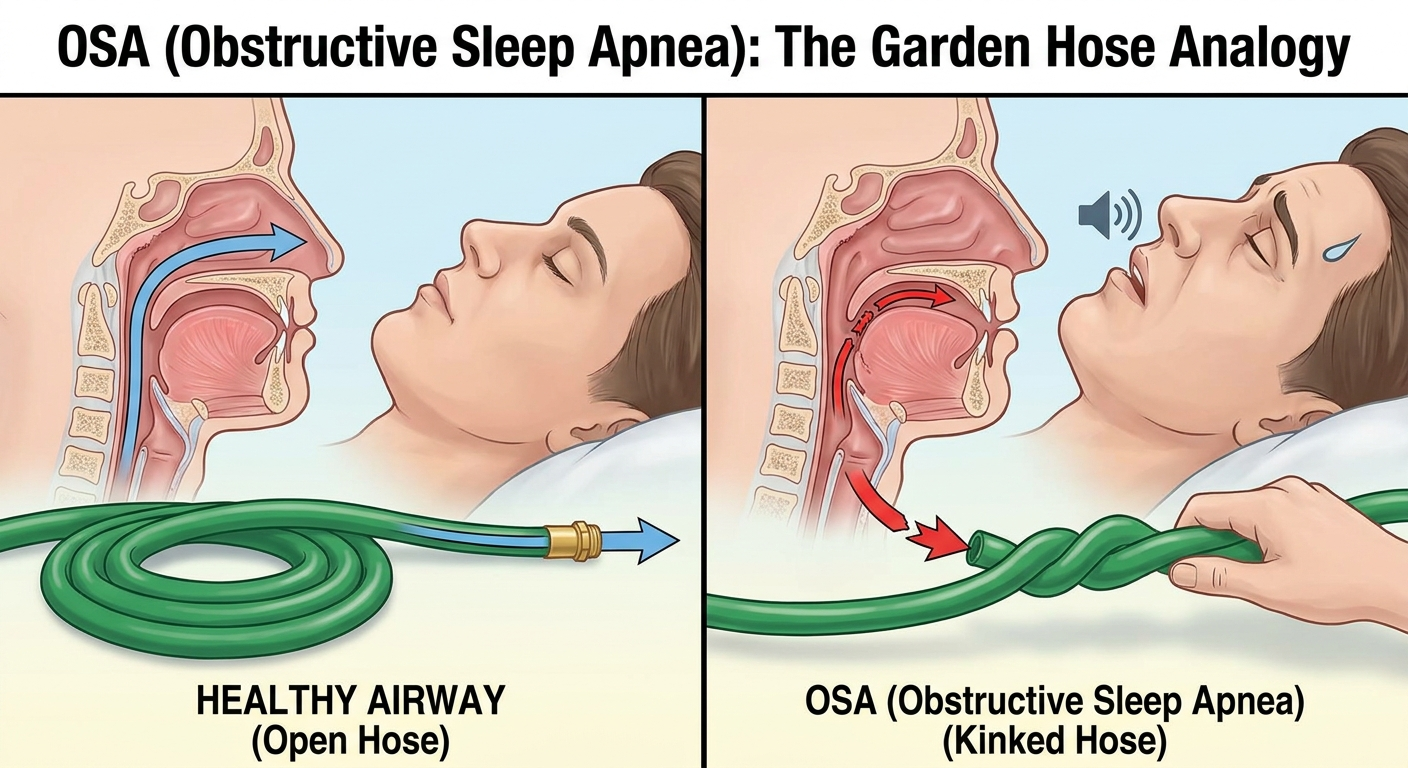
What is obstructive sleep apnea (OSA), and why can pregnancy make it worse?
In OSA, the throat muscles relax during sleep and the airway becomes too narrow. A helpful analogy: think of the airway like a soft garden hose—when the walls relax and the surrounding pressure changes, the hose can briefly kink and airflow drops.
This can lead to drops in oxygen levels, frequent micro-awakenings (sleep fragmentation), and poor sleep quality even if time in bed seems adequate. Common results include loud snoring, waking unrefreshed, morning headaches, and daytime sleepiness. Some people don’t recall awakenings—they just feel “off” the next day.
Pregnancy can make OSA more likely—or worsen existing OSA—due to weight gain and fluid shifts that narrow the airway, nasal congestion/swelling (pregnancy rhinitis), and sleep position changes as pregnancy progresses (often more time on the back). These contributors are discussed in broader reviews of maternal and fetal implications of OSA. Comprehensive review, 2024: https://pmc.ncbi.nlm.nih.gov/articles/PMC11130811/ Summary: Normal pregnancy changes can narrow the airway and make existing OSA more noticeable.
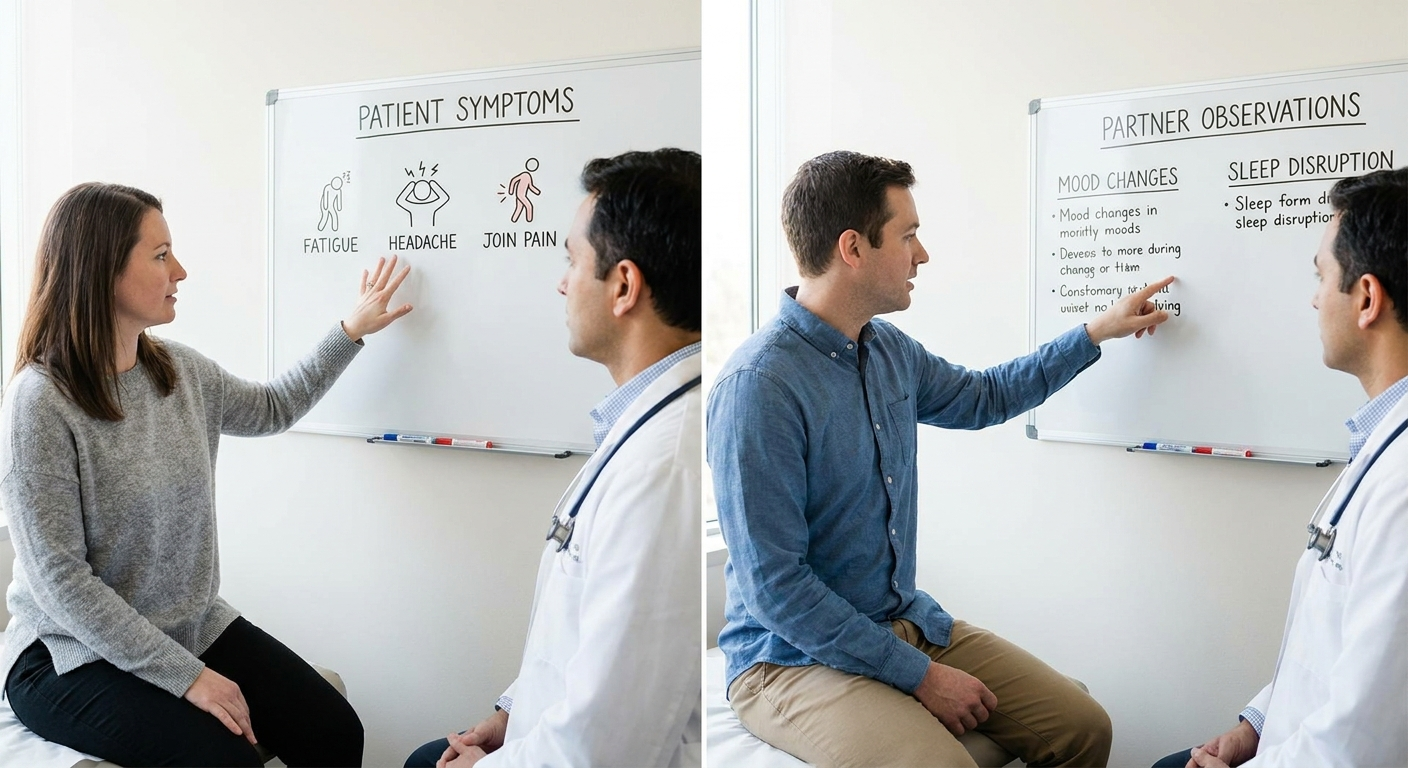
Symptoms of sleep apnea during pregnancy (and how to tell it from “normal” pregnancy fatigue)
Because typical pregnancy tiredness is common, patterns matter more than any single symptom. Signs more suggestive of OSA include loud, persistent snoring (especially new or worse), witnessed breathing pauses, gasping or choking during sleep, excessive daytime sleepiness out of proportion to sleep time, morning headaches, dry mouth or sore throat on waking, and trouble concentrating or mood changes. Example: if you’re sleeping 8–9 hours yet wake with headaches and your partner notices gasping or pauses, bring this up with your clinician.
If snoring is the main concern, practical strategies: https://sleepandsinuscenters.com/blog/how-to-reduce-snoring-during-pregnancy Treatment overview: https://sleepandsinuscenters.com/snoring-sleep-apnea-treatment/
Red flags that warrant a call to your OB or sleep clinician include witnessed apneas with significant sleepiness, high blood pressure or severe headaches or swelling concerns, and any sleepiness that creates safety risks (such as drowsy driving).
Partner observations matter. You might hear: “You get quiet, then suddenly snort or gasp.” That quiet-then-gasp pattern is one reason symptom history is so valuable. Evidence note: OSA is frequently underdiagnosed in pregnancy, so symptom awareness can be an important first step. https://pmc.ncbi.nlm.nih.gov/articles/PMC10351908/ https://pmc.ncbi.nlm.nih.gov/articles/PMC9527631/ Summary: Loud, new snoring plus witnessed pauses and excess sleepiness are stronger clues than fatigue alone.
Causes and risk factors — Who is more likely to develop OSA while pregnant?
Risk is higher with obesity or higher pre-pregnancy BMI, chronic or pregnancy-related hypertension, a history of OSA before pregnancy, and later gestational age (risk can rise as pregnancy progresses).
Other clues that raise suspicion include loud habitual snoring, witnessed apneas, marked daytime sleepiness, older maternal age (when applicable), and diabetes risk factors. Expert guidance supports risk-based screening in the first or second trimester, with reassessment if symptoms change later. Consensus guideline, 2023: https://pmc.ncbi.nlm.nih.gov/articles/PMC10351908/ Summary: If you have risk factors and escalating snoring or sleepiness, ask about screening.
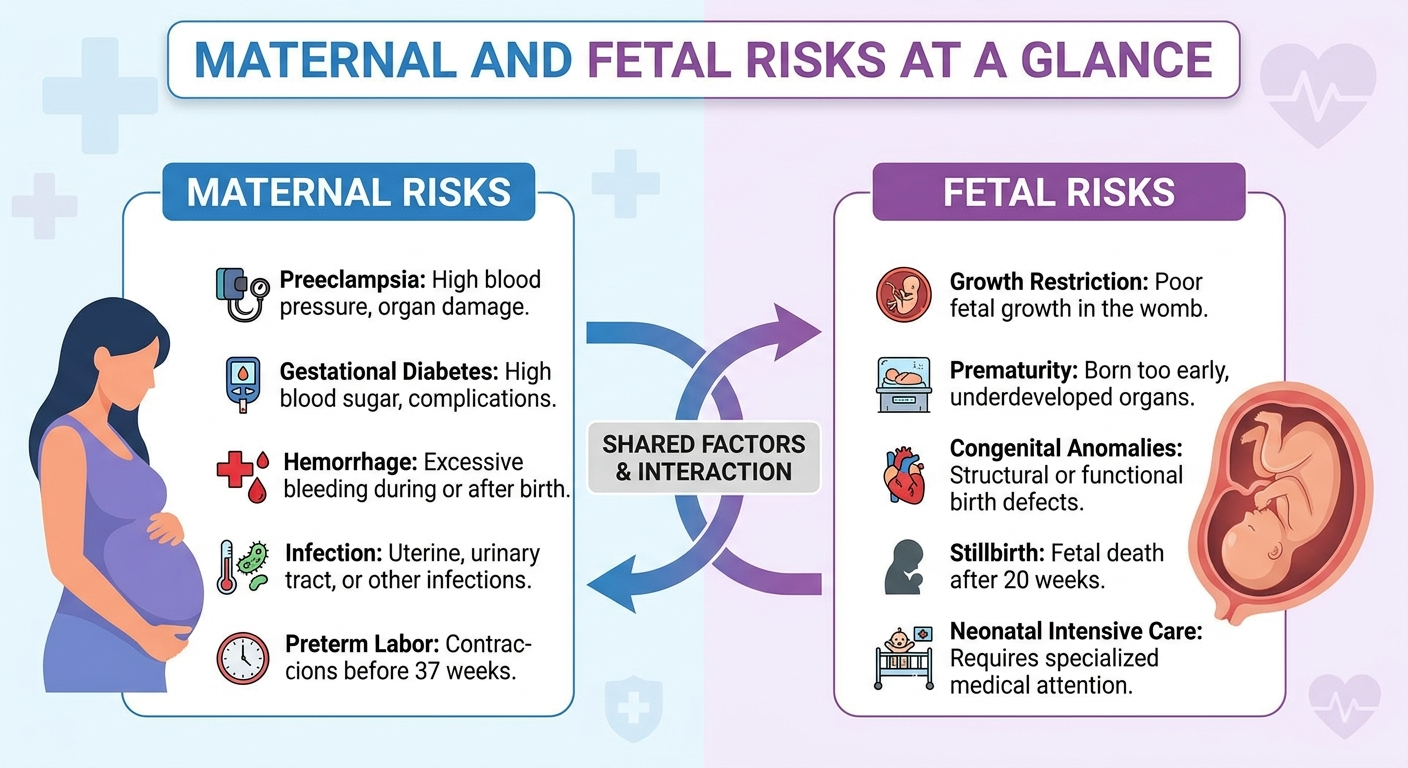
Risks and complications for mom (maternal outcomes)
Multiple studies link OSA with higher odds of hypertensive disorders, including gestational hypertension and preeclampsia. Reported adjusted odds ratios include gestational hypertension around ~1.97 and preeclampsia around ~2.35. Sources: https://pmc.ncbi.nlm.nih.gov/articles/PMC10351908/ https://pmc.ncbi.nlm.nih.gov/articles/PMC6733415/ These are associations from observational research; they do not prove causation. Practical takeaway: if blood pressure is trending up and snoring or sleepiness is escalating, mention both together.
Studies also show an association between gestational diabetes and sleep apnea (example AOR ~1.55). https://pmc.ncbi.nlm.nih.gov/articles/PMC6733415/ OSA has been associated with higher odds of cesarean delivery (example AOR ~1.42) and has implications for anesthesia planning (airway management, medication sensitivity, monitoring). Consensus guideline, 2023: https://pmc.ncbi.nlm.nih.gov/articles/PMC10351908/ Summary: OSA in pregnancy is often associated with higher cardiometabolic and delivery risks, so flagging symptoms helps teams plan care.
Risks and complications for baby (fetal and newborn outcomes)
Studies report observational links between maternal OSA and fetal growth restriction, low birth weight, preterm birth, and concerns related to placental or fetal oxygenation (hypoxia). Much of the fetal-outcome evidence is observational and not fully consistent across studies. Comprehensive review, 2024; Review, 2018: https://pmc.ncbi.nlm.nih.gov/articles/PMC11130811/ https://pmc.ncbi.nlm.nih.gov/articles/PMC6733415/ In plain language: research raises concern, but it can’t always separate OSA from overlapping risk factors, so personalized evaluation matters. Summary: Observational studies suggest higher fetal risks with maternal OSA, but individual evaluation is key.
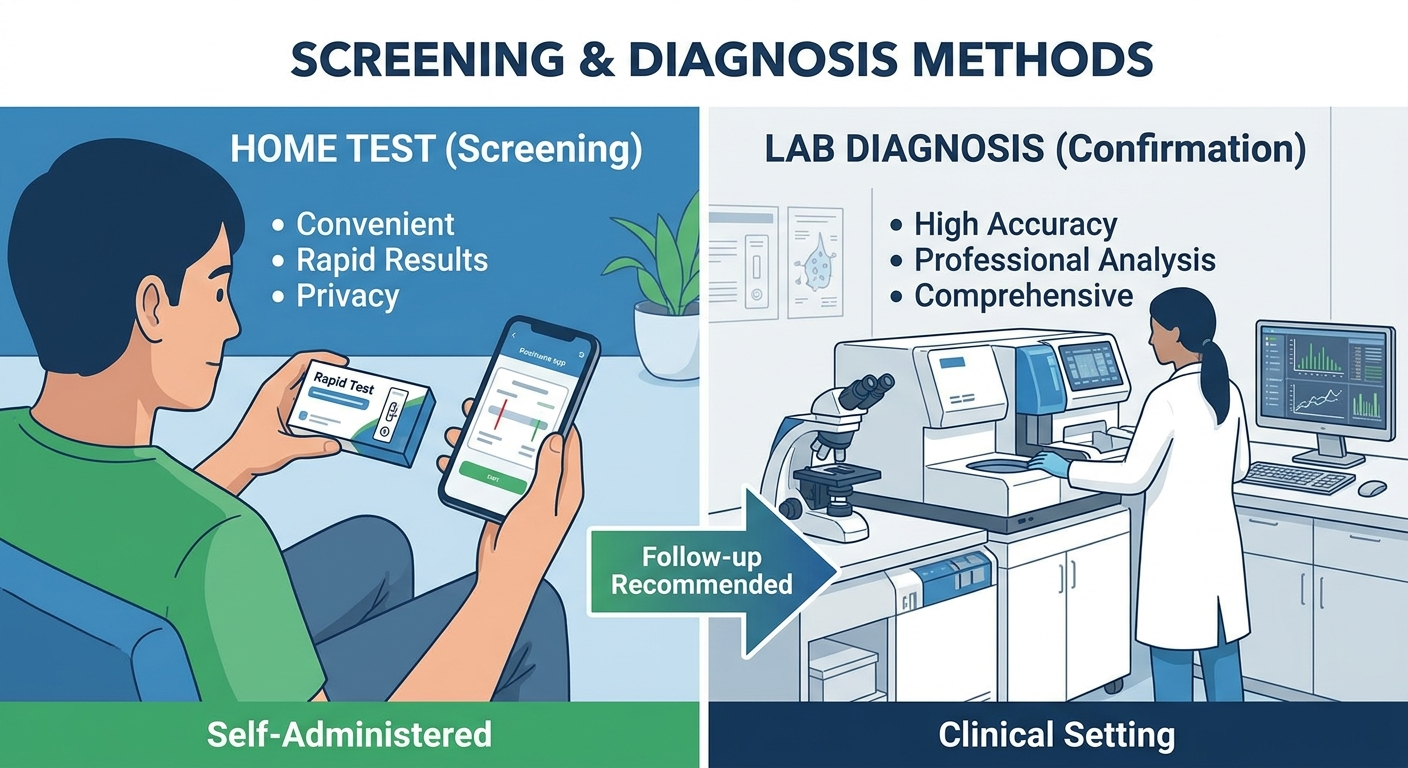
Screening and diagnosis — How sleep apnea is evaluated during pregnancy
Many teams use risk-based screening in the first or second trimester, with renewed attention later if snoring, sleepiness, or blood pressure concerns develop. Consensus guideline, 2023: https://pmc.ncbi.nlm.nih.gov/articles/PMC10351908/ New or worsening snoring isn’t something you have to tough out—bring it up anytime it appears.
A clinical evaluation often includes symptom review (snoring, witnessed apneas, gasping, sleepiness), medical history (blood pressure trends, weight/BMI, diabetes risk), and exam considerations (nasal congestion and airway features). Bringing specifics—how many nights a week, how loud, any choking/gasping—helps clarify next steps.
Testing options include a Home Sleep Apnea Test (HSAT), which measures breathing and oxygen patterns overnight and can be convenient when OSA is the main concern (overview: https://sleepandsinuscenters.com/blog/home-sleep-apnea-test-accurate-at-home-screening-for-sleep-apnea), and in-lab polysomnography, preferred when symptoms are complex or other sleep disorders are suspected. The right approach is individualized. https://pmc.ncbi.nlm.nih.gov/articles/PMC9527631/ https://pmc.ncbi.nlm.nih.gov/articles/PMC6733415/ Summary: Screening is risk-based, and testing can often be done at home—ask which option fits your situation.
Treatment options — What’s considered safe and effective in pregnancy?
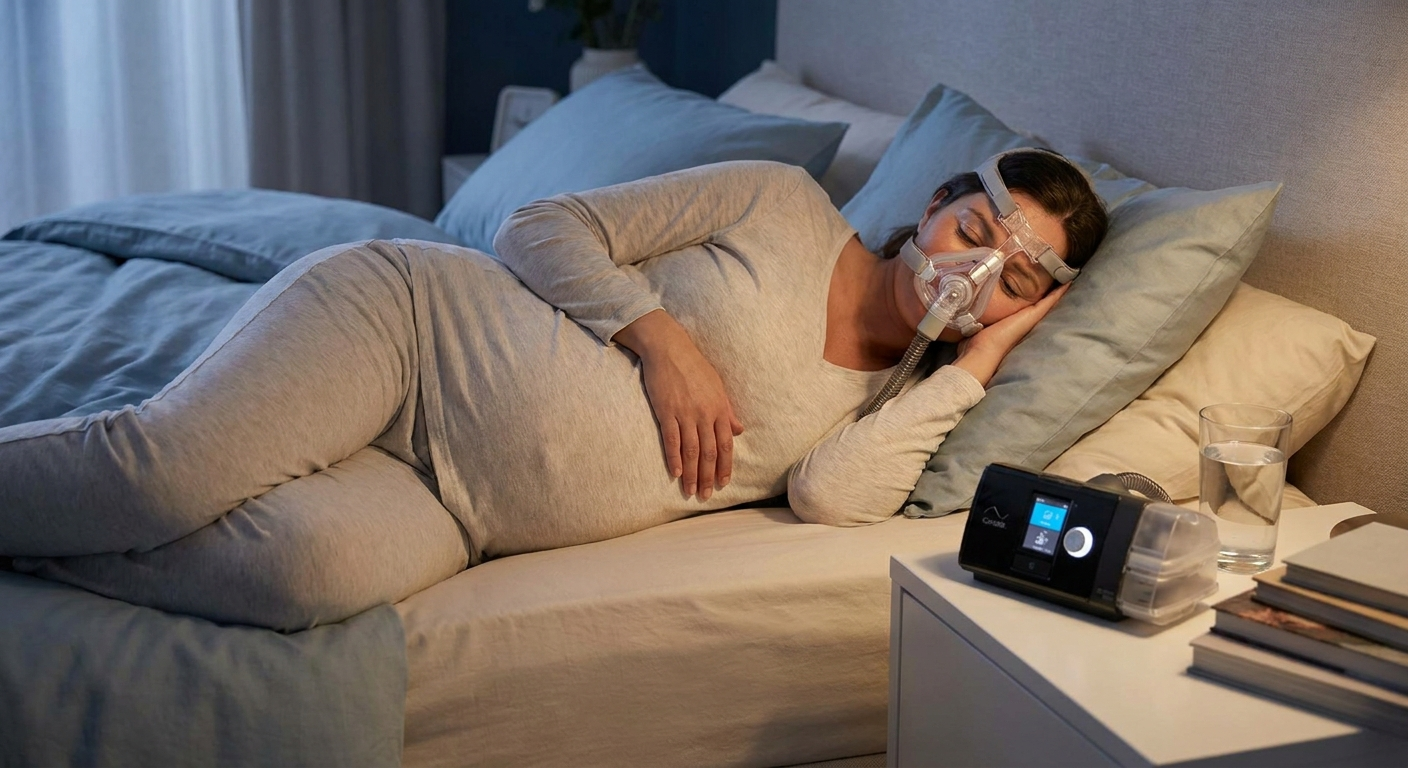
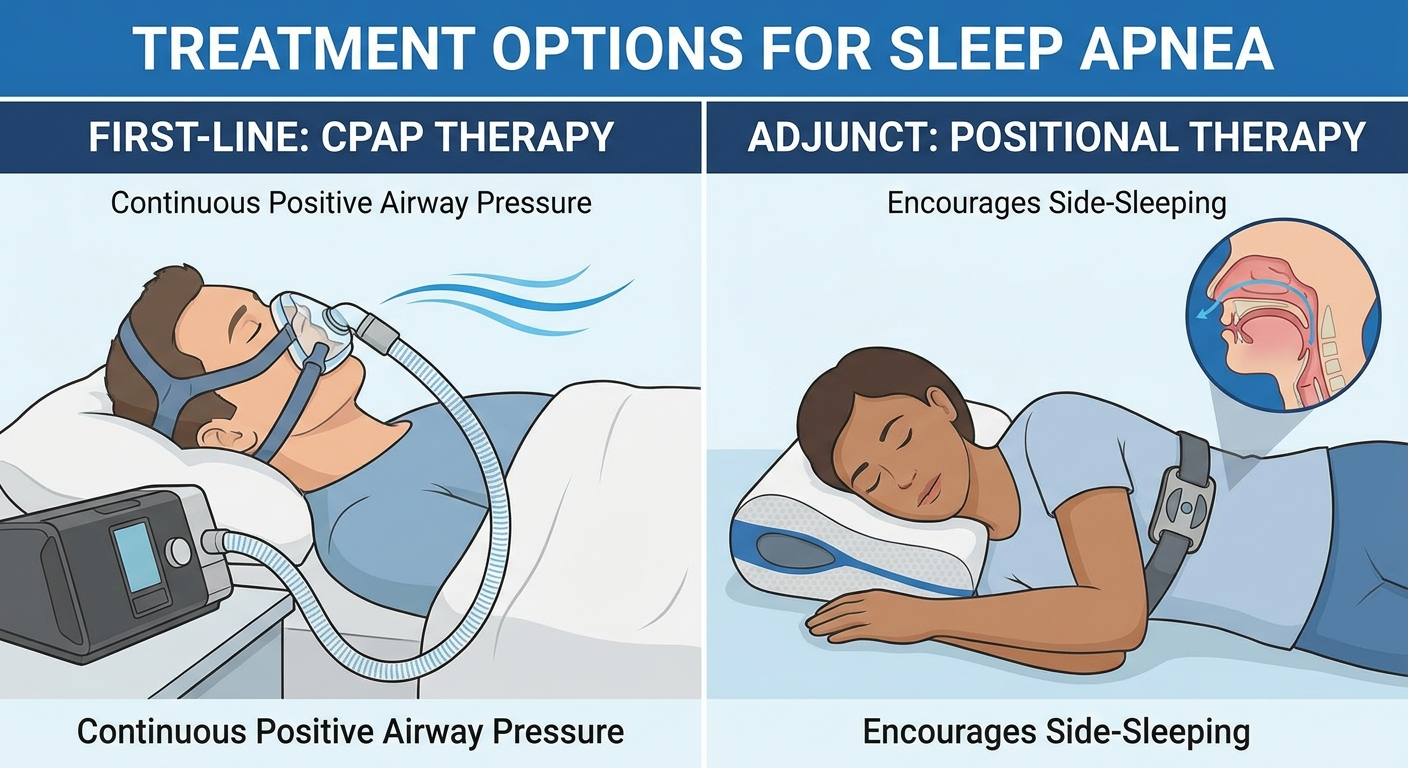
CPAP (Continuous Positive Airway Pressure) is widely considered first-line for OSA in pregnancy. It gently delivers pressurized air through a mask to help “splint” the airway open. Typical benefits include fewer apnea/hypopnea events, reduced snoring, and better sleep quality with improved daytime alertness for many. Safety is generally favorable in pregnancy; evidence that CPAP prevents pregnancy-specific complications is still developing, so shared decision-making with obstetric and sleep teams is important. https://pmc.ncbi.nlm.nih.gov/articles/PMC10351908/ https://pmc.ncbi.nlm.nih.gov/articles/PMC11130811/ Treatment overview: https://sleepandsinuscenters.com/snoring-sleep-apnea-treatment/
Positional therapy can help when OSA worsens on the back; side-sleeping may improve breathing in mild or positional OSA. Details: https://sleepandsinuscenters.com/blog/effective-positional-therapy-for-mild-sleep-apnea-a-comprehensive-guide Note: Positioning recommendations can vary if you have pregnancy complications—ask your OB.
Managing nasal congestion can improve breathing and CPAP comfort. Non-medication options include saline rinses/sprays and humidification; medication choices should be reviewed with the obstetric clinician. If congestion affects CPAP comfort: https://sleepandsinuscenters.com/blog/blocked-nose-during-cpap-ent-strategies
Oral appliances that reposition the jaw may help selected patients, particularly with mild to moderate OSA. In pregnancy, decisions are individualized and guided by clinicians familiar with both sleep medicine and pregnancy considerations. Review, 2018: https://pmc.ncbi.nlm.nih.gov/articles/PMC6733415/ Summary: CPAP is first-line and generally safe; alternatives exist and are best tailored with your OB and sleep teams.
Lifestyle tips that can help (alongside medical care)
Supportive habits: keep a consistent sleep/wake schedule, use a short wind-down routine, avoid alcohol, and avoid sedating medications unless specifically reviewed with your care team.
Follow OB guidance on healthy pregnancy weight gain and focus on overall nutrition quality and gentle movement if approved. Consider simple symptom tracking: snoring frequency and intensity, witnessed apneas/gasping, morning headaches and daytime sleepiness, and blood pressure readings if recommended. Summary: Small, consistent habits and simple symptom tracking can support your medical plan.
After delivery — Does pregnancy-related sleep apnea go away?
For some, OSA symptoms improve postpartum as fluid shifts normalize, pregnancy-related nasal congestion resolves, sleep positioning changes, and weight changes over time.
If OSA existed before pregnancy—or risk factors persist—symptoms can continue postpartum. Reviews emphasize that OSA can vary by gestational stage and individual risk profile, making follow-up valuable if symptoms linger. https://pmc.ncbi.nlm.nih.gov/articles/PMC11130811/ https://pmc.ncbi.nlm.nih.gov/articles/PMC6733415/ If diagnosed during pregnancy, ask what follow-up testing is recommended after delivery. Summary: Symptoms may improve after delivery, but follow-up is important if risks or symptoms persist.
FAQs (patient-friendly, SEO-focused)
Q: Is snoring during pregnancy always sleep apnea? A: No. Pregnancy snoring is common and can occur without OSA. Snoring that is new, loud, and paired with marked sleepiness or witnessed apneas is more concerning.
Q: Can sleep apnea hurt my baby? A: Studies link maternal OSA with outcomes like low birth weight and preterm birth, but most data are observational and not fully consistent. Individualized evaluation is key. https://pmc.ncbi.nlm.nih.gov/articles/PMC11130811/ https://pmc.ncbi.nlm.nih.gov/articles/PMC6733415/
Q: Is CPAP safe during pregnancy? A: Generally yes. It improves breathing events and often symptoms; evidence on reducing pregnancy-specific complications is still evolving. https://pmc.ncbi.nlm.nih.gov/articles/PMC10351908/
Q: Can I do a home sleep test while pregnant? A: Often yes, depending on symptoms and medical history; some cases call for an in-lab study. https://pmc.ncbi.nlm.nih.gov/articles/PMC10351908/ https://pmc.ncbi.nlm.nih.gov/articles/PMC9527631/
Q: Who should I talk to—my OB or a sleep specialist? A: Either is a good starting point; coordinated OB–sleep care is ideal when symptoms suggest OSA.
Q: Does treating OSA reduce the risk of preeclampsia or gestational diabetes? A: CPAP improves apnea-related disruptions and sleep quality, but data on reducing pregnancy-specific complications remain limited. https://pmc.ncbi.nlm.nih.gov/articles/PMC10351908/ https://pmc.ncbi.nlm.nih.gov/articles/PMC11130811/
Q: When to seek care urgently? A: Severe shortness of breath, chest pain, fainting, severe headache or vision changes, or very high blood pressure readings warrant urgent evaluation via your OB urgent line or emergency services. Summary: If severe or sudden symptoms develop, seek urgent care immediately.
Conclusion + Call to Action
Sleep apnea during pregnancy is more common than many realize and is frequently missed because symptoms overlap with everyday pregnancy fatigue. Evaluation is straightforward, testing can often be done at home or in a sleep lab, and treatments like CPAP are generally considered safe and effective for controlling OSA breathing events.
If you notice loud snoring, witnessed pauses in breathing, or significant daytime sleepiness—especially with higher BMI or hypertension—bring it up early with your obstetric clinician. To explore testing and treatment options through Sleep and Sinus Centers of Georgia, book an appointment: https://sleepandsinuscenters.com/appointments Summary: Early recognition and coordinated OB–sleep care can make pregnancy safer and nights more restful.
Medical disclaimer
This article is for educational purposes only and is not medical advice. Please consult a qualified healthcare provider for diagnosis and treatment. If you are pregnant, discuss symptoms, testing, and treatment options with your obstetric clinician and a qualified sleep specialist.
Sources
Society of Anesthesia and Sleep Medicine & Society for Obstetric Anesthesia and Perinatology Consensus Guideline (2023). https://pmc.ncbi.nlm.nih.gov/articles/PMC10351908/
Obstructive Sleep Apnea in Pregnancy: Early Lessons from our Sleep Pregnancy Clinic (2021). https://pmc.ncbi.nlm.nih.gov/articles/PMC9527631/
Obstructive Sleep Apnea in Pregnant Women: A Review of Pregnancy Outcomes and an Approach to Management (2018). https://pmc.ncbi.nlm.nih.gov/articles/PMC6733415/
Obstructive Sleep Apnea in Pregnancy: A Comprehensive Review of Maternal and Fetal Implications (2024). https://pmc.ncbi.nlm.nih.gov/articles/PMC11130811/
American Academy of Sleep Medicine summary (2017). https://aasm.org/sleep-apnea-may-increase-the-risk-of-adverse-pregnancy-outcomes/
Related reading (Sleep and Sinus Centers of Georgia)
Snoring & Sleep Apnea Treatment: https://sleepandsinuscenters.com/snoring-sleep-apnea-treatment/
How to Reduce Snoring During Pregnancy: https://sleepandsinuscenters.com/blog/how-to-reduce-snoring-during-pregnancy
Home Sleep Apnea Test: https://sleepandsinuscenters.com/blog/home-sleep-apnea-test-accurate-at-home-screening-for-sleep-apnea
Positional Therapy for Mild Sleep Apnea: https://sleepandsinuscenters.com/blog/effective-positional-therapy-for-mild-sleep-apnea-a-comprehensive-guide
Blocked Nose During CPAP: https://sleepandsinuscenters.com/blog/blocked-nose-during-cpap-ent-strategies/
Don’t let allergies slow you down. Schedule a comprehensive ENT and allergy evaluation at Sleep and Sinus Centers of Georgia. We’re here to find your triggers and guide you toward lasting relief.