REM Sleep Behavior Disorder: Causes, Symptoms, and Treatment for Acting Out Dreams
Waking up to a partner saying you yelled, punched, or “ran” in bed can feel unsettling—especially if you remember a vivid dream that seems to match what happened. REM sleep behavior disorder (RBD) is a real sleep condition (not just “restless sleep”) that can lead to dream enactment and, importantly, a risk of injury to the sleeper or bed partner.
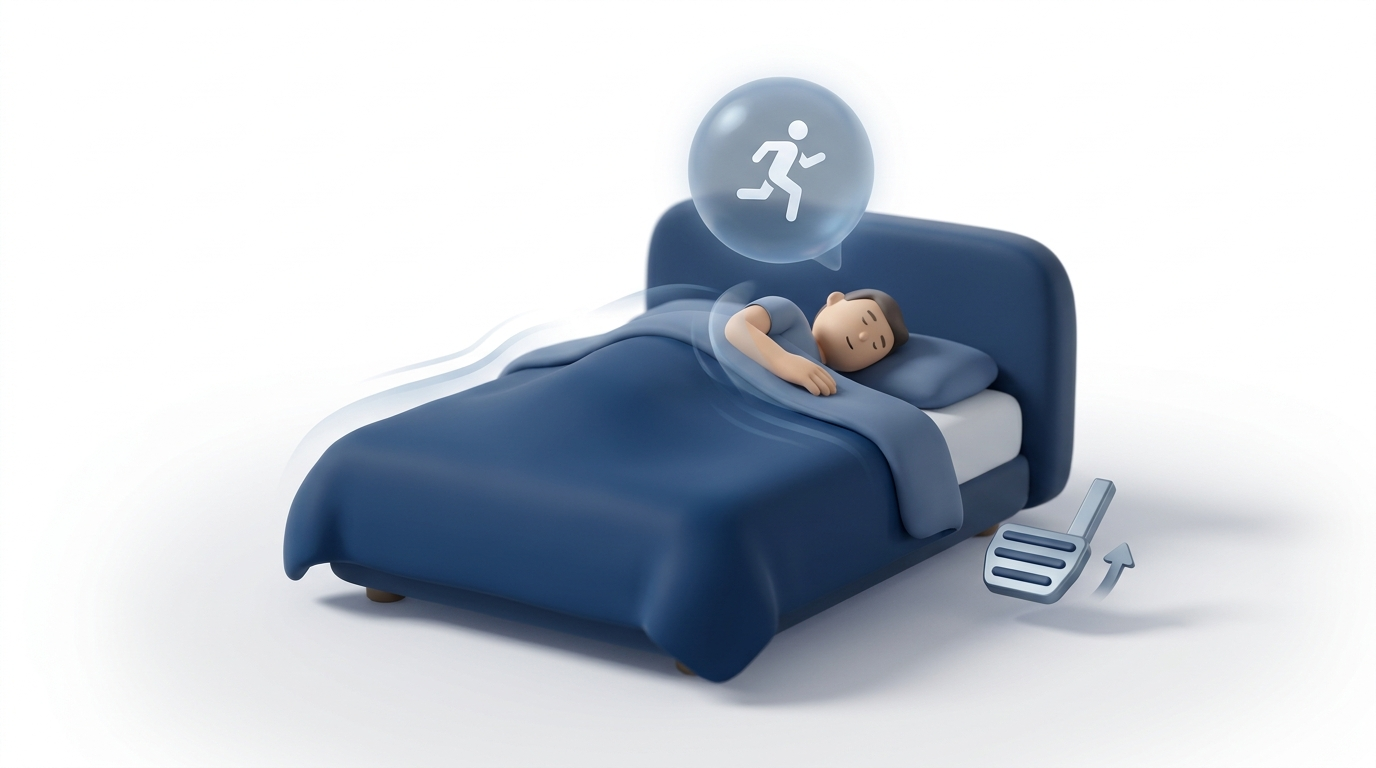
Think of it like this: during REM sleep, your brain is “watching a movie,” and your body usually has a built-in safety system that keeps you from acting it out. With RBD, that safety system doesn’t fully engage. Below is an educational guide to what RBD is, what may cause it, how it’s diagnosed, and what treatments are commonly considered. [1][2][3]
What Is REM Sleep Behavior Disorder (RBD)?
A quick definition (and how it differs from “restless sleep”)
REM sleep behavior disorder (RBD) is a parasomnia in which the normal muscle “off switch” during REM sleep doesn’t work properly. Instead of staying still, a person may move, speak, shout, punch, kick, or jump out of bed while dreaming—often in response to a vivid, action-filled dream. Because movements can be forceful and sudden, injury risk is a key reason this condition deserves medical attention. [1][2][3]
This is different from general tossing-and-turning. In RBD, behaviors often look purposeful (for example, “defending” against a threat in a dream) and may involve complex movements or vocalizations. A bed partner might describe it as “You looked awake for a second,” even though the person is actually asleep. [2][3]
Why REM sleep is usually “paralyzed”
During typical REM sleep, the brain is highly active and dreaming is common—but most skeletal muscles are kept temporarily relaxed. You can think of this relaxation as the brain applying “brakes” to the body so dreams stay internal.
When that protective relaxation is missing, clinicians call it REM sleep without atonia. In other words, RBD involves REM sleep without atonia, meaning the body is no longer protected from acting out dream content. [1][2]
- In RBD, the brain’s usual REM “brakes” fail, allowing dreams to drive real movements that may cause injury. -
Common Symptoms of REM Sleep Behavior Disorder
Nighttime signs (what bed partners often notice)
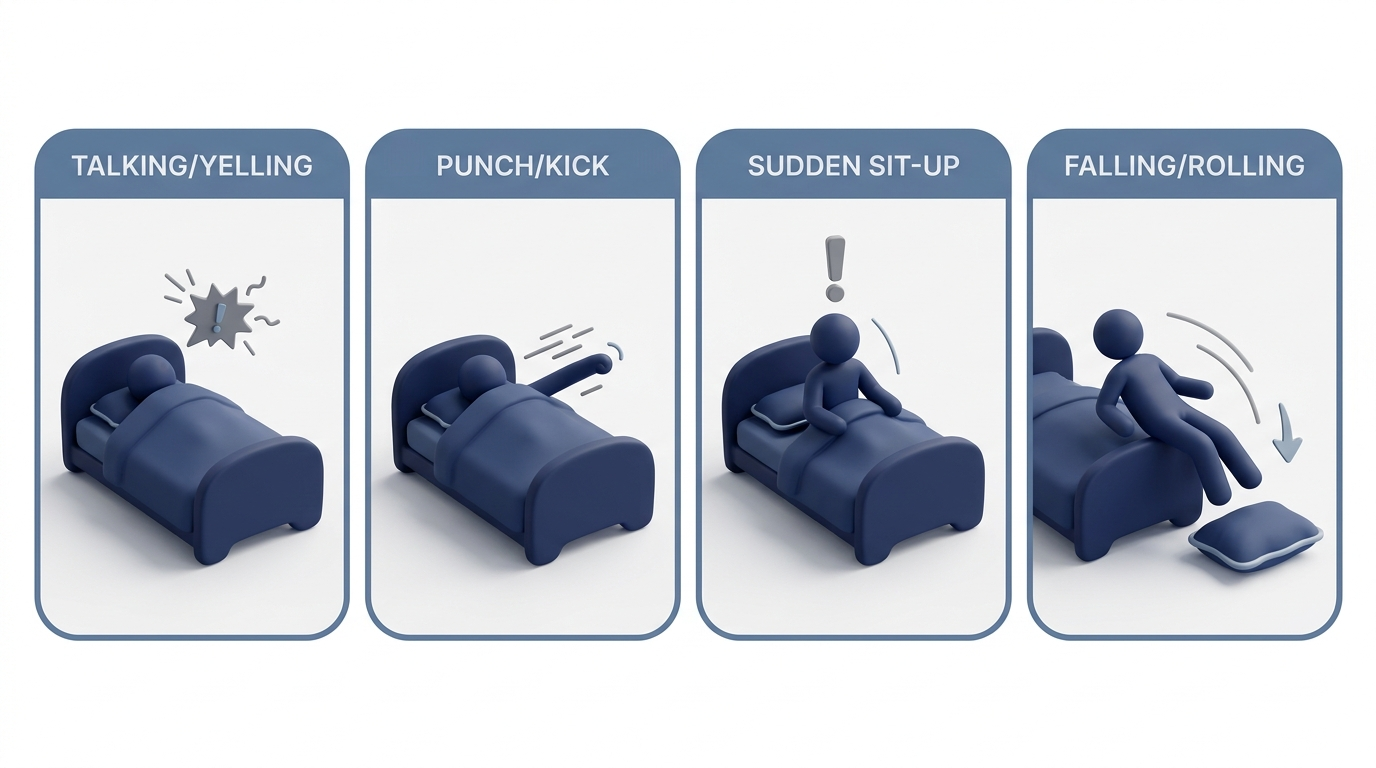
- Talking, yelling, laughing, swearing, or emotional shouting
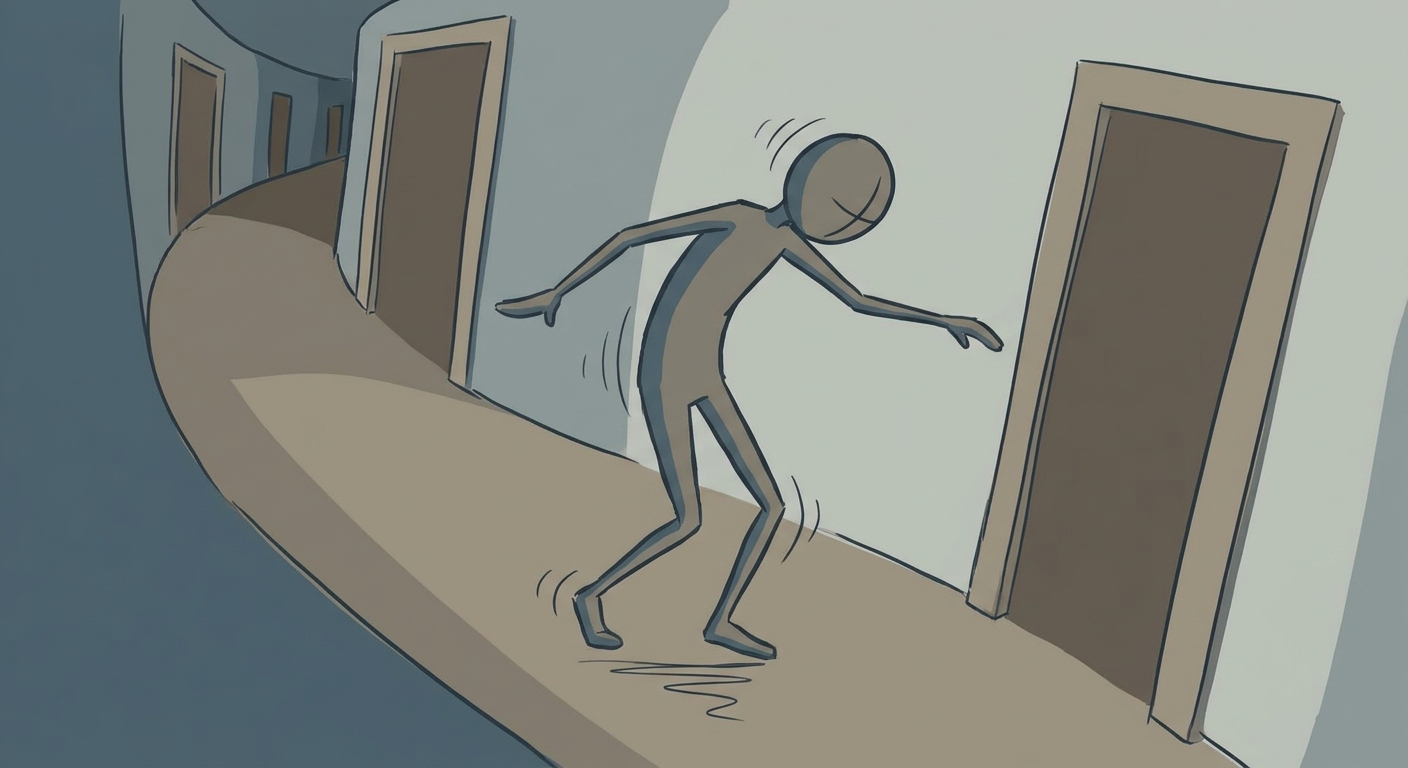
- Punching, kicking, arm flailing, grabbing, or striking
- Sudden “running” movements, falling out of bed, or lunging upright [2][3]
A practical example: someone may shout “Get away!” and throw an arm forward as if pushing something back. Another person might sit up suddenly and swing their legs as if trying to flee. Because these movements can be strong and fast, couples often seek help after a close call—like an elbow to the face or a fall onto a nightstand. [3]
Dream characteristics
- Vivid, action-filled dreams (often being chased or attacked)
- Movements that seem to match the dream storyline
- Sometimes, dream recall when awakened during or right after an episode [2][3]
Some people are surprised by how “story-like” the dreams can be. When awakened, they may say, “I thought someone broke into the house,” or “I was trying to protect you,” which can help clinicians connect the behavior to REM dreaming rather than another sleep condition. [2][3]
Safety red flags (when symptoms are urgent)
Educationally, it’s helpful to treat these as “don’t ignore” signs:
- Any injuries (bruises, cuts, head injury) or near-injuries
- A bed partner being harmed or afraid to sleep nearby
- New onset in older adulthood (worth evaluating promptly) [1][3]
Seek urgent medical care for serious falls, bleeding, or head impact, and arrange sleep-medicine follow-up. [3]
- Episodes often look purposeful and match vivid, threatening dreams—one reason safety planning is so important. -
What Causes REM Sleep Behavior Disorder?
Idiopathic/Isolated RBD (when it occurs on its own)
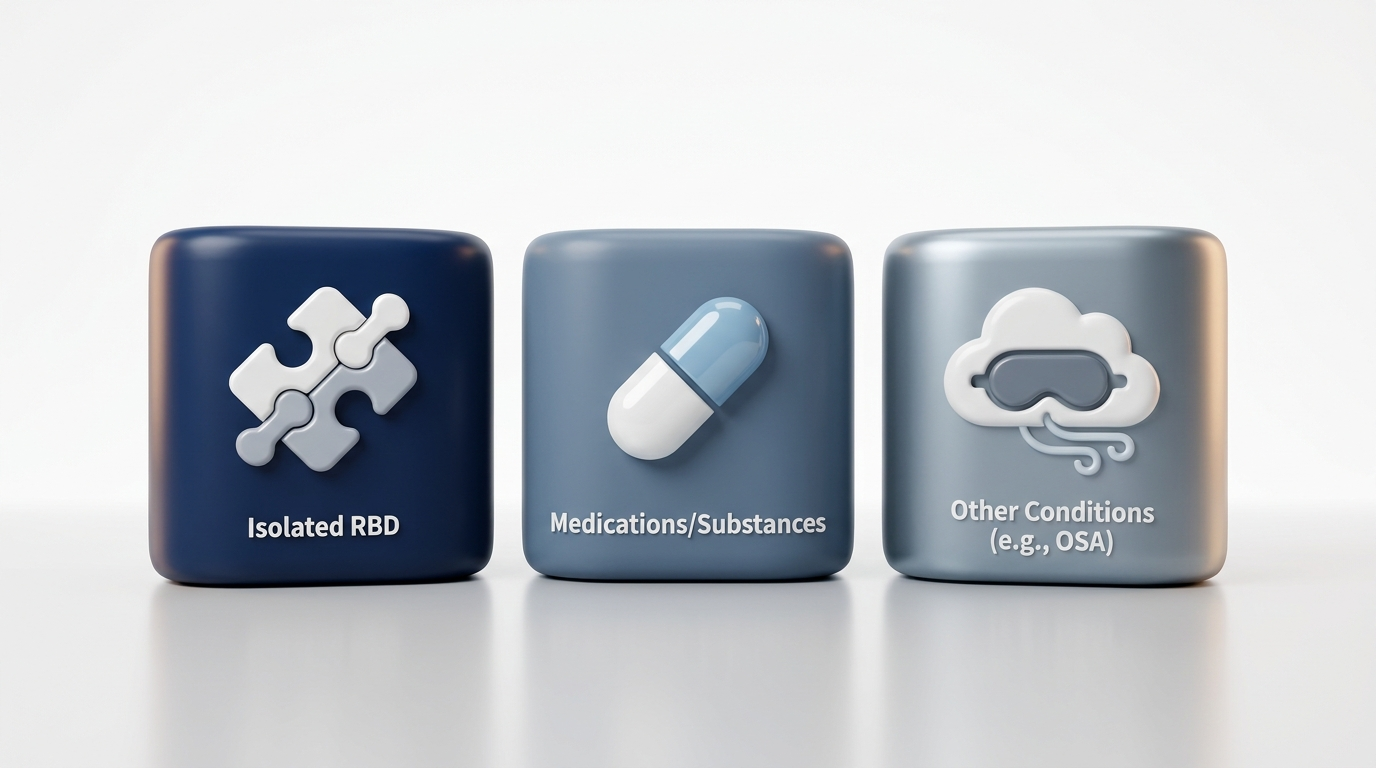
Sometimes RBD appears without another diagnosed condition. You may see this described as isolated RBD (or “idiopathic” RBD in older terminology). This category matters because it can influence what clinicians monitor over time, especially if symptoms begin later in life. [4][5]
RBD linked to neurological disease (the “alpha-synuclein” connection)
RBD is associated with certain neurodegenerative conditions sometimes called alpha-synuclein disorders, including Parkinson’s disease, dementia with Lewy bodies, and multiple system atrophy. Importantly, this is an association—not a guarantee. [2][5]
Many people understandably worry when they hear this. A more accurate, patient-friendly framing is: RBD can sometimes be an early sign that appears years before other neurological symptoms, which is why follow-up may be recommended. [2][5]
Medications and substances that can trigger/worsen dream enactment
Some medications—particularly certain antidepressants (often SSRIs/SNRIs)—may trigger or worsen acting out dreams in susceptible people. Alcohol withdrawal or other substance-related factors can also affect parasomnias and sleep stability. Because medication changes can have important risks, this is typically handled through clinician-guided review rather than self-adjustment. A common clinician approach is: “Let’s map out when symptoms started relative to medication changes, and decide—together—what’s safest to adjust.” [1][4]
Other medical contributors and mimics (important!)
A major “look-alike” is obstructive sleep apnea (OSA). Repeated breathing interruptions and arousals can lead to thrashing or sudden movements that resemble dream enactment. Sleep deprivation, irregular schedules, and other sleep disorders may also increase episode frequency. [1][4]
If you want to learn more about REM-related breathing events, see: REM Sleep Apnea Basics: Understanding Symptoms and Treatment: https://sleepandsinuscenters.com/blog/rem-sleep-apnea-basics-understanding-symptoms-and-treatment
- RBD can occur on its own, be triggered or worsened by medications, or coexist with other sleep and neurologic conditions—so evaluation focuses on the whole picture. -
RBD vs. Other Conditions That Look Similar
RBD vs sleepwalking/night terrors
Sleepwalking and night terrors are usually NREM parasomnias, often occurring earlier in the night. RBD episodes are tied to REM sleep, which tends to be more common later in the night (many people notice episodes closer to morning). People with RBD may also be more likely to recall dream content compared with classic sleepwalking. [3]
RBD vs seizures
Nocturnal seizures can sometimes look like abrupt, repetitive movements during sleep. Because treatment and safety planning differ, clinicians may consider seizures in the “rule-out” process—especially when episodes are stereotyped (very similar each time) or not clearly dream-linked. [3]
RBD vs obstructive sleep apnea behaviors
OSA-related arousals can lead to gasping, choking, and movements that may be mistaken for RBD. That’s one reason breathing evaluation is often part of a careful workup—particularly if there’s loud snoring, witnessed apneas, or marked daytime sleepiness. [1][3]
- Because several conditions can mimic RBD, getting the diagnosis right prevents the wrong treatment. -
How REM Sleep Behavior Disorder Is Diagnosed
Why self-diagnosis is risky
Because the behaviors can cause injury—and because several conditions can mimic RBD (including OSA and medication effects)—it’s easy to head down the wrong path without formal evaluation. The “right” treatment depends on the real cause. [1]
What a sleep specialist looks for (history + partner input)
Diagnosis typically begins with a detailed sleep history: what happens during episodes, how often, any injuries, and whether dream content matches the behavior. Bed partner observations can be extremely useful.
Clinicians also review medications and screen for sleep apnea symptoms. If you can share timing (“usually around 4 a.m.”) and a clear description (“he yelled and swung his right arm like throwing a punch”), it helps narrow the differential. [1][2]
The gold standard test: video polysomnography (video sleep study)
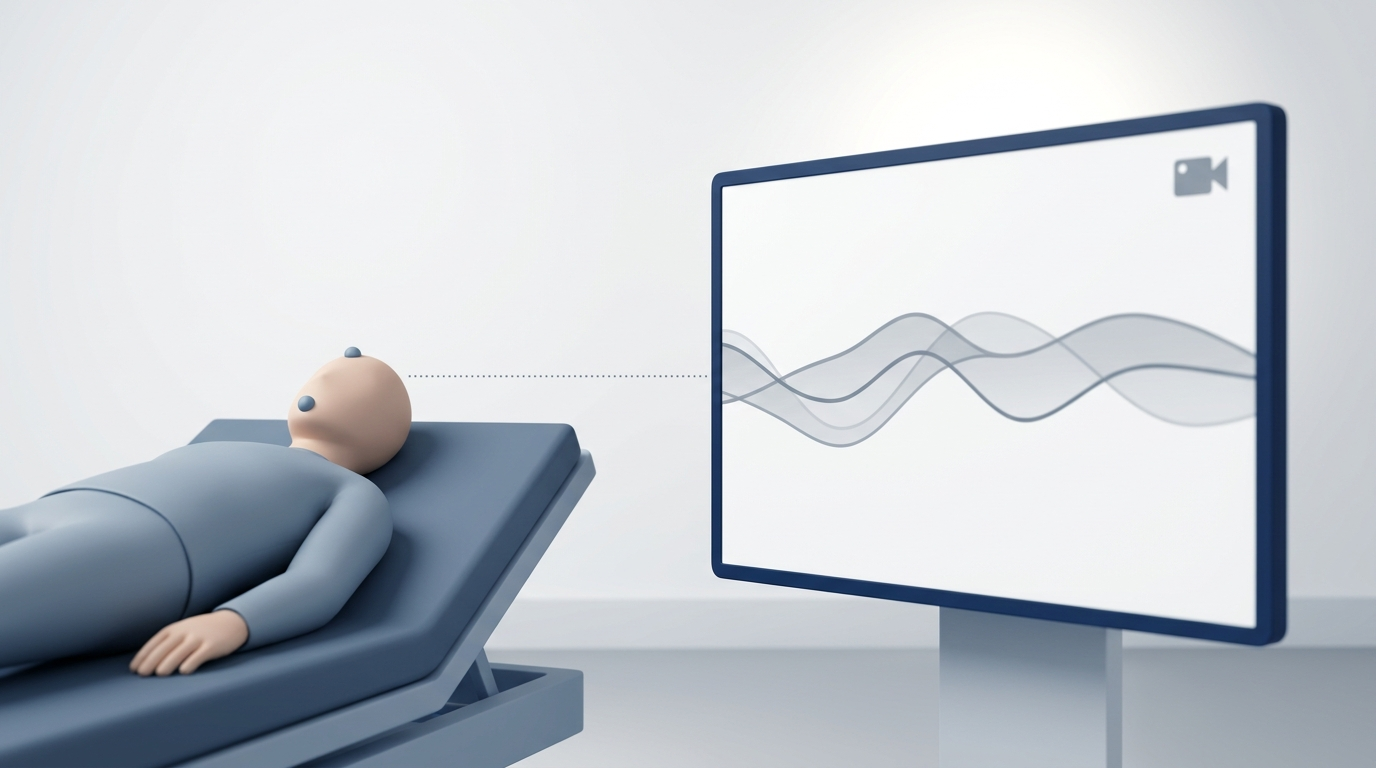
The gold standard test is video polysomnography, an overnight, in-lab sleep study that tracks brain waves, breathing, oxygen levels, heart rhythm, leg/arm muscle activity, and synchronized video. The key diagnostic finding is REM sleep without atonia—meaning increased muscle tone or movement during REM when the body should be still. [1][4]
If you’re new to sleep testing, these guides can help you feel prepared:
- Sleep study (polysomnography) — what to expect: https://sleepandsinuscenters.com/blog/sleep-study-test-what-to-expect-results-and-benefits
- Home sleep test vs. lab sleep study: which sleep test is best for you: https://sleepandsinuscenters.com/blog/home-sleep-test-vs-lab-study-which-sleep-test-is-best-for-you
What to ask your clinician before the sleep study
Common planning questions include whether any medications should be adjusted beforehand (only with supervision) and whether OSA evaluation should be included in the study plan. If you’re worried about “having an episode on camera,” it can help to know that the goal is simply to capture enough REM sleep and muscle activity to interpret the pattern. [4]
- A careful history plus video polysomnography is the most reliable way to confirm RBD and rule out look-alike conditions. -
RBD and Parkinson’s Disease: Understanding Research Risk vs. Certainty
Understanding risk—what research shows (and what it doesn’t)
Research consistently shows that isolated RBD is linked with a higher risk of developing certain neurodegenerative conditions compared with the general population. At the same time, it does not mean a diagnosis is inevitable. Risk varies by age, health context, and study cohort. [5]
A helpful way to hold both truths at once is: RBD can be an important clue for clinicians, but it is not a personal “prediction.” [2][5]
Conversion rates from a 2024 Mayo Clinic cohort (patient-friendly)
In a 2024 cohort study, 12.9% of 372 people with isolated RBD developed a defined neurodegenerative disorder overall during the observation period. Estimated conversion rates were approximately 6% at 5 years, 24% at 10 years, and 32% at 14 years, with higher risk when RBD was diagnosed at older ages. Overall percentages depend on how long people were followed; the year-specific figures are estimated cumulative rates from that study and may not apply to every person. [5]
Practical next step: appropriate neurological follow-up
When clinicians recommend follow-up, it may involve periodic screening for changes such as tremor, stiffness, balance issues, cognitive changes, or reduced sense of smell—tailored to the individual. For many patients, the most reassuring plan is simply a clear schedule: “Here’s what we’ll watch for, and here’s when we’ll re-check.” [1][2]
- Higher population risk does not equal certainty for any one person; planned follow-up is the practical path forward. -
Treatment Priorities: Safety First (Protect the Sleeper and Bed Partner)
Bedroom safety checklist (immediate steps)
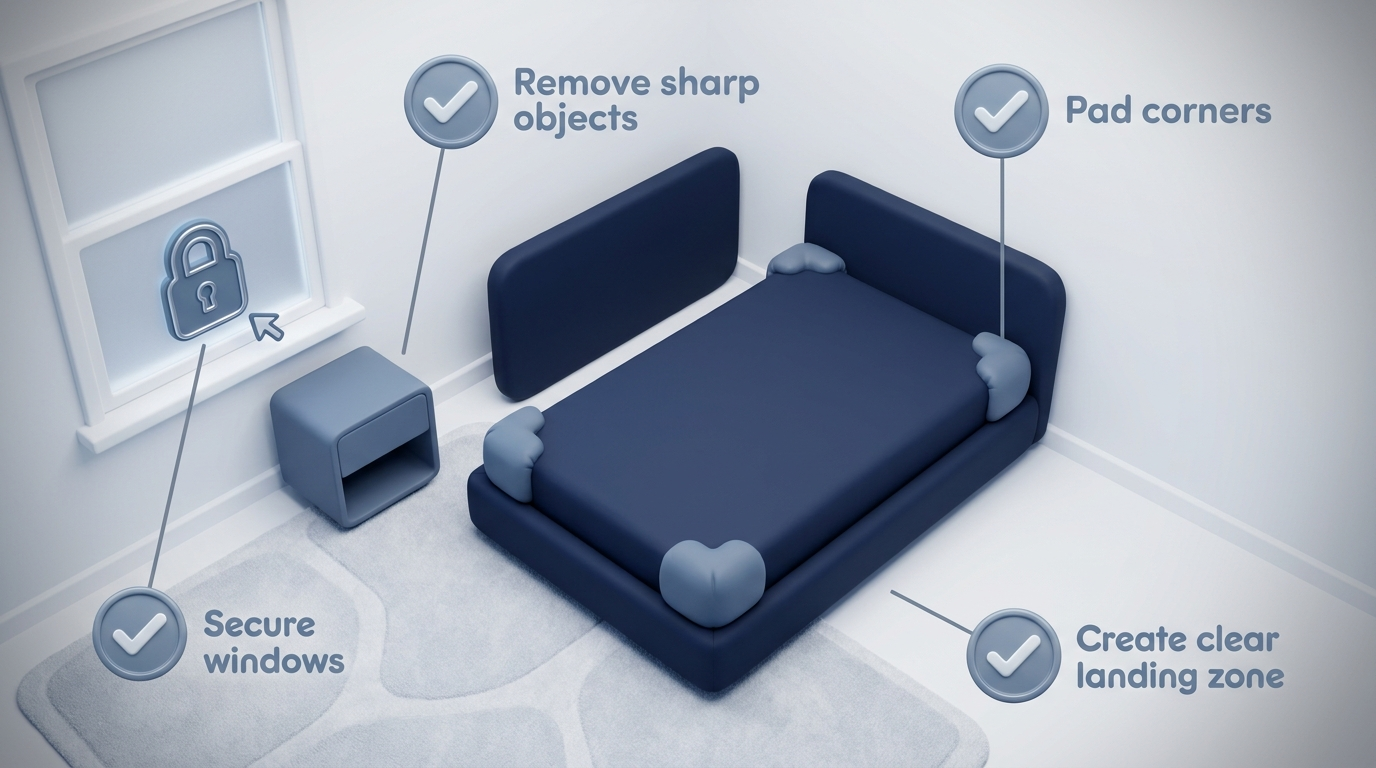
Because injuries can occur, education often starts with environmental safety strategies such as:
- Removing sharp or breakable objects near the bed
- Padding nearby corners or moving furniture farther away
- Securing windows and keeping weapons out of the bedroom
- Considering separate beds/rooms if injury risk is high [3][4]
If you want a concrete starting point, look around the bed the way you would childproof a room: reduce hard edges, remove glass, and create a safer “landing zone” if someone rolls or falls. [3]
If you share a bed: partner protection tips
Partners can help by noting timing, potential triggers (alcohol, sleep loss, new meds), and what the behavior looked like. If safe and consensual, brief documentation can support clinical evaluation.
Just as importantly, partners should prioritize their own safety—some couples temporarily sleep separately while evaluation and treatment are underway. That decision is practical, not personal. [1][3]
- Make the sleep space safer right away while you pursue diagnosis and treatment. -
Medical Treatments for REM Sleep Behavior Disorder
Treatment decisions are individualized and clinician-directed, balancing benefits with side effects and fall risk—especially in older adults.
Options with conditional AASM recommendations
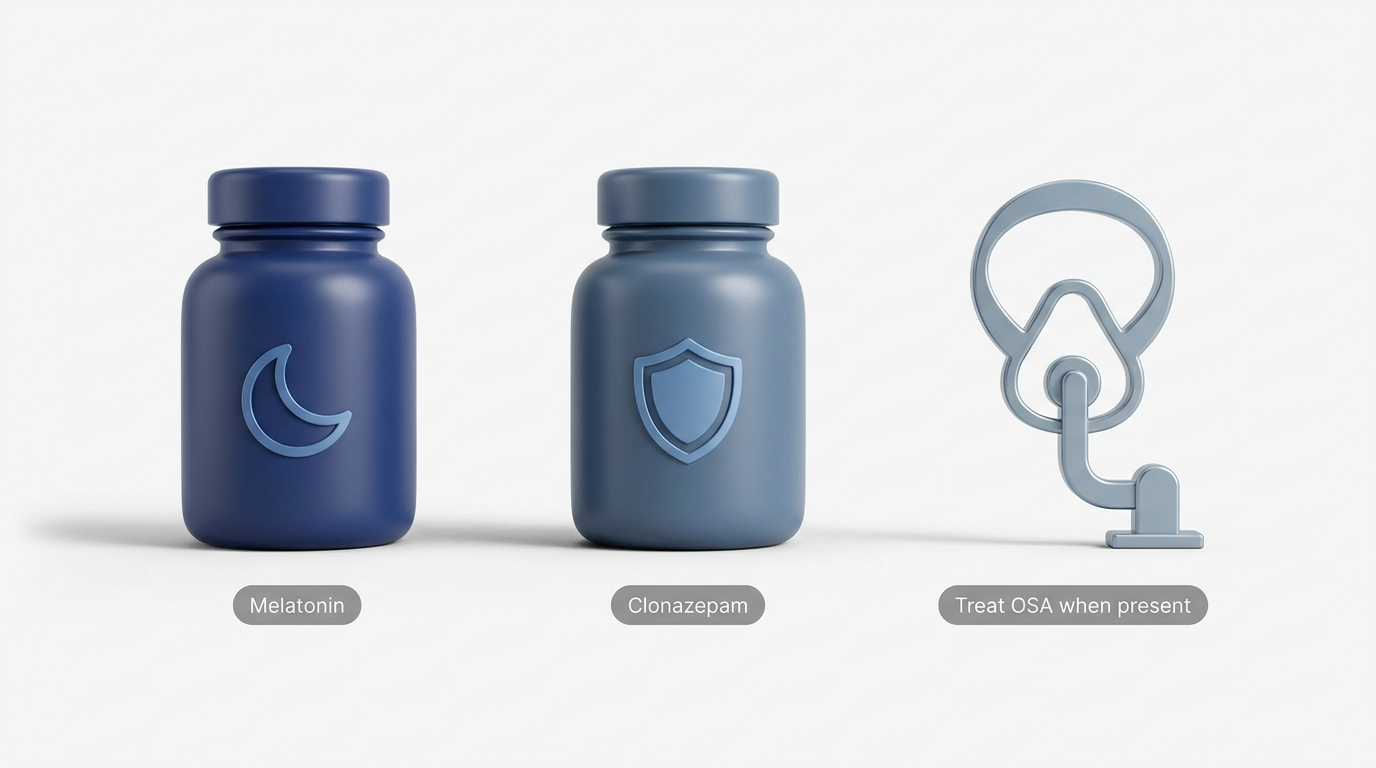
- Immediate-release melatonin (often favored for tolerability). Note: melatonin can change dream vividness in some people; dose and timing matter, so discuss the plan with your clinician. [4]
- Clonazepam (effective for many people, but may cause next-day sedation, falls, or cognitive effects—particularly in older adults). [4]
Related reading: Melatonin Nightmares: Causes, Symptoms, and How to Stop Vivid Dreams: https://sleepandsinuscenters.com/blog/melatonin-nightmares-causes-symptoms-and-how-to-stop-vivid-dreams
Other medications sometimes considered
In selected cases, clinicians may consider options such as pramipexole or rivastigmine, depending on the clinical context and patient factors. This is typically a discussion of “what fits best” based on symptoms, other diagnoses, and medication tolerance. [4]
If medications triggered symptoms
When dream enactment appears after starting or increasing certain medications, a supervised plan to adjust or change the provoking medication may help. Abruptly stopping psychiatric medications can be risky, so coordination with the prescribing clinician is important. [1][4]
Treating coexisting sleep apnea may reduce behaviors
If obstructive sleep apnea is present, treating it may reduce sleep disruption and arousals that can aggravate nighttime behaviors—especially when apnea mimics or fragments REM sleep. In some cases, addressing breathing-related sleep fragmentation is a key part of calming nighttime movement. [1]
- Medication choices are individualized; review risks, benefits, and coexisting conditions with your clinician. -
Lifestyle Tips That Can Help Reduce Episodes
Sleep habits that support calmer REM sleep
General strategies that may help reduce episodes include:
- Keeping a consistent sleep schedule and avoiding sleep deprivation
- Limiting alcohol close to bedtime
- Using stress-reduction and a calming wind-down routine [3]
More on foundational routines: Sleep hygiene tips to support better sleep: https://sleepandsinuscenters.com/blog/sleep-hygiene-and-its-impact-on-ent-disorders-key-insights
Track patterns to bring to your appointment
A simple log can be useful: bedtime/wake time, alcohol timing, new medications, episode description, and any injuries. Some people also include “context notes” like travel, illness, or high-stress days.
Even one or two weeks of notes can help a clinician see patterns—especially if the bed partner can add a brief description of what they observed. [1]
- Small, consistent habits can support medical therapy and may reduce episode frequency over time. -
When to See a Doctor (and Which Specialist)
Signs you should book an evaluation soon
Consider scheduling an evaluation if dream enactment happens repeatedly, if there are any injuries, if symptoms started after a medication change, or if episodes are increasing. [1][2]
If your partner says, “I’m scared to sleep next to you,” that’s also a valid reason to get help sooner rather than later—RBD is treatable, and safety planning can start right away. [3][4]
The right clinician for diagnosis and follow-up
A sleep specialist can evaluate symptoms and arrange the appropriate testing, including video polysomnography when needed. Depending on age and overall risk profile, neurology follow-up may also be discussed. Learn more here: Sleep Medicine Doctor: Expert Diagnosis and Treatment for Sleep Disorders: https://sleepandsinuscenters.com/blog/sleep-medicine-doctor-expert-diagnosis-and-treatment-for-sleep-disorders
How to prepare for your appointment
Bring a current medication list (including supplements), a short sleep diary, partner observations, and notes about any injuries or close calls.
If you’re unsure where to start, this can help organize your symptoms: Take a sleep disorder quiz: https://sleepandsinuscenters.com/blog/sleep-disorder-quiz-identify-your-symptoms-and-sleep-issues
Ready to talk with a sleep specialist? You can book an appointment with Sleep & Sinus Centers here: https://www.sleepandsinuscenters.com/
- Early evaluation improves safety and tailors care to the true cause of dream enactment. -
FAQs About REM Sleep Behavior Disorder
“Is RBD dangerous?”
It can be—primarily because of injury risk to the sleeper or bed partner. That’s why safety modifications are usually emphasized early, even while you’re waiting for testing or results. [3][4]
“Can RBD go away on its own?”
Some medication-related cases may improve after supervised medication changes. Other cases may persist and require ongoing management, especially when episodes are frequent or risky. [4]
“How is RBD different from nightmares?”
Nightmares are scary dreams; REM sleep behavior disorder involves acting out dreams because REM atonia is missing. In other words, the issue is not just the dream content—it’s the body moving during REM. [2][3]
“Does everyone with RBD develop Parkinson’s?”
No. Risk is higher than average, but outcomes vary widely. In one cohort, estimated conversion was about 6% at 5 years and 24% at 10 years; these are study-specific estimates and may not apply to every person. [5]
“How do clinicians choose between melatonin and clonazepam?”
Both are commonly used under clinician guidance. The choice depends on factors such as age, fall risk, other medications, and symptom severity—and may change over time. [4]
Key Takeaways
- REM sleep behavior disorder is not just restless sleep—it’s dream enactment due to loss of REM muscle paralysis (REM atonia). [1][2]
- Diagnosis is best made with a sleep-specialist evaluation and video polysomnography showing REM sleep without atonia, while ruling out mimics like OSA and medication effects. [1][4]
- Safety steps plus clinician-directed therapy—often melatonin for RBD or clonazepam for RBD—are common approaches, with choices tailored to the individual. [4]
- Isolated RBD is associated with increased future neurodegenerative risk (including Parkinson’s-spectrum disorders), but it’s not destiny; appropriate follow-up can be discussed. [5]
References
[1] AASM. Provider Fact Sheet — REM Sleep Behavior Disorder. https://aasm.org/wp-content/uploads/2022/07/ProviderFS-REM-Sleep-Behavior-Disorder.pdf
[2] Mayo Clinic. REM sleep behavior disorder—Symptoms and causes. https://www.mayoclinic.org/diseases-conditions/rem-sleep-behavior-disorder/symptoms-causes/syc-20352920
[3] Cleveland Clinic. REM Sleep Behavior Disorder (RBD). https://my.clevelandclinic.org/health/diseases/24465-rem-sleep-behavior-disorder-rbd
[4] AASM. Management of REM Sleep Behavior Disorder Clinical Practice Guideline (2023) + summary. https://aasm.org/new-guideline-provides-treatment-recommendations-for-people-who-act-out-their-dreams-while-asleep/
[5] Alexandres et al. (2024). Phenoconversion in Women and Men With Isolated REM Sleep Behavior Disorder. https://pmc.ncbi.nlm.nih.gov/articles/PMC11515114/
This article is for educational purposes only and is not medical advice. Please consult a qualified healthcare provider for diagnosis and treatment. If you or a bed partner is at risk of injury, seek prompt professional evaluation.
Don’t let allergies slow you down. Schedule a comprehensive ENT and allergy evaluation at Sleep and Sinus Centers of Georgia. We’re here to find your triggers and guide you toward lasting relief.