Why You Wake Up at 3 a.m. Every Night: Causes and Solutions
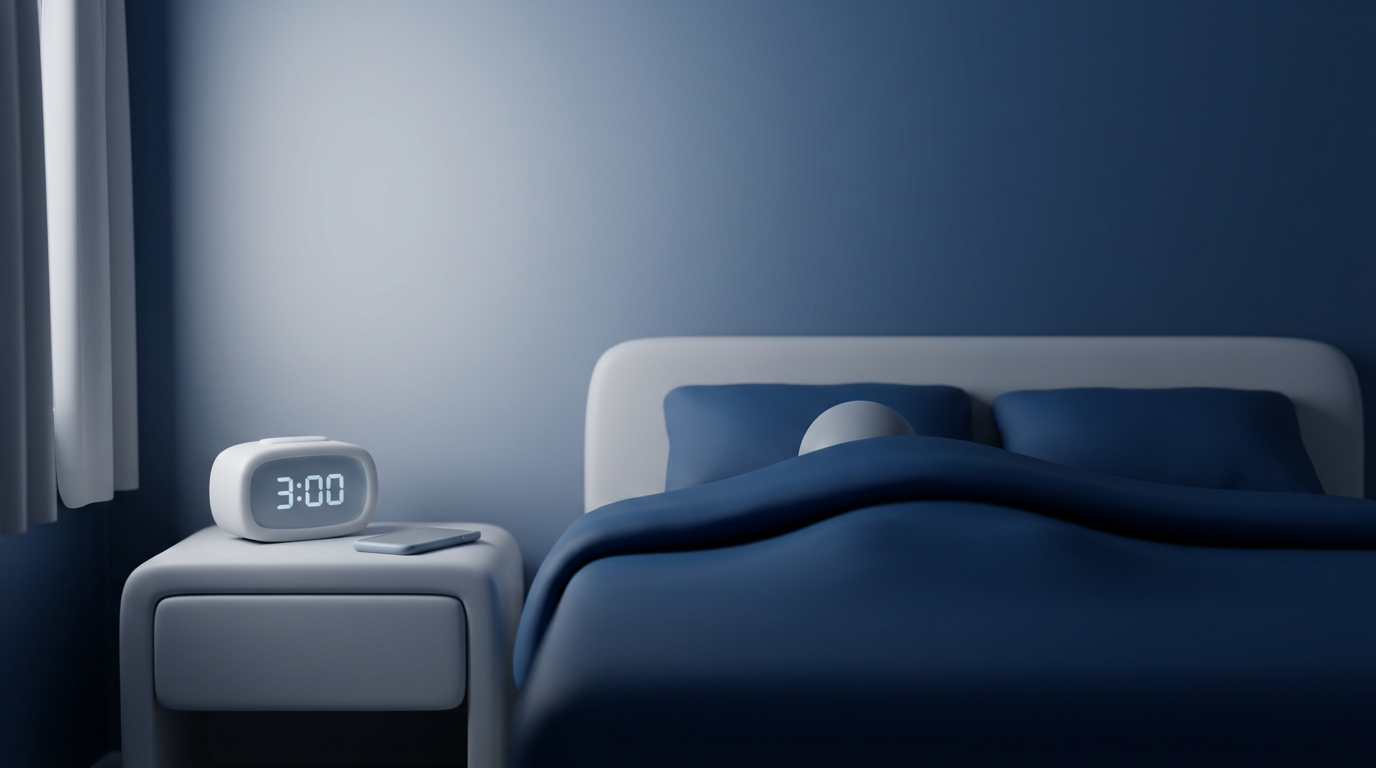
You wake up, reach for your phone, and there it is again: 3:00 a.m. If you’ve been wondering why you wake up at 3 a.m. every night, you’re not alone—and you’re not “broken.” This pattern is common, often manageable, and sometimes a clue that your sleep is being fragmented by a specific trigger or an underlying sleep disorder.
In this guide, you’ll learn what’s most likely behind repeated 3 a.m. awakenings, which symptoms are worth tracking, what to do in the moment when you can’t stay asleep, and when it’s smart to seek a professional evaluation. Evidence note: waking at “3 a.m.” is typically a pattern of repeated nighttime awakenings—not a special biologic event tied to that exact minute. [1,2]
Is There Something Special About 3 a.m.?
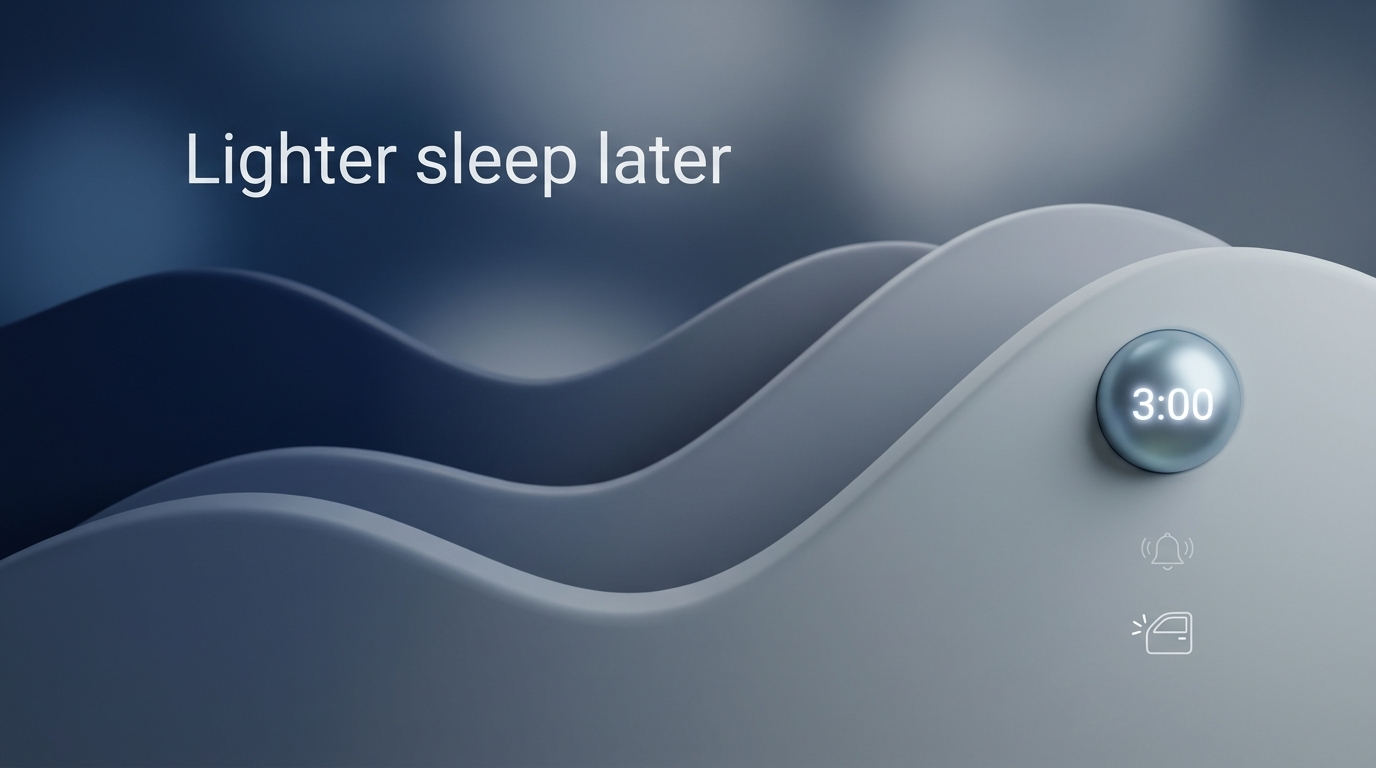
The simple science—sleep gets lighter later in the night. Sleep isn’t one long, steady state. You move through cycles of deeper and lighter sleep. In general, deeper sleep tends to cluster earlier in the night, while sleep becomes lighter toward morning. That matters because lighter sleep is easier to interrupt—by stress, noise, light, temperature shifts, discomfort, or the need to use the bathroom. [1,2]
A helpful analogy: think of sleep like a movie that starts with the volume turned down (deep sleep) and gradually turns up as morning approaches (lighter sleep). When the “volume” is higher, even small interruptions—like a neighbor’s car door, a partner rolling over, or your brain replaying tomorrow’s meeting—can pull you fully awake.
So if you keep noticing awakenings at roughly the same time, it may be less about “3 a.m.” itself and more about when your sleep becomes easiest to disrupt. This is a big reason people search for why you wake up at 3 a.m. every night—because it feels oddly consistent, even when the cause is something practical and changeable.
Myth-busting: “3 a.m. hormones.” It can be tempting to look for a single universal explanation, like a special “3 a.m. hormone spike.” But there’s no evidence that everyone has a built-in, clock-timed event that forces awakening at exactly 3:00 a.m. [1,2] Some people ascribe meaning to the timing, but biologically, it’s more productive to treat it as a pattern: repeated middle-of-the-night awakening linked to stress, environment, substances, or a sleep disorder.
Summary: It’s rarely about 3:00 a.m. itself; it’s usually about lighter, more fragile sleep later in the night.
Common Symptoms That Go With 3 a.m. Wake-Ups (and What They Suggest)
The goal here isn’t to self-diagnose—it’s to recognize patterns you can describe clearly if you decide to seek help.
Short wake-up vs. can’t fall back asleep. A brief wake-up that lasts a few minutes is very different from being awake for 30–90 minutes, frustrated, and alert. Brief awakenings can happen even in healthy sleep and may not cause daytime issues. Long awakenings (especially if frequent) can fit a “sleep maintenance insomnia” pattern, particularly when they lead to daytime fatigue, irritability, or trouble concentrating. [3,4]
Duration and frequency matter. If you’re tracking waking up at 3 a.m., note how long you’re awake, not just the time on the clock. For example, “awake at 3:05 a.m. for 10 minutes” points to a different problem than “awake at 3:05 a.m. for an hour, wide awake.”
What you feel when you wake up. Racing mind or pounding heart may reflect a stress response (hyperarousal), anxiety, or conditioned insomnia. [1,3] Gasping, choking, loud snoring, or witnessed breathing pauses can be red flags for obstructive sleep apnea. [6] Hot flashes or night sweats are common in perimenopause/menopause and can fragment sleep. [1] A strong need to urinate may point to nocturia, fluid timing, medication effects, or sleep fragmentation from another cause. [1,2] Pain, coughing, or reflux symptoms can trigger repeated awakenings and make it harder to fall back asleep. [1,3]
Summary: Track the length of awakenings and what you feel—those clues help pinpoint the likely cause.
The Most Common Causes of Waking Up at 3 a.m. Every Night
If you’re trying to figure out why you wake up at 3 a.m. every night, these are some of the most common, practical causes to consider first.
Stress, anxiety, and depression (the “3 a.m. worry loop”). Stress and sleep are tightly linked. When your brain is on high alert, you may wake more easily—and once awake, your mind may latch onto worries, plans, or unfinished tasks. This can create a loop: wake → worry → become more alert → harder to fall asleep. [1,3] Early-morning awakening can also be associated with depression in some people; only a clinician can assess that. [3]
Environment: light, noise, temperature, and partner sleep disruptions. Even small disturbances can matter more in lighter sleep: light leakage, phone notifications, a snoring partner, pets moving, or a room that warms or cools overnight. Because these triggers often repeat, they can look like a “3 a.m. pattern.” [1,2] For instance, if your thermostat changes at 2:45 a.m., you may not notice the shift consciously—only the predictable wake-up that follows.
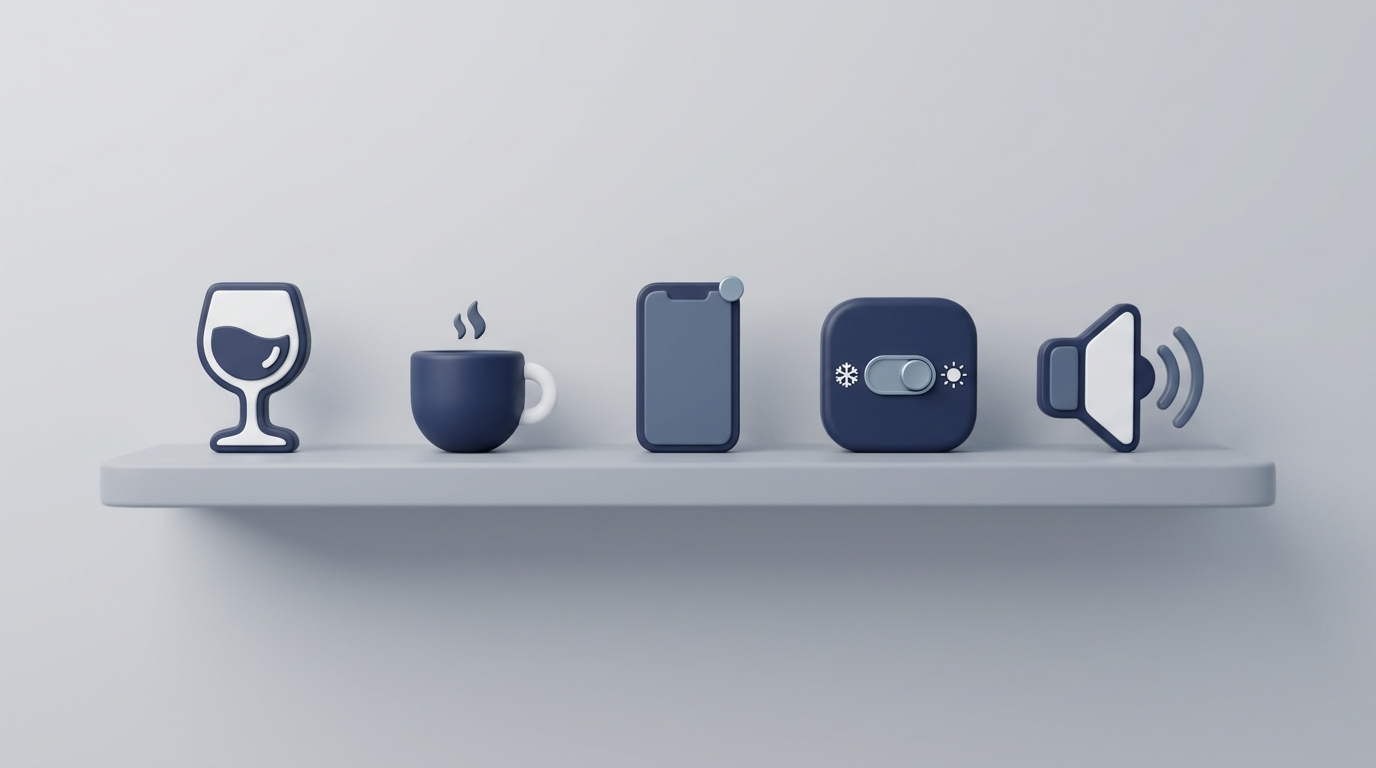
Alcohol, caffeine, nicotine, late meals, and naps. Alcohol may make you sleepy initially but often fragments sleep later in the night. [1,2] Afternoon/evening caffeine can still affect sleep quality. [2] Nicotine’s stimulant effect can lighten sleep. [2] Late meals can provoke reflux or discomfort. [3] Long or late naps can reduce nighttime sleep drive. [2]
Needing to urinate (nocturia). Nighttime urination is common and can be driven by late fluids, alcohol, caffeine, some medications, aging, and sometimes sleep-apnea–related awakenings that make you notice your bladder. [1,2] Waking once and drifting back to sleep differs from multiple trips that leave you fully alert.
Hormonal shifts (menopause/perimenopause) and aging. Hormonal changes can increase hot flashes, night sweats, and sleep instability. Aging also tends to bring lighter sleep and more awakenings. [1,2]
Medications and substances that can fragment sleep. Certain stimulants, steroids, decongestants, some antidepressants, and diuretics can lighten sleep or increase awakenings. If you suspect a link, discuss a review rather than stopping abruptly. [1,3]
Pain and medical conditions. Chronic pain, reflux, breathing issues, and nasal blockage can interrupt sleep and make awakenings more frequent. If you notice respiratory discomfort or unrefreshing sleep with repeated awakenings, consider sleep-disordered breathing as part of the picture. [1,3]
Summary: Start with practical triggers—stress, environment, substances, hormones, and medical factors—before assuming a rare cause.
When 3 a.m. Wake-Ups May Signal a Sleep Disorder
Insomnia (especially sleep-maintenance insomnia). Insomnia isn’t just trouble falling asleep—it can also look like difficulty staying asleep, waking too early, and having daytime impairment. [3,4] The harder you try to force sleep, the more alert and frustrated you can become, which is why behavioral treatments retrain patterns rather than pushing harder. For an overview of skills many clinicians teach, see: CBT-I techniques for insomnia (evidence-based). [4]
Obstructive sleep apnea (OSA). OSA can cause repeated micro-awakenings due to breathing interruptions, oxygen drops, or arousals from effortful breathing. You might remember these as “3 a.m.” because sleep is lighter and awakenings are easier to perceive. Common red flags include loud snoring, gasping/choking, witnessed pauses, morning headaches, and excessive daytime sleepiness. [6]
Circadian rhythm issues (less common, but relevant). If your body clock is shifted (shift work, irregular schedules, social jet lag), you may wake at consistent times even when you want to sleep longer. A clue is waking at the same time even on weekends or vacations. [2,3]
Summary: If awakenings are frequent, prolonged, or paired with snoring/gasping or daytime sleepiness, consider a sleep-disorder evaluation.
What to Do In the Moment When You Wake Up at 3 a.m.
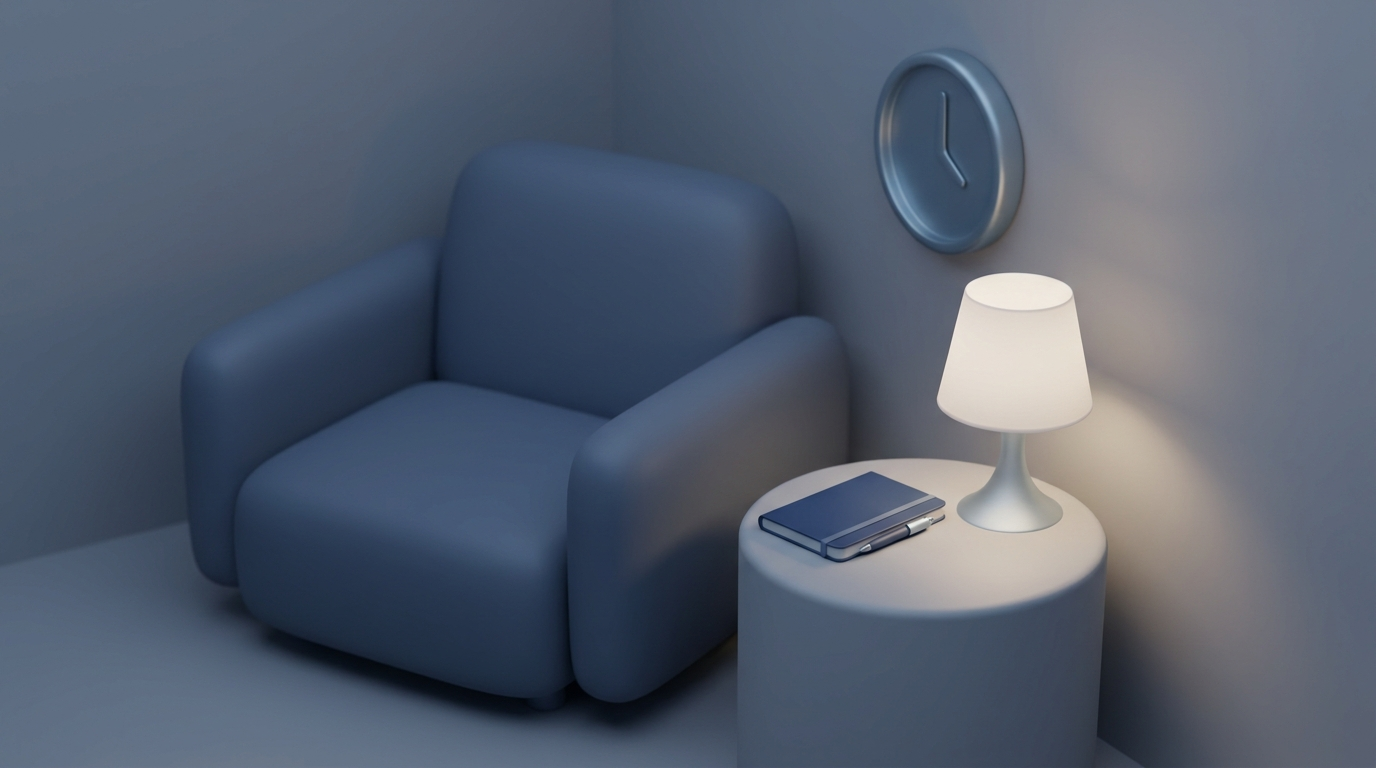
The “10–20 minute rule.” If you’re awake long enough to feel frustrated or wired, leave the bed briefly for a calm activity in dim light, then return when sleepy. This reduces the bed/awake association. Avoid clock-watching; turn the clock away or keep your phone out of reach. [4]
What NOT to do at 3 a.m. Avoid scrolling email/news/social media, problem-solving your life in bed, or using alcohol to fall back asleep (it can worsen fragmentation later). [1,2]
Quick calming techniques. Try slow, gentle breathing, progressive muscle relaxation, or a quick “brain dump” list on paper. If you wake to urinate, keep lights low and interactions minimal so you don’t fully “gear up.” [2]
Summary: If you’re awake and wired, step out briefly, keep things dim and calm, and return when sleepy—without watching the clock.
Solutions That Actually Help (Lifestyle + Sleep Hygiene)
Build a consistent sleep-wake schedule. A consistent wake time stabilizes circadian rhythms over time—even after a rough night. Irregular schedules can reinforce early-morning awakening or repeated awakenings. [1,2] When experimenting, change one variable at a time for a week.
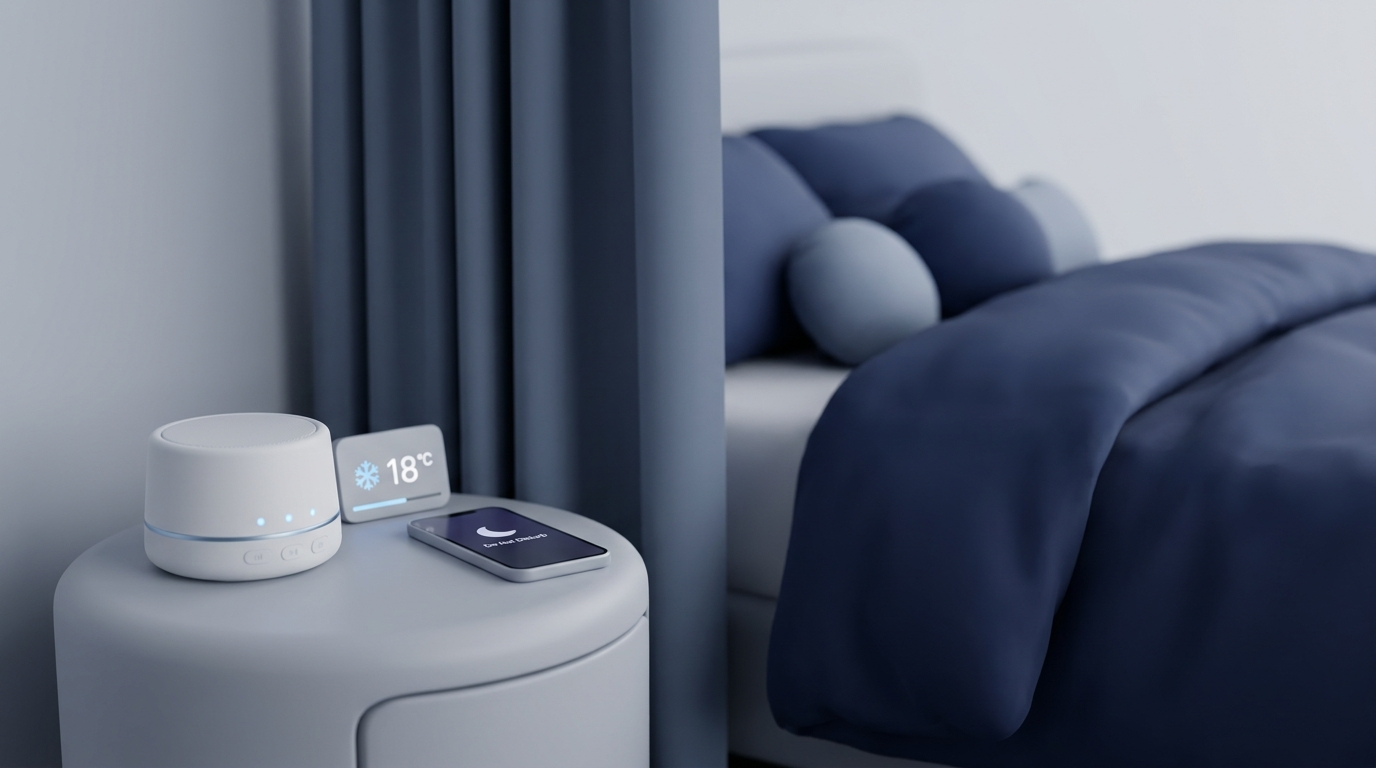
Improve your sleep environment. Darken the room (blackout curtains, minimize LEDs), reduce noise (white noise if helpful), keep the temperature cooler, and address partner-related disruptions where possible (snoring evaluation, bedding adjustments). [2]
Adjust stimulants and sleep disruptors. Consider earlier caffeine cutoffs if sensitive, reduce or avoid alcohol close to bedtime, and keep naps short and earlier in the day if needed. [1,2]
Reduce nighttime bathroom trips. Shift more fluids earlier in the day, limit late alcohol/caffeine, and review diuretic timing with a clinician when relevant. [1]
Summary: Small, consistent changes to schedule, environment, and substances often reduce 3 a.m. wake-ups.
Medical Treatments (What a Clinician May Recommend)
For insomnia: CBT-I as first-line therapy. CBT-I typically includes stimulus control, sleep scheduling strategies, and cognitive techniques to reduce sleep-related worry. [4] Explore CBT-I techniques here: https://sleepandsinuscenters.com/blog/cbt-insomnia-training-evidence-based-cbt-i-techniques-to-improve-sleep
For suspected sleep apnea: evaluation and treatment options. If symptoms suggest OSA, evaluation may include screening and a sleep study. Treatments can include CPAP therapy, oral appliances for appropriate candidates, positional therapy, and addressing contributing nasal obstruction when relevant. [6]
Medication review and treating underlying conditions. A clinician may review medication timing/effects and address contributors such as reflux, pain, mood symptoms, menopause symptoms, or urinary issues—because fragmented sleep often has more than one cause. [1,3]
Summary: If self-care changes aren’t enough, targeted clinical treatments can address insomnia patterns, breathing disorders, and medical contributors.
When to Seek Medical Advice (Don’t Ignore These Red Flags)
Consider a clinical conversation if the pattern persists for weeks and you can’t stay asleep reliably or it impacts daytime functioning; if you have loud snoring, choking/gasping, witnessed breathing pauses, morning headaches, or excessive sleepiness (possible sleep apnea) [4,6]; or if you have significant mood symptoms, uncontrolled pain, or frequent nighttime urination disrupting sleep. [1,3]
If you want a structured way to organize symptoms before an appointment, try this: sleep disorder quiz (screen your symptoms) https://sleepandsinuscenters.com/blog/sleep-disorder-quiz-identify-your-symptoms-and-sleep-issues
Summary: Persistent, impairing awakenings or apnea red flags are good reasons to get evaluated.
FAQs
Why do I wake up at 3 a.m. and can’t fall back asleep? Often it’s a combination of lighter sleep later in the night plus a trigger (stress, noise/light, alcohol, caffeine, temperature shifts) or an insomnia pattern that keeps the brain alert once awake. [2,3]
Is waking up at 3 a.m. a sign of sleep apnea? It can be—especially if waking is paired with snoring, gasping/choking, witnessed pauses, morning headaches, or daytime sleepiness. [6]
Does alcohol cause 3 a.m. wake-ups? For many people, yes. Alcohol can increase sleep fragmentation in the second half of the night, making middle-of-the-night awakening more likely. [1,2]
What if it only happens on work nights? That pattern may point to stress/anticipatory anxiety, schedule mismatch, or conditioned insomnia (where the bed becomes linked with alertness). [3,4]
What’s a reasonable first step tonight? Many sleep experts suggest keeping lights low, avoiding screens, using a calm activity if you’re awake too long, and protecting a consistent wake time the next morning. [1,3]
Conclusion: Focus on the Pattern, Not the Clock
If you’re stuck on why you wake up at 3 a.m. every night, it may help to reframe it: this is usually sleep fragmentation, not a mysterious 3 a.m. event. Because sleep is lighter toward morning, recurring triggers—stress, environment, alcohol and sleep disruption, nighttime urination, menopause night sweats, medications, or breathing-related sleep disorders—become easier to notice. [1,2]
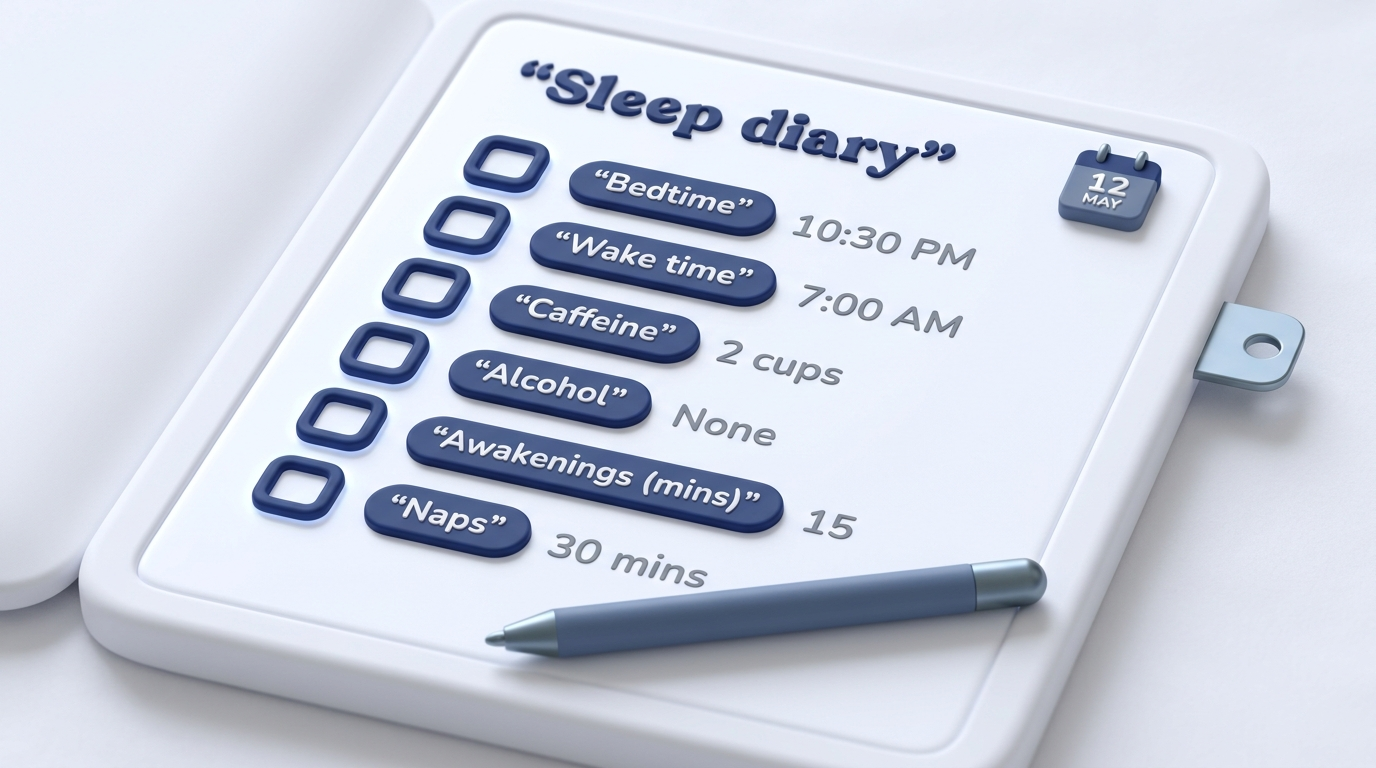
A practical next step is a 1–2 week sleep diary noting bedtime/wake time, caffeine/alcohol, awakenings (how long), naps, and symptoms like snoring/gasping, hot flashes, reflux, pain, and bathroom trips. That record can make an evaluation far more efficient.
If you’re ready for a professional review of your symptoms and next steps, you can book an appointment with Sleep and Sinus Centers of Georgia here: https://www.sleepandsinuscenters.com/
References
1. Cleveland Clinic. “Why You Keep Waking Up at 3 a.m.” (2025). https://health.clevelandclinic.org/why-do-you-always-wake-up-at-3-a-m
2. Sleep Foundation. “Why Do I Wake Up at 3 a.m.?” (2025). https://www.sleepfoundation.org/sleep-faqs/why-do-i-wake-up-at-3am
3. Mayo Clinic. “Insomnia — Symptoms and causes” (2024). https://www.mayoclinic.org/diseases-conditions/insomnia/symptoms-causes/syc-20355167
4. Cleveland Clinic. “Insomnia: What It Is, Causes, Symptoms & Treatment” (2024). https://my.clevelandclinic.org/health/diseases/12119-insomnia
5. Cleveland Clinic. “Sleep Apnea: What It Is, Causes, Symptoms & Treatment” (2025). https://my.clevelandclinic.org/health/diseases/8718/sleep-apnea
Internal resources referenced in this article: Waking up choking—could it be sleep apnea? https://sleepandsinuscenters.com/blog/wake-up-choking-is-it-sleep-apnea — How alcohol affects sleep and causes nighttime wake-ups https://sleepandsinuscenters.com/blog/alcohol-insomnia-how-drinking-affects-sleep-and-causes-nighttime-wake-ups — CBT-I techniques for insomnia (evidence-based) https://sleepandsinuscenters.com/blog/cbt-insomnia-training-evidence-based-cbt-i-techniques-to-improve-sleep — Sleep disorder quiz (screen your symptoms) https://sleepandsinuscenters.com/blog/sleep-disorder-quiz-identify-your-symptoms-and-sleep-issues
This article is for educational purposes only and is not medical advice. Please consult a qualified healthcare provider for diagnosis and treatment.
This article is for general education and is not a substitute for medical advice, diagnosis, or treatment. If your sleep problems persist, worsen, or affect your safety or daily functioning, seek care from a qualified healthcare professional.
Don’t let allergies slow you down. Schedule a comprehensive ENT and allergy evaluation at Sleep and Sinus Centers of Georgia. We’re here to find your triggers and guide you toward lasting relief.