Tree Pollen vs. Grass Pollen Allergies: Which Pollen Is Making You Sick?
If your spring and summer include sneezing fits, itchy eyes, and nonstop congestion, you’re not alone. One of the most common questions we hear is: “Is this tree pollen or grass pollen?” The tricky part is that tree and grass pollen allergies can feel very similar—so the best clue is often when symptoms hit, not how they feel.
Think of it like trying to identify a song from only the bass line: you might recognize the “season,” but without more information, it’s hard to name the exact source. Below is a patient-friendly guide to timing, symptoms, testing, and treatment options so you can better understand what may be triggering you—and what to do next.
Quick Answer (For People Who Want the Bottom Line)
- Tree and grass pollen allergies can cause nearly identical symptoms, so you usually can’t tell which one is to blame based on symptoms alone.
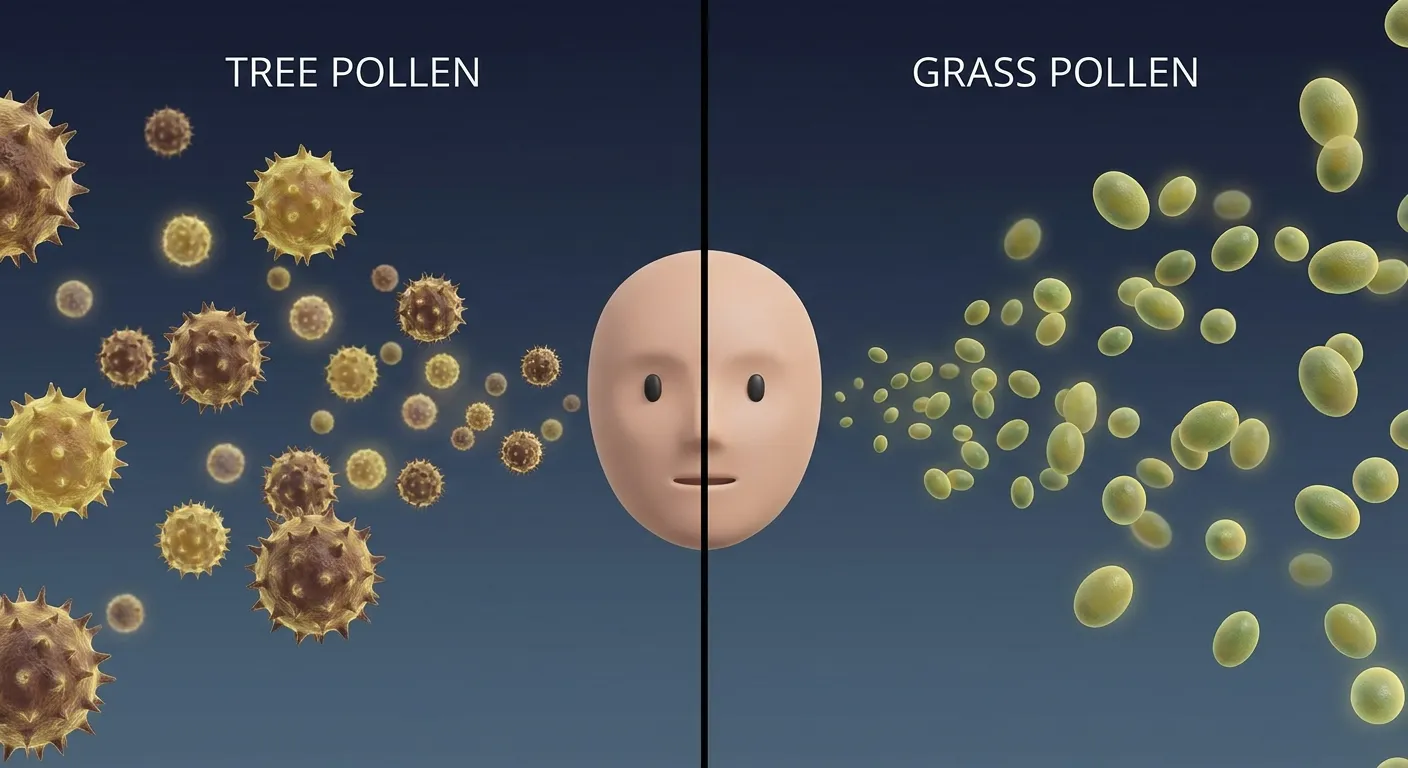
- The biggest difference is timing:
- Tree pollen often peaks February through April in many parts of the U.S.
- Grass pollen tends to peak late spring through summer
- Because seasons can overlap, many people are allergic to both, which can create a longer “allergy season.”
- The most reliable way to identify the trigger is allergy testing, interpreted alongside your symptom history. (AAFA; HealthDirect)
Sources: AAFA pollen allergy overview; AAFA tree pollen; AAFA grass pollen; HealthDirect hay fever overview
- https://aafa.org/allergies/types-of-allergies/pollen-allergy/
- https://aafa.org/allergies/types-of-allergies/pollen-allergy/tree-pollen-allergy/
- https://aafa.org/allergies/types-of-allergies/pollen-allergy/grass-pollen-allergy/
- https://www.healthdirect.gov.au/hay-fever
In short, timing offers clues—but pairing your history with allergy testing is the best way to confirm your triggers.
What Are Pollen Allergies (Seasonal Allergic Rhinitis)?
Seasonal pollen allergies are often called seasonal allergic rhinitis—and many people call it hay fever, even though there’s no “hay” involved and typically no fever. If you want a simple overview of the basics, see Sleep and Sinus Centers of Georgia’s guide on what allergies are:
- https://sleepandsinuscenters.com/what-are-allergies
What’s happening in your body: When you have a pollen allergy, your immune system mistakes harmless pollen for a threat. That triggers the release of chemicals like histamine, leading to inflammation in the nose, eyes, and throat. This is why symptoms like sneezing, itching, and congestion can show up quickly after exposure. (AAFA)
A clinician often explains it this way: your immune system is reacting appropriately—just to the wrong “target.” The result is real inflammation, even though pollen itself isn’t harmful.
Why it can feel like a cold: Pollen allergies can look a lot like a viral cold—especially early on. One key difference is that allergy symptoms often:
- persist for weeks (as long as the pollen is high)
- worsen with outdoor exposure
- track with pollen counts and windy days
- usually do not cause fever (AAFA; HealthDirect)
For a deeper dive into hay fever language and symptoms, you can also read our post on allergic rhinitis (hay fever):
- https://sleepandsinuscenters.com/blog/what-is-allergic-rhinitis-hay-fever
Allergic rhinitis is your immune system overreacting to pollen, which is why symptoms can mimic a cold but linger with the season.
Tree Pollen Allergies (Early Spring Triggers)
Tree pollen is often the first major pollen wave of the year, and it can hit hard—especially if you spend time outdoors early in the season (walking the dog, gardening, commuting with windows down).
When tree pollen is highest: In many parts of the U.S., tree pollen tends to peak from February through April, though local climate and weather can shift this earlier or later. (AAFA)
A practical timing clue many patients notice: symptoms may spike right as early spring blooms begin, even if temperatures still feel cool.
Common tree pollen sources (examples):
- Oak
- Birch
- Cedar
- Maple
- Elm
Year-to-year changes in weather and environmental conditions can influence pollen production and exposure—one reason some allergy seasons can feel “worse” or longer than you remember. (ScienceDirect, 2023)
Sources:
- AAFA tree pollen allergy: https://aafa.org/allergies/types-of-allergies/pollen-allergy/tree-pollen-allergy/
- ScienceDirect (2023): https://www.sciencedirect.com/science/article/pii/S0048969723022817
If your symptoms start early in the year, trees are a likely suspect—but local weather can shift the timing.
Grass Pollen Allergies (Late Spring Through Summer Triggers)
If symptoms rev up later in spring—or hang on through summer—grass may be a major contributor. This is a common pattern when comparing early- and late-season triggers, especially when people feel fine in early spring but start struggling as school sports, mowing, and outdoor weekends ramp up.
When grass pollen is highest: Grass pollen usually peaks later in the spring and can remain active through summer months. (AAFA)
Common grass-related allergens:
- Bermuda
- Fescue
- Kentucky bluegrass
- Rye
- Orchard grass (AAFA)
Why grass pollen can be hard to avoid: Grass is everywhere—lawns, parks, athletic fields, roadsides—so exposure can be frequent. Pollen levels can also be higher on warm, breezy, dry days, which help pollen travel farther. (AAFA)
Many patients put it bluntly: “I can avoid the woods, but I can’t avoid grass.” That’s why a plan usually focuses on reducing exposure where you can—and treating symptoms effectively.
Source: AAFA grass pollen allergy
- https://aafa.org/allergies/types-of-allergies/pollen-allergy/grass-pollen-allergy/
If symptoms hit hardest in late spring and summer, grass pollen is a strong possibility—especially with outdoor activities.
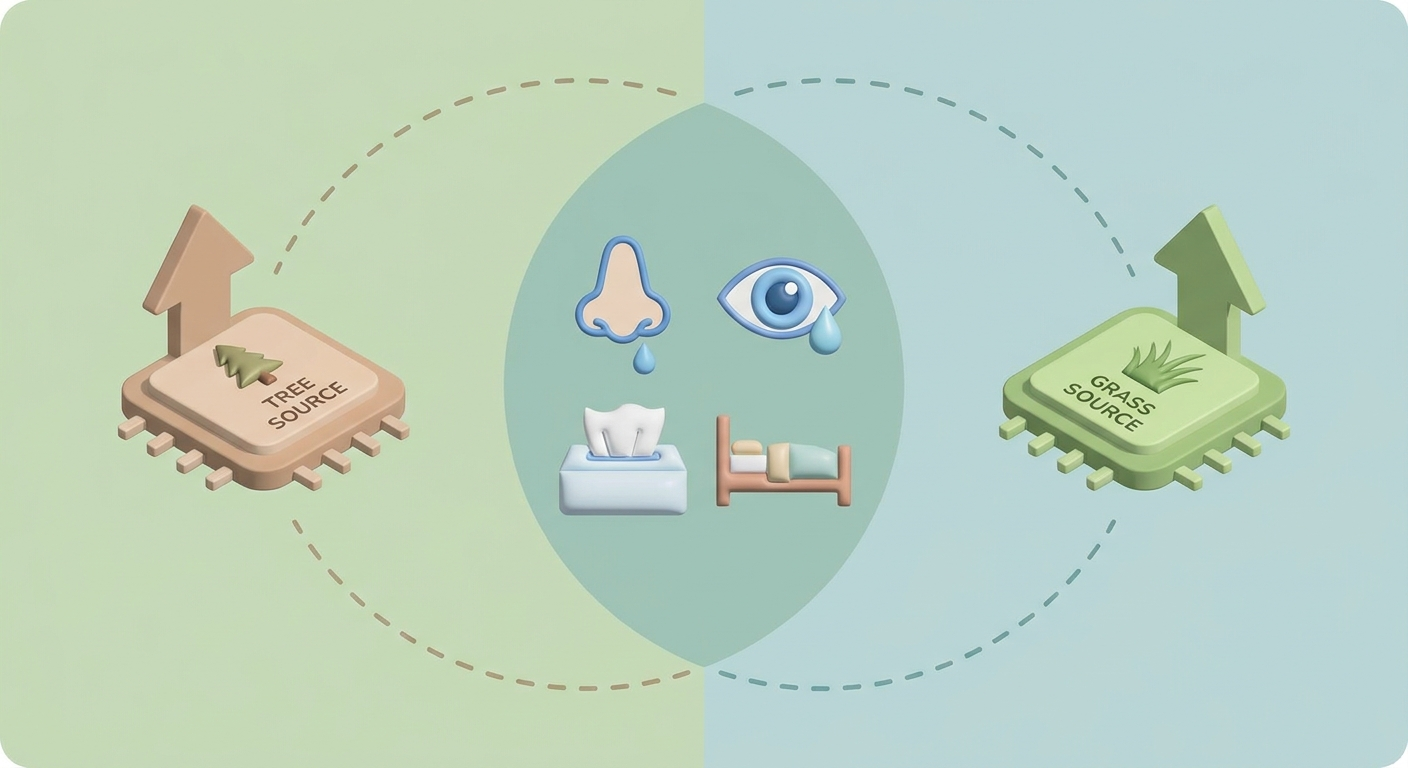
Symptoms: Tree vs. Grass Pollen (Why You Can’t Tell Just by How You Feel)
One of the most frustrating parts of sorting out seasonal triggers is that symptoms overlap so much that guessing often leads nowhere.
Shared symptoms (virtually identical):
- Sneezing
- Runny nose
- Nasal congestion
- Itchy, watery eyes
- Postnasal drip and throat irritation
- Cough (often related to postnasal drip)
- Fatigue or poor sleep due to congestion (AAFA; HealthDirect)
If you’ve ever thought, “This feels like the same thing every year,” that’s the point: your body’s reaction can look the same even when the trigger changes from trees to grass.
When symptoms may feel “worse”:
- on high pollen count days
- during windy weather
- after outdoor exposure (yard work, hiking, sports)
- when pollen is tracked indoors on clothes, hair, shoes, or pets (AAFA)
Sources:
- AAFA pollen allergy overview: https://aafa.org/allergies/types-of-allergies/pollen-allergy/
- HealthDirect hay fever: https://www.healthdirect.gov.au/hay-fever
Your body’s response to tree and grass pollen looks very similar, so symptoms alone rarely pinpoint the exact trigger.
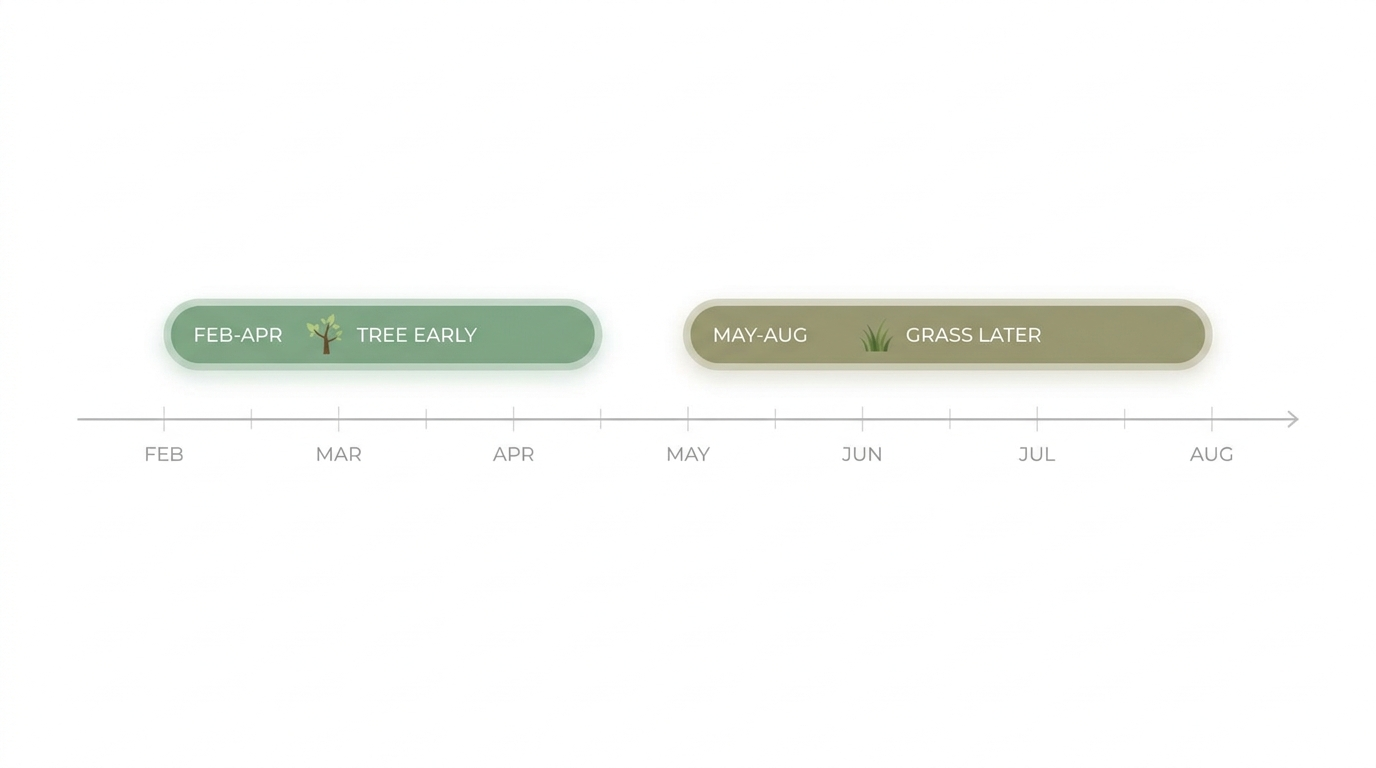
Causes & Timing Clues: Which Pollen Is Most Likely?
Use the calendar (but don’t rely on it alone):
- Symptoms starting in very early spring → tree pollen may be more likely
- Symptoms peaking late spring/summer → grass pollen may be more likely
But keep in mind: timing varies by region, and weather shifts can move the start and end dates around. (AAFA)
A simple “pattern check” that can help: If you keep a quick note in your phone for 2–3 weeks—symptoms, outdoor time, and local pollen counts—you may start to see a consistent pattern. It won’t diagnose you, but it can make your eventual appointment and testing more productive. For a practical guide, see Atlanta pollen counts explained:
- https://sleepandsinuscenters.com/blog/atlanta-pollen-counts-explained-what-you-need-to-know
The “overlap problem” (why many people feel sick for months): Tree season and grass season can overlap, and many people are allergic to both. This overlap is a big reason symptoms can drag on from early spring well into summer. (AAFA)
Why pollen seasons can seem longer now: Environmental factors can influence pollen levels and the overall allergy burden, contributing to longer or more intense seasons in some areas. (ScienceDirect, 2023)
Let the calendar guide you—but remember, overlapping seasons and regional shifts make testing especially useful.
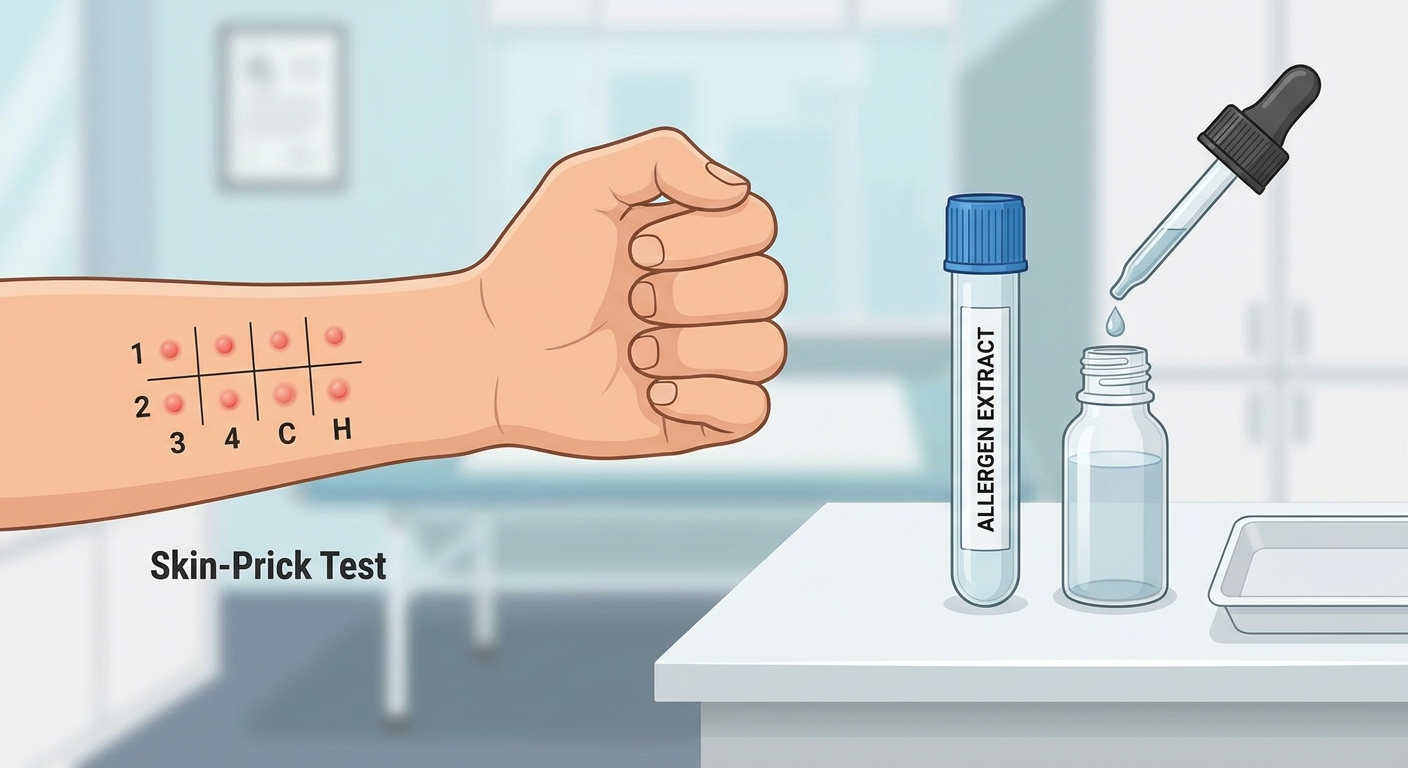
How to Pinpoint Your Triggers: Allergy Testing (Plus History)
If you’re trying to separate early-season from late-season culprits, testing is the clearest path—especially when interpreted alongside your story.
Types of diagnostic testing:
- Skin prick testing: typically done in-office and results are available quickly
- Blood testing (specific IgE): may be used when skin testing isn’t a fit for someone’s situation (AAFA)
What an allergist/ENT may recommend based on results:
- confirm whether you react to tree pollen, grass pollen, or both
- personalize avoidance strategies and medication options
- decide whether immunotherapy for pollen allergies could be a good long-term approach (AAFA)
If you’d like to explore testing locally, visit our Allergy Testing page:
- https://sleepandsinuscenters.com/allergy-testing
Who should prioritize testing:
- symptoms that last across multiple seasons
- poor response to OTC options
- suspected asthma flare-ups (wheezing, chest tightness)
- recurrent sinus symptoms or symptoms that are being mistaken for sinus infections (AAFA)
Testing—interpreted with your symptoms and timing—provides the most confident ID of your seasonal triggers.

Treatment Options (What Actually Helps)
Educational note: The options below are general strategies commonly used for seasonal allergies. For personal guidance—especially if you have asthma, are pregnant, or take other medications—check in with a qualified clinician.
1) Avoidance and exposure reduction (first-line habits)
- Check daily pollen forecasts and plan accordingly. For a practical guide, see pollen counts explained:
- https://sleepandsinuscenters.com/blog/atlanta-pollen-counts-explained-what-you-need-to-know
- Keep windows closed during peak pollen times.
- Shower and change clothes after being outdoors.
- Consider saline rinses to help clear pollen from nasal passages (HealthDirect).
2) Over-the-counter symptom relief
- Oral antihistamines that are often less sedating (often helpful for sneezing/itching; note that any antihistamine can cause drowsiness in some people)
- Antihistamine eye drops for itchy eyes
- Saline sprays/rinses for congestion and irritation (AAFA; HealthDirect)
3) Stronger options (when OTC isn’t enough)
- Intranasal corticosteroid sprays, commonly used for congestion and inflammation
- Prescription allergy medications when appropriate
- If asthma symptoms are present, discussing an asthma action plan (AAFA)
4) Immunotherapy (long-term treatment)
- For people with long seasons or multiple triggers, immunotherapy for pollen allergies (like allergy shots or sublingual options for certain allergens) may reduce sensitivity over time. (AAFA)
If you’re curious about the process, read what to expect with allergy shots:
- https://sleepandsinuscenters.com/blog/allergy-shots-timeline-what-to-expect-during-allergy-immunotherapy
Reduce exposure where you can, treat consistently, and consider immunotherapy if your season is long or meds aren’t enough.
Lifestyle Tips for Peak Tree + Grass Pollen Months
At home
- Use HEPA air filtration in the bedroom if possible
- Change HVAC filters regularly
- Damp-dust surfaces; vacuum with HEPA when available
- Keep pets cleaner—fur can carry pollen indoors
Outside & on-the-go
- Wear sunglasses and a hat to reduce eye exposure
- Consider masking during yard work on high pollen days
- Keep car windows up; use recirculate mode when pollen is high
Sleep-focused tips (because congestion ruins rest)
- Slightly elevate your head
- Consider a saline rinse before bed
- If you’re using medications for daily symptoms, consistency matters (HealthDirect)
You can also bookmark our Georgia pollen tracker to follow local trends:
- https://sleepandsinuscenters.com/georgia-pollen-tracker
Small daily habits add up—especially during peak months—so combine avoidance with steady treatment.
When to See a Doctor (and When It Might Be More Than “Just Allergies”)
Make an appointment if:
- symptoms last longer than 2–4 weeks and recur seasonally
- you’re missing work or sleep due to congestion
- you suspect both tree and grass triggers (a long symptom window is common with overlapping seasons)
Seek urgent care for red flags
- trouble breathing, wheezing, or worsening asthma symptoms
- chest tightness or shortness of breath
- swelling of lips/face or severe reactions (AAFA; HealthDirect)
Don’t wait if symptoms drag on or breathing symptoms appear—targeted care can shorten a long season.
FAQs
Can I tell if it’s tree pollen or grass pollen by symptoms?
Usually no. Symptoms are essentially identical without testing; timing is only a clue. (AAFA)
When is tree pollen season vs grass pollen season?
Tree pollen often peaks Feb–Apr, while grass pollen season typically peaks late spring through summer. (AAFA)
What are the most common grass pollens that trigger allergies?
Bermuda, fescue, Kentucky bluegrass, rye, and orchard grass are common triggers. (AAFA)
Why do my allergies last so long in spring?
Tree and grass pollen seasons can overlap, and many people react to both—extending symptoms for months. (AAFA)
Is allergy testing worth it?
Allergy testing is the best way to identify triggers and guide targeted treatment, including immunotherapy. (AAFA)
For additional context across pollen types, you may also like:
- Tree vs. Grass vs. Weed Pollen: Key Differences and Allergy Triggers Explained
- https://sleepandsinuscenters.com/blog/tree-vs-grass-vs-weed-pollen-key-differences-and-allergy-triggers-explained
Conclusion + Call to Action
In the debate of tree pollen vs. grass pollen allergies, the most important takeaway is simple: symptoms alone usually can’t tell you which pollen is responsible; timing can offer clues, and testing can help confirm it. Because tree and grass seasons can overlap (and many people react to both), it’s common to feel “allergic” for a big stretch of the year.
If you’re ready for clearer answers, start by tracking pollen counts and symptom patterns—and consider diagnostic testing for a more targeted plan. Learn more about options at Sleep and Sinus Centers of Georgia, including allergy testing:
- https://sleepandsinuscenters.com/allergy-testing
When you’re ready, book an appointment:
- https://www.sleepandsinuscenters.com/
Sources
- AAFA Pollen Allergy Overview: https://aafa.org/allergies/types-of-allergies/pollen-allergy/
- AAFA Tree Pollen Allergy: https://aafa.org/allergies/types-of-allergies/pollen-allergy/tree-pollen-allergy/
- AAFA Grass Pollen Allergy: https://aafa.org/allergies/types-of-allergies/pollen-allergy/grass-pollen-allergy/
- ScienceDirect (2023): https://www.sciencedirect.com/science/article/pii/S0048969723022817
- HealthDirect Hay Fever: https://www.healthdirect.gov.au/hay-fever
This article is for educational purposes only and is not medical advice. Please consult a qualified healthcare provider for diagnosis and treatment.
Don’t let allergies slow you down. Schedule a comprehensive ENT and allergy evaluation at Sleep and Sinus Centers of Georgia. We’re here to find your triggers and guide you toward lasting relief.