Developing New Allergies as an Adult After 40: Causes, Symptoms, and Prevention
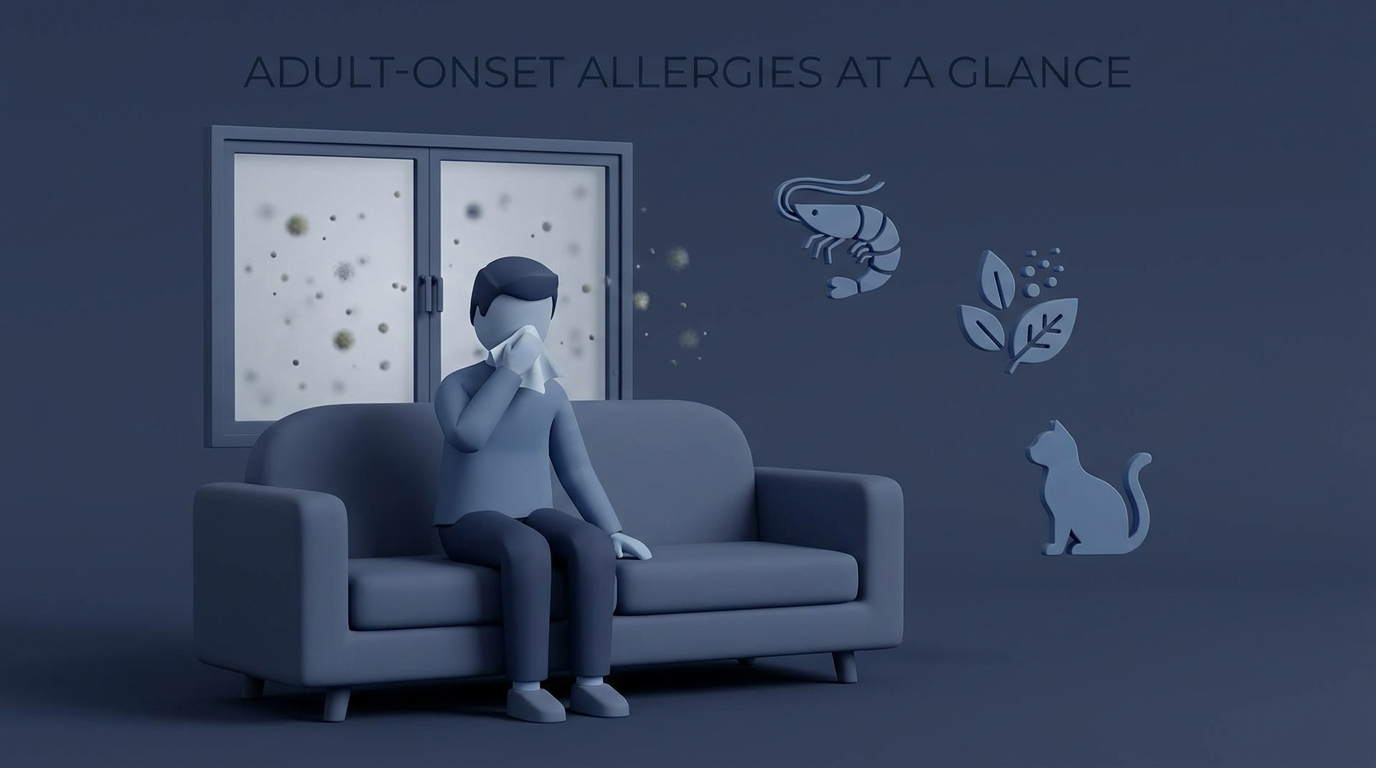
If you’ve noticed new sneezing fits every spring—or a surprising reaction to a food you’ve eaten for years—you’re not alone. Developing new allergies as an adult after 40 is more common than many people expect. Age 40 isn’t a biological “cutoff” for the immune system; it can shift over time, and symptoms may look different in midlife and beyond.
Adult-onset patterns often fall into two big buckets: food allergies (with shellfish high on the list) and environmental allergies that become more noticeable—sometimes because exposures change, and sometimes because the pollen season is longer and more intense than it used to be.
Medical disclaimer: This article is for education only and is not a substitute for professional medical advice, diagnosis, or treatment.
Can You Really Develop Allergies After 40?
The short answer: yes—your immune system can change over time.
Allergies are rooted in the immune system, and immune tolerance isn’t necessarily “locked in” for life. In one large U.S. survey, many adults with food allergies reported that at least one allergy started in adulthood—nearly half reported adult onset—and shellfish is a leading trigger. (See “Food Allergy from Infancy through Adulthood,” 2020; Harvard Health overview.)
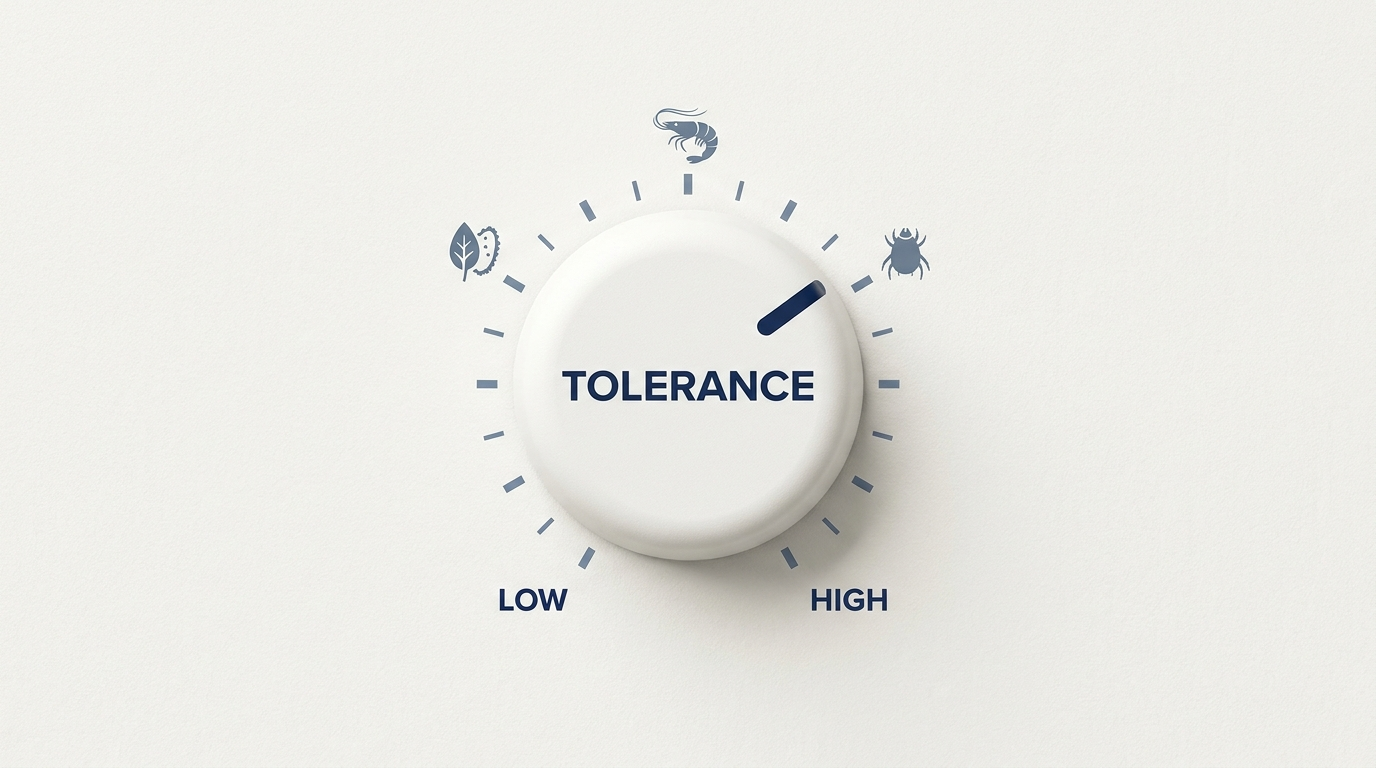
A useful analogy: think of immune tolerance like a “volume knob,” not an on/off switch. For years it may stay low enough that you never notice symptoms—until something turns it up.
Why reactions may appear “new” even if sensitivity was building:
- Sometimes the immune system has been inching toward sensitivity for years, but symptoms don’t cross the “noticeable” line until something changes.
- For example, someone might have had mild spring congestion for a decade, but only recently started waking up with headaches and constant post-nasal drip. Or a person could eat shrimp occasionally with no issue—until one day they break out in hives after the same dish.
Common “what changed?” triggers include:
- A longer, higher-count pollen season (which can intensify symptoms that used to be mild)
- Moving to a new region with different plants/pollens
- A new workplace environment (dust, chemicals, mold exposure)
- Home renovations (dust, new flooring materials, hidden mold disturbed)
- A new pet or increased exposure through a partner’s home
The CDC notes that climate-related changes can increase pollen levels and extend pollen seasons—meaning symptoms may become more obvious over time, even if nothing else seems different.
- In short, yes—immune tolerance can recalibrate with age and exposure, so “new” allergies after 40 are real and worth evaluating. -
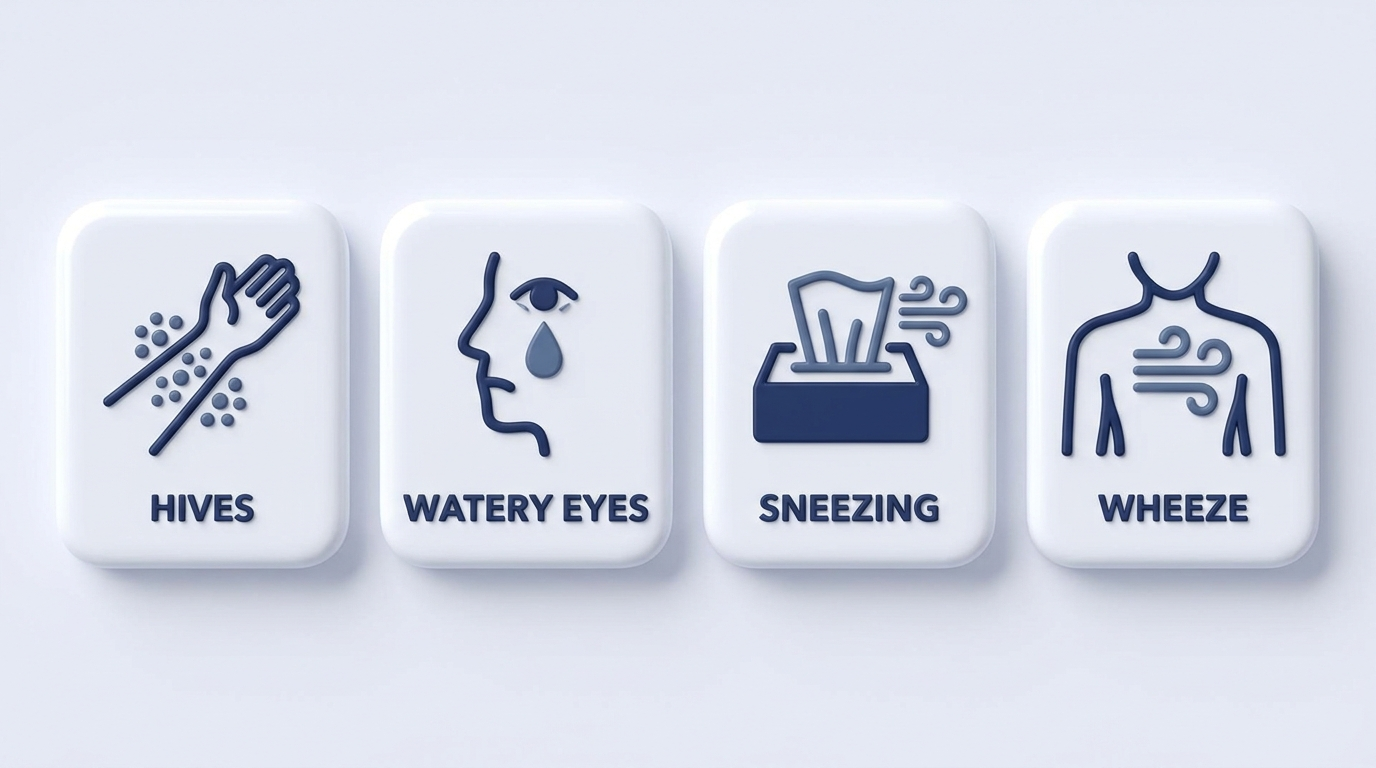
Symptoms of New Allergies in Adults (What to Watch For)
Food allergy symptoms (can be rapid—or delayed):
- Hives, itching, flushing
- Swelling of lips, tongue, face, or eyelids
- Throat tightness or hoarseness
- Nausea, vomiting, abdominal pain, diarrhea
- Cough, wheeze, shortness of breath
- Lightheadedness or fainting (a possible sign of a severe reaction)
One clinician-friendly way to think about it: skin + breathing + GI symptoms together after eating a specific food should raise concern for true allergy, not just “a sensitive stomach.” Any single severe feature (like throat tightness or trouble breathing) or a consistent, repeatable pattern also warrants evaluation. (AAAAI guidance)
Environmental allergy symptoms (seasonal or year-round):
- Sneezing, congestion, runny nose, post-nasal drip
- Itchy/watery eyes
- Sinus pressure, facial discomfort, headaches
- Cough or throat clearing
- Worse asthma symptoms in people with asthma
Symptoms may be seasonal (tree/grass/ragweed) or perennial (dust mites, pet dander, mold). Some adults describe it as: “I thought I was getting repeated colds—until I realized it happened every March and September.”
Skin and contact-type allergy symptoms:
- Eczema flares (dry, itchy patches)
- Itchy rashes
- Localized rashes from products like fragrance, hair dye, topical antibiotics, or latex
A practical clue: contact reactions often match the map of exposure (for example, rash at the wrist under a watchband, or along the hairline after hair dye).
Red flags—when urgent evaluation is warranted:
- Trouble breathing, wheezing, or throat tightness
- Repetitive vomiting, severe cramping, or rapidly worsening symptoms
- Widespread hives plus swelling (especially of the face/lips/tongue)
- Confusion, fainting, or a “doom” feeling
- Severe reactions that occur hours after eating red meat (a possible clue for alpha-gal syndrome)
(AAAAI anaphylaxis guidance; CDC alpha-gal information.)
- Bottom line: if symptoms are severe, sudden, or escalating—especially with breathing or swelling—treat it as urgent and seek care. -
Common Causes of Developing New Allergies After 40 (What Changes in the Body)
Loss/disruption of immune tolerance (the big picture): Allergies can develop when the immune system shifts from “tolerating” a substance to treating it as a threat. This can involve genetics plus environmental influences and inflammatory triggers. In research on adult-onset food allergy, factors like barrier disruption and altered exposure patterns may contribute. (PMC7899184)
A simplified way to say it: your immune system is constantly deciding what’s “safe” vs. “danger.” Sometimes, that decision changes.
Aging-related immune changes (immunosenescence + chronic low-grade inflammation): As we age, the immune system changes in ways scientists often call immunosenescence, sometimes alongside chronic low-grade inflammation. These shifts can affect how the body recognizes triggers—and how symptoms present. Some adults notice more respiratory symptoms, subtler skin findings, or different reaction patterns than they expect. (PMC5362176; PMC11416488)
In other words, your immune system’s “training” and “response style” can evolve with age—even if you’ve lived in the same place and eaten the same foods.
Barrier changes: skin + gut permeability. Your “barriers” matter. Irritated or inflamed skin may make sensitization more likely with repeated exposures (especially if there’s chronic dermatitis). The gut barrier and microbiome can also shift with age, diet, illness, and medications—potentially influencing immune tolerance and symptoms. (PMC7899184; PMC5362176)
Concrete example: someone with frequent hand dermatitis who handles seafood regularly might become sensitized over time, even if they previously ate seafood without problems. (This is a “possible pathway,” not a certainty.)
Infections, chronic inflammation, and underlying conditions: Chronic rhinitis, asthma, eczema, and ongoing sinus inflammation can keep the immune system activated. Some people also notice symptoms begin or change after a significant viral respiratory illness, when the immune system is recalibrating.
If you find yourself saying, “I’ve had a ‘stuffy nose’ for months,” it’s worth considering whether allergies, chronic inflammation, or both are part of the picture.
Medications and polypharmacy (including acid-suppressing meds): In midlife and beyond, it’s common to take more medications. Polypharmacy can influence the immune system and the GI environment. Research has explored whether acid-suppressing medications may contribute to sensitization in some contexts (this is still evolving and not the only factor). (PMC5362176; PMC11416488; PMC7899184)
The key takeaway isn’t “stop your meds.” It’s: bring a complete medication list to your visit so your clinician can interpret symptoms in context.
Hormonal transitions (including menopause): Many people ask about menopause and allergies. Hormonal shifts may influence mucosal immunity and mast cell behavior, so the connection is plausible—but the evidence isn’t definitive yet, and individual experiences vary. (PMC5362176; PMC11416488)
This is another reason developing new allergies as an adult after 40 isn’t “all in your head”—the underlying biology can be dynamic.
- Put simply, shifting immunity, barriers, hormones, and exposures can nudge the body from tolerance to allergy at any age. -
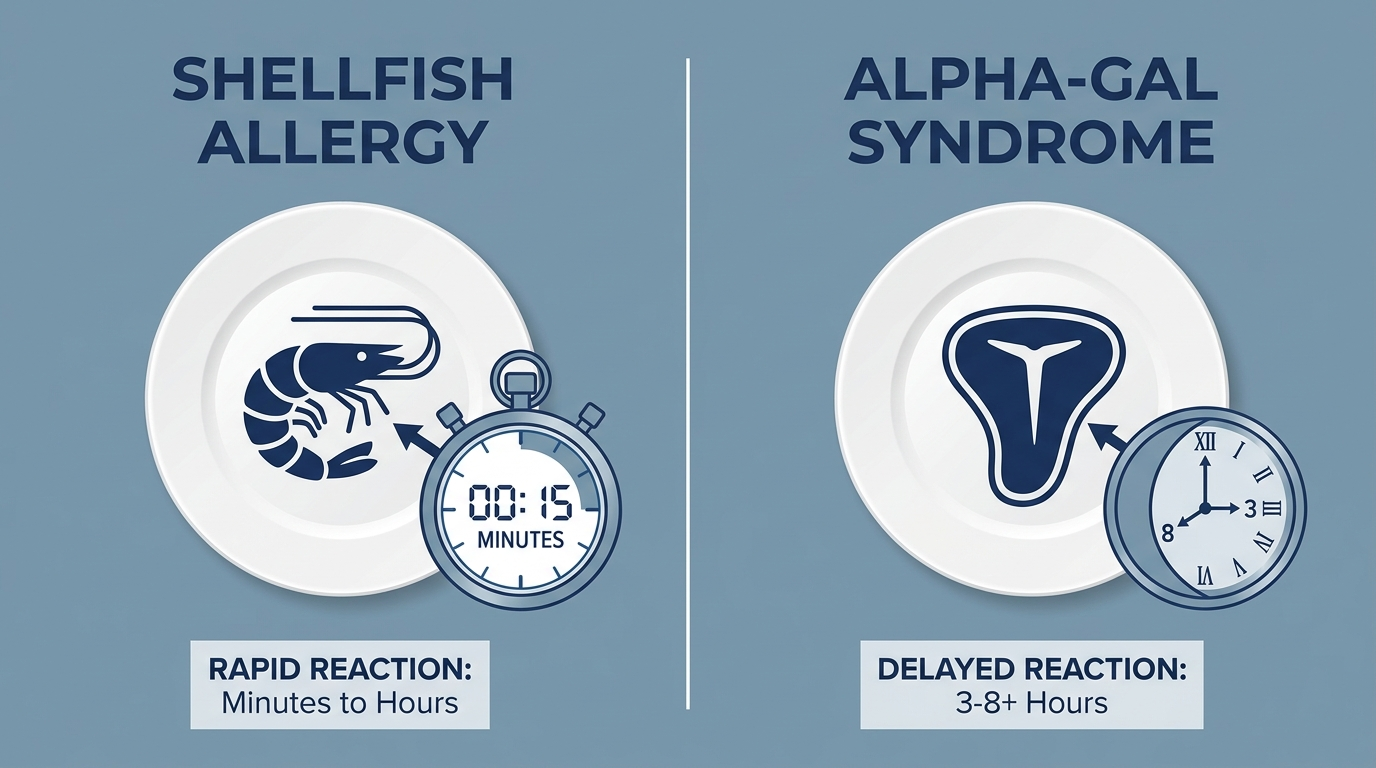
Adult-Onset Allergy Patterns You Should Know
Shellfish allergy (a leading adult-onset food allergy): Among new allergies in adulthood, shellfish is one of the most common food triggers. Shellfish allergy in adults can develop after years of eating shrimp, crab, or lobster without any issue. Reactions may be significant, and timing can be fairly quick after exposure. (PMC7899184)
A patient might say: “I’ve ordered shrimp tacos for years—then one night I got hives and my lips started swelling.” That pattern deserves medical evaluation, not guesswork.
Alpha-gal syndrome (tick-bite–associated “red meat” allergy): Alpha-gal syndrome is an allergy associated with certain tick bites. The key clue is timing: symptoms often occur 3–6 hours after eating mammalian meat (like beef, pork, or lamb) and sometimes mammalian-derived products (such as gelatin). Symptoms may include hives, GI distress, or even anaphylaxis. (CDC alpha-gal)
Because the reaction is delayed, people often blame “something else” at first—until a pattern becomes obvious over multiple episodes.
“New” seasonal allergies in midlife: not always sudden disease. New seasonal symptoms can be driven by exposure changes (new region, indoor mold, dust mites, pet dander, smoke/pollution). And when the pollen season is longer, what used to be “a few annoying days” can become weeks of symptoms.
For more on this topic, see Sleep and Sinus Centers of Georgia’s article on climate change and allergies: https://sleepandsinuscenters.com/blog/climate-change-and-ent-allergies-understanding-the-impact-on-respiratory-health
- If a reaction pattern repeats—especially with shellfish or delayed “red meat” symptoms—seek testing rather than guessing. -
Allergy vs. Intolerance vs. Sensitivity (Why Self-Diagnosis Can Be Risky)
How true allergy differs: A true allergy is immune-mediated and may involve hives, swelling, breathing symptoms, and—sometimes—anaphylaxis risk. (AAAAI)
Common look-alikes:
- Lactose intolerance (digestive enzyme issue)
- Food poisoning
- Reflux/GERD
- Celiac disease or non-celiac gluten sensitivity
- “Histamine intolerance-like” symptoms (complex and needs clinician assessment)
Why it matters: Unnecessary restriction can harm nutrition and quality of life, while missing a true allergy can be dangerous. If you suspect developing new allergies as an adult after 40, getting clarity is often safer than guessing.
- The safest path is clarity: rule in or out true allergy so you can treat the right problem. -
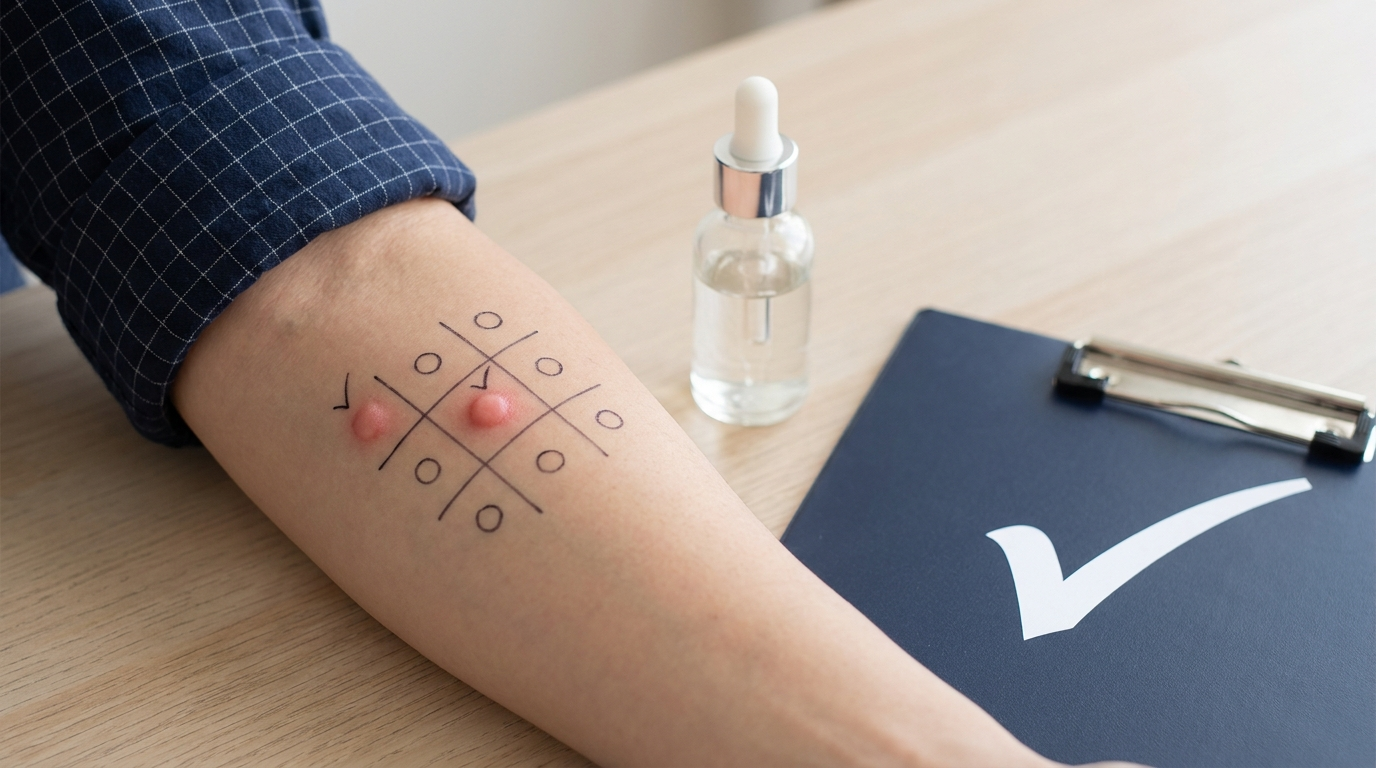
How Doctors Diagnose New Allergies After 40
What to track before your visit:
- A symptom diary (foods, timing, ingredients, alcohol/exercise, environment)
- Photos of rashes/hives (time-stamped if possible)
- New medications/supplements
- Any tick bites or outdoor exposure history
- Records from urgent care/ER visits, if applicable
Tip: include “co-factors” like exercise, alcohol, or NSAIDs when relevant—sometimes they help explain why a reaction happened “this time” but not others.
What an allergist (or ENT/allergy clinic) may do:
- Skin testing and/or blood IgE testing (when appropriate)
- A guided elimination plan with supervised reintroduction
- An oral food challenge in a controlled medical setting when indicated
Learn more about allergy testing at Sleep and Sinus Centers of Georgia, including what testing can (and can’t) tell you: https://sleepandsinuscenters.com/allergy-testing
For a quick primer on basics, see what allergies are: https://sleepandsinuscenters.com/what-are-allergies
- Good documentation plus targeted testing helps separate true allergy from look-alikes. -
Treatment Options (What Actually Helps)
If a reaction is happening now: Severe allergic reactions are medical emergencies. Standard emergency principles include using emergency services and epinephrine promptly when prescribed, because antihistamines don’t replace epinephrine for anaphylaxis. Do not drive yourself if symptoms are severe. (AAAAI)
Long-term management for food allergies often focuses on:
- Avoidance and label reading
- Cross-contact prevention at home and in restaurants
- Carrying emergency medication if prescribed and having an action plan
If you’re newly avoiding a staple food, ask your clinician whether a dietitian referral makes sense—especially if multiple foods are involved.
Treatment for environmental allergies (rhinitis):
- Allergen avoidance and saline rinses
- Over-the-counter non-sedating antihistamines and nasal steroid sprays (use proper technique and follow label directions or clinician advice)
- Considering immunotherapy (allergy shots or drops) for certain inhalant allergens, depending on testing and symptom pattern
- In emergencies, act fast; for long-term control, a tailored plan beats one-size-fits-all remedies. -

Prevention & Lifestyle Tips (Especially Helpful After 40)
Reduce indoor allergen load (simple, practical steps):
- Prioritize the bedroom: dust-mite covers, hot-wash bedding when appropriate
- Keep indoor humidity controlled to discourage mold
- Use ventilation in bathrooms and address leaks promptly
- Consider HEPA filtration based on your triggers and home setup
Small changes can add up—especially when symptoms are driven by multiple triggers (for example, dust mites plus seasonal pollen).
Outsmart pollen season (and longer seasons):
- Track local pollen counts and plan outdoor time accordingly
- Shower and change clothes after outdoor activities
- Keep windows closed on high-pollen days; optimize HVAC filtration
If seasonal symptoms seem worse year after year, it may reflect broader trends—again, see longer pollen seasons and climate change and allergies: https://sleepandsinuscenters.com/blog/climate-change-and-ent-allergies-understanding-the-impact-on-respiratory-health
Protect skin and gut barriers:
- Address chronic skin inflammation early (for example, eczema-prone areas)
- Coordinate care for GI symptoms so food reactions aren’t misattributed
Tick-bite prevention (alpha-gal risk reduction):
- Use repellents and tick-check routines after outdoor time
- Remove ticks promptly and monitor for delayed reactions that begin after tick bites (CDC alpha-gal)
- Reducing daily exposures—indoors and out—can noticeably lower your symptom burden. -
FAQs
“Why am I suddenly allergic to something I’ve eaten for years?”
Tolerance can change due to immune shifts, barrier disruption (skin/gut), inflammation, medication effects, and changing exposures. (PMC7899184; PMC5362176)
“Can menopause cause allergies?”
Menopause and allergies may be linked through hormonal effects on immune tissues, but research is still evolving and isn’t definitive. (PMC5362176; PMC11416488)
“Are adult-onset food allergies common?”
Yes. Adult onset is common, and shellfish is among the most frequent triggers reported. (PMC7899184)
“Is it safe to just avoid the food and skip testing?”
Not always. Testing and clinician-guided evaluation can clarify risk and may prevent unnecessary long-term restriction. (AAAAI)
“What’s the difference between allergy and intolerance?”
Allergy involves immune pathways and can include hives/swelling/breathing symptoms; intolerance is typically digestive or non-immune. Symptoms can overlap, which is why evaluation can be important.
- When in doubt, get evaluated—clear answers prevent both over-restriction and unsafe assumptions. -
When to See a Specialist
Consider an evaluation if you have:
- Food reactions—especially with hives, swelling, wheeze, or throat symptoms
- Symptoms that worsen each season or aren’t controlled with OTC options
- A delayed red-meat reaction pattern suggestive of alpha-gal syndrome
- Any episode concerning for anaphylaxis
What to bring / how to prepare (quick checklist):
- Symptom log + photos
- Medication/supplement list
- Notes on life changes (move, new pet, renovation, new job exposure)
If you suspect developing new allergies as an adult after 40, it’s reasonable to get evaluated rather than guessing. To discuss symptoms and testing options, book an appointment with Sleep and Sinus Centers of Georgia: https://sleepandsinuscenters.com/appointments
- Early evaluation can fast-track relief and reduce risk from missed or misattributed allergies. -
References
- Food Allergy from Infancy through Adulthood, 2020. (PMC7899184) https://pmc.ncbi.nlm.nih.gov/articles/PMC7899184/
- Food allergies in older people: An emerging health problem, 2024. (PMC11416488) https://pmc.ncbi.nlm.nih.gov/articles/PMC11416488/
- Allergy and Aging: An Old/New Emerging Health Issue, 2017. (PMC5362176) https://pmc.ncbi.nlm.nih.gov/articles/PMC5362176/
- CDC: About Alpha-gal Syndrome https://www.cdc.gov/alpha-gal-syndrome/about/index.html
- CDC: Climate and Health—Allergens and Pollen https://www.cdc.gov/climate-health/php/effects/allergens-and-pollen.html
- AAAAI: Food Allergy Symptoms, Diagnosis and Treatment https://www.aaaai.org/conditions-treatments/allergies/food-allergy
- AAAAI: What do patients and caregivers need to know about (allergy conditions library) https://www.aaaai.org/tools-for-the-public/conditions-library/allergies/what-do-patients-and-caregivers-need-to-know-about
- Harvard Health: New allergies in adulthood https://www.health.harvard.edu/diseases-and-conditions/new-allergies-in-adulthood
This article is for educational purposes only and is not medical advice. Please consult a qualified healthcare provider for diagnosis and treatment.
Don’t let allergies slow you down. Schedule a comprehensive ENT and allergy evaluation at Sleep and Sinus Centers of Georgia. We’re here to find your triggers and guide you toward lasting relief.