Wheat Allergy vs Celiac Disease vs Gluten Sensitivity: Key Differences and Symptoms
Bloating, diarrhea, and stomach pain after eating bread or pasta can be frustrating—and confusing. That’s because several different conditions can cause similar symptoms, but they involve different immune pathways, different risks, and different treatments.
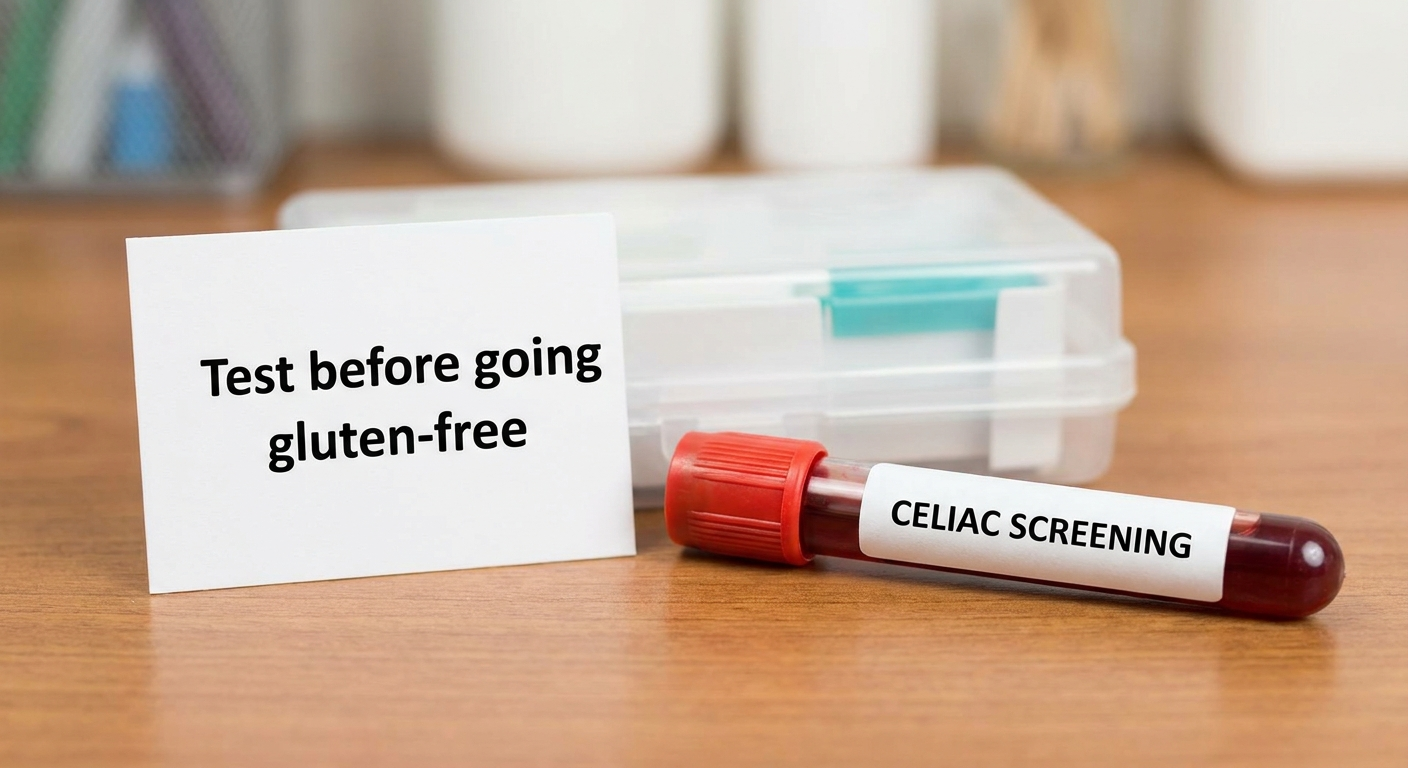
One of the most important takeaways: don’t start a gluten-free diet before proper testing if celiac disease is possible. Removing gluten too soon can make celiac blood tests and biopsy results look normal, which may delay or complicate an accurate diagnosis. Mayo Clinic—Celiac disease: Diagnosis & treatment; NIDDK—Celiac Disease
This article is educational and meant to help you understand the differences so you can discuss the right next steps with your clinician.
At-a-Glance Comparison (Most Important Differences)
Quick definitions (plain language)
- Wheat allergy: An allergic reaction to wheat proteins—often an IgE-mediated food allergy—that can happen quickly and can be serious. ACAAI; Cianferoni, 2016
- Celiac disease: An autoimmune disease triggered by gluten (in wheat, barley, and rye) that damages the small intestine. NIDDK; Mayo Clinic—Symptoms & causes
- Non-celiac gluten sensitivity (NCGS): Symptoms that occur with gluten-containing foods after celiac disease and wheat allergy are ruled out. There’s no validated biomarker, and symptoms can overlap with IBS. Rome Foundation, 2020
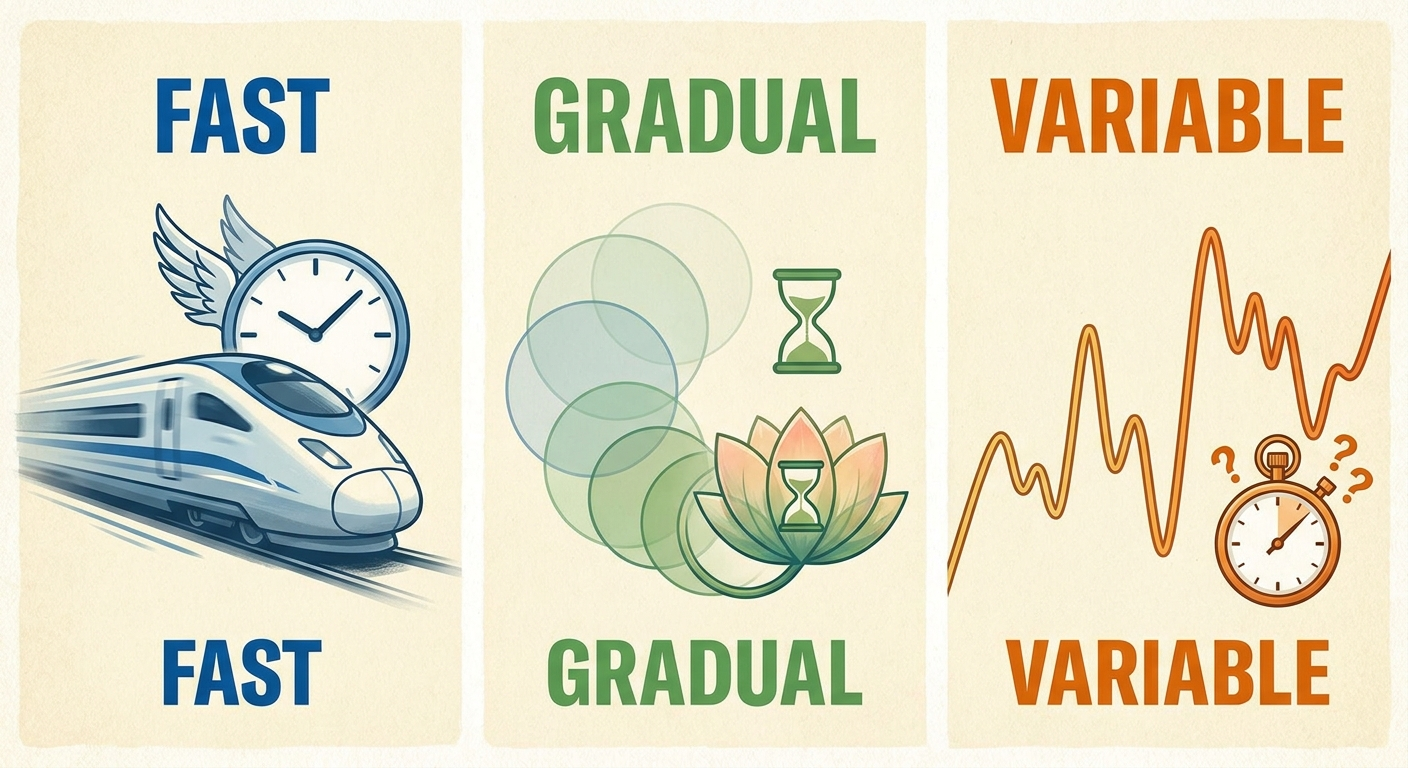
Comparison highlights—Wheat allergy: Triggers: wheat proteins. What’s happening: allergy response, often IgE-mediated. Onset: minutes to hours. Common symptoms: hives, swelling, vomiting, wheeze. Biggest risks: anaphylaxis in some people. Diagnosis: history plus skin test and/or wheat-specific IgE blood test; sometimes supervised oral food challenge. Treatment: wheat avoidance; emergency plan/epinephrine if prescribed.
Comparison highlights—Celiac disease: Triggers: gluten (wheat, barley, rye). What’s happening: autoimmune injury to intestinal villi leading to malabsorption. Onset: often gradual/chronic. Common symptoms: diarrhea, bloating, abdominal pain; fatigue, anemia. Biggest risks: nutrient deficiencies, long-term complications if untreated. Diagnosis: celiac antibody blood tests and sometimes small-intestinal biopsy (while eating gluten). Treatment: strict lifelong gluten-free diet.
Comparison highlights—NCGS: Triggers: gluten-containing foods (and possibly other wheat components). What’s happening: not well-defined; no validated biomarker. Onset: variable; often within hours to a day. Common symptoms: bloating, pain, bowel changes; fatigue, headache/“brain fog.” Biggest risks: unnecessary restriction if misdiagnosed. Diagnosis: after ruling out celiac and wheat allergy; structured elimination and reintroduction; sometimes blinded challenge. Treatment: individualized diet—reduce triggers, then reintroduce to find tolerance.
Bottom line: similar symptoms can stem from very different mechanisms—getting the right diagnosis guides the right plan.
Why These Conditions Get Confused
Overlapping digestive symptoms: Bloating, abdominal pain, nausea, and diarrhea or constipation can occur in all three. That overlap is one reason “gluten intolerance vs celiac” questions are so common—but similar symptoms don’t automatically mean the same diagnosis. Mayo Clinic; Rome Foundation, 2020
A practical example: two people can both feel sick after a pasta dinner. One may be reacting within an hour with hives and wheezing (more suggestive of allergy), while another has months of diarrhea and fatigue (more suggestive of celiac). Same meal; very different biology.
Extra-intestinal symptoms can overlap too: Fatigue, headache, and “brain fog” may be reported in celiac disease and NCGS, and some allergic reactions can include whole-body symptoms too. Mayo Clinic; Rome Foundation, 2020
Helpful analogy: wheat allergy can behave like a smoke alarm (fast, loud, sometimes dangerous), while celiac disease is more like slow water damage (gradual injury over time). NCGS sits in the middle—real symptoms, but without a single confirmatory test. ACAAI; NIDDK; Rome Foundation, 2020
Key idea: timing, associated symptoms, and testing pathways help distinguish look-alike conditions.
Wheat Allergy (Food Allergy to Wheat Proteins)
What it is: A wheat allergy happens when the immune system reacts to proteins in wheat as if they’re harmful—often through an IgE-mediated mechanism. ACAAI; Cianferoni, 2016. Primer on how allergies work: https://sleepandsinuscenters.com/what-are-allergies
Key distinction: A wheat allergy is not the same as celiac disease.
Real-world example: “I ate a roll and broke out in hives—does that mean I have celiac?” Not necessarily. Hives and swelling right after eating point more toward an allergy pathway. ACAAI
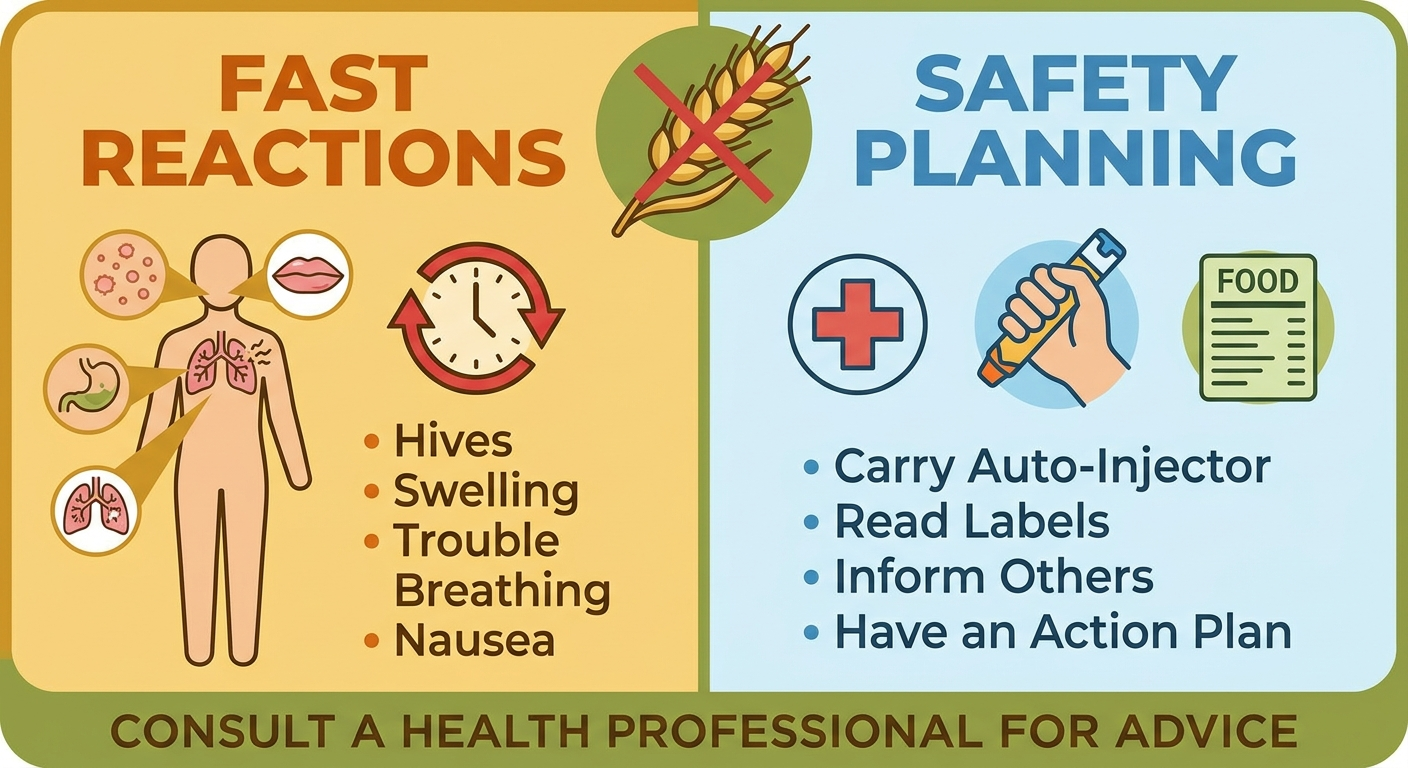
Wheat allergy symptoms (what patients notice) can involve multiple body systems. ACAAI
- Skin: hives, itching, flushing, swelling
- GI: vomiting, cramping, diarrhea
- Respiratory: wheezing, cough, nasal symptoms
- Severe reaction: anaphylaxis (for example, trouble breathing, throat tightness, dizziness/fainting)
How fast symptoms start: In IgE-mediated wheat allergy, symptoms often start within minutes to a few hours after wheat exposure. ACAAI; Cianferoni, 2016
Common pattern: “Felt fine while eating, then 20–60 minutes later got itchy, congested, or started vomiting.” Timing alone doesn’t diagnose you, but it’s a meaningful clue to share with your clinician.
Diagnosis: Careful symptom history plus testing such as skin testing and/or wheat-specific IgE blood testing; in select situations, a medically supervised oral food challenge. ACAAI; Cianferoni, 2016. More on allergy testing: https://sleepandsinuscenters.com/blog/the-role-of-allergy-testing-in-ent-care and https://sleepandsinuscenters.com/allergy-testing
Treatment and safety planning: Focus on wheat avoidance and practical safety planning (label reading and avoiding cross-contact). Some people may be advised to have an emergency plan if they’re at risk for severe reactions. ACAAI
Concrete example: avoid wheat in breads, baked goods, breading, and some sauces—plus hidden sources such as soup thickeners. Your allergist can help interpret labels and decide what precautions fit your risk level. ACAAI
If rapid symptoms follow wheat exposure—especially with hives, swelling, wheeze, or vomiting—prioritize an allergy-focused evaluation.
Celiac Disease (Autoimmune Reaction to Gluten)
What it is: Celiac disease is an autoimmune condition where gluten (in wheat, barley, and rye) triggers immune damage to the small intestine. Over time, that can flatten intestinal villi and affect nutrient absorption. NIDDK; Mayo Clinic—Symptoms & causes
Because this is autoimmune, the goal isn’t just symptom control. It’s preventing ongoing intestinal injury and downstream issues related to malabsorption. NIDDK; Mayo Clinic
Symptoms vary widely. Some people have prominent digestive symptoms, while others have subtle GI symptoms but significant nutrient issues. NIDDK; Mayo Clinic
- Digestive: diarrhea, abdominal pain, bloating, weight loss. Mayo Clinic; NIDDK
- Malabsorption-related: fatigue, anemia/iron deficiency. Mayo Clinic; NIDDK
Example: “My stomach isn’t always the main issue—I’m just exhausted and can’t figure out why.” That’s one reason clinicians take fatigue and anemia seriously in a possible celiac workup. NIDDK
Testing: Evaluation often begins with antibody blood tests; some people may need a small-intestinal biopsy depending on results and clinical factors. Mayo Clinic—Diagnosis & treatment; NIDDK
Important: Discuss testing before removing gluten. A gluten-free diet before testing can cause antibody levels to drop and the intestine to start healing, which may make results harder to interpret. Mayo Clinic; NIDDK
If you’ve already reduced gluten, tell your clinician. They can advise on the safest next step and what testing can and can’t show in that context. Mayo Clinic
Treatment: Strict lifelong gluten-free diet (avoiding wheat, barley, and rye) with follow-up to monitor symptoms and nutritional status. Mayo Clinic; NIDDK
If celiac is on your radar, talk to a clinician about testing before diet changes to keep results accurate.

Non-Celiac Gluten Sensitivity (NCGS)
What it is: NCGS describes symptoms associated with gluten-containing foods without evidence of celiac disease or wheat allergy. There is no validated biomarker, so it’s diagnosed clinically after exclusion. Rome Foundation, 2020; https://pmc.ncbi.nlm.nih.gov/articles/PMC6182669/
Why the workup matters: Otherwise, someone may assume they have NCGS when they actually have celiac disease, which carries different long-term implications. Rome Foundation, 2020; NIDDK
Gluten sensitivity symptoms—GI: bloating, abdominal pain, changes in bowel habits. Rome Foundation, 2020
Gluten sensitivity symptoms—extra-intestinal: fatigue, headache, “brain fog.” Rome Foundation, 2020
Why it can resemble IBS: Some people react to components in wheat-based foods that aren’t strictly gluten (for example, certain fermentable carbohydrates). If a bagel triggers symptoms, the culprit may be the broader food package. Structured reintroduction helps clarify triggers. Rome Foundation, 2020
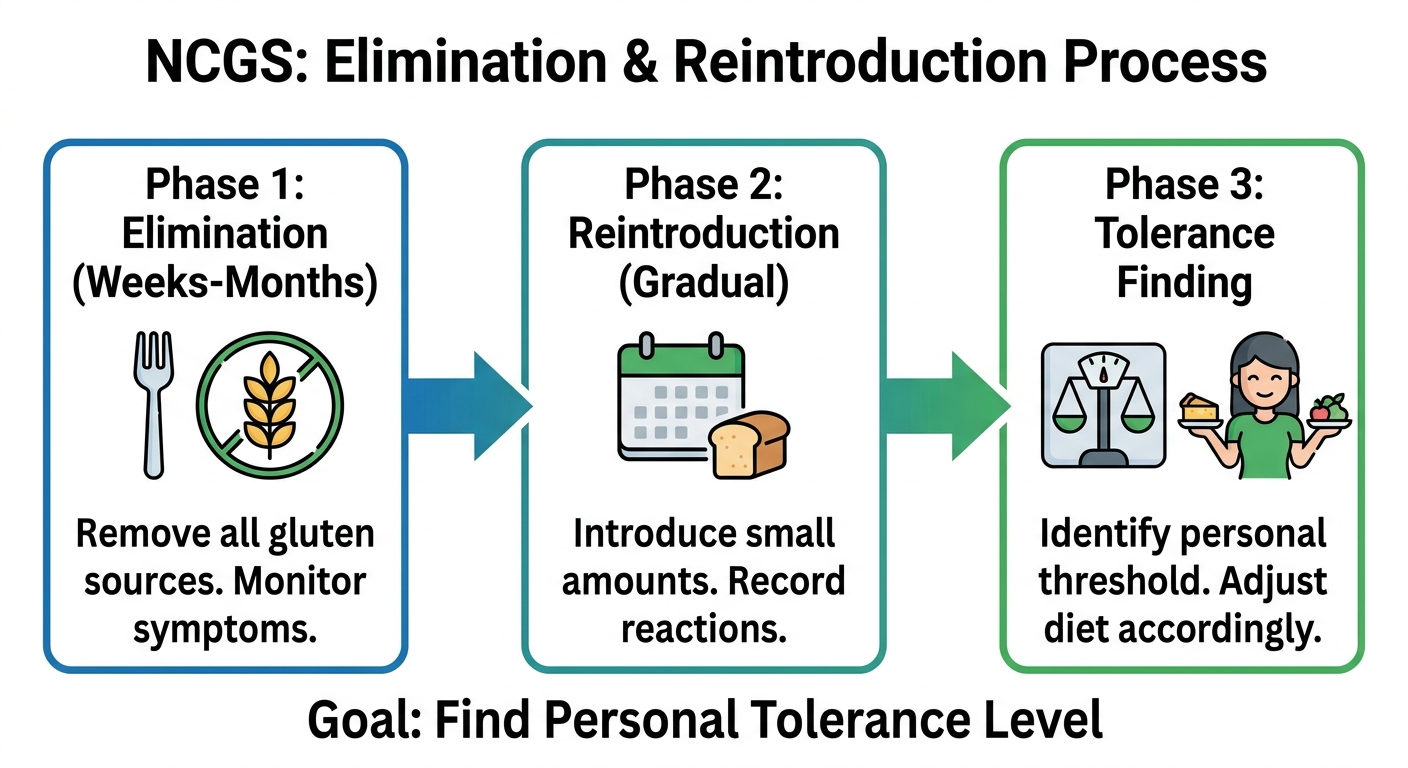
How NCGS is diagnosed: 1) Rule out celiac disease. 2) Rule out wheat allergy. Rome Foundation, 2020
Then use a structured elimination with symptom tracking, followed by systematic reintroduction; in research or specialty settings, a blinded gluten challenge is the most rigorous confirmation. Rome Foundation, 2020
Treatment: Individualize—reduce suspected triggers, then reintroduce strategically to identify tolerance and avoid unnecessary long-term restriction.
Think “rule-out first, refine later”: exclude celiac and wheat allergy, then tailor your diet to your actual triggers.
Symptoms Checklist—Which Condition Sounds Most Like You?
More suggestive of wheat allergy
- Symptoms that start quickly after wheat
- Hives, swelling, wheezing, or repeated immediate reactions
- Any symptoms concerning for anaphylaxis. ACAAI
More suggestive of celiac disease
- More chronic GI issues plus fatigue, weight loss, anemia, or nutrient deficiencies. NIDDK; Mayo Clinic
More suggestive of NCGS
- Symptoms after gluten-containing foods, but testing for celiac and wheat allergy is negative; an IBS-like pattern. Rome Foundation, 2020
Symptoms alone can’t confirm a diagnosis—testing and clinical context matter. Use patterns—not one-off episodes—to guide which evaluation to pursue first.
How to Get the Right Diagnosis (Before You Go Gluten-Free)
Step 1 — Don’t self-diagnose with a diet trial first (if celiac is possible). A gluten-free diet before testing can interfere with celiac blood work and biopsy interpretation, so discuss testing first. Mayo Clinic; NIDDK
If you’re unsure whether celiac is possible, a rule of thumb: if symptoms are persistent, unexplained, or paired with fatigue/anemia/weight loss, ask whether celiac testing makes sense before dietary changes. NIDDK; Mayo Clinic
Step 2 — Talk to the right clinician(s). Primary care often starts the process; gastroenterology is common for celiac evaluation; an allergist helps assess food allergy risk (especially if rapid reactions are happening). If symptoms include hives, swelling, wheeze, or sudden vomiting soon after wheat, prioritize allergy evaluation. ACAAI
Step 3 — What tests might be used. Wheat allergy: skin testing and/or wheat-specific IgE blood testing and sometimes supervised oral challenge. ACAAI; Cianferoni, 2016. Celiac disease: antibody blood tests and sometimes small-intestinal biopsy. Mayo Clinic; NIDDK. NCGS: diagnosis after exclusion plus response to structured elimination/reintroduction; sometimes blinded challenge. Rome Foundation, 2020
Right test, right time: evaluate before eliminating gluten so results stay meaningful.
Treatment Differences That Matter
Why “gluten-free” isn’t always the same as “wheat-free”
- Wheat allergy: focus is often wheat avoidance; some people may tolerate barley/rye, but guidance is individualized. ACAAI
- Celiac disease: requires avoiding gluten in wheat, barley, and rye. NIDDK; Mayo Clinic
In everyday terms, “gluten-free” might help someone with celiac, but it doesn’t automatically address the safety planning side of an IgE-mediated allergy—especially if cross-contact or accidental exposure could trigger a rapid reaction. ACAAI; NIDDK
Safety priorities by condition
- Wheat allergy: prevent reactions and be prepared for severe reactions when relevant. ACAAI
- Celiac disease: strict avoidance, cross-contact prevention, and long-term follow-up. Mayo Clinic; NIDDK
- NCGS: identify personal tolerance and avoid over-restriction. Rome Foundation, 2020
Match the diet and safety steps to the diagnosis—because “avoidance” means different things in each condition.
Lifestyle Tips (Patient-Friendly, Practical)
Food label basics
- In the U.S., “Contains wheat” allergen statements can help with wheat avoidance.
- “Gluten-free” labeling can help with celiac disease, though cross-contact and ingredient awareness still matter.
Eating out and cross-contact prevention: Ask about shared fryers, prep surfaces, sauces, and marinades—common places wheat or gluten can hide.
Example: fries may be “potatoes,” but a shared fryer with breaded foods can be a problem for strict avoidance plans. Some sauces use flour as a thickener. A few targeted questions can prevent guesswork.
Symptom tracking that helps your clinician: Keep a 2–4 week log of foods, timing, symptoms, severity, and any medications.
Including timing is especially useful: “within 30 minutes” suggests a different pathway than “building over days.” ACAAI; Mayo Clinic
Small steps—smart labels, questions, and a brief symptom log—can make your clinic visit far more productive.
FAQs
Q: Is gluten sensitivity the same as celiac disease?
A: No. Celiac disease is autoimmune and can damage the small intestine; NCGS has no validated biomarker and is diagnosed after exclusion. NIDDK; Rome Foundation, 2020
Q: Can a wheat allergy cause anaphylaxis?
A: Yes. Wheat allergy can be severe and potentially life-threatening in some people. ACAAI
Q: If I feel better gluten-free, does that prove I have celiac disease?
A: Not necessarily. Symptom improvement can occur for multiple reasons. If celiac disease is possible, testing is best done before gluten removal. Mayo Clinic; Rome Foundation, 2020
Q: Do I need to avoid barley and rye if I have a wheat allergy?
A: Not always. Recommendations depend on your evaluation and your clinician’s guidance. ACAAI
Q: Is there a test for non-celiac gluten sensitivity?
A: There’s no validated biomarker. Diagnosis is made after ruling out celiac disease and wheat allergy, sometimes using structured challenges. Rome Foundation, 2020
When to Seek Urgent Care
Call emergency services immediately for symptoms that may suggest anaphylaxis, such as trouble breathing, throat tightness, fainting/dizziness, or widespread hives with vomiting after eating wheat. ACAAI
Conclusion (Clear Next Steps)
When comparing wheat allergy vs celiac disease vs gluten sensitivity, the “right” answer depends on the immune pathway involved—and that’s why testing and clinical evaluation matter.
- If symptoms are mild but persistent, consider scheduling an evaluation and (if celiac is possible) testing before diet changes. Mayo Clinic
- If symptoms are sudden or severe after wheat, prioritize evaluation for food allergy risk and safety planning. ACAAI
Ready for a clearer plan? Book an appointment: https://www.sleepandsinuscenters.com/
If you suspect an allergic pattern, check your allergy symptoms: https://sleepandsinuscenters.com/test-your-allergy-symptoms
Explore more educational articles: https://sleepandsinuscenters.com/blog
Next best step: talk with your clinician about targeted testing before changing your diet.
Sources
- American College of Allergy, Asthma & Immunology (ACAAI). Wheat & Gluten Allergy. https://acaai.org/allergies/allergic-conditions/food/wheat-gluten/
- Mayo Clinic. Celiac disease—Symptoms & causes. https://www.mayoclinic.org/diseases-conditions/celiac-disease/symptoms-causes/syc-20352220
- Mayo Clinic. Celiac disease—Diagnosis & treatment. https://www.mayoclinic.org/diseases-conditions/celiac-disease/diagnosis-treatment/drc-20352225
- National Institute of Diabetes and Digestive and Kidney Diseases (NIDDK). Celiac Disease. https://www.niddk.nih.gov/health-information/digestive-diseases/celiac-disease
- The Rome Foundation. Non-Celiac Gluten Sensitivity (2020). https://theromefoundation.org/non-celiac-gluten-sensitivity/
- Cianferoni A. Wheat Allergy: Diagnosis and Management (2016). https://pmc.ncbi.nlm.nih.gov/articles/PMC4743586/
- Additional background reading: https://pmc.ncbi.nlm.nih.gov/articles/PMC6182669/
This article is for educational purposes only and is not medical advice. Please consult a qualified healthcare provider for diagnosis and treatment.
Don’t let allergies slow you down. Schedule a comprehensive ENT and allergy evaluation at Sleep and Sinus Centers of Georgia. We’re here to find your triggers and guide you toward lasting relief.