How Often Do You Need Biologic Allergy Injections?
Biologic injections are prescription medications that help control certain allergic conditions by targeting specific immune pathways involved in inflammation. They’re most commonly used for moderate-to-severe allergic asthma, chronic spontaneous urticaria (chronic hives), and—in some situations—specialist-guided support for IgE-mediated food allergy care.
One key point up front: there isn’t one universal schedule for biologic allergy injections. How often you need them depends on which medication you’re prescribed and what condition is being treated. Many dosing schedules fall on predictable intervals—often every 2, 4, or 8 weeks—and in evolving asthma treatment updates, some long-acting options may be discussed as infrequently as every 6 months in select patients (for example, depemokimab has been referenced in “twice-a-year” contexts for eosinophilic asthma; availability and indication must match current FDA labeling and your individual case). Think of it like choosing the right “thermostat setting” for inflammation: the medication (and interval) is customized to your diagnosis and immune pattern, then adjusted based on how you respond over time.
This guide breaks down common dosing intervals, what affects scheduling, and what to expect if you’re exploring biologics with Sleep and Sinus Centers of Georgia.
Biologic injections vs. allergy shots: what’s the difference?
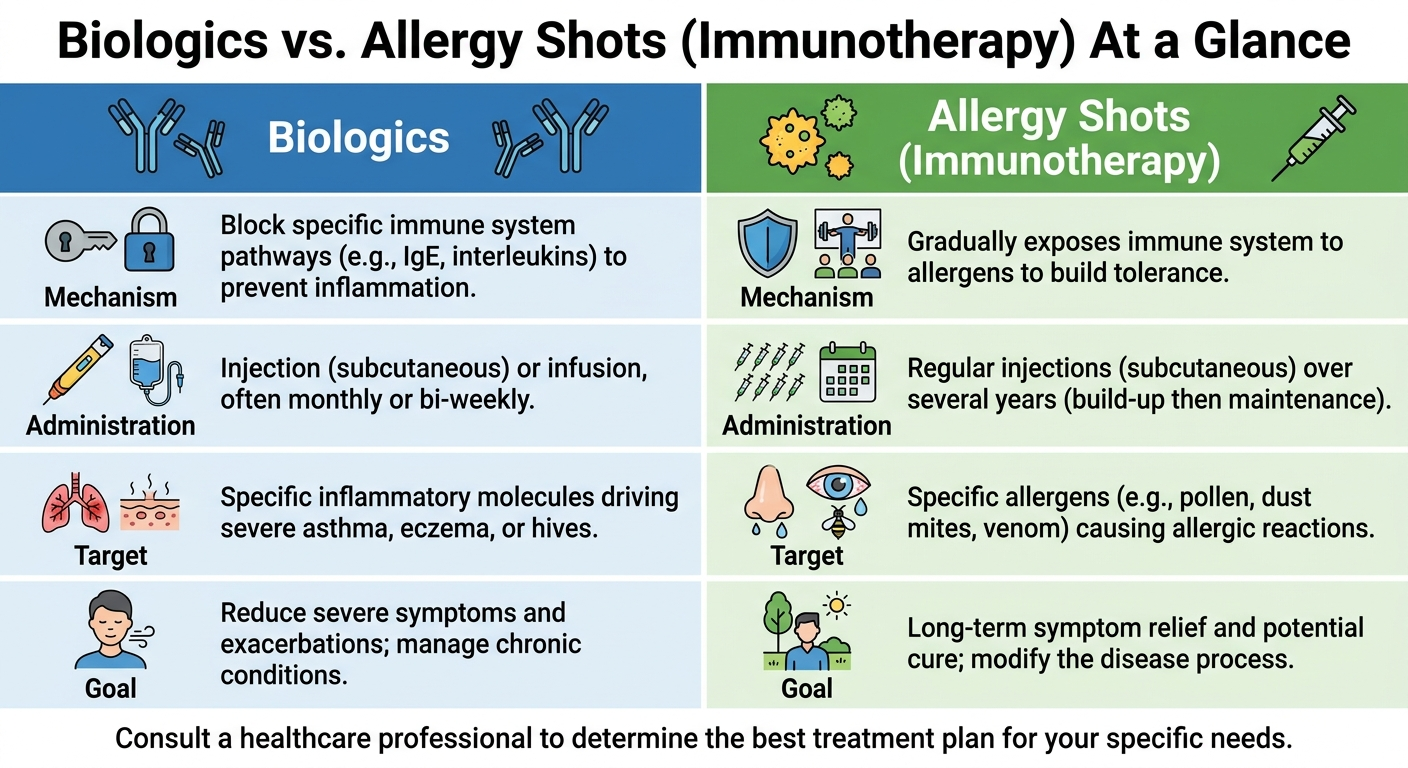
Allergy shots (immunotherapy) in one paragraph: “Allergy shots” (allergen immunotherapy) are designed to retrain the immune system to specific triggers like pollen, dust mites, or pet dander over time. Schedules vary, but many people start with a build-up phase (often weekly injections) and then move to maintenance (often monthly). For a step-by-step overview, see our guide on the allergy shots timeline: https://sleepandsinuscenters.com/blog/allergy-shots-timeline-what-to-expect-during-allergy-immunotherapy
Biologic “allergy injections” in one paragraph: Biologics are different: they don’t expose you to allergens. Instead, they target immune signals involved in allergic inflammation (such as IgE, IL-4/IL-13, or IL-5/IL-5 receptor pathways). They’re typically used when symptoms remain significant despite standard treatment plans. A practical difference is that biologic allergy injections are usually given on fixed intervals (every 2–8 weeks for many medications) and are reassessed for benefit rather than assumed to be lifelong.
Takeaway: Biologics modulate inflammatory pathways on a set schedule; allergy shots retrain your immune system to specific allergens over time.

Quick answer—how often are biologic allergy injections given?
Most biologics used for allergic conditions are scheduled every 2, 4, or 8 weeks, depending on the medication and diagnosis. You may also hear about longer-acting options. In certain asthma subtypes and evolving treatment updates, some long-acting therapies may be dosed as infrequently as every 6 months for selected patients and indications; examples you may see discussed include depemokimab for eosinophilic asthma, but any use must align with current FDA labeling and your clinician’s assessment.
Why injection frequency varies (what determines my schedule?)
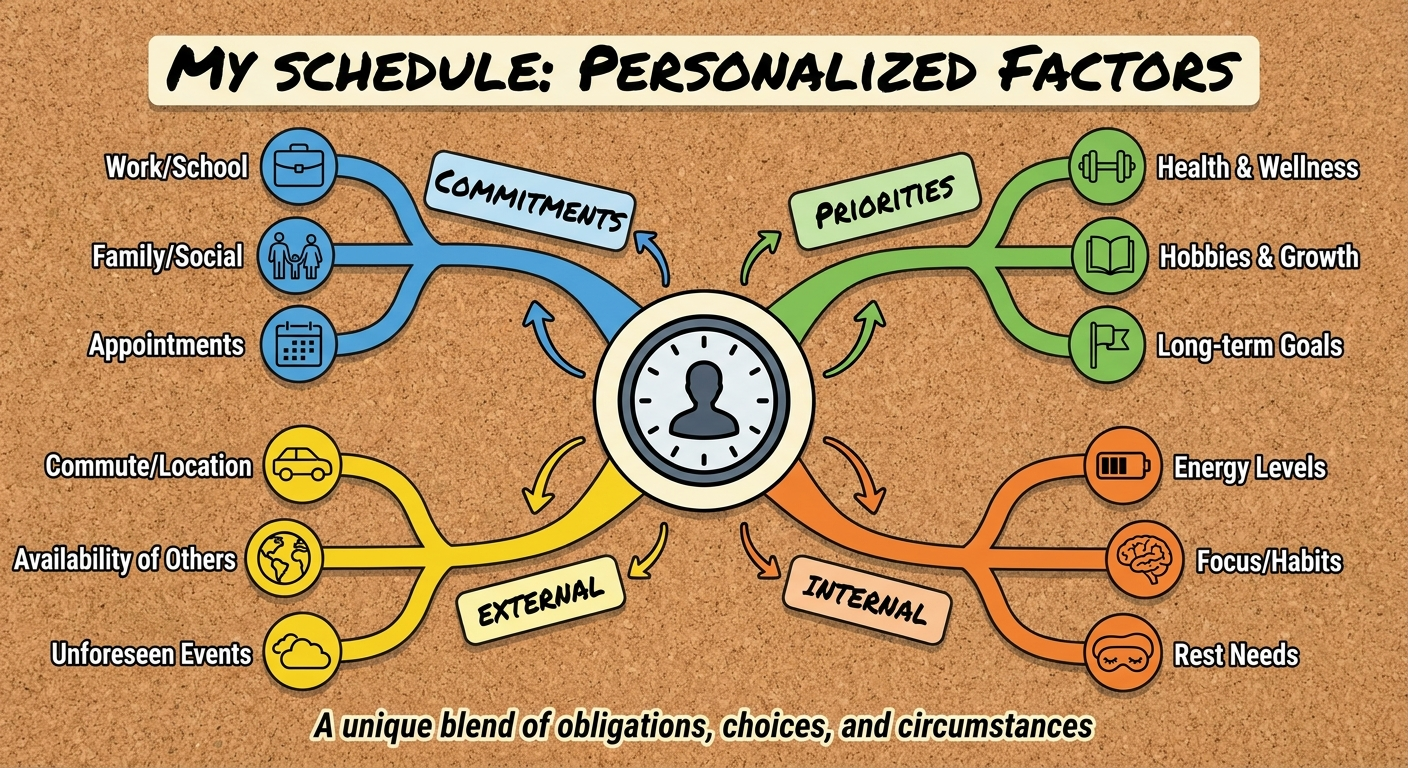
- Your diagnosis (asthma vs. hives vs. food allergy support). The same medication can be used for different conditions—but the approved dosing schedule may change by diagnosis. For example, omalizumab (Xolair) dosing for allergic asthma is determined differently than for chronic hives.
- Your age and medication formulation. Some biologics have adult and pediatric regimens that aren’t identical. In certain cases, age-based dosing can affect the interval.
- Your body weight and lab markers (especially for Xolair). With Xolair, the dose and dosing interval can depend on body weight and IgE level (and the condition being treated).
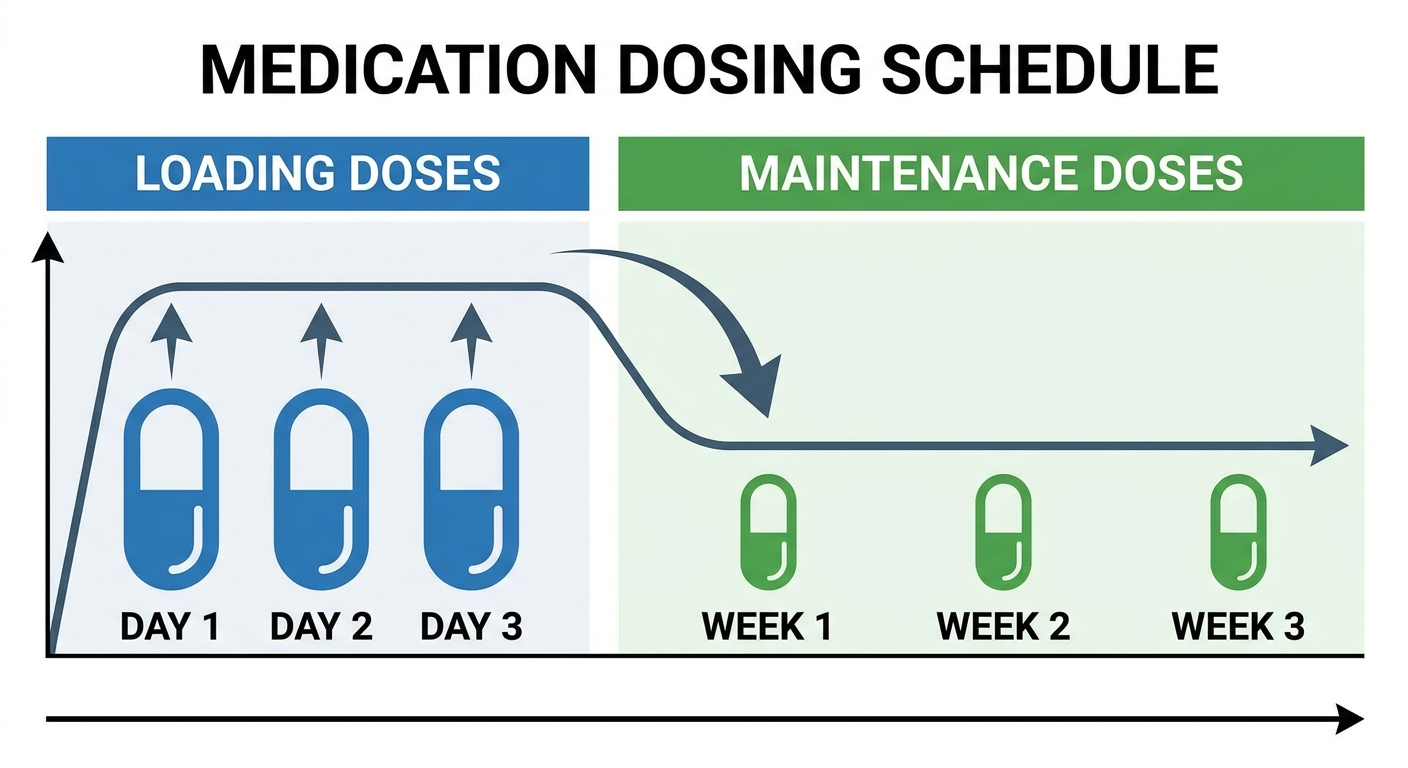
- “Loading doses” at the beginning. Some biologics start with more frequent dosing and then space out once you’re established (for example, benralizumab/Fasenra).
Takeaway: Your interval is personalized—drug choice, diagnosis, age, weight, labs, and early loading doses can all change how often you’re scheduled.
Typical dosing schedules by condition and medication (patient-friendly guide)
Always confirm the exact plan with your prescribing clinician. Below are common intervals:
- Omalizumab (Xolair). Allergic asthma; chronic spontaneous urticaria; specialist-guided use for IgE-mediated food allergy in appropriate patients. Typical interval: every 2 or 4 weeks for allergic asthma/food allergy (depends on IgE + weight); every 4 weeks for chronic hives.
- Mepolizumab (Nucala). Severe eosinophilic asthma. Typical interval: every 4 weeks.
- Benralizumab (Fasenra). Severe eosinophilic asthma. Typical interval: every 4 weeks for the first 3 doses, then every 8 weeks.
- Dupilumab (Dupixent). Asthma with type 2 inflammation (and other allergic conditions per labeling). Typical interval: generally every 2 weeks; some pediatric regimens may allow every 4 weeks.
By condition
- Allergic asthma (common biologics and usual intervals): Xolair every 2 or 4 weeks (based on IgE + weight); Nucala every 4 weeks; Fasenra every 4 weeks for the first 3 doses, then every 8 weeks; Dupixent generally every 2 weeks (some pediatric regimens every 4 weeks).
- Chronic spontaneous urticaria (chronic hives): Xolair typically every 4 weeks.
- IgE-mediated food allergy (specialist-guided, where prescribed/appropriate): Xolair every 2 or 4 weeks, depending on the dosing plan and patient factors.
- Newer longer-acting options (“twice a year” headlines): You may see discussion of depemokimab or other long-acting approaches for certain asthma subtypes (often eosinophilic asthma). Use must align with current FDA labeling, payer coverage, and individual clinical factors.
Takeaway: Most biologic allergy injections follow every-2, -4, or -8-week plans; a few longer-acting options exist for select patients under current labeling.
Symptoms that may lead a clinician to recommend a biologic
Biologics aren’t for everyone, but they may come up when symptoms remain disruptive despite appropriate baseline care.
- Asthma-related signs: frequent flare-ups/exacerbations; symptoms that persist despite consistent inhaled therapy; repeated need for oral steroid bursts (or a strong goal to reduce future steroid exposure).
- Chronic hives-related signs: hives on most days of the week for 6+ weeks; symptoms not controlled with guideline-based antihistamine strategies.
- Food allergy-related concerns: a higher-risk history where a specialist is discussing additional risk-reduction strategies as part of a broader plan.
If you’re unsure what’s driving your symptoms (or which triggers matter most), allergy testing can help tailor a plan: https://sleepandsinuscenters.com/allergy-testing
Takeaway: Biologics are usually considered when guideline-based care isn’t enough and symptoms keep disrupting daily life.
Causes and triggers your biologic can’t fully “replace” (but may help you control)
- Allergen exposure and inflammation drivers: pollen, dust mites, mold, pet dander, and cockroach allergens. Reducing exposure often remains part of the overall strategy—especially for nasal symptoms and asthma control.
- Co-existing conditions that affect control: chronic rhinitis/sinus inflammation, reflux, smoke exposure, and poor indoor air quality. If nasal congestion and drainage are frequent issues, see treating chronic rhinitis: https://sleepandsinuscenters.com/treating-chronic-rhinitis
Takeaway: Biologics can lower your inflammatory baseline, but allergen control and co-condition management still matter.
How long do you stay on biologic allergy injections?
- There’s usually a reassessment period—not an automatic lifetime commitment. For asthma, guidance commonly suggests trying a biologic for at least about 4 months before judging response, then reassessing whether to continue, adjust, or switch.
- What “working” may look like: fewer exacerbations; less rescue medication use; better daily symptom control and quality of life; reduced reliance on systemic steroids (when appropriate).
- Reasons your clinician may adjust or stop treatment: inadequate response after an adequate trial period; side effects or safety concerns; coverage/prior authorization changes; switching to a biologic that better matches your inflammatory “type.”
Takeaway: Expect a defined trial period and structured follow-up to decide whether to continue, adjust, or switch therapy.
What to expect at injection visits (and where injections happen)
- In-office injections vs. at-home administration: some biologics are given in the clinic, while others may be appropriate for at-home administration after initial training—depending on the medication, the individual, and safety considerations.
- Monitoring and safety basics: some patients are observed for a short time after injections, especially early in therapy. Your care team will review which symptoms could suggest an allergic reaction and when to seek urgent evaluation.
Takeaway: Your team will personalize where you receive doses and how you’re monitored, with safety steps reviewed up front.
Lifestyle tips to get the most from biologic therapy
- Don’t skip the basics of allergy/asthma control: biologics are often add-on therapy, not a replacement for foundational treatments. Many patients still use controller inhalers, nasal sprays, and an action plan tailored to their condition.
- Reduce triggers at home: bedroom allergen reduction, HEPA filtration, and managing indoor humidity can support better control. During pollen seasons, habits like changing clothes after outdoor time can also help.
- Plan ahead for scheduling (set-interval doses): coordinate doses around travel when possible; start refills and prior authorization steps early to avoid delays; contact your care team promptly if a dose is missed so they can advise on next steps (instructions vary by medication).
Takeaway: Stay consistent with baseline care, reduce triggers, and plan ahead so you don’t miss time-sensitive doses.
Treatments often used alongside biologics (context for patients)
- Asthma: many people continue inhaled controller therapy (often inhaled corticosteroid/LABA combinations), keep a rescue inhaler available, and follow an asthma action plan.
- Hives: treatment often includes non-sedating antihistamines and step-up options based on symptom control, guided by clinical standards.
- Allergy immunotherapy (shots or drops): immunotherapy can still be an option for certain environmental allergies, separate from biologics. If you’re comparing approaches, see allergy drops vs. allergy shots: https://sleepandsinuscenters.com/allergy-drops-vs-allergy-shots
Takeaway: Biologics typically work best as part of a complete plan that may include inhalers, antihistamines, and (for environmental allergies) immunotherapy.
FAQs
Q: Is a biologic shot the same as an allergy shot?
A: No. Biologics target immune pathways involved in inflammation, while allergy shots (immunotherapy) aim to build tolerance to specific allergens over time.
Q: What’s the most common biologic injection interval?
A: Many are every 2–4 weeks, some are every 8 weeks, and select long-acting options in evolving asthma updates may be every 6 months for certain indications under current FDA labeling.
Q: Why is Xolair every 2 weeks for some people and every 4 weeks for others?
A: For allergic asthma (and certain other uses), Xolair dosing can depend on IgE level, body weight, and the indication being treated.
Q: How soon will I know if it’s working?
A: Response is often assessed over months. For asthma, guidance commonly suggests at least about 4 months before judging benefit.
Q: Can I stop once I feel better?
A: Any stop/continue decision should be planned with your clinician. Many patients do best with a structured reassessment rather than stopping abruptly.
Q: What if I miss a dose?
A: Because instructions vary by medication, the safest step is to contact your prescribing team for guidance on timing and rescheduling.
When to contact a specialist
- Worsening breathing symptoms, frequent asthma attacks, or repeated oral steroid bursts.
- Hives not controlled with standard therapy.
- Any concerning symptoms after an injection that could suggest a serious reaction (seek urgent/emergency care when appropriate).
To talk through options, dosing intervals, and whether you might be a candidate, book a visit with Sleep and Sinus Centers of Georgia: schedule an appointment at https://sleepandsinuscenters.com/appointments or visit https://www.sleepandsinuscenters.com/ to learn more.
Conclusion: the bottom line on frequency
Most biologic allergy injections are given every 2–8 weeks, depending on the medication and condition being treated—and some newer long-acting options may be as infrequent as every 6 months in select situations, under current FDA labeling. The best schedule is individualized, and effectiveness is typically reassessed after a trial period rather than treated as an automatic lifetime commitment.
Takeaway: Your ideal schedule is personal, guided by your diagnosis and response, and revisited over time to confirm it’s helping.
Medical disclaimer
This article is for educational purposes only and is not medical advice. Please consult a qualified healthcare provider for diagnosis and treatment.
Sources
- American Academy of Allergy, Asthma & Immunology (AAAAI). Biologics for the Management of Severe Asthma. https://www.aaaai.org/tools-for-the-public/conditions-library/asthma/biologics-for-the-management-of-severe-asthma
- Asthma and Allergy Foundation of America (AAFA). Biologics for the Treatment of Asthma. https://aafa.org/asthma/asthma-treatment/biologics-asthma-treatment/
- Genentech. Xolair (omalizumab) Prescribing Information. https://www.gene.com/download/pdf/xolair_prescribing.pdf and dosing overview https://www.xolairhcp.com/allergic-asthma/dosing-and-administration/dosing.html
- U.S. Food and Drug Administration (FDA). Dupixent (dupilumab) Prescribing Information. https://www.accessdata.fda.gov/drugsatfda_docs/label/2022/761055s046lbl.pdf
- AstraZeneca. Fasenra approval announcement (2024). https://www.astrazeneca.com/content/az-us/media/press-releases/2024/fasenra-approved-for-treatment-of-children-aged-6-to-11-with-severe-asthma.html
Don’t let allergies slow you down. Schedule a comprehensive ENT and allergy evaluation at Sleep and Sinus Centers of Georgia. We’re here to find your triggers and guide you toward lasting relief.