Why Food Allergy Symptoms Can Seem Worse Over Time: Causes and Solutions
If you live with a food allergy, it’s easy to feel like your reactions are “progressing” year after year—especially if a past exposure caused mild hives, but the next one triggers vomiting, wheezing, or more widespread symptoms. That jump can feel alarming and personal, as if your body is “keeping score.”
The reality is more nuanced. Many people search for why food allergy symptoms get worse every year, but the pattern is often driven by changing circumstances rather than a guaranteed yearly escalation. Think of it less like a steadily rising staircase and more like a dimmer switch: the same trigger can look different depending on what else is happening in your body and environment that day.
Below is an educational guide to what can make reactions seem worse over time, why food allergy reactions are unpredictable, and what practical steps can help you lower risk and feel more prepared.
Quick takeaway: Do food allergies really get worse every year?
A common fear is: “Each exposure makes it worse.” It’s understandable—but not reliably true.
Food allergy reaction severity can vary from one exposure to the next. A mild reaction can be followed by a severe reaction, and a severe reaction can be followed by a milder one. In other words, food allergy reactions are unpredictable. The American College of Allergy, Asthma & Immunology (ACAAI) notes that reaction severity can’t be predicted based only on what happened last time. Clinicians often explain it this way: your last reaction is an important clue—but it isn’t a guarantee.
Suspected anaphylaxis is treated with epinephrine as first-line therapy. Antihistamines are not a substitute for anaphylaxis treatment. (ACAAI)
- Bottom line: your allergy isn’t destined to worsen each year—but context and cofactors can make individual reactions look more or less severe.
Understanding food allergy symptoms (what patients commonly notice)
Food allergies can affect multiple body systems. Some people notice the same pattern each time; others feel like their symptoms “move around” (skin one time, stomach another). Both patterns can occur.
Mild-to-moderate symptoms
- Hives, itching, flushing
- Stomach pain, nausea, vomiting, diarrhea
- Nasal symptoms (runny nose, sneezing)
- Mild lip/tongue tingling (more common with pollen-food allergy syndrome, also called oral allergy syndrome)
Concrete example: Someone might eat a bite of a food with accidental cross-contact and notice a few hives and itching. Another day, that same level of exposure might lead to stomach cramps and vomiting instead—or both.
Red-flag symptoms (possible anaphylaxis)
- Trouble breathing, wheezing, repetitive coughing
- Throat tightness, hoarseness, trouble swallowing
- Dizziness, fainting, signs of low blood pressure
- Symptoms in multiple body systems at once (for example: hives and vomiting)
From a safety standpoint, epinephrine is first-line treatment for suspected anaphylaxis; antihistamines aren’t a substitute. (ACAAI)
- If symptoms involve breathing, throat tightness, fainting, or multiple systems, treat as possible anaphylaxis and seek emergency care.
Why symptoms can seem worse over time (the most common reasons)
When people ask why food allergy symptoms get worse every year, it often comes down to one (or more) of these factors. The “worse” may be real in the moment—but it may not mean your allergy is inevitably intensifying on a yearly schedule.
1) Severity is inherently unpredictable (even without “progression”)
Allergic reactions aren’t identical events. Dose, timing, and what’s happening in your body that day can all influence severity. That’s why a “mild last time” reaction doesn’t guarantee a mild reaction next time. Your immune system doesn’t react in a laboratory-perfect environment—it reacts in real life: after poor sleep, during a stressful week, when you’re fighting a virus, or after taking a medication. Those shifting conditions can make a reaction feel like it’s “getting worse every year,” even if what’s really changing is the context around each exposure. (ACAAI)
- Unpredictability is normal in food allergy; plan for variability rather than assuming a steady progression.
2) Cofactors can lower your reaction threshold or intensify symptoms
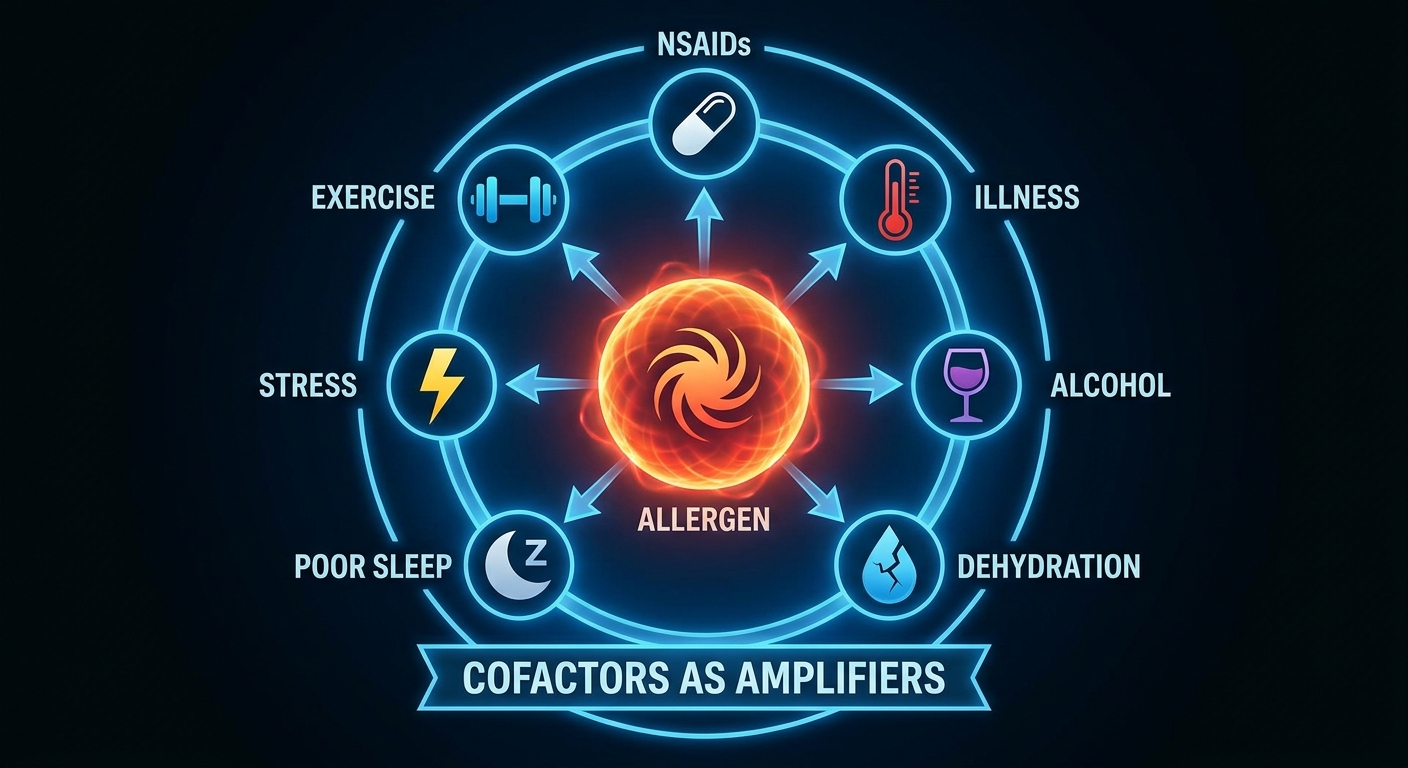
One of the biggest “missing pieces” is cofactors—think of these as reaction amplifiers. Cofactors can make a smaller exposure trigger symptoms, or a typical exposure cause a bigger reaction than expected.
Common cofactors discussed in research include:
- Exercise (including workouts after eating)
- Illness/infection (cold, flu, fever)
- NSAIDs (like ibuprofen/aspirin)—NSAIDs are recognized cofactors
- Alcohol
- Dehydration
- Stress
- Poor sleep / sleep deprivation
Practical headline: Same food, different day, different reaction.
Concrete example: A person might tolerate trace cross-contact on an ordinary day but react more strongly if they eat the same meal and then go for a run, or if they’re taking ibuprofen for a fever. That doesn’t mean the allergy “leveled up”—it may mean the threshold shifted.
A review found cofactors were involved in approximately 14%–30% of anaphylaxis cases (varies by study and definitions). (Shin et al., 2021)
This also connects to exercise-induced anaphylaxis and food-dependent exercise-induced anaphylaxis (FDEIA), where exercise close to a meal can shift the body toward a more severe response in some individuals.
- Identify and manage cofactors when you can; they often explain why the same exposure triggers different outcomes.
3) Pollen-food allergy syndrome can flare during allergy season
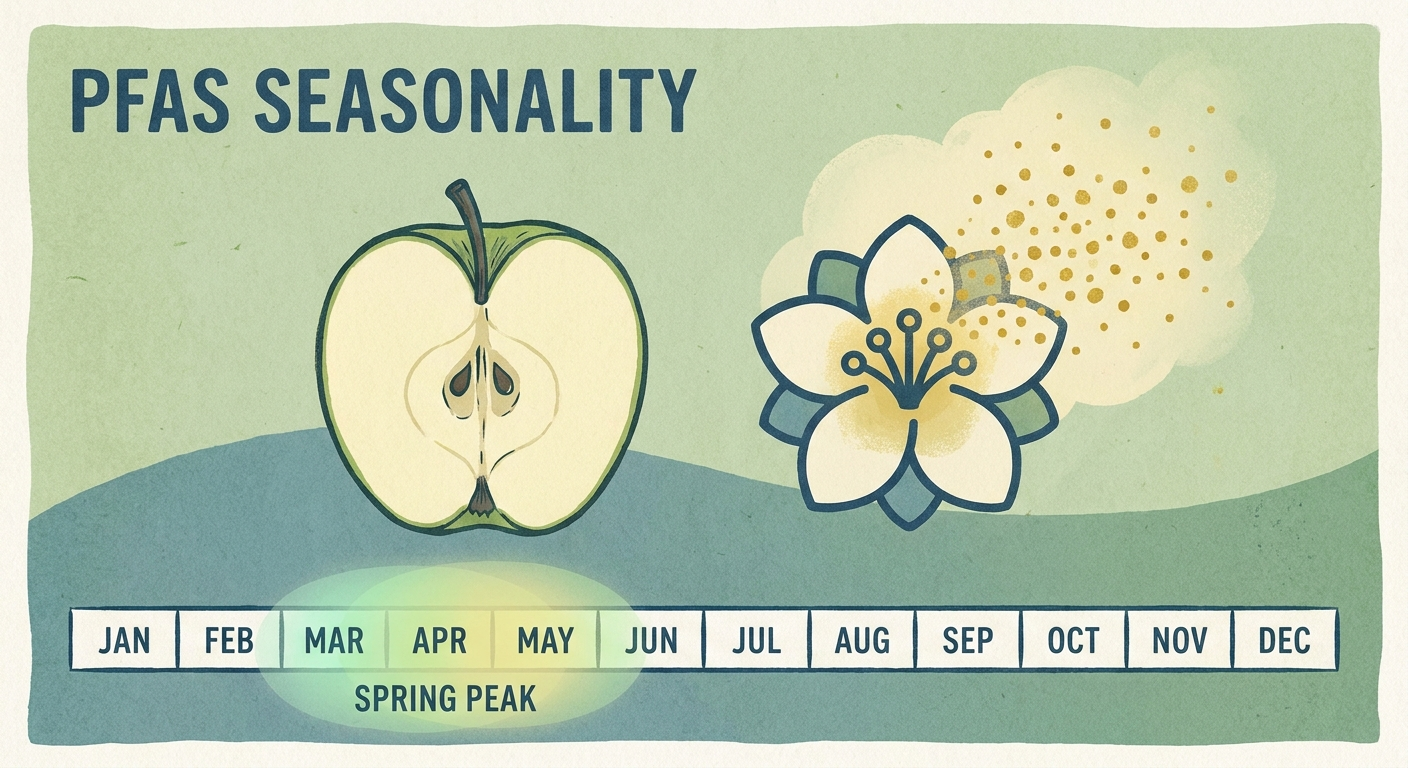
Pollen-food allergy syndrome (PFAS)—also called oral allergy syndrome (OAS)—happens when the immune system recognizes similar proteins in pollens and certain raw fruits/vegetables (and sometimes nuts). This can cause itching or mild swelling in the mouth and throat after eating trigger foods. (AAAAI)
Why it can feel “worse every year”: during high pollen seasons, the immune system may be more reactive overall, and PFAS symptoms may flare. People often notice they can eat a raw fruit “just fine” in winter, then get a scratchy mouth or throat itch in spring.
Many people notice PFAS more with raw foods, and some tolerate cooked forms because heat can change the proteins—though this isn’t universal and should be discussed with an allergist. While OAS/PFAS is usually localized to the mouth and throat, systemic reactions are uncommon but possible; seek urgent care for breathing trouble, dizziness, or multi-system symptoms. (AAAAI)
If you want to connect symptoms with local pollen patterns, the Georgia pollen tracker can help: https://sleepandsinuscenters.com/georgia-pollen-tracker
- If OAS symptoms flare in pollen season, discuss strategies with your allergist and consider avoiding raw triggers during peak seasons.
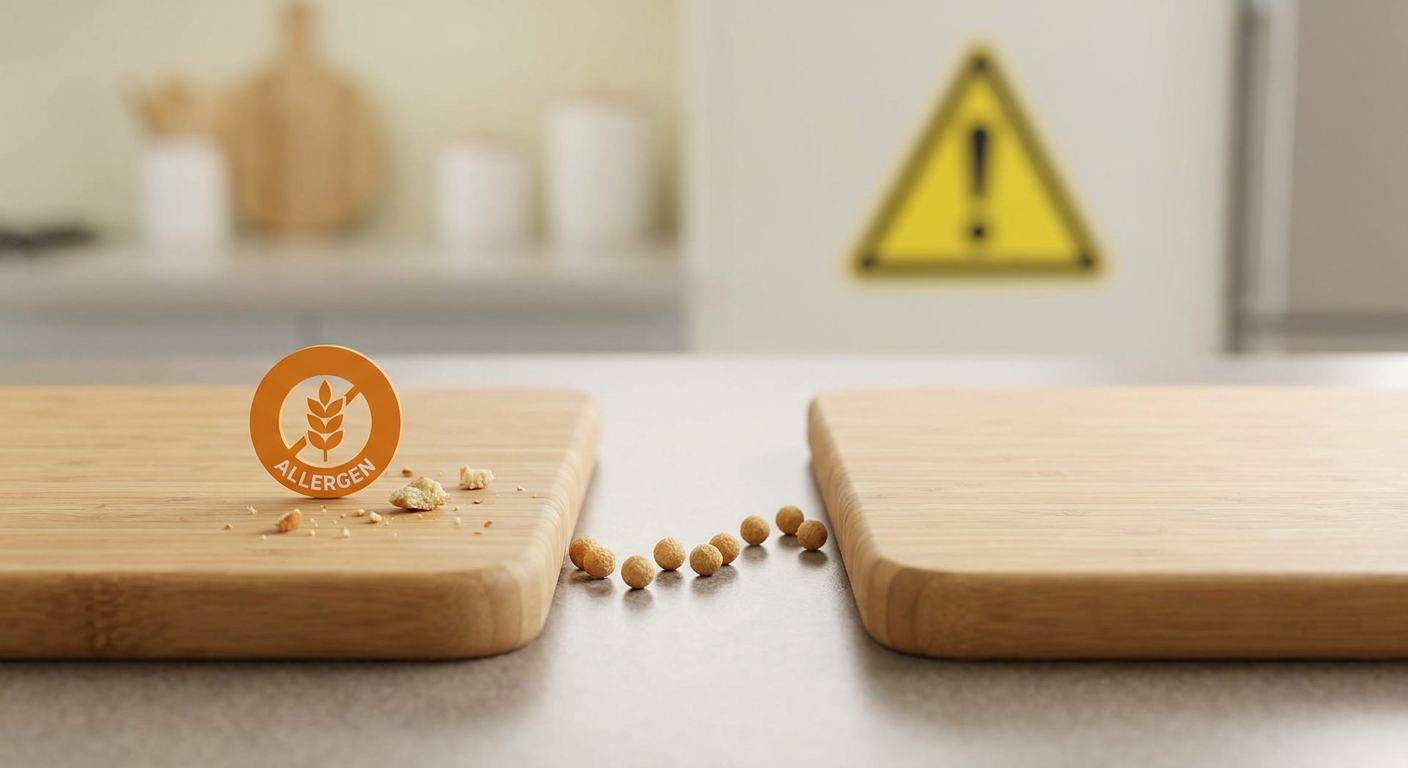
4) Changing exposures: accidental “bigger doses,” cross-contact, or new products
Sometimes the difference isn’t your immune system—it’s the exposure:
- Restaurant meals with shared surfaces or fryers
- Packaged foods with recipe changes
- Cross-contact at home (cutting boards, utensils, sponges)
- “May contain” risk in processed foods
In general, a higher dose of an allergen increases the likelihood of symptoms; it does not reliably predict how severe a reaction will be.
Concrete example: A “safe” candy bar can become unsafe after a recipe change, or a restaurant may switch suppliers or cooking oil without fanfare. Even within the same restaurant, a busy night can increase cross-contact risk compared with a slower shift.
- Re-check labels and routines regularly; small changes in exposure can create big differences in outcomes.
5) At the population level, food allergy is becoming more common (environment may play a role)
Your genes don’t change every year—but environmental exposures can, and researchers continue exploring how environment affects allergy development and persistence.
Food allergy prevalence has increased in many populations (FARE). Emerging research suggests air pollution may be associated with persistence of certain allergies in some children—for example, a 2024 cohort study found early-life exposure to PM2.5 and nitrogen dioxide was associated with persistent peanut allergy in the first 10 years. (Lopez et al., 2024)
This doesn’t mean pollution explains every individual’s symptoms—but it adds context to broader trends discussed in reviews of food allergy research. (Bartha et al., 2024)
- Big-picture trends can shape risk, but your day-to-day plan still hinges on individual triggers and preparedness.
Is it a food allergy—or something else?
Not every unpleasant food-related symptom is a true allergy. Understanding the basics of immune vs non-immune reactions can be clarifying—see What Are Allergies for a simple overview: https://sleepandsinuscenters.com/what-are-allergies
Food allergy vs. intolerance vs. acid reflux vs. anxiety
While only a clinician can diagnose, these general patterns are often discussed:
- Food allergy: often rapid onset (minutes to 2 hours), may involve hives/swelling, and can include breathing or multi-system symptoms
- Intolerance: more likely digestive-only, dose-dependent, and not immune-mediated
- Reflux: burning, sour taste, symptoms linked to posture or trigger foods
- Anxiety/panic: can mimic shortness of breath or throat sensations, but does not typically cause true hives or objective swelling
Note: Some allergic patterns can be delayed (for example, alpha-gal syndrome), so timing alone doesn’t rule in or out an allergy.
When OAS/PFAS is more likely
- Mostly itching/tingling limited to mouth/throat
- Linked to raw produce
- Worse during specific pollen seasons (AAAAI)
- If symptoms don’t fit a typical pattern, an allergist can help distinguish allergy from non-allergy causes safely.
What to do if your reactions seem worse (step-by-step plan)
If you’re revisiting why food allergy symptoms get worse every year, the most useful next step is often gathering better information and getting a personalized plan.
1) Don’t “test” the food at home
Because severity can’t be predicted, intentionally re-exposing yourself can be risky. (ACAAI)
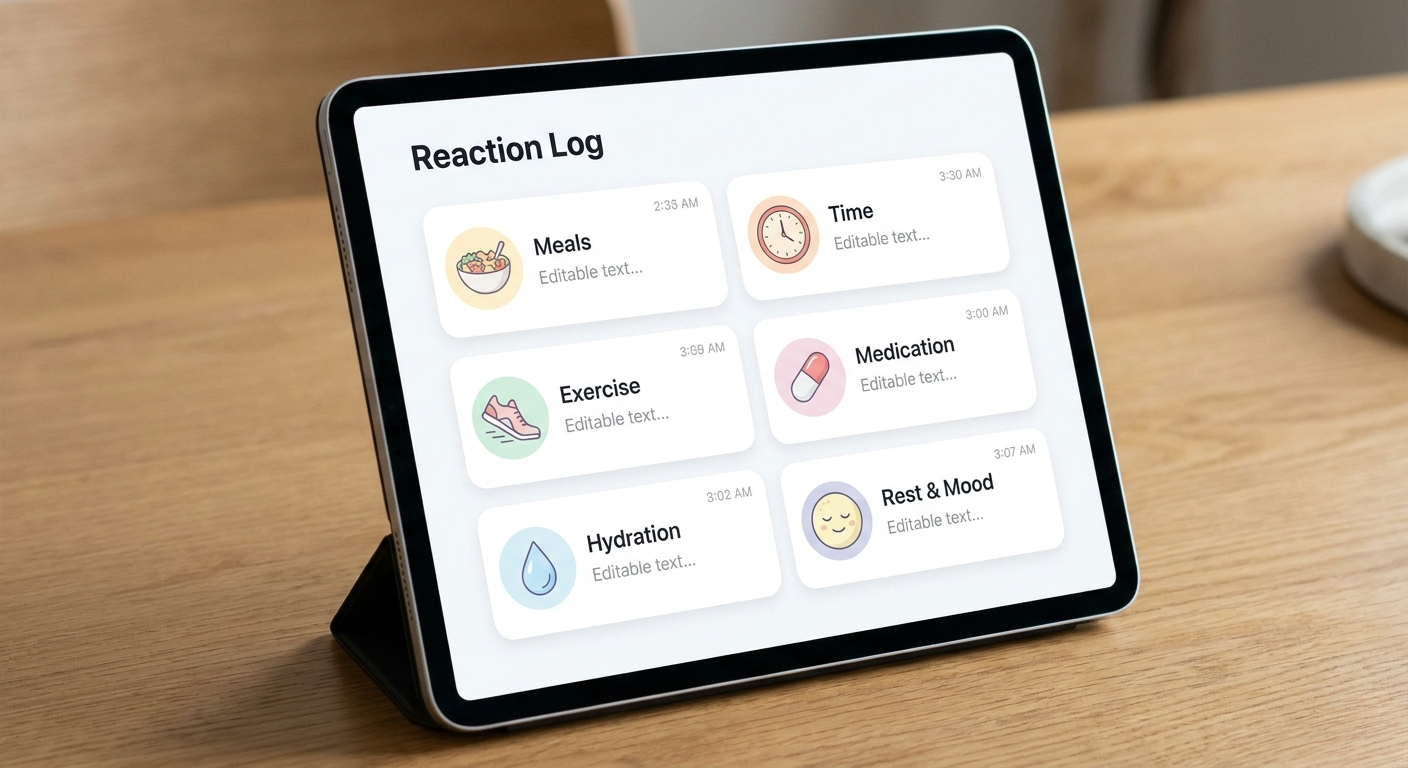
2) Track patterns and potential cofactors
A simple log can help you and your allergist spot trends—especially cofactors. (Shin et al., 2021)
Simple reaction log template:
- Food + amount
- Preparation (raw vs cooked)
- Time to symptoms
- Exercise within 4 hours?
- Illness symptoms?
- Alcohol or NSAID use?
- Sleep quality/stress level
- Hydration/heat exposure
3) Get evaluated by an allergist (what they may do)
A typical evaluation may include:
- Detailed history and risk assessment
- Skin prick testing and/or blood testing—interpreted alongside real symptoms (tests alone don’t equal diagnosis)
- A supervised oral food challenge in select situations
If you’re looking for next steps, Sleep and Sinus Centers of Georgia offers food allergy testing and evaluation: https://sleepandsinuscenters.com/allergy-testing
4) Update your emergency action plan
Many patients benefit from a written plan that covers:
- How to recognize anaphylaxis
- When epinephrine may be needed
- What to do after using epinephrine, based on clinician guidance (ACAAI)
- Until you can be evaluated, avoiding the suspected trigger is the safest default.
Treatments and solutions (medical + practical)
Avoidance strategies that actually reduce reactions
Avoidance isn’t just “don’t eat it.” It’s also about reducing accidental exposure:
- Read labels every time (ingredients change)
- Identify hidden ingredients and high-risk foods (baked goods, sauces, candies)
- Reduce cross-contact at home (separate utensils/boards; clean surfaces carefully)
- Use clear dining-out scripts: “I have a medically diagnosed allergy. Can you confirm ingredients and cross-contact prevention?”
Managing cofactors to reduce risk (lifestyle-focused)
Since cofactors can amplify reactions, many people focus on minimizing them when risk is higher:
- Exercise: be cautious about workouts soon after eating (especially known risk foods)
- Illness: recognize that being sick can lower your threshold
- NSAIDs/alcohol: ask a clinician whether changes are appropriate for you
- Hydration/heat: dehydration and overheating can be relevant cofactors
- Stress/sleep: basic recovery matters more than people think (Shin et al., 2021)
If you suspect pollen-food syndrome (OAS/PFAS)
Common approaches your allergist may discuss include:
- Avoiding raw trigger foods during peak pollen season
- Discussing whether cooked forms are reasonable for you
- Optimizing treatment of seasonal allergies (AAAAI)
Epinephrine: what it is, when it’s needed, and why it matters
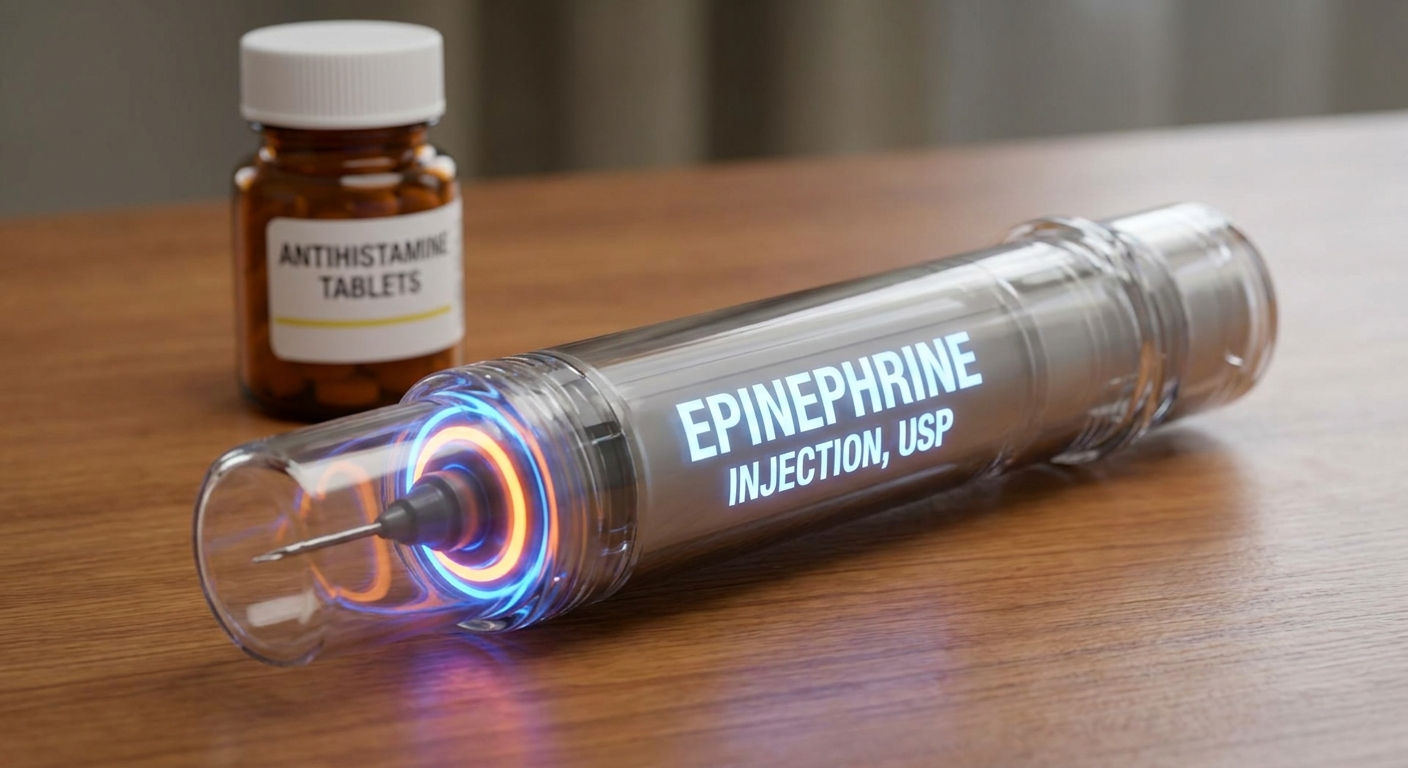
For anaphylaxis, epinephrine is the first-line treatment. Many families also find it helpful to ensure caregivers understand where auto-injectors are stored and how to use them—at home, school, sports, and during travel. (ACAAI)
- Small, consistent safety habits—plus an up-to-date emergency plan—go a long way toward lowering risk.
Prevention mindset: lowering risk in the real world
At home
- Separate utensils/boards when preparing allergen-containing foods
- Be extra careful with powders, nut butters, and baking (they spread easily)
At school/work/travel
- Share an emergency plan where appropriate
- Consider medical ID
- Think about backup epinephrine storage based on clinician guidance
Environmental health (supporting overall allergy control)
While environment isn’t the whole story, it can be part of the big picture. If you’re concerned about air quality and allergies, checking local air quality reports and reducing indoor irritants (smoke, strong fragrances) may support overall symptom control. Research suggests pollution may be associated with persistence of some food allergies in certain settings, but it doesn’t explain every person’s experience. (Lopez et al., 2024)
- Focus on controllable steps—exposure reduction, cofactor awareness, and readiness.
When to seek urgent care vs. schedule an allergy visit
Seek emergency care now / epinephrine may be needed if
In general education terms, symptoms like breathing trouble, throat swelling/tightness, fainting, or multi-system symptoms soon after eating are treated as possible anaphylaxis. (ACAAI)
Schedule an allergist appointment soon if
- Symptoms are worsening or changing over time
- You seem to react to smaller amounts than before
- You now react to cooked forms (or to nuts) when you previously didn’t
- Reactions are becoming systemic rather than localized
- When in doubt, err on the side of prompt medical evaluation—severity can’t be predicted.
FAQs
Do food allergy reactions get worse with every exposure? Not necessarily. Food allergy reactions are unpredictable, and cofactors can significantly change outcomes from one exposure to the next. (ACAAI)
Can exercise make a food allergy reaction worse? Yes. Exercise is a recognized cofactor and is part of what people mean by exercise-induced anaphylaxis or food-dependent exercise-induced anaphylaxis (FDEIA). (Shin et al., 2021)
Why do raw apples/peaches/carrots make my mouth itch more in spring? This pattern often fits pollen-food allergy syndrome (oral allergy syndrome), where pollen season increases sensitivity to cross-reactive raw foods. Most cases are localized; seek care urgently for breathing symptoms, dizziness, or multi-system symptoms. (AAAAI)
Can ibuprofen make allergic reactions worse? In some people, NSAIDs are a known cofactor that may amplify reactions. A clinician can help determine whether this matters in your situation. (Shin et al., 2021)
Can air pollution cause food allergies? Research suggests pollution may contribute to allergy development or persistence in some cases, but it’s not the only factor and doesn’t explain every individual pattern. (Lopez et al., 2024)
What’s the best treatment for anaphylaxis? Epinephrine is first-line treatment for anaphylaxis. (ACAAI)
Conclusion: Your next best step
If you’ve been wondering why food allergy symptoms seem worse over time, the most reassuring truth is that you’re not “doing something wrong.” Symptoms can change due to cofactors, seasonality (especially PFAS/OAS), different exposure amounts, and broader environmental influences.
A practical checklist to consider:
1) Avoid the suspected trigger for now
2) Track patterns and possible cofactors
3) Schedule an allergy evaluation for a personalized plan and food allergy testing when appropriate: https://sleepandsinuscenters.com/allergy-testing
4) Know the basics of anaphylaxis and the role of epinephrine if it’s prescribed (ACAAI)
Want help getting clarity? You can book an appointment with Sleep and Sinus Centers of Georgia to review your history, discuss testing options, and build a practical plan for avoidance and emergency preparedness: https://www.sleepandsinuscenters.com/
Sources
- American College of Allergy, Asthma & Immunology (ACAAI). Food Allergies | Causes, Symptoms & Treatment. https://acaai.org/allergies/allergic-conditions/food/
- Shin et al. (2021). Food allergies and food-induced anaphylaxis: role of cofactors. https://pmc.ncbi.nlm.nih.gov/articles/PMC8342881/
- American Academy of Allergy, Asthma & Immunology (AAAAI). Oral Allergy Syndrome (OAS). https://www.aaaai.org/tools-for-the-public/conditions-library/allergies/oral-allergy-syndrome-%28oas%29
- Bartha et al. (2024). Feast for thought: A comprehensive review of food allergy 2021–2023. https://www.jacionline.org/article/S0091-6749%2823%2902414-4/fulltext
- Lopez et al. (2024). Air pollution is associated with persistent peanut allergy in the first 10 years. https://pubmed.ncbi.nlm.nih.gov/39453339/
- Food Allergy Research & Education (FARE). Facts and Statistics. https://www.foodallergy.org/resources/facts-and-statistics
This article is for educational purposes only and is not medical advice. Please consult a qualified healthcare provider for diagnosis and treatment.
Food allergies can be life-threatening. If you think you’re experiencing anaphylaxis, use prescribed epinephrine and seek emergency care.
Don’t let allergies slow you down. Schedule a comprehensive ENT and allergy evaluation at Sleep and Sinus Centers of Georgia. We’re here to find your triggers and guide you toward lasting relief.