Switching from CPAP to Bilevel PAP (BiPAP): When and Why ENT or Sleep Specialists May Recommend It
Introduction — Why “CPAP Not Working” Doesn’t Always Mean You’re Failing
If you’re frustrated because CPAP doesn’t feel effective—or you can’t tolerate it—you’re not alone. Many people assume that struggling with CPAP is a motivation problem. Often, it isn’t.
Sometimes the issue is physiology: your breathing may still be too shallow at night (hypoventilation), leading to carbon dioxide (CO₂) retention (hypercapnia), even if airway obstruction improves. Other times, the issue is pressure tolerance: you may need pressures that are hard to exhale against or that disrupt sleep.
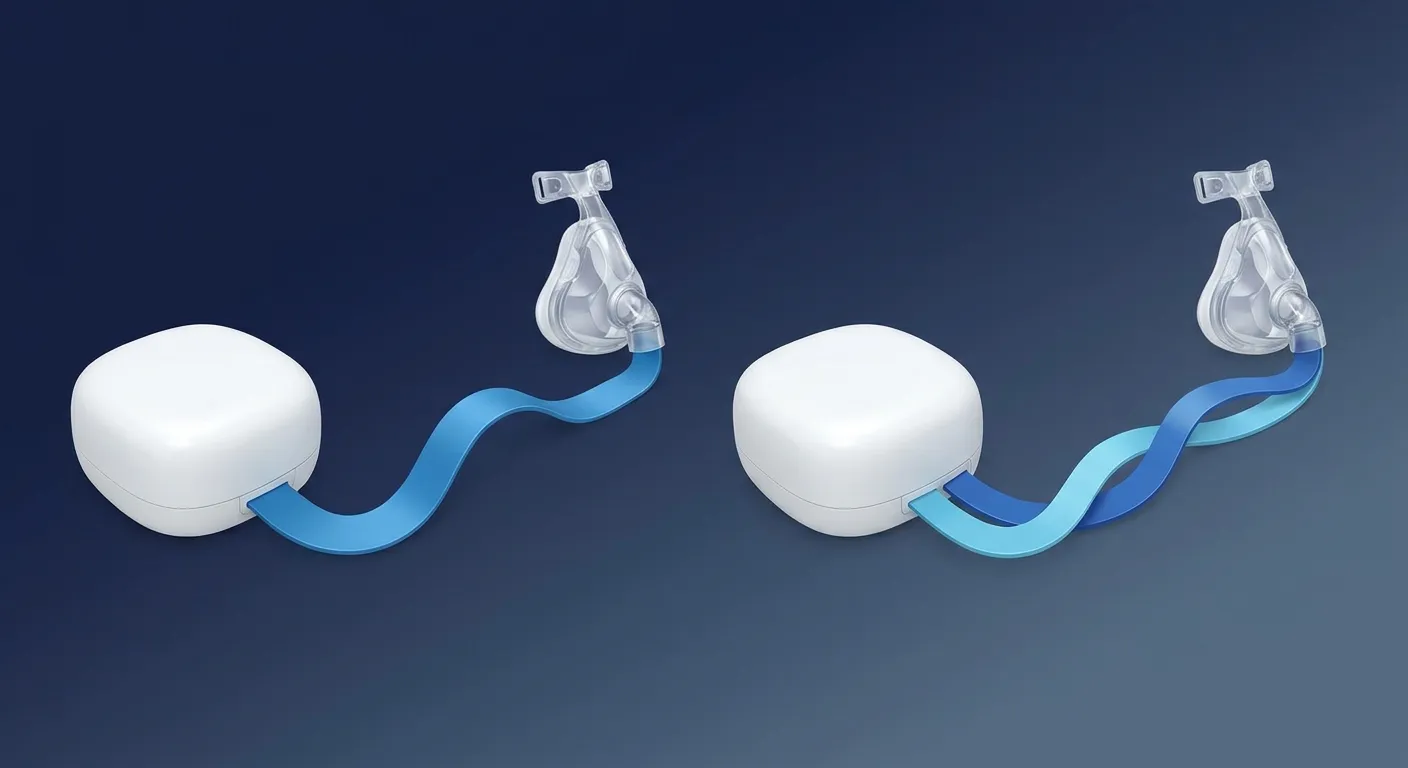
That’s where switching from CPAP to bilevel PAP (commonly called BiPAP) may help. Bilevel PAP isn’t simply “stronger CPAP.” It’s a different mode—using separate pressures for inhale and exhale—that can better support breathing in selected situations and comfort profiles [3,5]. As one clinician often puts it: “We’re not just chasing numbers—we’re trying to restore stable, restful breathing.”
Summary: When CPAP struggles are driven by physiology or pressure intolerance, a carefully chosen switch to bilevel PAP may address the real problem, not your willpower.
Quick Refresher — What CPAP Does (and What It Doesn’t)
CPAP’s job: splint the airway open (mainly for obstructive events)
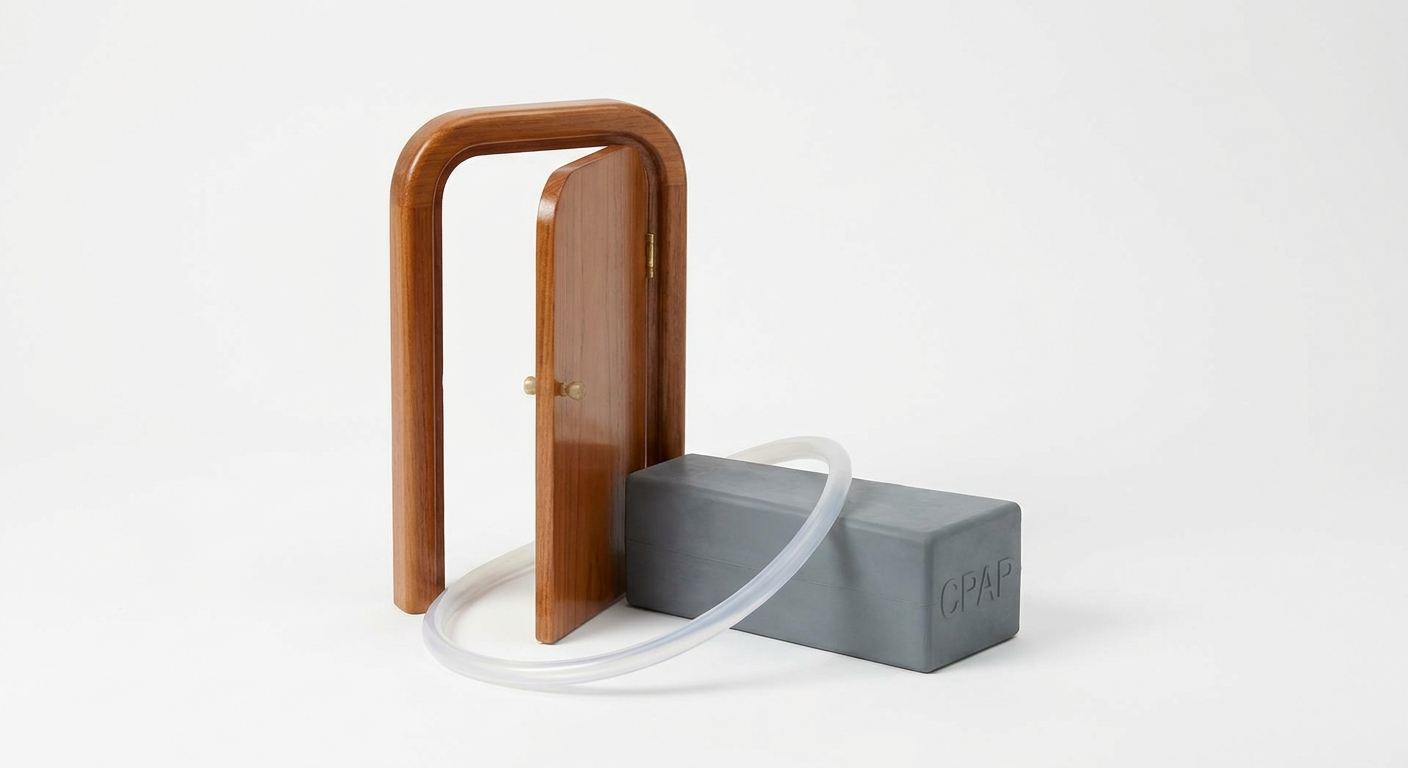
CPAP delivers one continuous pressure to keep the upper airway from collapsing. For classic obstructive sleep apnea (OSA), that “airway splint” is often exactly what’s needed.
A helpful analogy: CPAP is like propping a door open so it can’t swing shut. If the main problem is collapse, that single steady pressure can be a perfect solution.
Where CPAP can fall short
- Hypoventilation and CO₂ retention can persist even when obstructive events improve. In other words, the airway may be open, but breathing can remain too shallow [2].
- Central events may emerge or continue, such as treatment-emergent central sleep apnea (breathing pauses driven by the brain’s control of breathing rather than airway collapse) [3]. For background on why central events matter, see our related article on central sleep apnea background: https://sleepandsinuscenters.com/blog/central-sleep-apnea-life-expectancy-what-it-means-for-your-health and the mechanisms reviewed in the medical literature [3].
Summary: CPAP props the throat open, but it doesn’t directly boost ventilation or stabilize all breathing control issues.
Bilevel PAP Explained in Plain English (BiPAP vs CPAP)
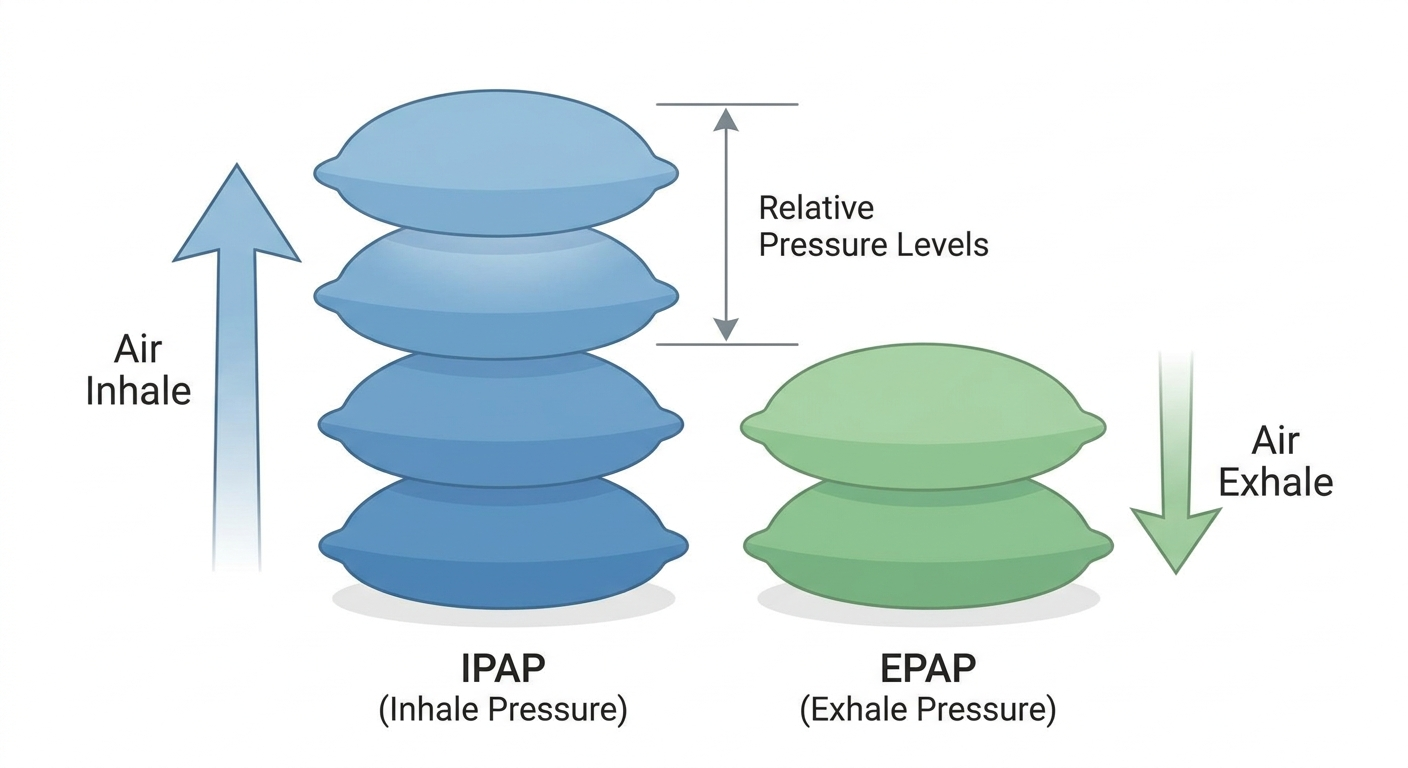
Two pressures instead of one: IPAP and EPAP
- EPAP (expiratory pressure): helps keep the airway open—similar to CPAP.
- IPAP (inspiratory pressure): supports inhalation, reducing the work of breathing and improving ventilation [5].
Why the pressure difference matters
- That “gap” between IPAP and EPAP can make a meaningful difference—especially for people who describe CPAP as “fighting the machine.”
- Many people find exhaling easier on bilevel PAP, particularly if they struggled with higher fixed CPAP pressures.
- The added inspiratory support can improve hypoventilation and hypercapnia (high CO₂) when those are the drivers of symptoms [2,3].
Another analogy patients often relate to: CPAP can feel like breathing out against a steady headwind. Bilevel PAP still keeps the airway supported, but it “eases up” during exhale and “helps you up the hill” on inhale.
Bilevel PAP terms you may hear at an ENT/sleep clinic
- Bilevel PAP / BPAP
- Spontaneous (S) and Spontaneous/Timed (S/T)
- Backup rate (a setting used in selected situations)
In selected cases, a backup rate may be used when central apnea and hypoventilation risk are present, depending on the underlying cause and the pattern seen on testing [1,3]. This isn’t “more is better”—it’s about matching the mode to the breathing pattern identified on evaluation.
Summary: Bilevel PAP adds targeted inhalation support and easier exhalation, aiming to match machine settings to your specific breathing pattern.
The Top Reasons ENT and Sleep Specialists May Switch a Patient from CPAP to Bilevel PAP
In clinical practice, switching from CPAP to bilevel PAP is most often considered when ventilatory failure/hypoventilation is present or when CPAP pressures are not tolerated and symptoms persist [2,3].

1) Persistent hypercapnia (high CO₂), especially overnight
Bilevel support is a common next step when nocturnal hypoventilation leads to hypercapnia [2]. Clues can include:
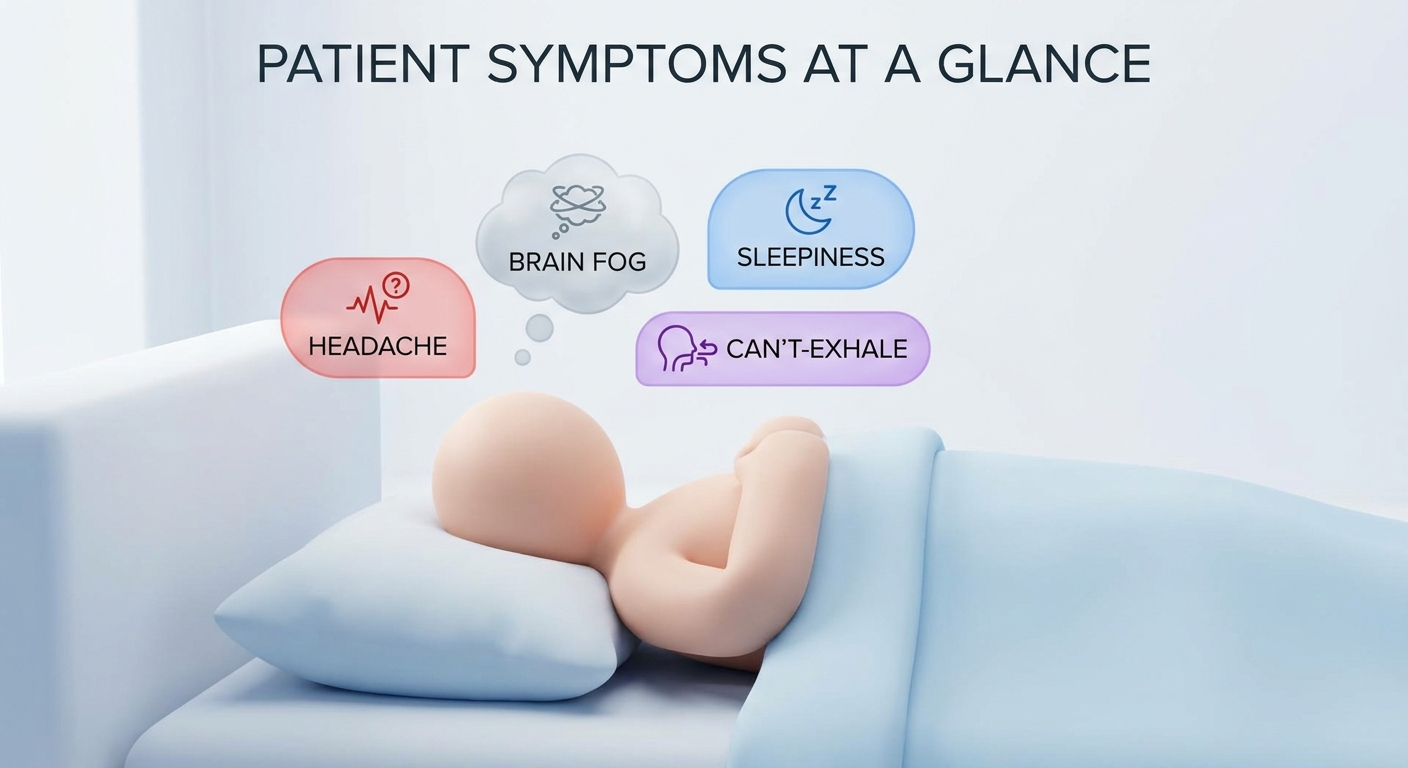
- Morning headaches
- “Brain fog”
- Daytime sleepiness despite “good CPAP numbers”
A common real-world example: someone’s CPAP report looks “acceptable,” but they wake up with a heavy, headachy feeling and never feel refreshed. That symptom pattern may be a reason to look beyond obstruction alone.
2) Obesity Hypoventilation Syndrome (OHS) — especially if CO₂ stays high on CPAP
In obesity hypoventilation syndrome, CPAP may successfully reduce obstruction—yet CO₂ levels can remain elevated in some patients. When hypercapnia persists despite adequate CPAP therapy, bilevel support may be considered [2].
Clinically, this may look like: strong CPAP adherence, fewer obstructive events, but ongoing fatigue and objective evidence (testing) that ventilation is still inadequate.
3) Central sleep apnea with hypoventilation or complex breathing patterns
Central sleep apnea can reflect an unstable breathing control system. If ventilation is inadequate (not just a few central events), clinicians may consider bilevel PAP with carefully selected settings [3]. Other advanced modes may be appropriate in some cases; the right choice depends on the pattern seen and the patient’s overall health [3].
4) COPD–OSA overlap with hypoventilation (“overlap syndrome”)
When COPD contributes to nocturnal ventilatory failure, bilevel PAP can provide ventilatory support and may feel more comfortable than CPAP alone for some people with COPD–OSA overlap [3,5].
People with overlap sometimes report they can fall asleep on CPAP but wake up feeling “air hungry” or short of breath. That symptom is one reason clinicians may evaluate ventilation and CO₂—not just AHI.
5) CPAP pressure intolerance (a practical, common reason)
Even when CPAP is technically effective, some people can’t tolerate the experience, especially at higher pressures. Common complaints include:
- Feeling like you can’t exhale
- “Air hunger”
- Aerophagia (swallowing air)
- Insomnia or frequent awakenings on CPAP
These issues become more likely when severe OSA or anatomical resistance drives higher pressure needs [5]. In that scenario, switching from CPAP to bilevel PAP may improve comfort while maintaining airway support—provided settings are properly titrated and matched to the individual response.
6) Persistent symptoms on CPAP despite “acceptable AHI”
It’s possible for a CPAP download to show a decent AHI while a person still feels unwell—due to sleep fragmentation, oxygen/CO₂ problems, or unresolved hypoventilation [2]. If you want to understand why this happens, our guide to AHI score explained can help put those numbers in context: https://sleepandsinuscenters.com/blog/ahi-score-explained-understanding-your-sleep-apnea-severity
Summary: Bilevel PAP is typically considered for persistent CO₂ elevation, hypoventilation-related conditions, complex breathing control, COPD overlap, or true pressure intolerance—not just as a comfort upgrade.
Symptoms That May Signal You Need Bilevel PAP Instead of CPAP (Patient Checklist)
Educational only—use this as a conversation starter with your sleep clinician or ENT team, not as self-diagnosis.
Daytime symptoms
- Morning headaches (possible CO₂ retention) [2]
- Excessive sleepiness, concentration problems, mood changes
- Shortness of breath or reduced exercise tolerance (especially with COPD)
Nighttime/CPAP-use symptoms
- Waking up gasping despite using CPAP
- Feeling like you “can’t exhale” against pressure
- Frequent awakenings or removing the mask during sleep
- Persistent snoring/choking (sometimes from leak or pressure mismatch)
Objective red flags from testing/device data
- Evidence of hypoventilation or elevated CO₂ (transcutaneous/end-tidal CO₂ monitoring or arterial blood gas) [2]
- Persistent central apneas [3]
- Oxygen drops that don’t improve adequately
Summary: Bring these patterns to your clinician’s attention so testing can clarify whether ventilation—not just obstruction—is the issue.
What Causes CPAP Failure or Intolerance (and When It’s Fixable Without Switching)
Fixable setup issues first (often)
Many “CPAP isn’t working” situations improve with troubleshooting rather than a mode change:
- Mask leak, wrong mask type, mouth leak
- Humidification or nasal dryness issues
- Nasal obstruction
If leaks are the main issue, start with practical steps like our mask leak solutions: https://sleepandsinuscenters.com/blog/mask-leak-solutions-quick-fixes-to-stop-air-leaks. For broader help, see general CPAP issues and troubleshooting: https://sleepandsinuscenters.com/blog/ent-care-for-people-who-use-cpap-machines
Sometimes, pressure optimization is the missing piece. In selected cases, an auto-adjusting device may be considered before switching modes—learn more in APAP machine: what it is and when it’s better: https://sleepandsinuscenters.com/blog/apap-machine-what-it-is-when-it-aos-better
When it’s not just comfort—it’s physiology
When true hypoventilation syndromes (like OHS), COPD overlap hypoventilation, or certain central apnea patterns are present, comfort fixes alone may not address the underlying ventilatory problem [2,3]. That’s when switching from CPAP to bilevel PAP becomes a physiologic strategy, not just a comfort change.
Summary: Rule out fixable setup issues first; consider bilevel PAP when a ventilation problem persists despite good CPAP use.
How ENTs and Sleep Specialists Decide: The Tests and Clinical Clues Behind a CPAP-to-Bilevel Switch
The decision to switch relies on data and tailored testing.
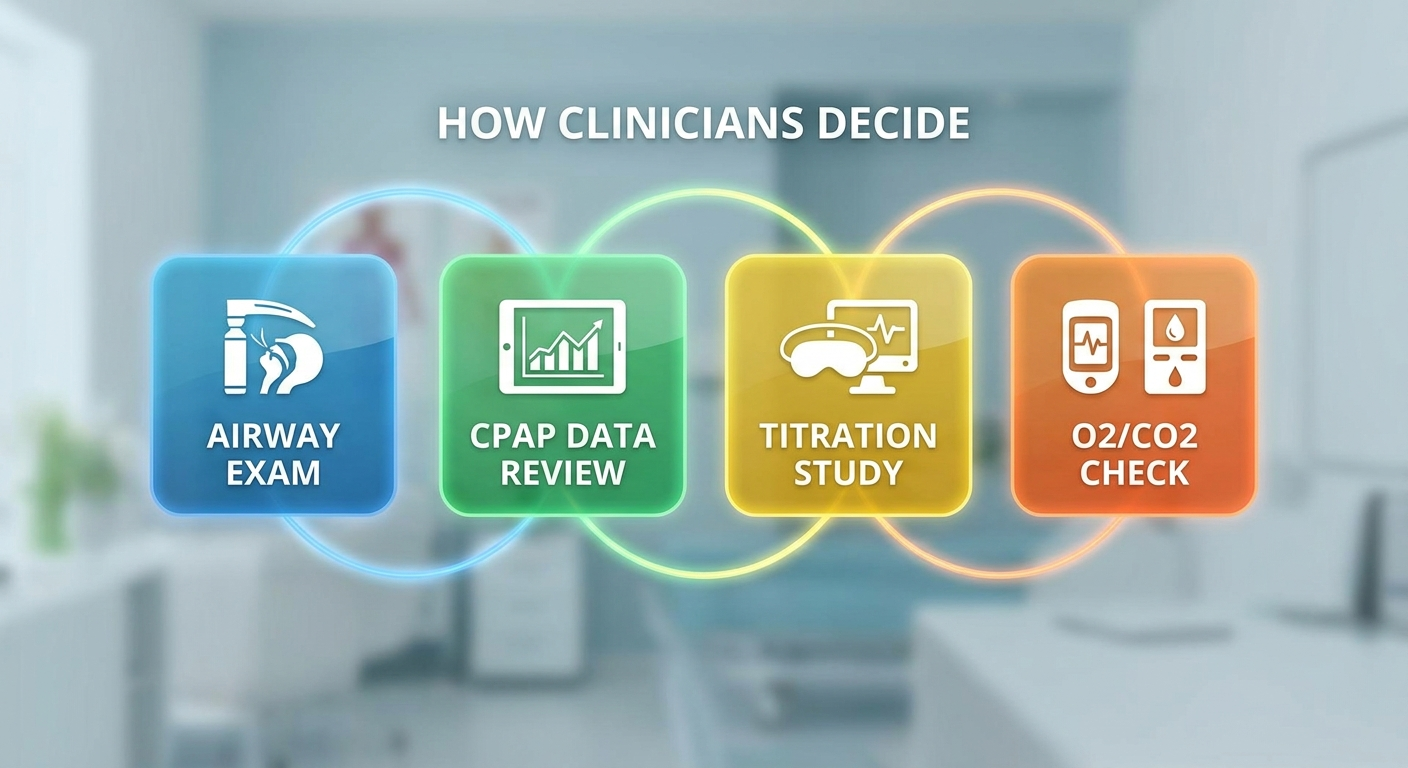
Step 1 — Detailed history + ENT airway exam
ENT evaluation can identify nasal blockage, turbinate enlargement, deviated septum, or chronic inflammation—issues that can worsen leak and make PAP feel intolerable. If nasal breathing is the main barrier, our article on blocked nose with CPAP (tolerance + leak issues) may be useful: https://sleepandsinuscenters.com/blog/blocked-nose-during-cpap-ent-strategies
Step 2 — Review of CPAP download data
Clinicians often review:
- Residual AHI and the type of events (obstructive vs central)
- Leak patterns
- Pressure trends and adherence
This is where details matter. Two people can have the same AHI, but very different leak, arousal, oxygen, or central-event patterns—leading to different next steps.
Step 3 — Sleep study or titration (often the “decision-maker”)
An in-lab PAP titration can show whether bilevel settings reduce events, improve ventilation, and increase comfort. Manual titration guidance is outlined by the American Academy of Sleep Medicine [4]. If you’re preparing for testing, see how to prepare for a sleep study: https://sleepandsinuscenters.com/patient-resources/sleep-study-preparation
Step 4 — Checking oxygen and CO₂ when hypoventilation is suspected
To evaluate suspected hypoventilation, clinicians may use:
- Overnight oximetry (oxygen)
- CO₂ monitoring (transcutaneous or end-tidal CO₂)
- Arterial blood gas (ABG) or supportive markers like serum bicarbonate in OHS evaluation [2]
Summary: The decision to switch relies on data—airway exam, device downloads, titration results, and oxygen/CO₂ assessment.
What Treatment Looks Like After Switching to Bilevel PAP
Getting the settings right (and why you shouldn’t “self-switch”)
Bilevel therapy depends on balancing:
- EPAP for airway splinting (obstruction control)
- IPAP for ventilation support (reducing hypoventilation)
- Backup rate settings in select situations [3,4]
Because these settings affect both oxygen and CO₂, changes should be guided by a clinician rather than self-adjustment.
What patients often notice first
- Easier exhaling
- Less “air hunger”
- Fewer awakenings
- Better daytime alertness if CO₂ retention improves [2,5]
Adherence benefits: some patients use bilevel more consistently after switching
Observational studies suggest some patients may have better acceptance and adherence after switching from CPAP to bilevel PAP when CPAP was poorly tolerated [1]. Individual results vary.
Side effects to watch (and how clinics address them)
- Dryness/congestion: humidification, nasal care, addressing inflammation
- Aerophagia: pressure adjustments, ramp features, positional strategies
- Mask fit changes: refitting as pressures and airflow dynamics change
Summary: Proper titration and follow-up are essential—matching settings to physiology is what unlocks comfort and effectiveness.
Lifestyle + Comfort Tips to Improve Success on Bilevel PAP (and CPAP)
Nasal breathing optimization
Nasal care (saline rinses/sprays, allergy control, and addressing chronic congestion) can improve comfort and reduce mouth leak—often a key part of PAP success in ENT care.
Sleep habits that may reduce pressure needs
- Side-sleeping/positional therapy for appropriate patients
- Avoiding alcohol or sedatives near bedtime when possible, since they can worsen airway collapse and breathing instability
Weight and cardiopulmonary health (especially OHS/COPD overlap)
In OHS and overlap syndrome, weight management and pulmonary optimization can reduce ventilatory burden and improve nighttime breathing stability [2]. Many patients benefit from coordinated care across ENT, sleep medicine, and pulmonary teams.
Summary: Small, targeted changes—especially nasal care and sleep position—can make PAP therapy more comfortable and effective.
FAQs — Switching from CPAP to Bilevel PAP
Is bilevel PAP “better” than CPAP?
Not universally. CPAP remains the simplest and often most effective option when obstruction is the main issue. Bilevel PAP is especially helpful for selected conditions such as hypoventilation/hypercapnia, certain central apnea patterns, COPD–OSA overlap with hypoventilation, and CPAP intolerance at higher pressures [2,3,5].
How do I know if I have high CO₂ at night?
CO₂ can be evaluated with ABG testing, supportive blood markers (like serum bicarbonate in OHS workups), and overnight CO₂ monitoring such as transcutaneous or end-tidal measurements [2].
Can bilevel PAP treat central sleep apnea?
Sometimes—depending on the central apnea pattern and whether hypoventilation is present. Other PAP modalities may be more appropriate in some cases; selection is individualized [3].
Will insurance cover bilevel PAP if CPAP isn’t working?
Coverage often depends on documentation—symptoms, adherence, titration results, and/or evidence of hypoventilation/hypercapnia. Requirements vary by plan and equipment provider.
Do I need a new sleep study to switch?
Often, yes—especially to document medical need and to perform PAP titration consistent with clinical guidance [4].
What if I can’t tolerate bilevel PAP either?
Common next steps include interface changes, humidification adjustments, re-titration, addressing nasal blockage, and discussing non-PAP options with your Sleep and Sinus Centers of Georgia care team.
Summary: Bilevel PAP isn’t “better” for everyone—its value depends on the underlying physiology, careful titration, and your individual response.
When to Call Your ENT/Sleep Specialist Urgently
Seek urgent medical evaluation (including emergency care when appropriate) for:
- Worsening shortness of breath
- Severe morning headaches, confusion, or marked sleepiness
- Concerning low oxygen readings at home (if monitored)
- New chest pain
- Signs of COPD exacerbation or rapidly worsening breathing symptoms
Summary: If symptoms escalate or safety is a concern, seek urgent in-person care.
Conclusion — The Goal Is Effective Breathing, Not Just a Lower AHI
A low AHI is helpful, but it isn’t the whole story. For some people, switching from CPAP to bilevel PAP is the right next step because the core problem is ventilation (hypoventilation/hypercapnia), complex breathing patterns, COPD overlap, or pressure intolerance—not effort or willpower.
If CPAP hasn’t felt right, bring your machine data and symptoms to an appointment and ask whether re-evaluation or a titration study could clarify the best approach. To book an appointment, visit https://sleepandsinuscenters.com/ or schedule directly here: https://sleepandsinuscenters.com/appointments
References
[1] https://pmc.ncbi.nlm.nih.gov/articles/PMC9992565/
[2] https://www.ncbi.nlm.nih.gov/books/NBK542216/
[3] https://pmc.ncbi.nlm.nih.gov/articles/PMC6883649/
[4] https://aasm.org/resources/clinicalguidelines/040210.pdf
[5] https://www.sleepfoundation.org/cpap/cpap-vs-bipap
This article is for educational purposes only and is not medical advice. Please consult a qualified healthcare provider for diagnosis and treatment.
Don’t let allergies slow you down. Schedule a comprehensive ENT and allergy evaluation at Sleep and Sinus Centers of Georgia. We’re here to find your triggers and guide you toward lasting relief.