Perimenopause and Sleep Disruption: Causes, Symptoms, and Better Sleep Tips
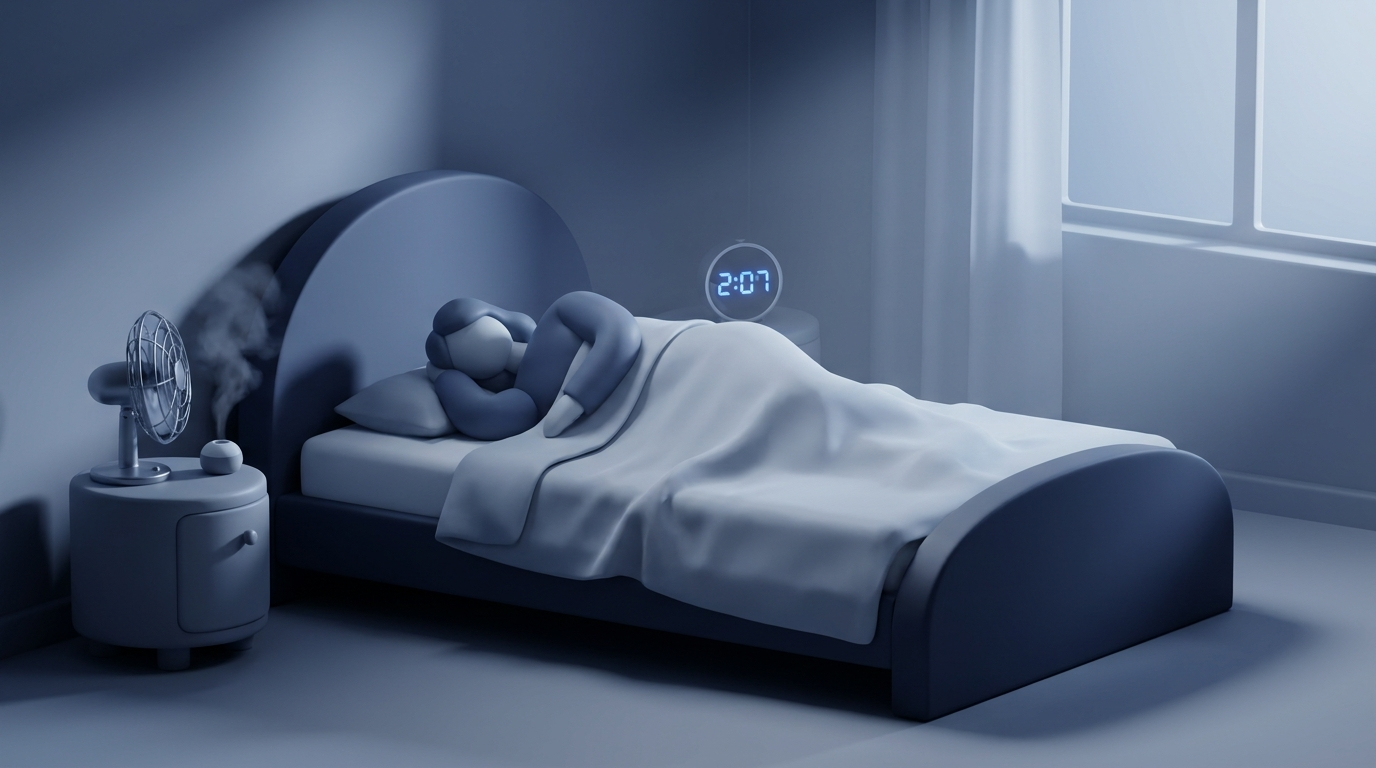
You fall asleep fine… then it’s 2:07 a.m. and you’re wide awake—hot, uncomfortable, or suddenly stuck in a loop of thoughts. If this feels familiar, you’re not alone. Perimenopause and sleep disruption often show up together, and the pattern is frequently “trouble staying asleep,” not just trouble falling asleep.
This article breaks down the most common causes, symptoms, evidence-based treatments, and practical tips that can help you sleep better during the menopausal transition. Reviews suggest sleep problems are reported by roughly 40–60% of women during this life stage, and frequent nighttime awakenings are especially common. [1], [2]
Introduction — why sleep can suddenly get harder in perimenopause
Sleep can feel like it changes overnight in midlife: you may wake more often, feel less restored, or notice that stress affects you more than it used to. Many people describe it as, “I’m doing the same bedtime routine I always did—so why is my sleep suddenly different?”
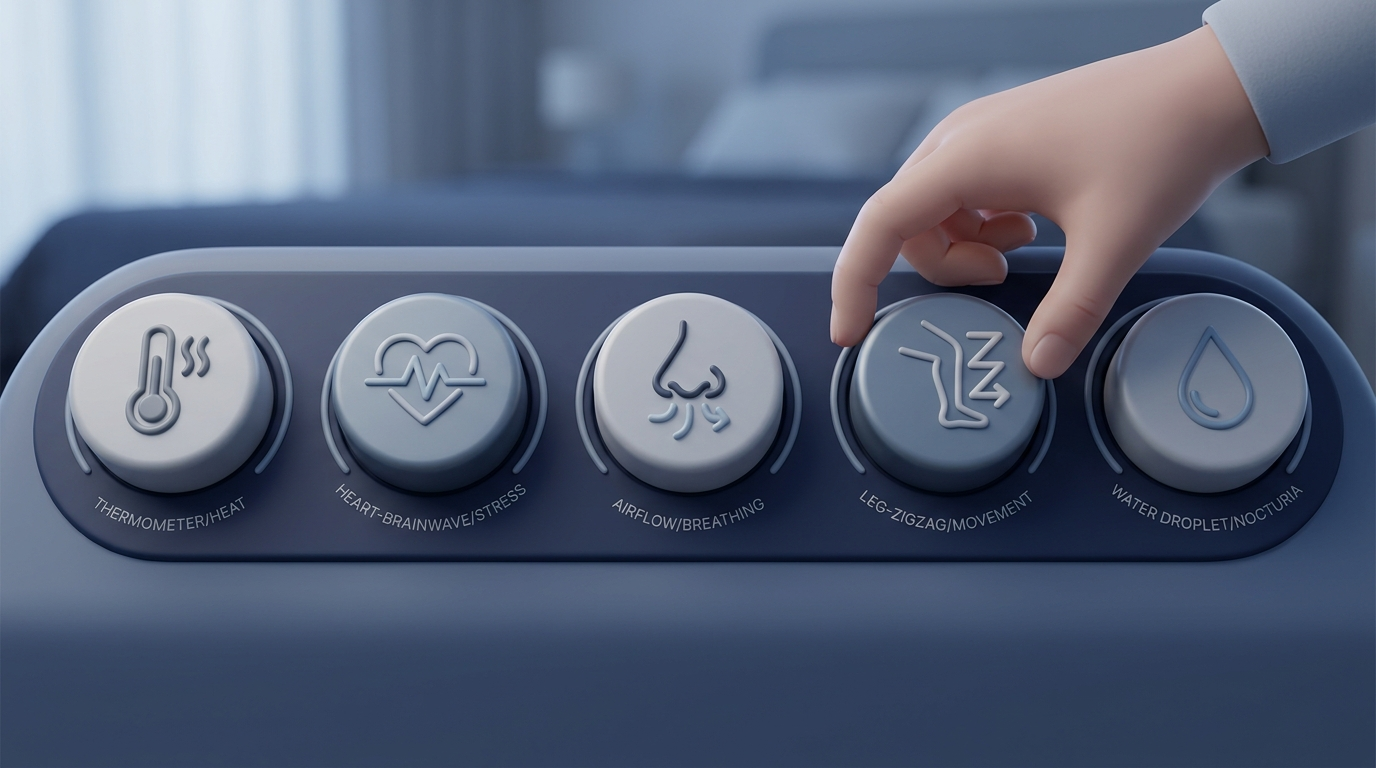
The good news is that perimenopausal sleep disruption is usually multifactorial—and that means there are multiple “levers” that can improve it once you identify what’s driving your awakenings. Think of sleep like a set of overlapping dials (temperature regulation, stress response, breathing, movement). In perimenopause, several dials may shift at once. [1], [2]
Bottom line: if sleep got harder in midlife, you likely have more than one fix to try—and they can work together.
What is perimenopause (and how is it different from menopause)?
Quick definitions:
- Perimenopause: the years leading up to menopause, when hormone levels fluctuate and menstrual cycles often become irregular.
- Menopause: defined as 12 months without a period.
Why this life stage affects sleep: Hormone fluctuations (especially estrogen and progesterone) may influence sleep regulation directly, and indirectly through changes in body temperature, mood, and other symptoms that can fragment sleep. [1], [2]
For example, you might fall asleep easily but then wake abruptly with a wave of heat, a pounding heart, or a suddenly “on” mind—then struggle to settle back down. Or you may notice your sleep feels lighter overall, as if you’re easier to wake than you used to be.
Key idea: shifting hormones can affect both how deeply you sleep and how easily you wake.
Common sleep symptoms in perimenopause
Nighttime symptoms (what you notice in bed):
- Frequent awakenings / “can’t stay asleep” insomnia pattern [1], [2]
- Difficulty falling asleep (can happen, but often less prominent than middle-of-the-night waking)
- Early morning waking with trouble returning to sleep
- Hot flashes/night sweats that wake you up [1], [2]
- Restless or “twitchy” sleep, sometimes linked with limb movements
Daytime symptoms (the ripple effects):
- Fatigue or sleepiness
- Irritability and lower stress tolerance
- Trouble focusing or “brain fog”
- Mood changes (anxiety/depressive symptoms can worsen the sleep cycle, and sleep loss can worsen mood) [1], [2]
If you feel like “I’m functioning, but I’m not myself,” fragmented sleep may be a key reason.
Causes of perimenopause sleep disruption (it’s rarely just one thing)
Think in terms of “primary disruptors”—heat, stress, breathing, movement, or bladder cues—so you can target the right fixes first.
1) Vasomotor symptoms: hot flashes and night sweats
Hot flashes and night sweats can trigger awakenings by creating sudden temperature dysregulation—you may wake up overheated, damp, or with a racing heart, then have trouble drifting back to sleep. For many, these symptoms are the most obvious driver of perimenopausal sleep disruption. [1], [2]
2) Hormone fluctuations affecting sleep directly
Beyond hot flashes, fluctuating estrogen/progesterone may affect sleep and arousal systems in the brain, which can make sleep feel lighter or more easily interrupted. [1], [2]
3) Mood, stress, and the insomnia “feedback loop”
A common (and very treatable) pattern looks like this:
- Stress or worry → more alertness (“hyperarousal”)
- More alertness → lighter, more fragmented sleep
- Poor sleep → worse mood, more worry, more sensitivity to symptoms the next day
This loop can turn an occasional bad night into persistent insomnia—especially if bedtime starts to feel like a performance test. [1], [2]
4) Breathing-related sleep problems (sleep apnea)
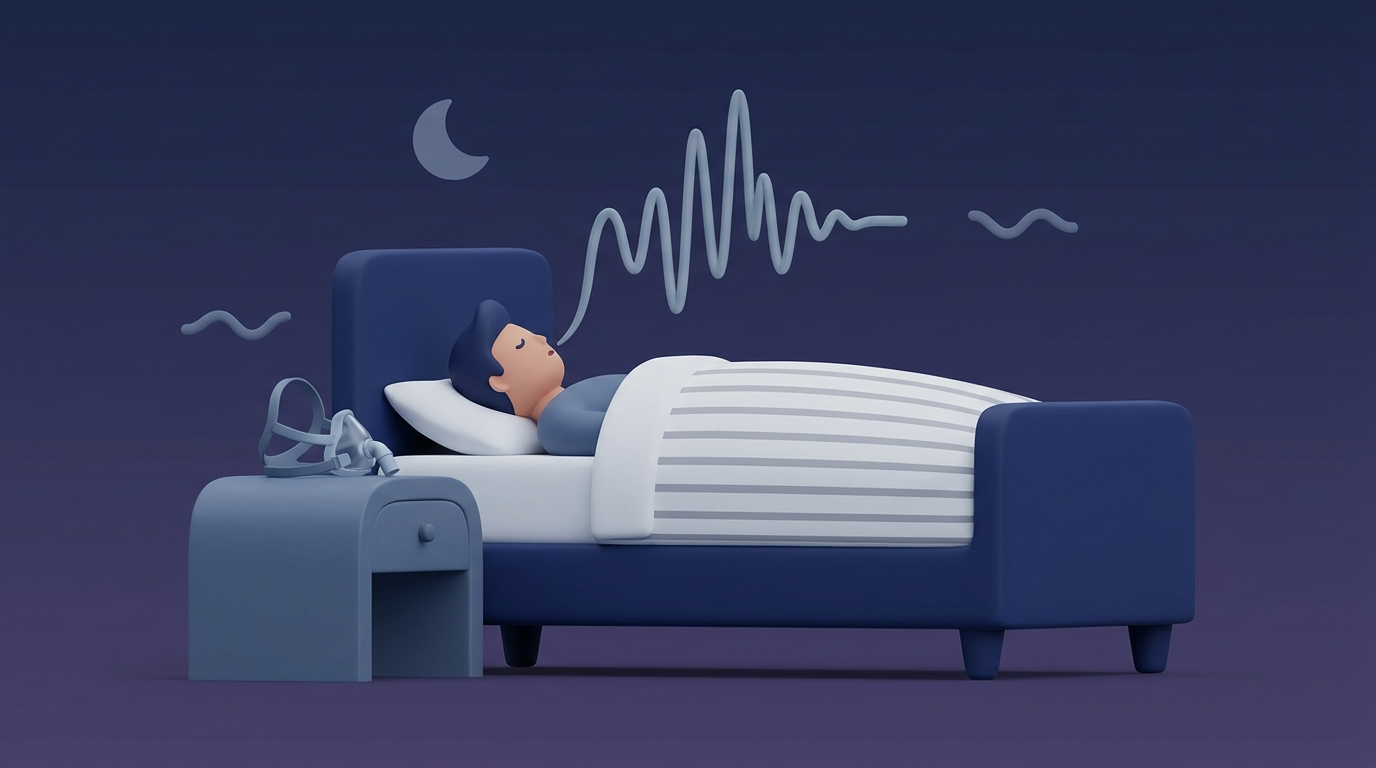
Sleep-disordered breathing may become more common across the menopausal transition, and symptoms are sometimes missed in women. [1], [2] Consider the possibility of sleep apnea if you notice:
- Loud snoring
- Witnessed pauses in breathing, gasping, or choking
- Morning headaches or dry mouth
- Daytime sleepiness even when you spend enough time in bed
Snoring alone isn’t diagnostic; only a clinician—and often a sleep study—can confirm or rule out apnea. If this sounds familiar, you may find it helpful to read about sleep apnea symptoms in women: https://sleepandsinuscenters.com/blog/sleep-apnea-in-women-symptoms-causes-and-treatment-options
5) Movement disorders: restless legs / periodic limb movements
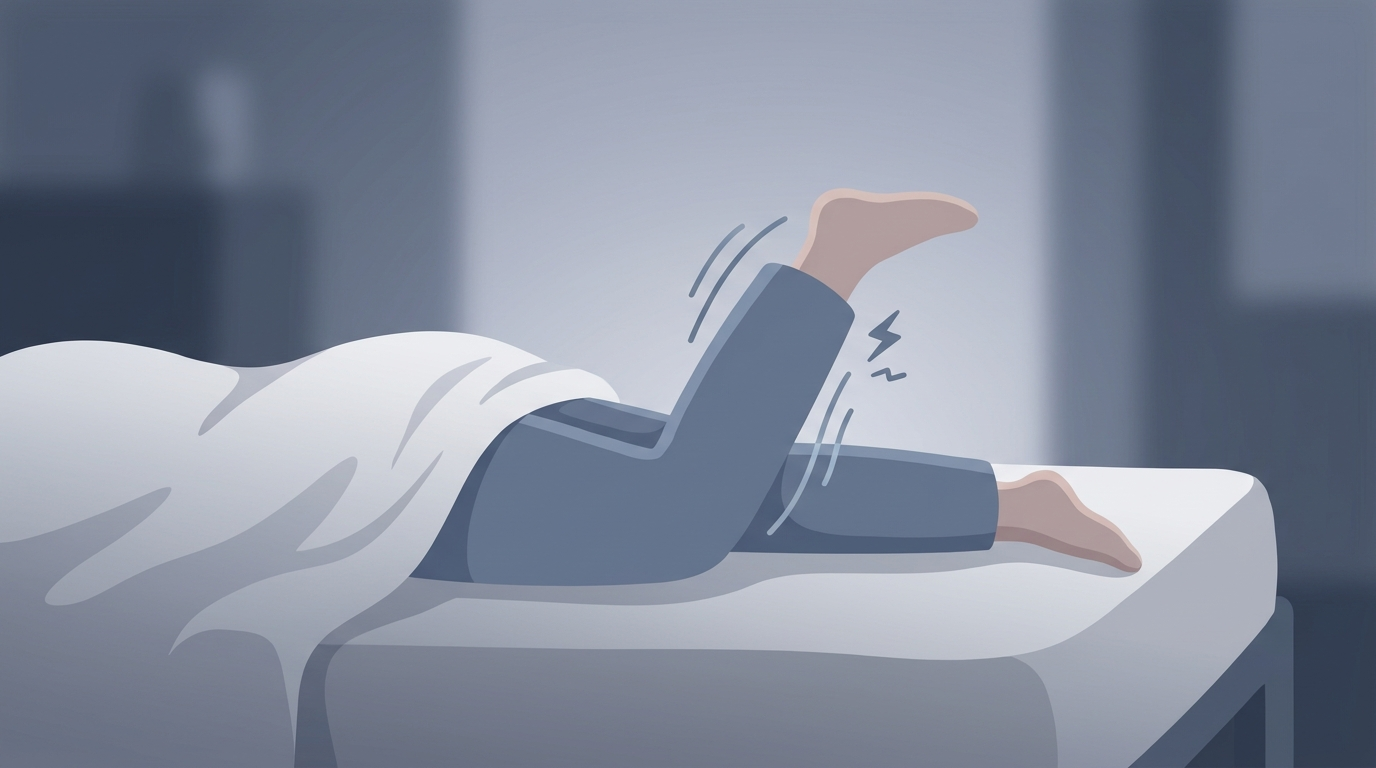
Some people develop uncomfortable leg sensations at night (urge to move, “creepy-crawly” feelings) or frequent leg kicks that fragment sleep. Restless legs symptoms during the menopausal transition can be especially disruptive when you’re already waking more easily. [1], [2]
6) Nocturia (waking to urinate)
Waking to urinate can be both a cause and a consequence of fragmented sleep: sometimes you wake for another reason, then notice your bladder. Either way, it can reinforce the “up again” pattern typical of perimenopause. [1], [2] If new, frequent, or accompanied by burning, urgency, or pelvic pain, mention it to your clinician.
Why you shouldn’t ignore persistent sleep disruption
Short-term impact:
- Energy and motivation
- Concentration and memory
- Stress reactivity and patience
Longer-term impact:
- When sleep disruption becomes chronic, it can meaningfully affect mood, cognition, quality of life, and broader health—especially if an underlying sleep disorder (like sleep apnea) is present and untreated. [1], [2]
You don’t need perfect sleep—just fewer awakenings and more restorative nights to feel better.
What helps? Evidence-based treatments (and how to choose)
Start with the “driver”: what’s waking you up?
- Hot flashes/night sweats dominant
- Racing mind/stress + conditioned insomnia
- Snoring/breathing symptoms
- Leg discomfort or kicking
- Bathroom trips
Sometimes more than one is true—so a combination approach is common. For example, someone might need cooling strategies and CBT-I skills, or treatment for sleep apnea plus insomnia support while sleep stabilizes.
CBT-I (Cognitive Behavioral Therapy for Insomnia): strongest non-drug evidence
For persistent insomnia, CBT-I has the strongest behavioral evidence. CBT-I typically includes:
- Sleep scheduling strategies (building a stronger sleep drive)
- Stimulus control (re-associating the bed with sleep)
- Cognitive strategies (reducing unhelpful sleep-related worry)
- Relaxation and wind-down skills
Research reviews show CBT-I improves insomnia severity and sleep quality in menopausal women, with benefits that can last for months. [3] Some people maintain gains best with occasional refreshers or follow-up.
If you want a deeper walkthrough, see these CBT-I techniques: https://sleepandsinuscenters.com/blog/cbt-insomnia-training-evidence-based-cbt-i-techniques-to-improve-sleep
Menopausal Hormone Therapy (MHT): most helpful when hot flashes drive sleep loss
When vasomotor symptoms are the main reason you’re waking, MHT can improve sleep quality more consistently than when hot flashes/night sweats aren’t present. [4], [1] Because benefits and risks vary by person, decisions about MHT are individualized and discussed with a clinician. [4]
Treat co-existing sleep disorders (often missed)
Sometimes the “real” sleep problem isn’t insomnia at all—it’s a sleep disorder that causes repeated arousals.
- Sleep apnea: Evaluation may involve a sleep study; treatment options can include CPAP, oral appliances, or other approaches depending on the individual. Learn more about a home sleep apnea test: https://sleepandsinuscenters.com/blog/home-sleep-apnea-test-accurate-at-home-screening-for-sleep-apnea
- Restless legs / periodic limb movements: Evaluation often includes reviewing symptoms, medications, and sometimes iron status; treatment is tailored to the cause and severity. [1], [2]
Medications and OTC sleep aids—use caution
Many over-the-counter sleep aids can cause next-day grogginess and don’t address root causes (like hot flashes or sleep apnea). It’s also easy for sleep aids to become a nightly habit without solving the underlying issue. Discuss options with a healthcare professional, especially if symptoms are frequent, you take other medications, or you suspect a breathing-related sleep problem.
Target the main disruptor first, then layer in supports—this is how small changes add up to better sleep.
Better sleep tips for perimenopause (practical, patient-friendly)
Cooling strategies for hot flashes/night sweats
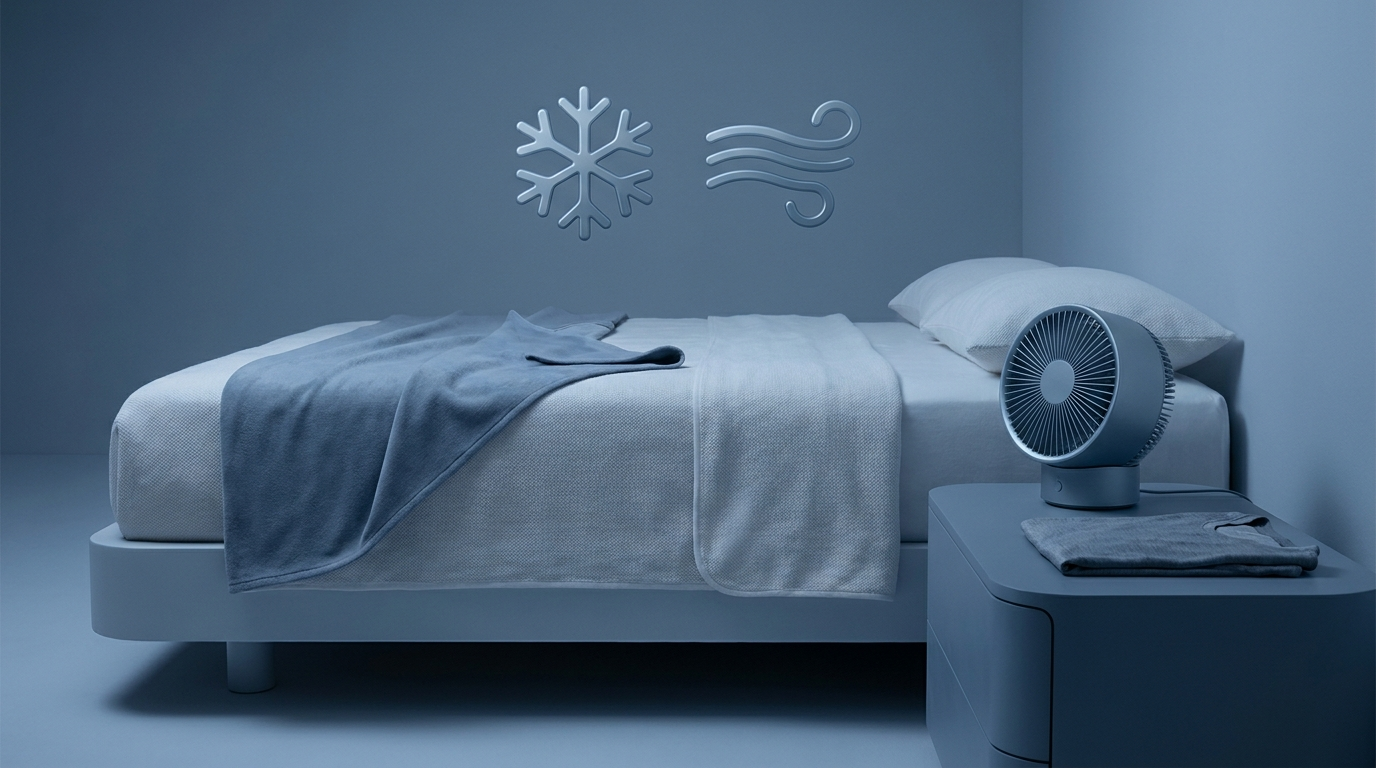
To reduce heat-related awakenings, strategies that may help include:
- Keep the bedroom cool; use breathable bedding and layers
- Try moisture-wicking sleepwear
- Fan or bed-cooling methods (if available)
- A cool shower before bed can help some people
- Consider whether common triggers (alcohol, spicy foods, a warm room) worsen nighttime symptoms [1], [2]
A concrete example: keep a spare dry top near the bed so you can change quickly and get back to sleep without bright lights or fully waking up.
Protect your sleep drive (CBT-I–aligned basics)
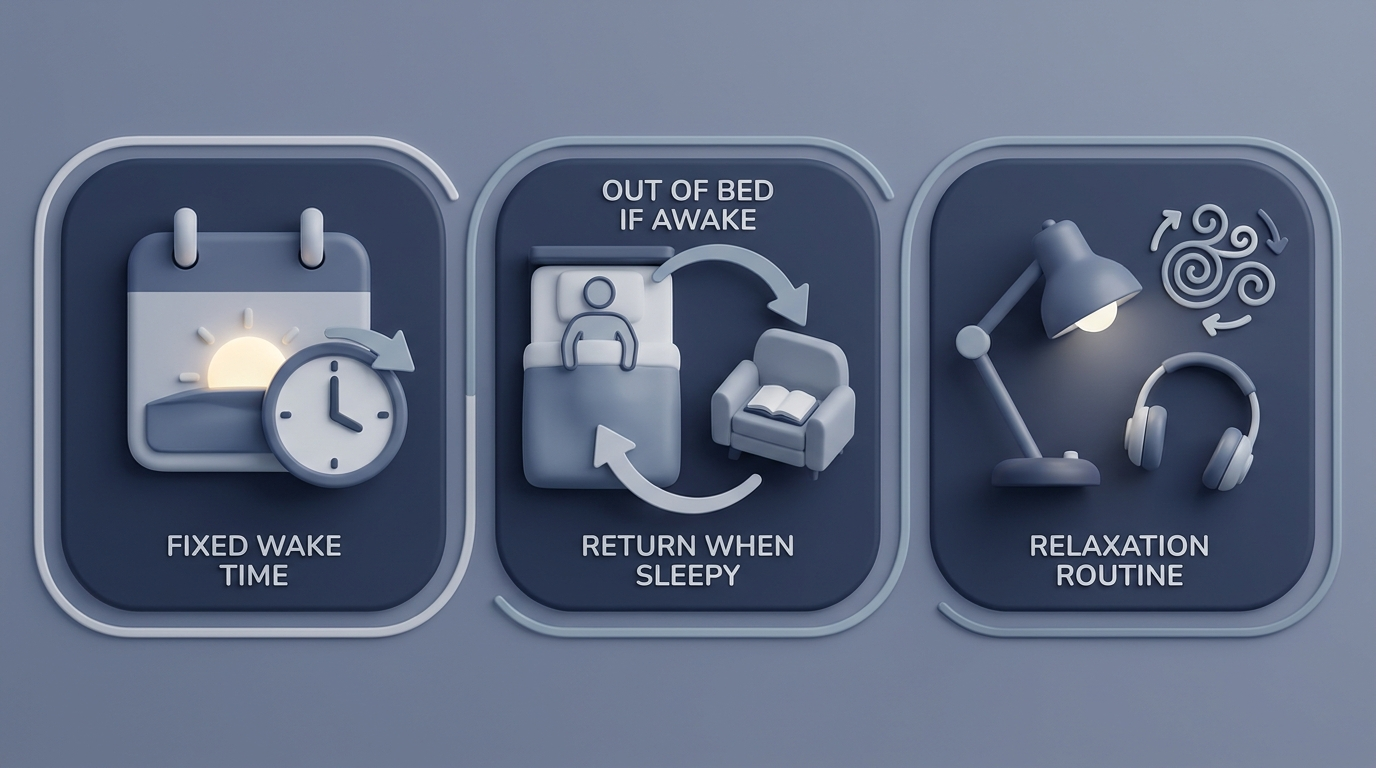
- Keep a consistent wake time, even after a rough night
- Avoid spending long stretches awake in bed (it can train the brain to associate the bed with wakefulness)
- If you’re awake for ~20–30 minutes, consider getting up for a quiet, low-light activity and returning to bed when sleepy [3]
Reset the body clock (circadian support)
- Get morning light exposure (outdoors if possible)
- Keep evenings dim and reduce bright screens close to bedtime
Reduce sleep fragmentation
- If nocturia is a major issue, limiting large fluid intake right before bed may reduce awakenings
- Review caffeine timing; late-day caffeine can linger and lighten sleep
- Regular exercise supports sleep, but very vigorous workouts late in the evening may backfire for some people
- If frequent nighttime urination is new, severe, or accompanied by burning/urgency, mention it to your clinician
Calm the mind (especially for stress-related awakenings)
- Build a 10–20 minute wind-down routine
- Consider relaxation breathing, progressive muscle relaxation, or guided audio
- If your mind “switches on” at night, jotting down a brief plan for tomorrow earlier in the evening can reduce bedtime rumination
A few targeted changes—cooling, light timing, and sleep-drive basics—often reduce the number and length of awakenings.
When to seek medical help (and what evaluation may include)
Make an appointment if you have:
- Insomnia ≥3 nights/week for ≥3 months, or significant daytime impairment
- Hot flashes/night sweats that regularly wake you
- Snoring plus gasping/choking, witnessed apneas, or excessive daytime sleepiness [1], [2]
- Restless legs symptoms or frequent nighttime urination disrupting sleep
For help deciding next steps, see when to see a sleep specialist for insomnia: https://sleepandsinuscenters.com/blog/insomnia-doctor-when-to-see-a-sleep-specialist-for-chronic-insomnia
Ready for personalized help? You can book an appointment with Sleep and Sinus Centers of Georgia at https://www.sleepandsinuscenters.com/ to discuss insomnia, hot-flash–related sleep disruption, or concerns about sleep apnea.
What to track before your visit
- A 1–2 week sleep diary (bedtime, awakenings, wake time, naps)
- Caffeine/alcohol timing
- Hot flash/night sweat episodes
- A symptom checklist: snoring, leg symptoms, mood changes, nighttime sweating
If you can, jot down what tends to happen after you wake (e.g., “hot and sweaty,” “mind racing,” “need to urinate,” “gasping,” “legs feel jumpy”). That clue often points to the main driver.
FAQs
Is insomnia a normal part of perimenopause?
It’s common, but not something you necessarily have to “just live with.” Roughly 40–60% of women report sleep problems during the transition. [1], [2]
Why do I keep waking up around the same time every night?
Repeated awakenings can reflect conditioned insomnia, vasomotor symptoms, nocturia, or breathing-related arousals. The pattern is common in perimenopause and often improves once the main driver is identified. [1], [2]
What’s the best treatment for menopausal insomnia?
CBT-I has the strongest behavioral evidence for insomnia. MHT may improve sleep when hot flashes/night sweats are a main driver. [3], [4]
Can perimenopause cause sleep apnea?
Risk of sleep-disordered breathing appears to increase across the menopausal transition, and symptoms should be evaluated—especially snoring with gasping/choking or marked daytime sleepiness. Only a clinician and, when indicated, a sleep study can diagnose apnea. [1], [2]
Will hormone therapy help if I don’t have hot flashes?
Evidence suggests sleep benefits are clearer when vasomotor symptoms are present. [4]
How long does perimenopause-related sleep disruption last?
It varies. Symptoms may fluctuate, improve, or persist. If sleep disruption is ongoing or severe, evaluation can help clarify what’s driving it. [1], [2]
Conclusion — a simple next step plan
1) Identify your most likely “sleep disruptor” (hot flashes, stress/insomnia loop, breathing symptoms, leg symptoms, nocturia).
2) Use targeted lifestyle strategies (cooling + circadian support + sleep-drive basics).
3) Consider CBT-I for ongoing insomnia patterns.
4) Don’t overlook sleep apnea or movement disorders—especially with snoring, gasping, or twitchy/restless sleep.
5) Discuss symptom-driven options like MHT when vasomotor symptoms dominate.
Educational note
This article is for general information and isn’t a substitute for individualized medical care. This article is for educational purposes only and is not medical advice. Please consult a qualified healthcare provider for diagnosis and treatment.
References
1. Sleep Disturbance and Perimenopause: A Narrative Review (2025). https://pmc.ncbi.nlm.nih.gov/articles/PMC11901009/
2. Sleep and Sleep Disorders in the Menopausal Transition. https://pmc.ncbi.nlm.nih.gov/articles/PMC6092036/
3. The Effectiveness of Cognitive Behavioral Therapy on Insomnia Severity Among Menopausal Women: A Scoping Review (2024). https://pmc.ncbi.nlm.nih.gov/articles/PMC11595697/
4. Efficacy of Menopausal Hormone Therapy on Sleep Quality: Systematic Review and Meta-analysis. https://pubmed.ncbi.nlm.nih.gov/27515805/
Don’t let allergies slow you down. Schedule a comprehensive ENT and allergy evaluation at Sleep and Sinus Centers of Georgia. We’re here to find your triggers and guide you toward lasting relief.