Sleep Apnea and Atrial Fibrillation: Symptoms, Risks, and Treatment Options
Sleep problems and heart rhythm problems often overlap—and one of the most important (and overlooked) connections is sleep apnea and atrial fibrillation. If you or a loved one has AFib, it may be surprising to learn that obstructive sleep apnea (OSA) is extremely common in this group and may make AFib harder to control over time. Current AFib guidance emphasizes that identifying and addressing OSA can be a meaningful part of comprehensive AFib care. [4]
In this article, you’ll learn:
• Common (and subtle) symptoms of OSA and AFib—and where they overlap
• Why OSA may increase AFib risk, recurrence, and progression
• How testing works, including home vs. in-lab options
• Treatment choices, including CPAP and AFib outcomes, plus alternatives and lifestyle steps
If you only remember one thing: OSA can be quiet or “atypical” in people with AFib—so testing, not symptoms alone, often matters in AFib care. [4]
If you want background on the broader connection between breathing during sleep and rhythm issues, see our guide on sleep apnea and heart rhythm: https://sleepandsinuscenters.com/blog/sleep-apnea-and-heart-rhythm-understanding-the-impact-on-cardiovascular-health
Quick definitions—what are OSA and AFib?
What is obstructive sleep apnea (OSA)?
Obstructive sleep apnea (OSA) happens when the upper airway repeatedly narrows or collapses during sleep. These episodes can cause breathing pauses, drops in oxygen, and frequent micro-awakenings—even if you don’t fully remember waking up.
A simple analogy: imagine a soft straw that keeps getting pinched while you’re trying to sip. You may still “try harder” to breathe, but the airflow doesn’t move normally—until the airway opens again.
Snoring isn’t the same as sleep apnea. Many people who snore do not have OSA, and some people with OSA don’t snore loudly. Snoring is a clue—but it’s not a diagnosis.
What is atrial fibrillation (AFib)?
Atrial fibrillation (AFib) is an irregular heart rhythm that starts in the upper chambers of the heart (the atria). AFib can be intermittent (comes and goes) or persistent.
AFib matters because it can:
• Increase stroke risk (which is why blood thinners are sometimes used)
• Cause uncomfortable symptoms
• Reduce energy, exercise tolerance, and quality of life
One clinician-friendly way to describe it: AFib can turn the atria’s coordinated “squeeze” into a disorganized quiver, which may affect how efficiently the heart fills and pumps.
In short: OSA affects breathing during sleep; AFib affects heart rhythm—and each can influence the other.
How common is sleep apnea in people with AFib?
Prevalence numbers you should know
Estimates suggest about 32% to 63% of people with AFib also have OSA, depending on the population and how OSA is diagnosed. [1,4] A key issue: many people remain undiagnosed, because symptoms can be subtle or missed. [4]
A common real-world pattern is: a person focuses (understandably) on palpitations, medications, or ablation decisions—while sleep symptoms are mild, normalized (“I’m just a light sleeper”), or attributed to stress.
Why prevalence varies (and why that’s important)
Rates look different across studies for several reasons:
• Testing method: home sleep testing vs. in-lab polysomnography can identify different patterns and severities
• Who is being studied: age, weight, blood pressure, diabetes, and other factors vary
• Type of AFib: paroxysmal vs. persistent AFib populations may differ
The bottom line: the overlap between sleep apnea and atrial fibrillation is common enough that it’s worth discussing in many AFib care plans. [4,5]
*In practice, prevalence varies by study methods and population, but the overlap is frequent enough to put OSA evaluation on the radar in AFib care.*
Symptoms—what you might notice (and what you might miss)
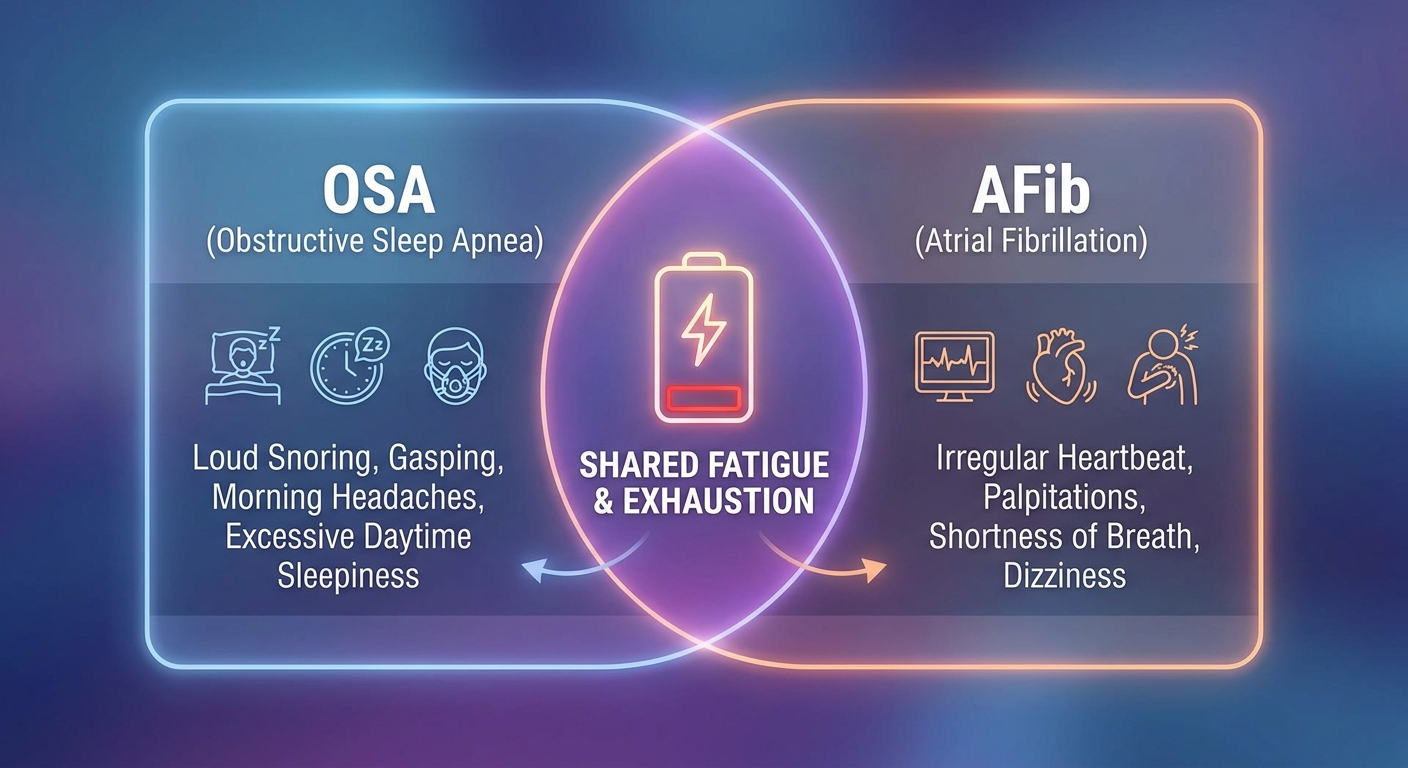
Common sleep apnea symptoms (night + day)
Nighttime signs can include:
• Loud snoring
• Witnessed pauses in breathing, choking, or gasping
• Restless sleep or frequent awakenings
Daytime signs can include:
• Morning headaches or dry mouth
• Excessive sleepiness, “brain fog,” or reduced concentration
• Mood changes or irritability
A practical example: some people don’t feel “sleepy” in the classic sense—they feel wired but tired, rely on caffeine, or notice they’re more short-tempered by mid-afternoon.
AFib symptoms that can overlap with poor sleep
Some AFib symptoms can look like the effects of poor sleep, including:
• Palpitations or fluttering sensations
• Shortness of breath
• Fatigue or low stamina
• Dizziness or lightheadedness
That overlap can make it hard to tell what’s driving what. For instance, a person might assume, “My fatigue is just AFib,” when fragmented sleep and oxygen dips may also be contributing.
Why “no symptoms” doesn’t rule out OSA in AFib
Many people with AFib do not have classic sleepiness or obvious symptoms of OSA. That’s one reason guidelines caution against using symptom-only questionnaires as the sole approach to screening in AFib. [4,5]
As one patient might put it: “I wasn’t falling asleep at work—I just didn’t feel like myself.” In AFib care, that “quiet” presentation is exactly why diagnostic testing is often the safer next step than guessing.
*Key takeaway: absence of classic symptoms doesn’t rule out OSA—especially in AFib, objective testing often clarifies the picture.*
Causes & mechanisms—how sleep apnea can trigger or worsen AFib
The “stress cycle” on the heart during apnea events
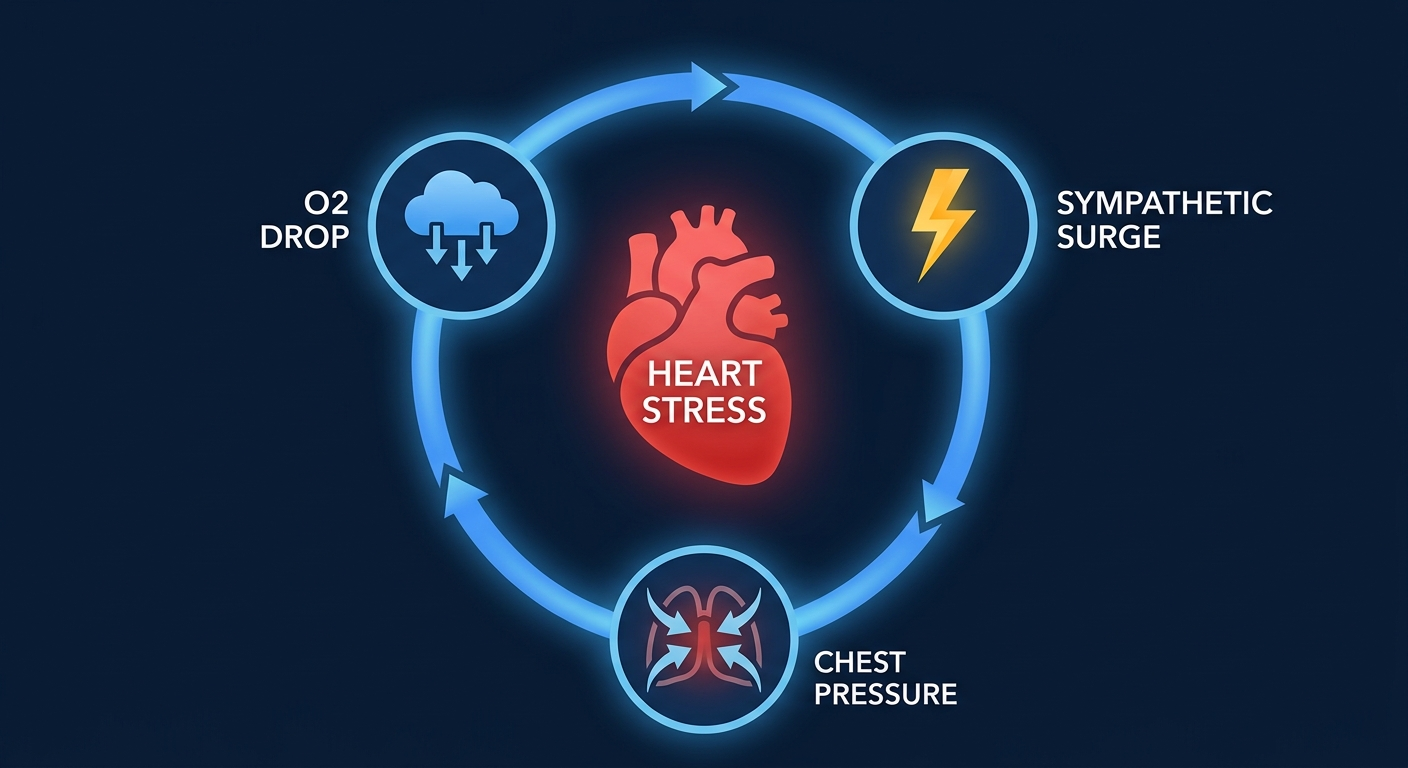
During an apnea (a pause in breathing), the body experiences repeated cycles of stress that can affect the heart. In patient-friendly terms: oxygen drops, the chest works harder to breathe, and the nervous system releases “alarm signals.”
Think of it like a smoke alarm that keeps going off all night—your body keeps jolting into a higher-alert state even if you don’t fully wake up.
Key mechanisms described in scientific statements include:
• Intermittent hypoxia (oxygen dips) followed by re-oxygenation, which can increase inflammation and oxidative stress
• Hypercapnia (carbon dioxide rises)
• Large intrathoracic pressure swings that increase strain on the heart
• Sympathetic activation and autonomic imbalance (adrenaline-like surges during sleep)
• Atrial remodeling and fibrosis, which may create a more AFib-prone environment [1]
Why this can make rhythm control harder
Over time, these repeated stresses may contribute to AFib becoming more frequent or harder to control—sometimes described as a tendency for AFib to recur or progress. [1]
*Put simply: nightly breathing disruptions can create conditions that make AFib more likely to persist or return.*
Risks—what untreated OSA can mean for AFib outcomes
Higher likelihood of AFib development, recurrence, and progression
Research consistently shows an association between OSA and AFib development and persistence, even though cause-and-effect can be complex (multiple risk factors often travel together). [1]
In other words: OSA doesn’t explain every case of AFib, but it may add fuel to the fire—especially when combined with shared risk factors like high blood pressure or cardiometabolic strain.
AFib treatment outcomes and OSA
OSA has been linked to less favorable outcomes after typical rhythm-control strategies:
• Cardioversion: observational data suggest AFib may be more likely to return when OSA is untreated. [1]
• Catheter ablation: OSA is associated with a higher chance of catheter ablation recurrence, and treating OSA may improve outcomes in some groups. [1,3]
A 2025 meta-analysis (including 1 randomized trial and 10 observational studies) found CPAP use was associated with lower AF recurrence after ablation overall (OR 0.37, 95% CI 0.23–0.58). However, the randomized trial alone did not show a significant difference—highlighting that evidence is still evolving. [3]
Healthcare utilization and quality-of-life impact
Beyond rhythm outcomes, real-world research suggests that sleep apnea treatment adherence (such as PAP therapy) is associated with fewer hospitalizations and emergency department visits in people with AFib and OSA. [2]
Even when the goal is “better AFib control,” many people also notice day-to-day wins from treating OSA—like steadier energy, fewer morning headaches, or more restorative sleep.
*Bottom line: untreated OSA is associated with higher AFib burden and less favorable procedure outcomes, while OSA treatment is linked to better overall trajectories—though individual results vary.*
Screening & diagnosis—how to check for sleep apnea if you have AFib
Who should consider evaluation?
In educational terms, people with AFib often consider evaluation when they also have factors such as:
• Snoring or witnessed breathing pauses
• Resistant or difficult-to-control high blood pressure
• Higher body weight
• Morning headaches, nocturia (waking at night to urinate), or persistent fatigue
• AFib that recurs after cardioversion or ablation (a reason to discuss testing with your care team)
If a bed partner reports gasping or “breath-holding,” that’s especially helpful information to bring to your cardiology or sleep visit—because it captures what you may not remember.
Why screening tools aren’t enough on their own
Guidance in AFib care emphasizes that symptom-only questionnaires should not be the only approach to OSA screening in AFib. [4] Consensus recommendations support identifying risk and then confirming with diagnostic testing when clinical concern is present. [5]
The practical takeaway: when AFib is on the table, it’s often better to measure sleep-disordered breathing than to rely on whether you “feel sleepy.”
Diagnostic testing options (what patients can expect)
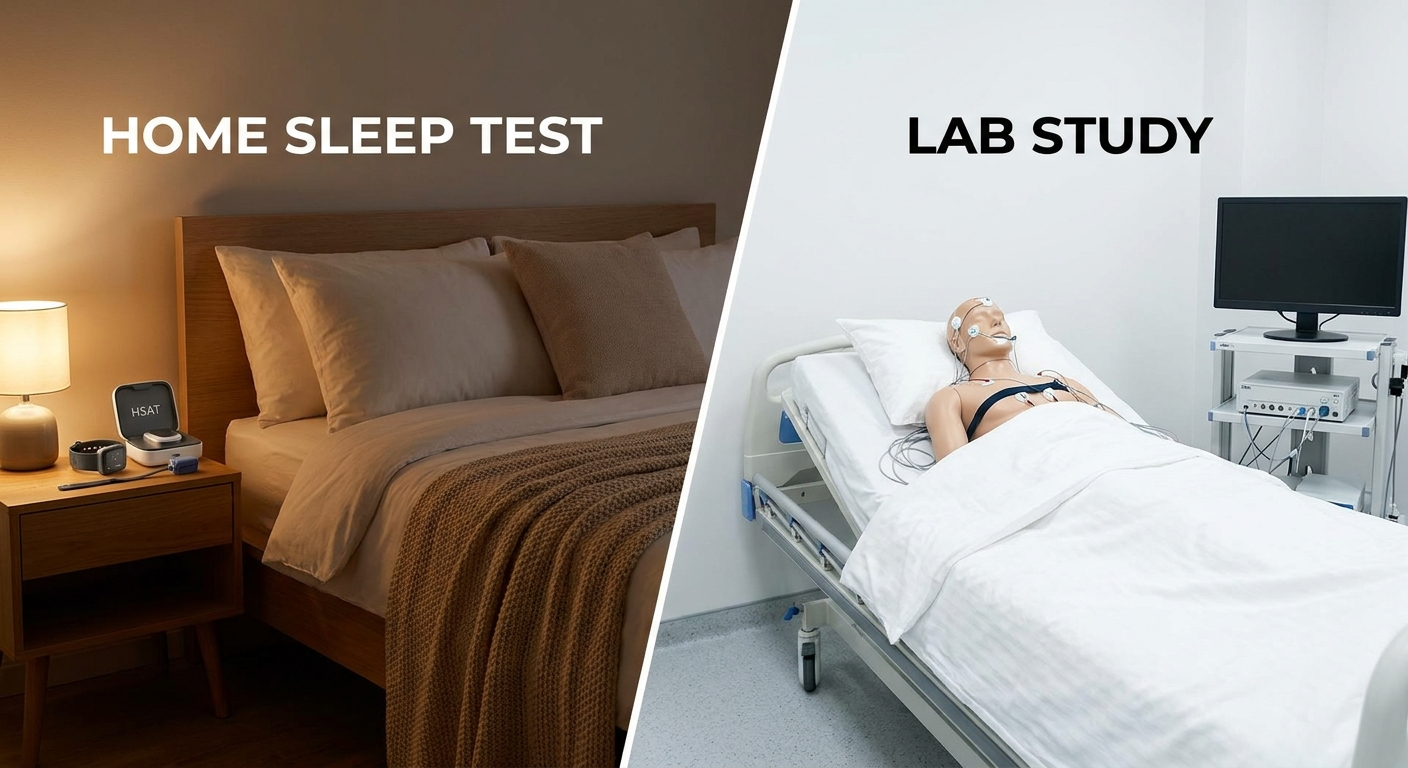
A sleep study for AFib concerns typically uses one of two approaches:
• Home Sleep Apnea Test (HSAT): Done in your own bed with a simplified device that tracks breathing and oxygen patterns. It’s convenient and commonly used when OSA is strongly suspected and the situation is straightforward.
• In-lab polysomnography: A more comprehensive overnight study in a sleep lab. It may be recommended when sleep is complex (for example, other sleep disorders are suspected or medical conditions complicate the picture).
To compare options, read our overview of home sleep test vs. lab sleep study: https://sleepandsinuscenters.com/blog/home-sleep-test-vs-lab-study-which-sleep-test-is-best-for-you
Understanding results (AHI and severity)
A common metric is the Apnea-Hypopnea Index (AHI)—the number of breathing interruptions per hour of sleep. In general:
• Mild: 5–14 events/hour
• Moderate: 15–29 events/hour
• Severe: 30+ events/hour
AHI is one factor that helps guide treatment decisions (symptoms, oxygen levels, and other health factors matter too). For a deeper explanation, see our AHI score explained guide: https://sleepandsinuscenters.com/blog/ahi-score-explained-understanding-your-sleep-apnea-severity
*In short: if AFib is part of your health picture, objective sleep testing is often a valuable piece of the puzzle.*
Treatment options—what actually helps (sleep + heart)
CPAP/PAP therapy (first-line for many)
CPAP (continuous positive airway pressure) is a common first-line therapy for OSA. It works by delivering gentle air pressure through a mask to keep the airway open during sleep.
Evidence summary for CPAP and AFib:
• Many observational studies show improved AFib-related outcomes when OSA is treated. [1]
• The 2025 meta-analysis discussed above suggests lower post-ablation AFib recurrence overall with CPAP, though randomized evidence remains limited and mixed. [3]
Even when AFib-specific benefits vary between studies, treating OSA can still support sleep quality and broader cardiovascular health. [1]
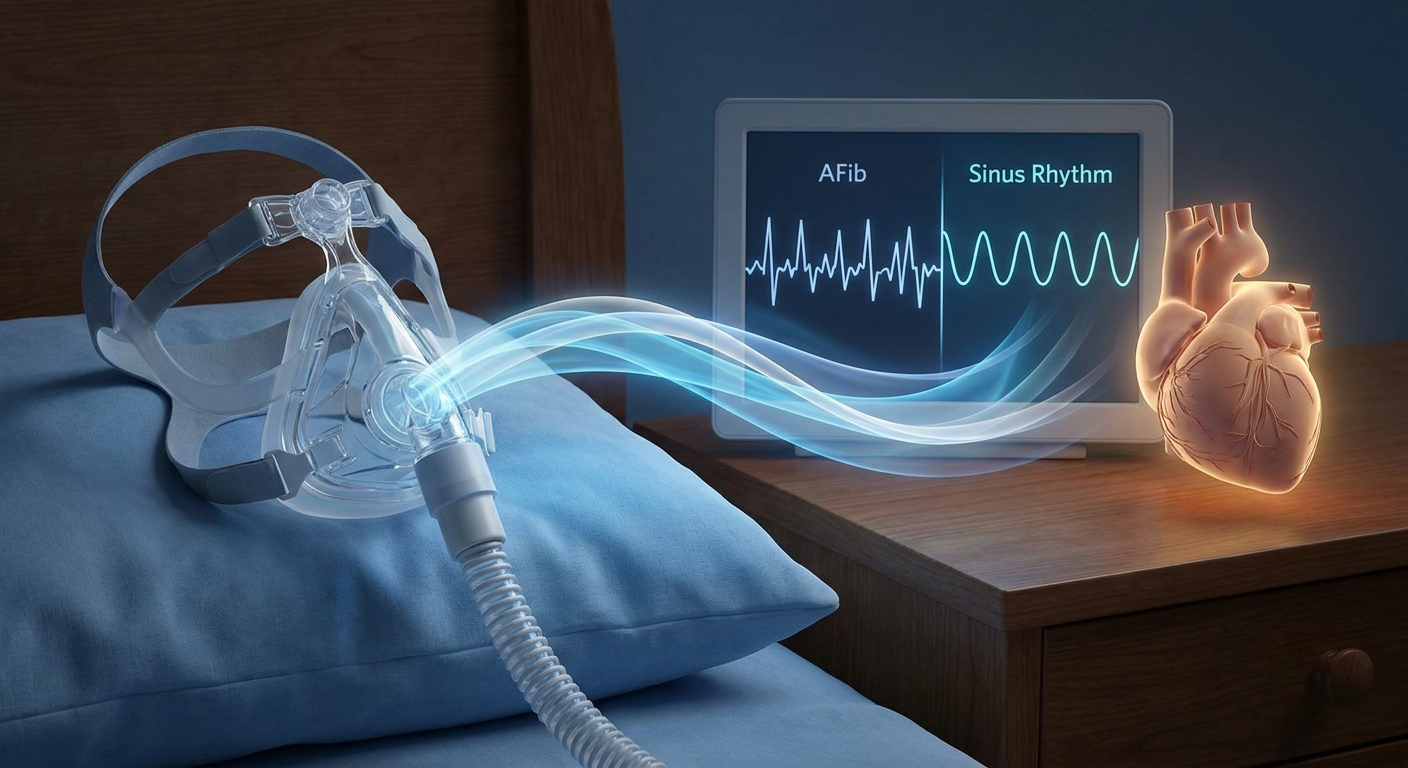
Improving CPAP success (comfort + adherence tips)
Common factors that affect comfort and consistency include:
• Mask fit (leaks and pressure points are fixable with the right style and sizing)
• Heated humidity (often helps dryness and congestion)
• Nasal congestion support (breathing comfortably through the nose can make PAP much easier)
• Ramp and comfort settings (can make it easier to fall asleep)
Many people benefit from early follow-up—especially in the first few weeks—so small issues don’t turn into long-term barriers. A helpful mindset is: CPAP is less like “one device” and more like a custom setup that can be adjusted until it fits your sleep.
Alternatives and add-ons (depending on anatomy and severity)
Depending on the individual situation, options may include:
• Oral appliance therapy (mandibular advancement device)
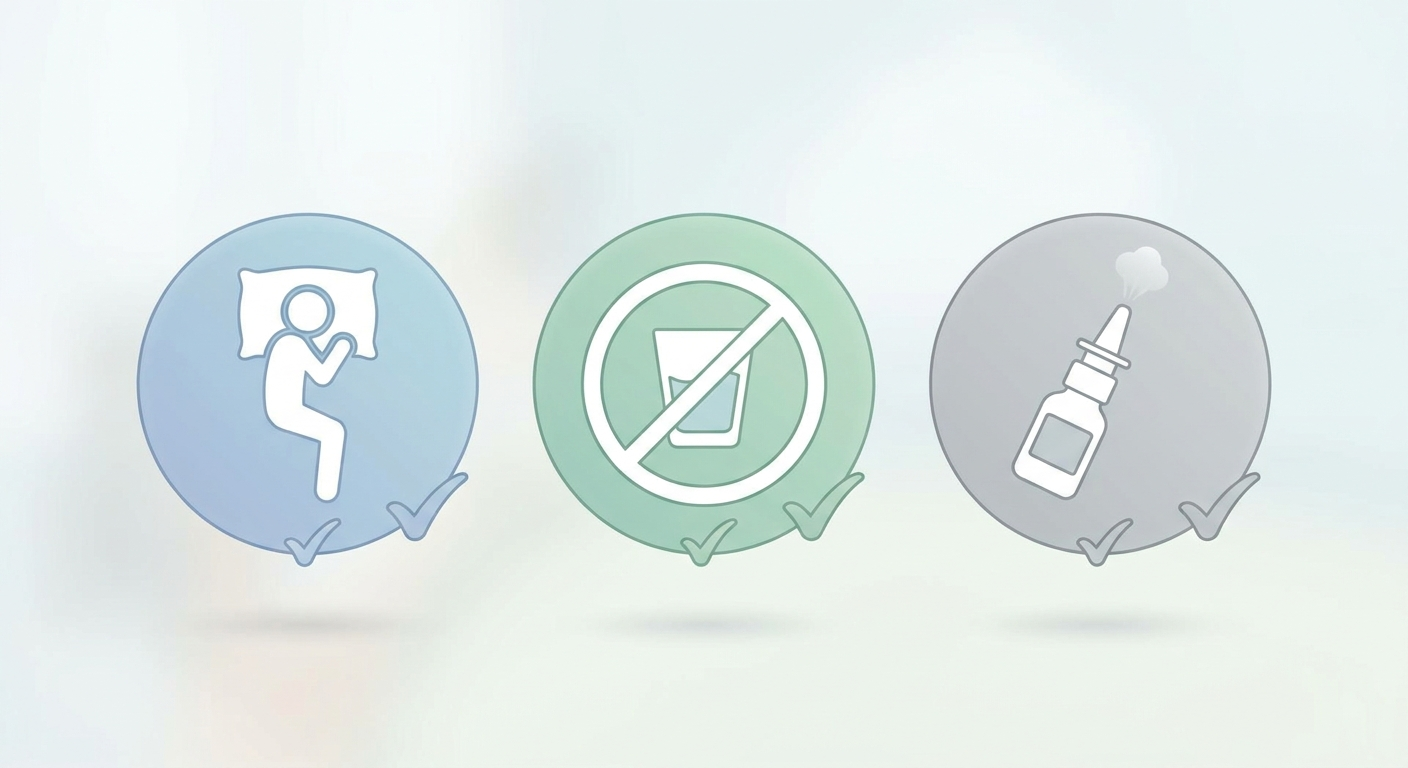
• Positional therapy (encouraging side sleeping when apnea is position-dependent)
• Weight management and exercise (when applicable)
• Treatment of nasal obstruction to improve airflow and PAP tolerance
• Selected procedures or implants for appropriate candidates (for example, hypoglossal nerve stimulation)
Learn more about evaluation and options at Sleep and Sinus Centers of Georgia: https://sleepandsinuscenters.com/snoring-sleep-apnea-treatment
Coordinating with your cardiology plan (comprehensive AFib care)
OSA care typically fits alongside standard AFib management such as:
• Rate/rhythm medications
• Anticoagulation decisions
• Cardioversion or ablation when appropriate
Current guidance frames OSA management as part of a broader risk-factor approach, highlighting the value of coordination between cardiology and sleep-focused care. [4]
*Think of OSA therapy as one component of a coordinated AFib plan—not a standalone cure, but a meaningful lever you can address.*
Lifestyle tips that support both OSA and AFib management
Sleep-position and bedtime habits
Many people find benefit from:
• Side sleeping (when appropriate)
• A consistent sleep schedule
• A sleep environment that supports deeper, uninterrupted sleep
If your apnea is position-dependent, even small changes—like a pillow setup that keeps you off your back—can support other treatments.
Alcohol and sedatives—why timing matters
Alcohol can relax upper-airway muscles and worsen breathing disturbances in some people. If you’d like more detail, see our article on alcohol and sleep apnea risk: https://sleepandsinuscenters.com/blog/alcohol-and-sleep-apnea-what-are-the-risks
Weight, blood pressure, and cardiometabolic health
OSA and AFib often share risk factors such as high blood pressure and metabolic health concerns. Sustainable, step-by-step improvements can support both sleep and cardiovascular goals.
Treat nasal congestion to improve breathing and PAP tolerance
Nasal stuffiness can worsen snoring and make PAP harder to use. Measures like saline rinses and allergy management are common topics to discuss with a clinician, and persistent obstruction may warrant ENT evaluation.
*Small, sustainable changes—stacked together—often support both sleep health and rhythm control.*
When to seek medical care (and urgent warning signs)
Call your clinician soon if…
Examples of reasons to check in include:
• Suspected apneas, persistent daytime sleepiness, or loud snoring with AFib
• Blood pressure that remains difficult to control
• AFib symptoms that seem to change after starting or stopping PAP therapy
If you’re already being treated for AFib, you can also ask your cardiology team: “Do you think sleep apnea testing would change my overall plan?”
Seek urgent/emergency care if…
Seek urgent evaluation for warning signs such as:
• Chest pain
• Fainting
• Severe shortness of breath
• Stroke warning signs (such as facial droop, arm weakness, speech difficulty)
*When in doubt about acute symptoms, seek urgent care—fast evaluation saves lives.*
FAQs
1. Can sleep apnea cause atrial fibrillation? OSA is strongly associated with AFib, and there are plausible mechanisms (oxygen drops, pressure swings, nervous system activation, and atrial remodeling). Causality is complex because risk factors overlap, but the relationship is consistent across studies. [1]
2. If I don’t snore, can I still have sleep apnea? Yes. Especially in AFib populations, OSA may present without classic symptoms. That’s why guidance emphasizes assessment beyond symptoms alone. [4]
3. Will CPAP cure my AFib? CPAP is not considered a cure for AFib. It may improve rhythm control for some people and may support better outcomes in certain settings, but results vary and randomized evidence is still limited. [1,3]
4. Should AFib patients get tested for sleep apnea even without sleepiness? Many AFib patients with OSA don’t report strong sleepiness. Current guidance supports evaluating OSA risk and confirming with diagnostic testing when concern is present. [4,5]
5. Does CPAP reduce AFib after ablation? Overall evidence—including a 2025 meta-analysis—suggests lower recurrence after ablation among CPAP users, but randomized data are limited and mixed. [3]
6. What if I can’t tolerate CPAP? Many issues are solvable with mask changes, humidity, pressure adjustments, and early troubleshooting. Alternatives can include oral appliances, positional therapy, and other options depending on anatomy and severity.
Conclusion + next step
The link between sleep apnea and atrial fibrillation matters because OSA is common in AFib and is associated with AFib recurrence and progression. Identifying OSA with appropriate testing—and treating it when present—fits into today’s comprehensive AFib risk-factor approach. [4]
If you’d like to explore testing or treatment options with Sleep and Sinus Centers of Georgia, you can request an appointment here: https://sleepandsinuscenters.com/appointments
You can also learn more about our practice at: https://www.sleepandsinuscenters.com/
*Addressing OSA is a practical, actionable step many people with AFib can take as part of a comprehensive plan.*
This article is for educational purposes only and is not medical advice. Please consult a qualified healthcare provider for diagnosis and treatment.
Citations
1. American Heart Association. Obstructive Sleep Apnea and Cardiovascular Disease: A Scientific Statement (2021). https://www.ahajournals.org/doi/10.1161/CIR.0000000000000988
2. Association Between Sleep Apnea Treatment and Health Care Resource Use in Patients With Atrial Fibrillation (JAHA, 2024). https://www.ahajournals.org/doi/10.1161/JAHA.123.030679
3. Itaya et al. Efficacy of Continuous Positive Airway Pressure on Atrial Fibrillation Recurrence After Catheter Ablation in Patients With Obstructive Sleep Apnea (2025). https://pubmed.ncbi.nlm.nih.gov/40506608/
4. European Society of Cardiology. 2024 Guidelines for the Management of Atrial Fibrillation (ACC summary page). https://www.acc.org/latest-in-cardiology/ten-points-to-remember/2024/09/17/04/05/2024-esc-guidelines-for-af-esc-2024
5. Taiwan Society of Cardiology / Sleep Medicine / Pulmonary & Critical Care Medicine. Joint Consensus Statement on Sleep-Disordered Breathing and Cardiovascular Disease (2024). https://www.sciencedirect.com/science/article/pii/S0929664623003388
Don’t let allergies slow you down. Schedule a comprehensive ENT and allergy evaluation at Sleep and Sinus Centers of Georgia. We’re here to find your triggers and guide you toward lasting relief.