Freedom From CPAP: Dr. Dillard’s Book Explained for Sleep Apnea Treatment
Introduction — Why “Freedom From CPAP” Catches Attention (and Why Nuance Matters)
CPAP is a highly effective therapy for obstructive sleep apnea (OSA). But even when it works well on paper, real life can get in the way—mask discomfort, dryness, pressure intolerance, or simply struggling to sleep with equipment. For some people, it’s not the idea of CPAP that’s the problem; it’s the night-after-night reality of using it consistently.
That’s why the phrase “freedom from CPAP” is so attention-grabbing. It sounds like relief. It can also sound like a shortcut. The truth is usually somewhere in between—and the nuance matters, because untreated (or undertreated) OSA can carry real health and quality-of-life consequences. For many people, sleep apnea is a chronic condition that’s managed long term; “cure” is not guaranteed.
This article explains what the Freedom from CPAP book is (and isn’t), and how its big ideas fit with today’s evidence-based care. We’ll walk through how a proper sleep apnea diagnosis guides safe decisions, where CPAP alternatives for sleep apnea—including oral appliance therapy and ENT-based options—may fit, and why “freedom” should mean effective, verifiable treatment, not guesswork.
Important safety note: This is educational information, not medical advice. If you’re currently using CPAP, only change or stop therapy with clinician guidance and follow-up testing (such as a sleep study) to confirm your sleep apnea remains controlled. [1–3]
Takeaway: Real freedom means relief without sacrificing safety or results.
What Is Freedom from CPAP? (Authors, Date, and Purpose)
Quick facts about the book
The full title is Freedom from CPAP: Sleep Apnea Hurts, the Cure Doesn’t Have To. It was published in January 2015 and written by David G. Dillard, MD (ENT) and Mayoor Patel, DDS (dental sleep medicine). [1–2]
Because it brings together an ENT and dental perspective, the book emphasizes anatomy, airway “pinpointing,” and multiple ways to treat OSA beyond a single device. In plain terms: it’s less “one magic fix” and more “let’s figure out what’s actually blocking the airway and what you can realistically use.”
Who the book is written for
The book is geared toward people who suspect sleep apnea but haven’t been evaluated, have a diagnosis but feel stuck or discouraged with CPAP, or want to understand the range of treatment options, including alternatives and combination approaches. A helpful way to think about the audience is: people who need a map, not a pep talk against CPAP.
Takeaway: The book is a guide to options, not a mandate to abandon CPAP.
The Core Message: Individualized Treatment (Not “Everyone Should Quit CPAP”)
What the title gets right
Many people do better when care is individualized—matching treatment to anatomy, severity, symptoms, and what someone can realistically use night after night. Think eyeglasses: the “best” prescription doesn’t help if you can’t wear the frames. Consistency is part of effectiveness.
What the title can be misunderstood to mean
The title can sound like CPAP is unnecessary—or that there’s a universal cure. In modern sleep medicine, CPAP (and related PAP therapies) remains one of the most consistently effective ways to reduce breathing events and oxygen drops for many patients. [4–5] Oral appliances are a recognized alternative for selected adults, but not a universal replacement. [4]
A better take on “freedom” is freedom from struggling with therapy; freedom through a different, medically supervised option; or freedom via a combination plan that fits the person. As many clinicians put it: “We’re not treating the machine—we’re treating the sleep apnea.”
Takeaway: Individualized care—not an anti-CPAP stance—is the heart of the message.
Part 1 of the Book — Recognizing Symptoms and Getting a Real Diagnosis
Common symptoms of obstructive sleep apnea (OSA)
Symptoms can include loud snoring, witnessed pauses or gasping, excessive daytime sleepiness or brain fog, morning headaches or dry mouth, and mood changes or irritability. These themes align with major patient education resources. [5] One person may feel “I can’t keep my eyes open at 2 p.m.” while a partner notices, “You stop breathing and then snort awake.” Another may mainly have morning headaches. Different stories—same potential diagnosis.
Why diagnosis matters before choosing a treatment
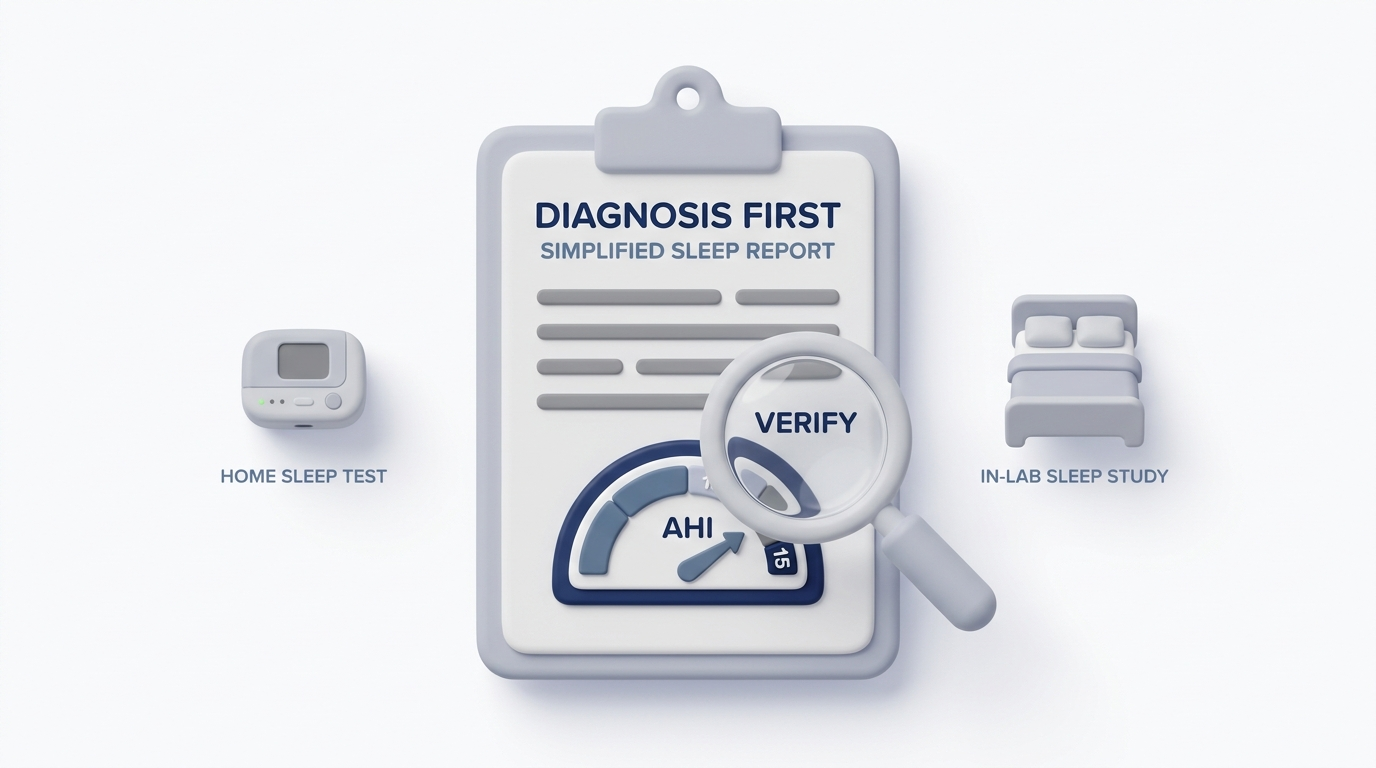
Snoring alone isn’t the same as OSA, and not all sleep-related breathing issues are the same. Severity (often via AHI—the apnea-hypopnea index) helps guide choices. A plain-English overview of AHI and severity: https://sleepandsinuscenters.com/blog/ahi-score-explained-understanding-your-sleep-apnea-severity
“I hate my CPAP” isn’t a diagnosis, and “my snoring got better” isn’t proof that oxygen levels and events are controlled. Safer decisions are built on data, not just symptoms.
Testing basics (patient-friendly)
Testing may use home sleep apnea testing for appropriate candidates or in-lab polysomnography for a comprehensive study. Follow-up testing after treatment changes confirms that therapy truly controls breathing events. If you change the plan, verify the result.
Takeaway: Test first, tailor the plan, and re-test to verify control.
What Causes Obstructive Sleep Apnea? (A Patient-Friendly Anatomy Tour)
The “collapsible airway” explanation
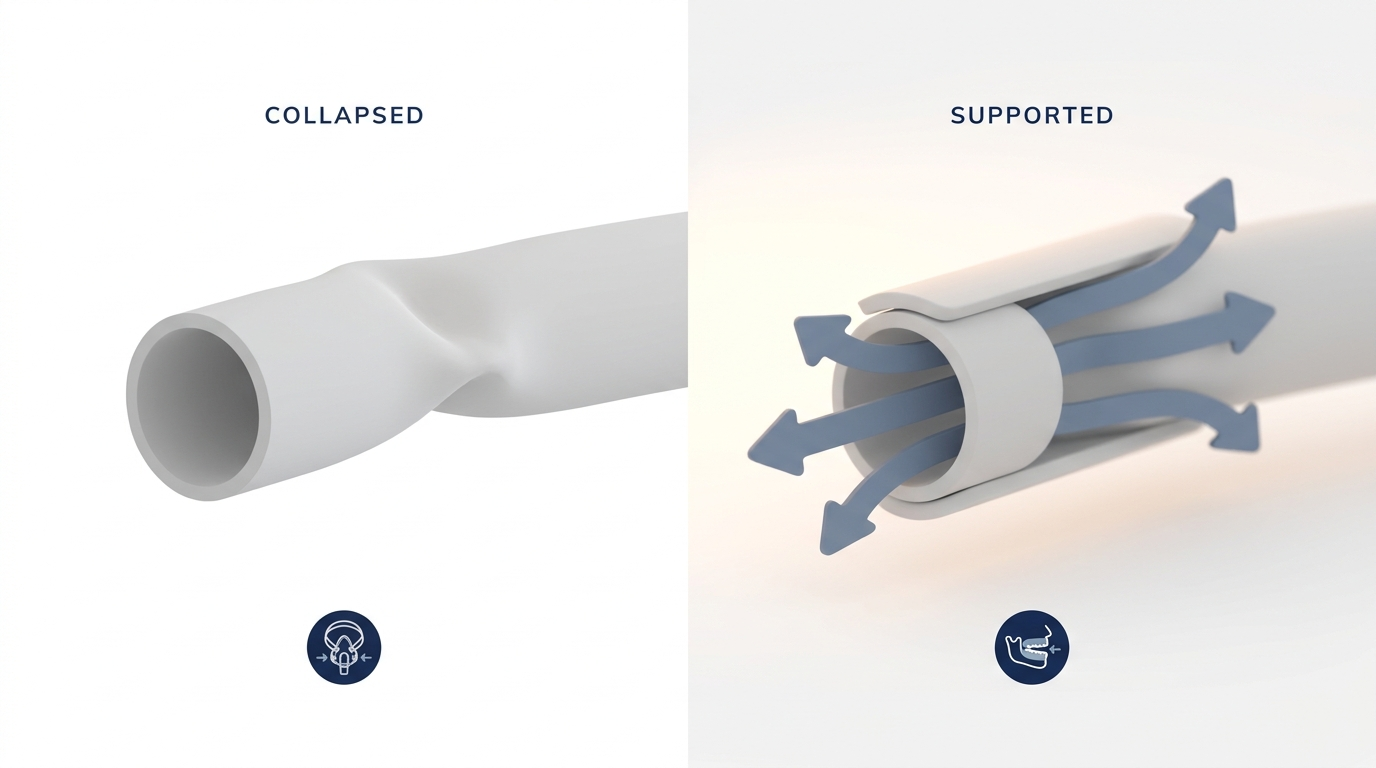
OSA happens when the upper airway repeatedly narrows or collapses during sleep, lowering oxygen and fragmenting sleep. A simple analogy is a soft garden hose that kinks when pressure drops. Treatments work by splinting it open (PAP), repositioning structures (oral appliance), reducing collapse triggers (positional therapy), or addressing anatomy (select procedures).
Common contributing factors (not just weight)
Contributors can include nasal obstruction (deviated septum, enlarged turbinates, allergies), tongue position and jaw anatomy, soft palate or tonsil tissue in select cases, alcohol or sedatives and sleep position, as well as family history and age. How snoring and sleep apnea differ and treatment paths: https://sleepandsinuscenters.com/snoring-sleep-apnea-treatment
Takeaway: OSA is about a collapsible airway, often driven by multiple, individual factors.
Part 2 of the Book — Treatment Options Beyond CPAP (and Where CPAP Still Fits)
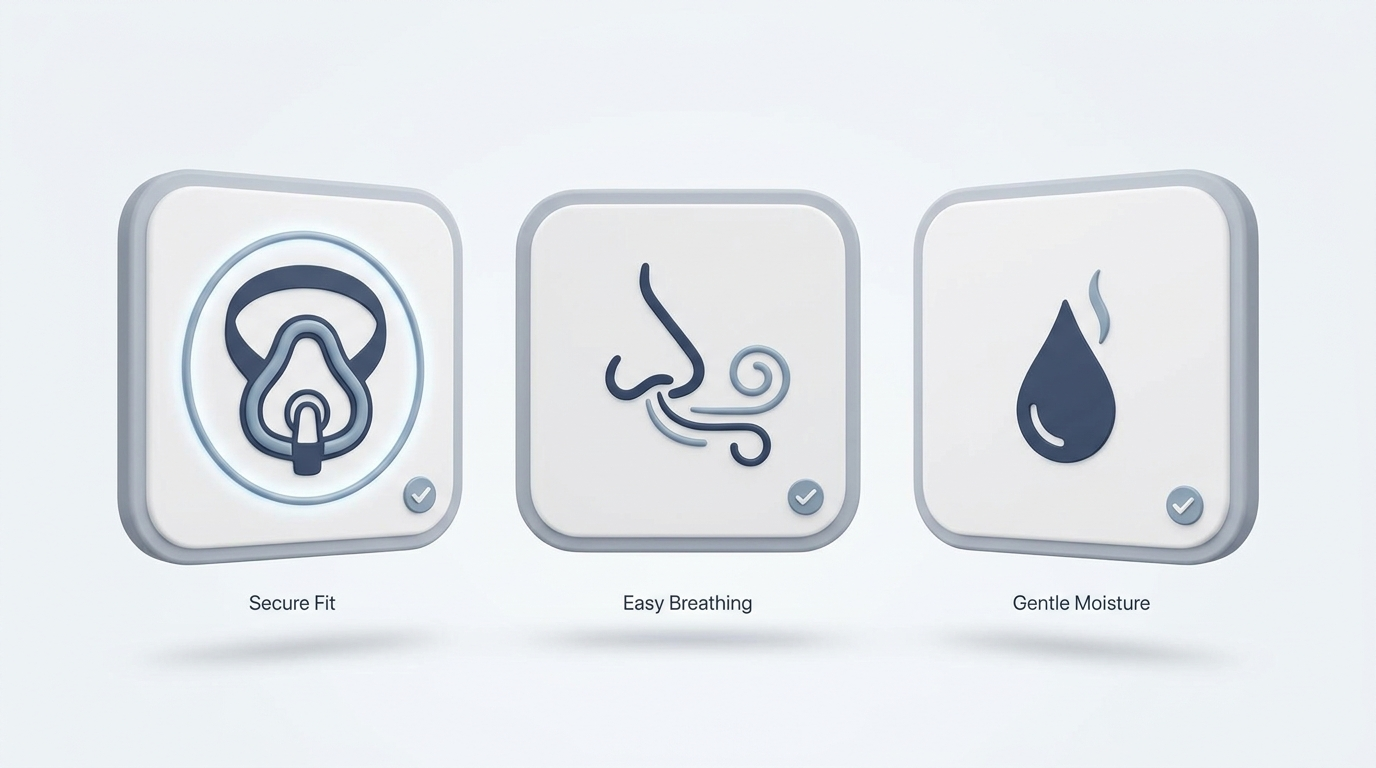
CPAP, APAP, and BiPAP — why they remain “first-line” for many
PAP therapies are often primary because they can be very effective at preventing airway collapse and reducing apneas, hypopneas, and oxygen drops. [5] When people struggle, common issues include mask fit or irritation, nasal blockage or mouth leak, dryness or congestion, claustrophobia or insomnia, and aerophagia.
Often the best next step is improving comfort and airflow so CPAP becomes tolerable—rather than abandoning it. If the real issue is nasal blockage, treating nasal airflow medically or procedurally can change the entire experience. Practical overview of non-CPAP options: https://sleepandsinuscenters.com/blog/sleep-apnea-treatment-without-cpap-best-alternativ-20260129021040
Takeaway: Before you switch, fix what’s fixable—comfort and airflow often unlock CPAP success.
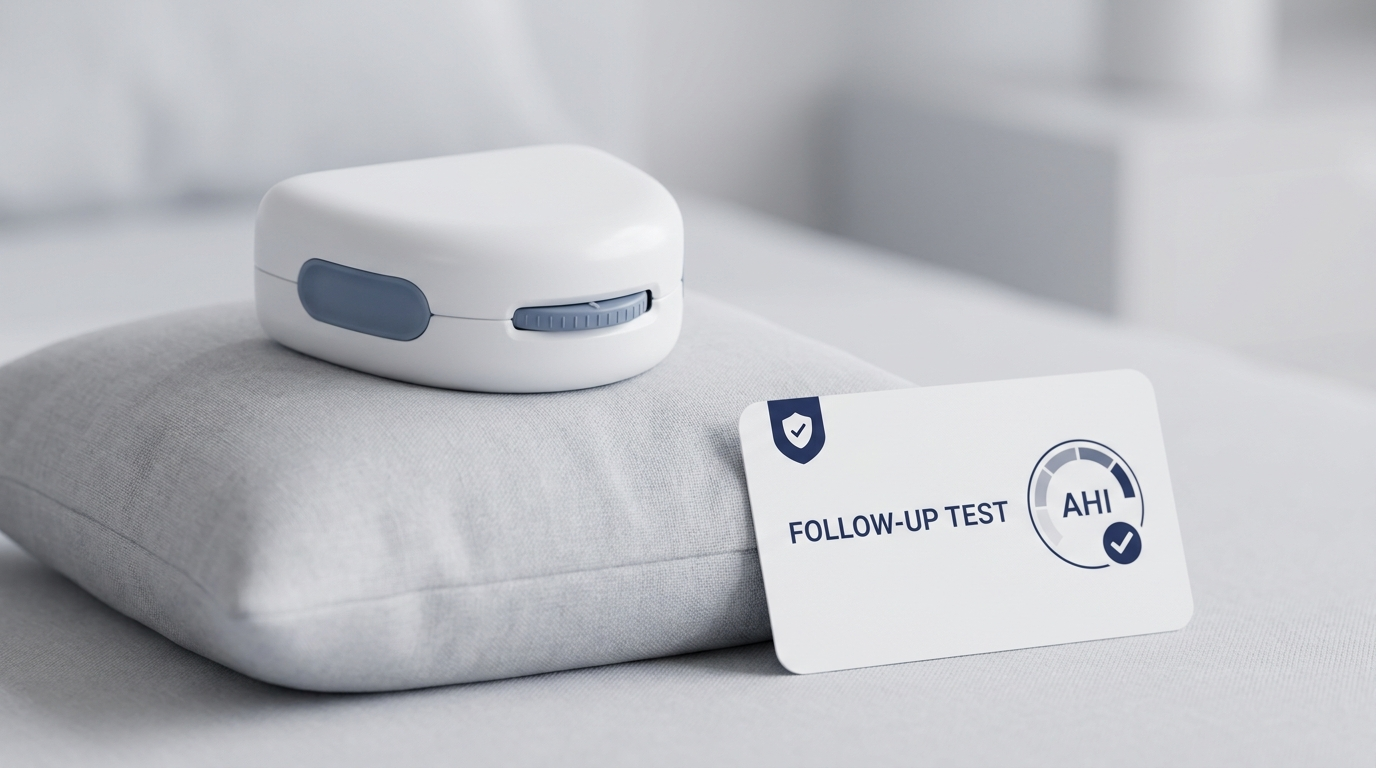
The Leading Evidence-Based Alternative: Custom Oral Appliance Therapy
What an oral appliance is (and how it works)
A custom, titratable mandibular advancement device gently positions the lower jaw forward to help keep the airway open during sleep. It’s a non-surgical, guideline-supported alternative for appropriate adults. [4]
Who may be a good candidate
Often considered for adults who cannot tolerate CPAP or who prefer an alternative and are clinically appropriate after evaluation. Appropriateness depends on severity, anatomy, dentition and jaw health, and contraindications—followed by proper fitting, titration, and objective follow-up.
Why “custom + follow-up” matters (not over-the-counter devices)
Guidelines support custom, titratable appliances provided by qualified clinicians with appropriate follow-up, which may include sleep testing to confirm control of breathing events—not just quieter snoring. [4]
Oral appliance vs CPAP — setting expectations
CPAP is often more consistently effective at reducing events and oxygen loss, but oral appliances can be a legitimate alternative for selected adults—especially when CPAP isn’t used consistently in the real world. [4–5] Deeper comparison: https://sleepandsinuscenters.com/blog/oral-appliance-vs-cpap-which-is-right-for-you
Takeaway: Choose an option that is both clinically appropriate and proven to control your OSA.
Other Non-CPAP Options Discussed in “Freedom From CPAP”
Positional therapy (when sleep position worsens OSA)
Some people have OSA that’s significantly worse on their back. Positional therapy aims to reduce back-sleeping and may be used alone in select cases or combined with other therapies, then verified with follow-up testing.
Lifestyle and risk-factor reduction (high-impact, low-risk)
Helpful steps include weight management when appropriate, avoiding alcohol close to bedtime, addressing nasal congestion and allergies, and keeping a consistent sleep routine. These align with major guidance on sleep apnea care. [5]
Takeaway: Smart add-ons—like positional and lifestyle steps—can strengthen any core therapy.
Surgical and Procedure-Based Options (ENT Perspective)
Why surgery is sometimes considered
When anatomy is a major driver, when CPAP and/or oral appliance therapy isn’t tolerated or sufficient, or when improving nasal breathing could make CPAP easier, ENT-focused care may help. In practice, ENT care can remove obstacles that make any therapy harder to use; it isn’t necessarily “skip CPAP.”
Common categories of sleep apnea surgery (high-level, patient-friendly)
Approaches vary and candidacy is individualized. Categories include nasal surgery for airflow and CPAP tolerance, select soft palate procedures, tongue base–focused and airway-stabilizing procedures, and implantable therapies (such as hypoglossal nerve stimulation) for specific eligibility. Surgery is one potential tool in a tailored plan.
Takeaway: Procedures are tools for select candidates—not one-size-fits-all cures.
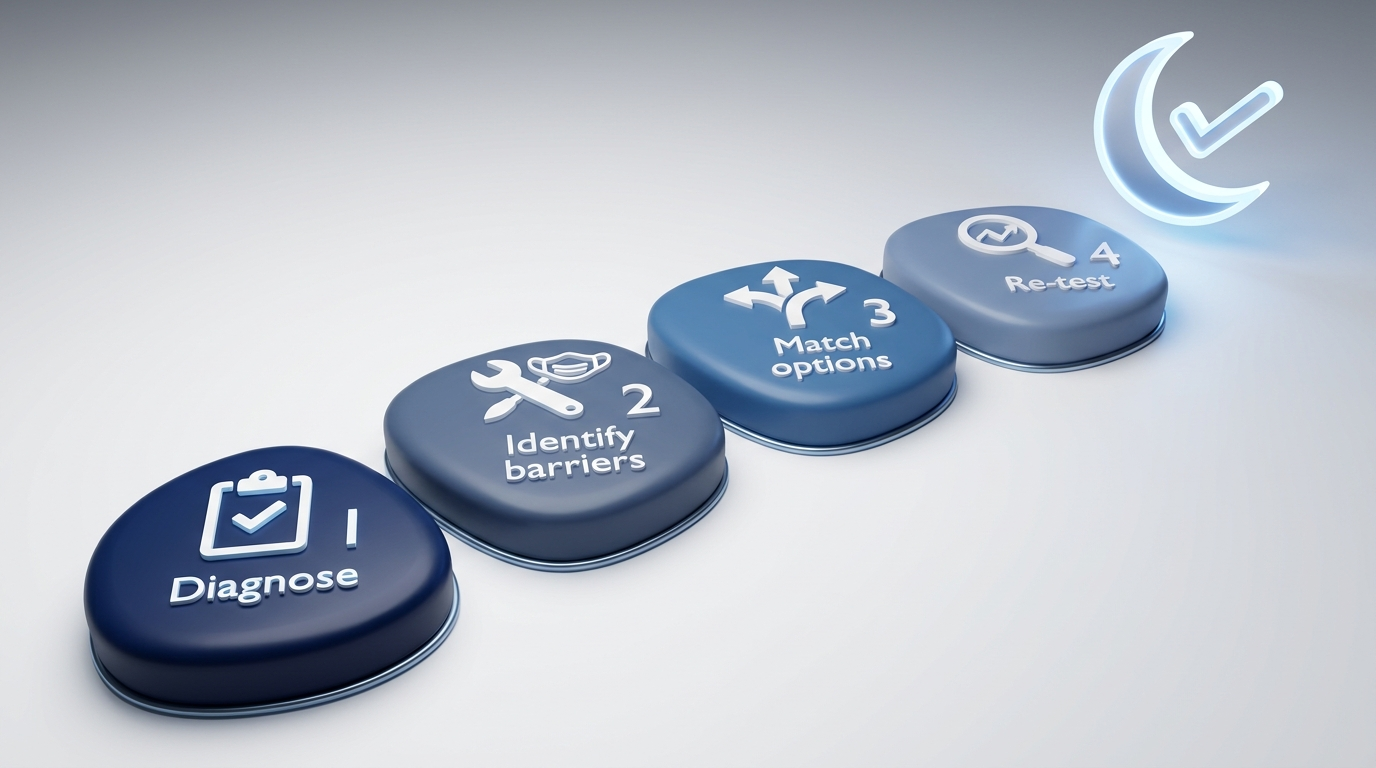
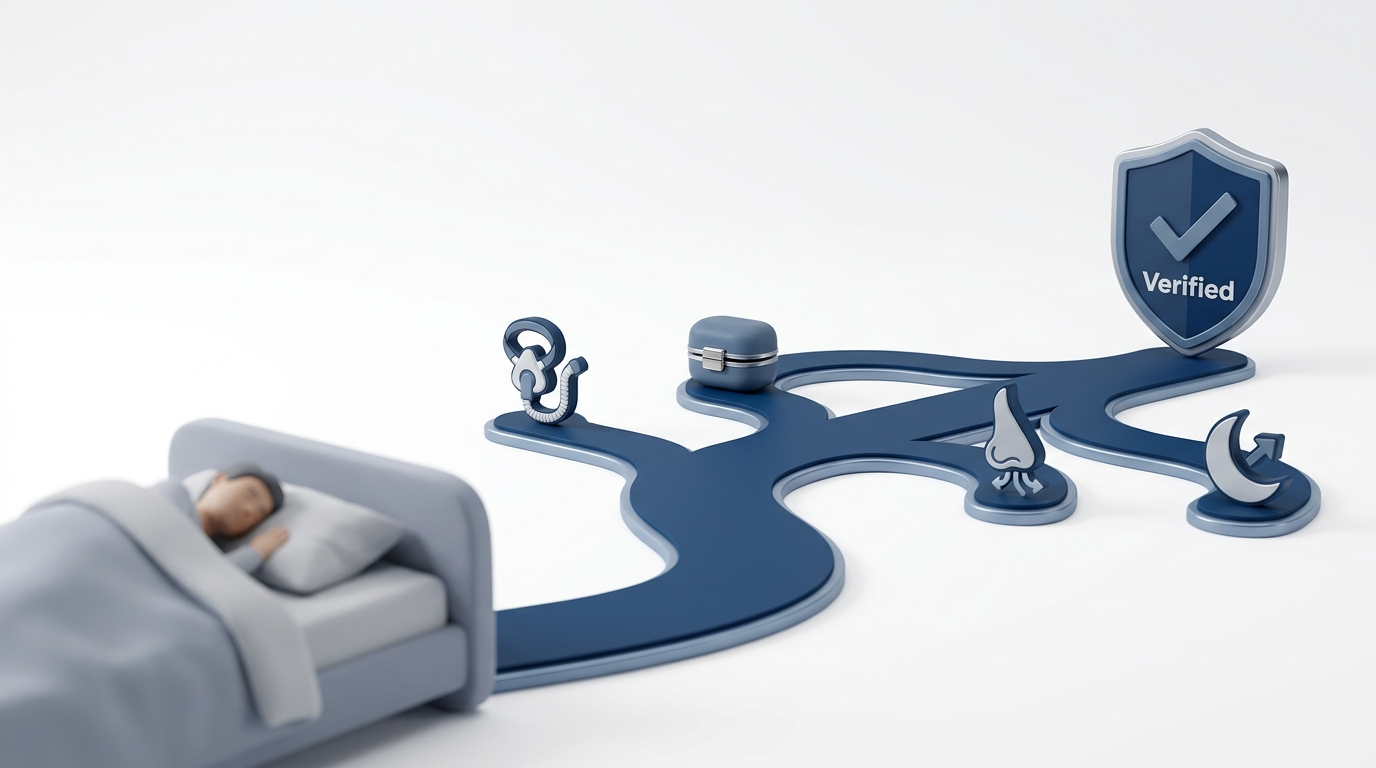
A Safe “Decision Path” for Patients Who Want CPAP Alternatives
Step 1 — Confirm the diagnosis and severity
Review your sleep study details, including AHI, oxygen levels, and symptoms, before switching therapies.
Step 2 — Identify the real barrier to CPAP
Pressure settings, mask type, nasal obstruction, and dryness need different fixes. Common themes: “It’s not the pressure—it’s my nose,” or “I’m fine until I wake up and rip the mask off.” Different problems, different solutions.
Step 3 — Match options to your anatomy + preferences
Consider coordinated ENT and dental sleep evaluation. Some patients benefit from combination care (for example, nasal treatment plus PAP; or oral appliance plus positional strategies).
Step 4 — Re-test after treatment changes
Guidelines emphasize objective confirmation that oral appliance therapy (or any change) works as intended, often with repeat sleep testing. Appointments: https://sleepandsinuscenters.com/appointments
Takeaway: The safest path is diagnose, personalize, and verify—ideally with a coordinated team.
FAQs
Can I stop CPAP if I use an oral appliance?
Sometimes, but typically only after clinician review and follow-up testing confirms your sleep apnea is controlled with the appliance. [4–5]
Is Freedom from CPAP saying CPAP is bad?
No. It’s an educational guide to individualized care and alternatives, not a blanket claim that CPAP is unnecessary. [2–3]
Are over-the-counter “anti-snoring” mouthpieces the same as oral appliances?
No. Guidelines support custom, titratable appliances provided by qualified clinicians with follow-up. [4]
What if I have severe sleep apnea?
Severe OSA often requires more reliably effective therapy, and CPAP may still be the leading option. Alternatives may be considered case by case, sometimes in combination. [4–5]
How do I know which treatment is right for me?
The most reliable path is diagnosis plus severity plus anatomy plus tolerance plus follow-up testing—more dependable than decisions based on a title, a trend, or snoring alone. [4–5]
Conclusion — What “Freedom” Should Mean for Sleep Apnea Patients
Freedom isn’t about avoiding one specific device—it’s about finding a treatment you can use consistently that objectively controls your sleep apnea.
If you’d like help reviewing prior testing or exploring CPAP alternatives in a structured, evidence-based way, you can schedule an evaluation with Sleep and Sinus Centers of Georgia for a coordinated ENT-and-dental perspective when appropriate.
This article is for educational purposes only and is not medical advice. Please consult a qualified healthcare provider for diagnosis and treatment.
References
1. Mayoor Patel DDS. “Dr. Patel’s Educational Sleep Apnea Book is Now Available!” (2015) https://mpateldds.com/sleep-apnea/dr-patels-educational-sleep-apnea-book-now-available/
2. Sleep Review. “Freedom from CPAP Book” (2015) https://sleepreviewmag.com/sleep-treatments/therapy-devices/oral-appliances/freedom-from-cpap-book/
3. Angela G. Lunn. Book review in CRANIO (2016) https://www.tandfonline.com/doi/full/10.1080/08869634.2016.1140367
4. American Academy of Sleep Medicine (AASM) & American Academy of Dental Sleep Medicine (AADSM). Joint clinical practice guideline for oral-appliance therapy https://aasm.org/aasm-and-aadsm-issue-new-joint-clinical-practice-guideline-for-oral-appliance-therapy
5. National Heart, Lung, and Blood Institute (NHLBI). “Sleep Apnea—Treatment” (2024) https://www.nhlbi.nih.gov/health/sleep-apnea/treatment
Talk with a Georgia ENT
Curious which CPAP alternative fits your anatomy and sleep study results? The board-certified ENT team at Sleep and Sinus Centers of Georgia can walk you through options like VOAT and Genio. Learn more about sleep apnea treatment options, or request an appointment.
Don’t let allergies slow you down. Schedule a comprehensive ENT and allergy evaluation at Sleep and Sinus Centers of Georgia. We’re here to find your triggers and guide you toward lasting relief.